Vanderhorstia ambanoro
Hovering over its sand burrow off Dili, Timor-Leste, this small goby favours warm 27-29C reef flats and turns up year-round.
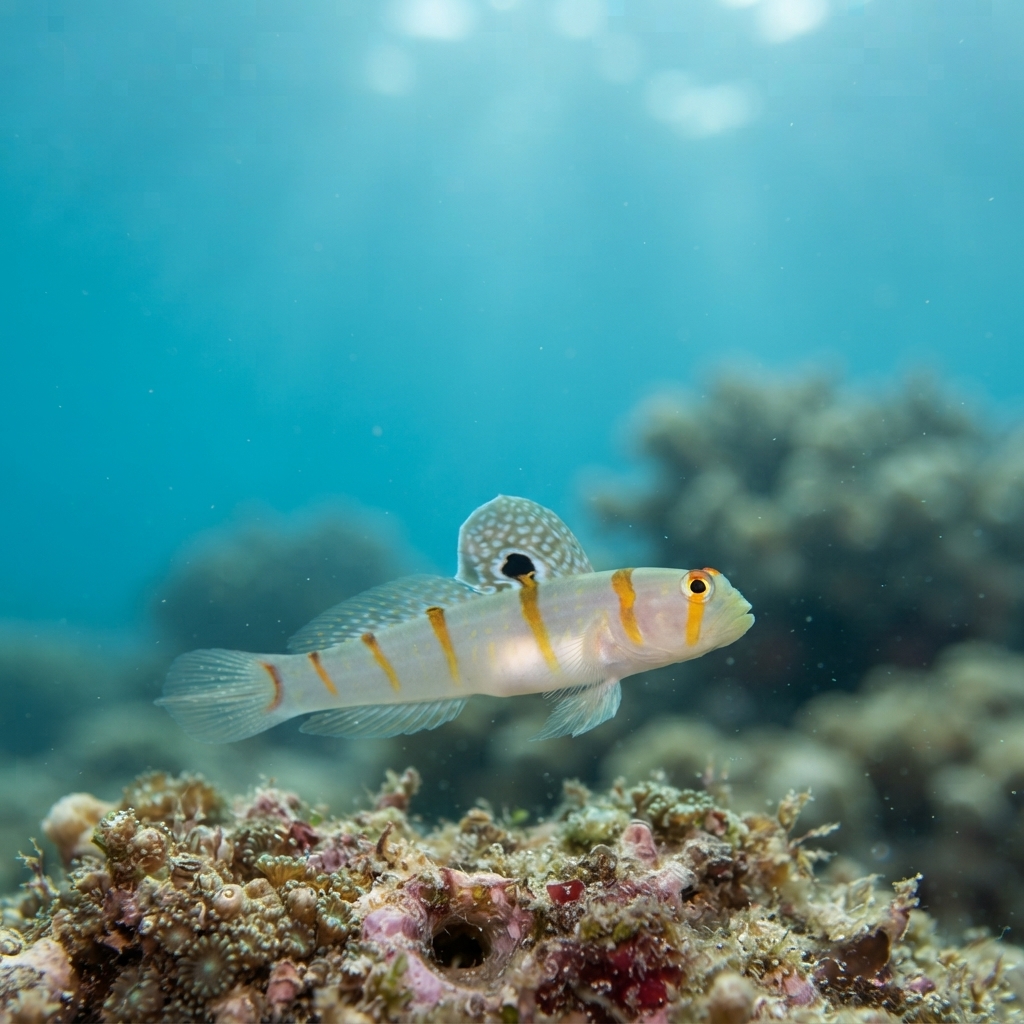
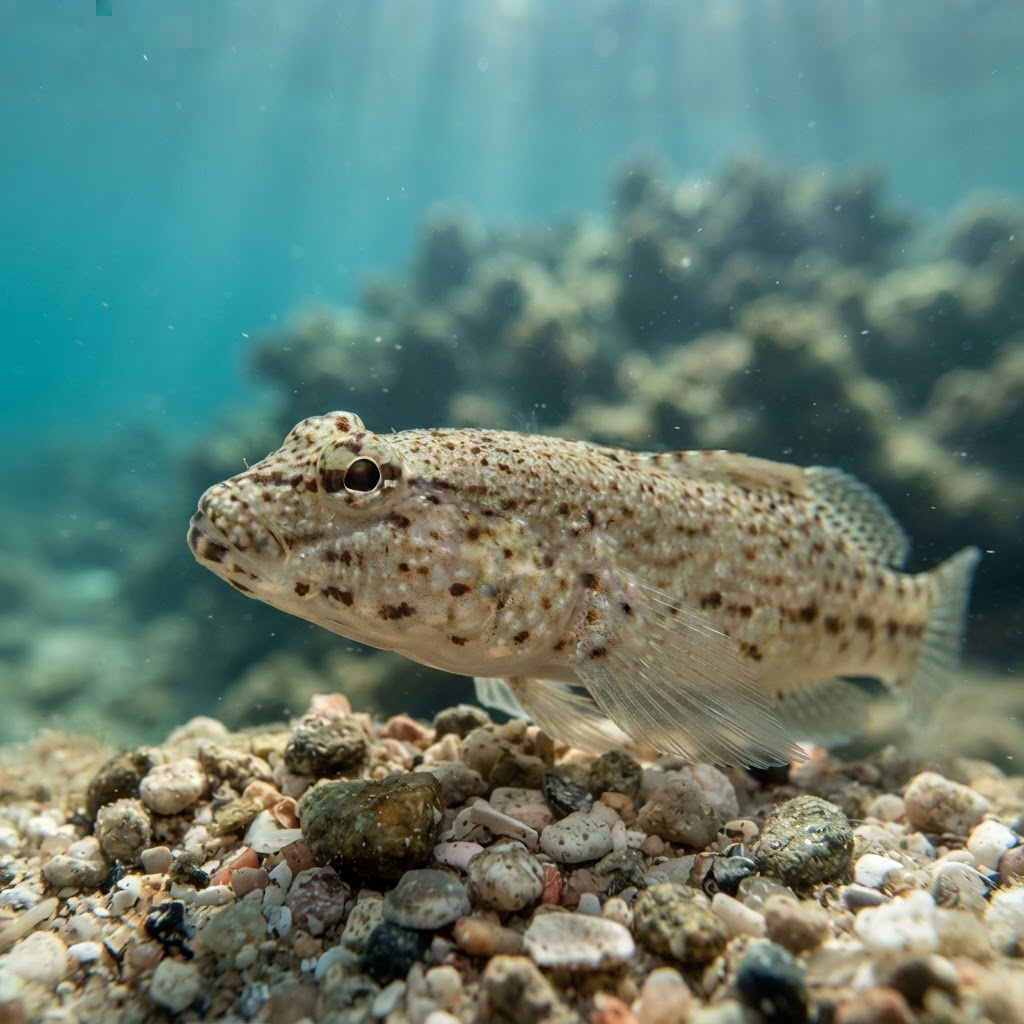
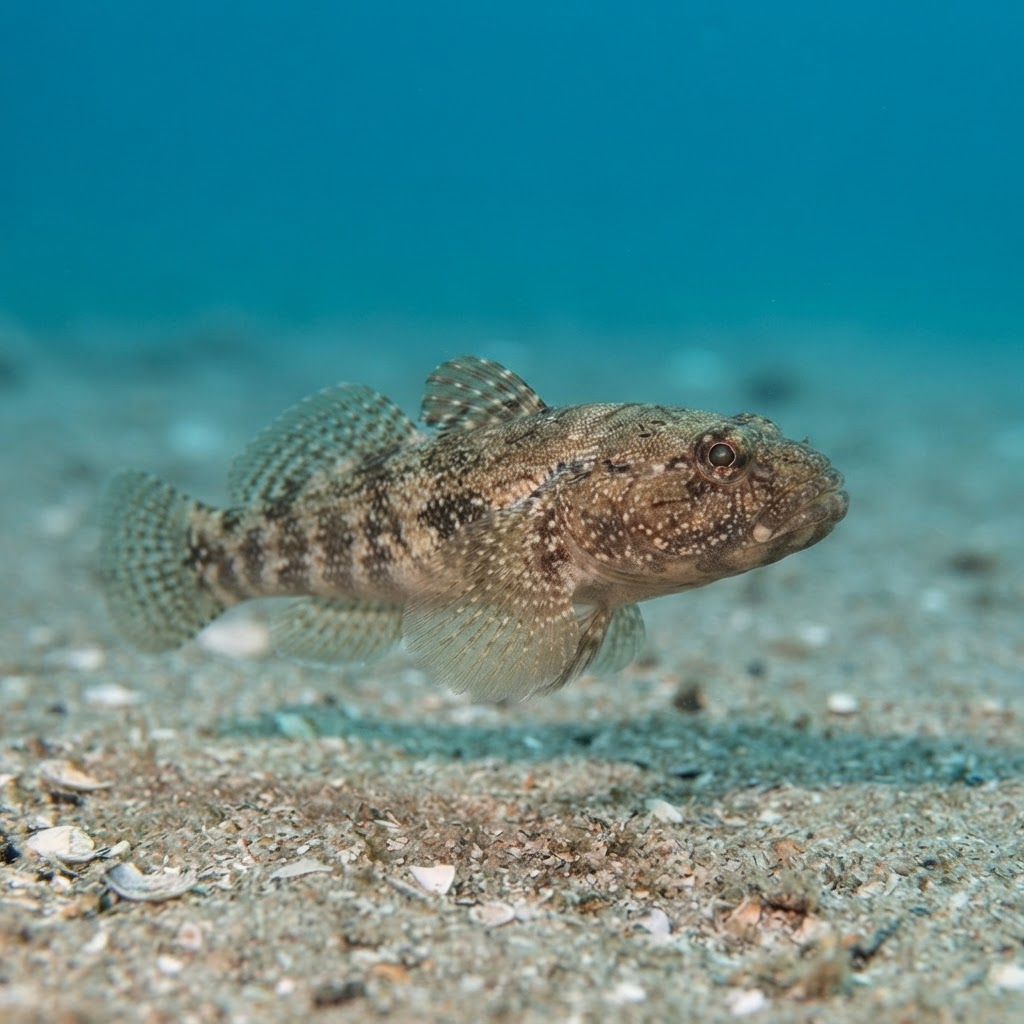
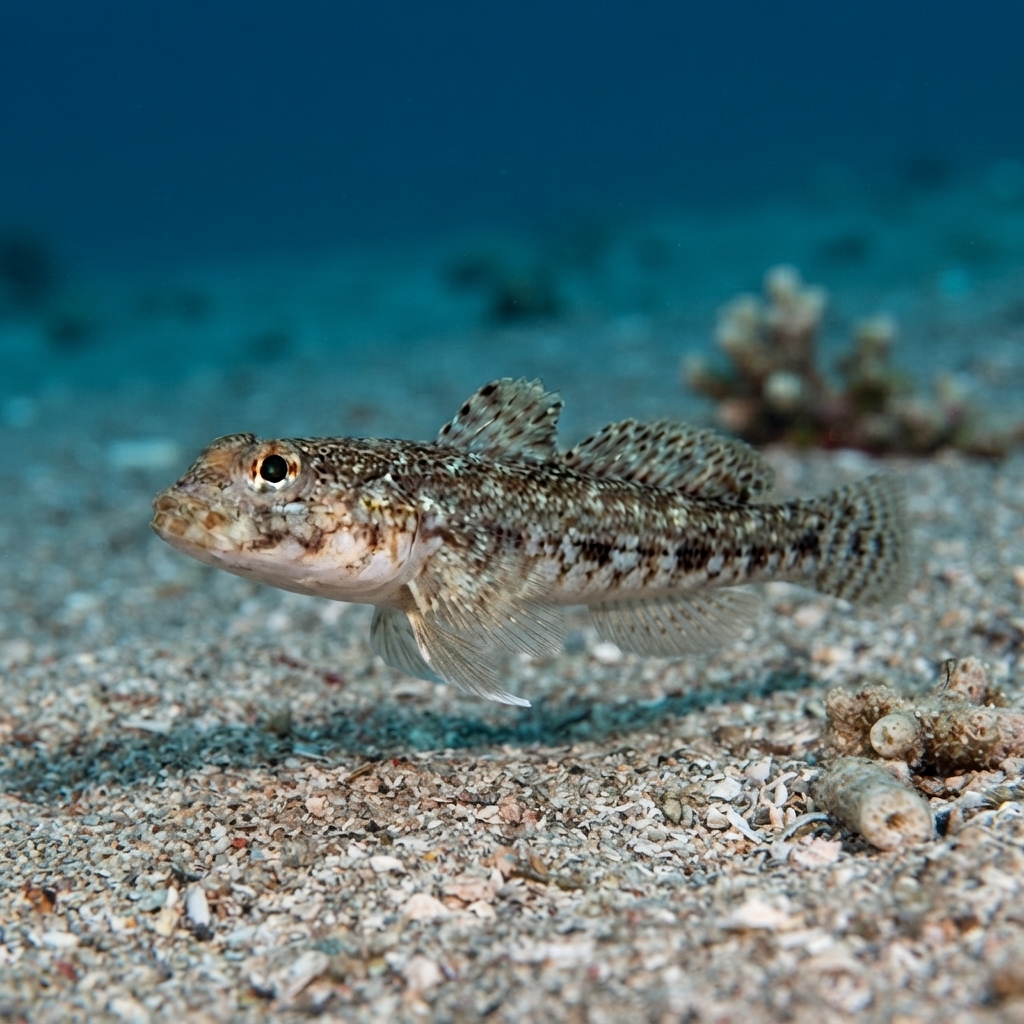
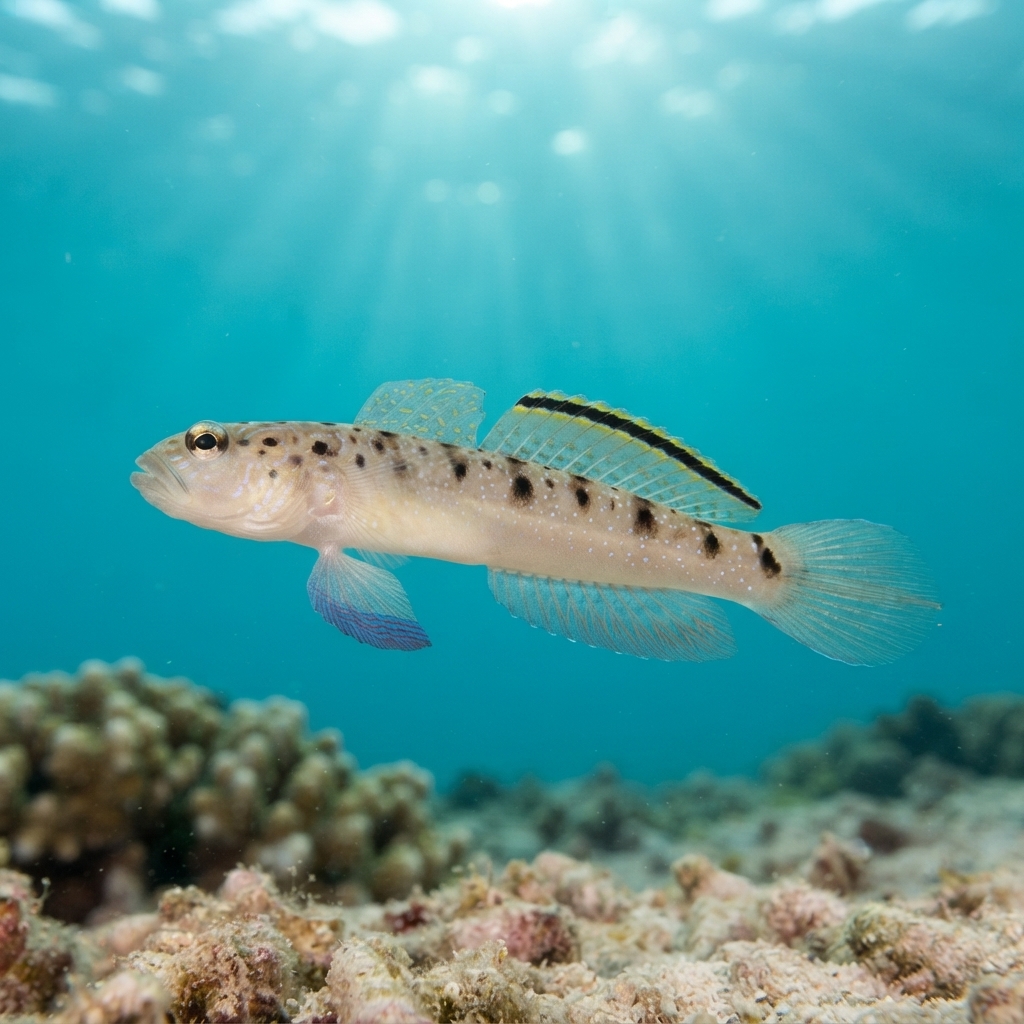
A slim, pale-bodied goby around 9 cm long, usually seen hovering just above the sand rather than resting flat on it. Look for the paired dark spots that give it its name, set along the body near the dorsal fin, against a light grey-tan background. It shares its burrow with a partner shrimp, so check the sand entrance below it for movement before assuming you have the wrong species.
Spends most of its time hovering at the mouth of a shared burrow, ready to dart backwards underground the moment a diver gets too close or moves too fast. Its shrimp housemate can often be seen shovelling sand out of the burrow entrance while the goby keeps watch, retreating together at any sign of a shadow overhead. Patience and a slow approach along the sand give the best chance of watching this pair work before they disappear.
Like other shrimpgobies, it lives in a burrow dug and maintained by a burrowing shrimp, with the goby acting as lookout in exchange for shelter, a partnership that keeps both species safe from predators on open sand.
No clear seasonal pattern shows up in the sighting data, and its comfort range of 27 to 29.3C matches warm tropical reefs year-round, so any month at these sites gives a reasonable chance.
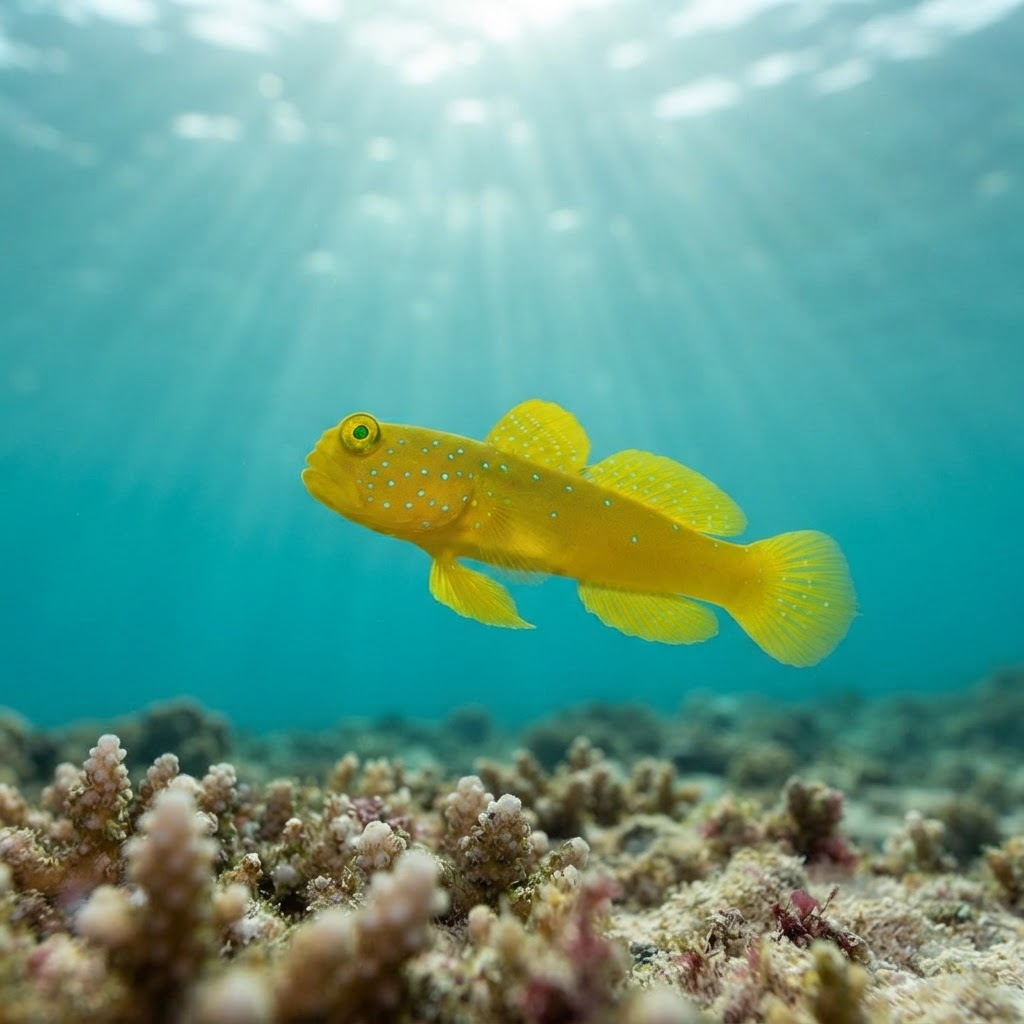
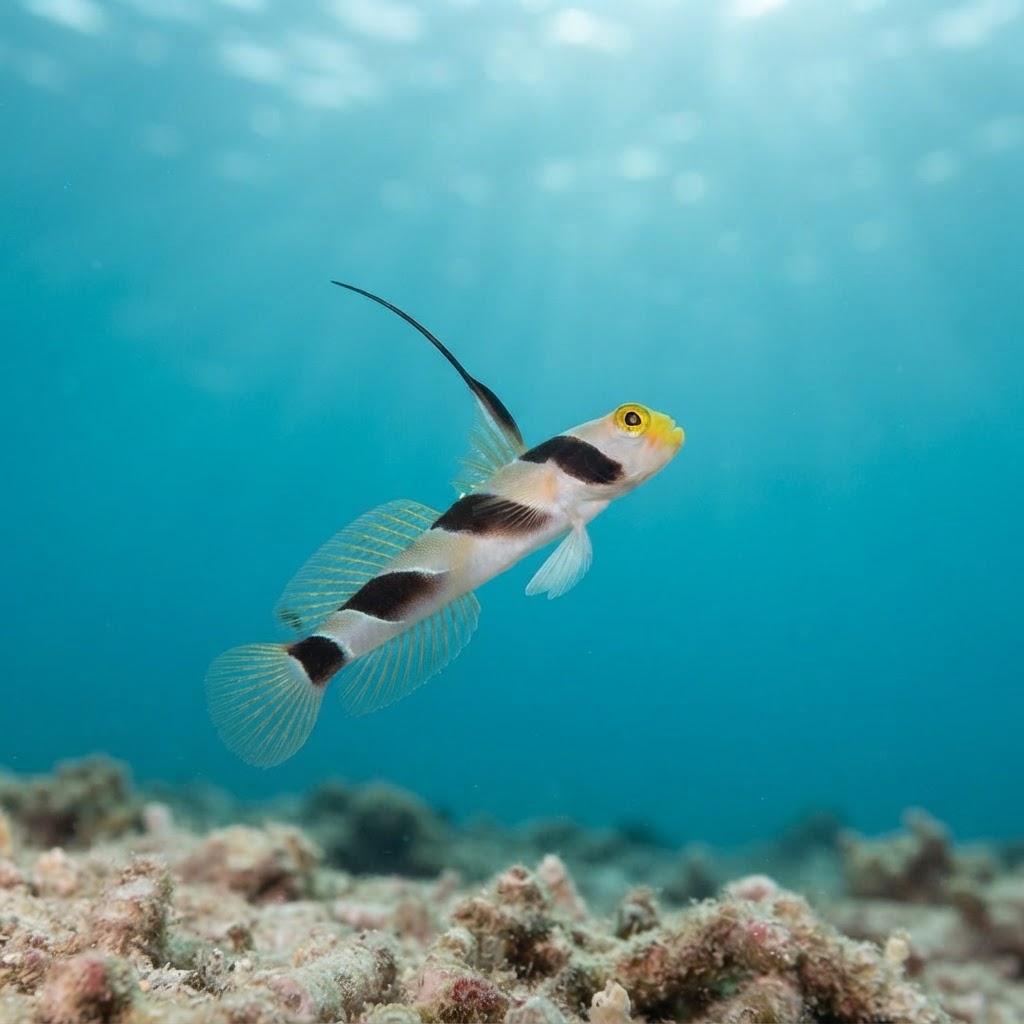
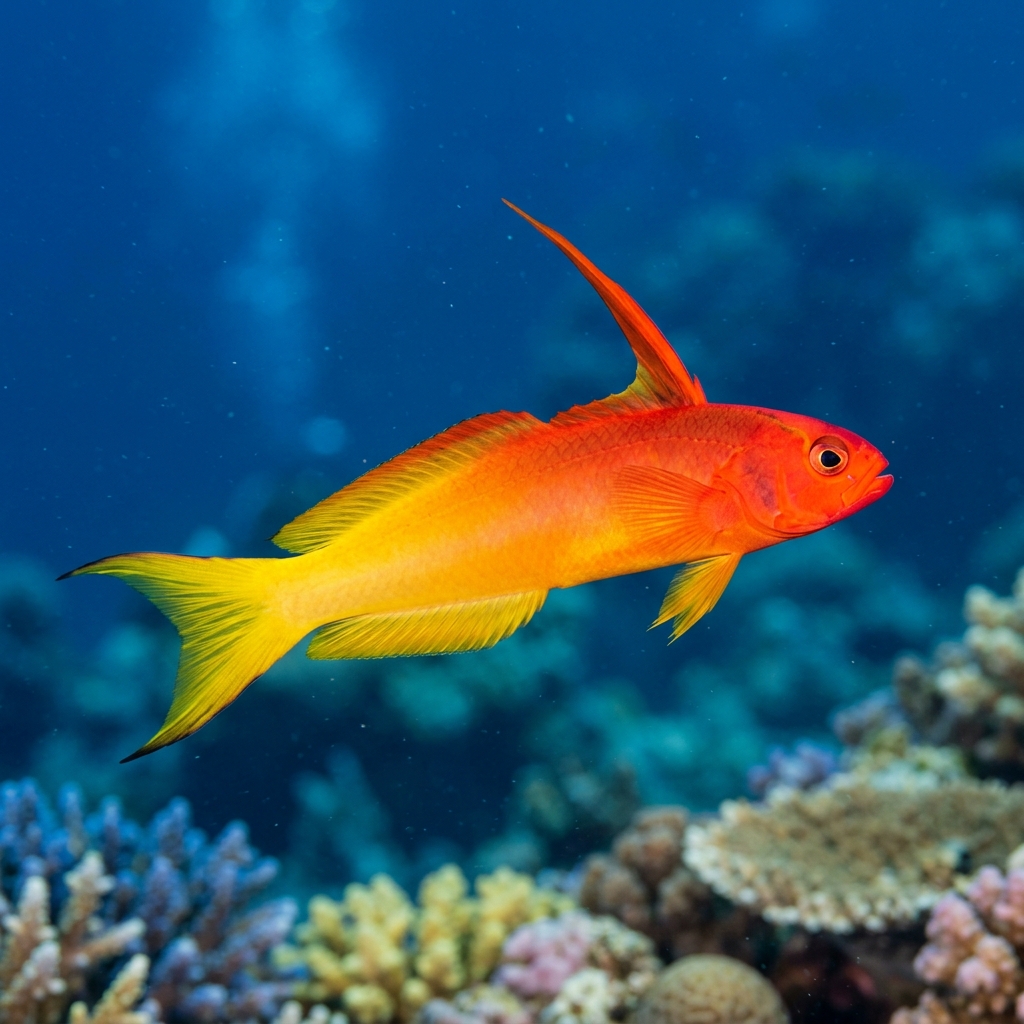
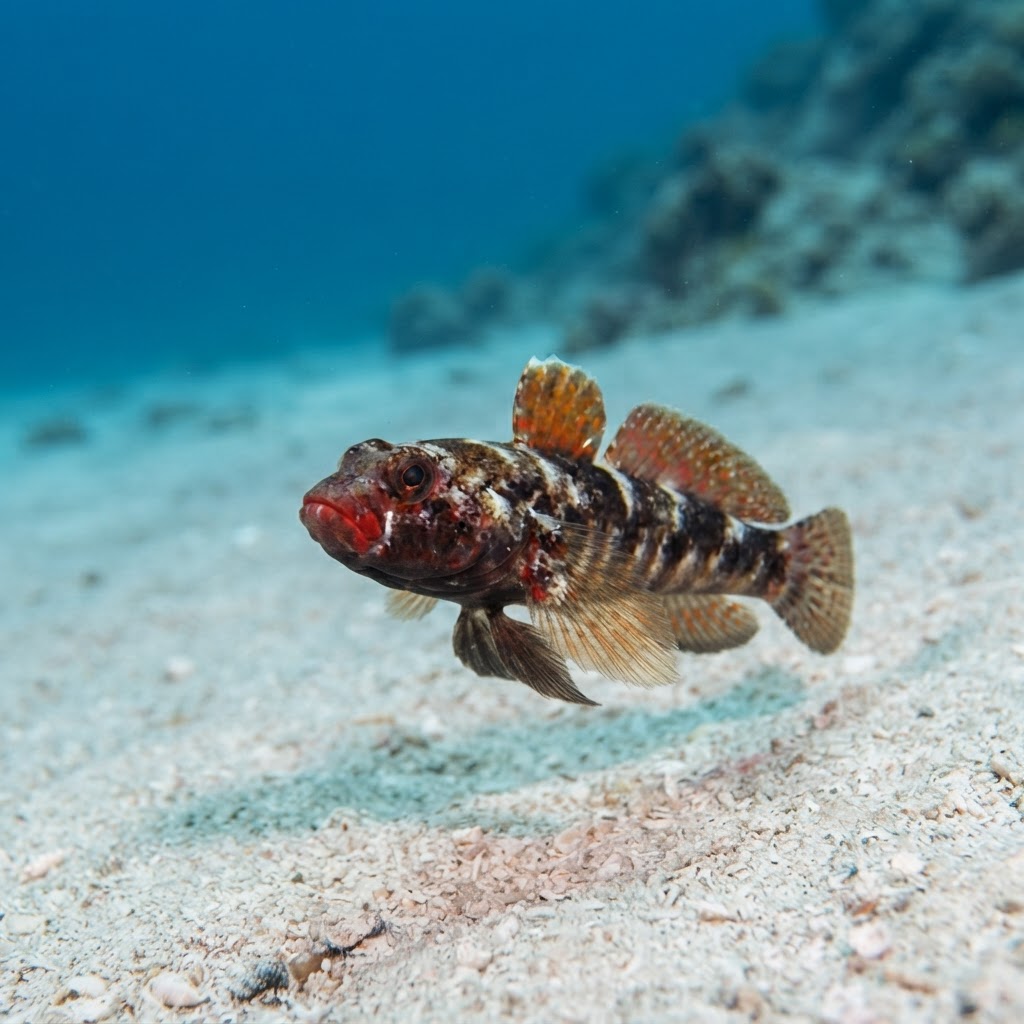
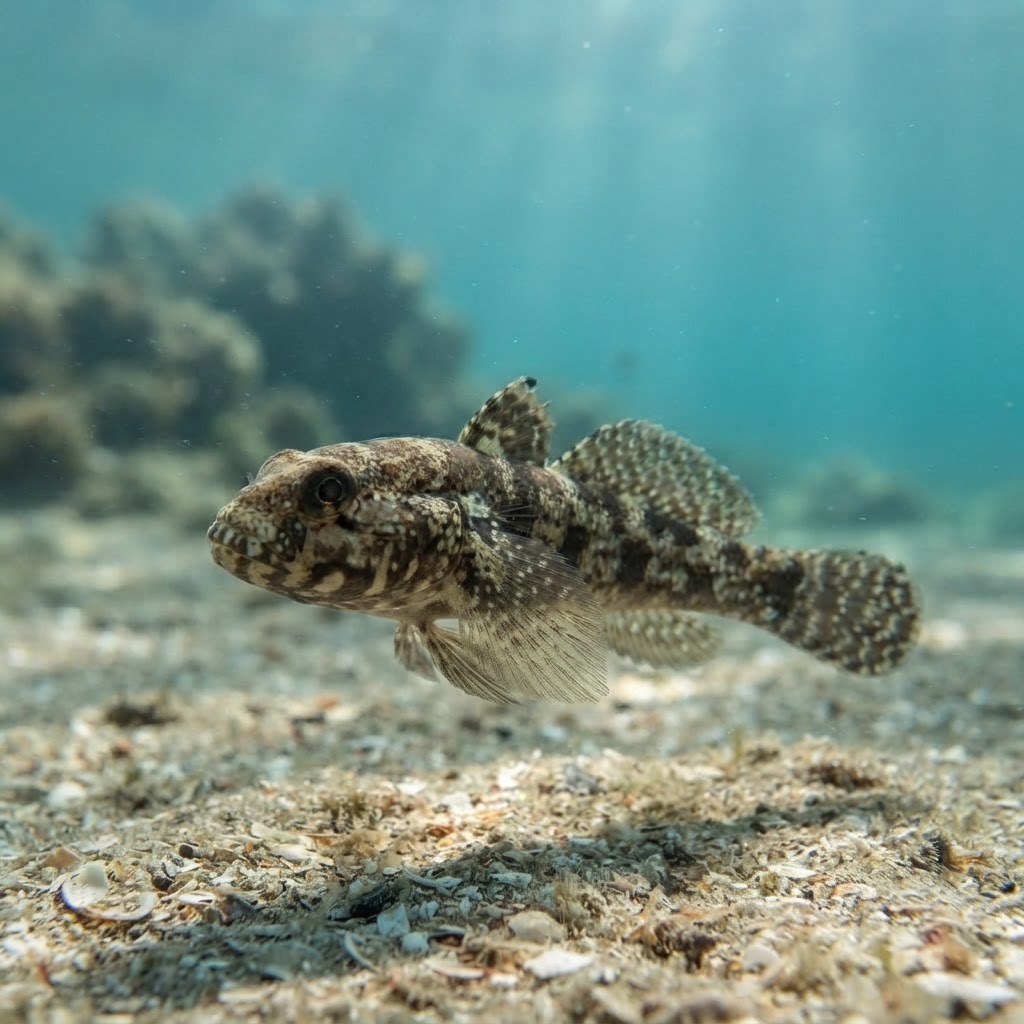
Reef neighbours a diver could mistake it for. Use the identification notes above to tell them apart.
Most reliably logged around Dili in Timor-Leste, with further sightings in Milne Bay, Papua New Guinea, on Queensland reefs in Australia, and in the Visayas region of the Philippines. It sits on sand and rubble patches near reef structure rather than on the reef itself, so look at the base of slopes and sandy flats between coral heads at these sites.
Mapping where Twinspot Shrimpgoby is logged…
It is most reliably found around Dili in Timor-Leste, with additional sightings logged in Milne Bay in Papua New Guinea, on reefs in Queensland, Australia, and in the Visayas region of the Philippines.
There is no strong season in the sighting data, and its preferred water temperature of 27 to 29.3C is typical of these tropical reefs all year, so it can be looked for in any month.
Look for a small, pale goby around 9 cm long hovering just above a sandy burrow entrance, with a pair of dark spots along its upper body. It rarely strays far from its burrow and dives backward into it when startled.
They reach about 9 cm in length, making them one of the smaller gobies divers spot hovering over sand patches near reef edges.
Yes, they pair up with a burrowing shrimp that digs and maintains the burrow while the goby stands guard above the entrance, warning both animals of danger.
Site and sighting data is aggregated from diver logs, iNaturalist and GBIF. For taxonomy and conservation status:
Slender Goby
806 sites