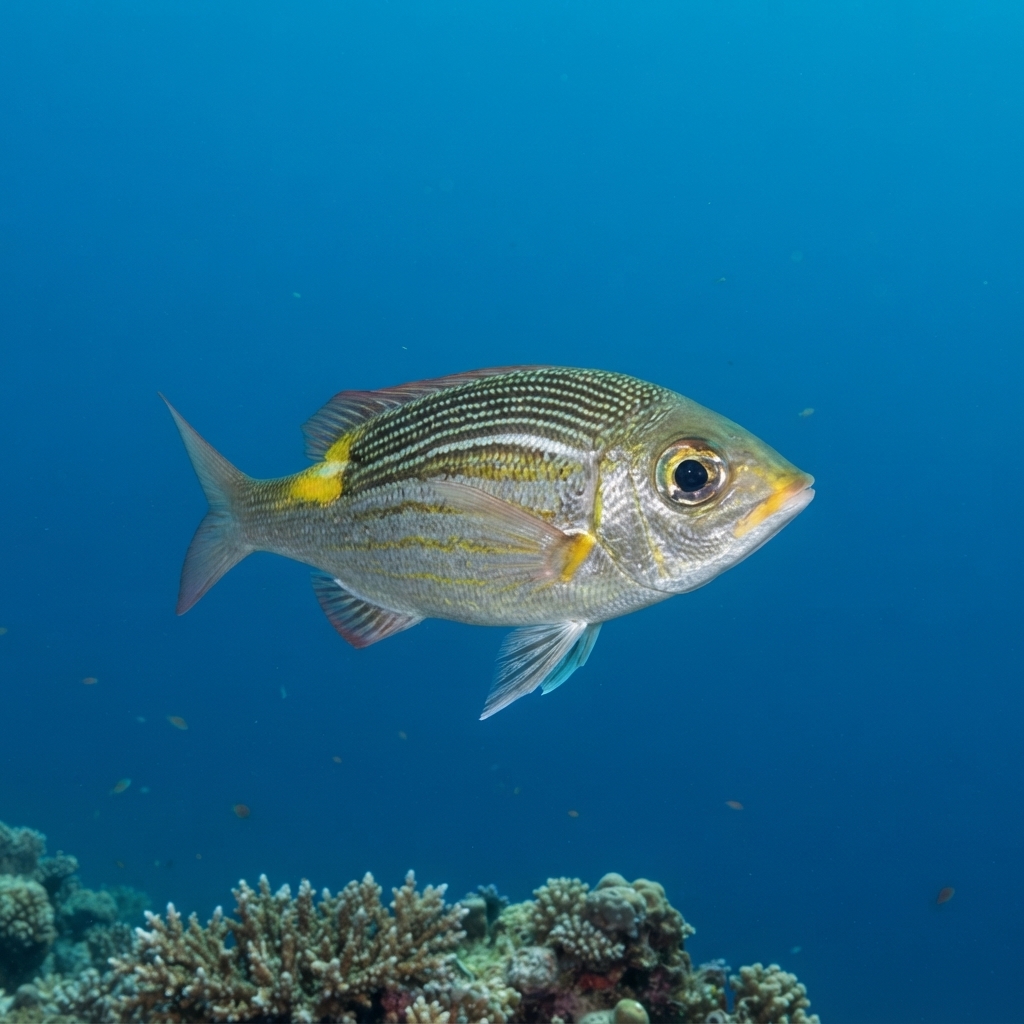
Gnathodentex aureolineatus
Silvery reef fish with a yellow saddle and big dark eye, common across the Maldives' Central Atolls in 25-29C water year-round.
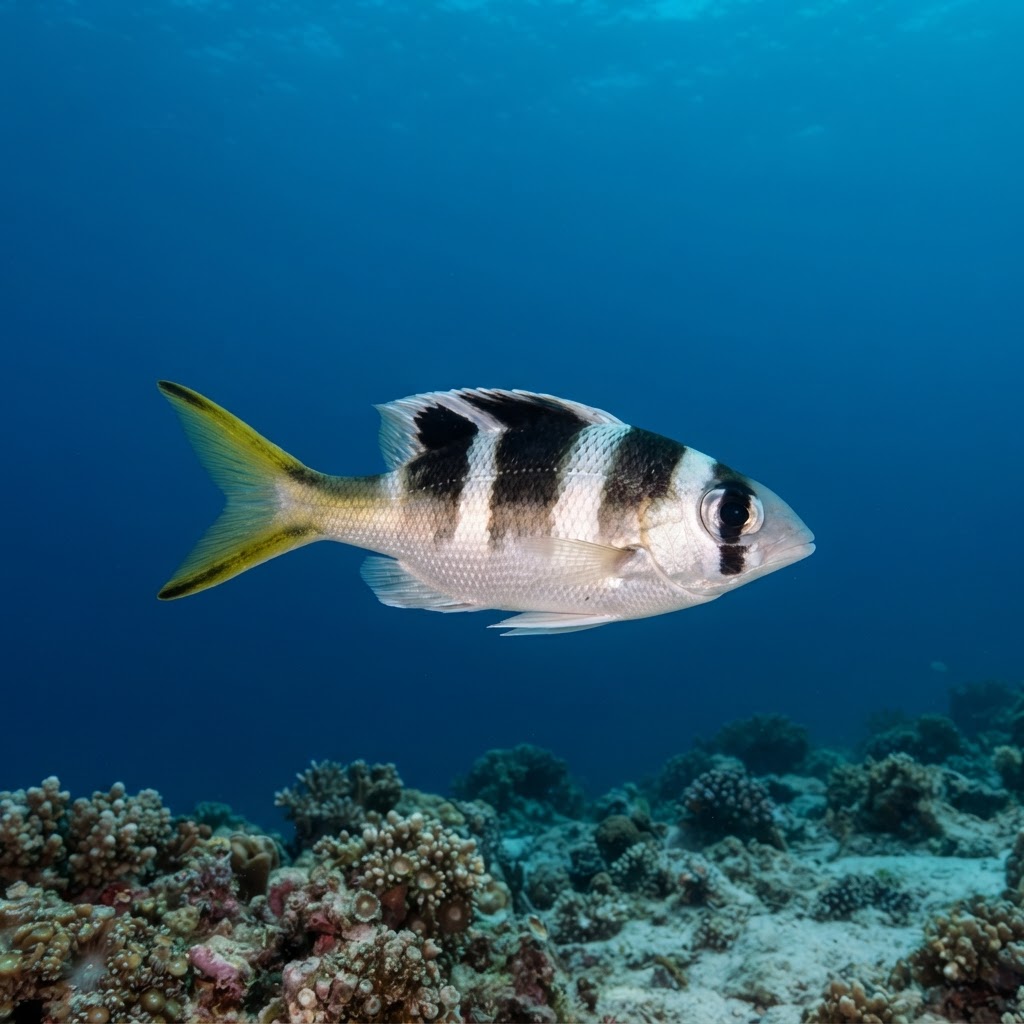
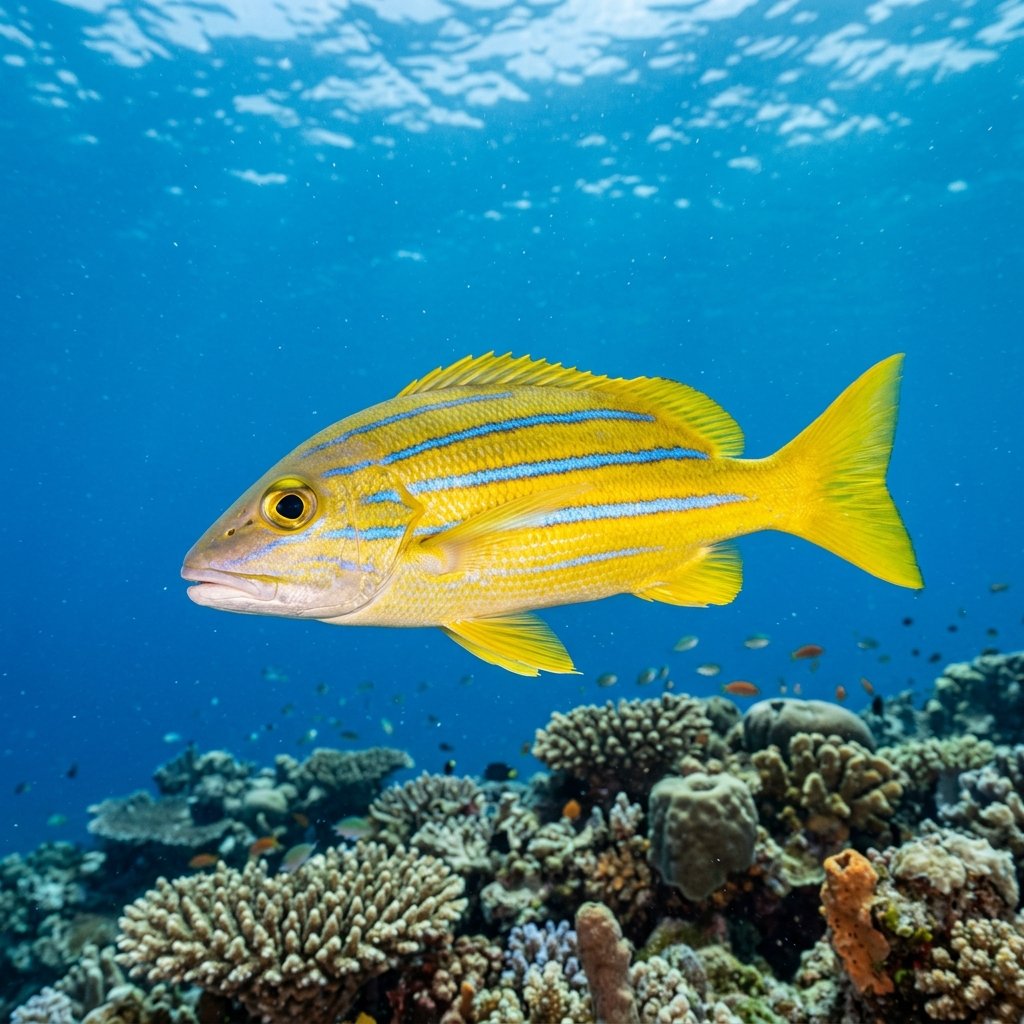
Look for a silvery, oval-bodied fish around 29 cm with faint yellow stripes running along the flanks and a distinctive bright yellow saddle patch just below the dorsal fin. The eye is noticeably large for the head, which is where the name comes from, and it often sits close to the reef in loose groups rather than cruising open water. There's no strong reported difference between juveniles and adults in colour pattern.
Divers most often find it hovering in small, loose groups just above the reef, picking at the substrate or hanging in the current rather than darting for cover. It's not especially wary of divers and tends to hold its position over sand patches or reef flats, making it an easy, unhurried fish to photograph. Most sightings describe it as uncommon to common rather than a guaranteed find, so it rewards divers who take a moment to scan open reef areas rather than just the coral heads.
That oversized eye is a real functional feature: it's built for low-light feeding, and this bream is often most active picking over the reef at dawn, dusk, or on overcast, dim days.
No clear seasonal pattern shows up in the data, and with a comfortable range of roughly 25 to 29C on tropical reefs, it's a fish you can plan around any month rather than a particular season.
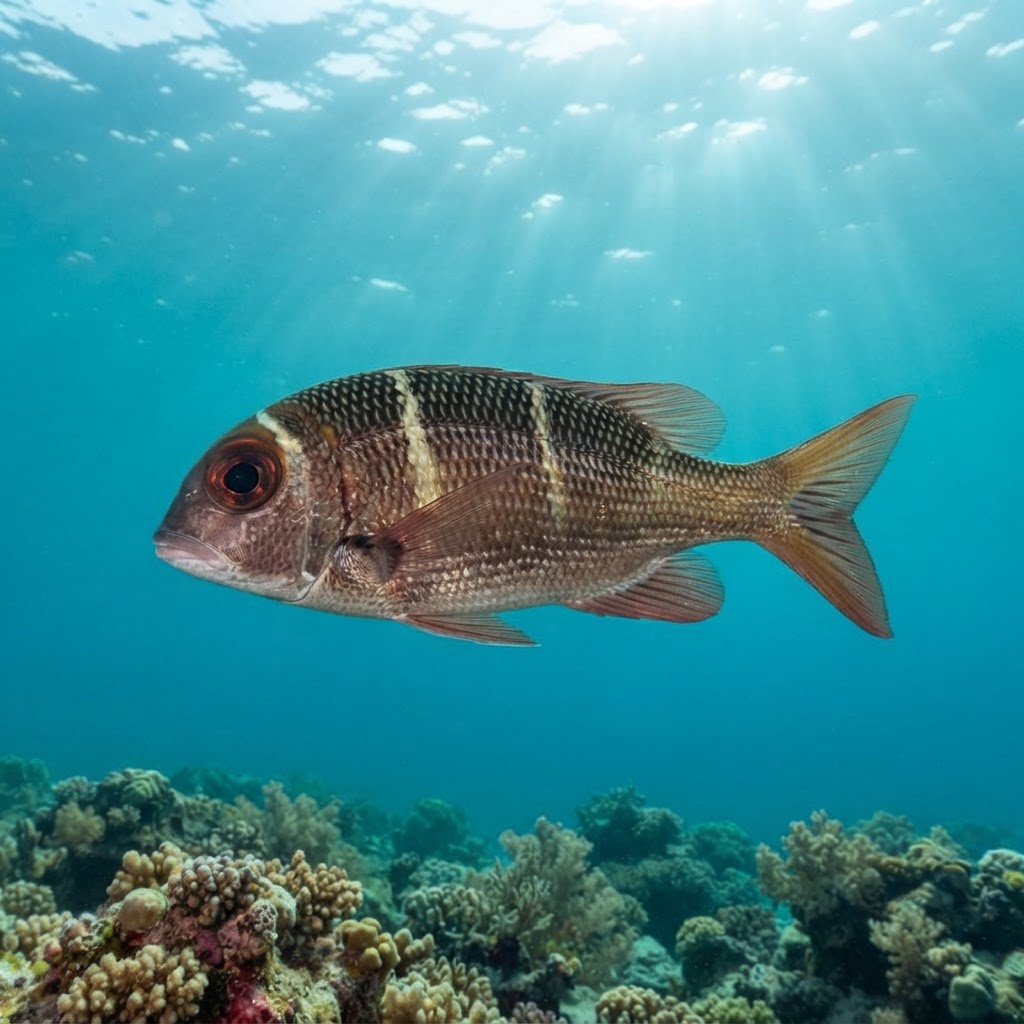
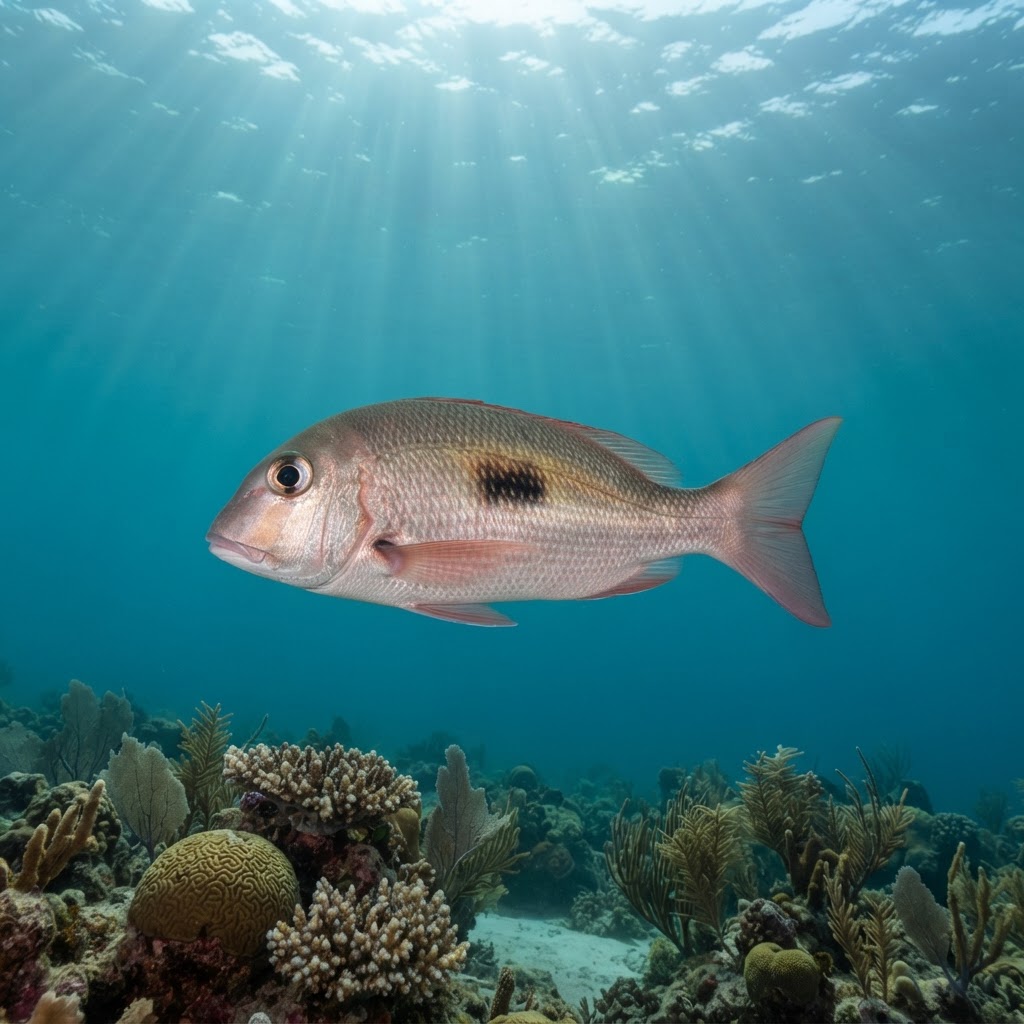
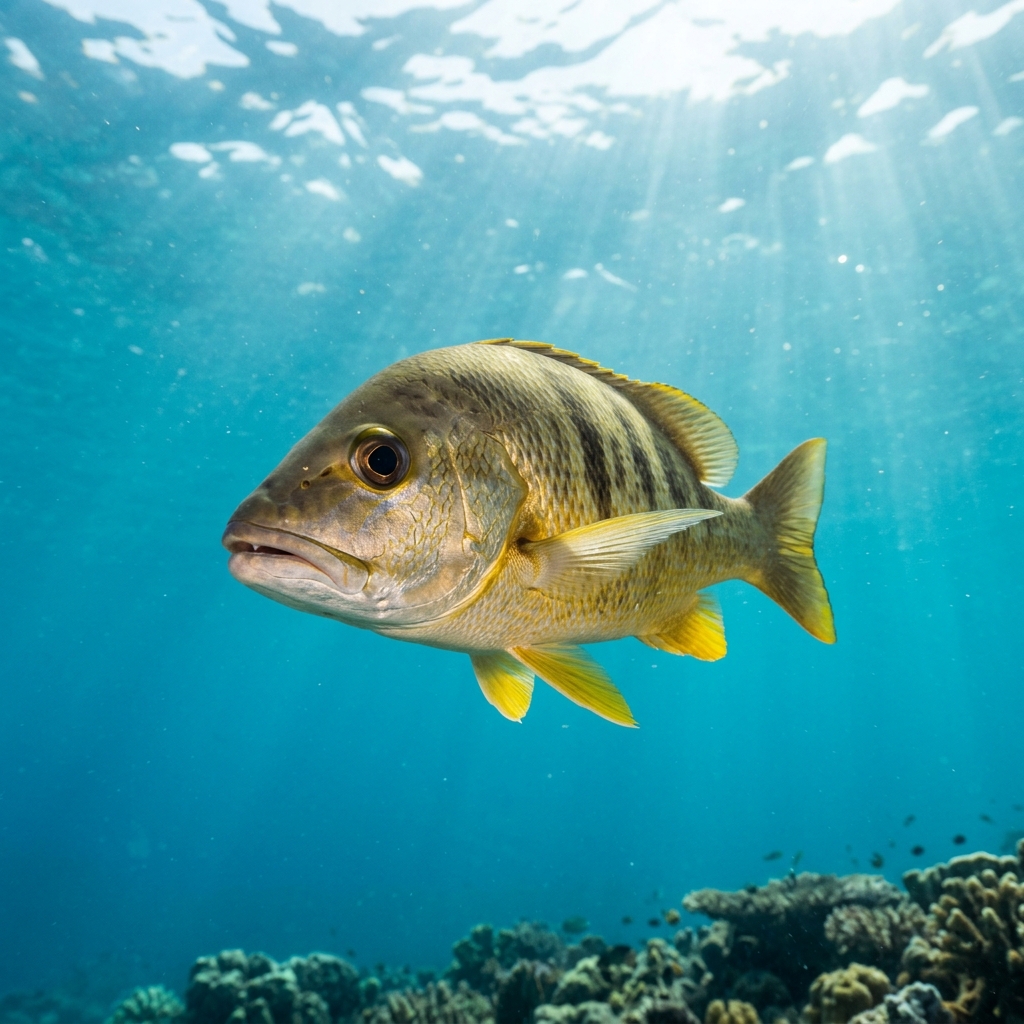
Reef neighbours a diver could mistake it for. Use the identification notes above to tell them apart.
This is very much a Maldives fish, most heavily logged across the Central and Southern Atolls, and it also turns up reliably in French Polynesia's Society Islands and around Mauritius, particularly Flic-en-Flac. Other strongholds include the Inner Islands of Seychelles, Reunion's Saint-Leu, Orchid Island in Taiwan, and Rarotonga in the Cook Islands.
Mapping where Striped Large-eye Bream is logged…
Your best odds are in the Maldives, especially the Central Atolls, where it's logged more than anywhere else. It's also a reliable sighting in French Polynesia's Society Islands, around Mauritius' Flic-en-Flac, and in the Seychelles' Inner Islands.
There's no detected seasonal pattern, so it's effectively a year-round sighting. It favours warm reef water between about 25 and 29C, which describes most tropical dive seasons anyway.
Check for a silvery, oval reef fish around 29 cm with faint yellow body stripes and a yellow patch on the back near the dorsal fin. The eye is unusually large, which helps separate it from similarly shaped snappers and emperors.
They typically reach around 29 cm, a medium-sized reef fish that's easy to overlook among bigger snappers and emperors on the same reef.
No, they're not considered dangerous. They're a calm, reef-associated carnivore that mostly ignores passing divers.
Site and sighting data is aggregated from diver logs, iNaturalist and GBIF. For taxonomy and conservation status:
Emperor
2,055 sites