Lethrinus harak
Grey reef fish with a dark shoulder blotch, common on shallow reef flats in the Maldives, Seychelles and Egypt's Red Sea.
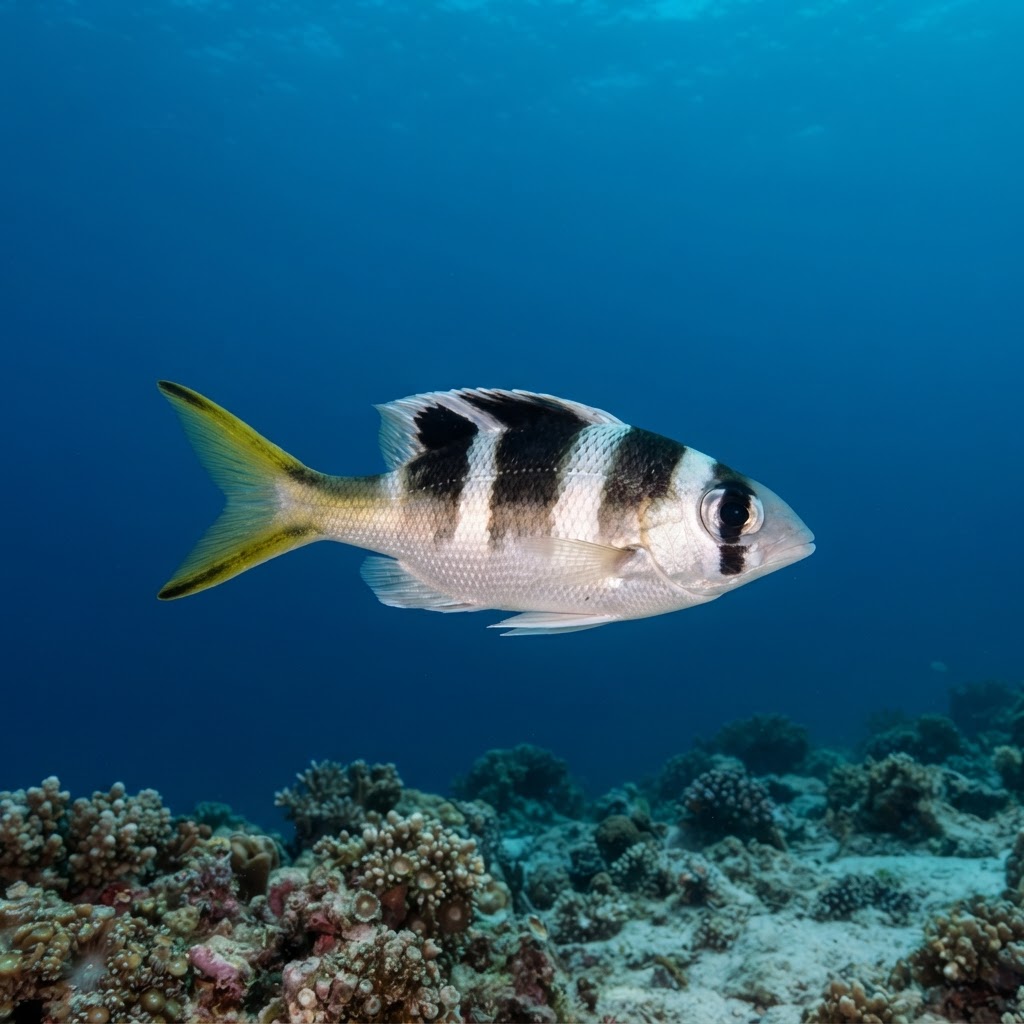
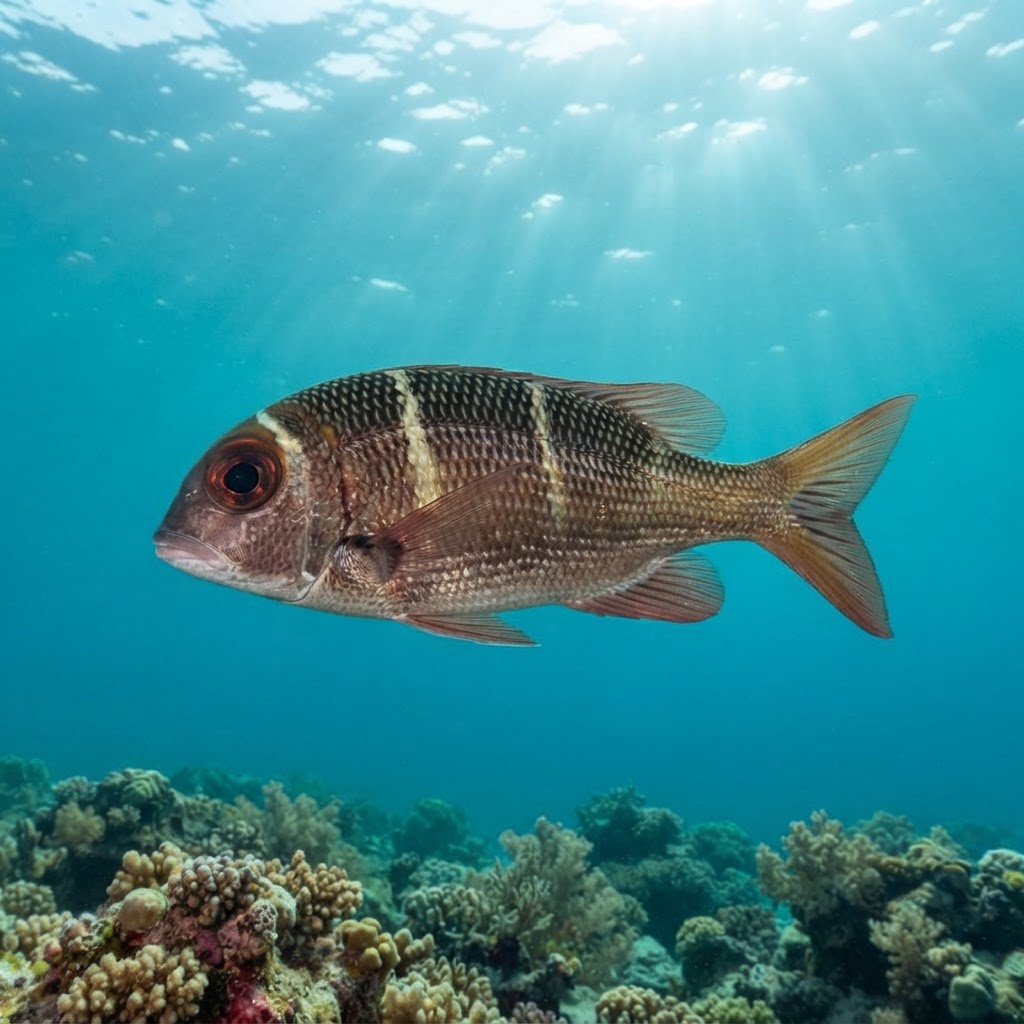
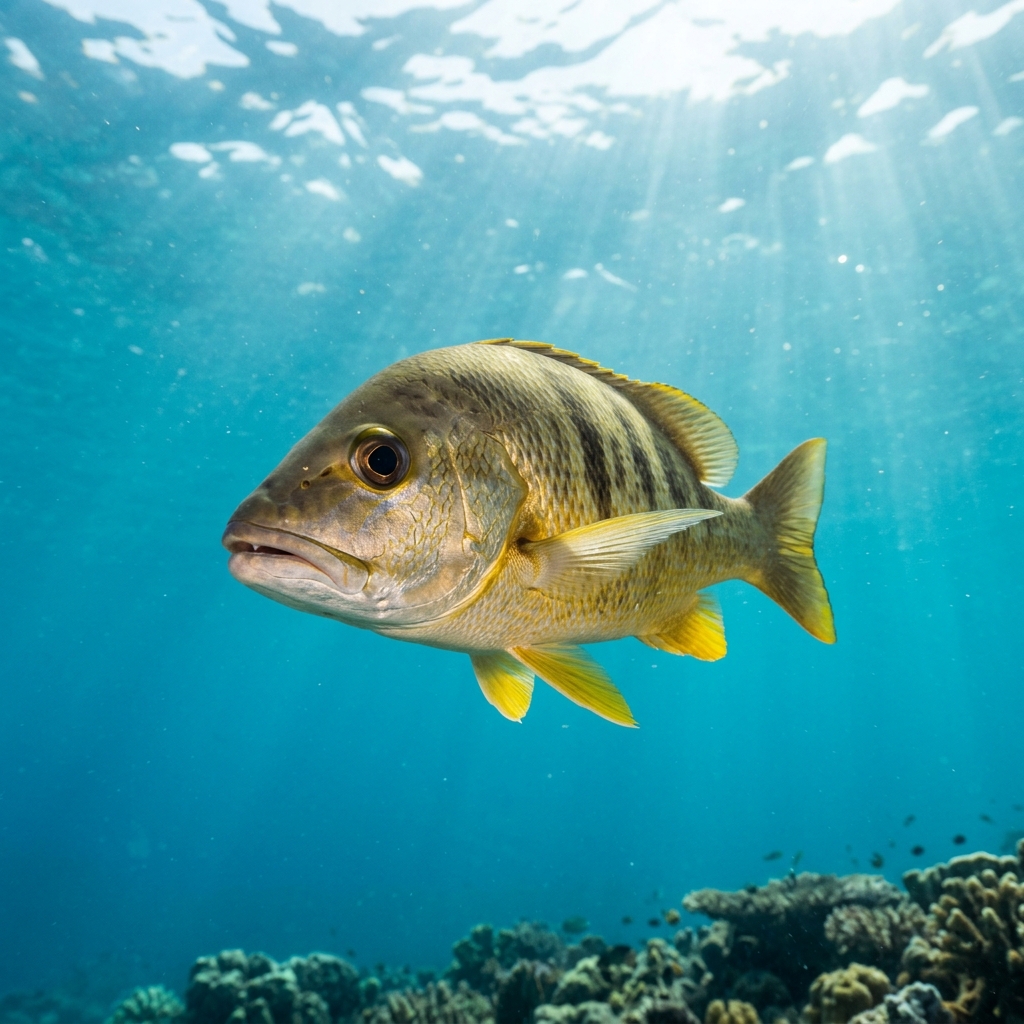
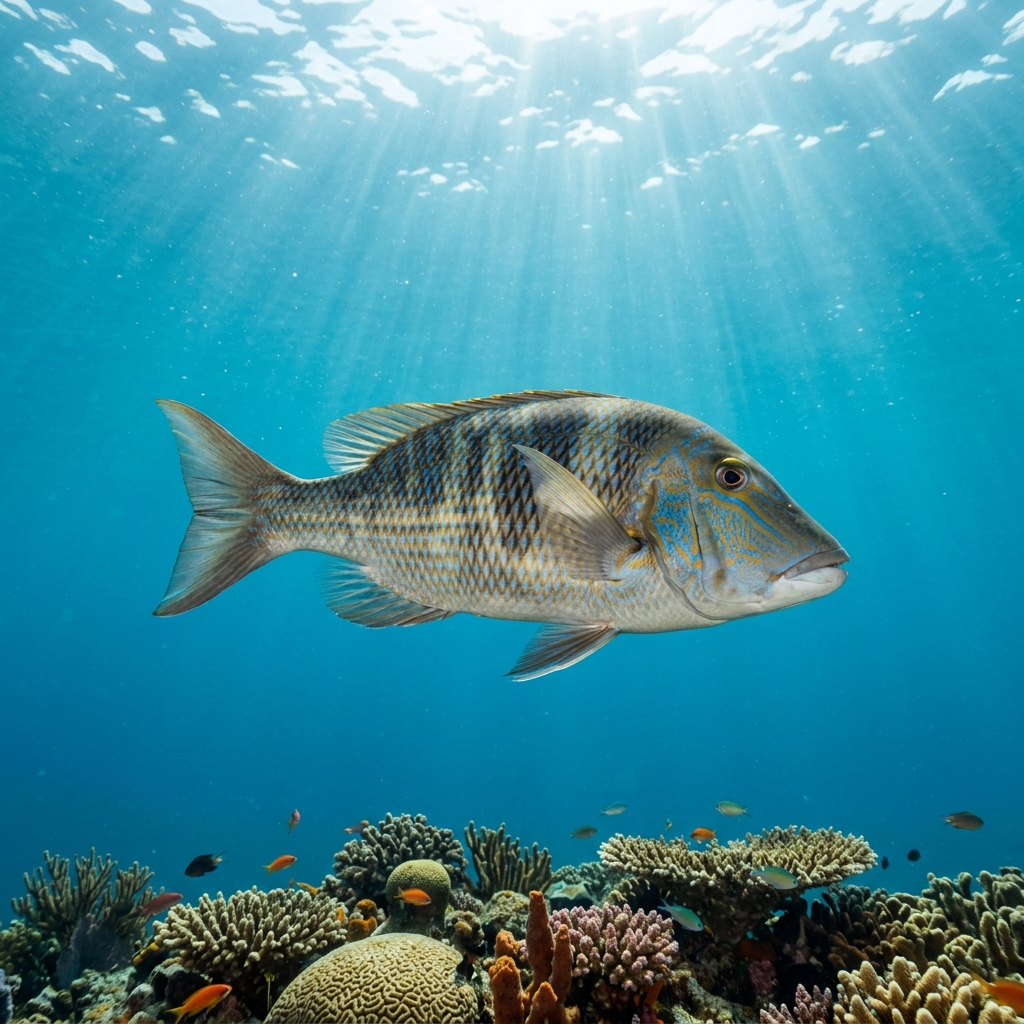
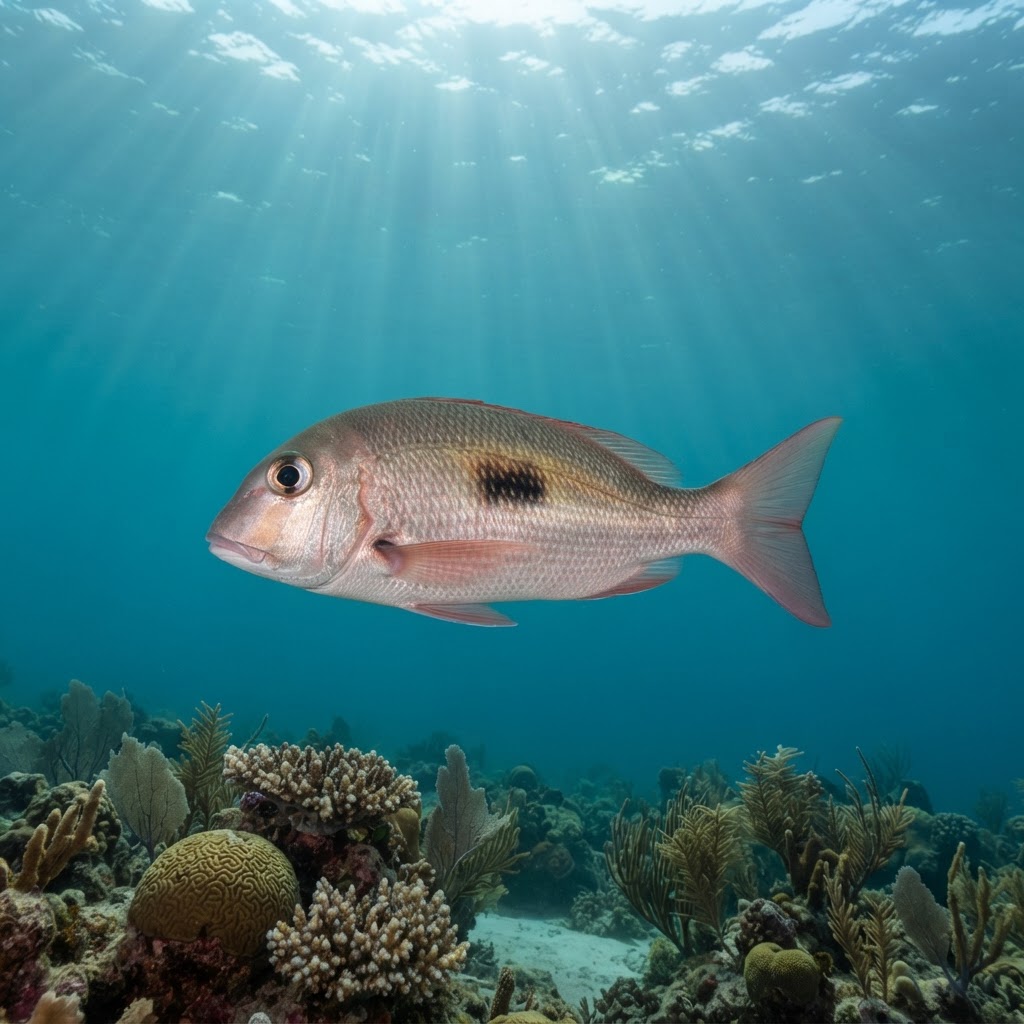
Look for a slim, silvery-grey body around 37 cm long with a distinctive dark smudge, the 'thumbprint', sitting just above the base of the pectoral fin. The head is fairly pointed, the fins often carry a faint yellow or orange wash, and the overall look is understated compared to flashier reef fish. That one dark mark on the shoulder is the giveaway feature to check first.
Usually seen cruising alone or in loose small groups over shallow reef flats and sandy patches close to coral, often at a cautious but not skittish distance from divers. It forages by picking at the substrate for small invertebrates, moving steadily rather than darting, which makes it an easy fish to approach slowly for a clean ID shot.
It hunts mostly by sight and smell along the sand-reef interface, rooting out buried molluscs and crustaceans that most reef fish ignore.
No clear seasonal pattern shows up in the sightings, and with a comfortable range of 25.7 to 29.2 C it stays on these reefs year-round, so any month works.
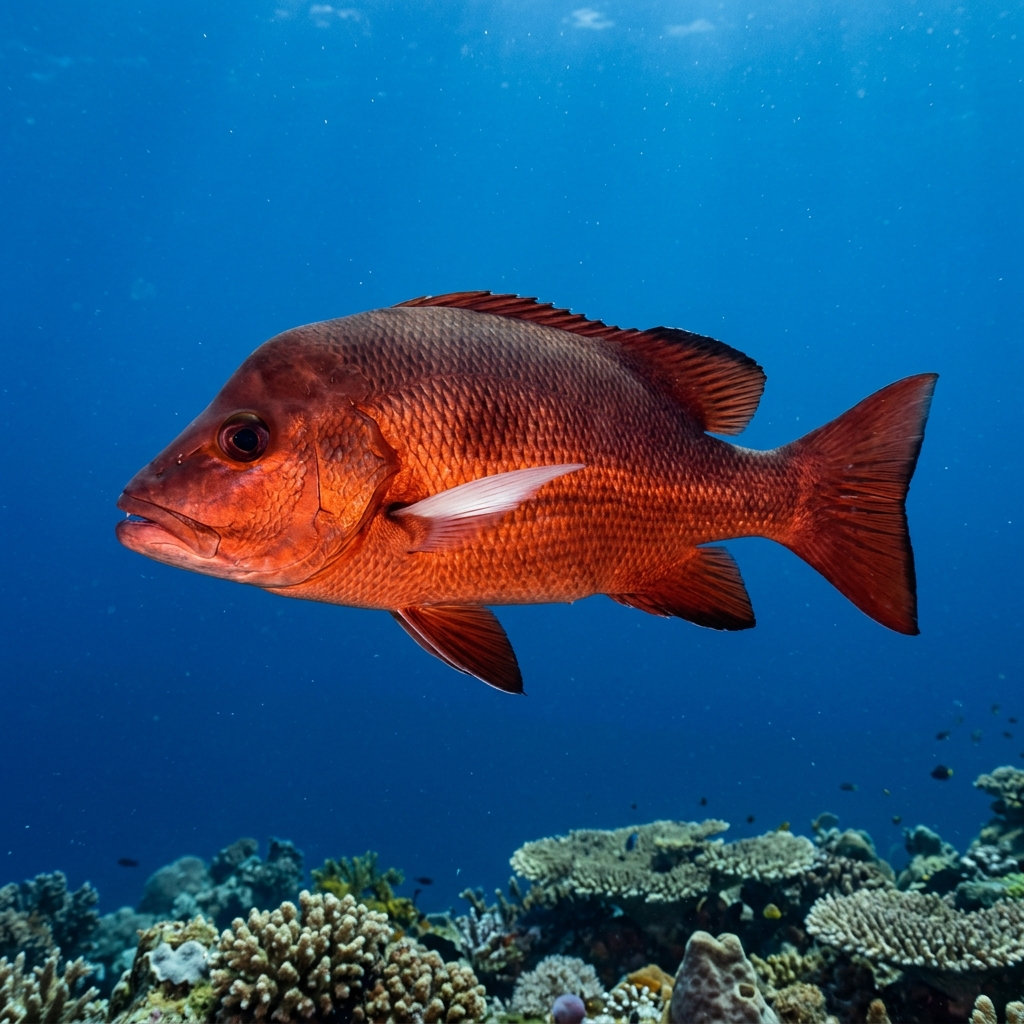
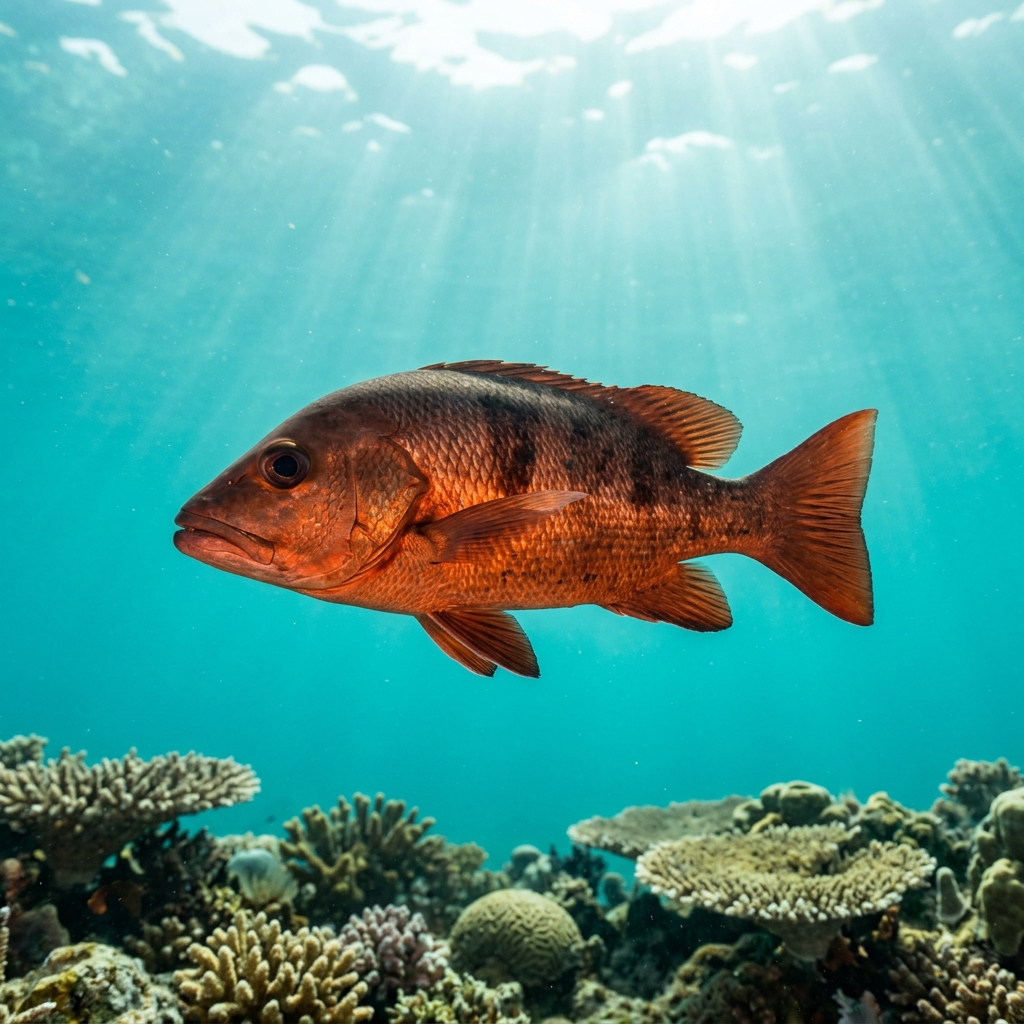
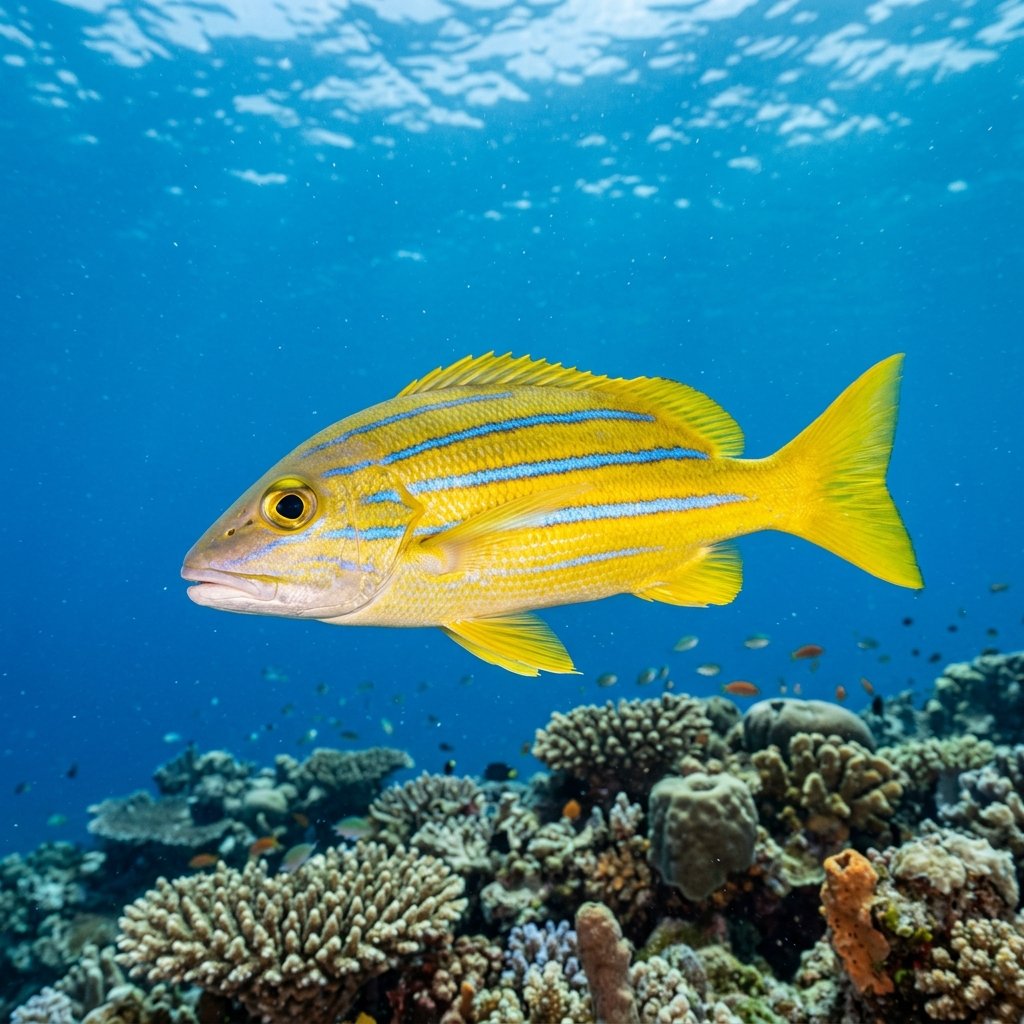
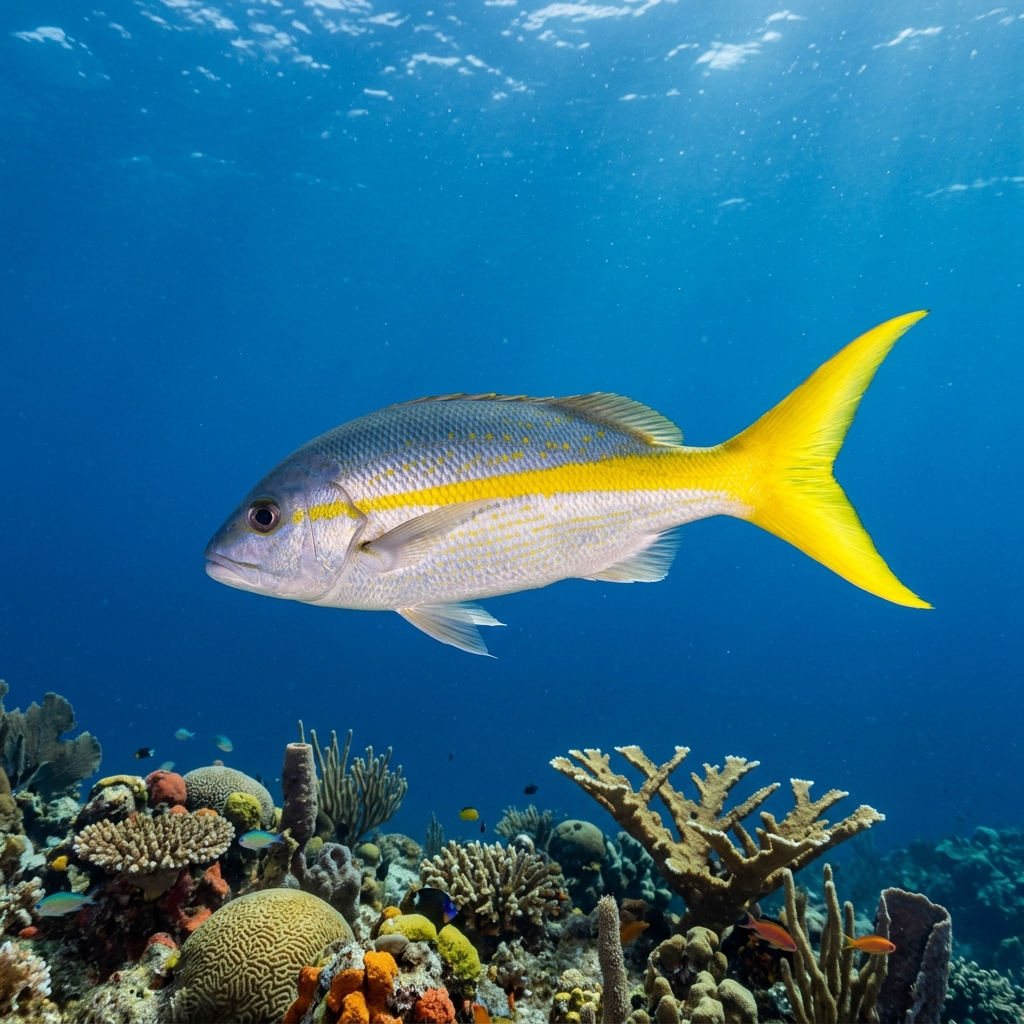
Reef neighbours a diver could mistake it for. Use the identification notes above to tell them apart.
Most reliably logged in the Maldives, particularly the Central Atolls, and a strong presence across the Seychelles' Inner Islands and Mauritius around Flic-en-Flac and Grand Baie. Also a regular find in Egypt's Marsa Alam and the Deep South, the Philippine Visayas, and reef sites in Indonesia's Nusa Tenggara and Fiji's Viti Levu.
Mapping where Thumbprint Emperor is logged…
It turns up widely across the Indian Ocean and Indo-Pacific, with the strongest logs from the Maldives' Central Atolls, the Seychelles' Inner Islands, Mauritius, Egypt's Red Sea coast, and the Philippine Visayas.
There's no strong seasonal signal in the sightings, and it tolerates warm tropical water year-round, so it's a fish you can reasonably expect on any dive trip regardless of month.
Check for a grey-silver body about knee-to-waist length on a diver and a single dark blotch sitting above the pectoral fin base. That shoulder mark, plus a pointed head and subtle yellow fin tones, separates it from plainer look-alikes.
They typically reach around 37 cm in length, making them a medium-sized reef fish, noticeably smaller than snappers they're sometimes confused with.
No, they pose no threat to divers. They're calm, sand-and-reef foragers that will let you approach slowly without any defensive behaviour.
Site and sighting data is aggregated from diver logs, iNaturalist and GBIF. For taxonomy and conservation status:
Bluestriped Snapper
2,054 sites