Trachypoma macracanthus
Uncommon reef fish logged at temperate sites off North Island NZ and New South Wales, found in 17.4-23.2 C water year-round.
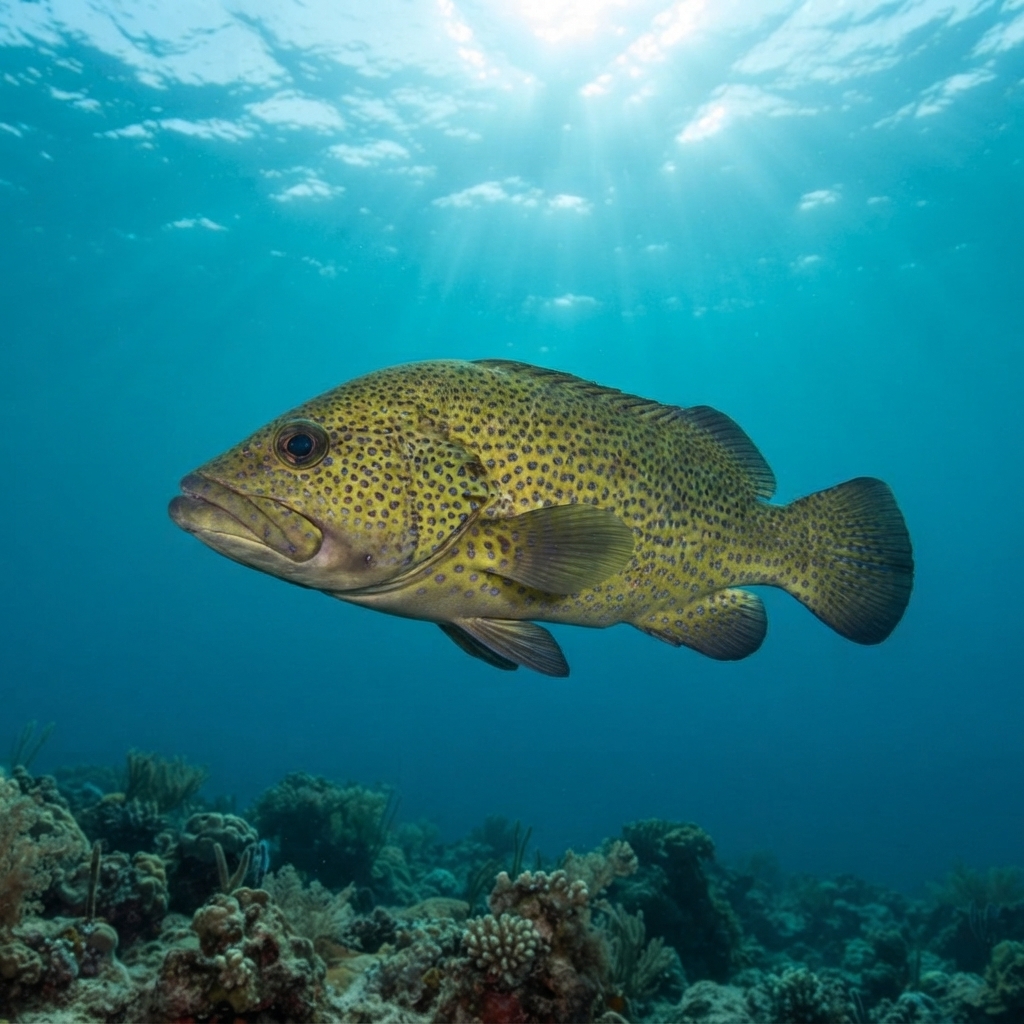
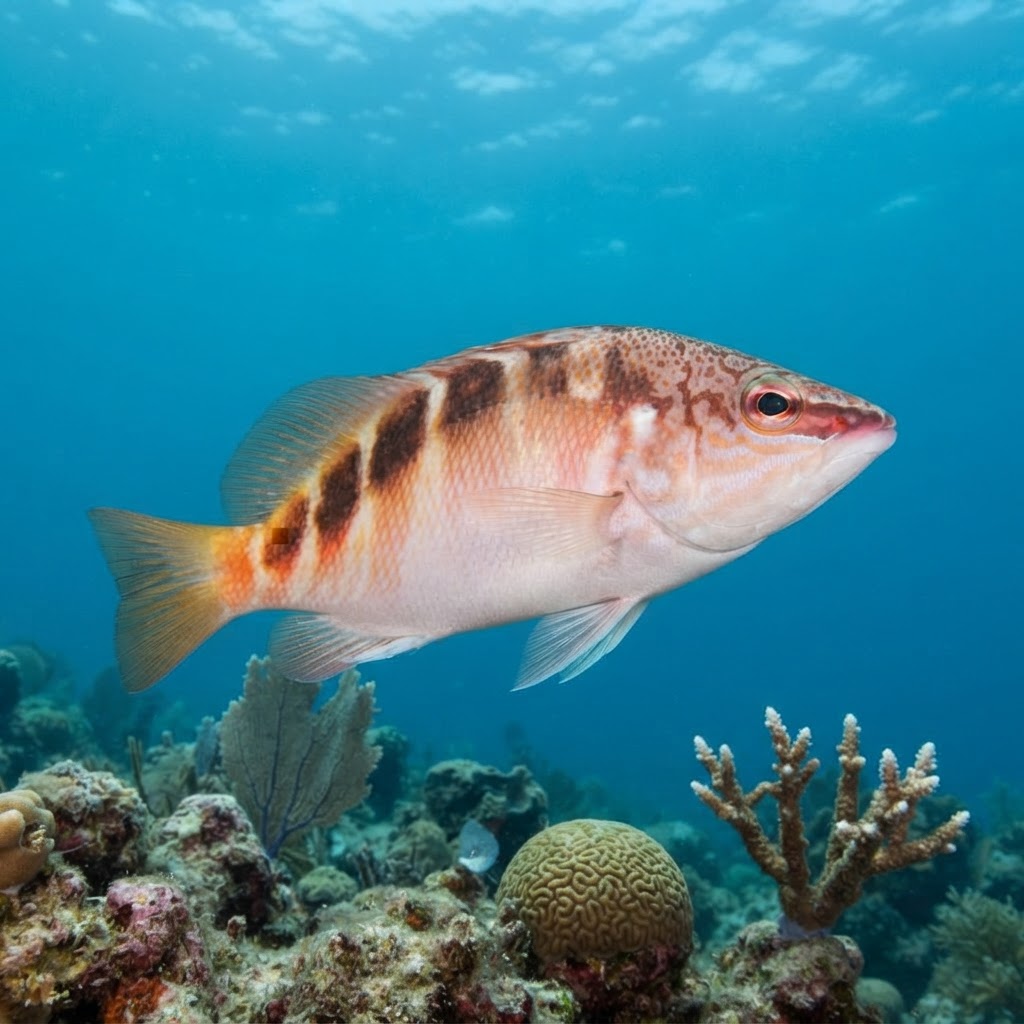
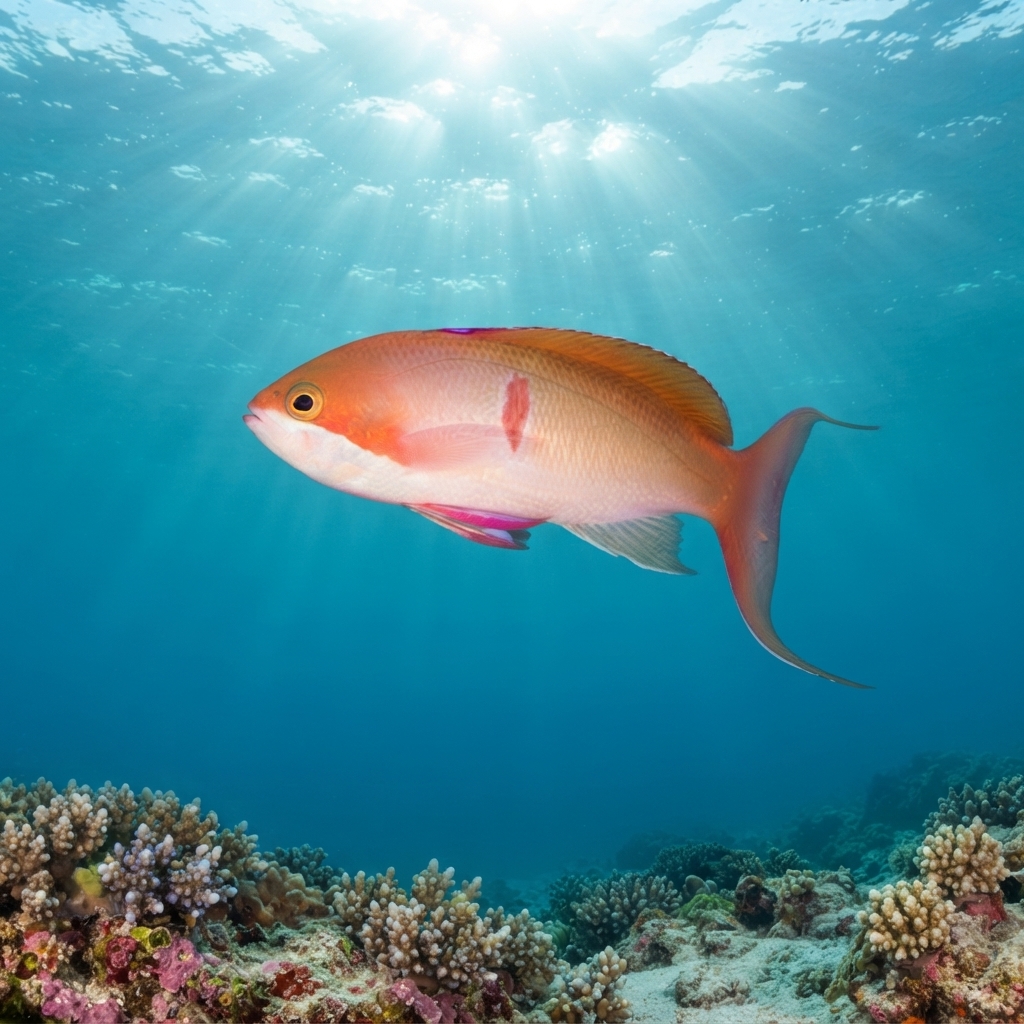
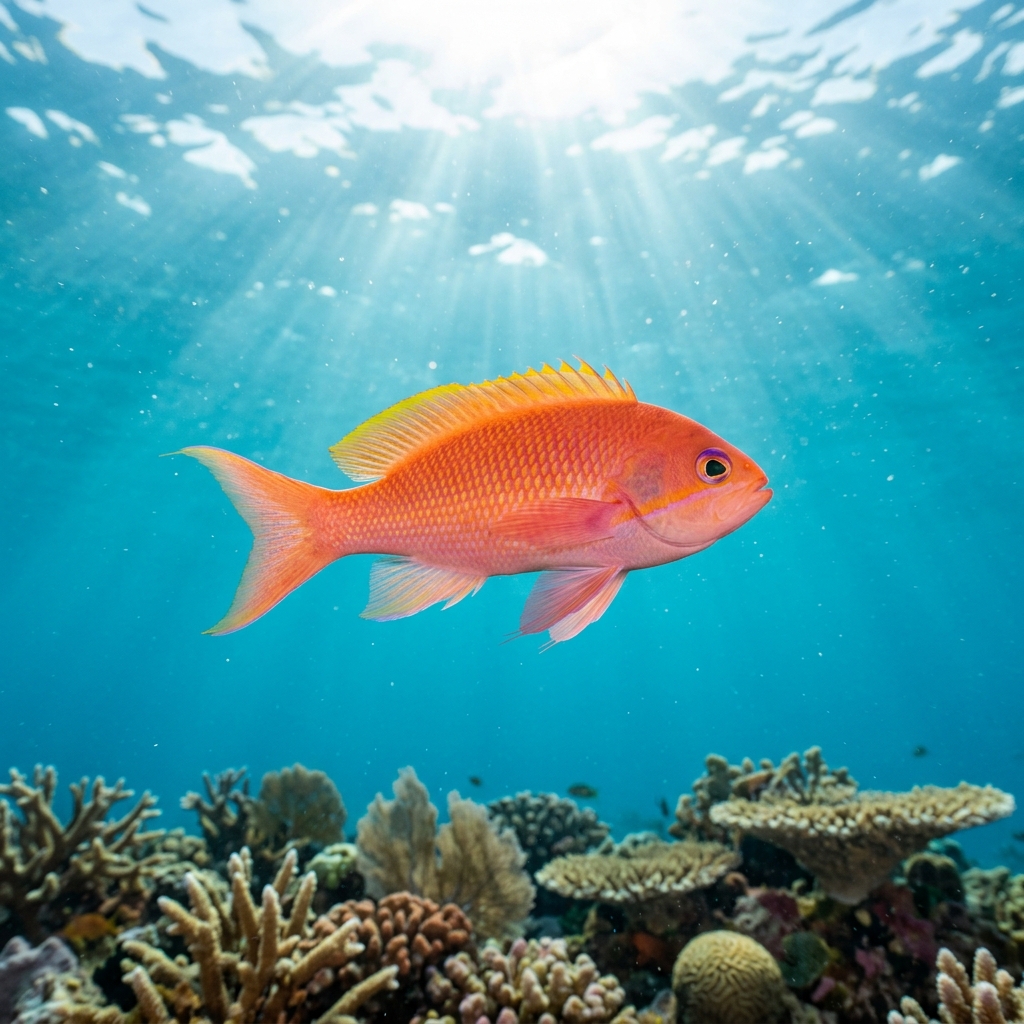
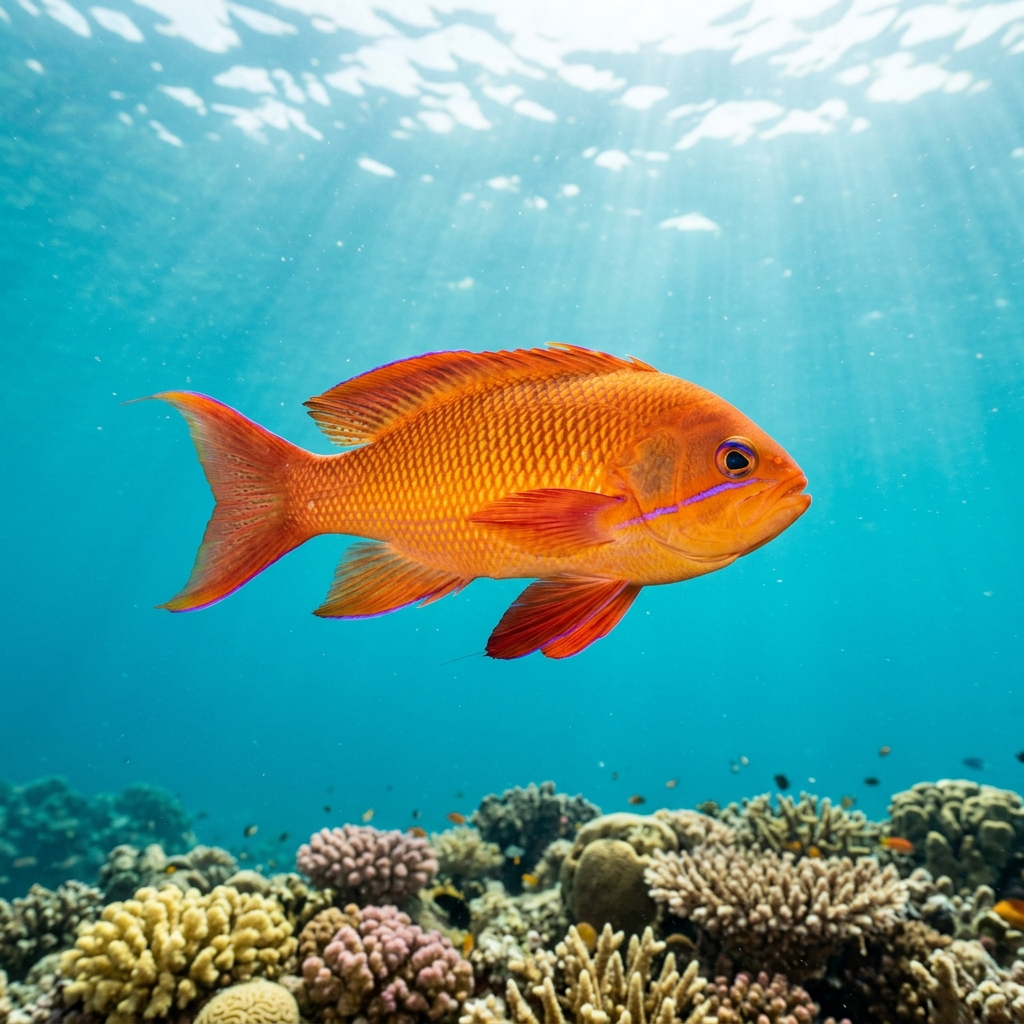
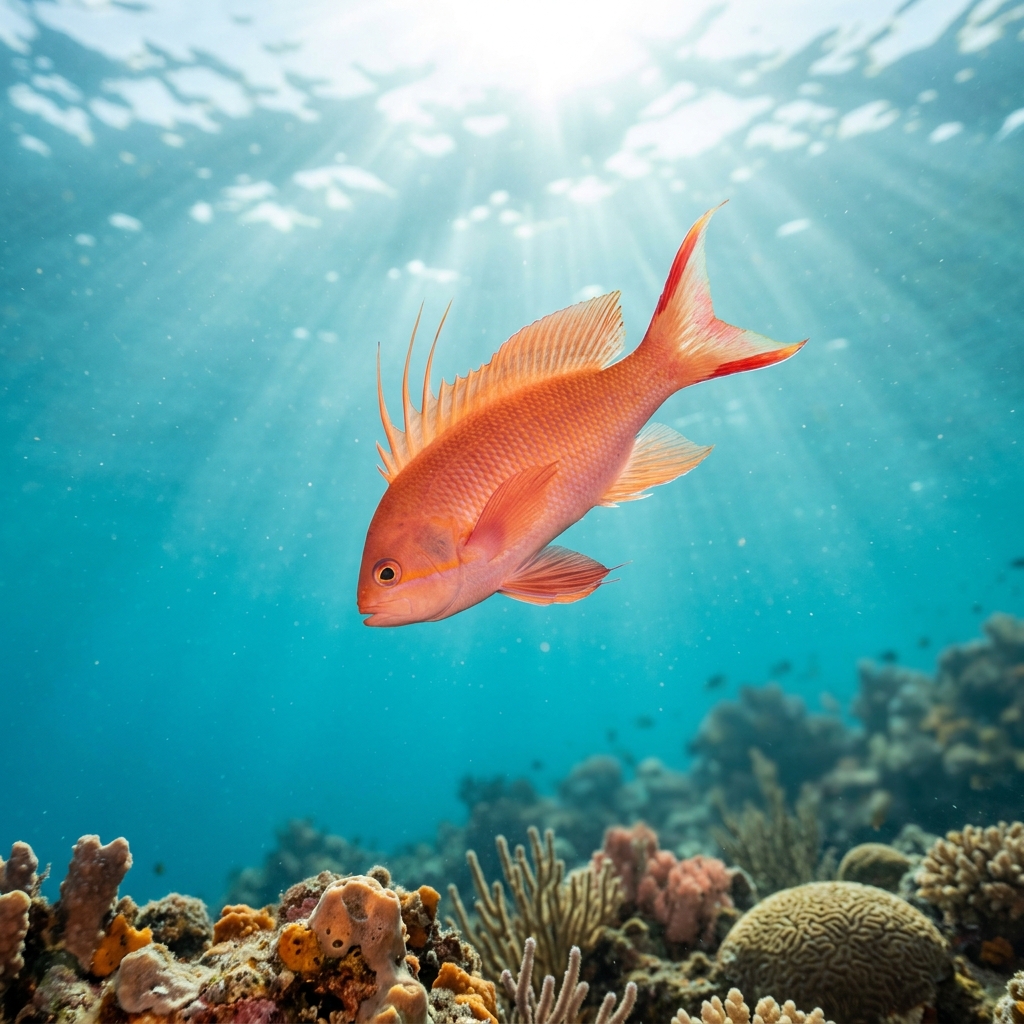
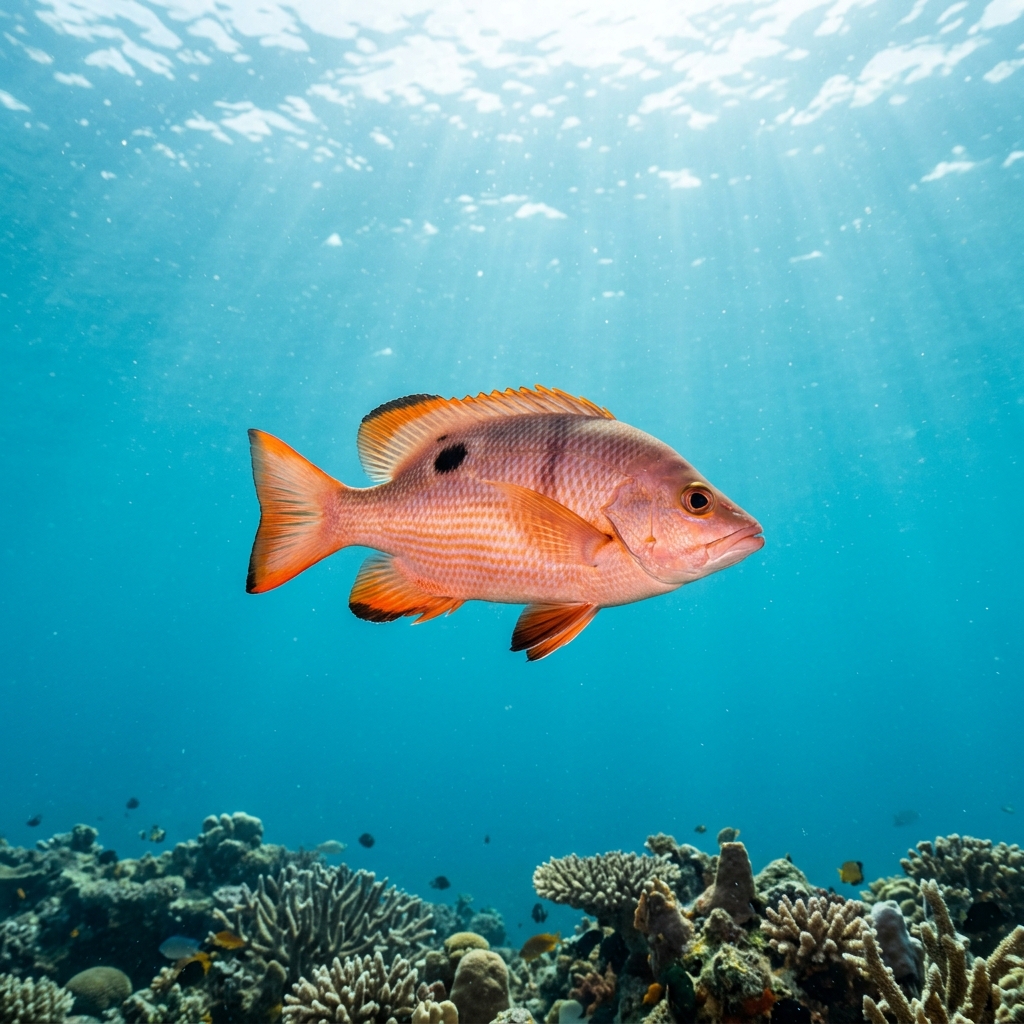
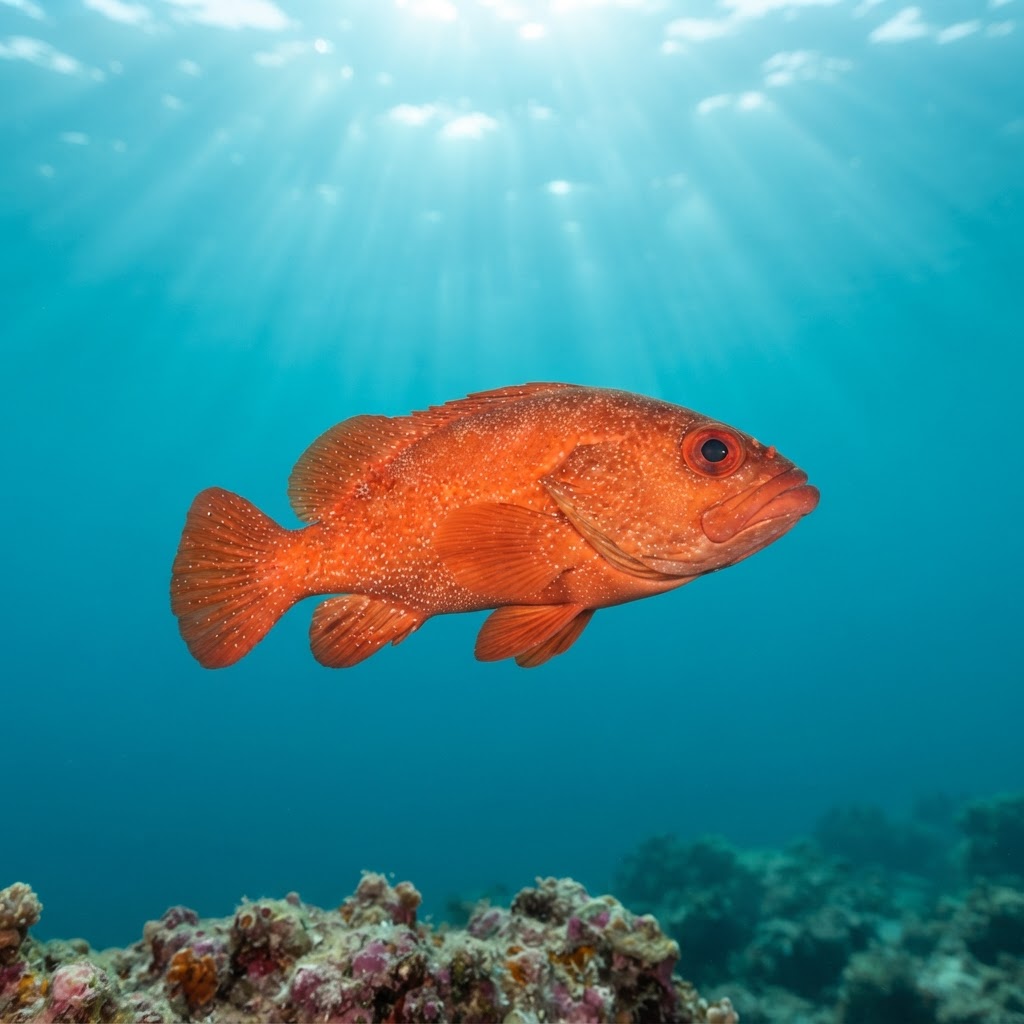
A small, deep-bodied anthias reaching about 15 cm, with a reddish to strawberry-pink body that darkens toward the tail. Look for the stocky, almost grouper-like proportions compared to the slender build of many other anthias, plus a blunt head and large eye. It tends to hang close to rocky cover rather than schooling in open water, which helps separate it from more free-swimming reef fish nearby.
Divers typically find it tucked close to rocky ledges, crevices, and reef structure rather than out in open water, consistent with an uncommon, cover-loving anthias. It does not appear to school in the way many tropical anthias do, and sightings tend to be one or two fish at a time near shelter. It is not known to react defensively to divers and generally goes about its business near the reef wall.
It belongs to a small, temperate-water offshoot of the anthias family, a group best known for colourful tropical schools, making this cooler-water, solitary-leaning species something of an outlier worth pointing out to fellow divers.
Sightings show no clear seasonal pattern, and it sits comfortably in a 17.4 to 23.2 C range, so divers report it year-round at these temperate sites rather than during a specific window.
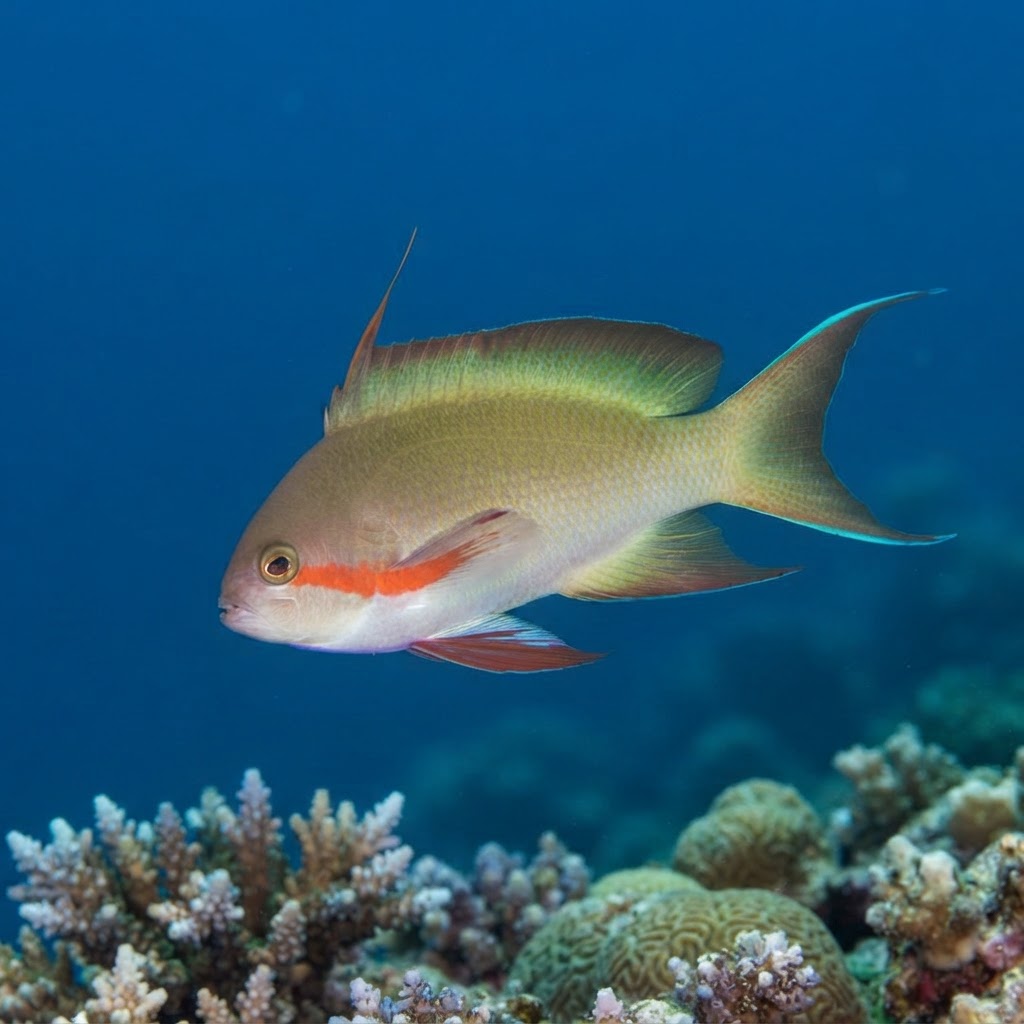
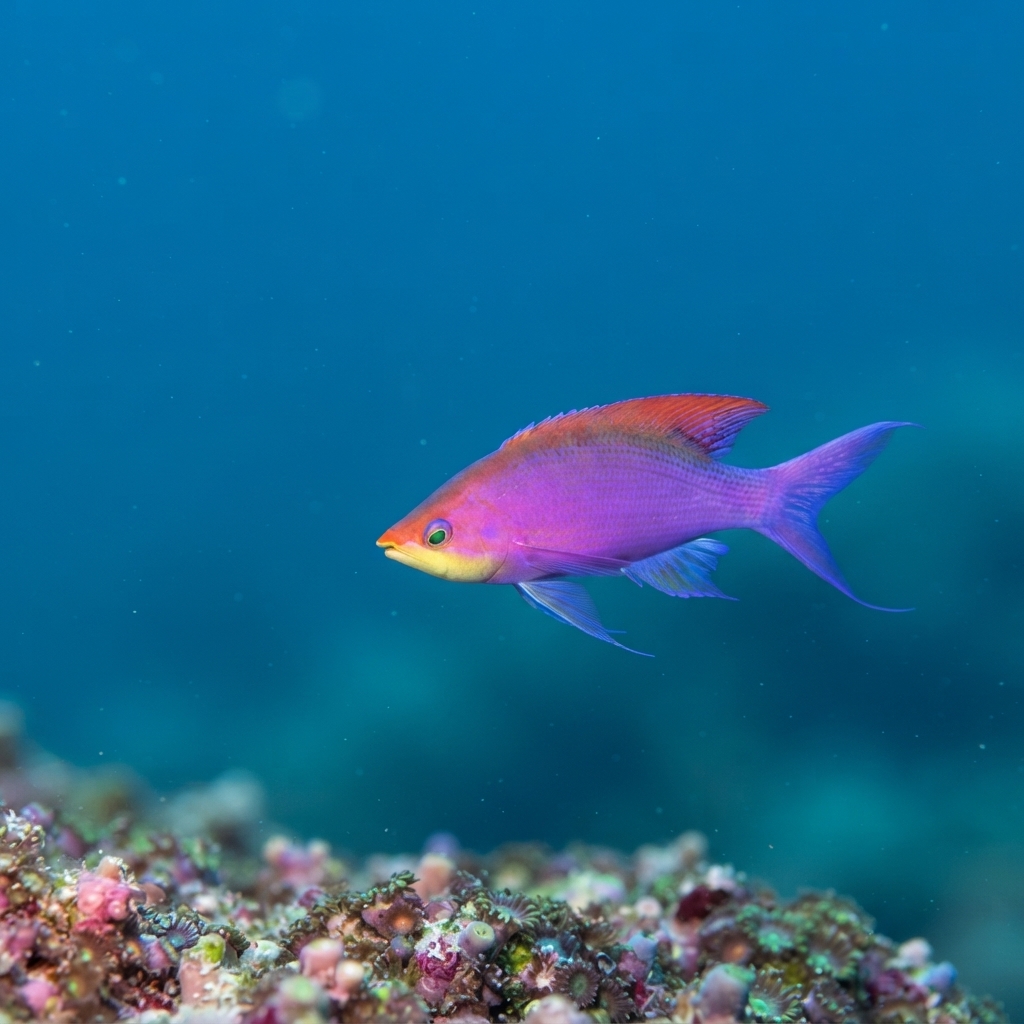
Reef neighbours a diver could mistake it for. Use the identification notes above to tell them apart.
Most reliably logged around North Island, New Zealand and New South Wales, Australia, with New Zealand sites contributing the largest share of sightings. A smaller number of records come from Norfolk Island, making it a useful marker of these temperate rocky-reef systems in the southwest Pacific.
Mapping where Strawberry Cod is logged…
It is most often logged around North Island, New Zealand and New South Wales, Australia, with occasional records from Norfolk Island. These temperate rocky reefs are the reliable places to look for it.
There is no strong seasonal pattern in the sightings, so it is considered a year-round find within its 17.4 to 23.2 C temperature range rather than tied to a particular month.
Look for a small, stocky anthias around 15 cm with a reddish-pink body and a blunt head, usually seen alone or in pairs near rocky ledges rather than in open schools. Its thicker build sets it apart from slimmer anthias species sharing the same reefs.
They typically reach around 15 cm, making them one of the smaller reef fish divers will spot tucked into rocky crevices.
No, they pose no danger to divers and simply go about their business near reef cover, generally ignoring approaching divers.
Unlike many of its colourful, schooling anthias relatives on tropical reefs, this species favours cooler temperate water and tends to stick close to rocky shelter alone rather than forming groups.
Site and sighting data is aggregated from diver logs, iNaturalist and GBIF. For taxonomy and conservation status:
Red-cheeked Anthias
425 sites