Acanthistius ocellatus
Mottled and reef-bound, the Eastern Wirrah turns up on New South Wales reefs in 19 to 24 C water, uncommon but worth the search.
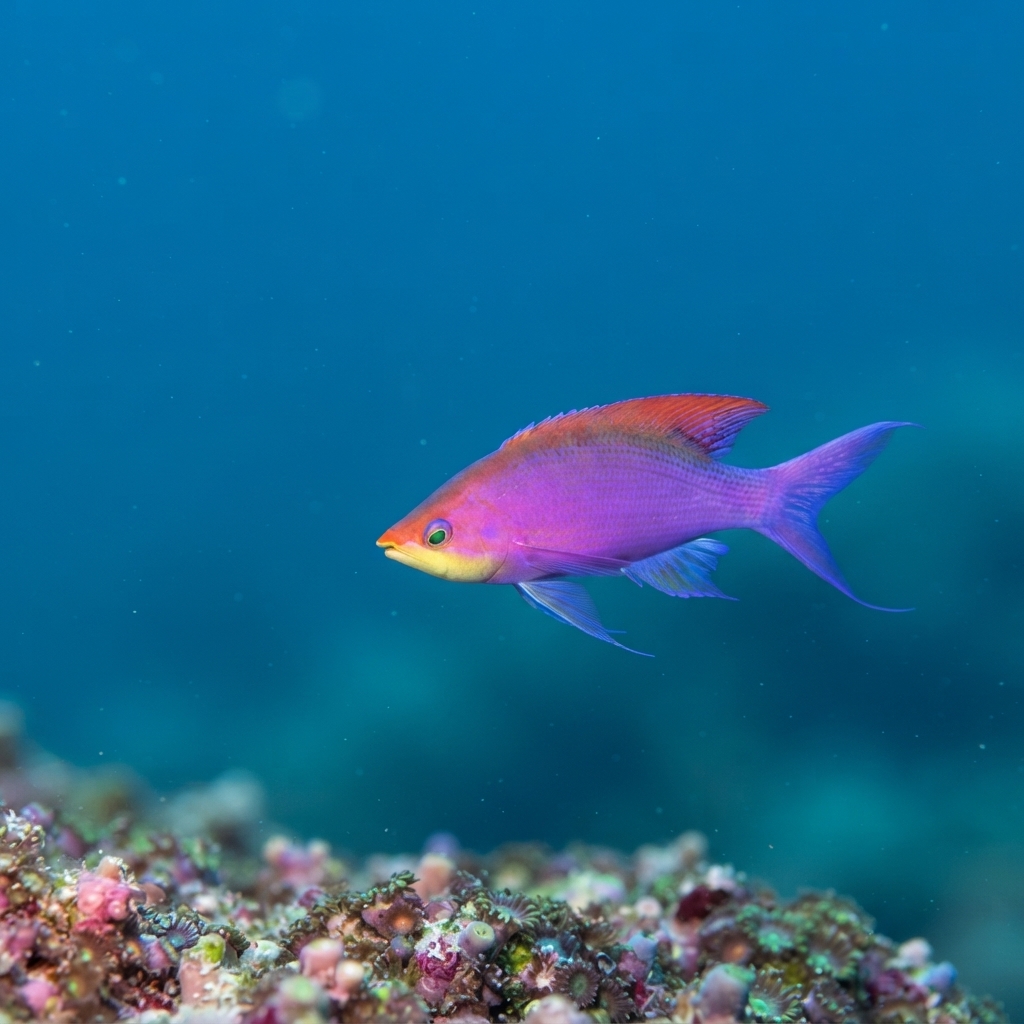
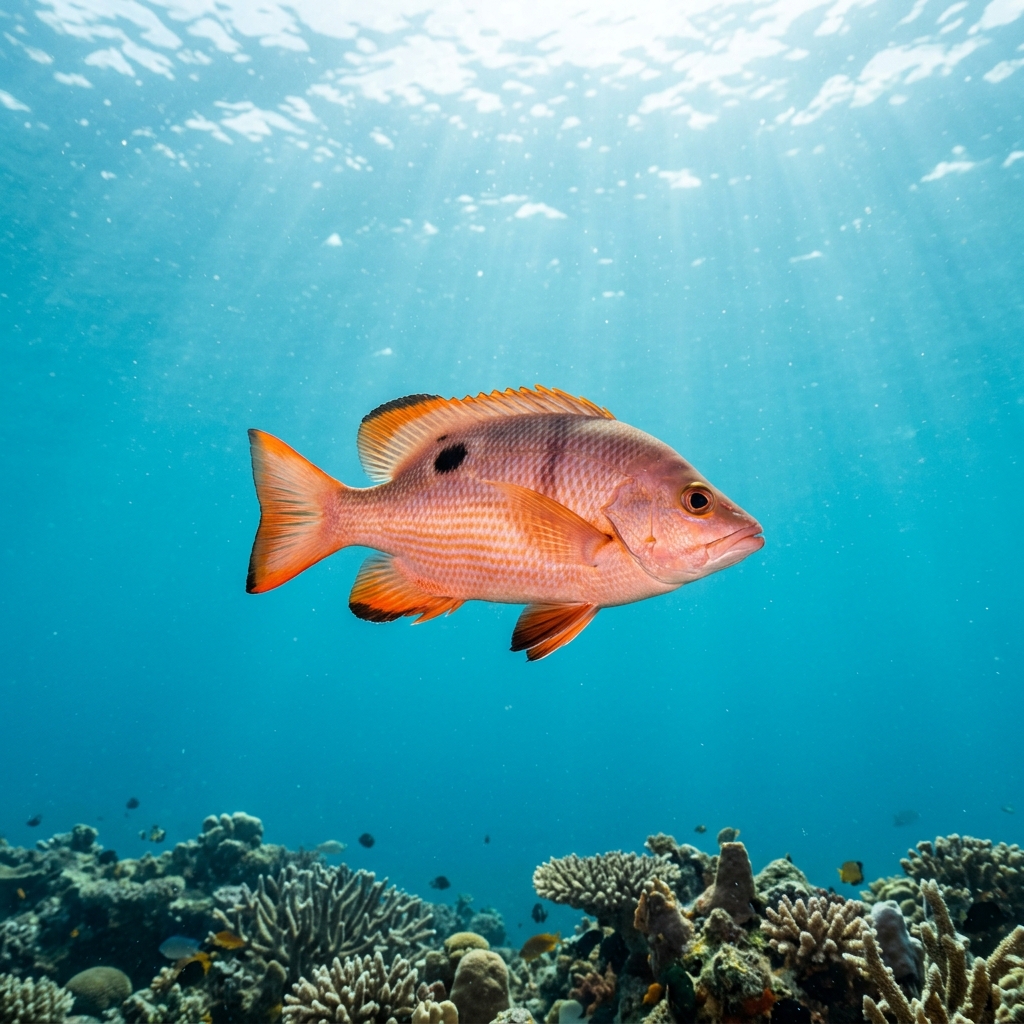
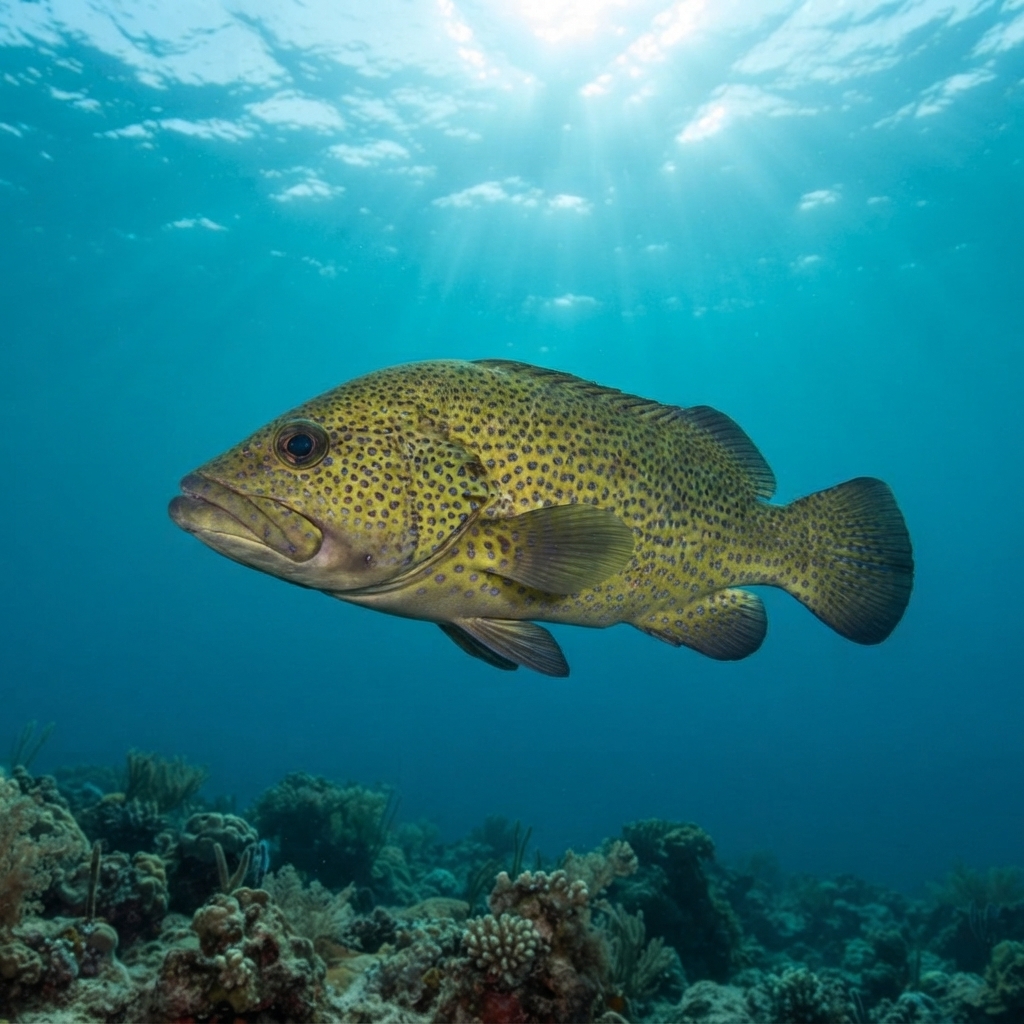
Grows to around 31 cm and sits low against rock and reef rather than swimming in open water. Body is heavily mottled in brown, olive and cream blotches that break up its outline against sponge-covered reef. Look for a stocky, thick-bodied shape with a large head and mouth, closer to a grouper's build than a slender reef fish, often tucked half under a ledge with just the head visible.
Typically found resting motionless on the reef or wedged into a crevice, relying on its blotched camouflage rather than fleeing when a diver approaches. It is a solitary ambush predator, holding a patch of rock or reef rubble and waiting for prey to come within range rather than patrolling open water. Divers usually spot it by scanning ledges and shaded overhangs slowly rather than expecting it to swim into view.
Its mottled, almost rock-like pattern is a classic ambush strategy: it lets prey and even divers pass close by before it reacts, so slow, careful scanning of ledges turns up far more individuals than swimming past at speed.
Sightings show no detected seasonal pattern, and with a comfortable range of 19.3 to 24.4 C it seems to hold territory on these reefs year-round. Plan around good conditions on the NSW coast rather than a particular month.
Almost every logged sighting comes from New South Wales, Australia, making it a distinctly NSW reef fish rather than a species spread across multiple countries. Divers most reliably find it working the temperate rocky reefs along this coast, where it sits as an uncommon but recurring find at a wide spread of sites.
Mapping where Eastern Wirrah is logged…
New South Wales, Australia is by far the strongest region for this species, with sightings spread across a wide range of rocky reef sites along the coast. It has not been widely logged outside Australia.
There's no clear seasonal pattern in the sighting data, so it's considered a year-round find on NSW reefs. It's been recorded across a water temperature range of roughly 19 to 24 C.
Look for a stocky, grouper-shaped fish around 30 cm long, mottled brown, olive and cream, resting still on rock or reef rather than swimming freely. It's usually found tucked against a ledge or crevice rather than out in the open.
They reach around 31 cm in length, making them a solidly built medium-sized reef fish rather than a small anthias-type species.
Most divers who encounter one describe it as uncommon, with some sites yielding rare sightings and a smaller number reporting it as common. It rewards divers who check ledges and overhangs carefully rather than swim past quickly.
Site and sighting data is aggregated from diver logs, iNaturalist and GBIF. For taxonomy and conservation status:
Red-cheeked Anthias
425 sites