Lutjanus guttatus
Rosy-gold snapper with dark spots, logged year-round from Mexico's Pacific coast to Guanacaste, Costa Rica in 22-29 C water.
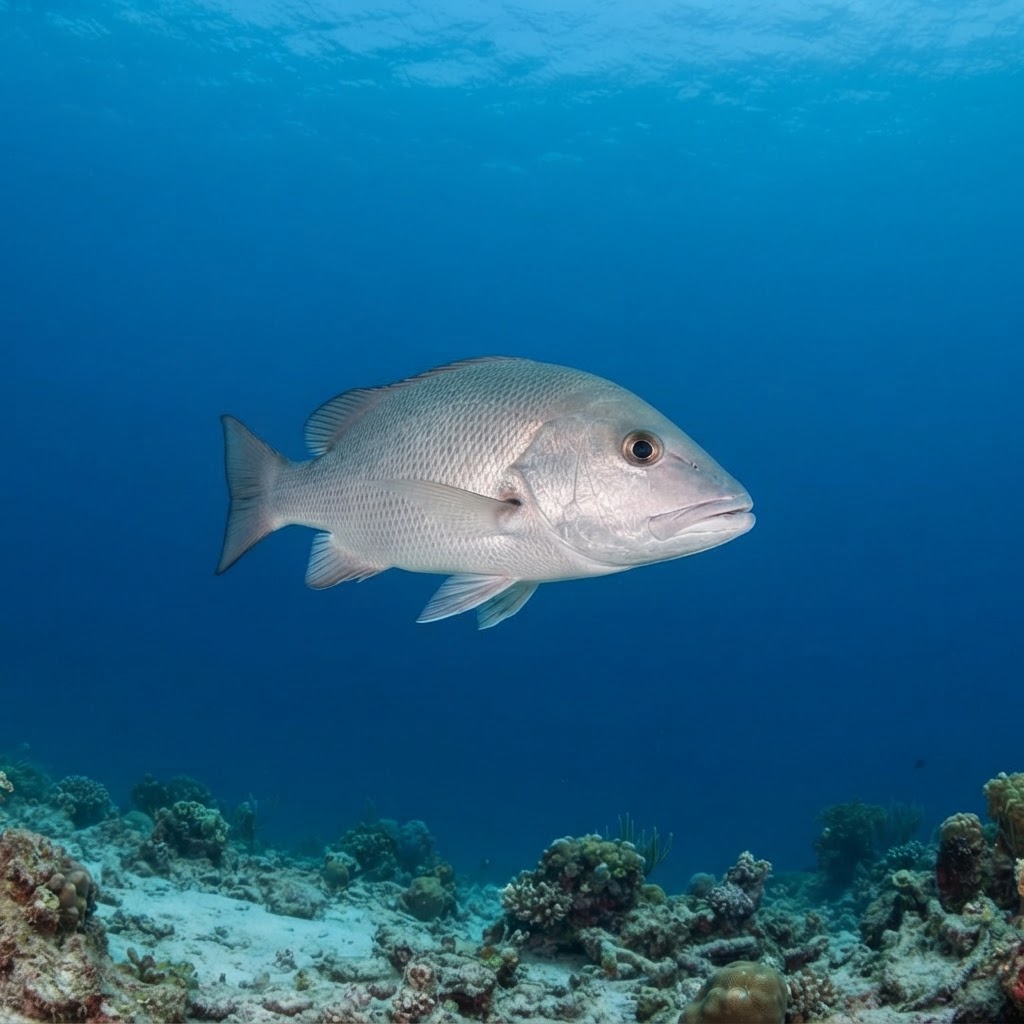
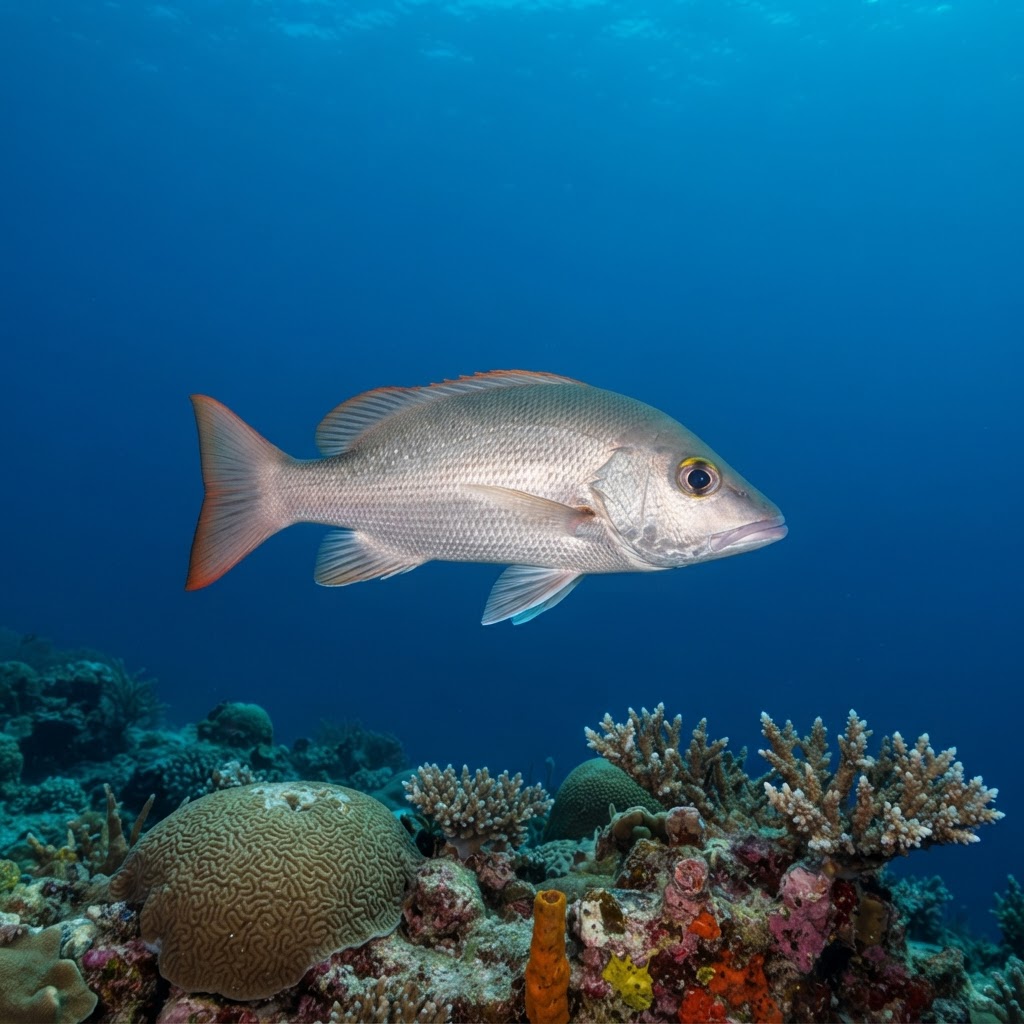
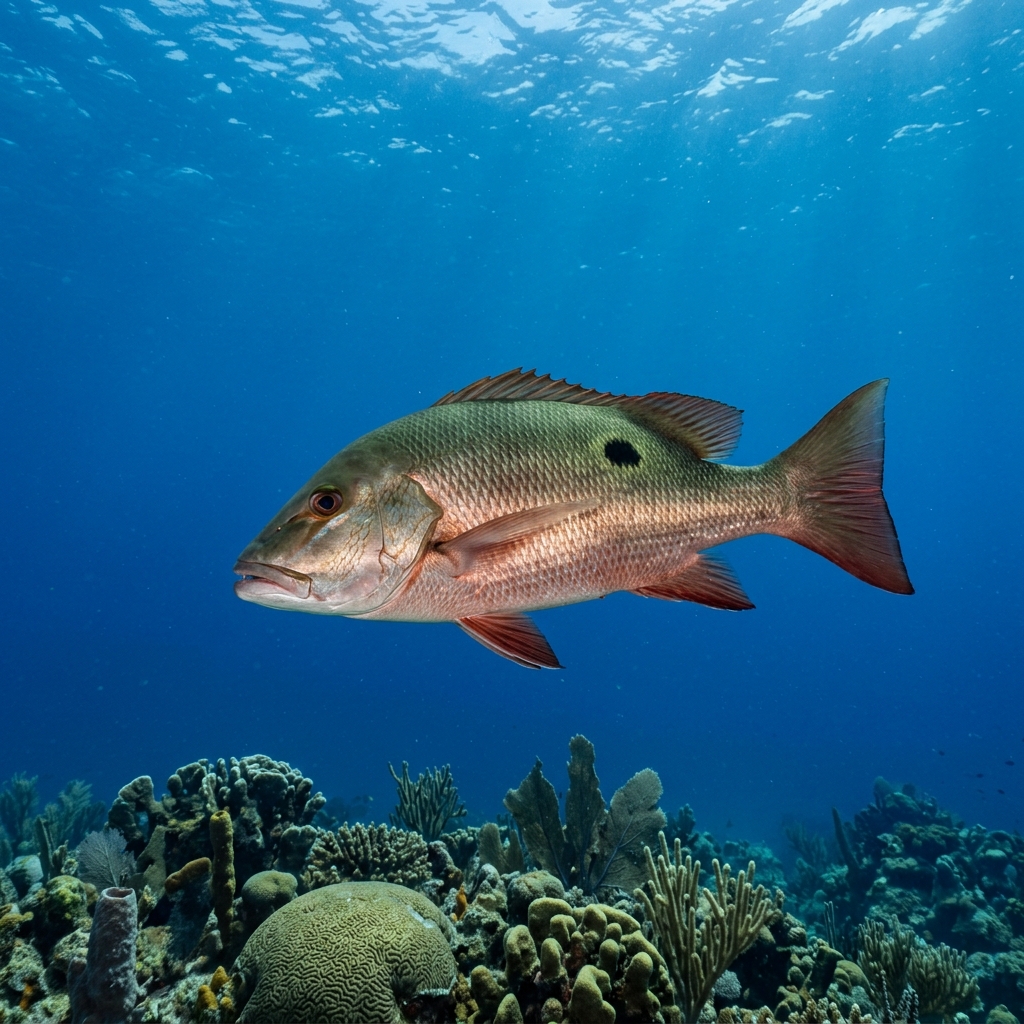
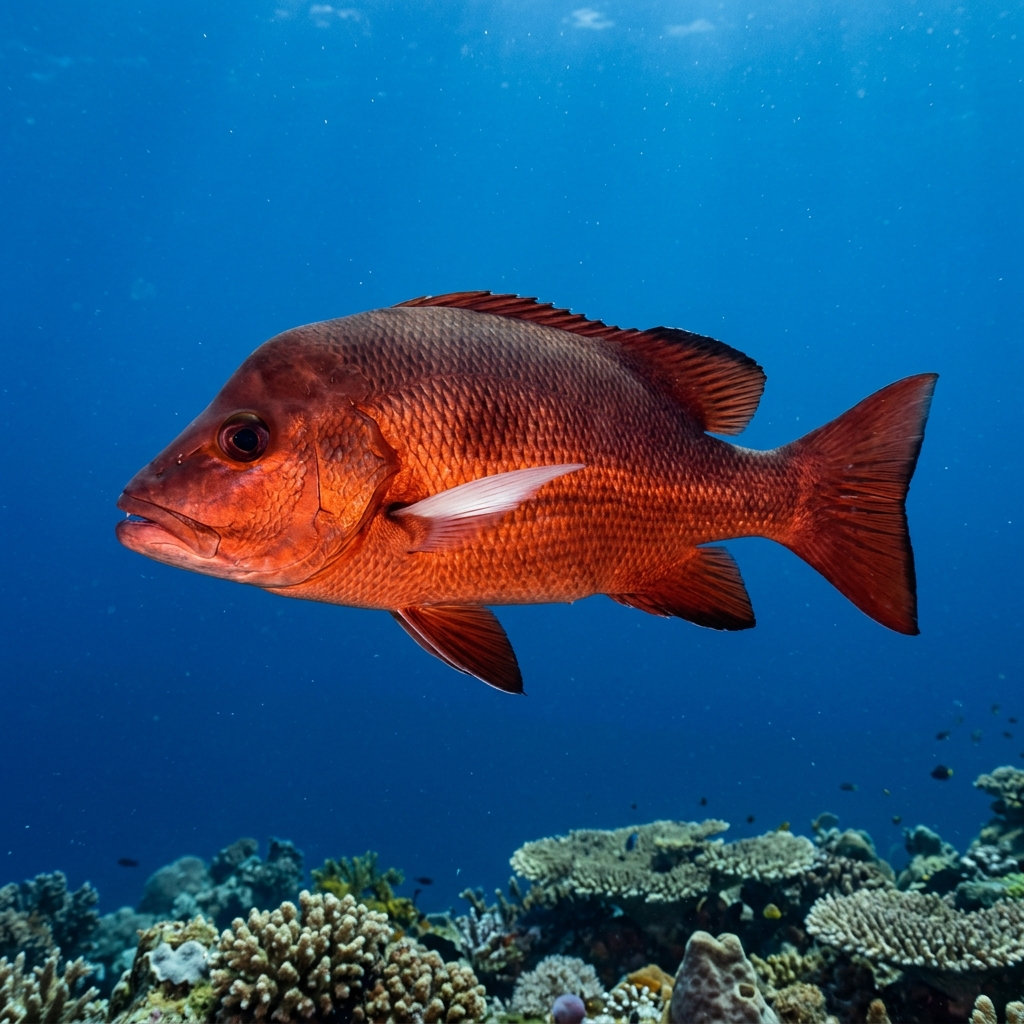
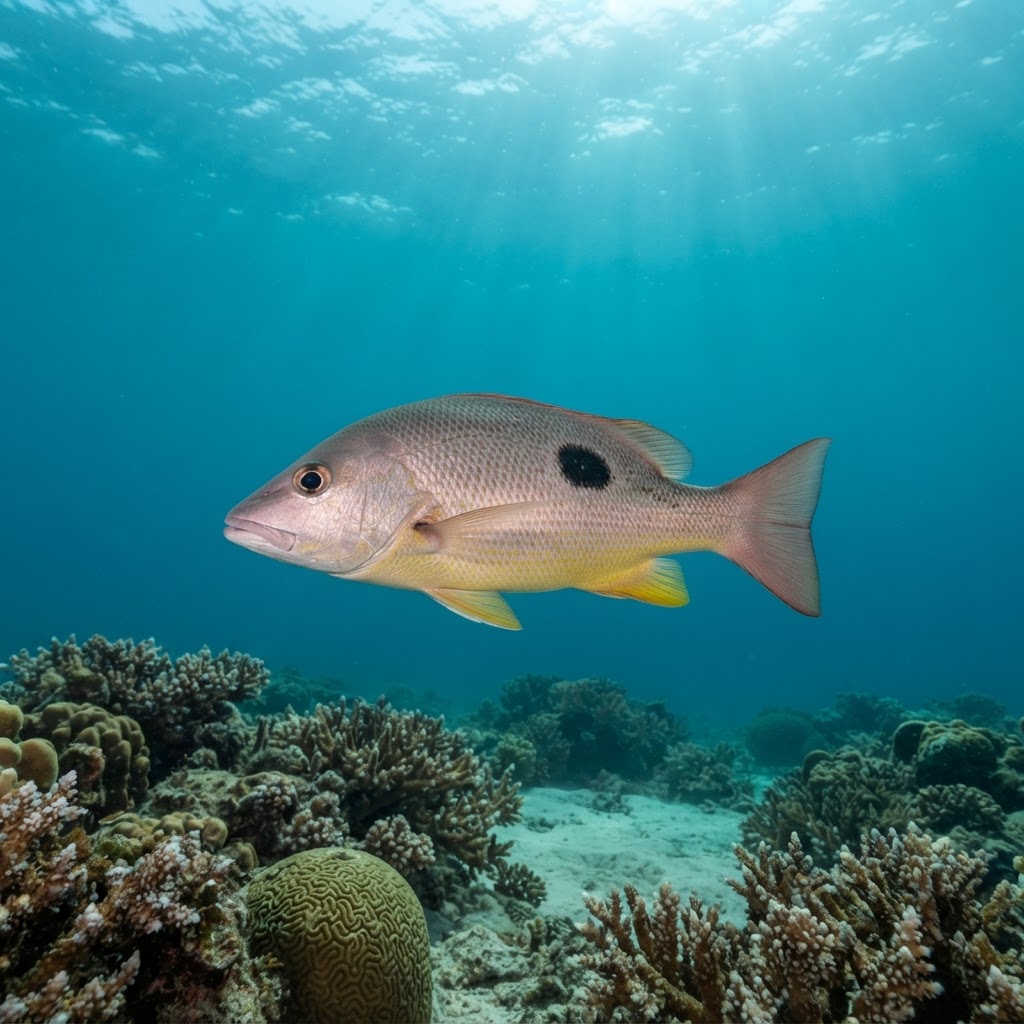
Look for a pinkish-gold to rosy-red body fading paler on the belly, with a distinctive dark blotch sitting just below the front of the dorsal fin. Body shape is the classic deep, laterally compressed snapper profile with a sloped forehead and a slightly pointed snout. Adults can reach around 74 cm, though most divers encounter smaller individuals hanging near structure rather than in open water.
Divers typically find them hovering singly or in small loose groups around rocky reefs, ledges and drop-offs rather than out over open sand. They tend to hold a cautious distance from divers, drifting off rather than fleeing outright, and are often seen at mid-depth rather than tight against the bottom. Like other snappers, low light around dawn and dusk seems to bring more activity as they move to feed.
Spotted Rose Snapper are ambush-style predators that feed mainly on smaller fish and crustaceans, using rocky structure as cover before making short predatory dashes.
Sightings are spread across the year with no clear seasonal peak, matching its comfort range of roughly 22 to 29 C, so it is worth watching for on any dive in these regions regardless of month.
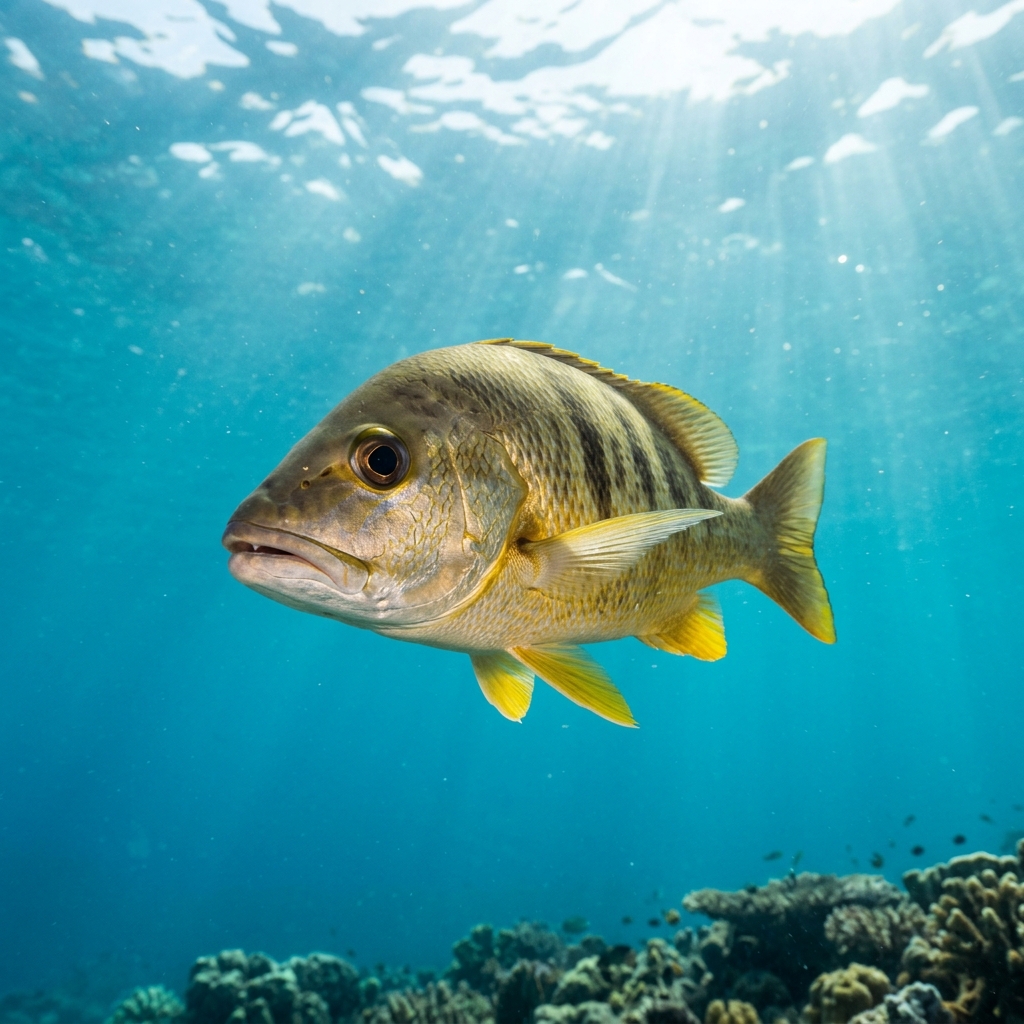
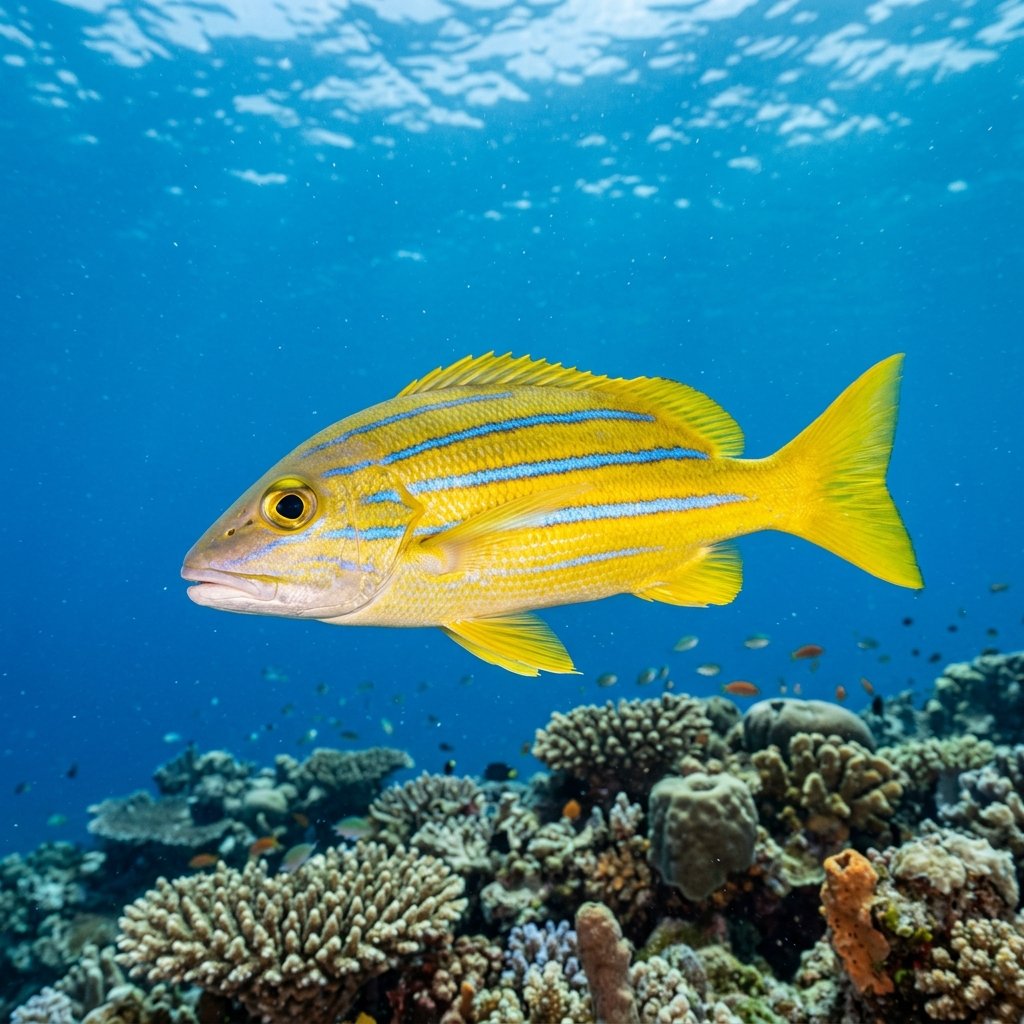
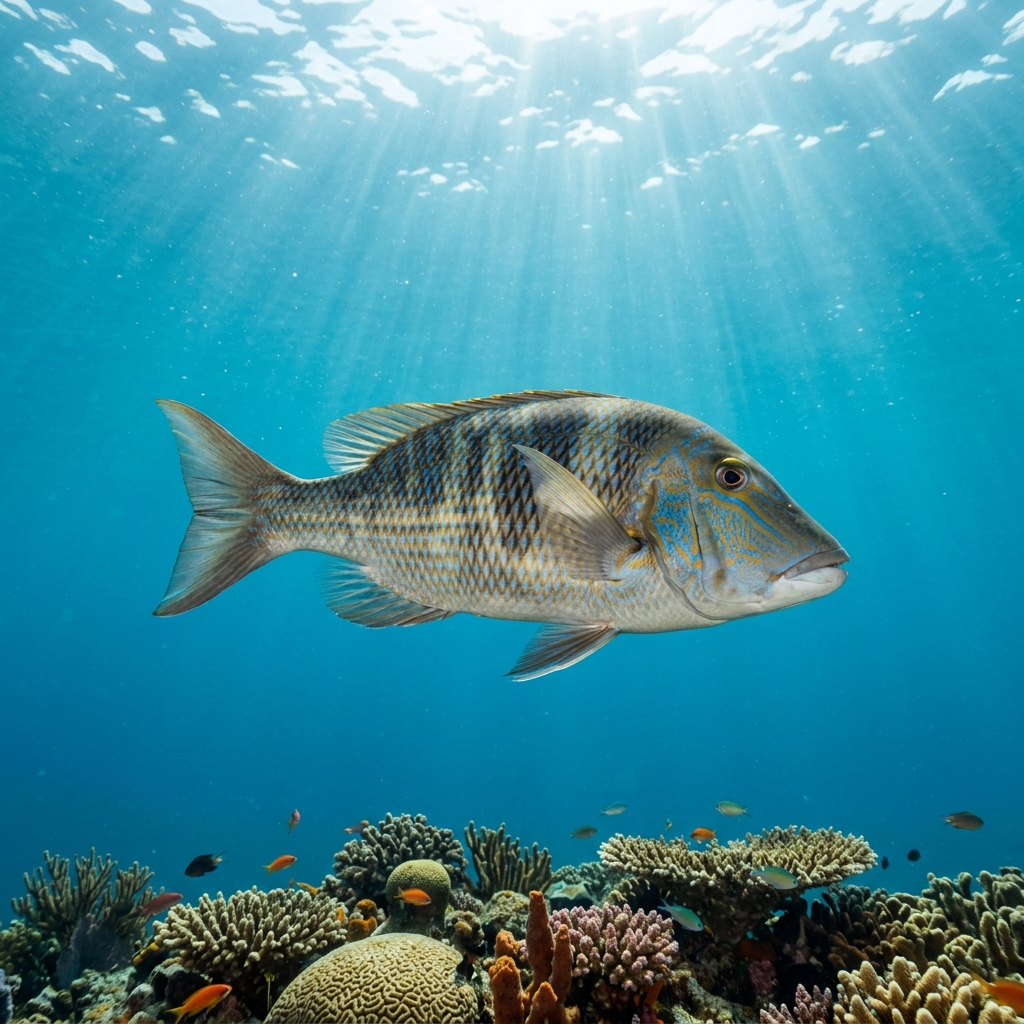
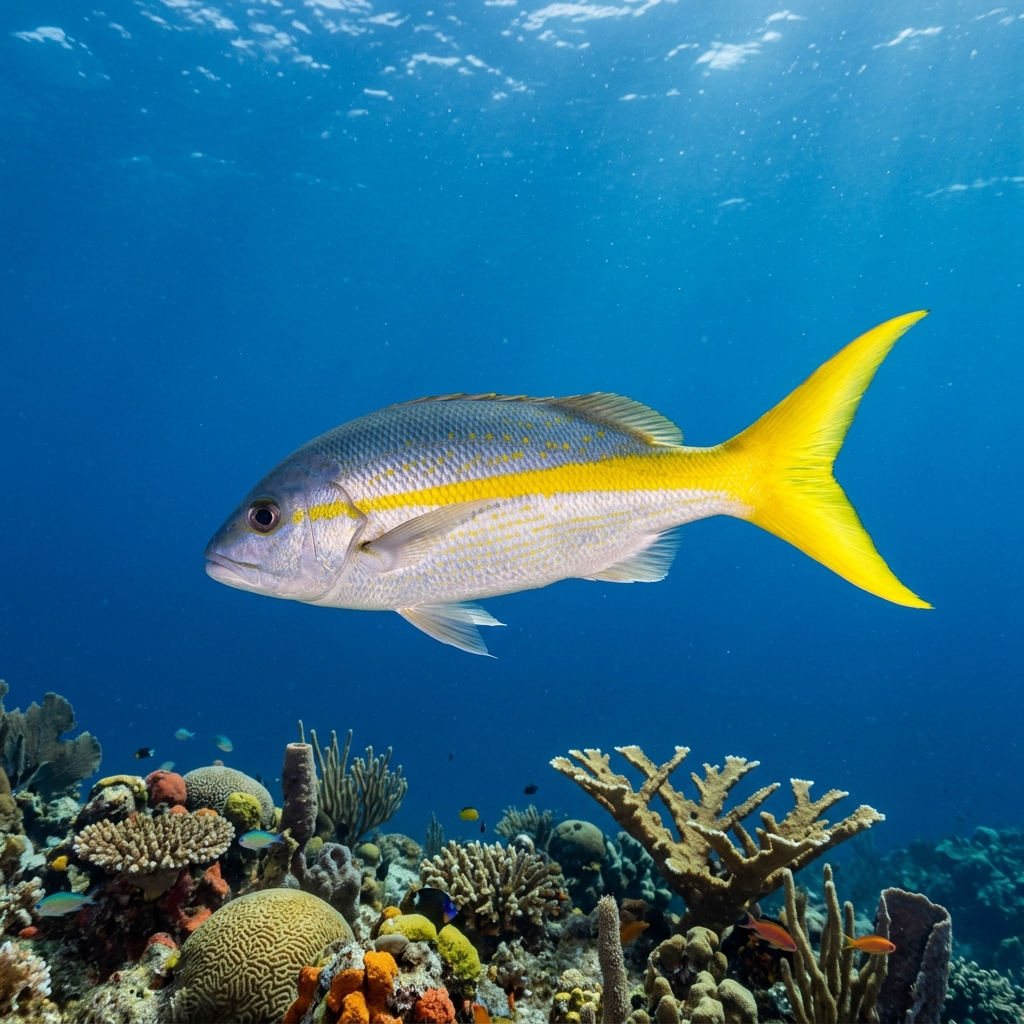
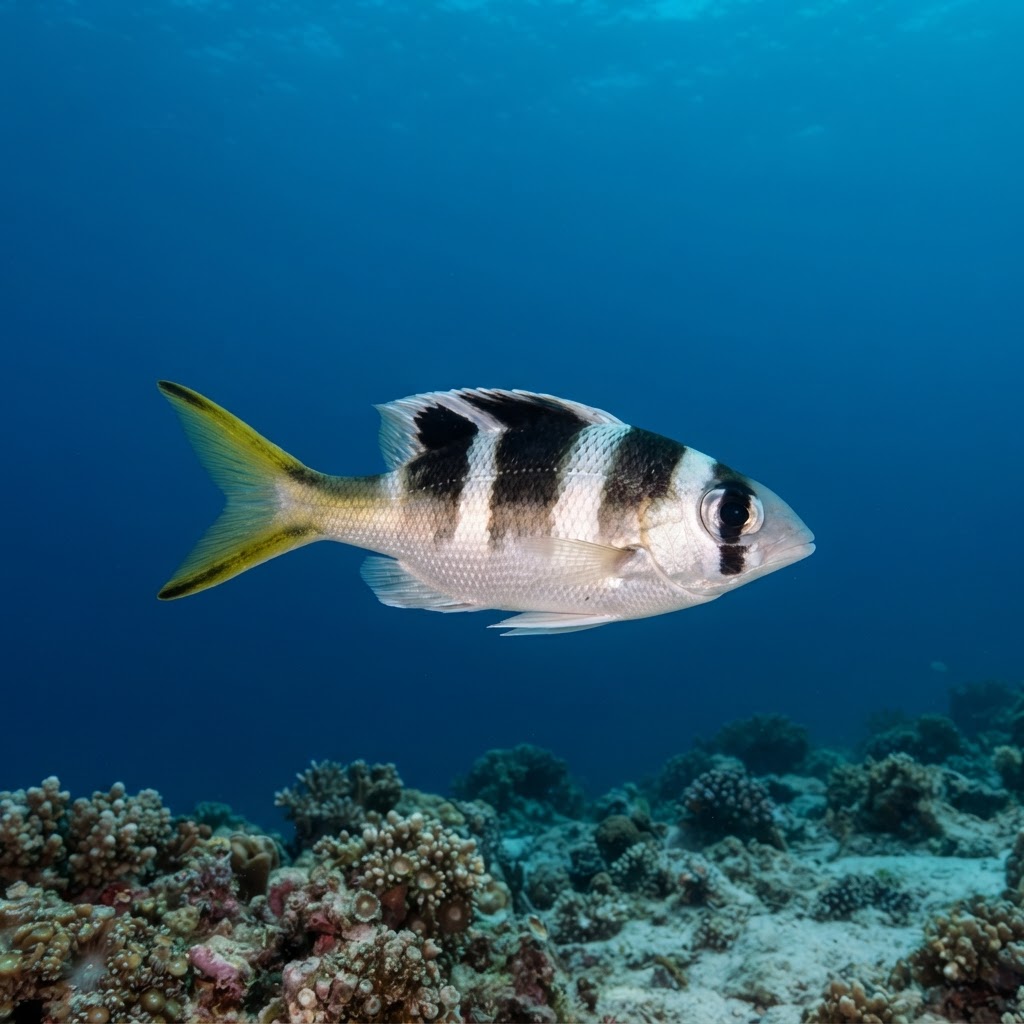
Reef neighbours a diver could mistake it for. Use the identification notes above to tell them apart.
Most reliably logged along Mexico's Pacific Coast and in Baja California, with strong numbers also reported from Guanacaste in Costa Rica and the Pacific Coast of Panama. Across all three countries it turns up as an uncommon sighting rather than a guaranteed one, so treat it as a nice bonus on a rocky reef or pinnacle dive rather than the main target.
Mapping where Spotted Rose Snapper is logged…
Best chances are along Mexico's Pacific Coast and Baja California, plus Guanacaste in Costa Rica and the Pacific side of Panama. It shows up as an uncommon sighting at rocky reef sites in all three countries.
There is no strong seasonal pattern, so sightings happen year-round. Water in its comfort range of about 22 to 29 C holds for most of the year across its Pacific coast range.
Check for a rosy-gold body with a dark blotch below the front of the dorsal fin and a deep, sloped-forehead snapper shape. It is usually seen alone or in small groups near rocky reef structure rather than in open water.
They can reach around 74 cm, though many individuals seen on dives are noticeably smaller. Size varies by site and habitat quality.
No, they pose no danger to divers. They keep a cautious distance and are more interested in avoiding you than interacting with you.
Site and sighting data is aggregated from diver logs, iNaturalist and GBIF. For taxonomy and conservation status:
Emperor
2,052 sites