Lethrinus rubrioperculatus
Uncommon reef fish logged across KwaZulu-Natal, South Africa, in 22-28C water year-round. Here's how to spot one.
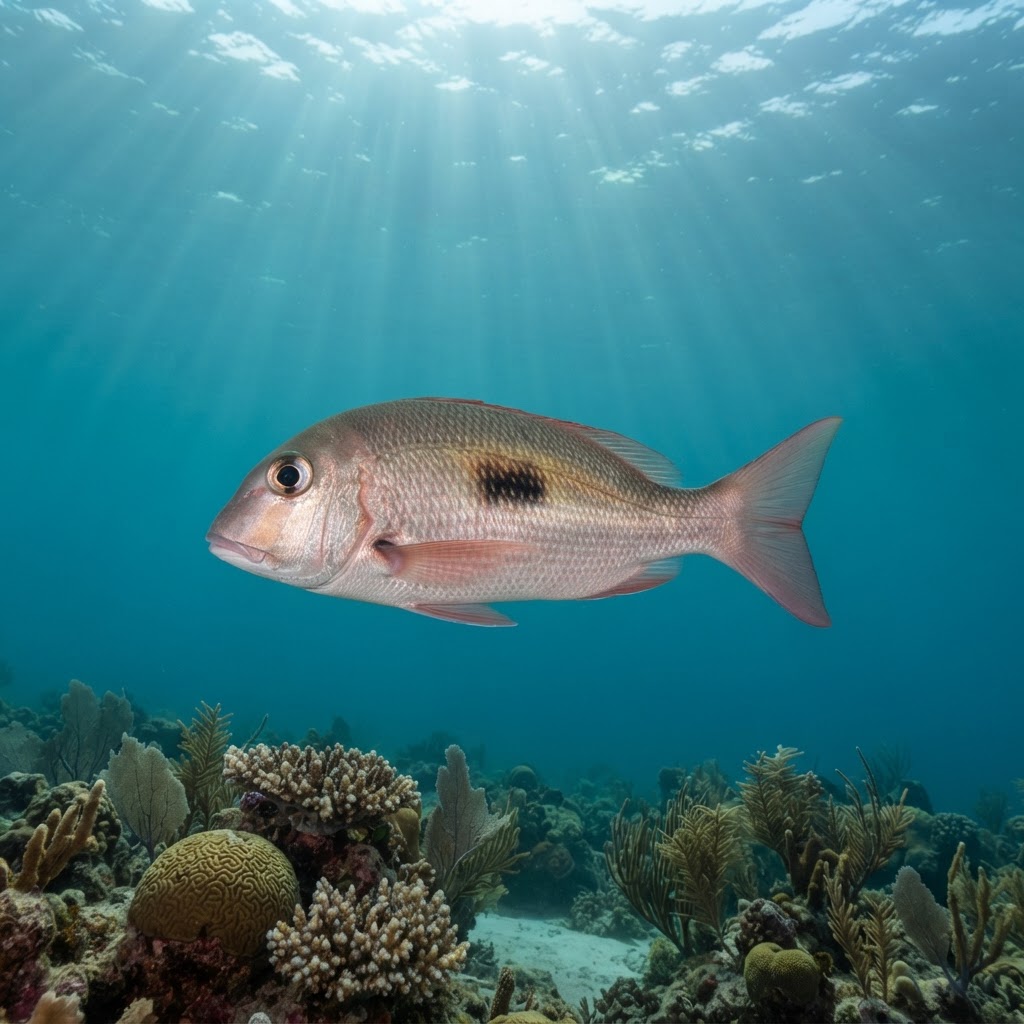
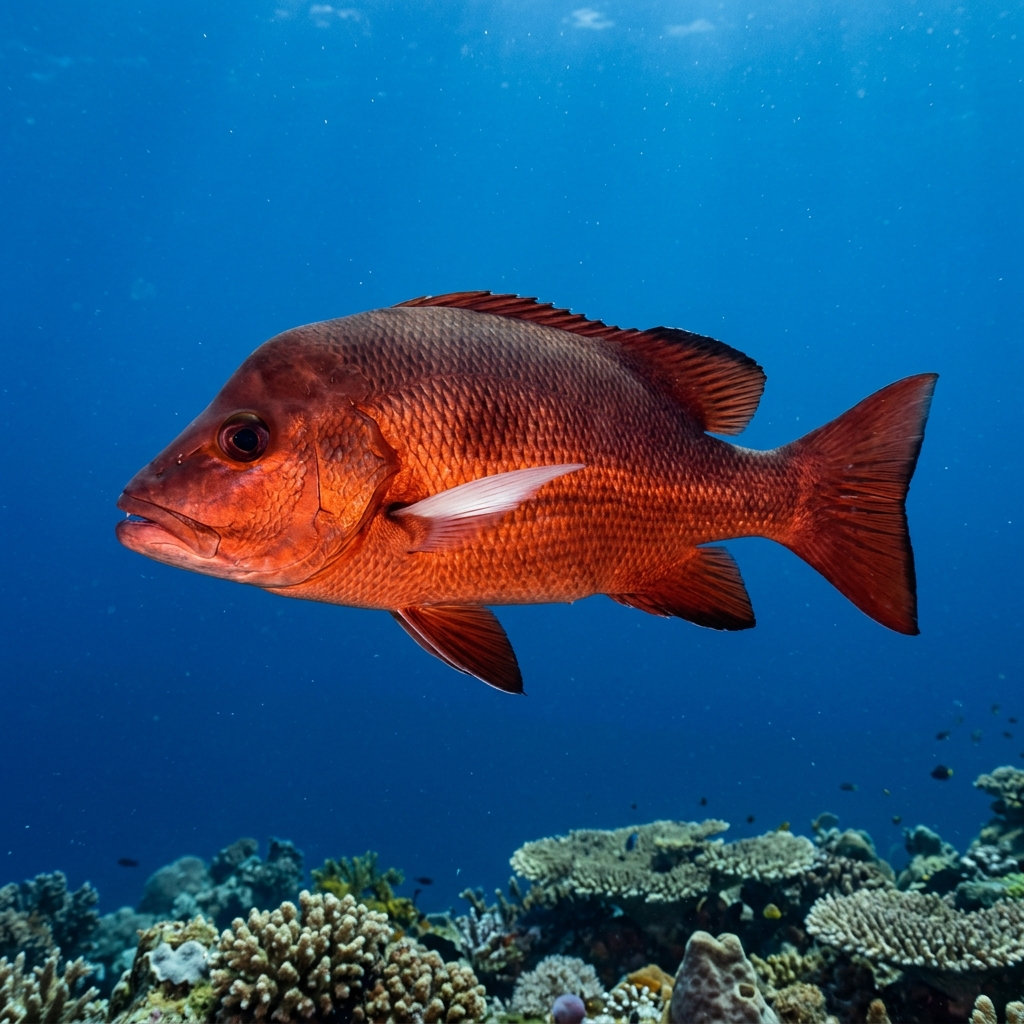
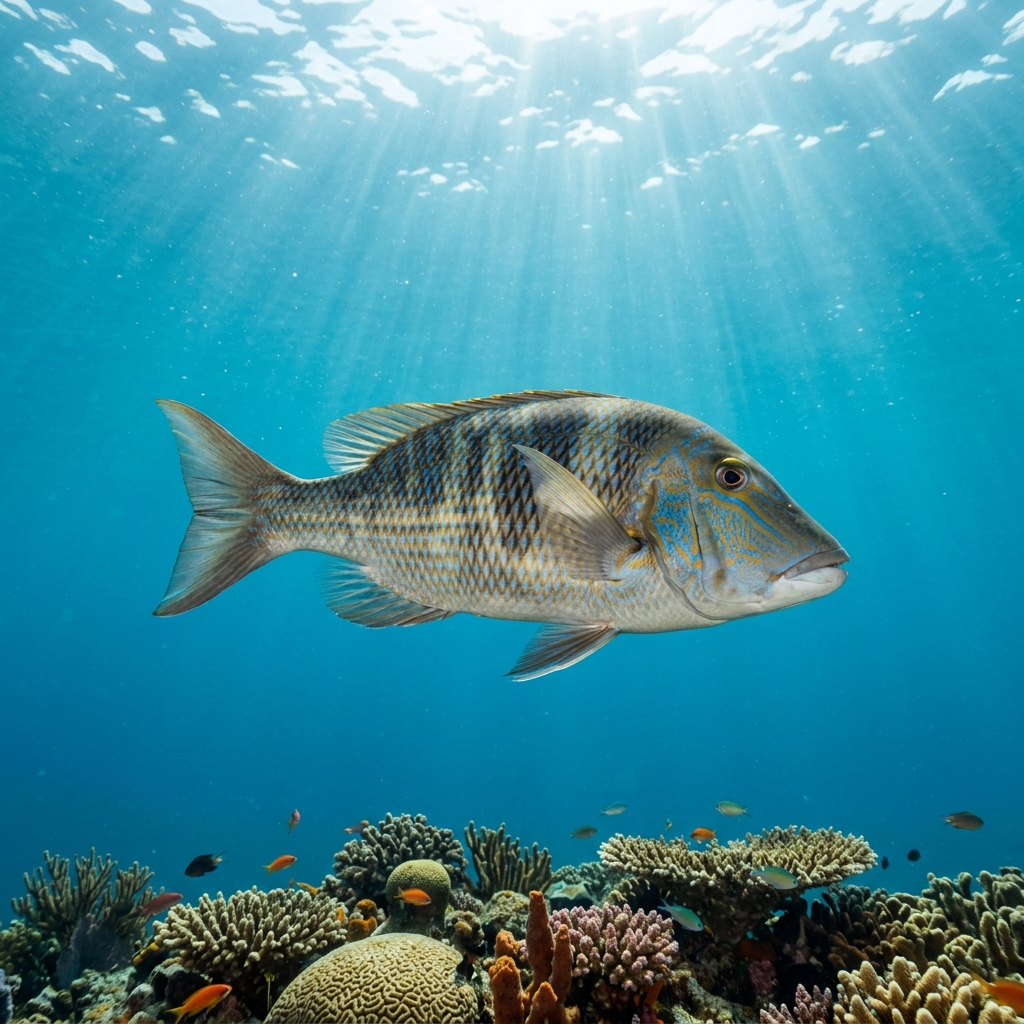
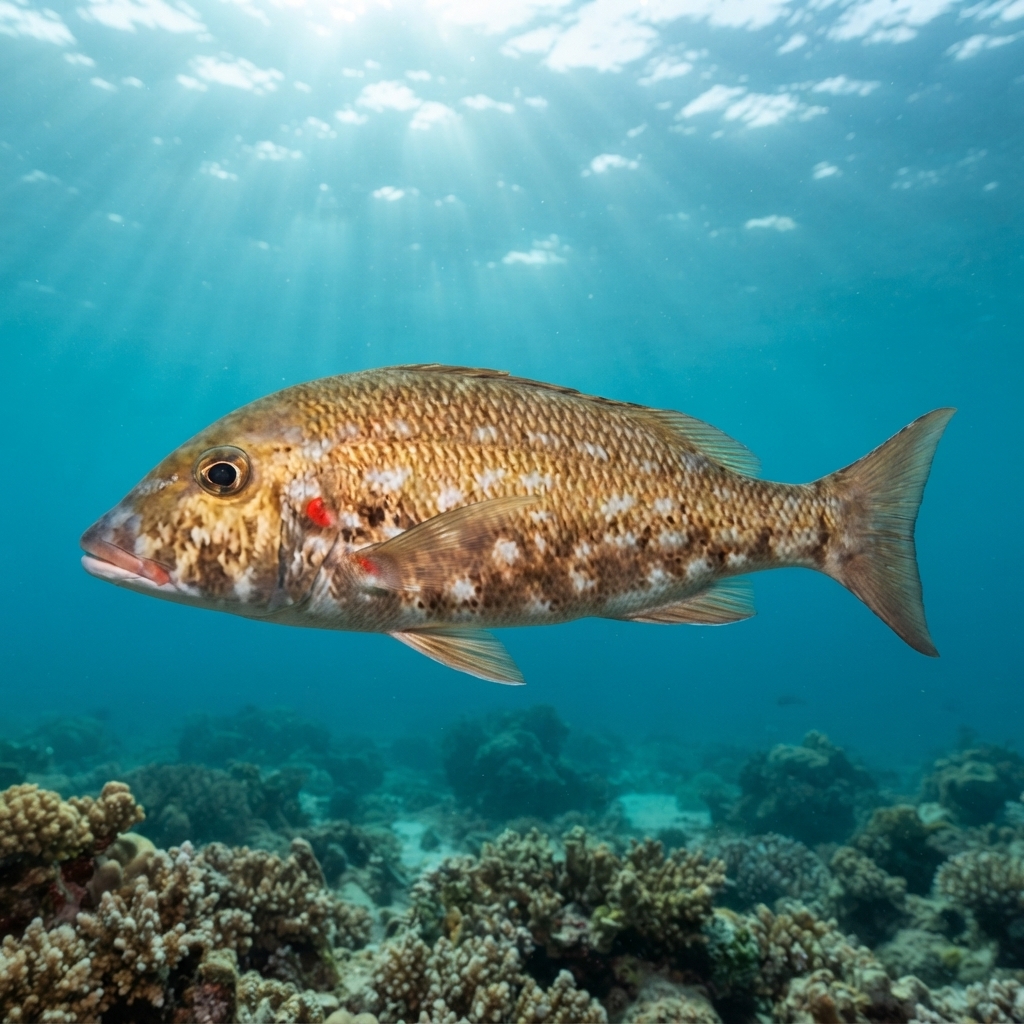
Grows to around 40cm, with a silvery-grey to pale brown body and a faint reddish or rust-coloured blotch on the cheek (the 'spotcheek' that gives it its name) below the eye. Body shape is the classic emperor profile: a sloping, slightly humped forehead and a pointed snout built for picking food off the reef and sand. Look for a fairly plain, unbanded flank compared to some of its relatives, which helps rule out more strongly marked look-alikes.
Typically seen cruising low over reef and rubble ground, often alone or loosely associating with other bottom-feeding fish, using its snout to root around sand and crevices for small invertebrates. It tends to keep a cautious distance from divers rather than approach, and sightings are logged as uncommon even at the sites where it does occur, so it's more a case of spotting one than expecting a crowd. Most encounters happen on daytime dives over open reef rather than deep in caves or overhangs.
Like other emperors, it's a bottom-oriented forager that uses strong jaws and a downturned mouth to crush and extract hard-shelled prey buried in sand and rubble, a feeding style that helps turn over sediment on the reef.
No clear seasonal pattern shows up in the sightings, and the observed temperature range of 22.4 to 28.3C spans most of the year on these reefs, so it's best treated as a year-round possibility rather than a seasonal special.
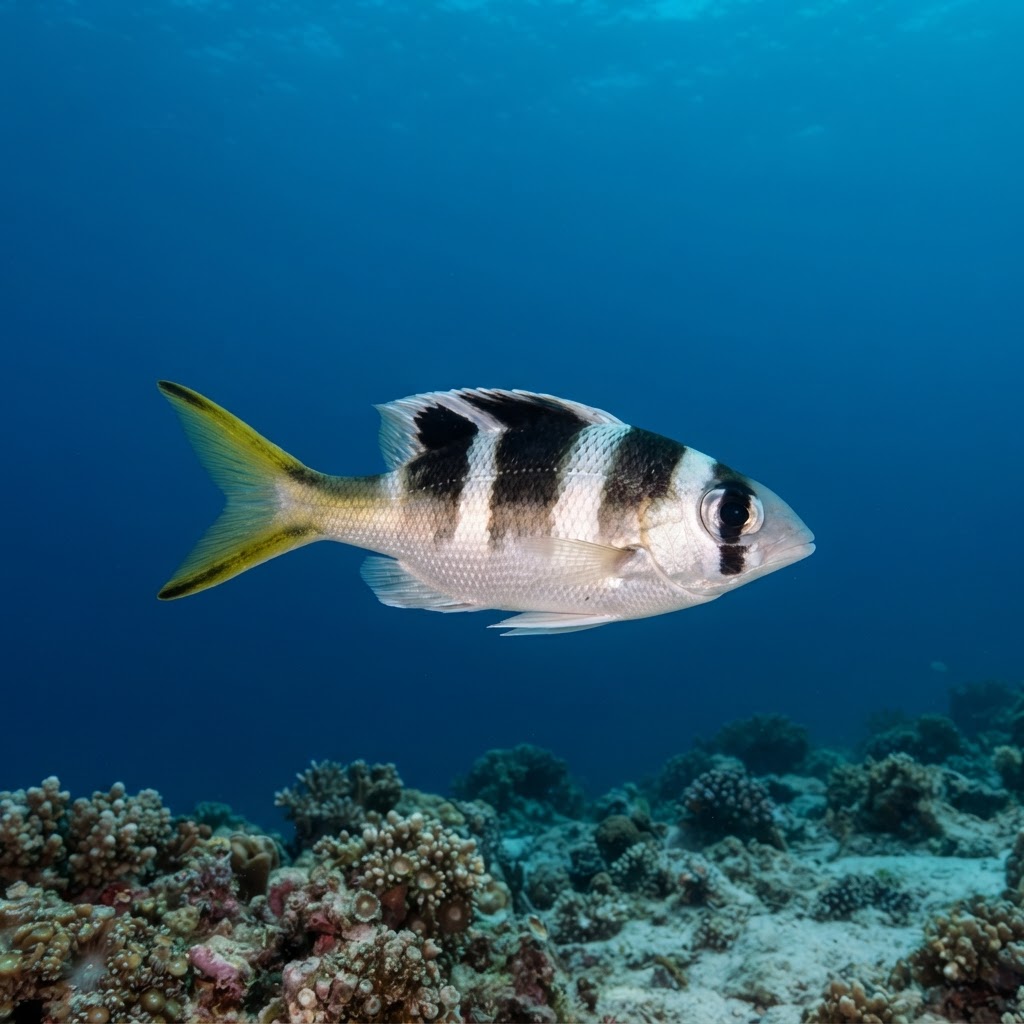
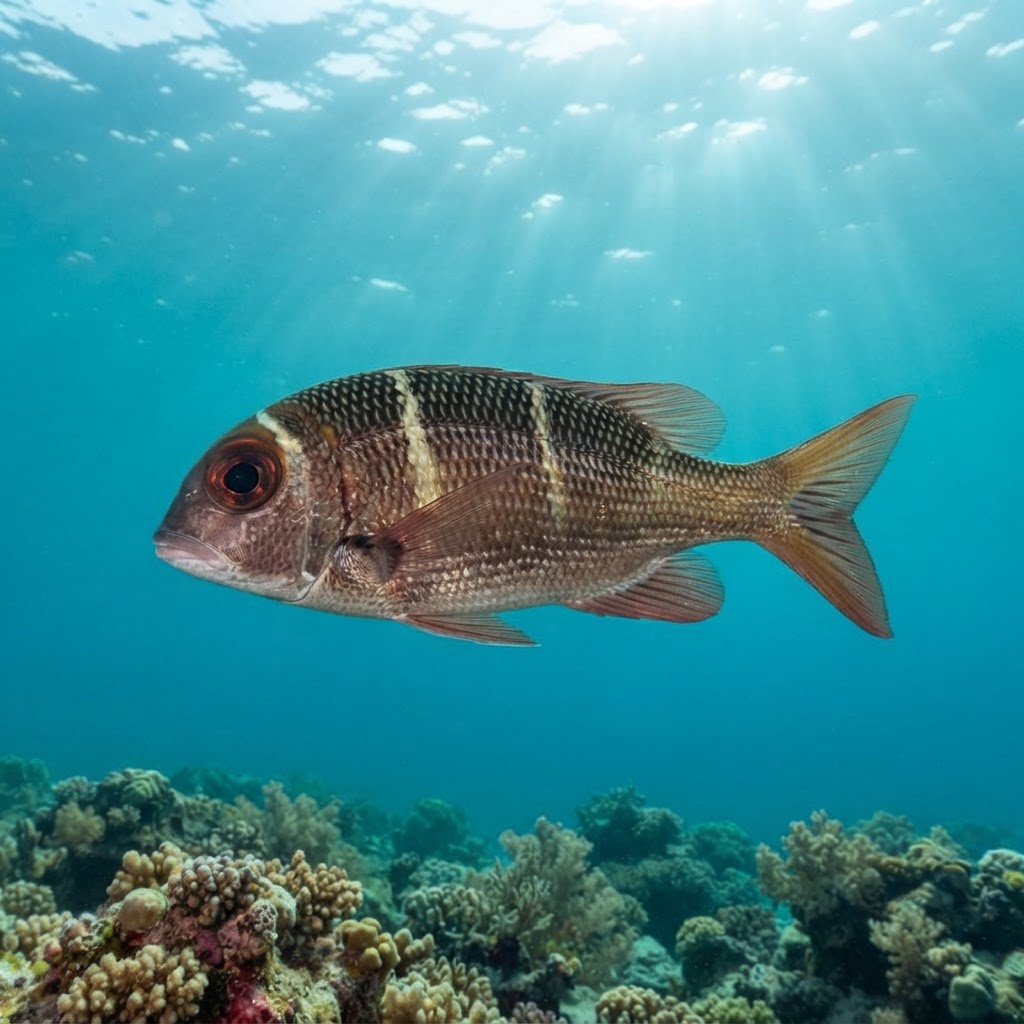
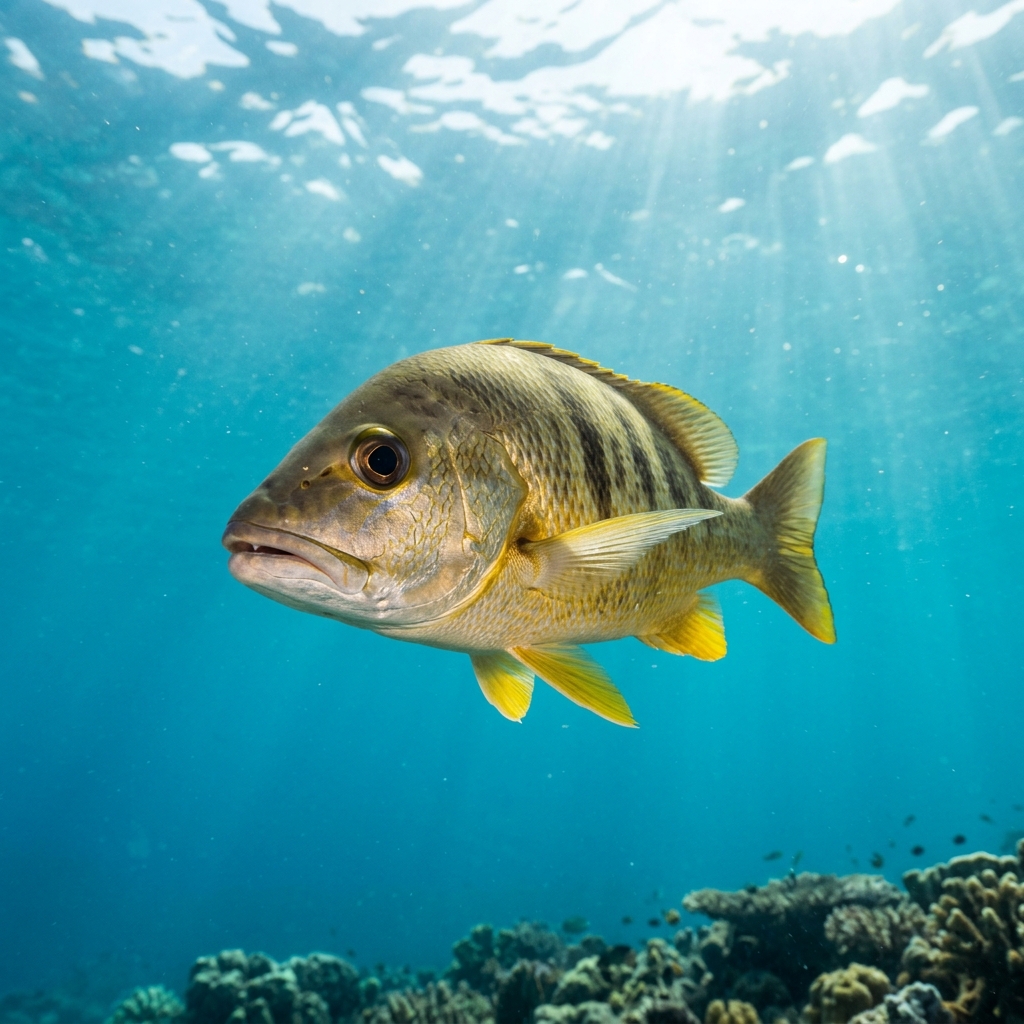
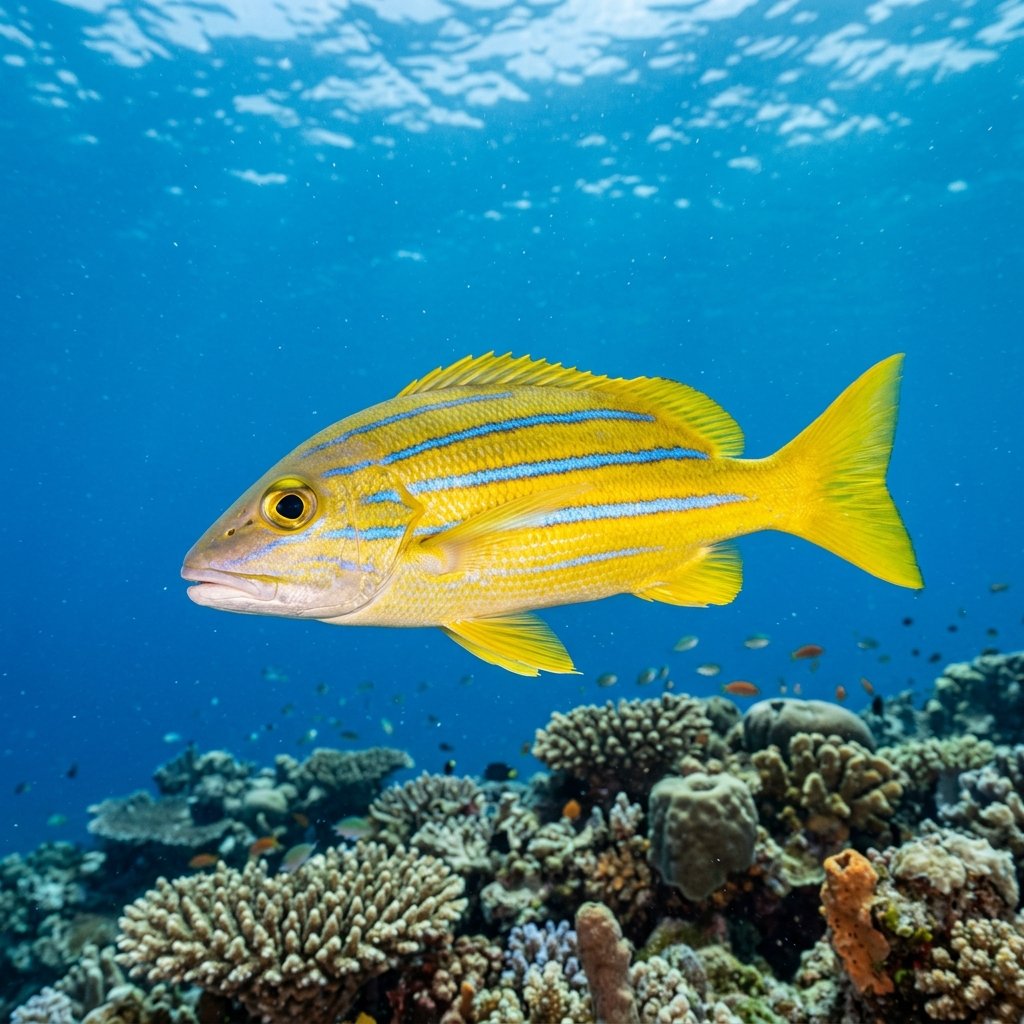
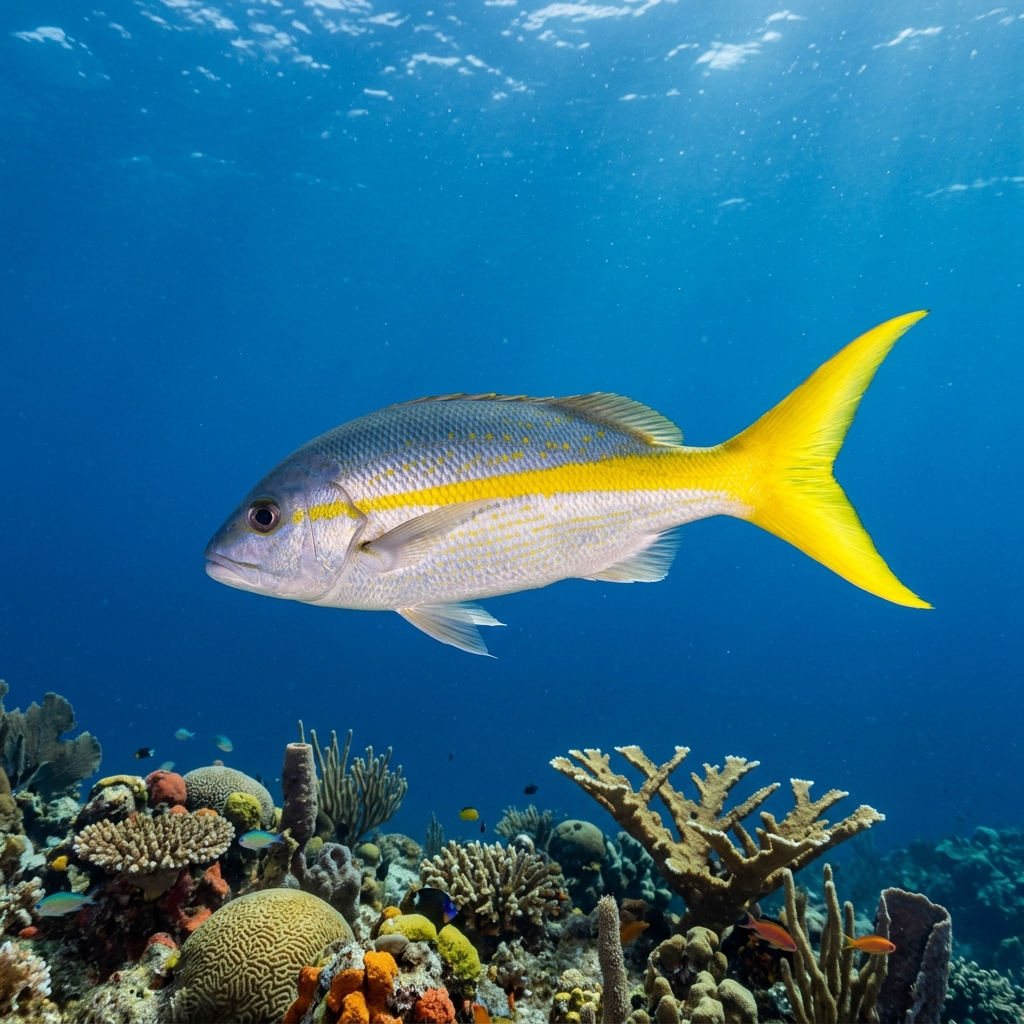
Reef neighbours a diver could mistake it for. Use the identification notes above to tell them apart.
Every logged sighting in the data comes from South Africa, concentrated in KwaZulu-Natal, which is currently the most reliable place to look for this species. It hasn't turned up widely elsewhere in diver records, so KwaZulu-Natal's reef systems are the go-to region for a targeted sighting.
Mapping where Spotcheek Emperor is logged…
Sightings are concentrated in KwaZulu-Natal, South Africa, which currently accounts for the species' entire logged diver record. It hasn't been widely reported outside that region yet.
There's no detected seasonal pattern, and it tolerates water from about 22 to 28C, so it can turn up on KwaZulu-Natal reefs at any time of year.
Look for a silvery-grey, fairly plain-bodied fish around 40cm long with a sloped forehead and a reddish cheek blotch below the eye. It's usually seen cruising low over reef or rubble rather than in open water.
They typically reach around 40cm in length, putting them in the mid-size range for reef-associated emperors.
No, they pose no danger to divers and simply go about foraging over the reef, usually keeping their distance rather than approaching.
Site and sighting data is aggregated from diver logs, iNaturalist and GBIF. For taxonomy and conservation status:
Emperor
2,052 sites