Amblygobius sphynx
Common on Luzon's reefs, this slender goby thrives in 25-29C water and turns up year-round on sandy patches near coral.
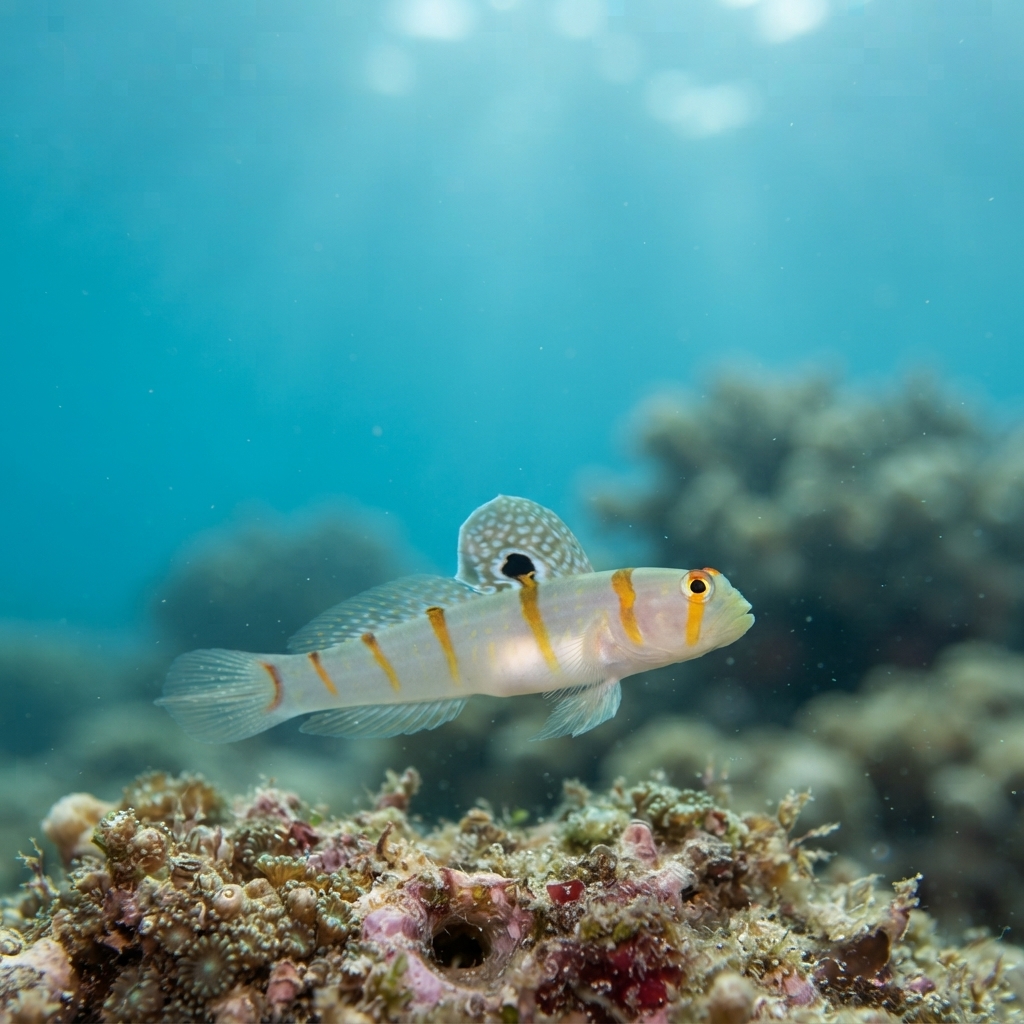
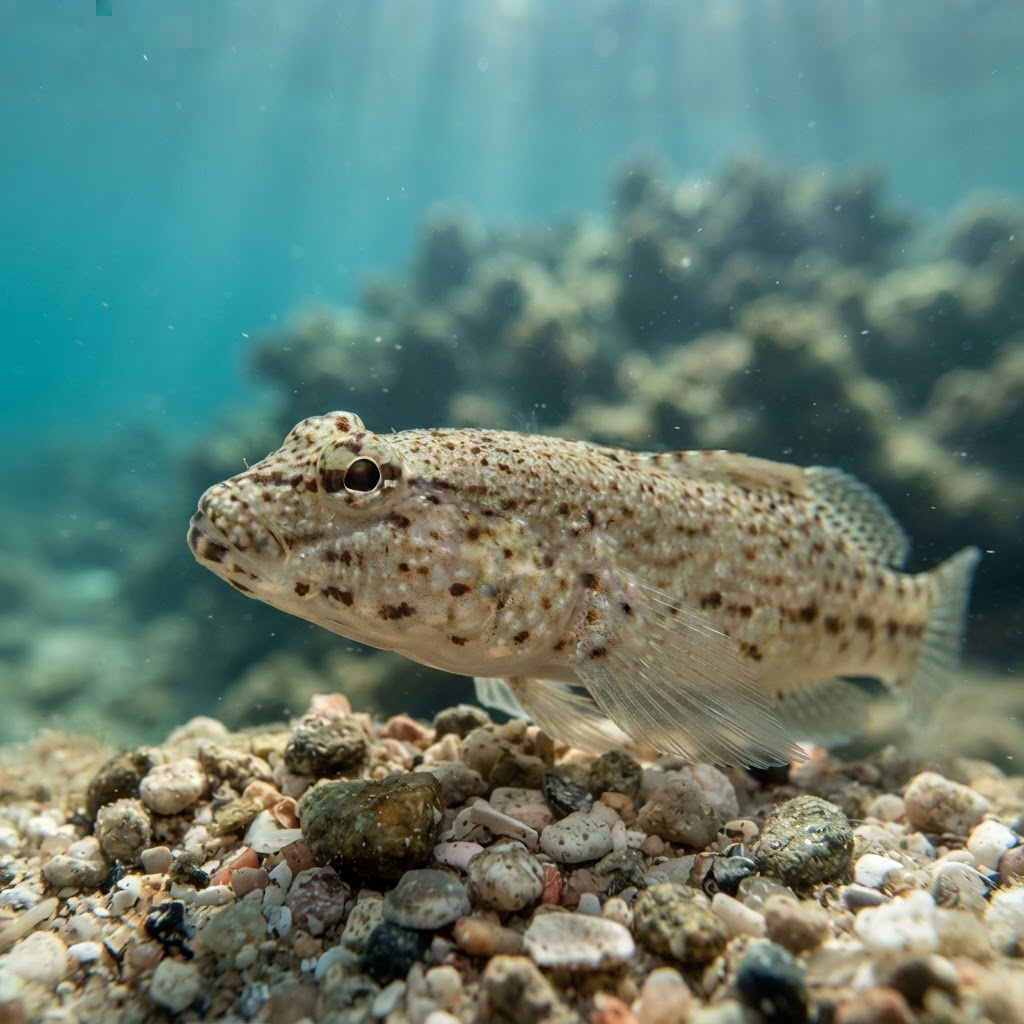
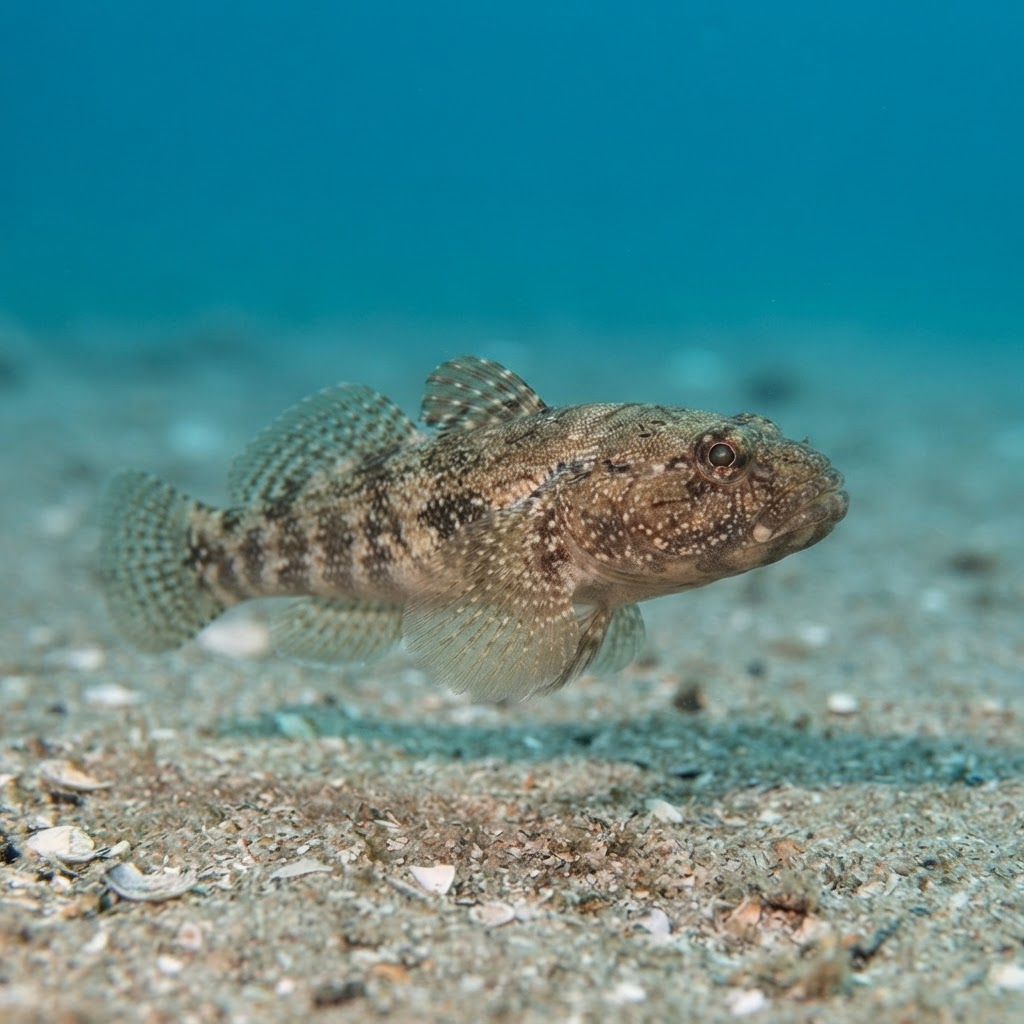
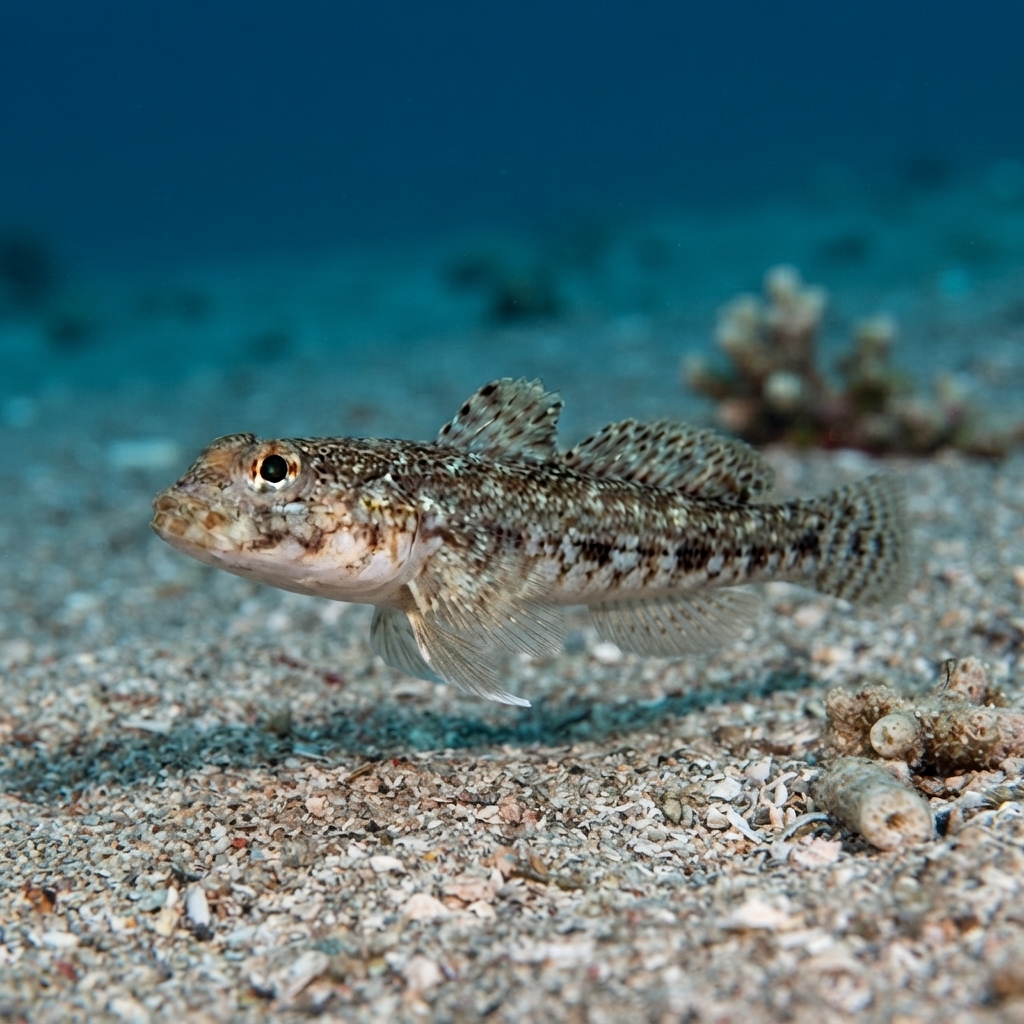
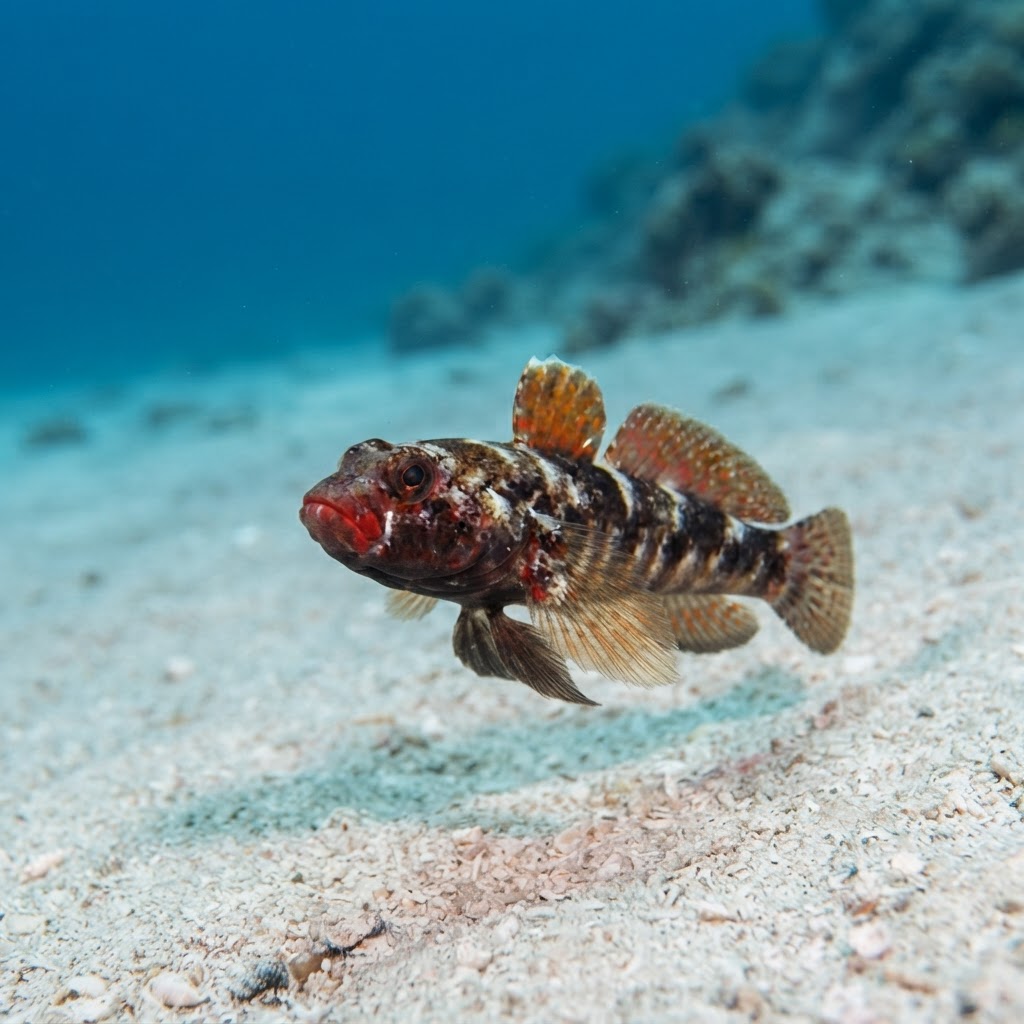
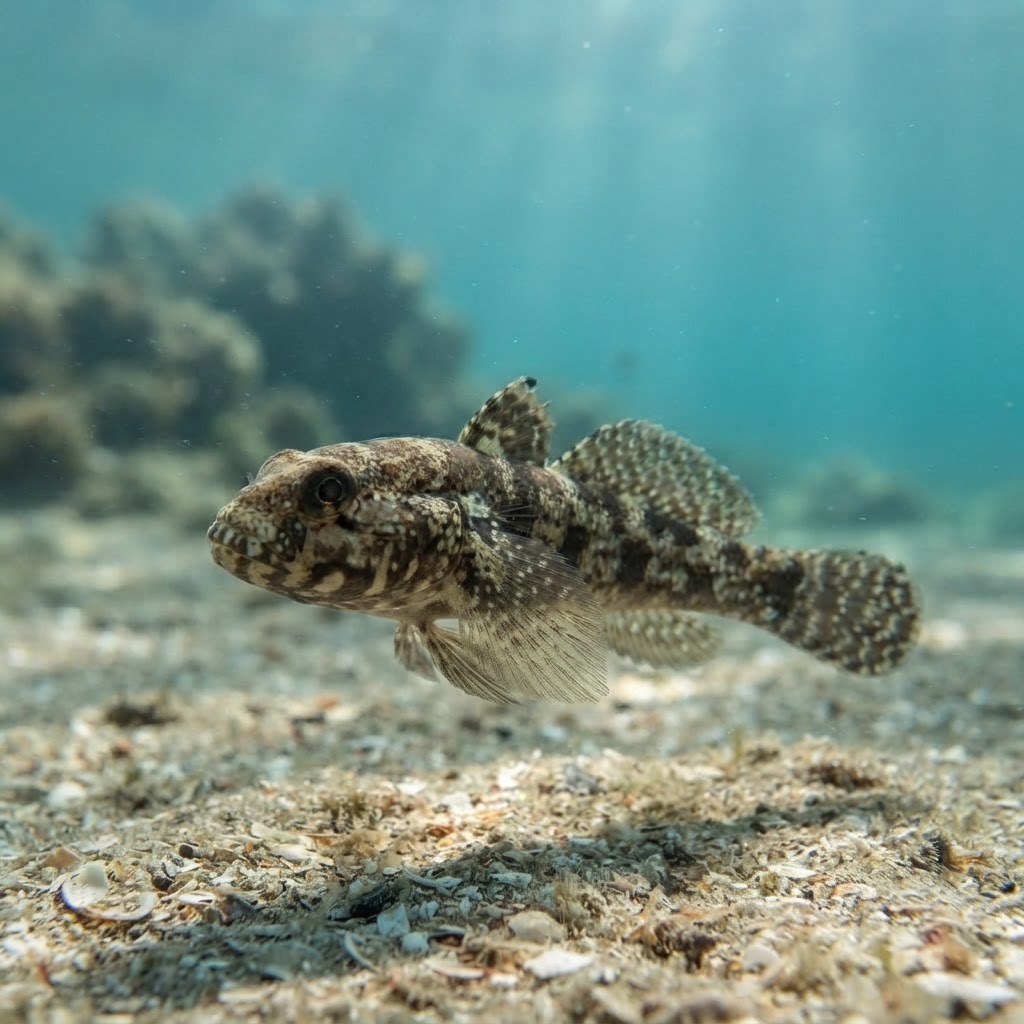
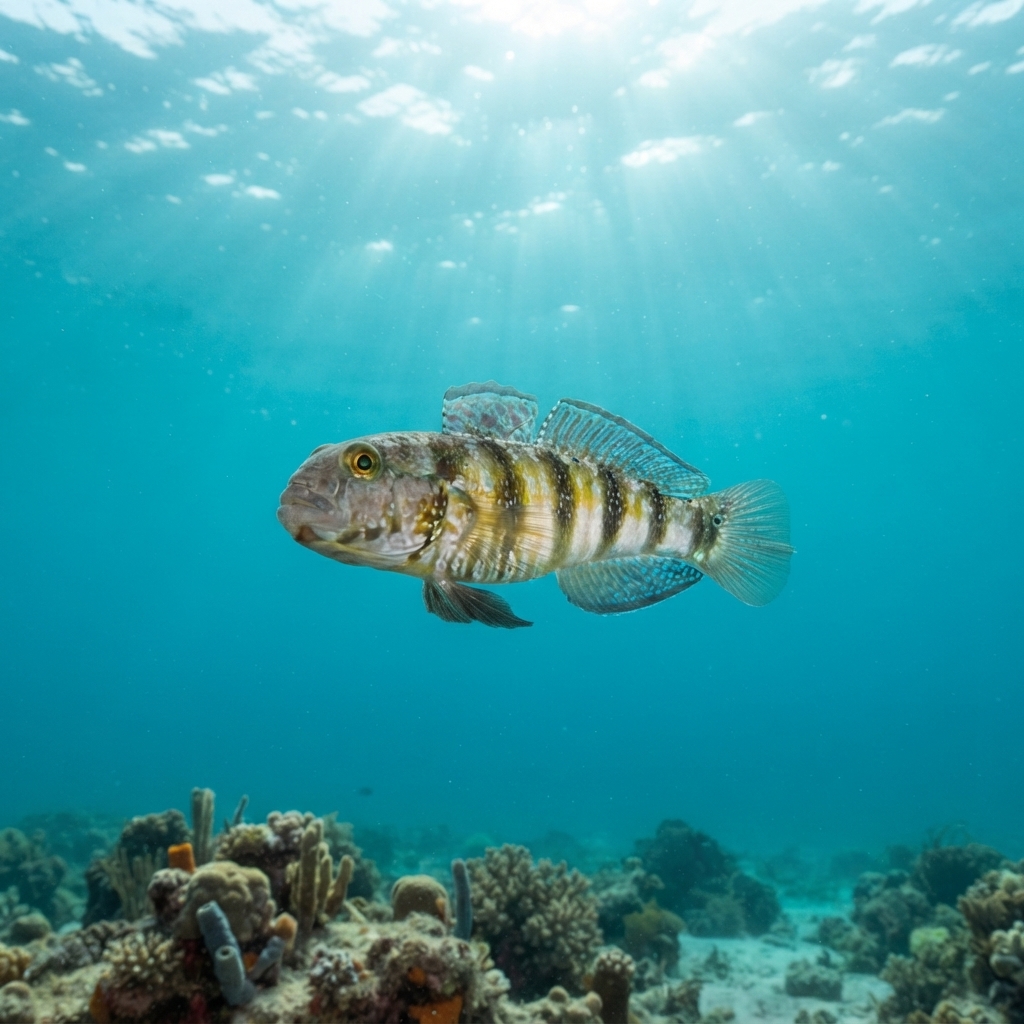
Grows to around 13 cm, with an elongated, slightly tapered body typical of sand-dwelling gobies. Look for a pale grey to sandy-brown base colour broken by a row of dark, irregular blotches or bars along the flanks, often with a faint reddish or rust tinge near the head. It tends to perch on or just above the substrate rather than swim freely, propping itself up on its pelvic fins like most gobies.
Divers typically find it sitting low over sand or rubble patches near coral, often hovering close to a burrow entrance it can dart into if startled. It's not a fast swimmer and tends to stay put or make short retreats rather than fleeing across the reef, which makes it an easy, patient subject for a slow approach and a macro lens.
Like many gobies in the Amblygobius genus, it likely sifts sand through its mouth to feed on small invertebrates and organic matter, spitting the cleaned grains back out, a common but easily overlooked bit of reef housekeeping.
Sightings show no clear seasonal pattern, and with a comfortable range of roughly 25 to 29C, it's present on Luzon's reefs throughout the year. Plan around good visibility and calm conditions rather than chasing a season.
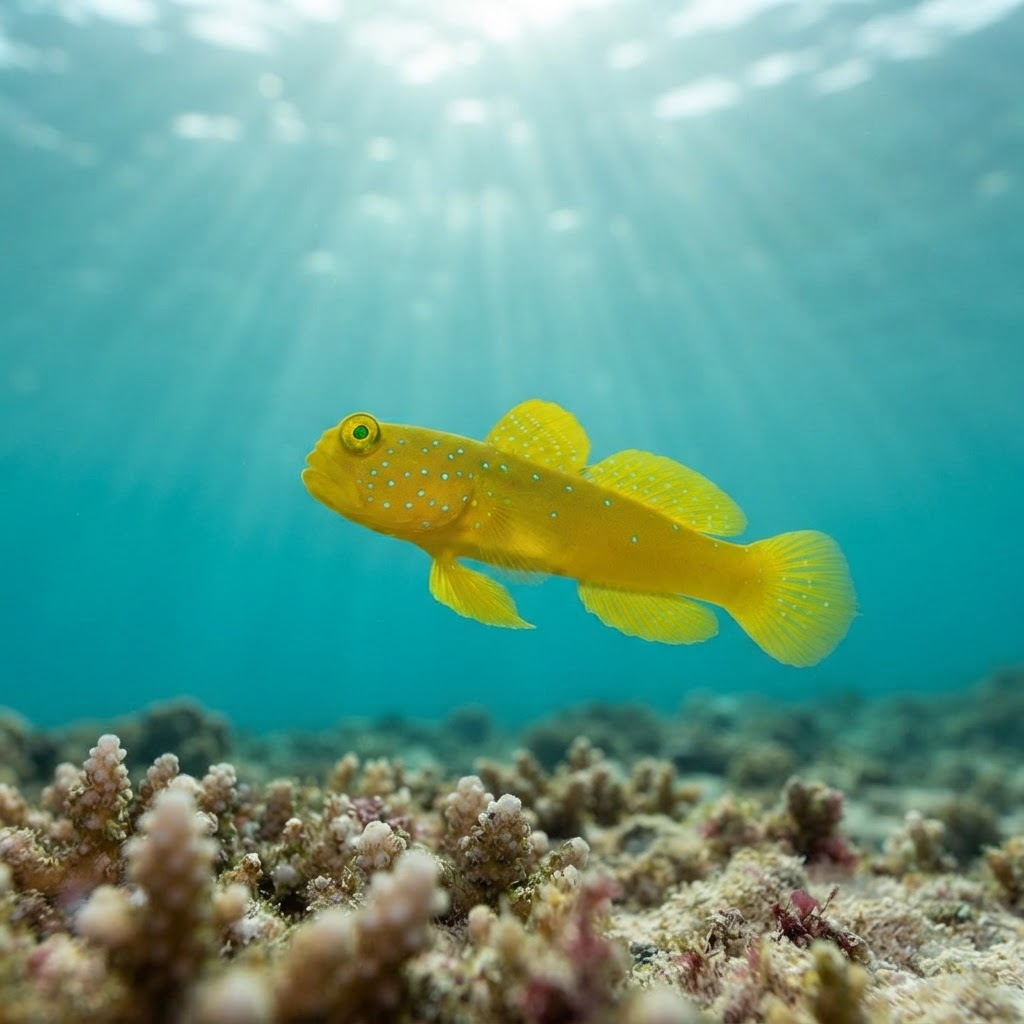
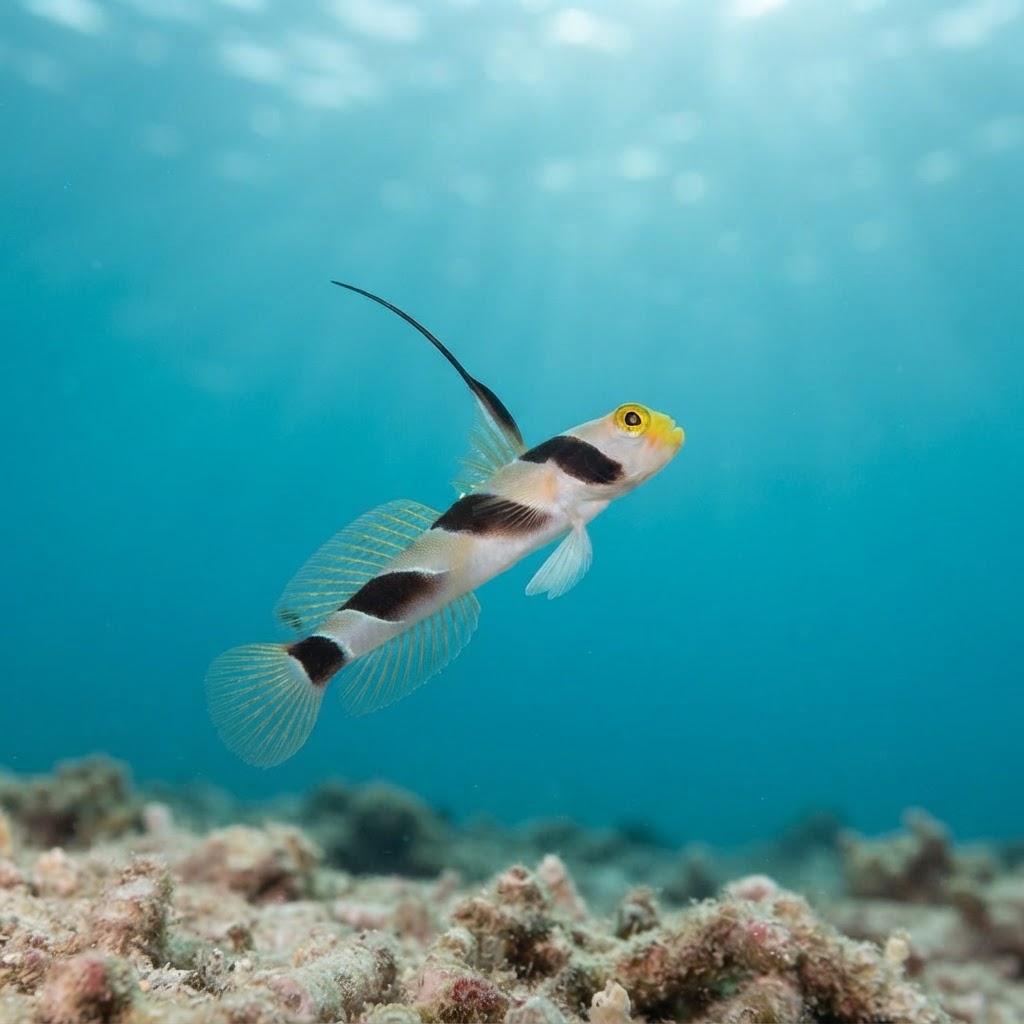
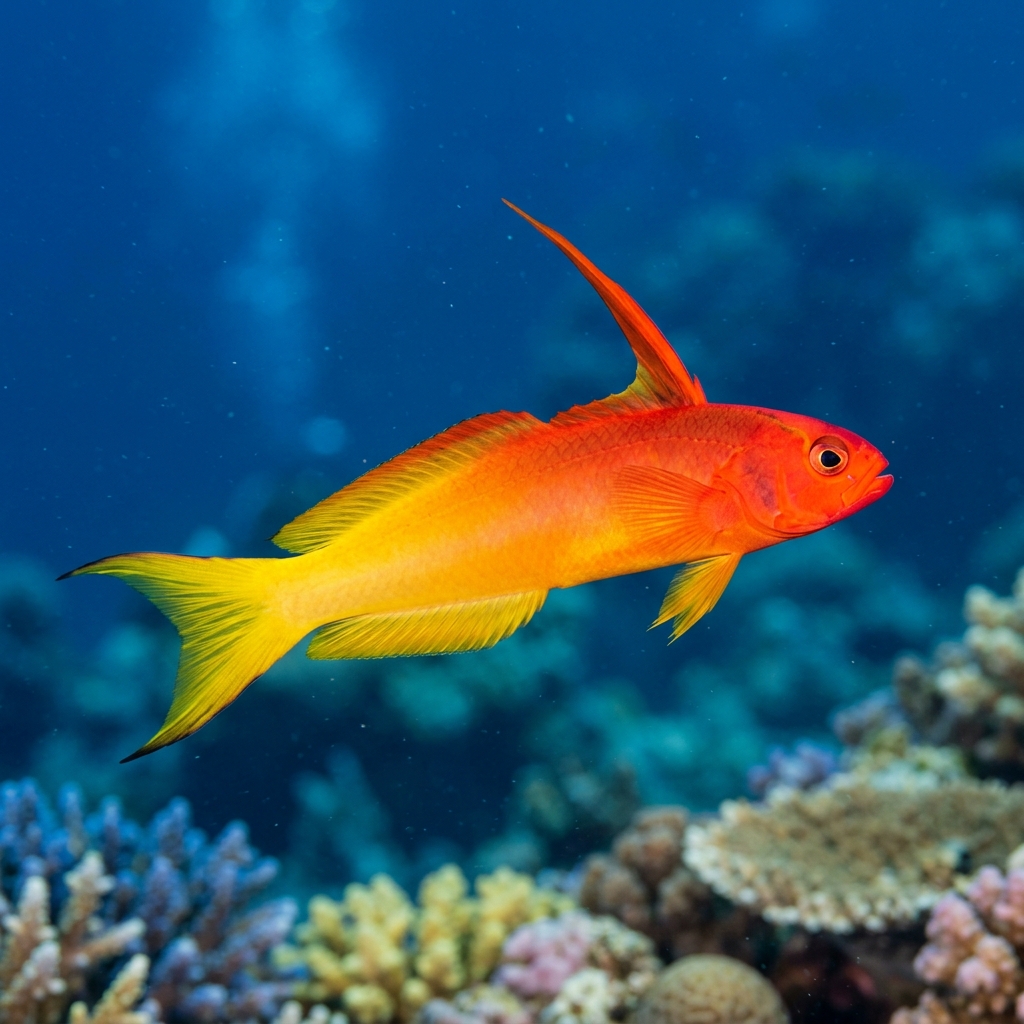
Reef neighbours a diver could mistake it for. Use the identification notes above to tell them apart.
Nearly all logged sightings come from the Philippines, with Luzon standing out as the strongest and most consistent region for this species. If you're diving Luzon's reef and rubble patches, it's one of the more reliably spotted gobies in the sand-dwelling group.
Mapping where Sphinx Goby is logged…
The Philippines is the standout location, with Luzon offering the most consistent sightings logged by divers. It's considered a common find on many of those reef sites rather than a rare spot.
There's no distinct season, it's seen year-round on Luzon's reefs thanks to a stable warm-water range of about 25 to 29C. Any time you're diving the region is a fair shot at spotting one.
Look for a small, slender goby around 13 cm long, pale grey to sandy brown with a line of dark irregular blotches along its sides. It typically rests on sand or rubble near coral rather than swimming in open water.
They reach about 13 cm in length, making them a small, easily overlooked reef fish best spotted with a slow, careful eye on sand and rubble patches.
No, they pose no threat to divers. They're shy, small, and far more likely to retreat into a burrow than react defensively.
Site and sighting data is aggregated from diver logs, iNaturalist and GBIF. For taxonomy and conservation status:
Slender Goby
806 sites