Chelon richardsonii
Rare but real: Southern Mullet turns up in the Western Cape's cool 15-27C water, year-round with no fixed season.
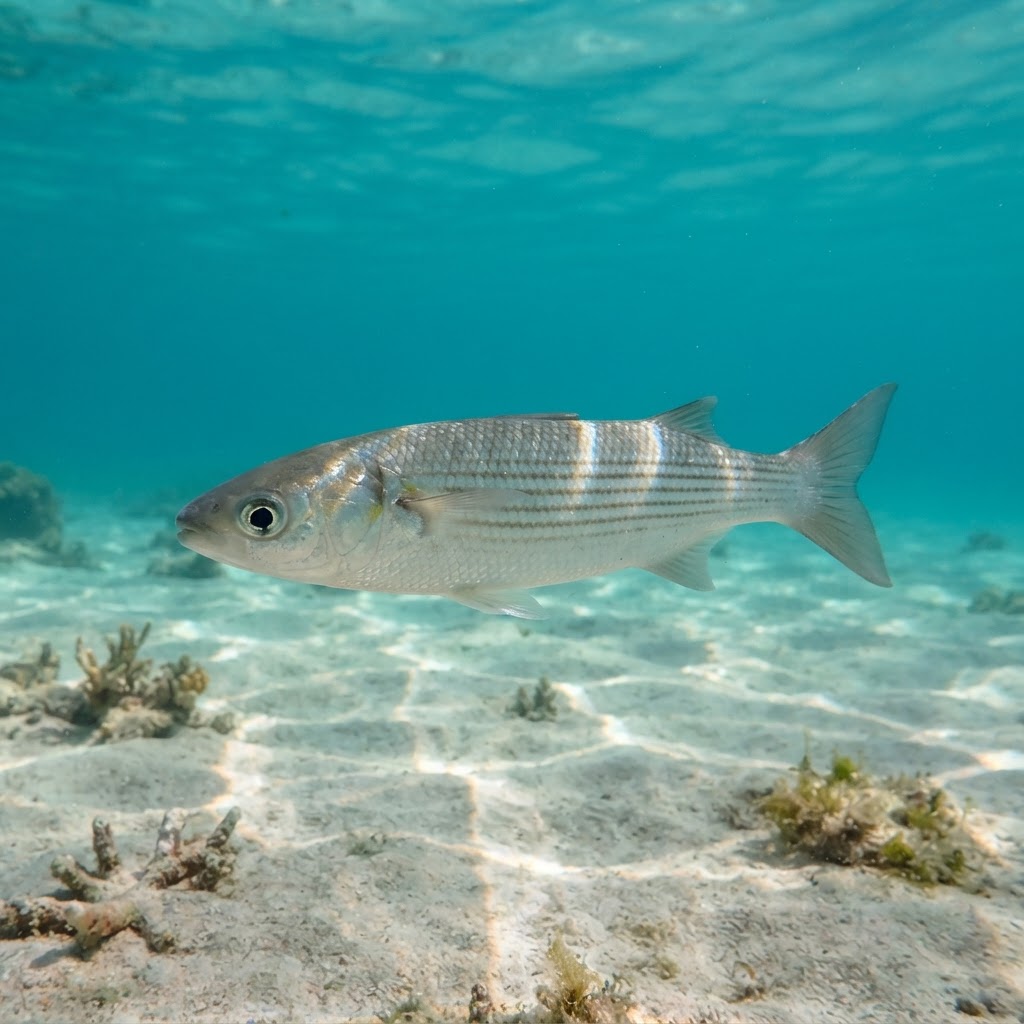
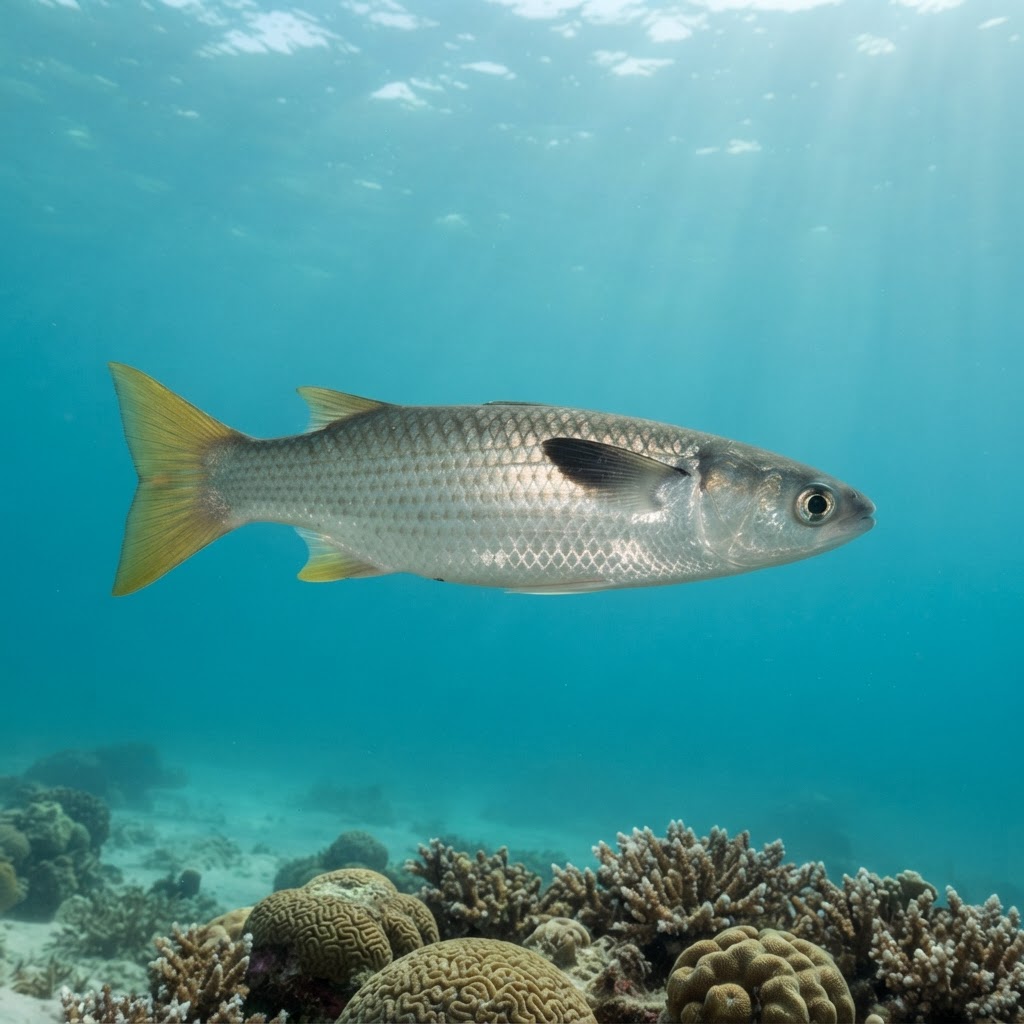
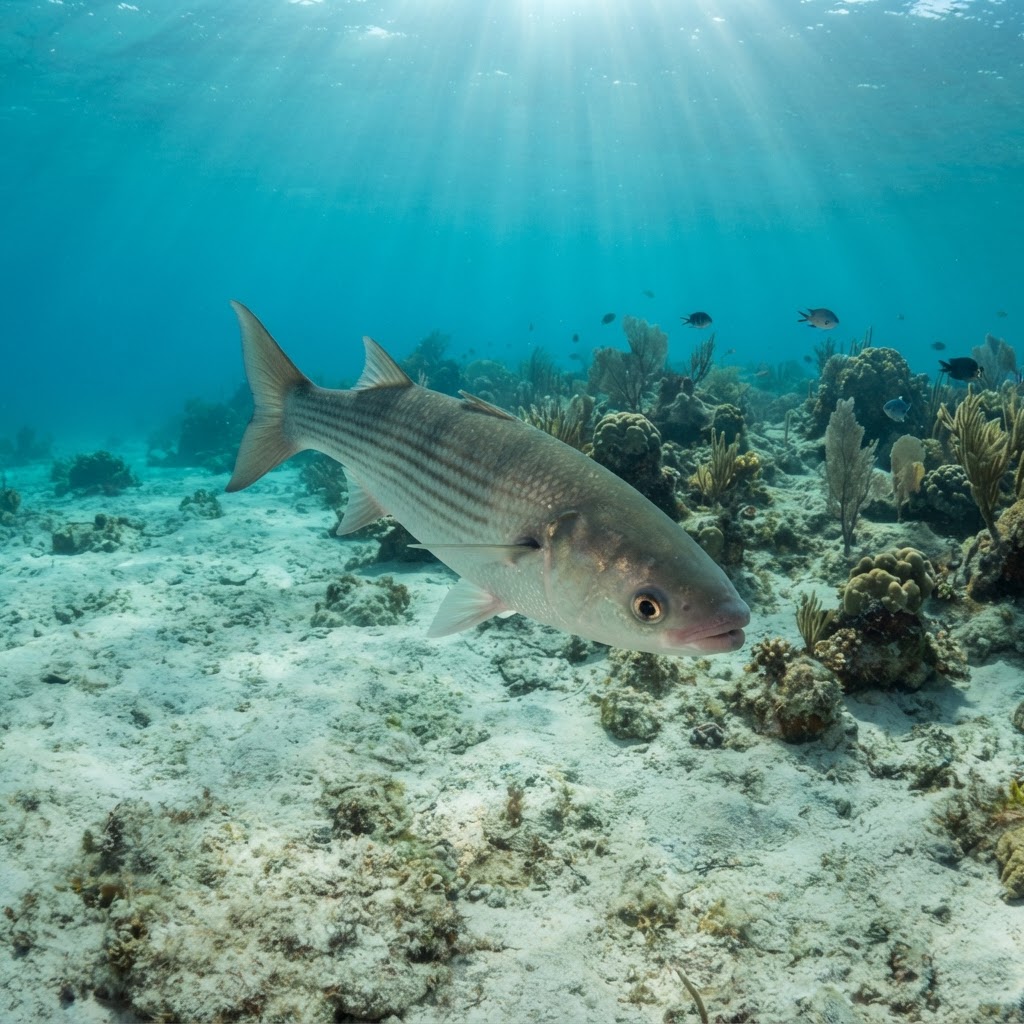
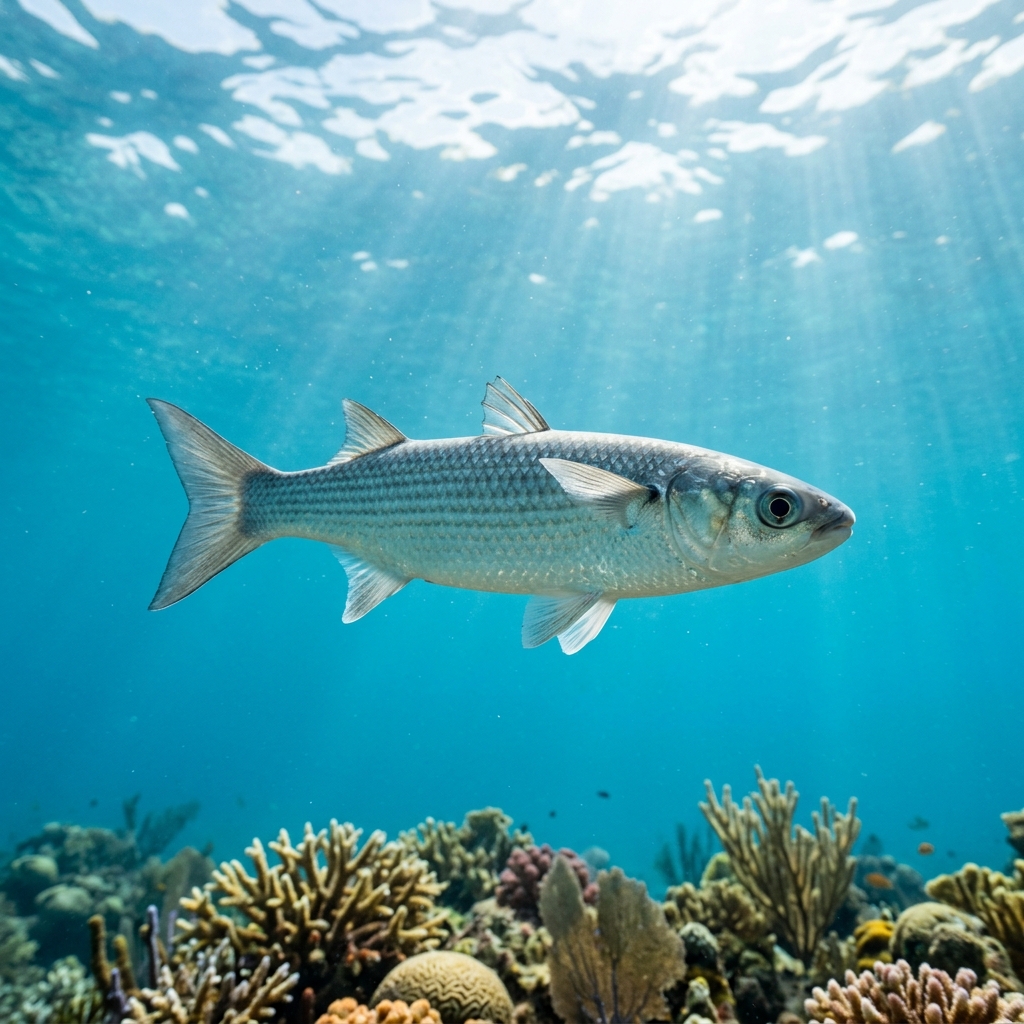
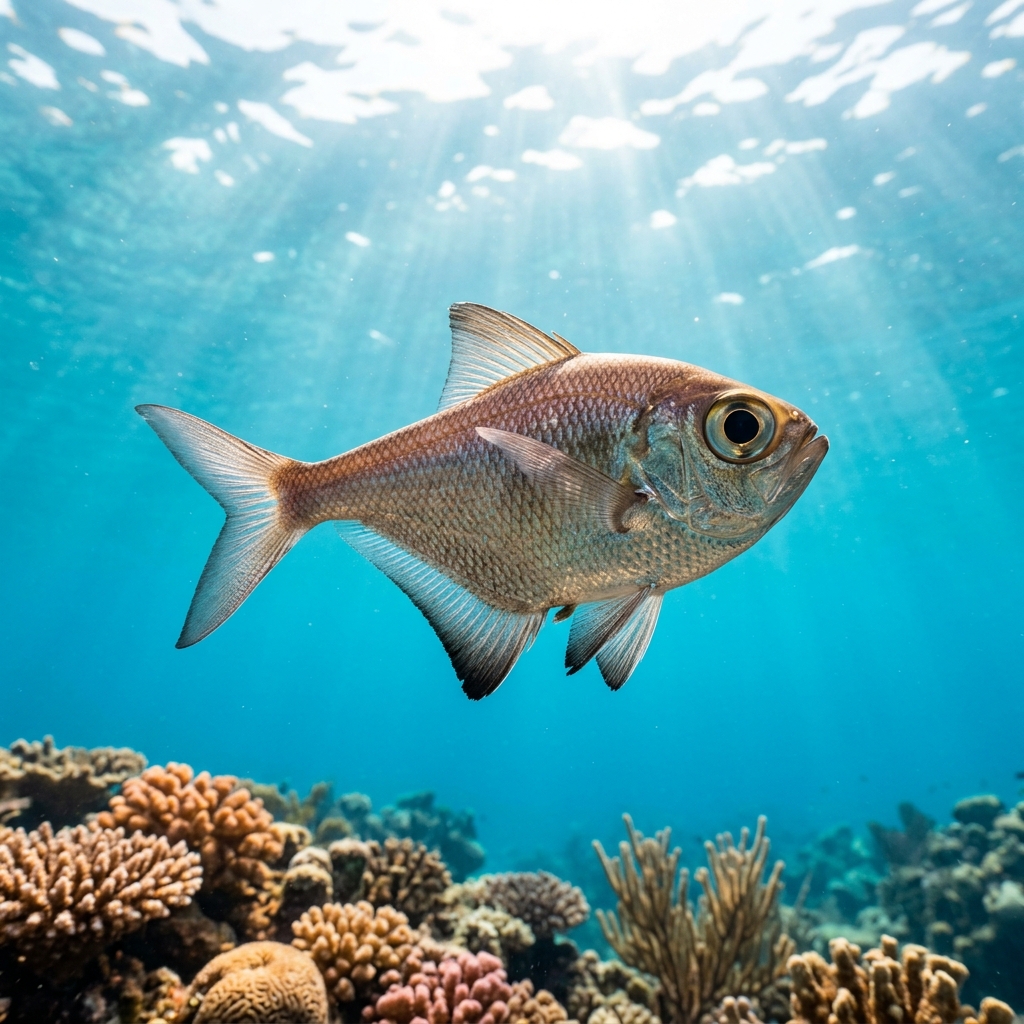
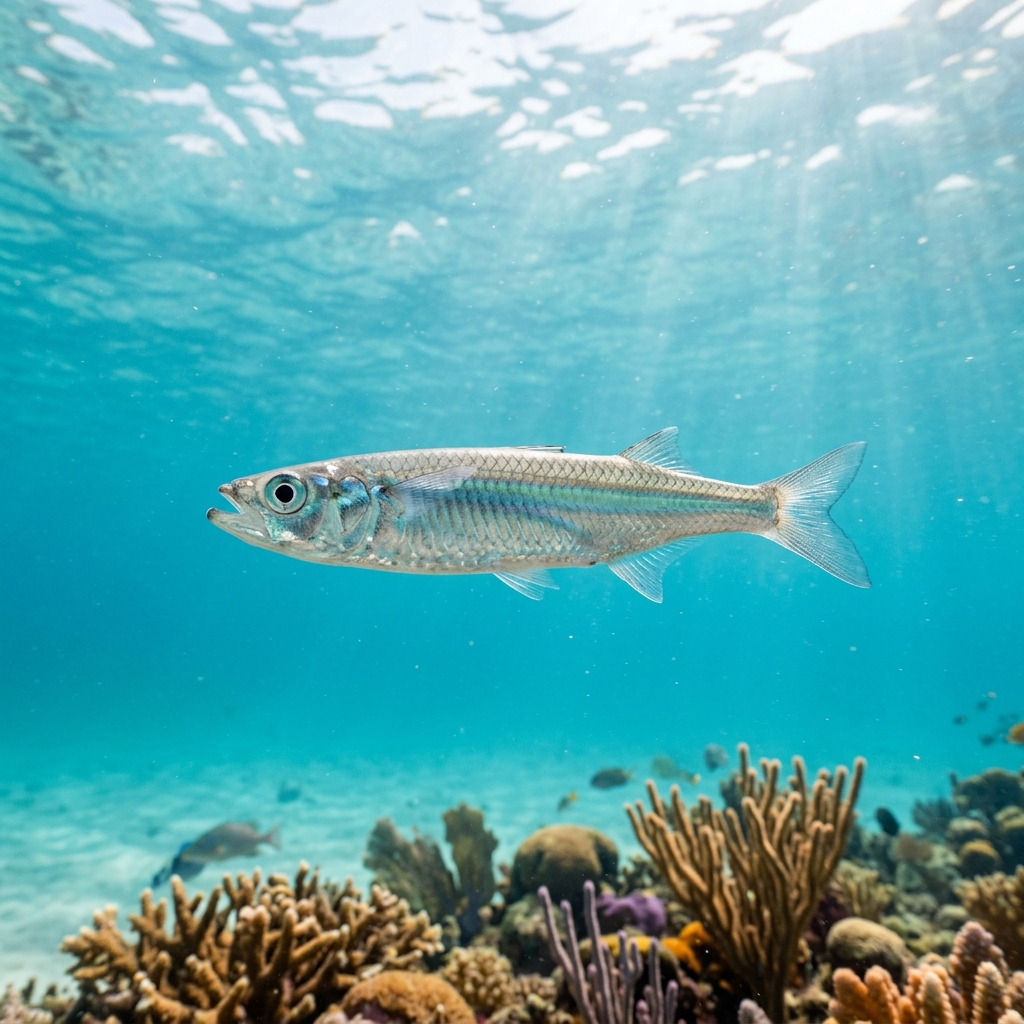
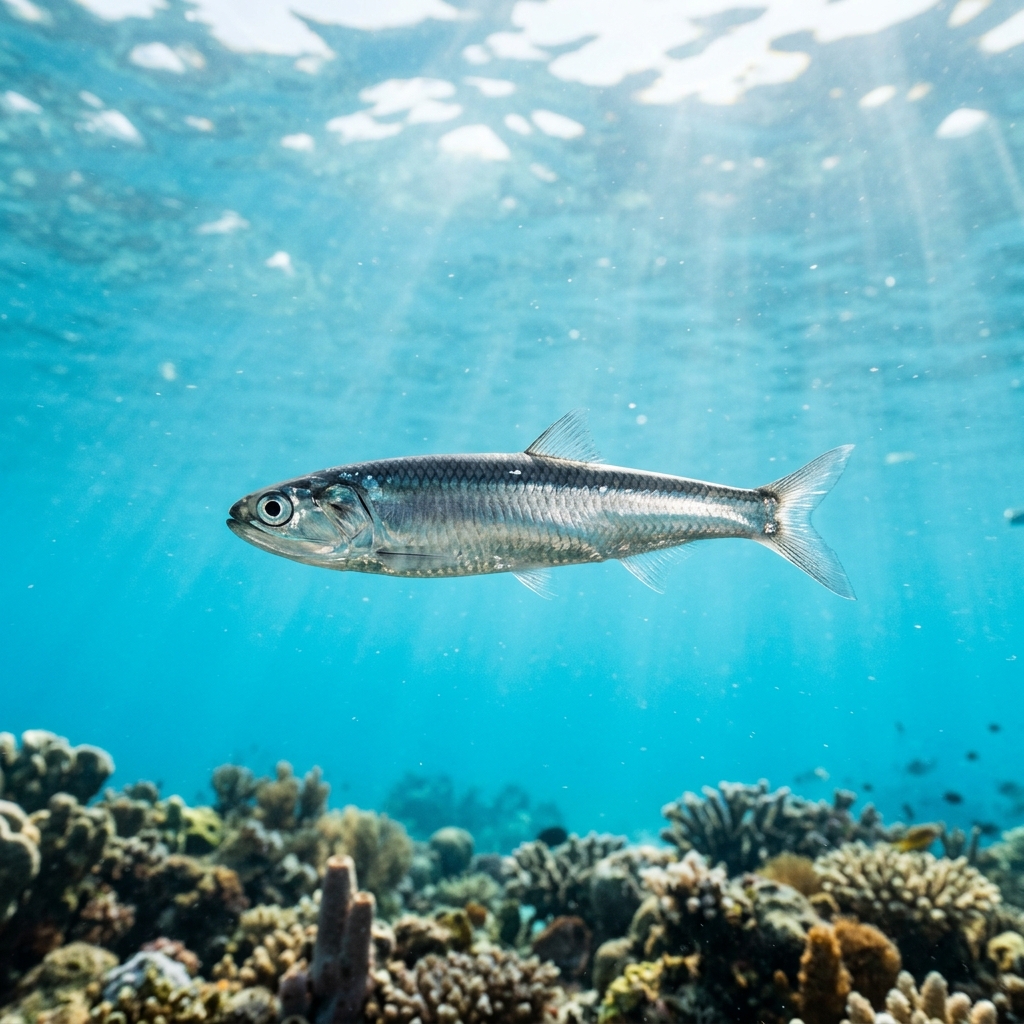
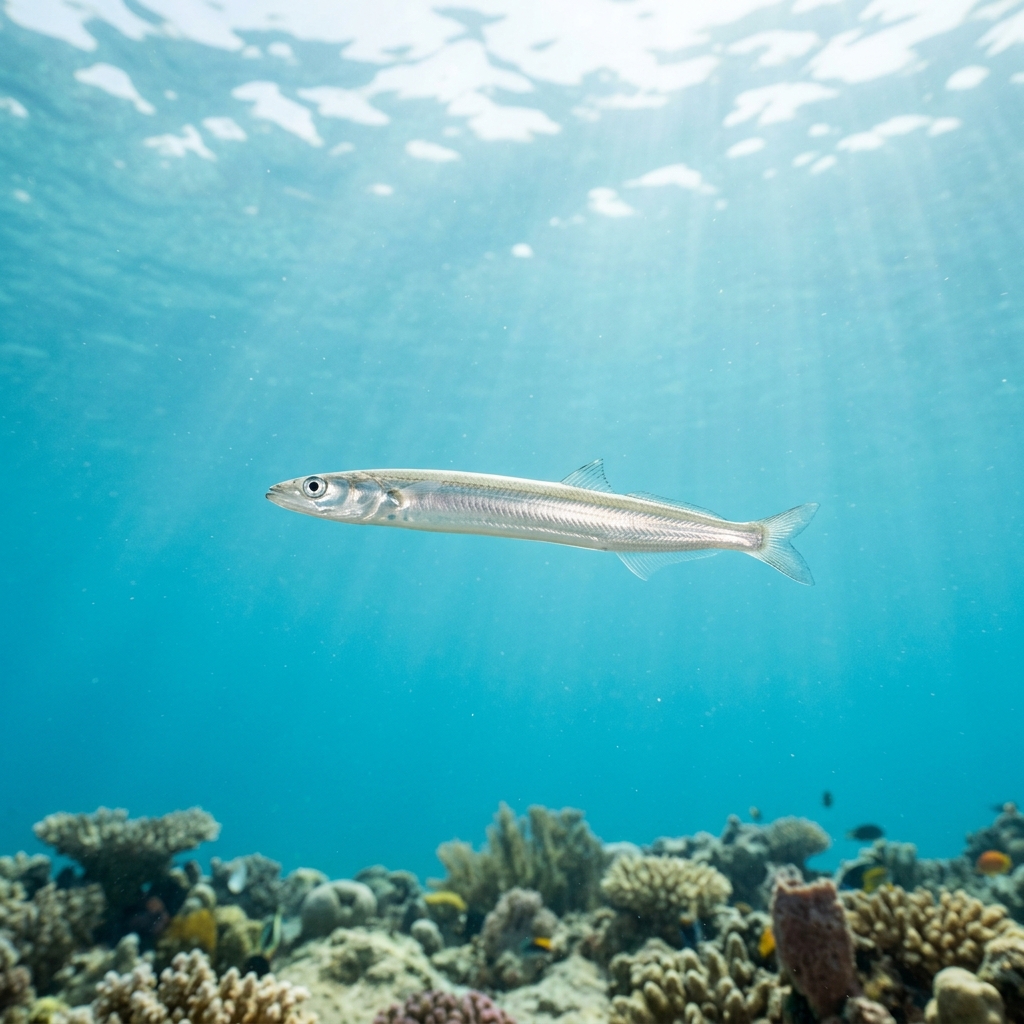
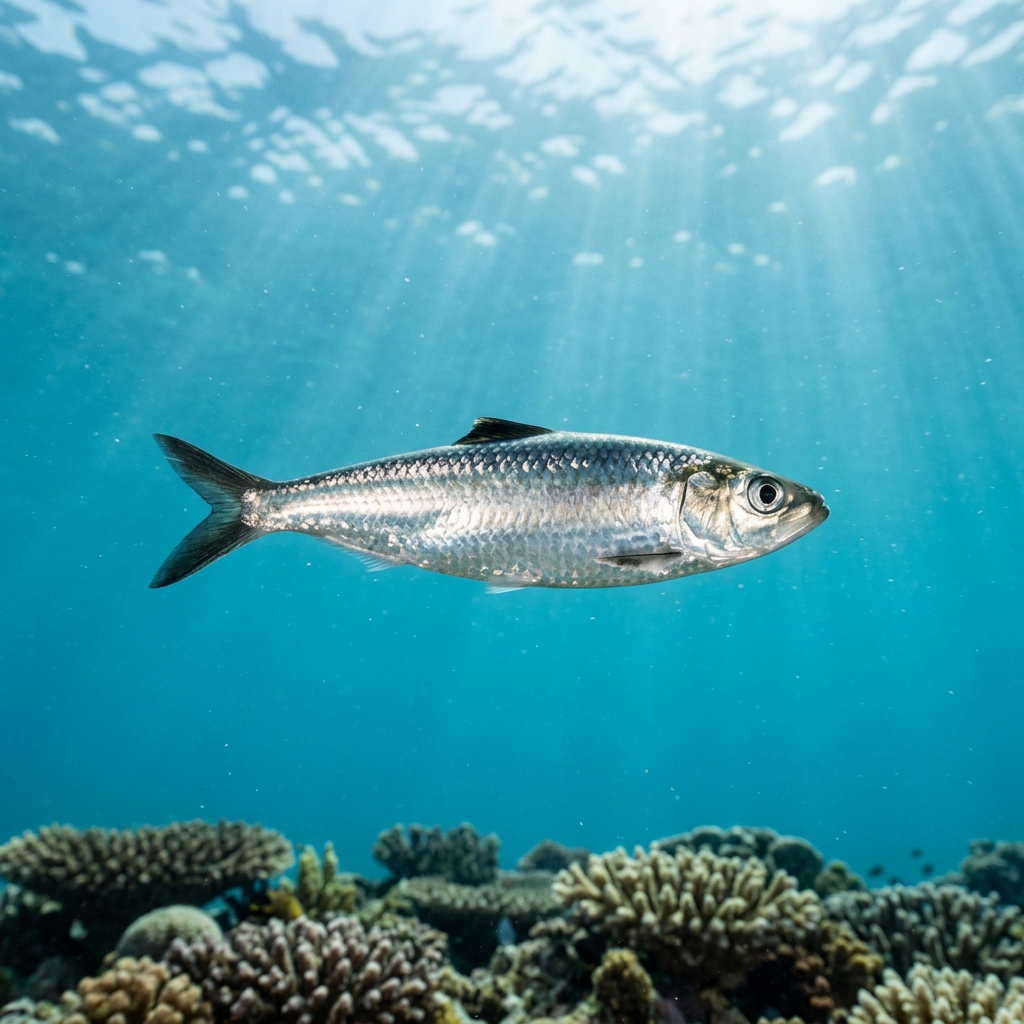
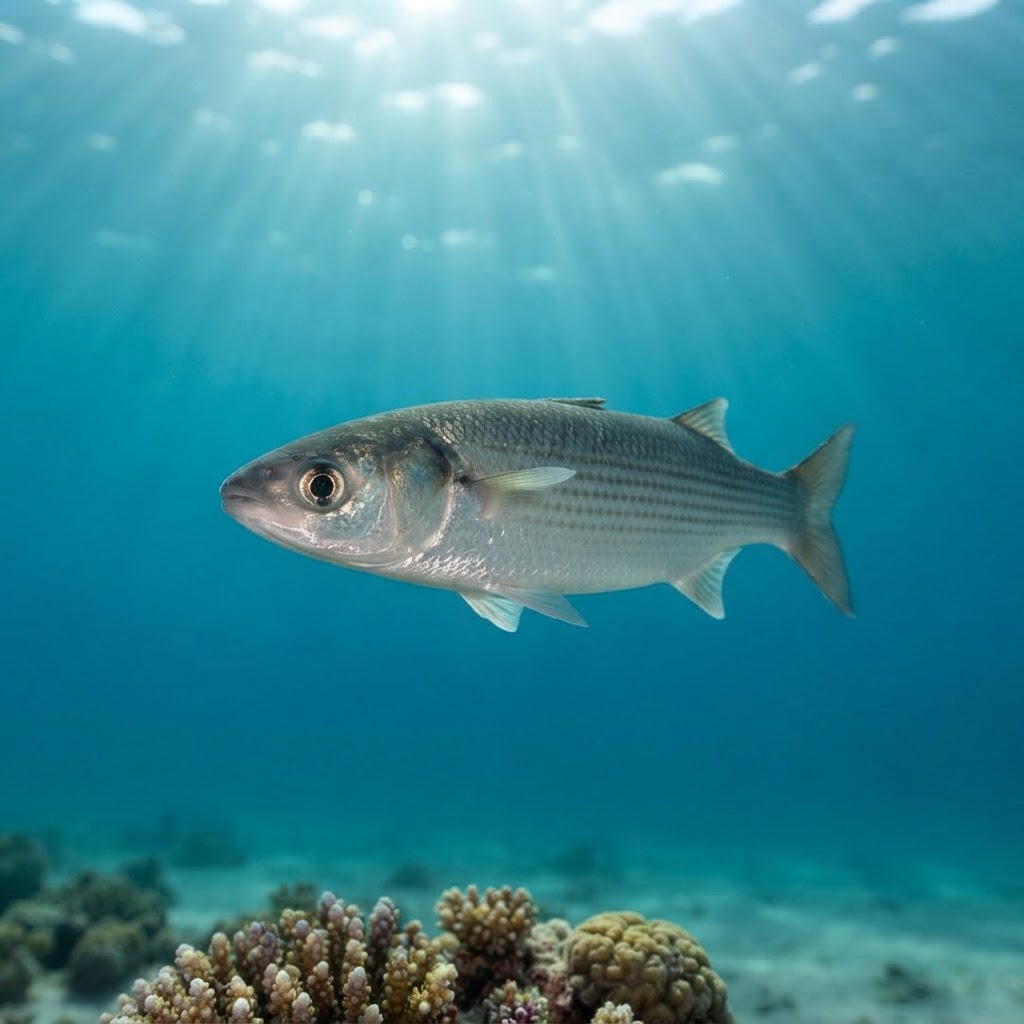
A slim, silvery schooling fish around 28 cm, with a torpedo-shaped body and faint darker striping running along its flanks. Look for the small, blunt head typical of mullets and a forked tail that gives quick, darting bursts of speed. It shows no strong colour patches, so at a glance it reads as a plain flash of silver moving through open water or along rocky reef edges.
Divers log it as a rare encounter, usually as a loose school moving through open water near reef structure rather than sitting still on the bottom. It tends to keep its distance and swim on rather than linger for a look, typical of schooling mullet species that stay wary of anything large moving nearby.
Mullets like this one feed by grazing algae and organic film off rock and sand, so seeing one over a reef edge is often a sign it's working the substrate rather than just passing through.
There isn't enough monthly data to point to a season, and the observed temperature range of 14.8 to 27 C spans the Western Cape's cooler and warmer months alike, so treat it as a year-round, if uncommon, sighting.
Reef neighbours a diver could mistake it for. Use the identification notes above to tell them apart.
All logged sightings so far come from South Africa, concentrated in the Western Cape, where it turns up at a small handful of dive sites along the rocky coastline. Outside this region there's no reliable diver record for it, so the Western Cape is currently the place to look.
Mapping where Southern Mullet is logged…
Sightings are currently limited to South Africa's Western Cape, where it's been logged at a small number of rocky reef dive sites. It hasn't been reliably recorded from other regions yet.
There's no clear seasonal pattern in the data, and it's been observed across a wide temperature range from 14.8 to 27 C, so it's best treated as a year-round possibility rather than tied to a specific month.
Look for a silvery, torpedo-shaped fish around 28 cm long with a blunt head and forked tail, often moving in a loose school. It lacks bold markings, so its plain silver body and schooling habit near rocky reef are the main clues.
They typically reach around 28 cm in length, a modest, streamlined size typical of schooling mullet species.
No. They're harmless schooling fish that tend to keep their distance from divers rather than approach.
Site and sighting data is aggregated from diver logs, iNaturalist and GBIF. For taxonomy and conservation status:
Anchovy
2,433 sites