Coccotropsis gymnoderma
A tiny, camouflaged ambush predator logged across the Western Cape at 15.7-22.3C. Sharp eyes needed, present year-round.
Safety warning
Its dorsal spines carry venom capable of a painful sting if you kneel on it, brace a hand against it, or handle it, and its camouflage makes accidental contact the real risk rather than any aggressive behaviour. Keep hands and knees off the substrate near rocky rubble patches, watch your buoyancy control, and if stung, seek medical attention and follow standard marine sting first aid.
If you're stung
Venomous spinesGeneral first-aid guidance, not a substitute for professional medical care. In an emergency, call your local emergency number.
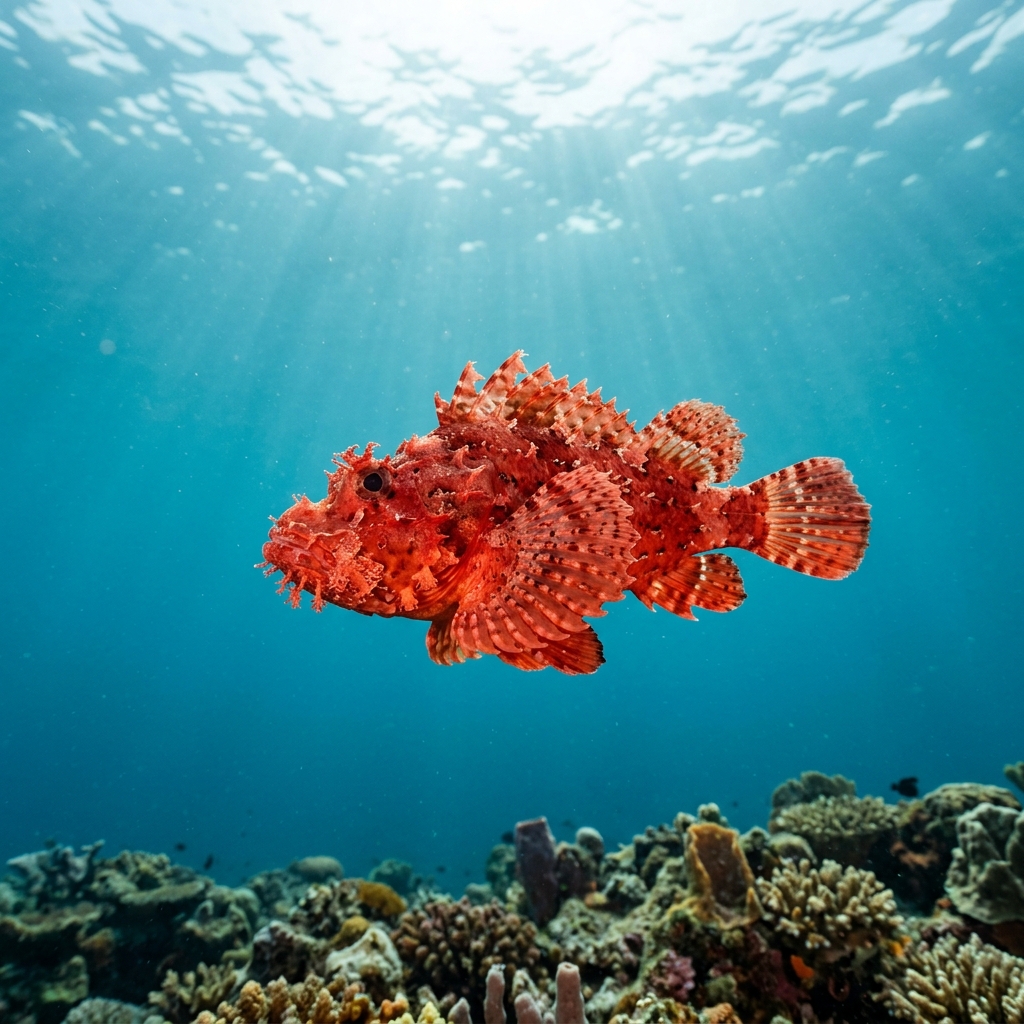
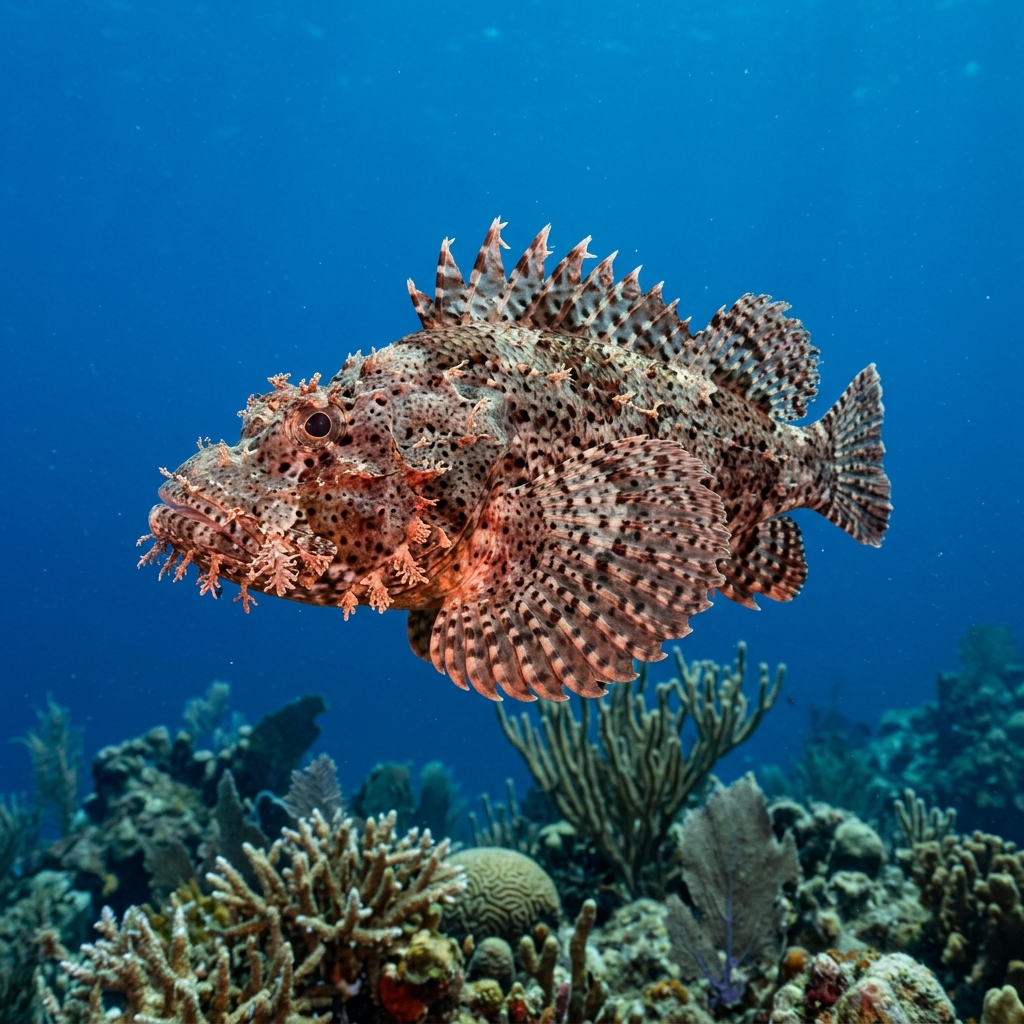
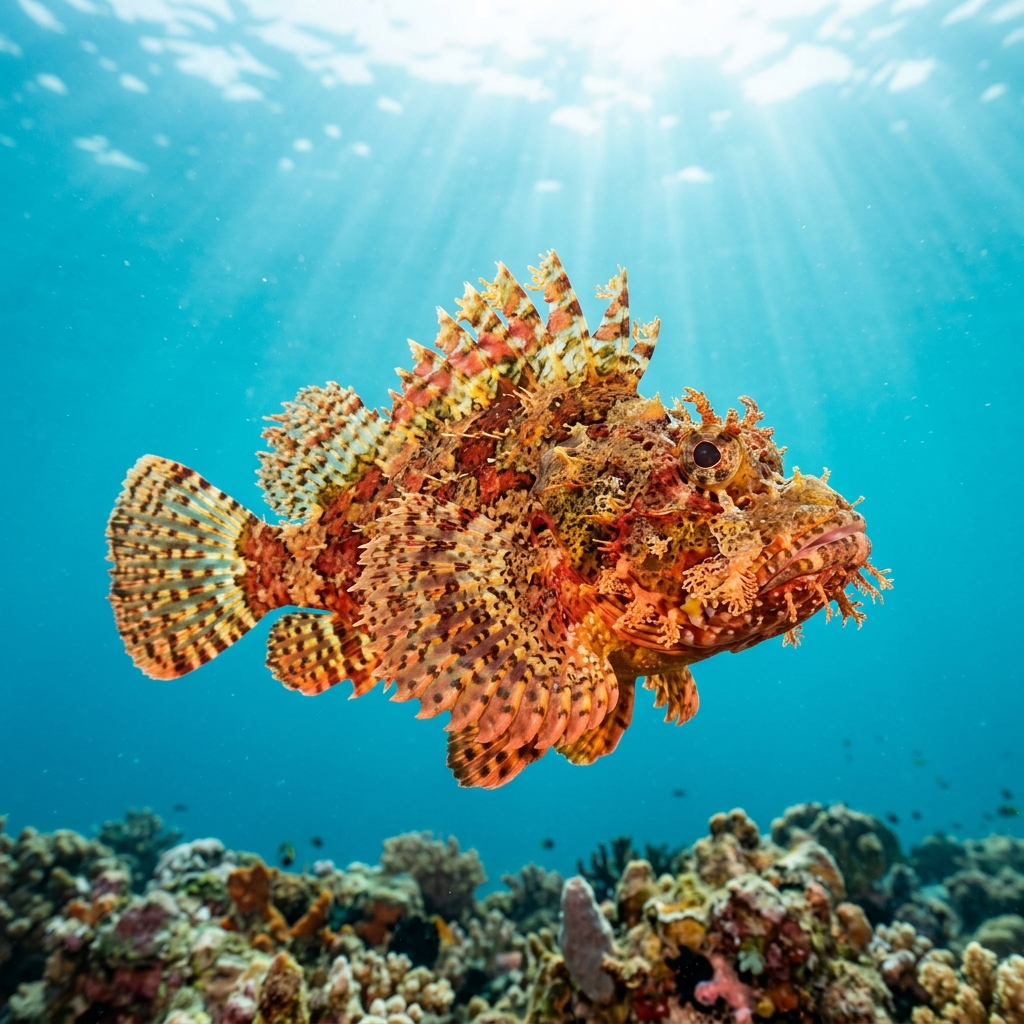
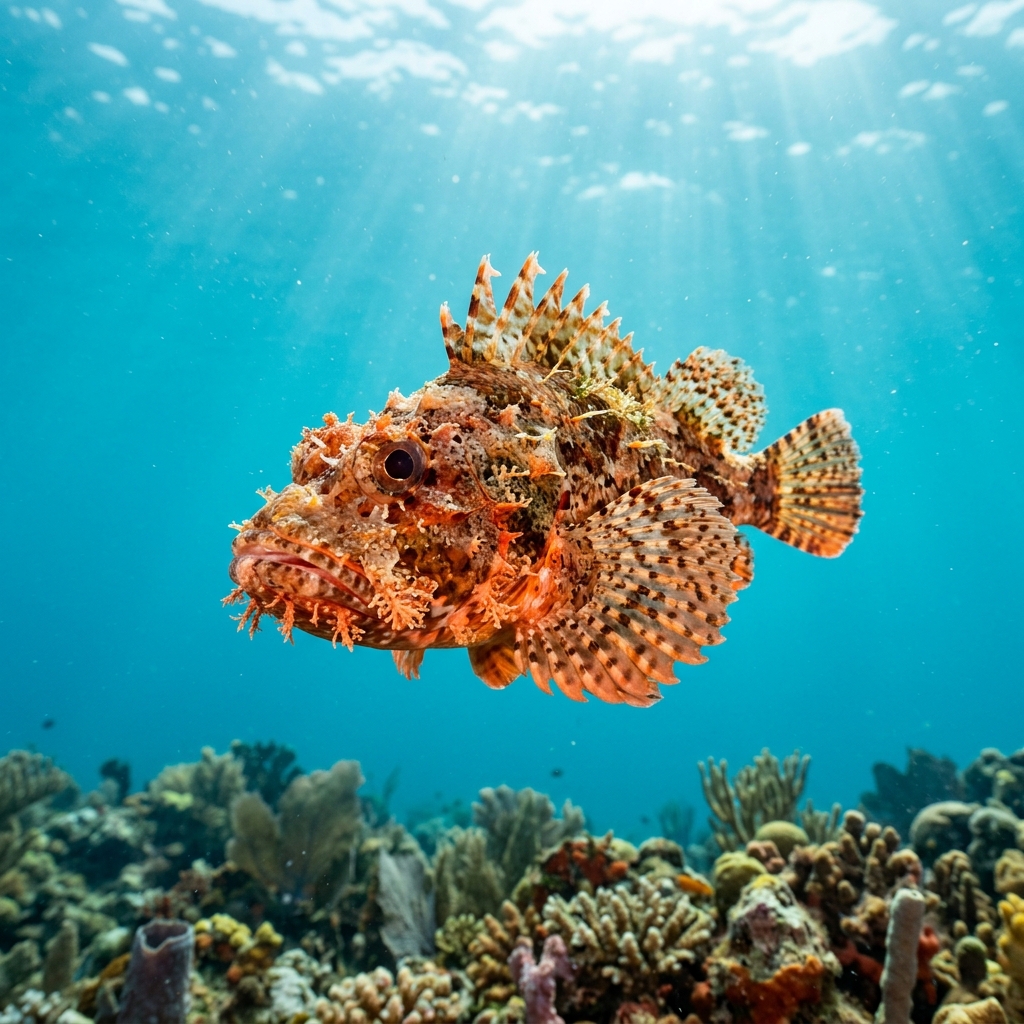
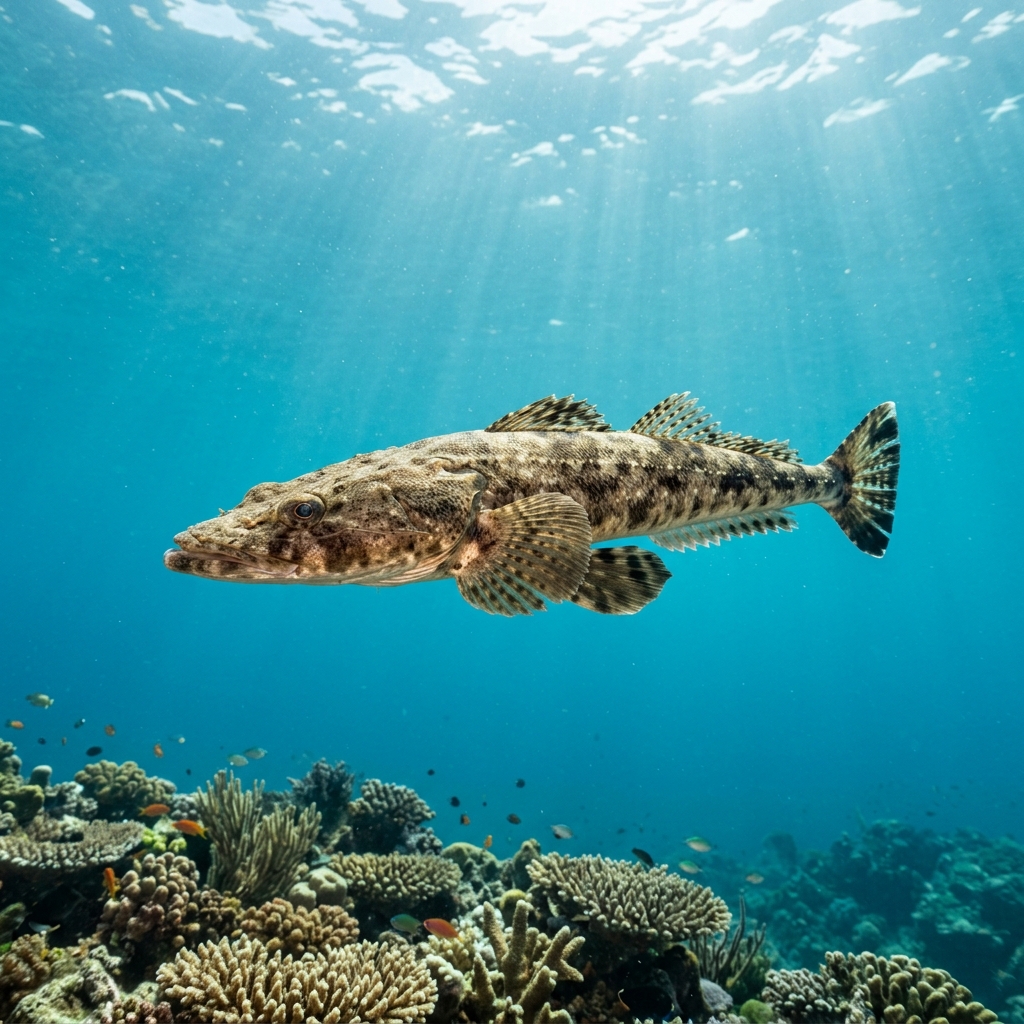
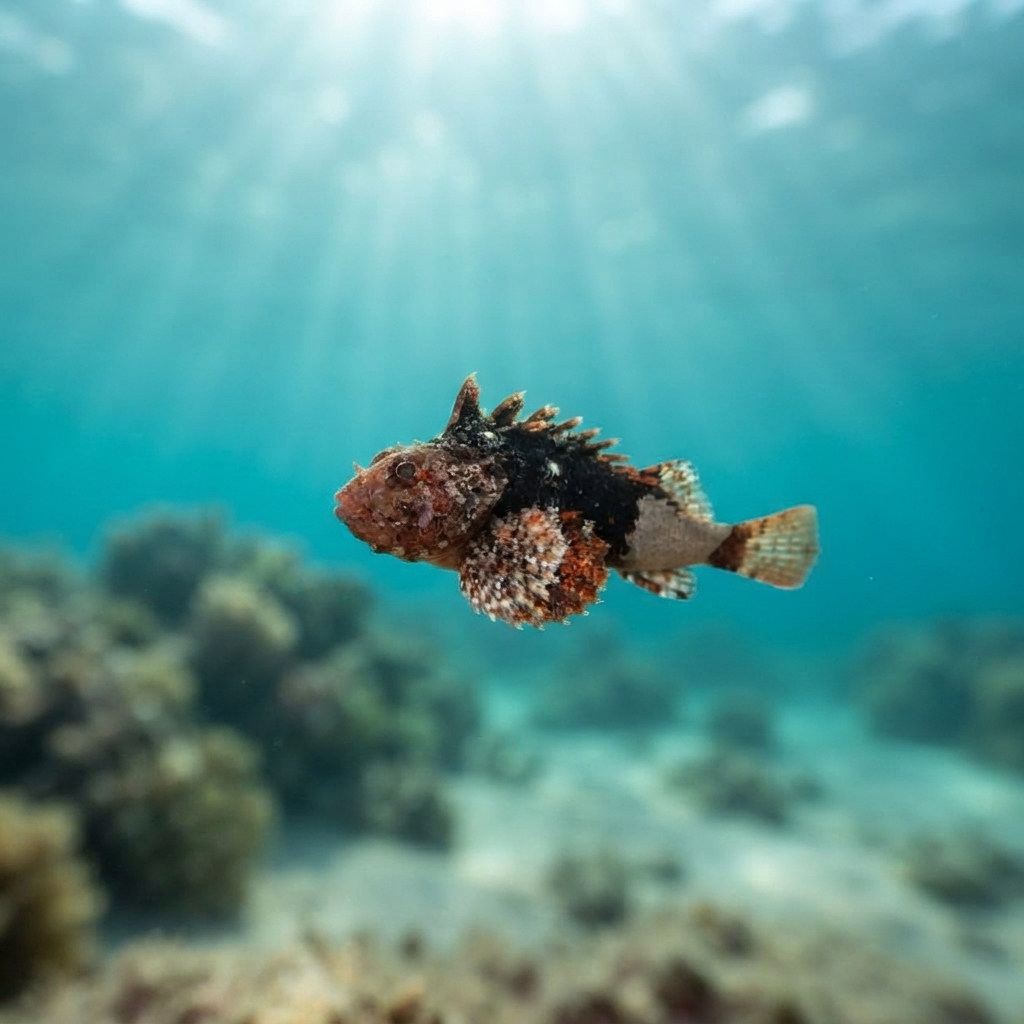
A stubby, big-headed fish barely 3 cm long, easy to swim straight past because its blotchy brown, grey and cream skin matches encrusted rock almost perfectly. Look for the lumpy, textured skin surface (rather than smooth scales) and a broad, slightly flattened head with the eyes set high. It usually sits dead still on the substrate rather than swimming, which is often the first giveaway once you know to look down.
Divers find it parked motionless on rock or rubble, relying on its camouflage rather than movement to stay hidden. It doesn't flee as you approach, which makes for a good close look once spotted, but also means it's easy to miss entirely or, worse, to put a hand down near it without realising. Most sightings are incidental finds during slow, close-focus reef dives rather than something you swim up to from a distance.
Like other members of the stonefish and scorpionfish family (Synanceiidae), it relies on venomous dorsal spines as its main defence rather than speed, so it has no need to move even when a diver is right on top of it.
Sightings don't show a clear season, and the data spans a cool 15.7 to 22.3C range typical of Western Cape water year-round, so there's no strong reason to time a trip around a particular month. Go whenever you're diving the Western Cape and keep your eyes on the substrate.
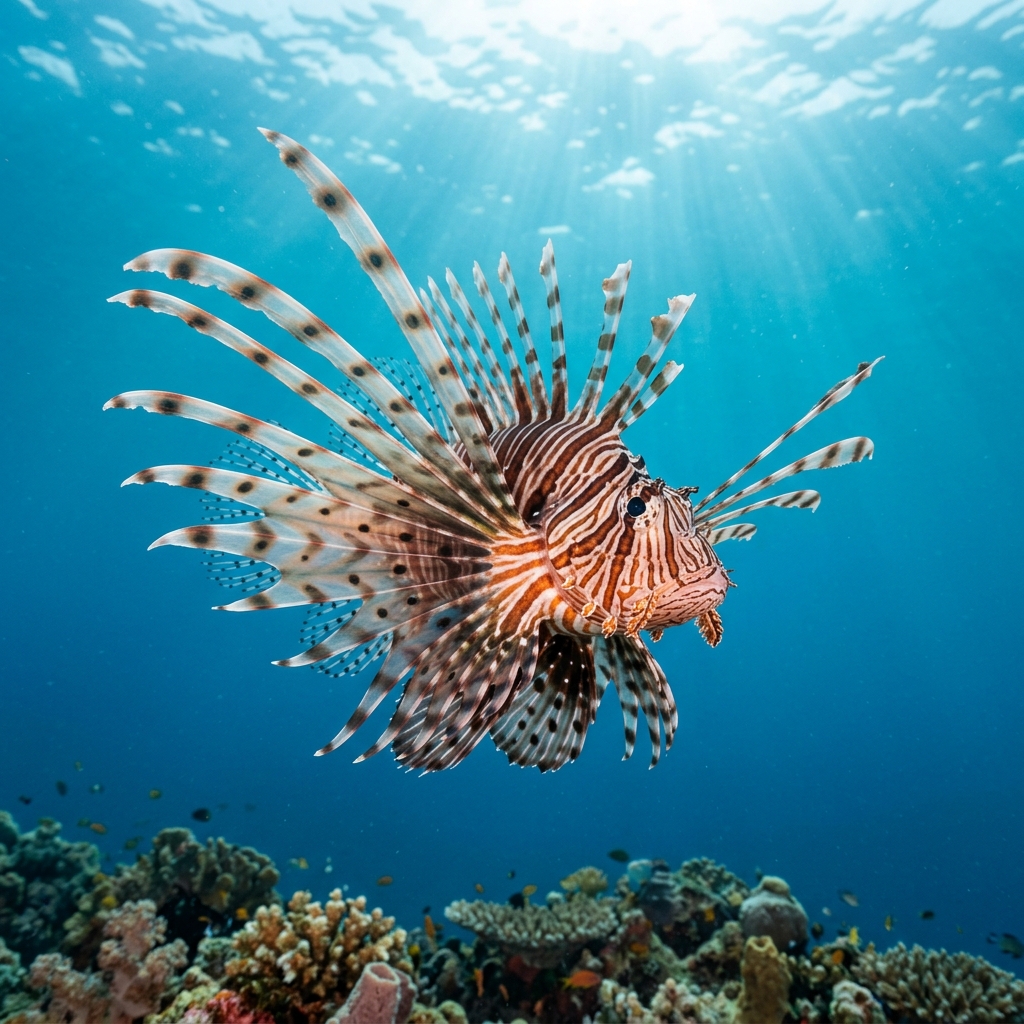
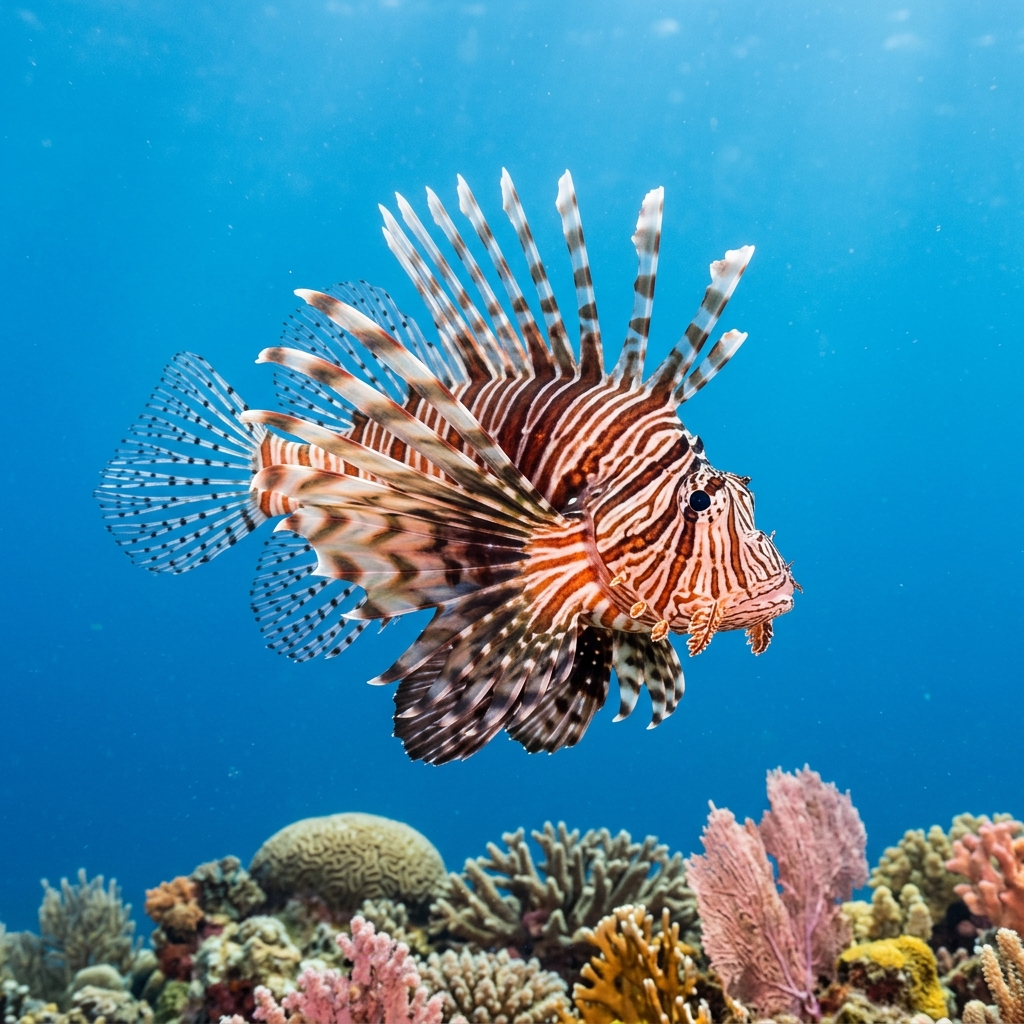
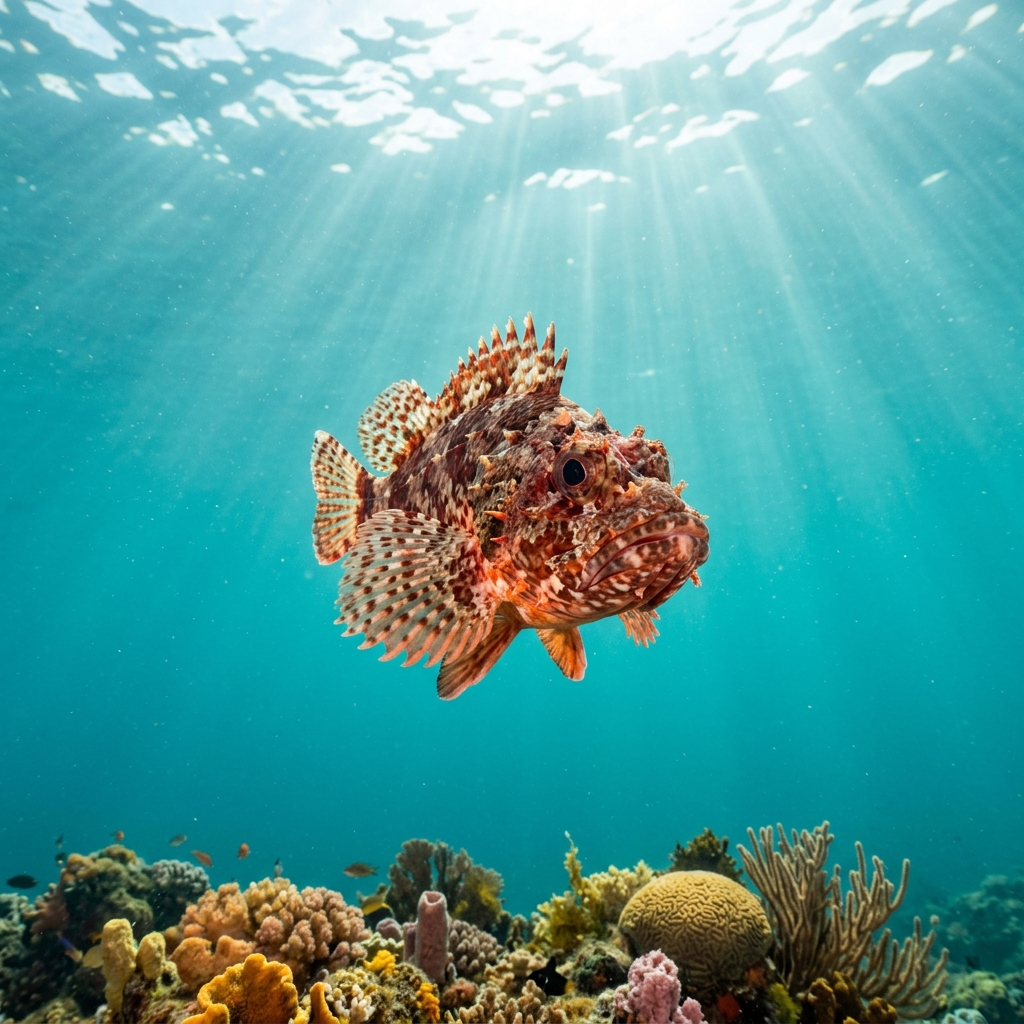
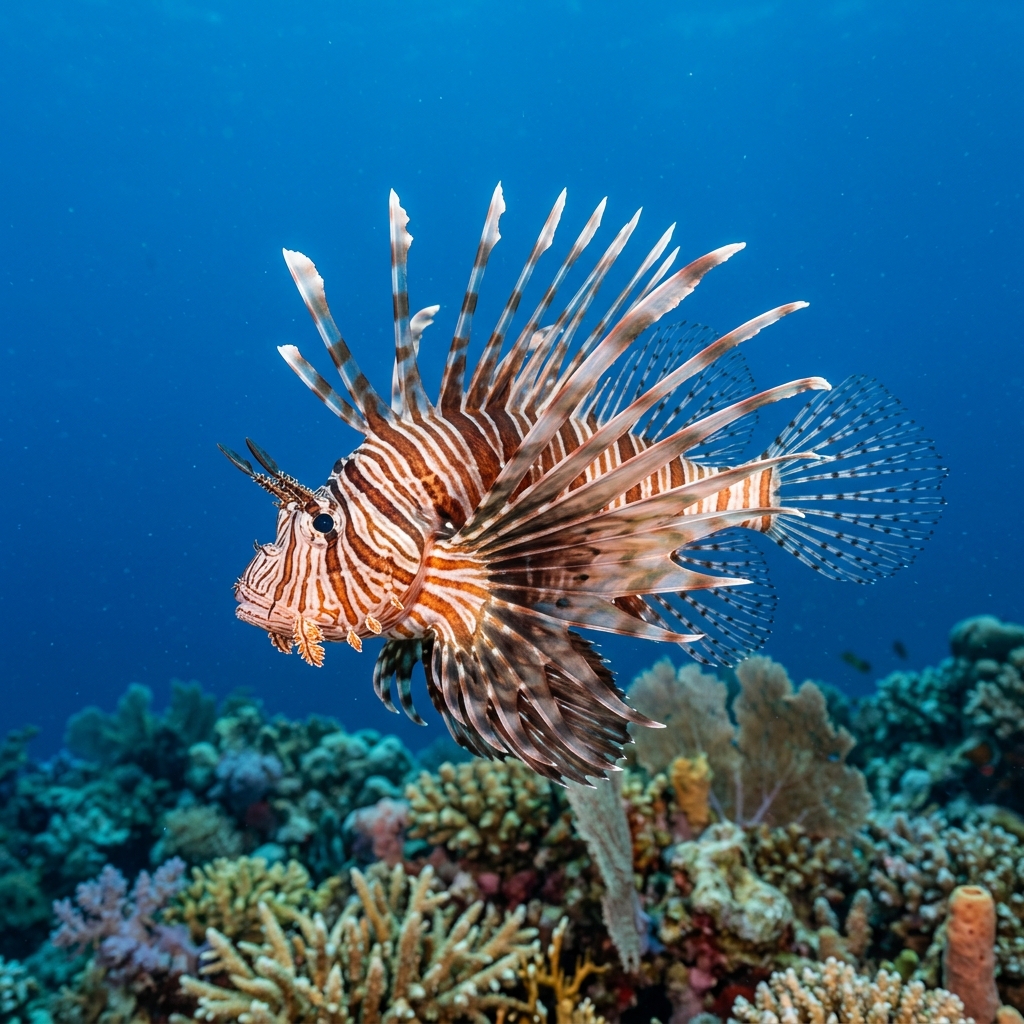
Reef neighbours a diver could mistake it for. Use the identification notes above to tell them apart.
Every logged sighting so far comes from South Africa, and specifically the Western Cape, where it turns up as an uncommon to rare find across a spread of local reef and kelp sites. If you're diving cool-temperate South African reefs and scanning rock and rubble carefully, this is the region to look.
Mapping where Smooth-skin Scorpionfish is logged…
All confirmed sightings are from South Africa's Western Cape, where it's found as an uncommon to rare feature on local reef dives. It hasn't been logged outside this region yet.
There's no detected seasonal pattern, and it's recorded across a 15.7 to 22.3C range typical of Western Cape water through the year, so it's a year-round possibility rather than a seasonal target.
Yes. It carries venomous dorsal spines and relies on camouflage instead of fleeing, so the main risk is accidental contact from a careless hand or knee rather than any active threat.
Look for a stubby, mottled brown and grey fish around 3 cm long, sitting motionless on rock or rubble with a broad head and lumpy skin texture. It rarely swims off when approached, which helps confirm the ID once you spot it.
They're small, typically around 3 cm, making them one of the more easily overlooked scorpionfish on a reef.
Like stonefish and other Synanceiidae, it defends itself purely with venomous spines rather than speed, so it can afford to stay perfectly still even with a diver hovering right above it.
Site and sighting data is aggregated from diver logs, iNaturalist and GBIF. For taxonomy and conservation status:
Madeira Rockfish
2,773 sites