Myxus elongatus
Silvery schooling fish logged at 17 sites across New South Wales and Queensland, in 18 to 23 C water, year-round.
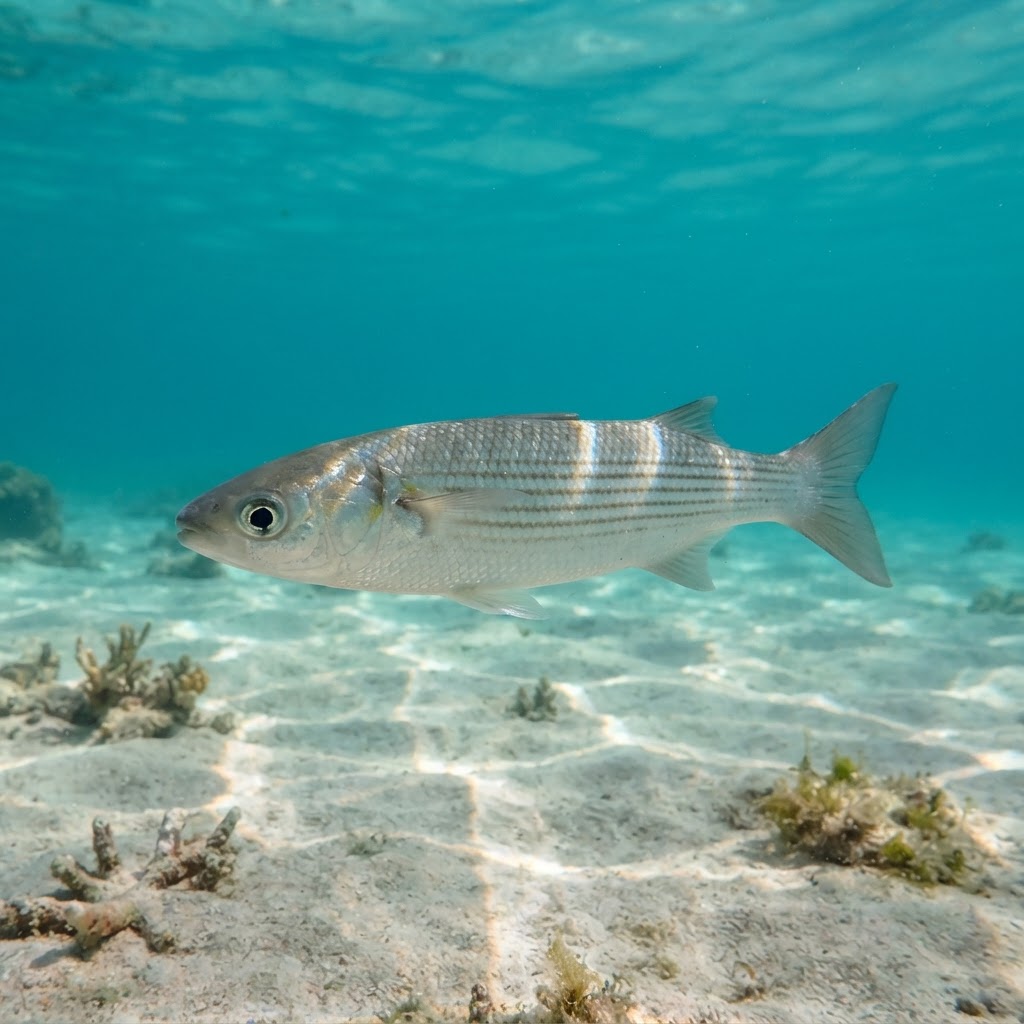
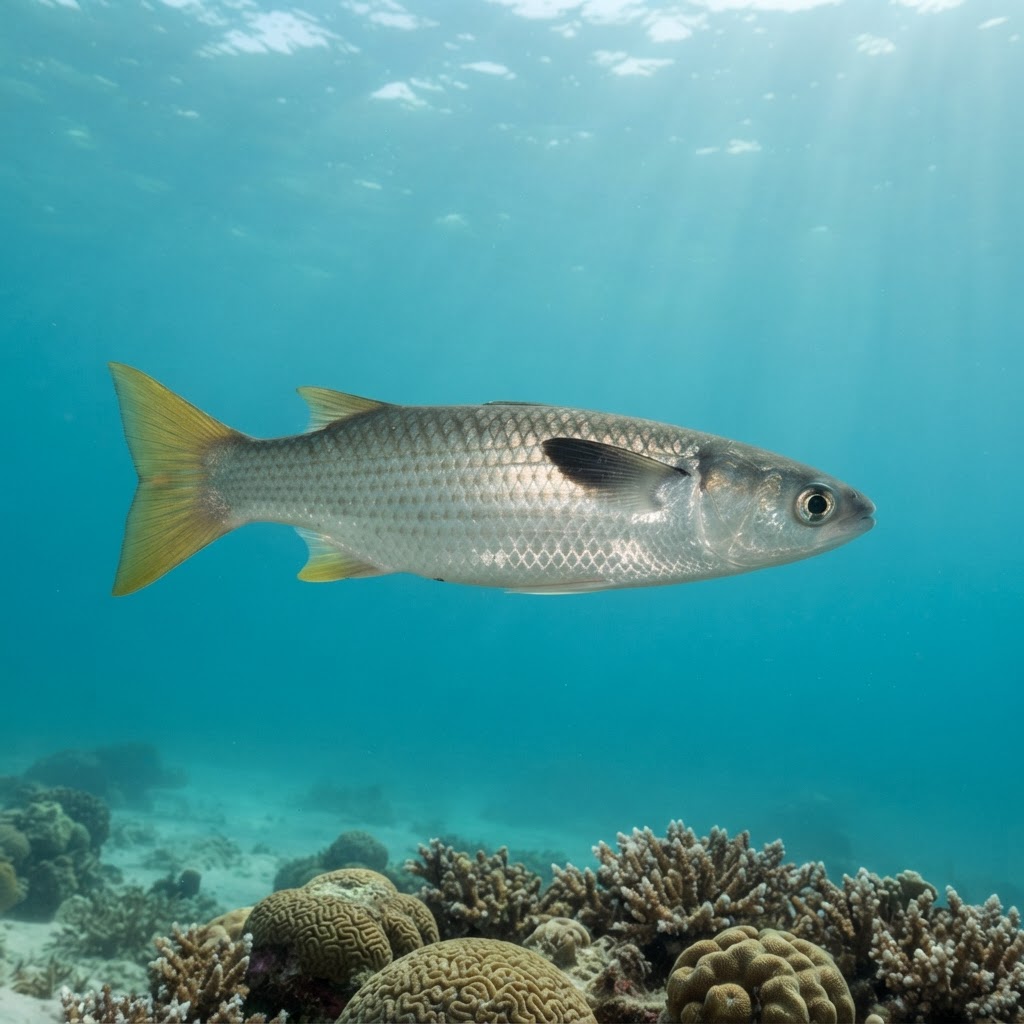
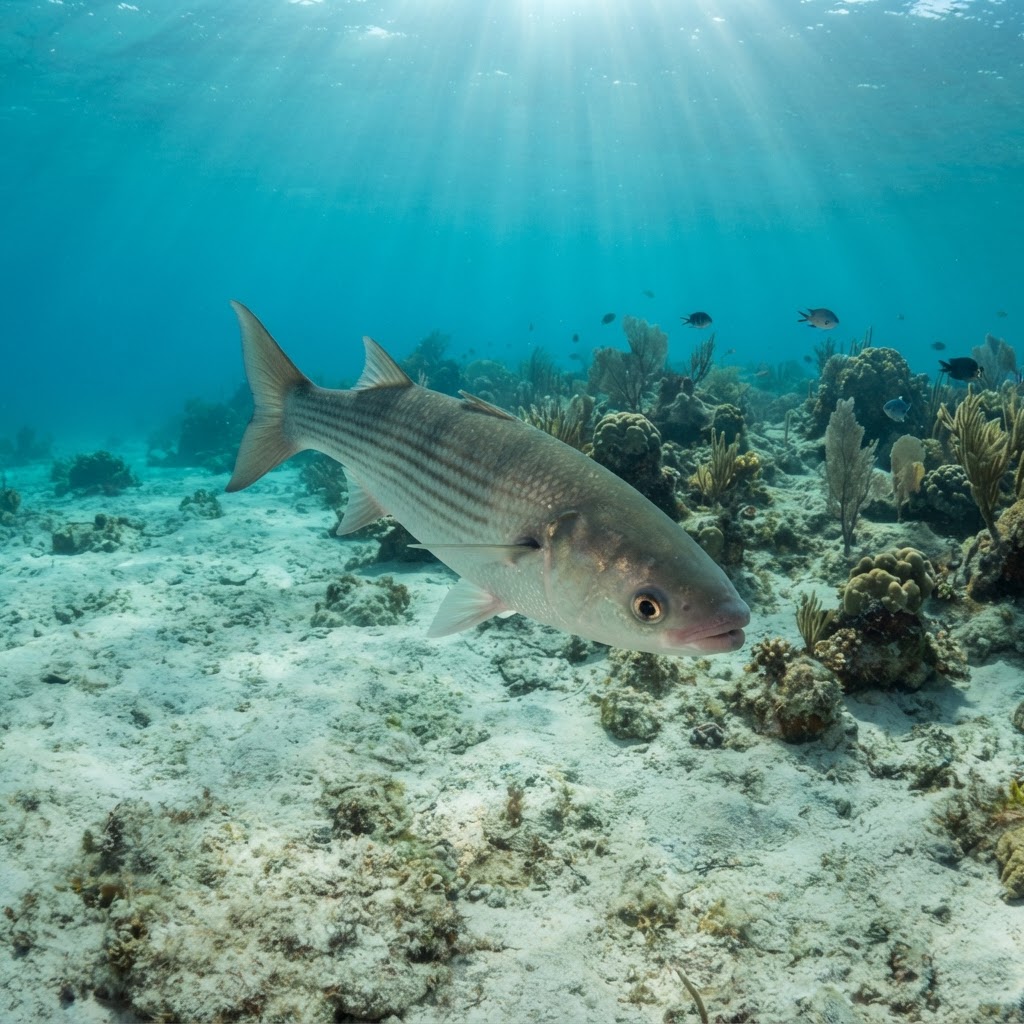
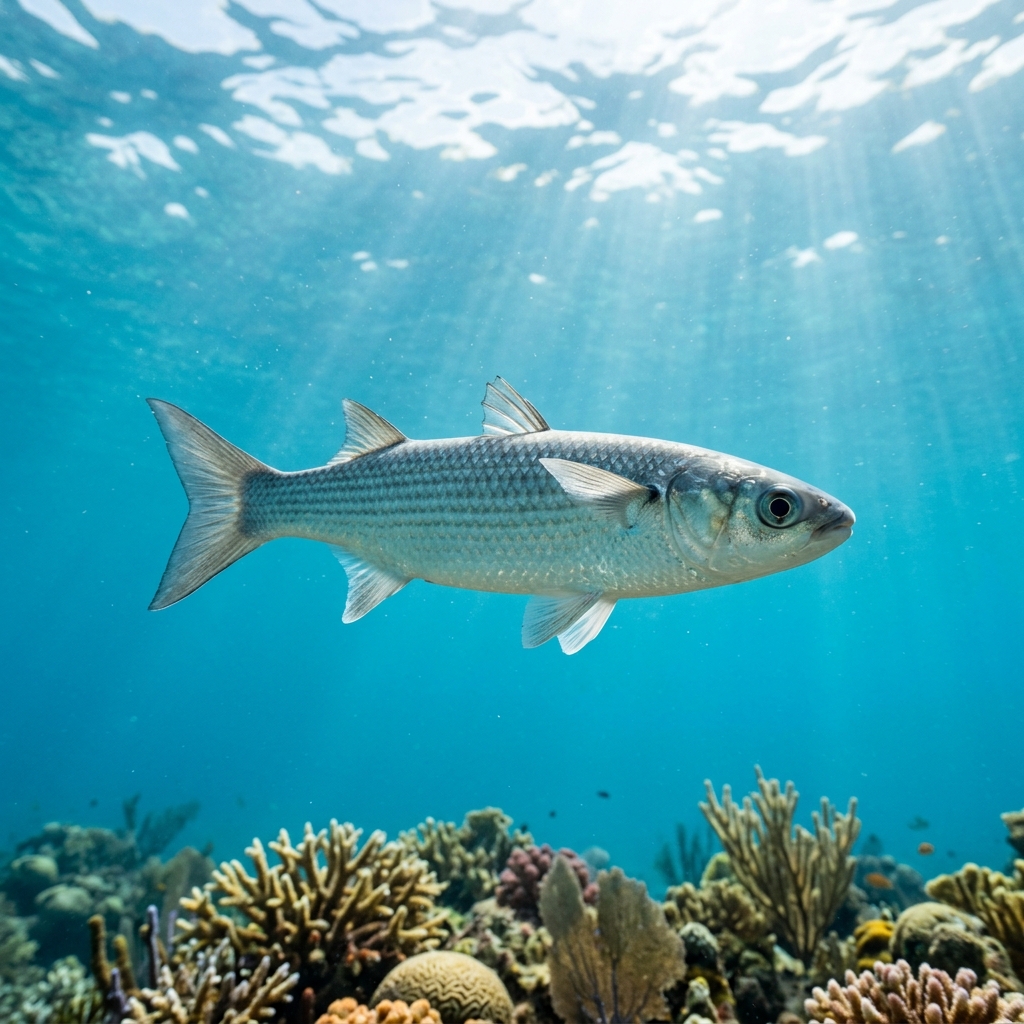
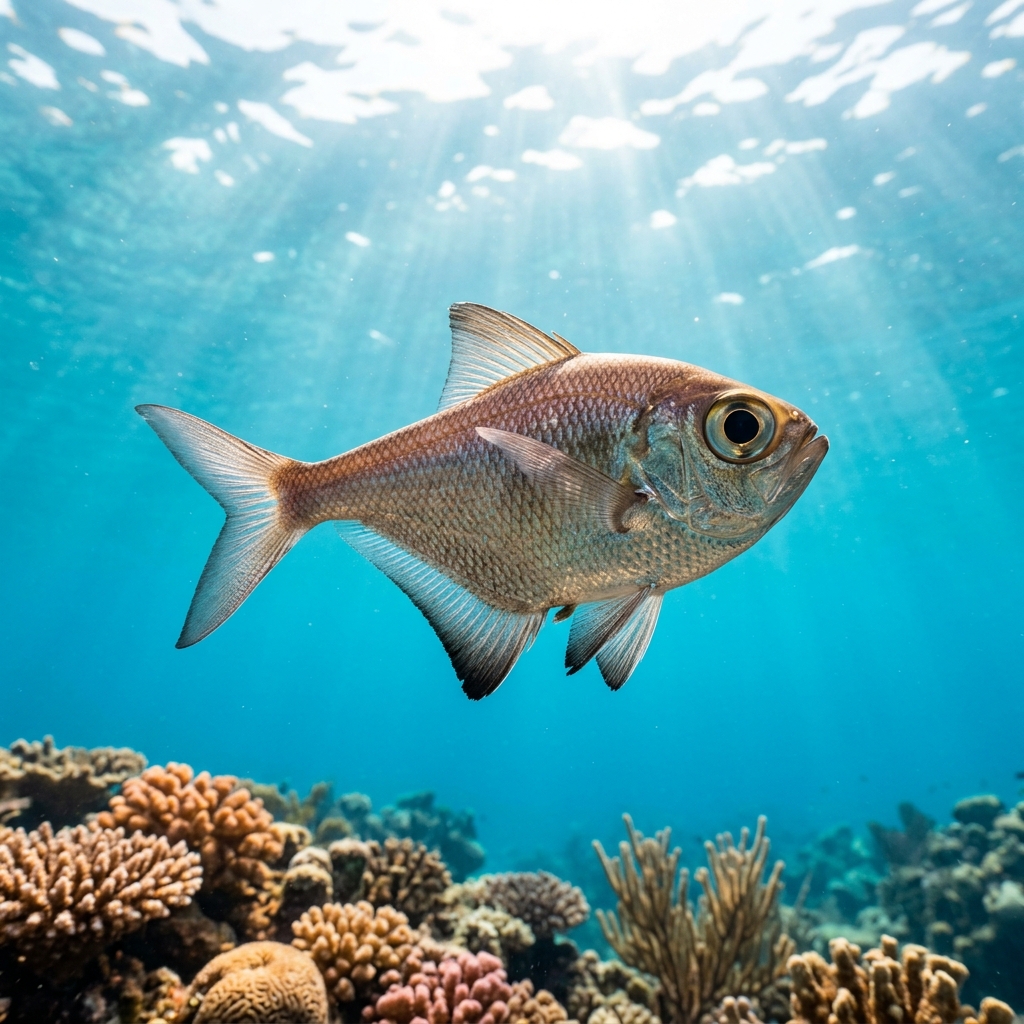
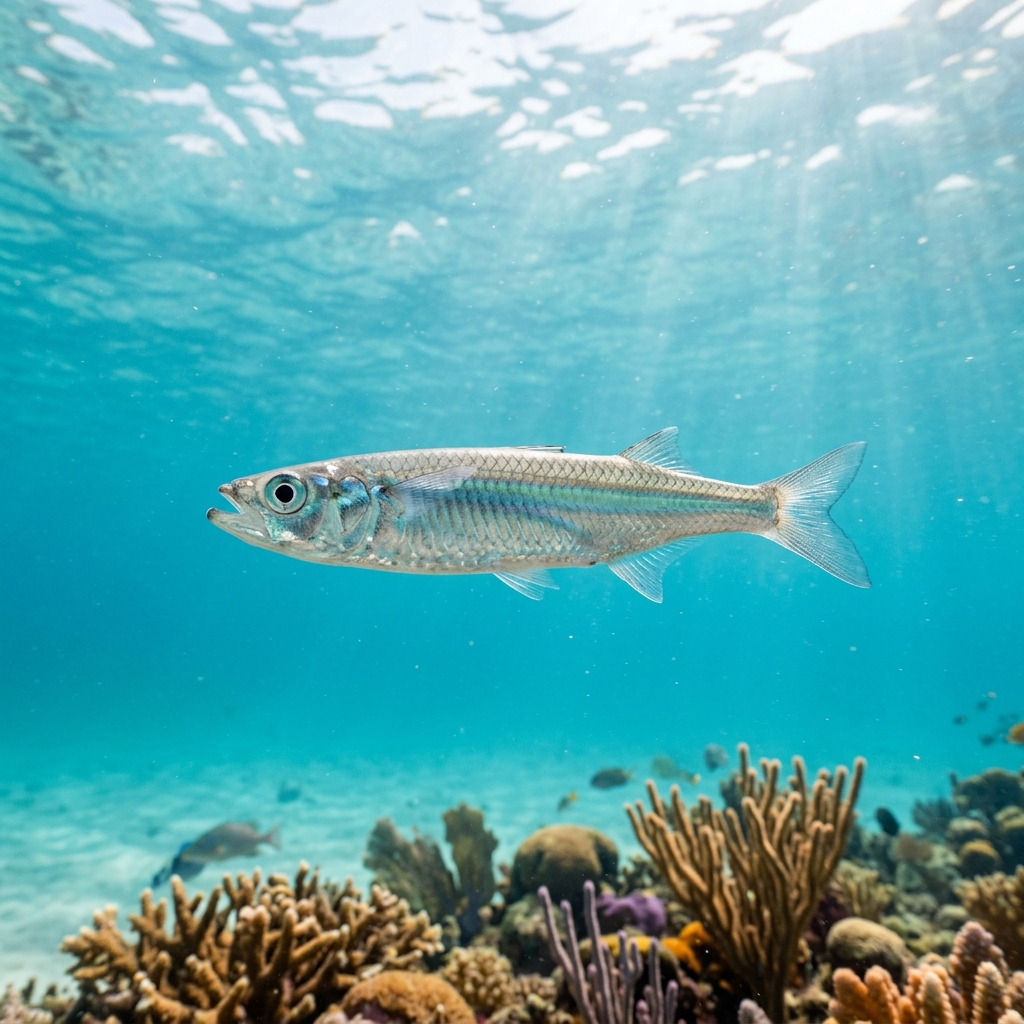
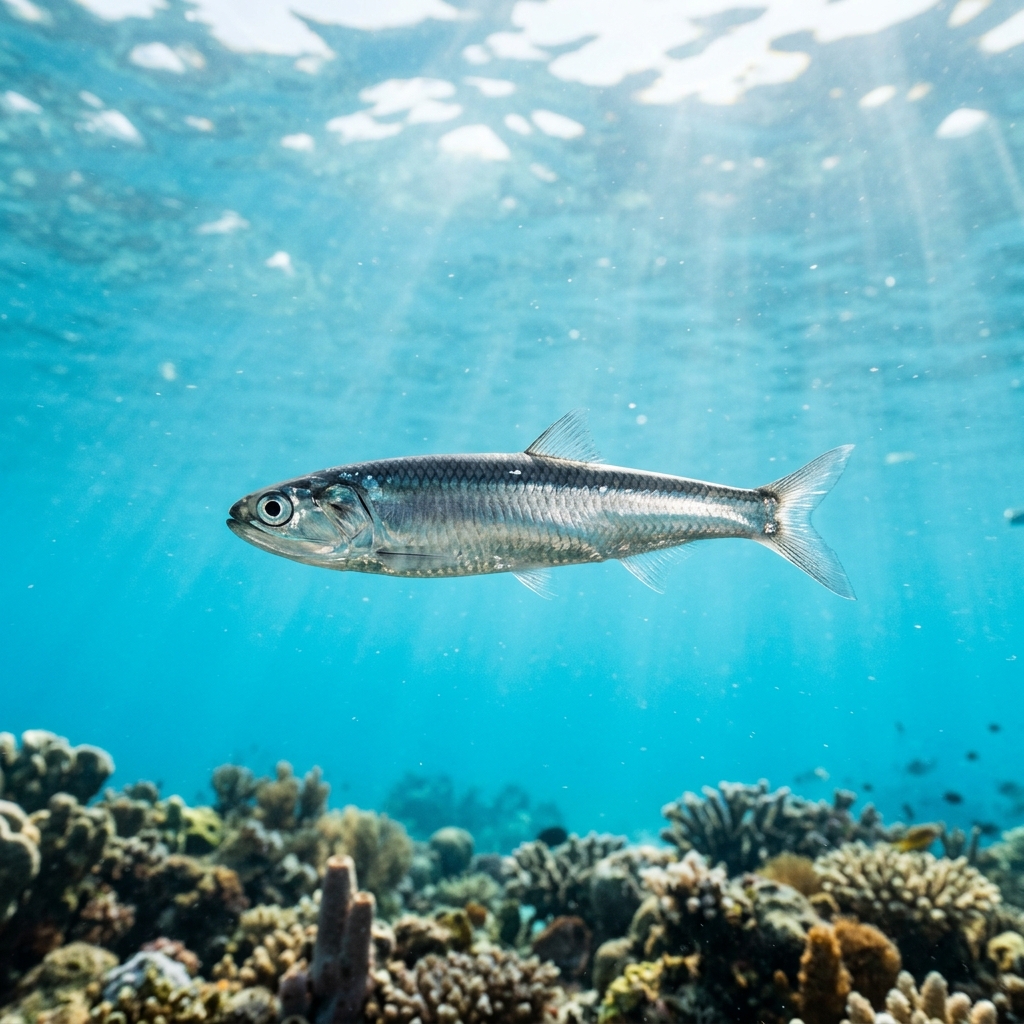
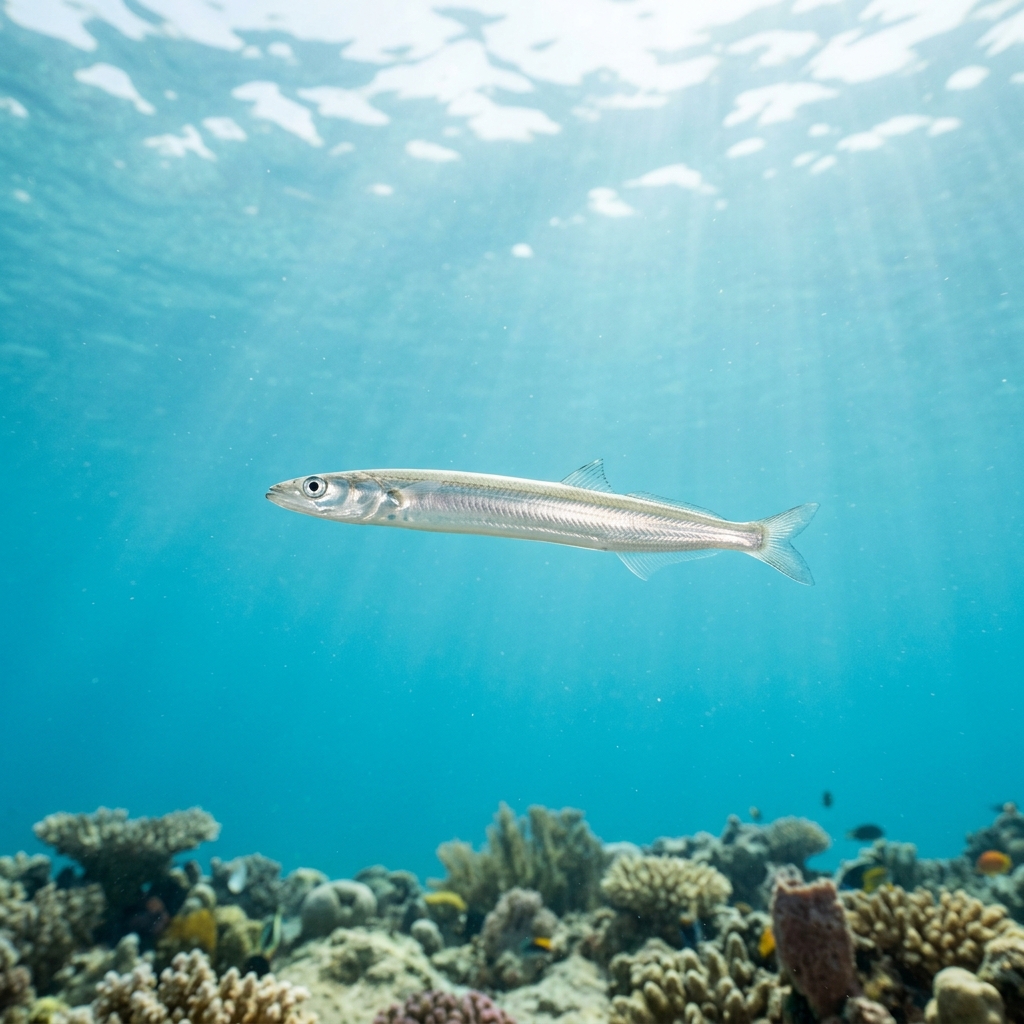
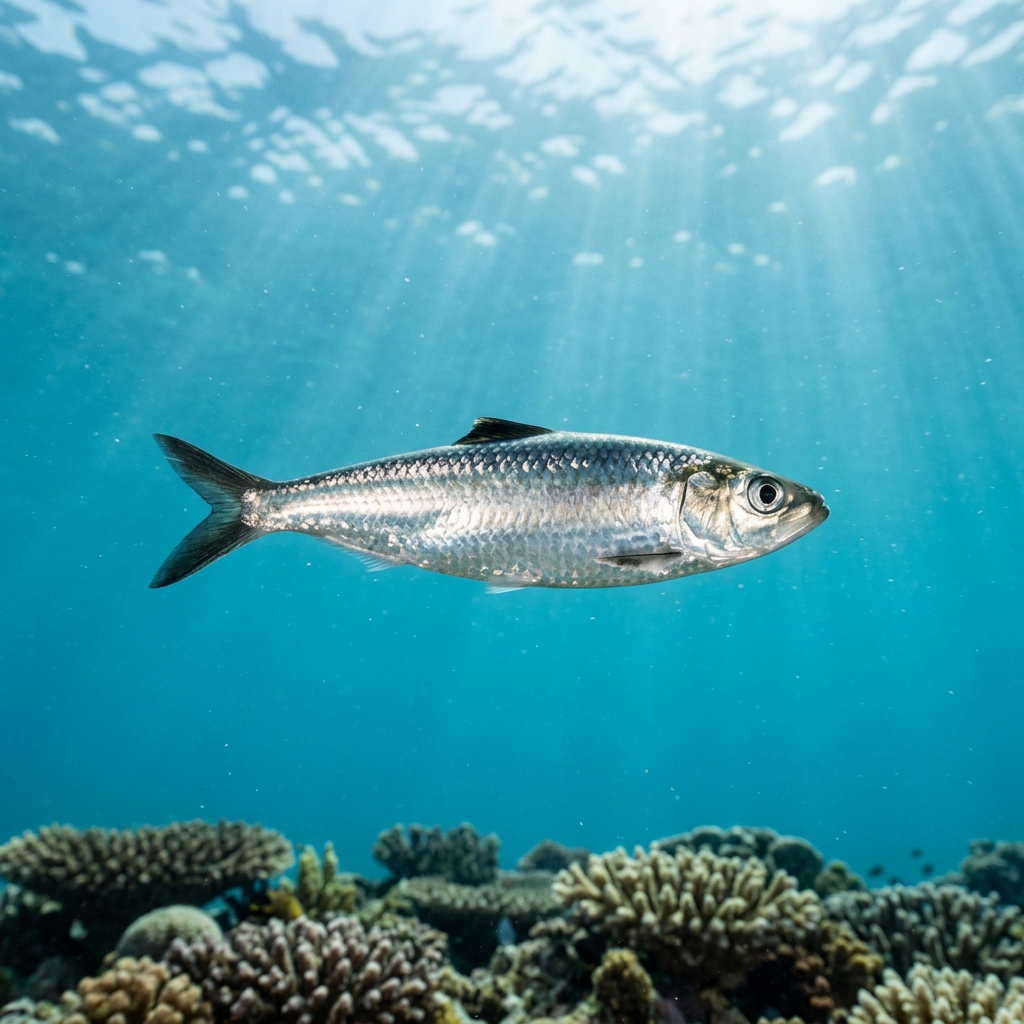
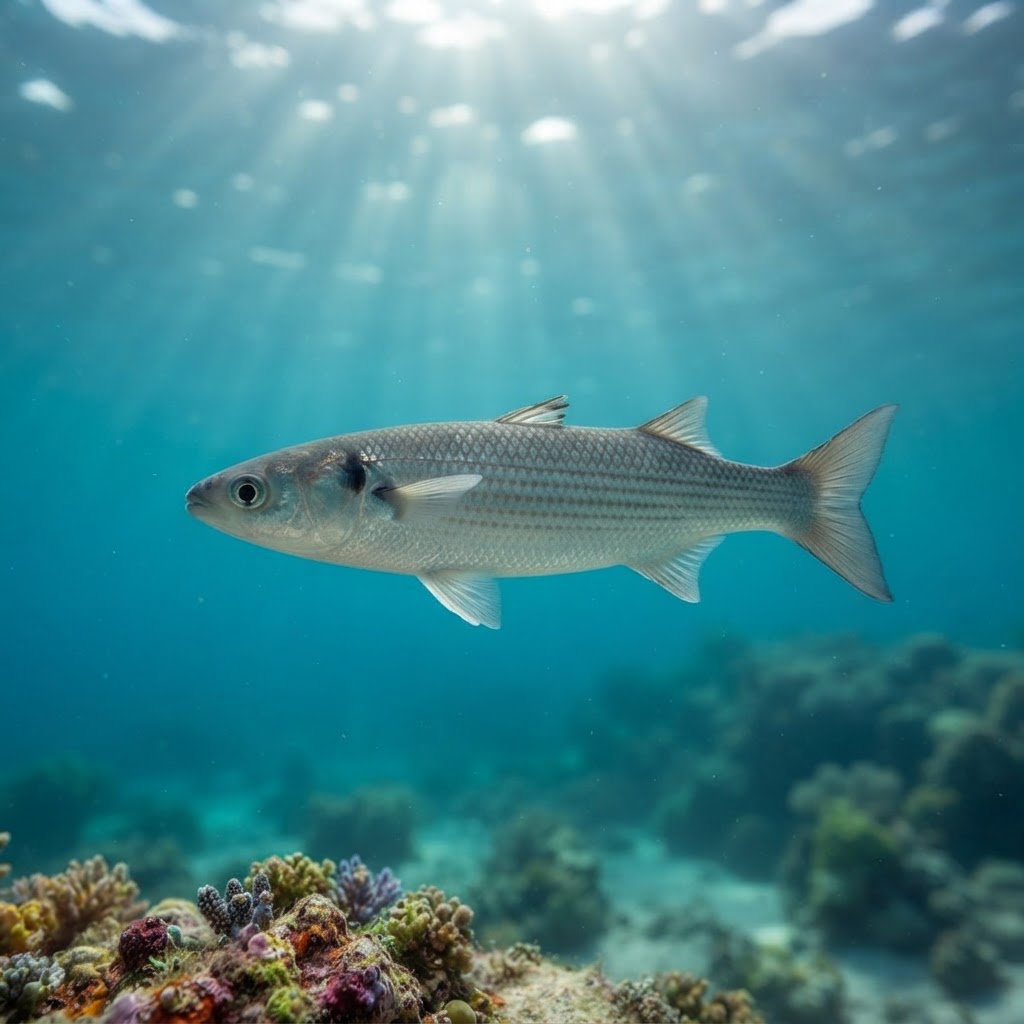
A slim, elongated silver fish around 28 cm, with a faint bluish-grey back that fades to bright silver flanks and belly. It has a small, pointed head and a forked tail, and tends to hold a fairly rigid, torpedo-like posture as it moves. Look for it near the sand rather than up in open water, often loosely grouped rather than in a tight ball.
Usually seen cruising low over sand or rubble at the edge of reef structure, picking through the substrate rather than schooling tightly in open water. It's not especially flighty but keeps a working distance from divers, drifting off rather than bolting if you get close. Most logs describe it as an uncommon background sighting rather than something divers seek out specifically.
Like other mullet, it feeds by sifting through sand and detritus, which makes sand-bottomed and rubble margins the places to check rather than open reef faces.
Sightings don't show a clear seasonal pattern, and the observed temperature range of 18.1 to 23.3 C spans much of the NSW diving calendar, so treat it as a year-round possibility rather than a seasonal target.
Reef neighbours a diver could mistake it for. Use the identification notes above to tell them apart.
Almost all logged sightings come from Australia, with New South Wales the strongest region by a clear margin and Queensland a secondary spot. Divers most reliably run into it along the NSW coast, where it turns up over sand patches and rubble adjoining reef.
Mapping where Sand Mullet is logged…
It's logged almost exclusively in Australia, with New South Wales the strongest region and Queensland a secondary area. Look for it over sand and rubble patches at the edges of reef rather than out on open reef.
There's no strong season in the data, so it's best treated as a year-round sighting in NSW and Queensland waters, which sit in the 18 to 23 C range it's typically recorded in.
Look for a slender silver fish around 28 cm with a bluish-grey back, forked tail and pointed head, usually cruising low over sand or rubble near reef edges rather than schooling in open water.
They typically reach around 28 cm, giving them a slim, torpedo-like profile rather than a bulky body shape.
No, they're harmless and simply drift away from divers rather than showing any defensive or aggressive behaviour.
Site and sighting data is aggregated from diver logs, iNaturalist and GBIF. For taxonomy and conservation status:
Anchovy
2,433 sites