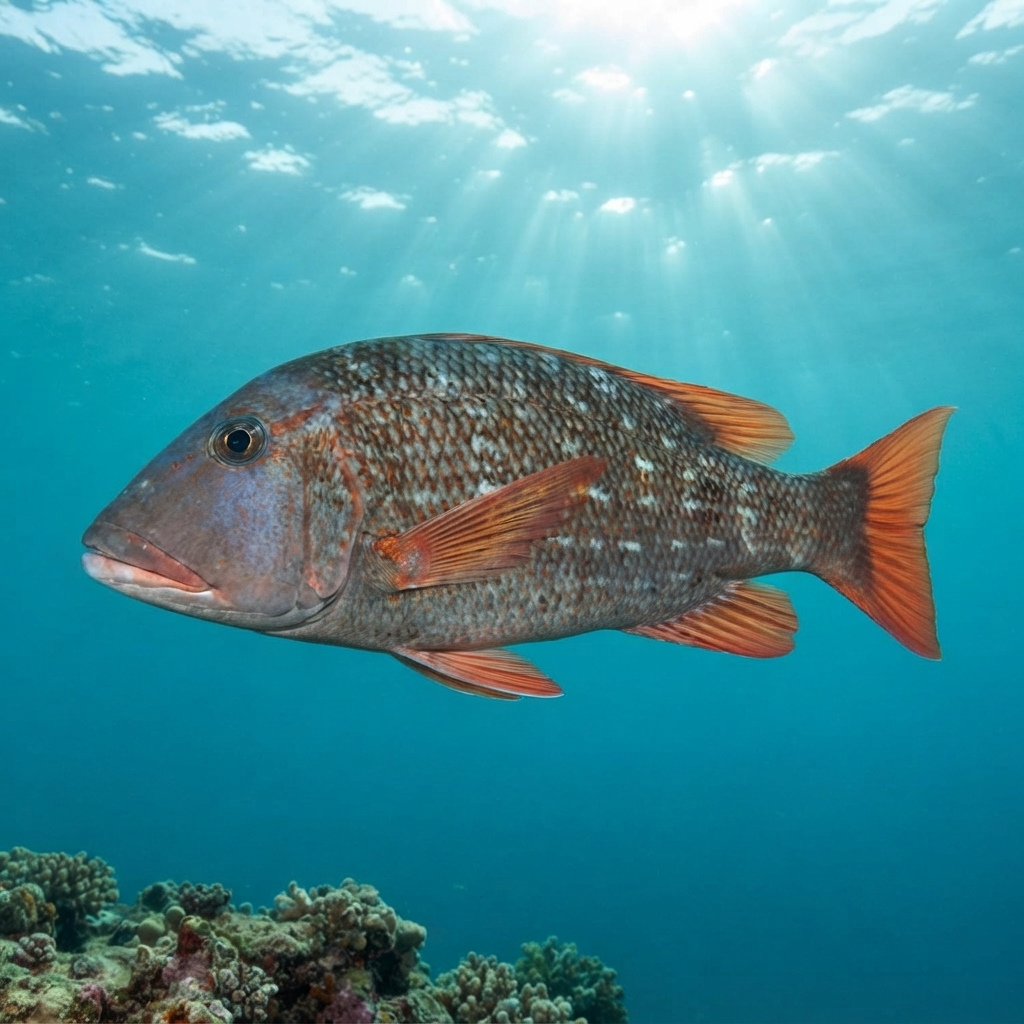
Lethrinus erythracanthus
A big, pale grey emperor with an orange-flecked tail, most reliably found on Maldives reefs in the Central Atolls at 24-29C.
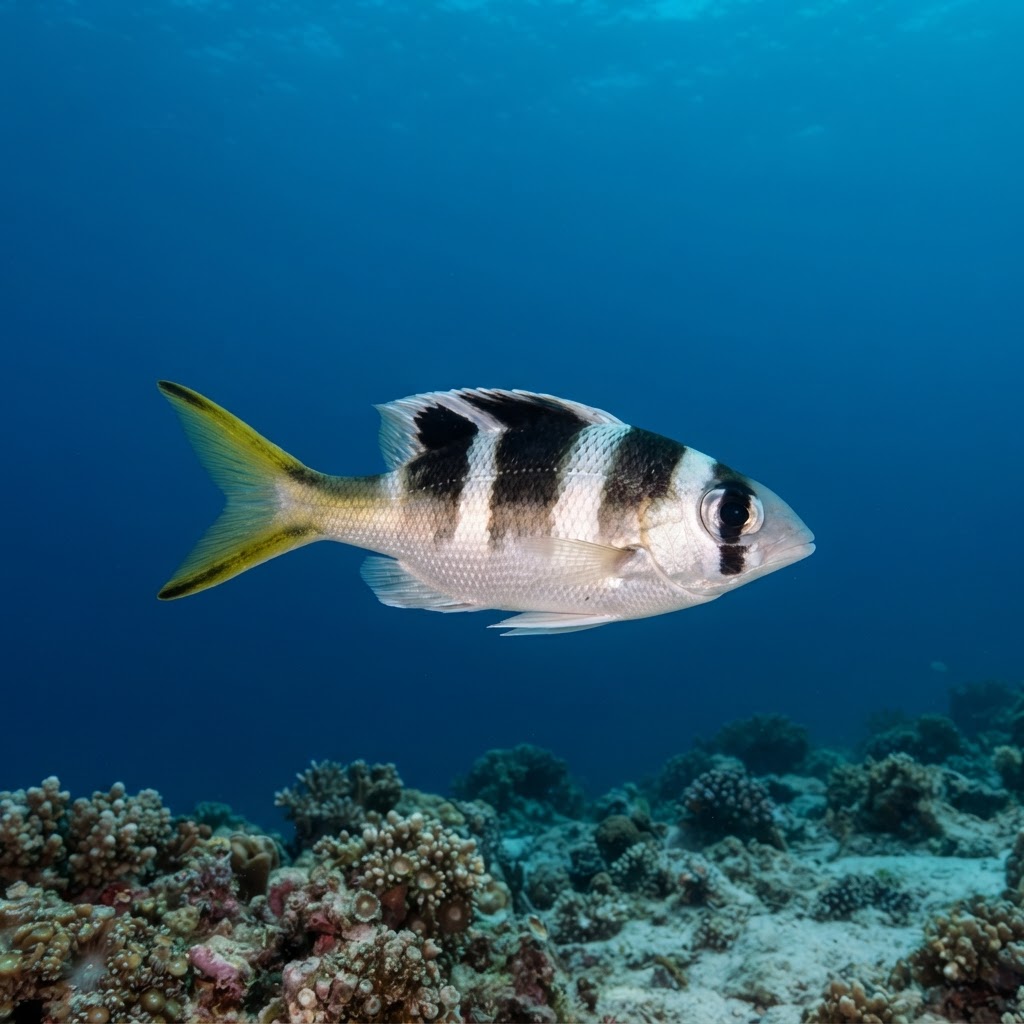
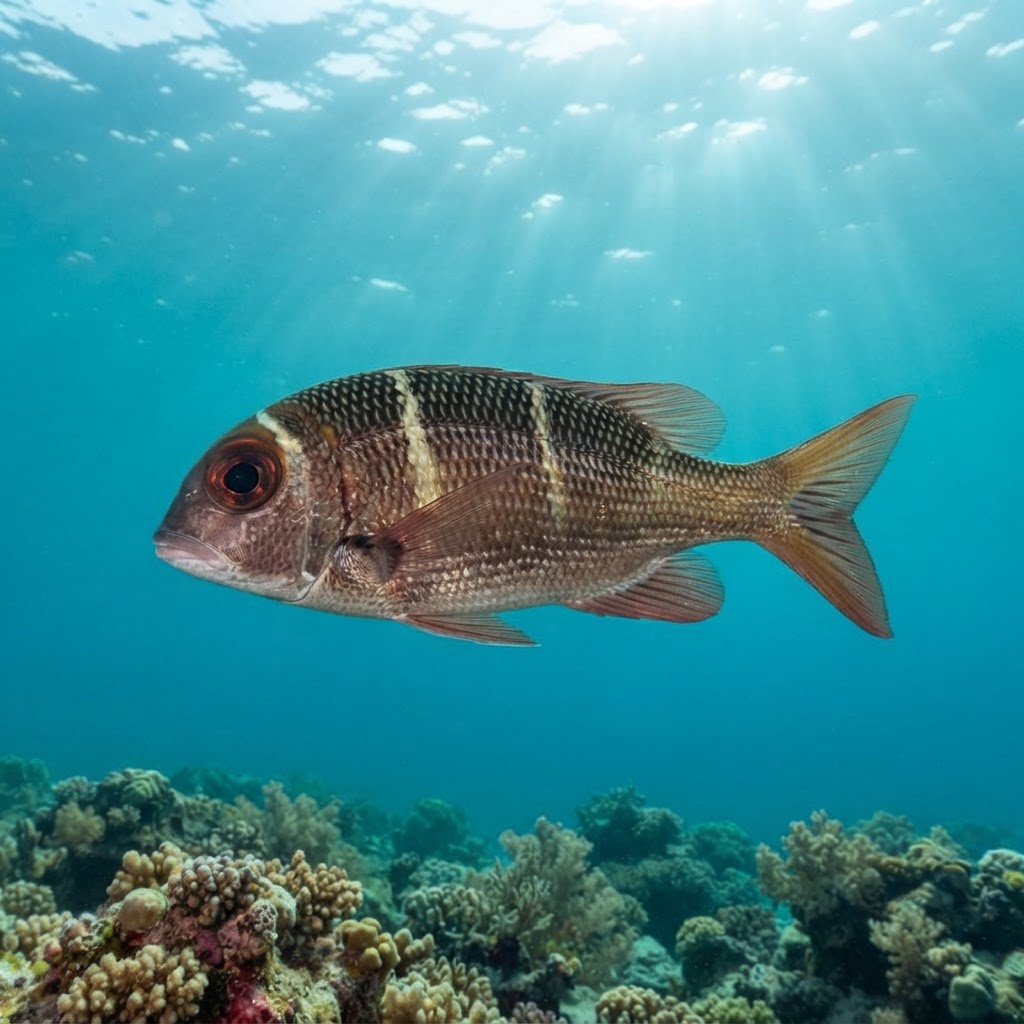
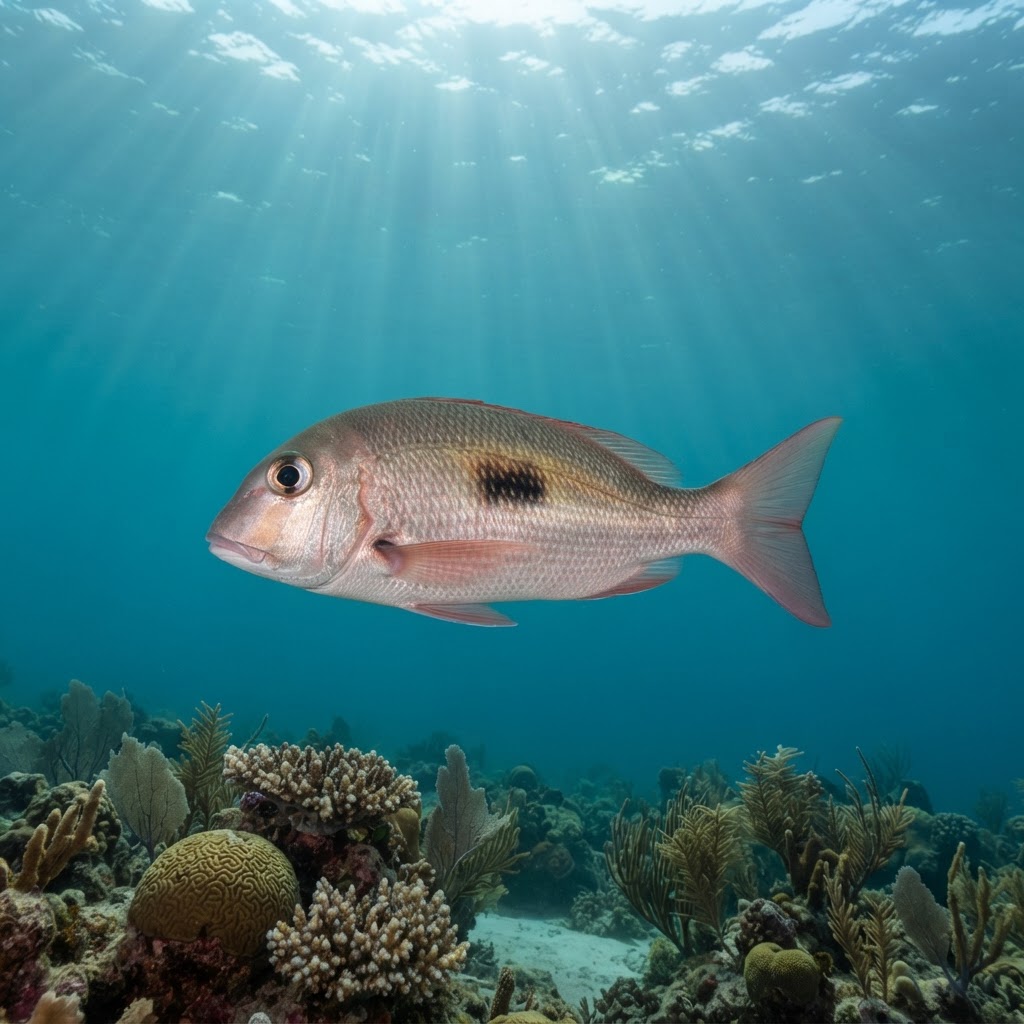
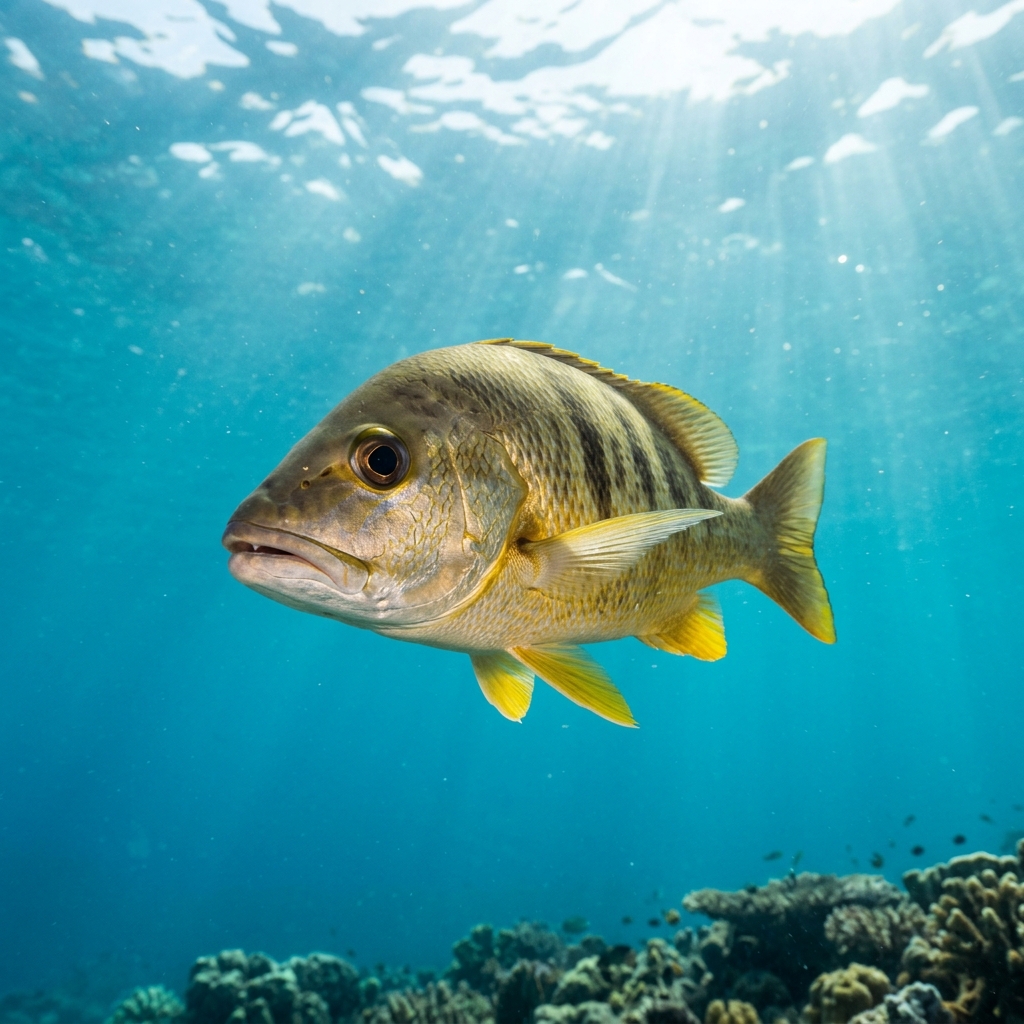
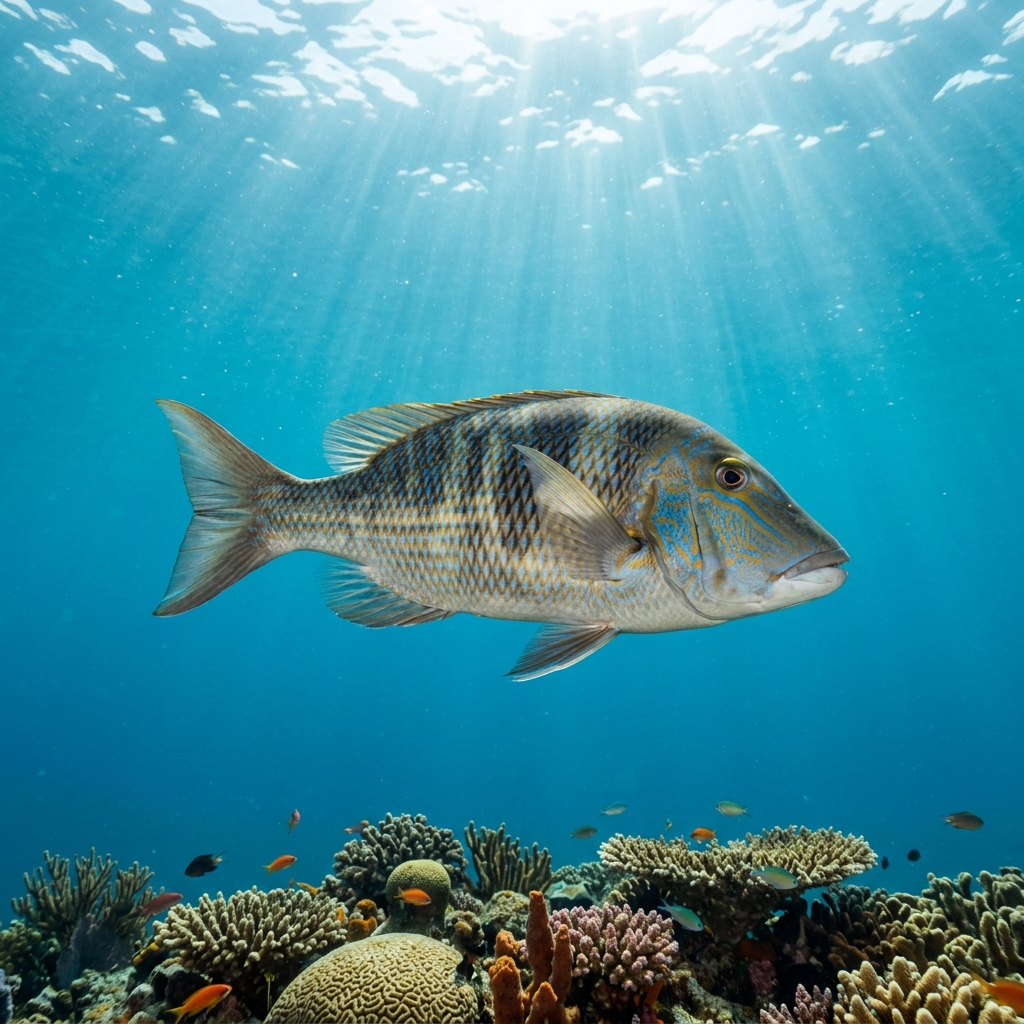
Grows to around 49cm, with a deep, slab-sided body typical of emperors and a pale grey to silvery-brown base colour. The giveaway is the tail: a wash of orange spotting and flecking across the caudal fin that stands out even in open water. Look also for the blunt, sloping snout and thick lips characteristic of the genus, which it uses to work over sand and rubble patches.
Divers most often spot it hanging singly or in loose company over sand flats, rubble, and the edges of reef slopes, cruising slowly rather than schooling tightly like some of its emperor relatives. It tends to keep a comfortable distance from divers, drifting off unhurried rather than bolting, and is more often logged as an uncommon extra sighting than a guaranteed feature of a dive.
Like other emperors, it feeds mainly by rooting through sand and rubble for hidden invertebrates, using its thick lips and strong jaws to crush shells rather than chase prey in open water.
No clear seasonal pattern shows up in the sightings, and its comfort range of roughly 24 to 29C covers Maldivian reefs year-round, so any month is a reasonable bet.
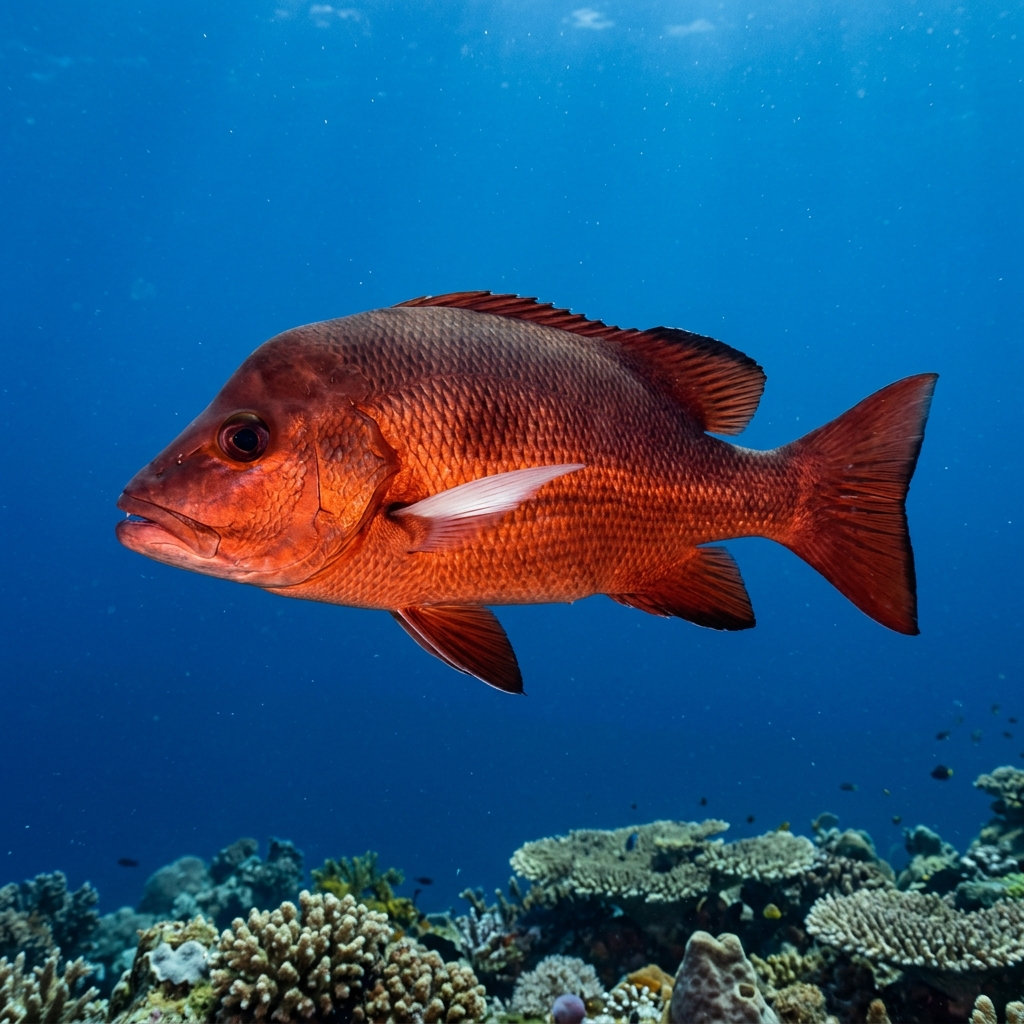
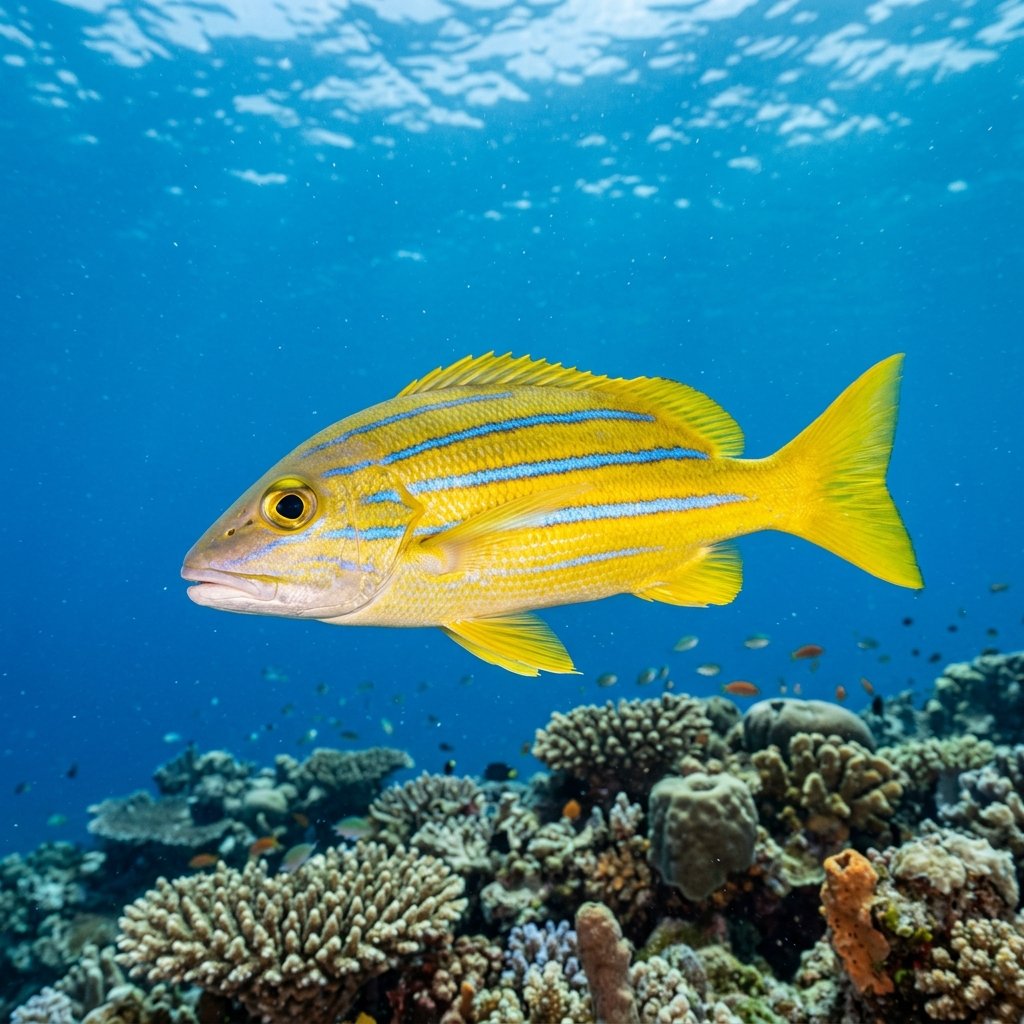
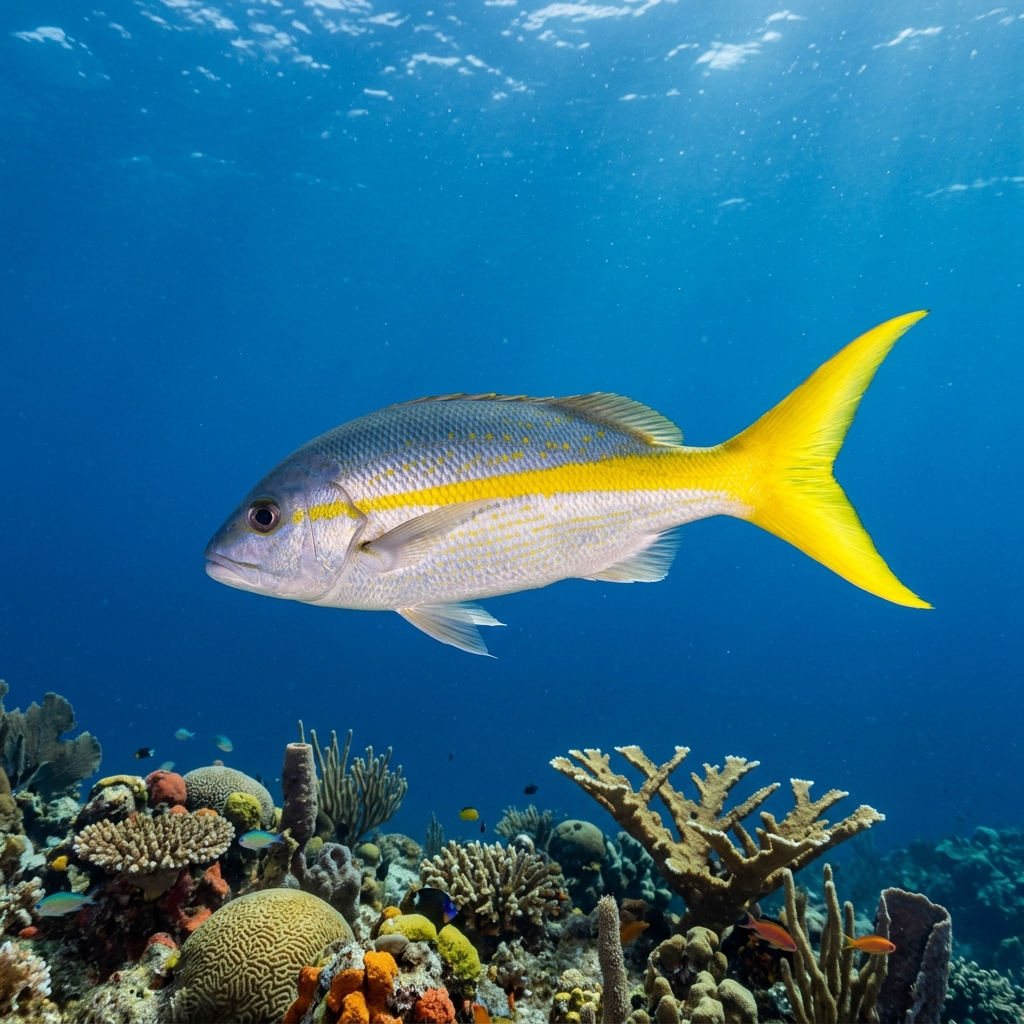
Reef neighbours a diver could mistake it for. Use the identification notes above to tell them apart.
By far the most reliable place to find this fish is the Maldives, especially the Central Atolls and, to a lesser extent, the Northern Atolls, where it turns up on a large number of logged dives. Outside the Maldives it is a much rarer find, with occasional sightings around Port Moresby in Papua New Guinea and Raja Ampat in Indonesia.
Mapping where Orange-spotted Emperor is logged…
The Maldives is the standout location, particularly the Central Atolls and Northern Atolls, where it is logged far more often than anywhere else. Smaller numbers of sightings come from Port Moresby in Papua New Guinea and Raja Ampat in Indonesia.
There is no strong seasonal signal in the sightings, and it is found in water between about 24 and 29C, which describes Maldivian reefs all year, so it can turn up on any trip.
Look for a deep-bodied, pale grey to silvery fish around half a metre long with a blunt snout, thick lips, and orange spotting and flecking spread across its tail fin. That orange-flecked caudal fin is the quickest way to separate it from plainer emperors at a glance.
They reach around 49cm in length, making them a solidly sized reef fish rather than a small species, comparable in scale to a mid-sized snapper.
It shows up regularly enough to be worth watching for, but most divers who log it describe it as uncommon rather than a guaranteed sighting, with only a smaller number of sites reporting it as common.
Site and sighting data is aggregated from diver logs, iNaturalist and GBIF. For taxonomy and conservation status:
Emperor
2,052 sites