Xyrichtys novacula
Spot the vivid green-and-orange Cleaver Wrasse across the Mediterranean and Florida. Sightings peak Aug, Oct. Here's where and how to find one.
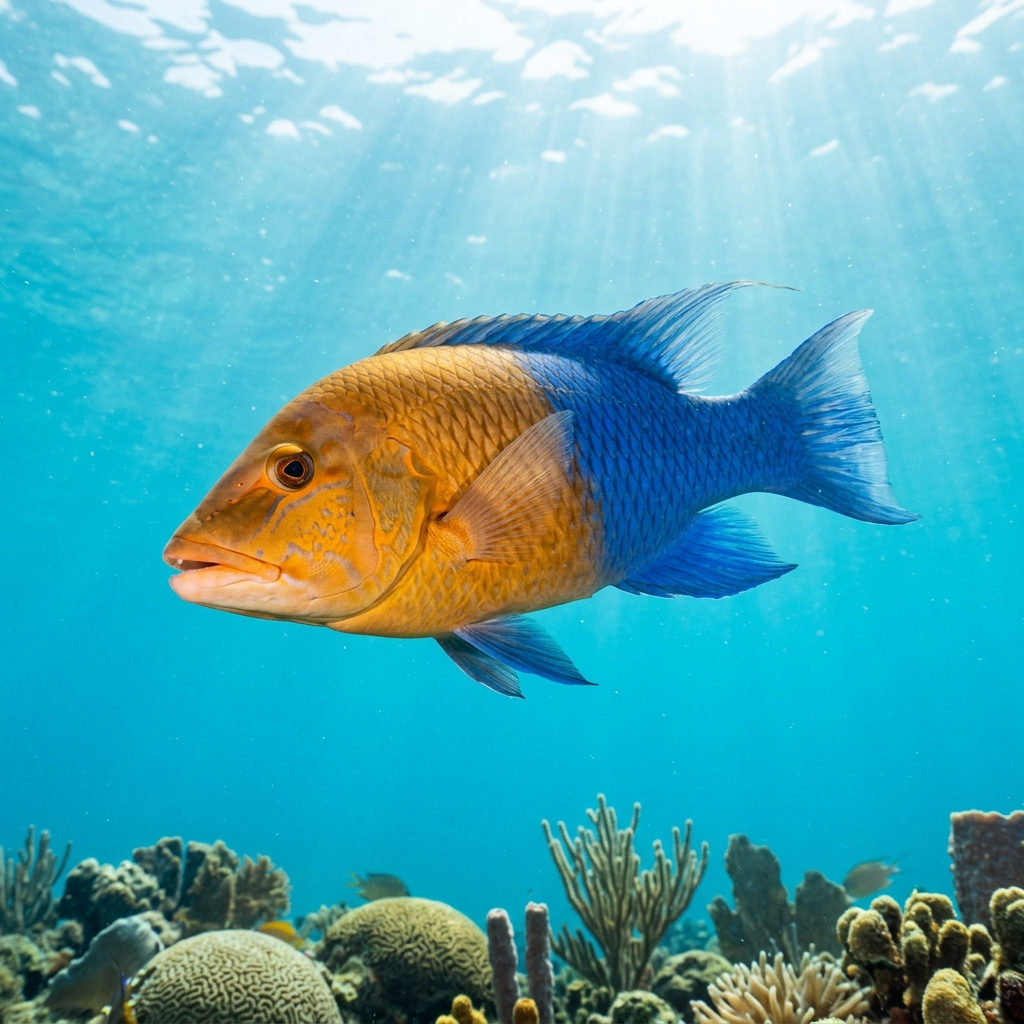
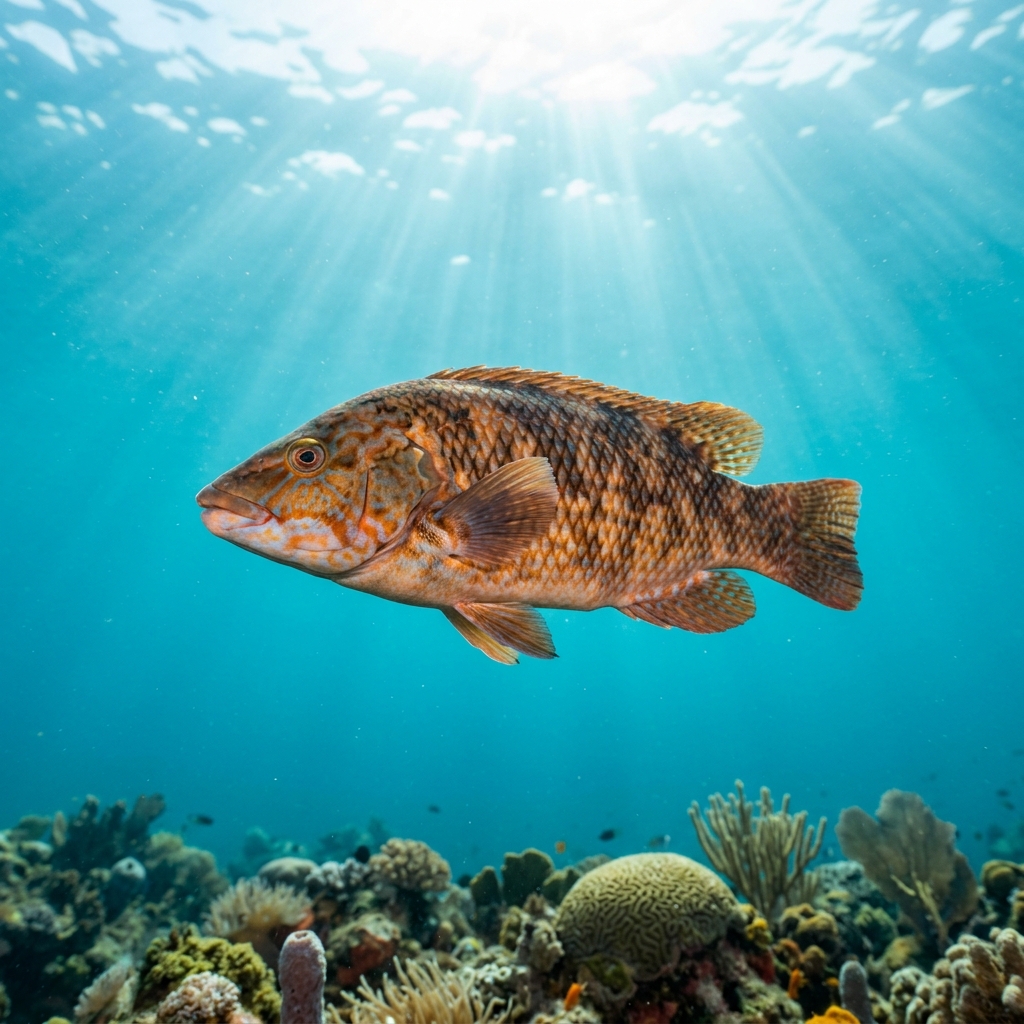
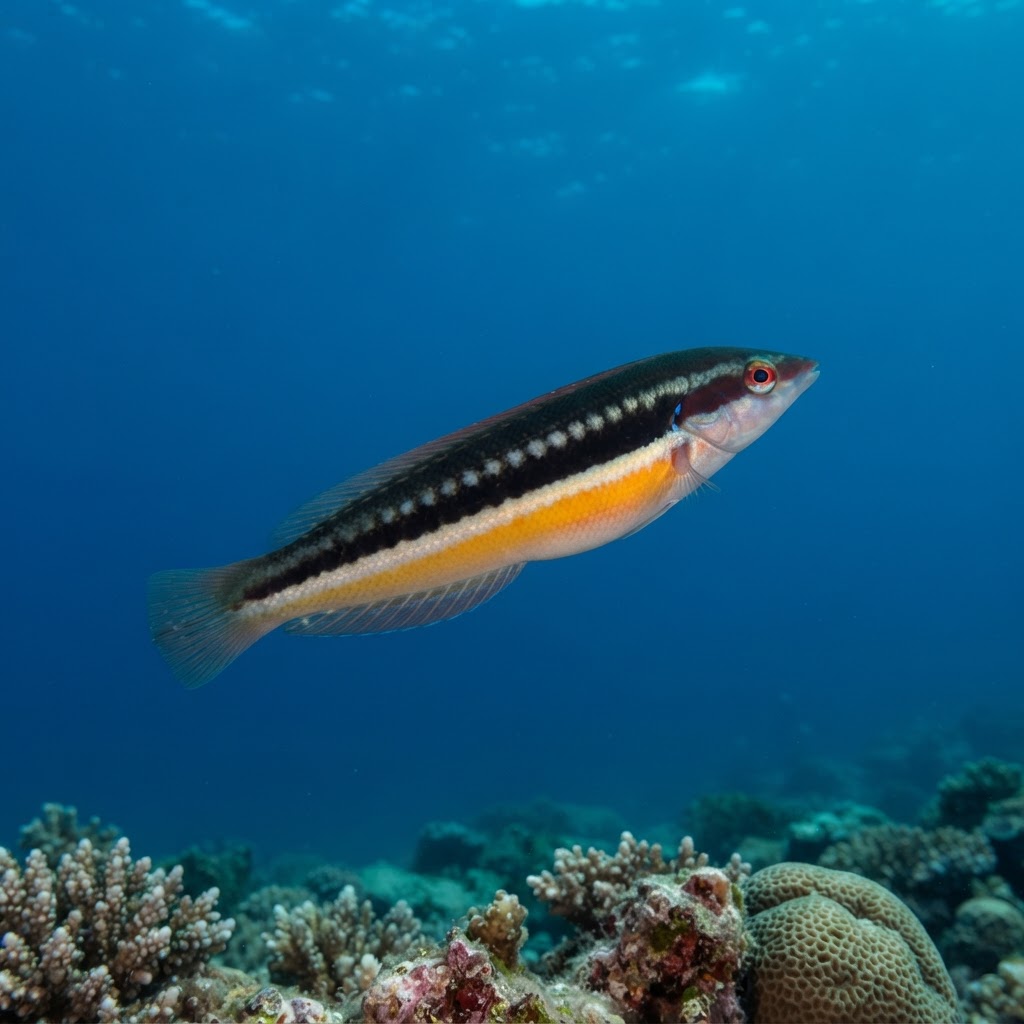
Terminal-phase males are hard to miss: a vivid green and orange body with bright, intricate facial markings, reaching around 26 cm. The forehead is noticeably steep and blade-like, which is the feature the common name refers to. Females and juveniles are far more subdued, showing drab brownish colouring with a pale underside, so expect to overlook them unless you are actively searching. All phases tend to stay close to sandy patches at the base of reef structures, keeping low to the substrate.
Cleaver wrasse are generally shy and bolt quickly when approached, often diving headfirst into loose sand to hide, a classic wrasse escape tactic. You will most often spot them patrolling just above sandy rubble or seagrass patches adjacent to reef, picking through the substrate for small invertebrates. Approach slowly from a distance and keep movements minimal; hovering neutrally off to the side gives a better chance of watching them feed undisturbed.
Like many wrasses, cleaver wrasse are protogynous hermaphrodites, meaning females can transition into fully functional males. The dramatic colour change from drab female to vivid green-and-orange terminal male reflects this social sex change, not just age.
In the Northern Hemisphere, sightings concentrate between August and October, likely reflecting warmer inshore water temperatures and increased activity during late summer. The species tolerates a wide temperature band (roughly 17 to 28 °C), so outside peak summer it can still be encountered, but autumn is your best window.
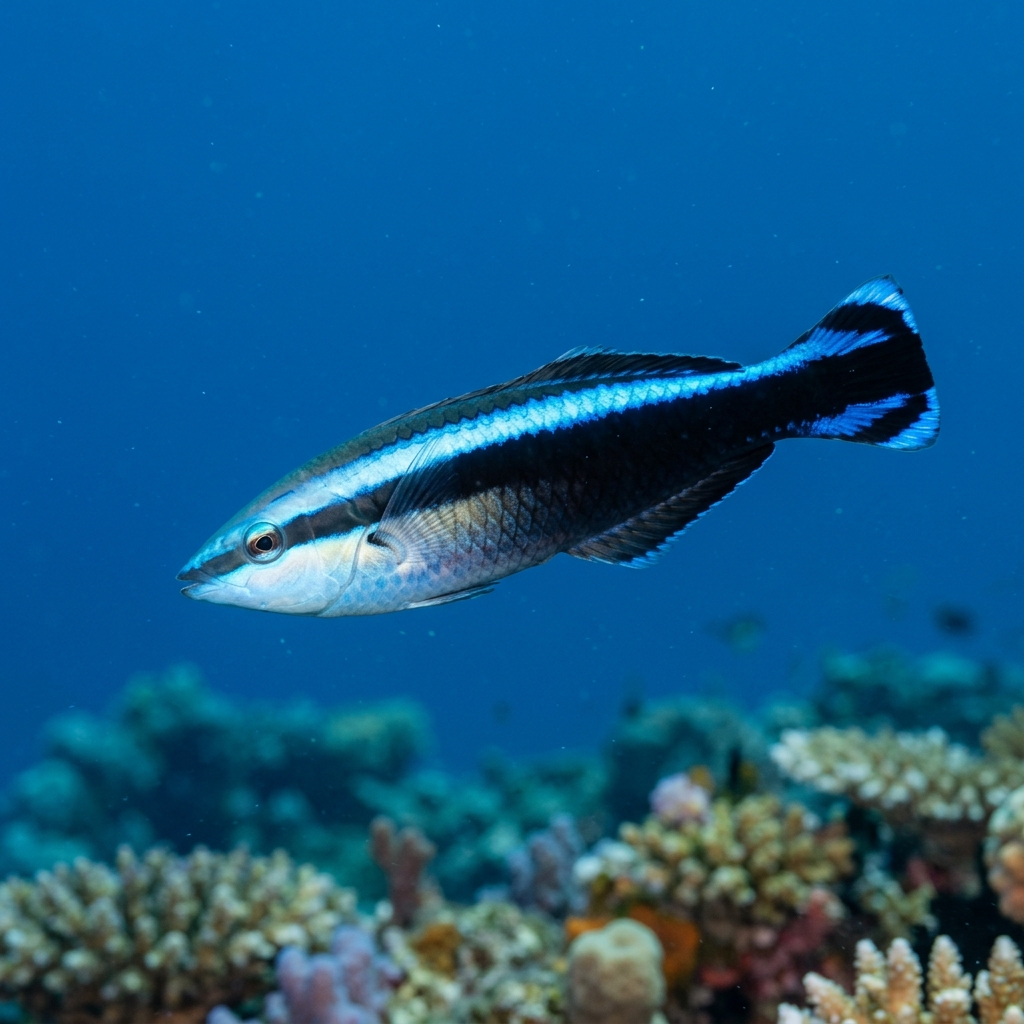
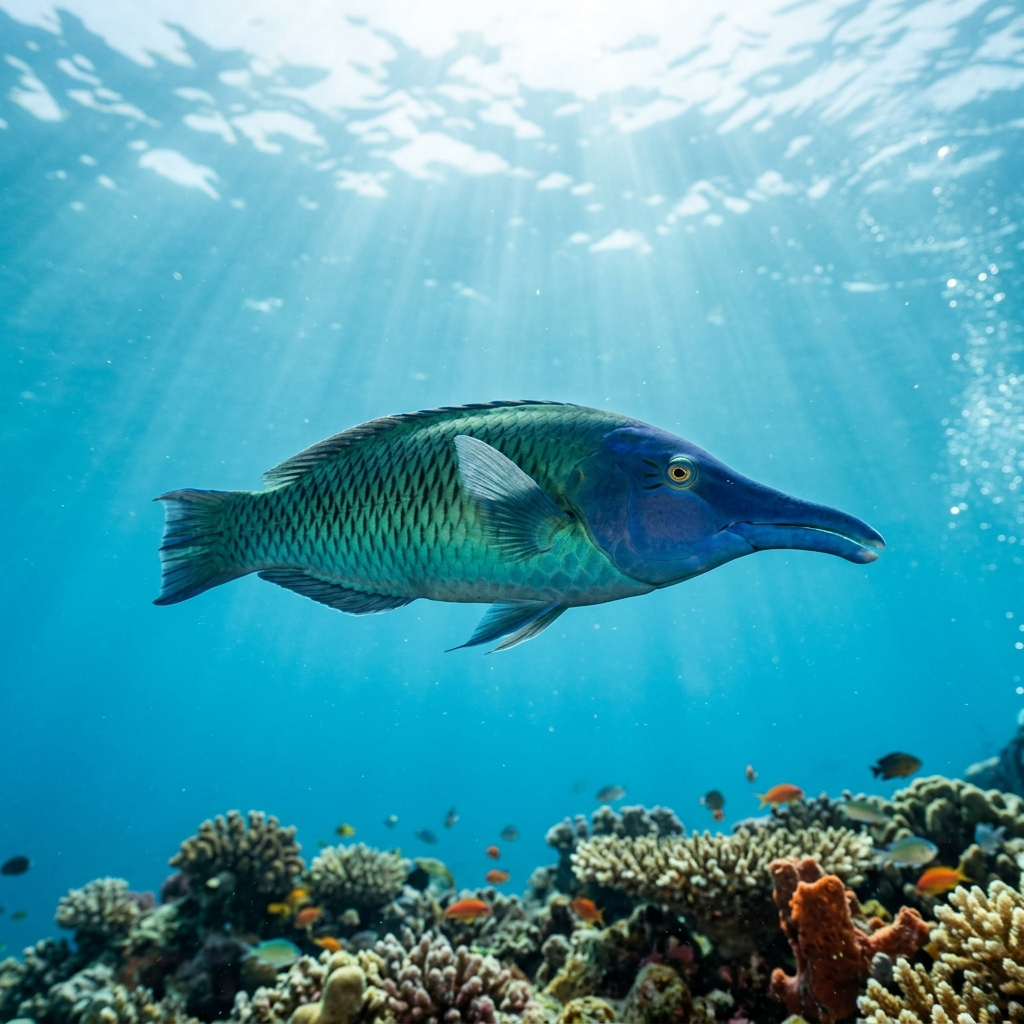
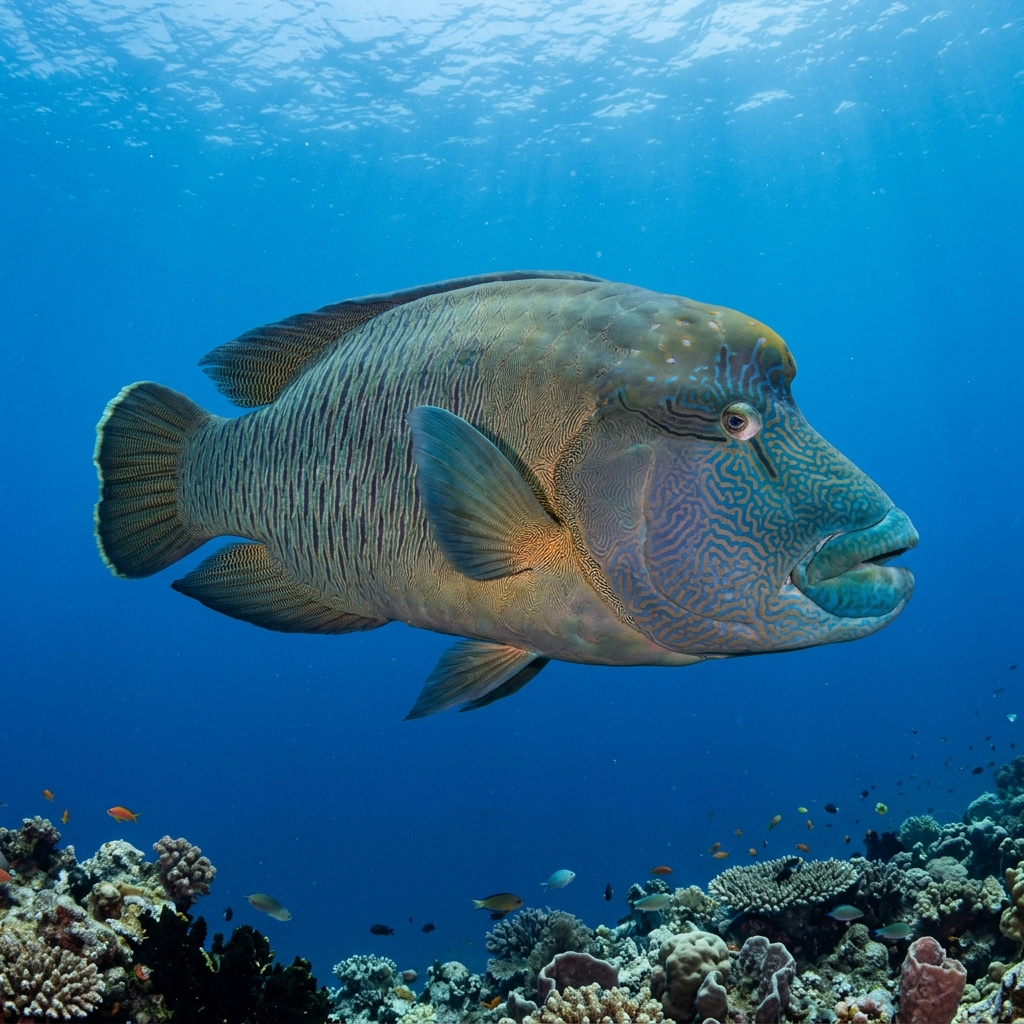
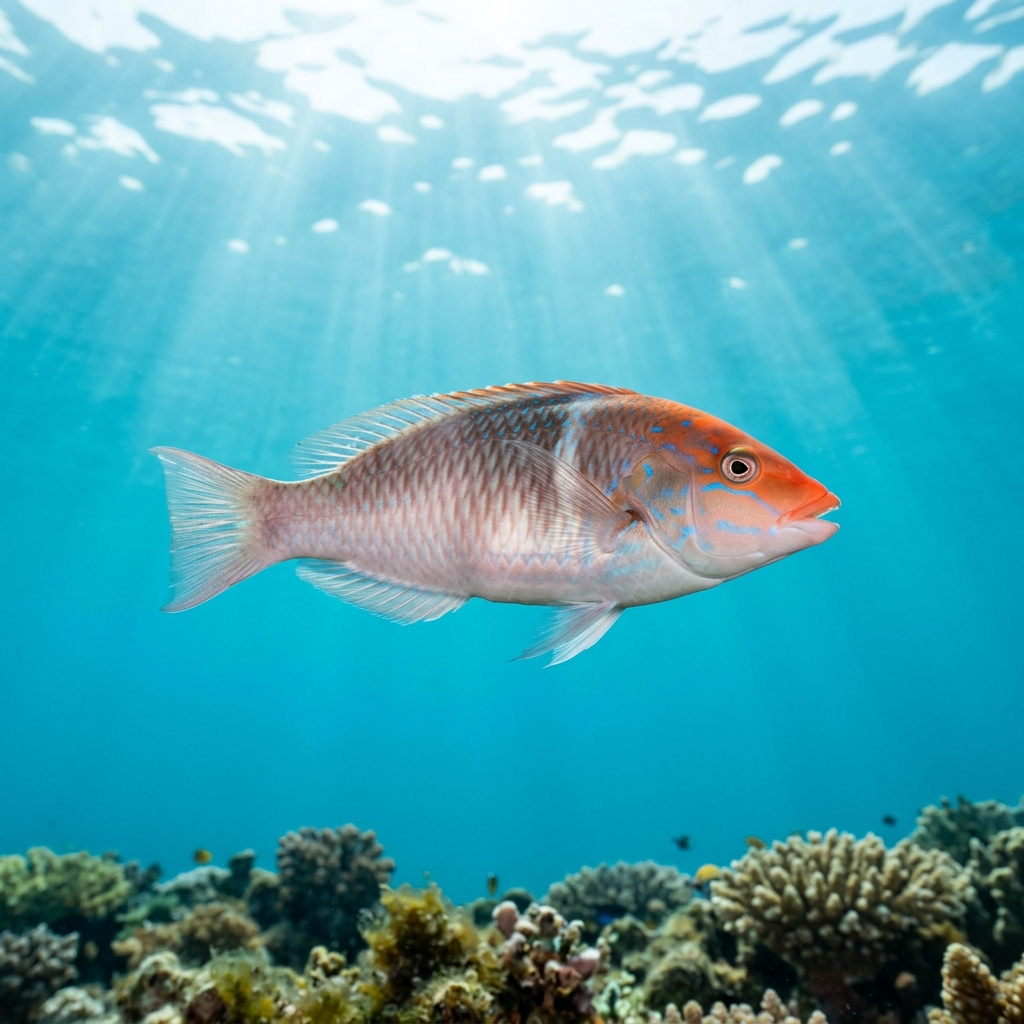
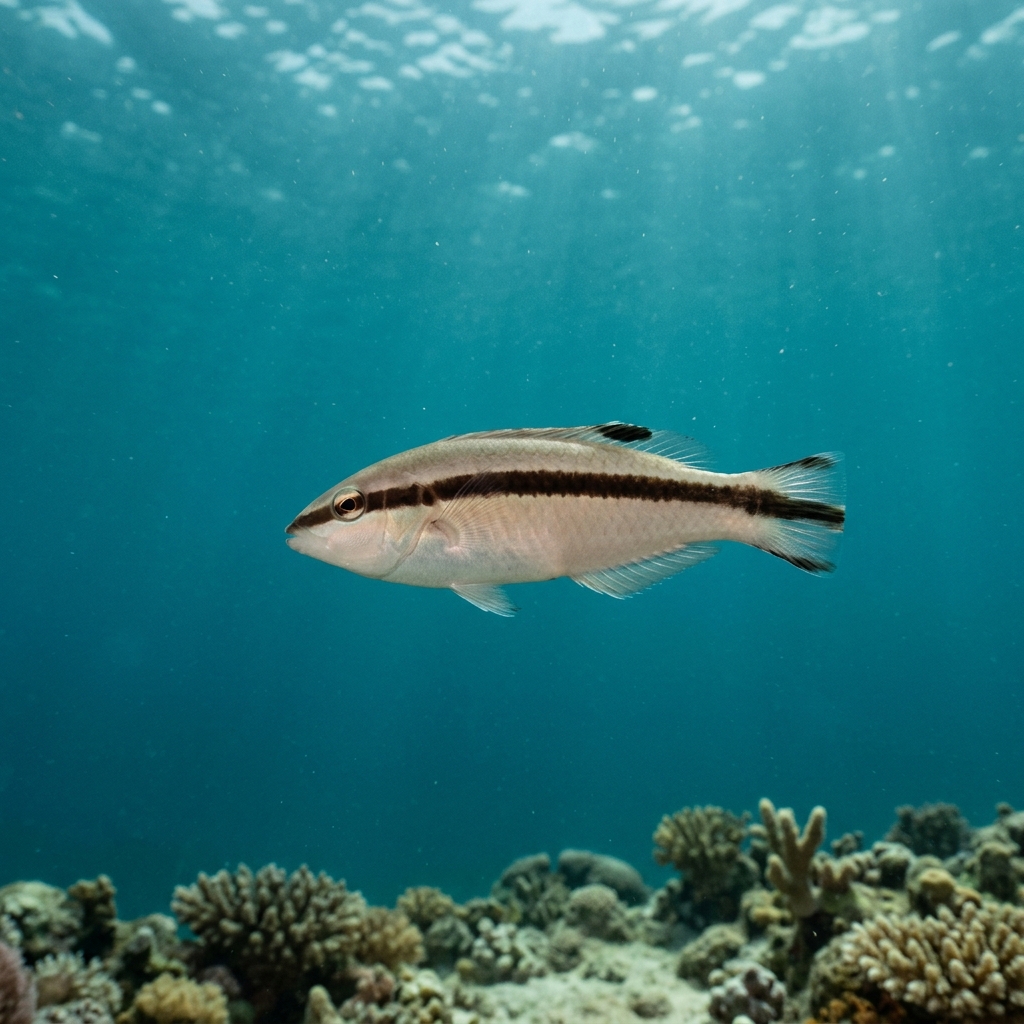
Reef neighbours a diver could mistake it for. Use the identification notes above to tell them apart.
Most commonly logged across the Mediterranean, with strong populations in Florida and the US Southeast, and particularly well-represented in Italy (especially Sardinia and Sicily), Greece (the Cyclades and Attica), Spain, Turkey, and Croatia. The Canary Islands and Malta also have a solid number of recorded sites. Outside the Atlantic-Mediterranean range, records drop off sharply, so the Mediterranean and southeastern US are the places to focus your search.
Mapping where Cleaver Wrasse is logged…
The Mediterranean is the top destination, with Italy, Greece, Spain, Turkey, Croatia, and Malta all having strong records. Florida and the US Southeast are the main Atlantic hotspot. The Canary Islands and Gozo in Malta are also reliable areas. Outside these regions, sightings become much less frequent.
August through October is the peak window in the Northern Hemisphere, coinciding with the warmest shallow-water temperatures in the Mediterranean and southeastern US. The species tolerates water temperatures down to around 17 °C, so cooler-season encounters are possible but less likely.
Look for the steep, blade-like forehead profile and, on terminal males, a vivid green and orange body with bright facial markings. Females are brownish with a pale underside and easy to overlook. All phases stay low, near sandy patches at the edge of reef. The distinctive forehead shape is the most reliable field mark regardless of sex.
They typically reach around 26 cm, making them a medium-sized wrasse. Terminal-phase males tend to be the largest individuals you will encounter.
Sand-diving is their primary escape response. When threatened, they plunge headfirst into loose sandy substrate and can disappear almost instantly. This behaviour is common across many wrasse species and is one reason they are tricky to observe closely. Slow, non-threatening approaches give you a much better chance of a proper look.
Site and sighting data is aggregated from diver logs, iNaturalist and GBIF. For taxonomy and conservation status:
Bird Wrasse
3,632 sites