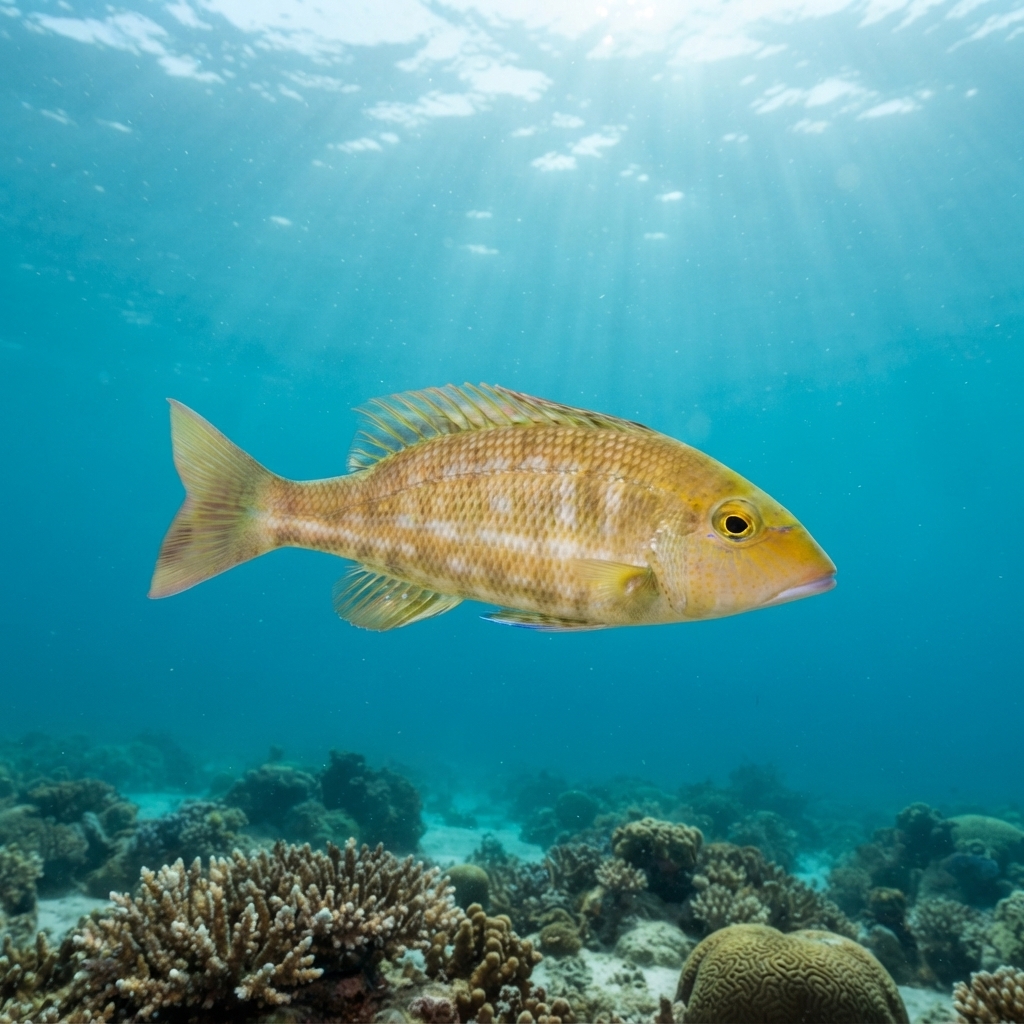
Lethrinus genivittatus
A rare, small-bodied emperor logged off New South Wales in water around 25 to 29 C, present year-round on Australian reefs.
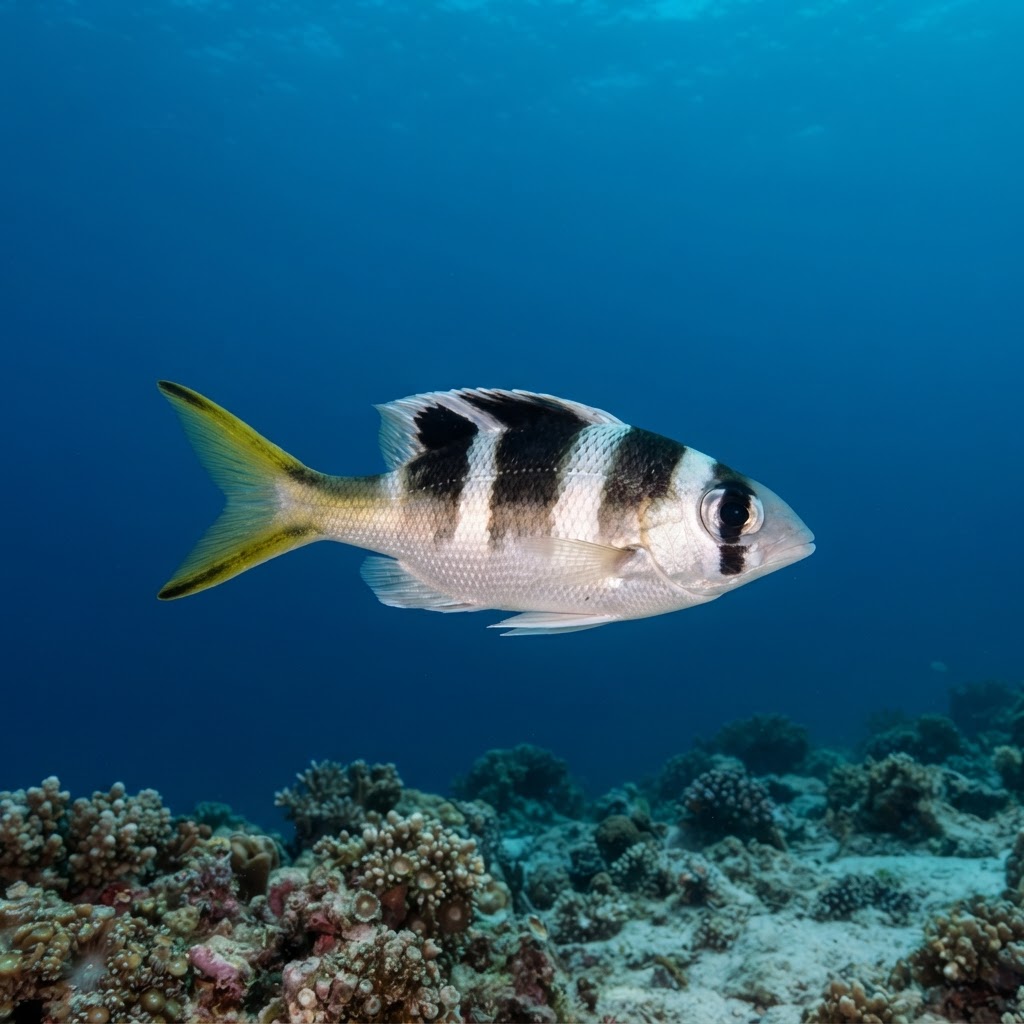
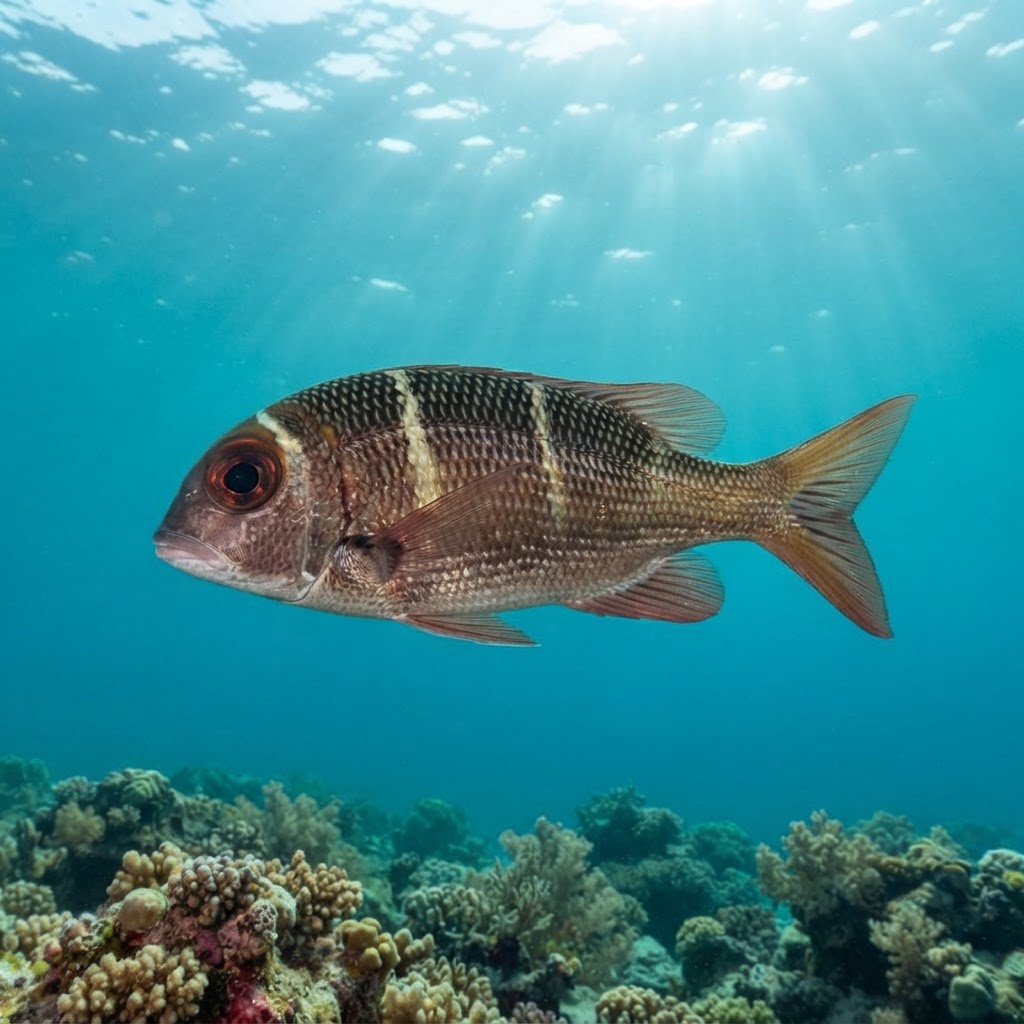
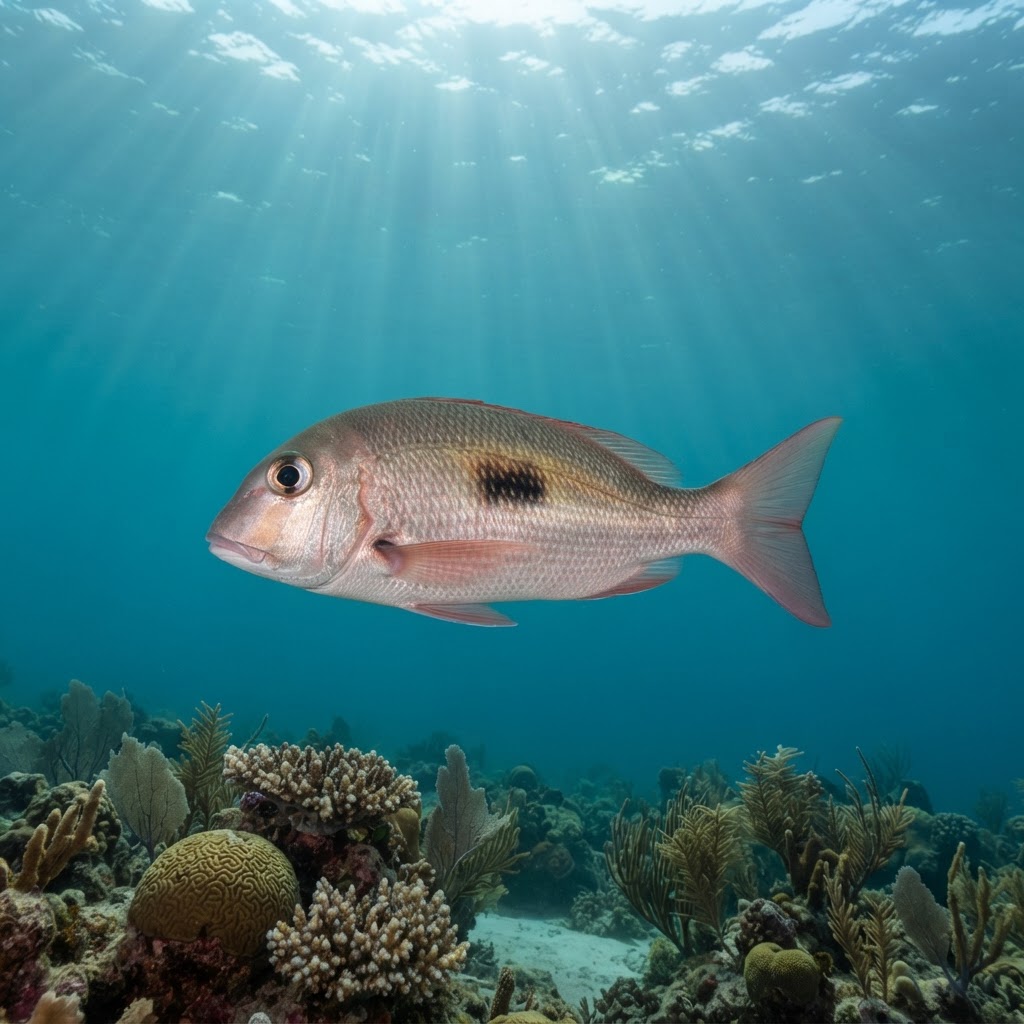
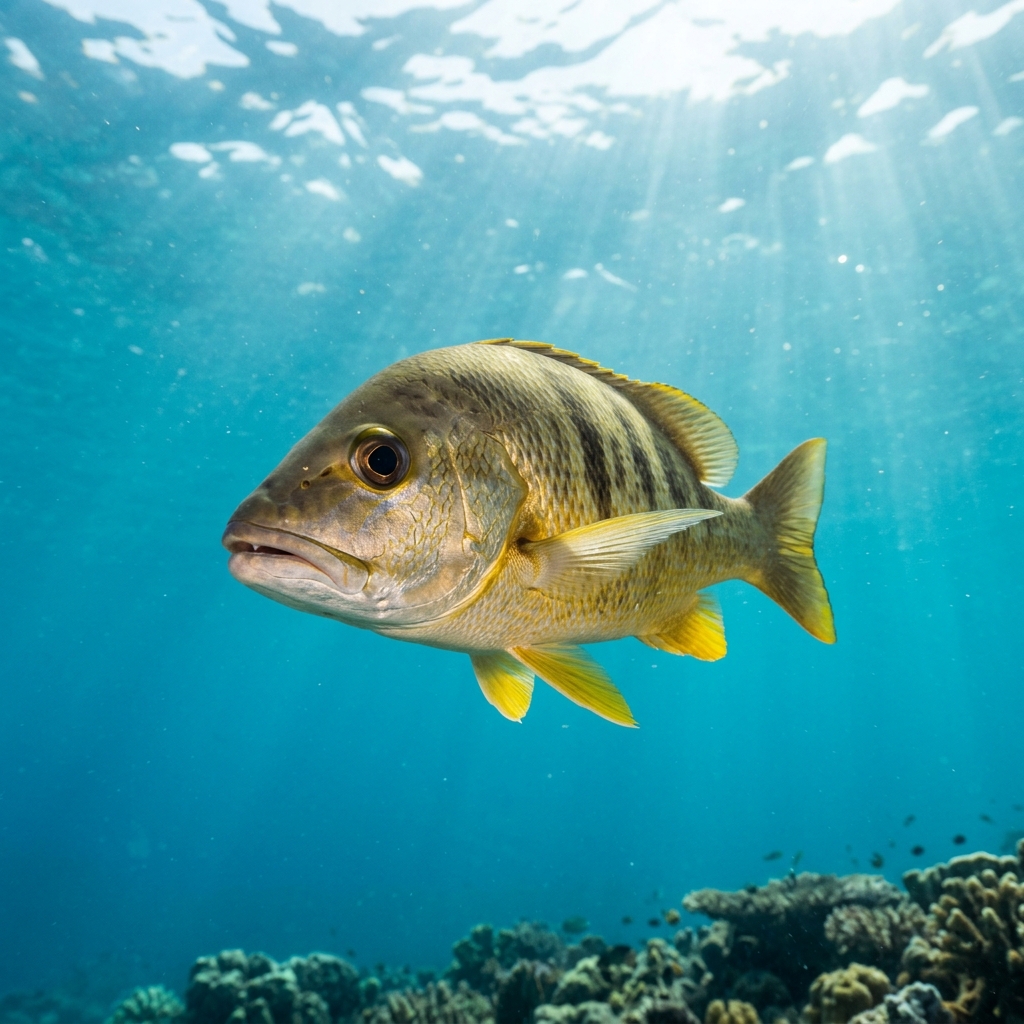
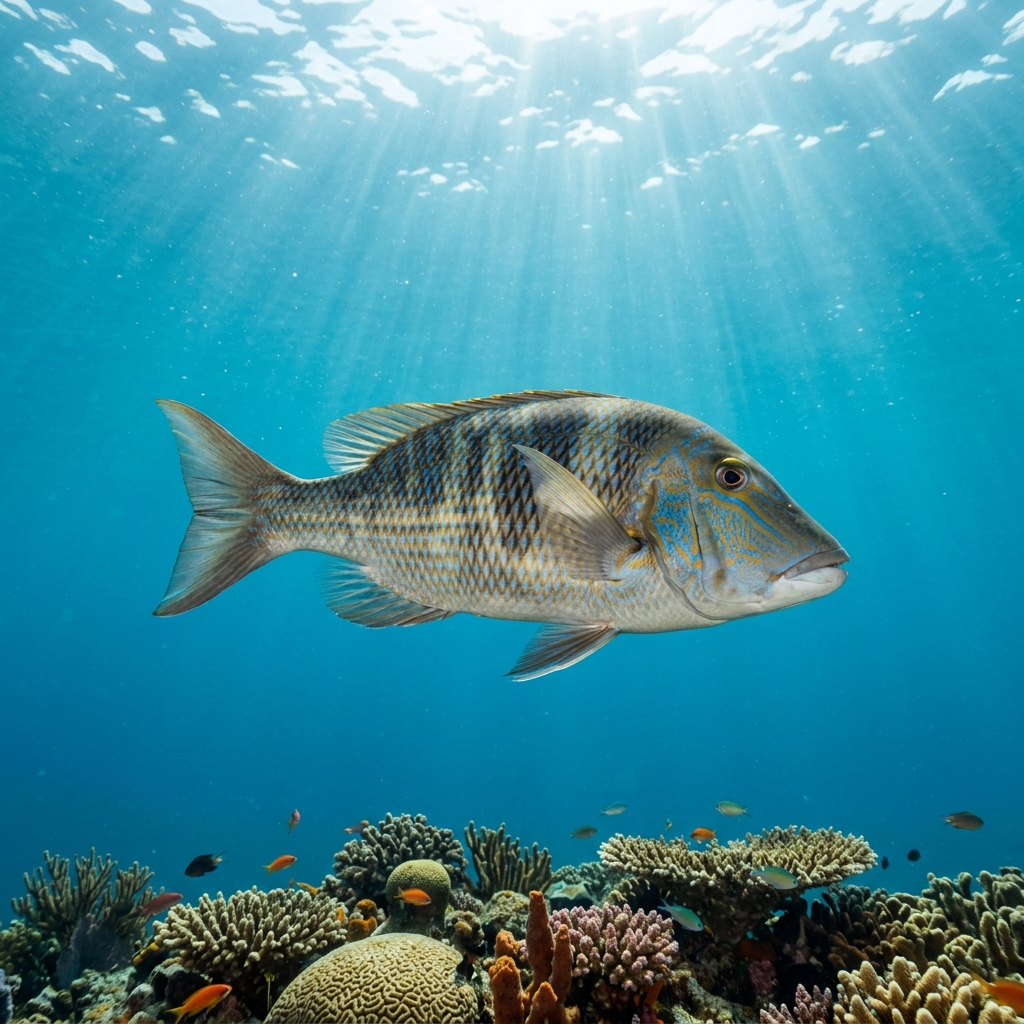
A compact, slender-bodied emperor topping out around 18 cm, so noticeably smaller than most of its relatives on the reef. Look for a silvery to pale grey body with faint darker striping along the flanks and the sloped, pointed snout typical of emperors. The dorsal fin carries a slightly elongated first spine, which is the detail behind the common name if you get a close, still look.
Divers log this one as a rare find, usually spotted alone or loosely associating near the seabed rather than schooling. It tends to sit low over sand, rubble or reef edges where its size and muted colouring let it blend in easily, and it is not a fish that comes looking for divers. Expect a brief, close-range sighting rather than a lingering encounter, so slow, careful scanning of the bottom pays off.
Its small adult size and low-profile habits mean it is easy to swim straight past, and many of the confirmed sightings likely come from divers who were specifically searching the substrate rather than the open reef.
Sightings do not show a clear seasonal pattern, and the observed water temperature range of 24.7 to 29.3 C spans the warmer part of the NSW diving calendar, so it can turn up across the year rather than in one tight window.
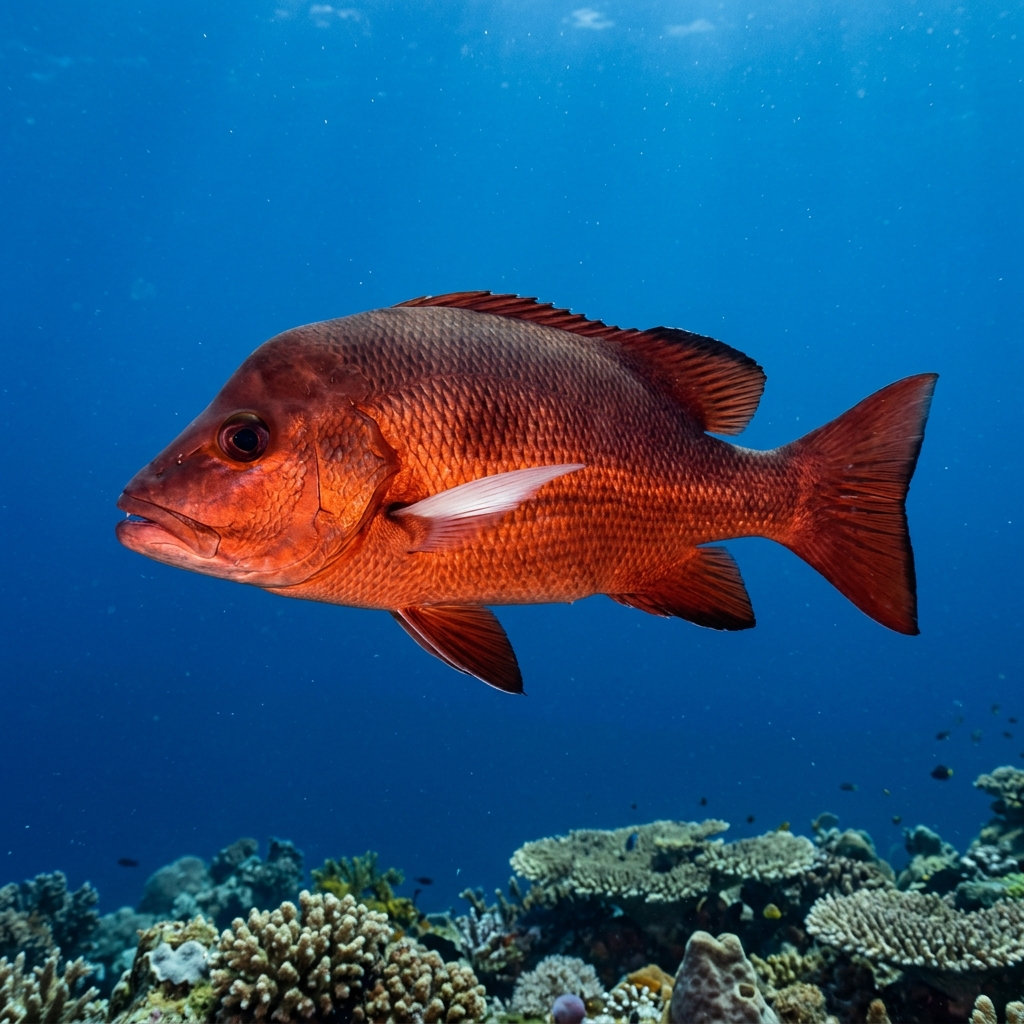
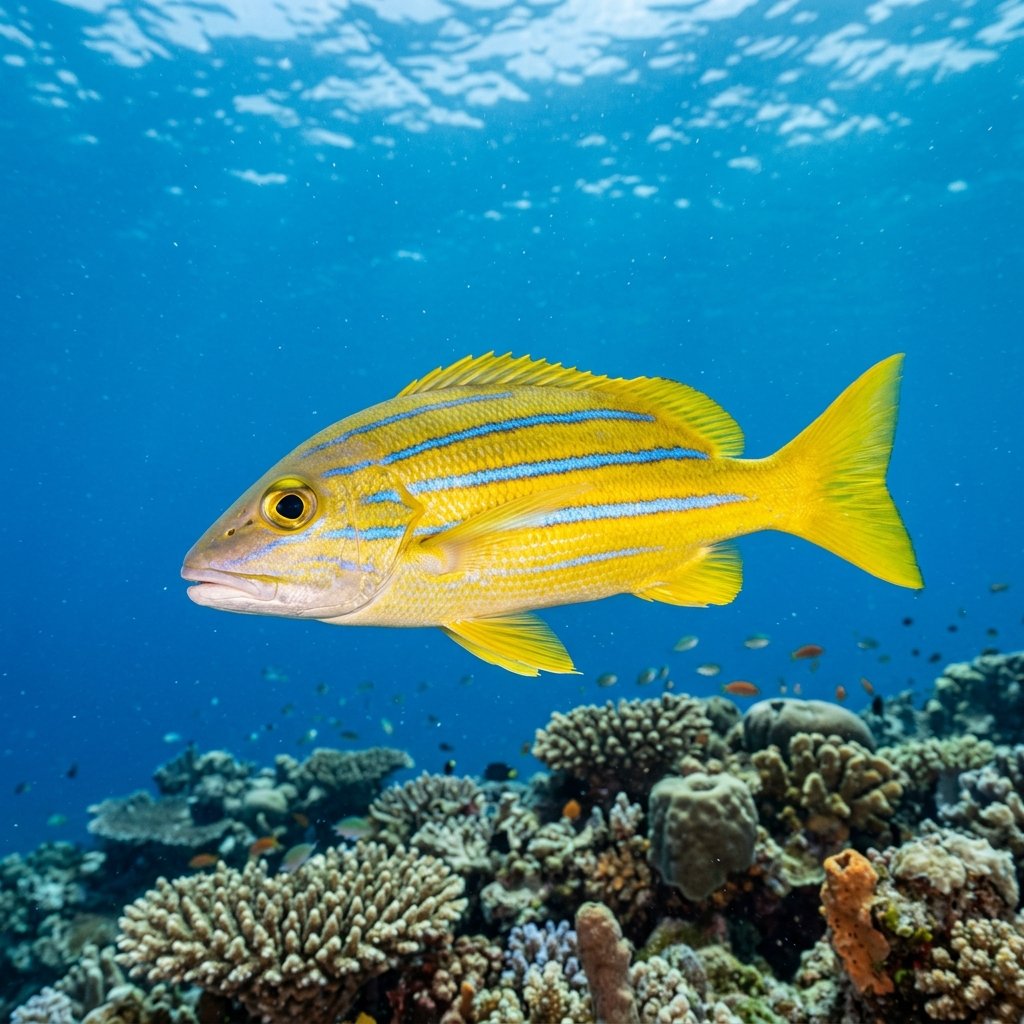
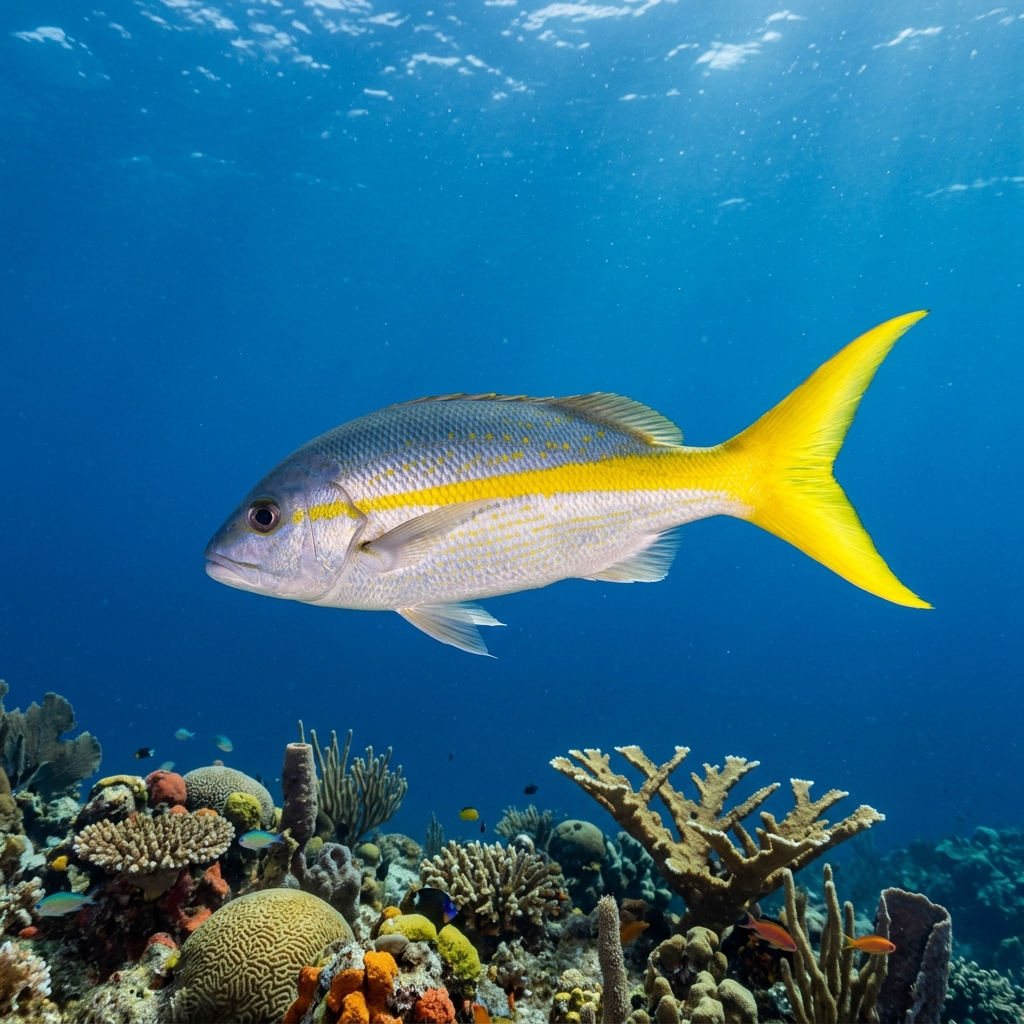
Reef neighbours a diver could mistake it for. Use the identification notes above to tell them apart.
Every logged sighting of this species in the data comes from New South Wales, Australia, making it the only confirmed region for this fish right now. If you are diving temperate to subtropical NSW reef and rubble sites, keep an eye on the bottom rather than expecting it in open water.
Mapping where Longspine Emperor is logged…
The only confirmed sightings in current dive data come from New South Wales, Australia, where it turns up on reef and rubble bottoms. It has not been reliably logged elsewhere yet, so NSW is the region to target.
There is no strong seasonal signal in the sightings, and it has been recorded in water from about 24.7 to 29.3 C, so it appears to be a year-round rather than a seasonal sighting in NSW.
Look for a small, slender emperor around 18 cm with a silvery grey body, faint striping and a pointed snout. It sits low near the bottom rather than schooling in open water, which helps separate it from similarly shaped reef fish.
They are a small member of the emperor family, typically reaching around 18 cm in length, noticeably smaller than many of their relatives on the reef.
No, they pose no danger to divers. They are a small, unobtrusive bottom-dwelling fish with no venomous spines or aggressive behaviour reported.
Site and sighting data is aggregated from diver logs, iNaturalist and GBIF. For taxonomy and conservation status:
Emperor
2,052 sites