Paracentropogon longispinis
A 9cm reef ambusher found on muck dives in Maluku, Indonesia and Sai Kung, Hong Kong, most active in 24-29C water year-round.
Safety warning
Venomous dorsal spines can deliver a painful sting if the fish is handled, kneeled on, or brushed against on silty bottoms. Keep hands and knees off the substrate on muck dives, watch your buoyancy and trim, and let guides point it out rather than touching it yourself.
If you're stung
Venomous spinesGeneral first-aid guidance, not a substitute for professional medical care. In an emergency, call your local emergency number.
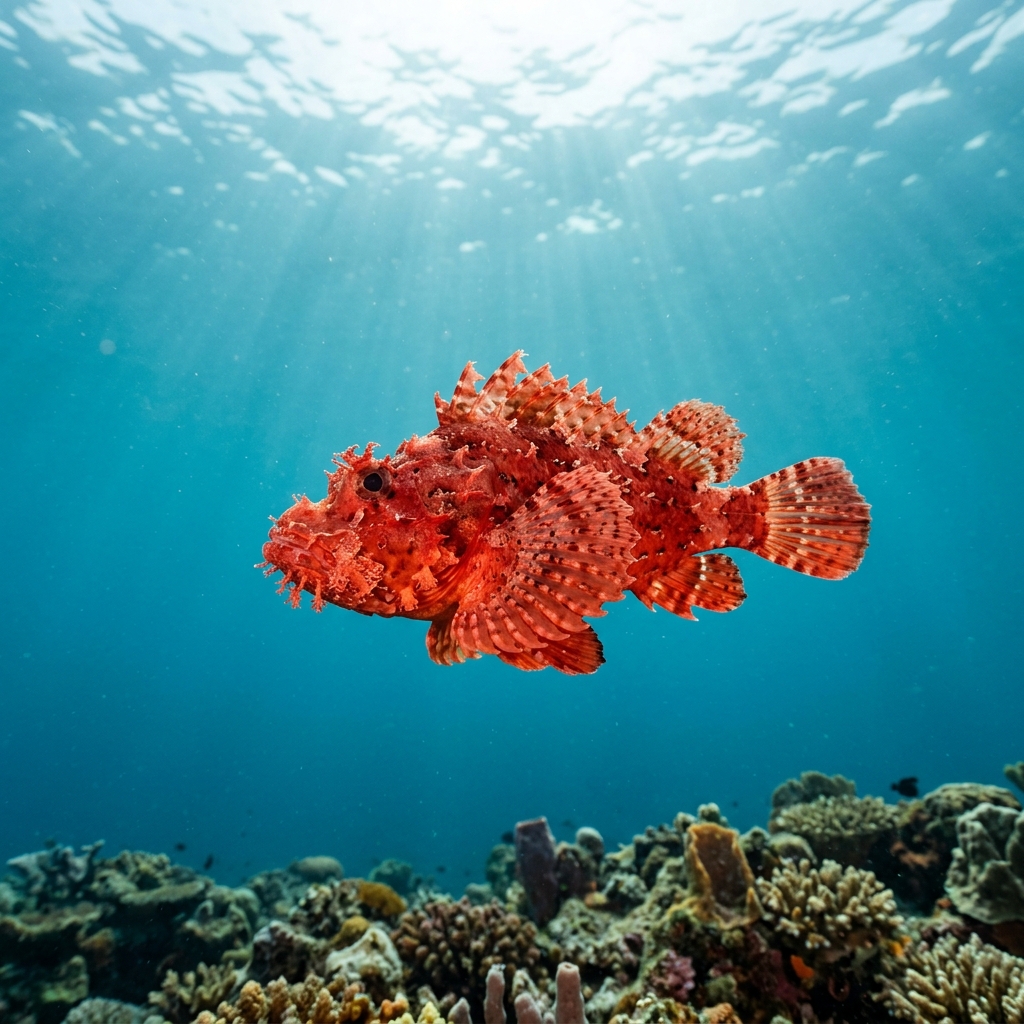
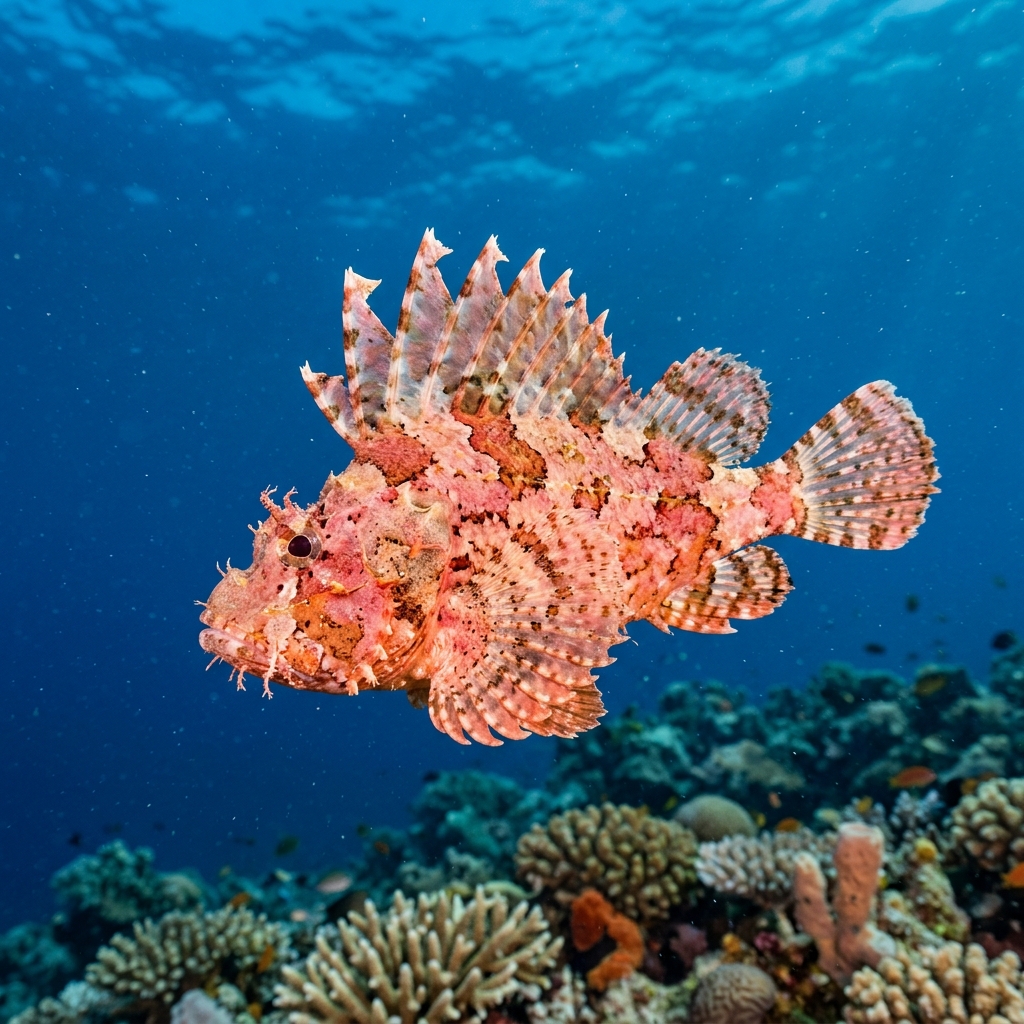
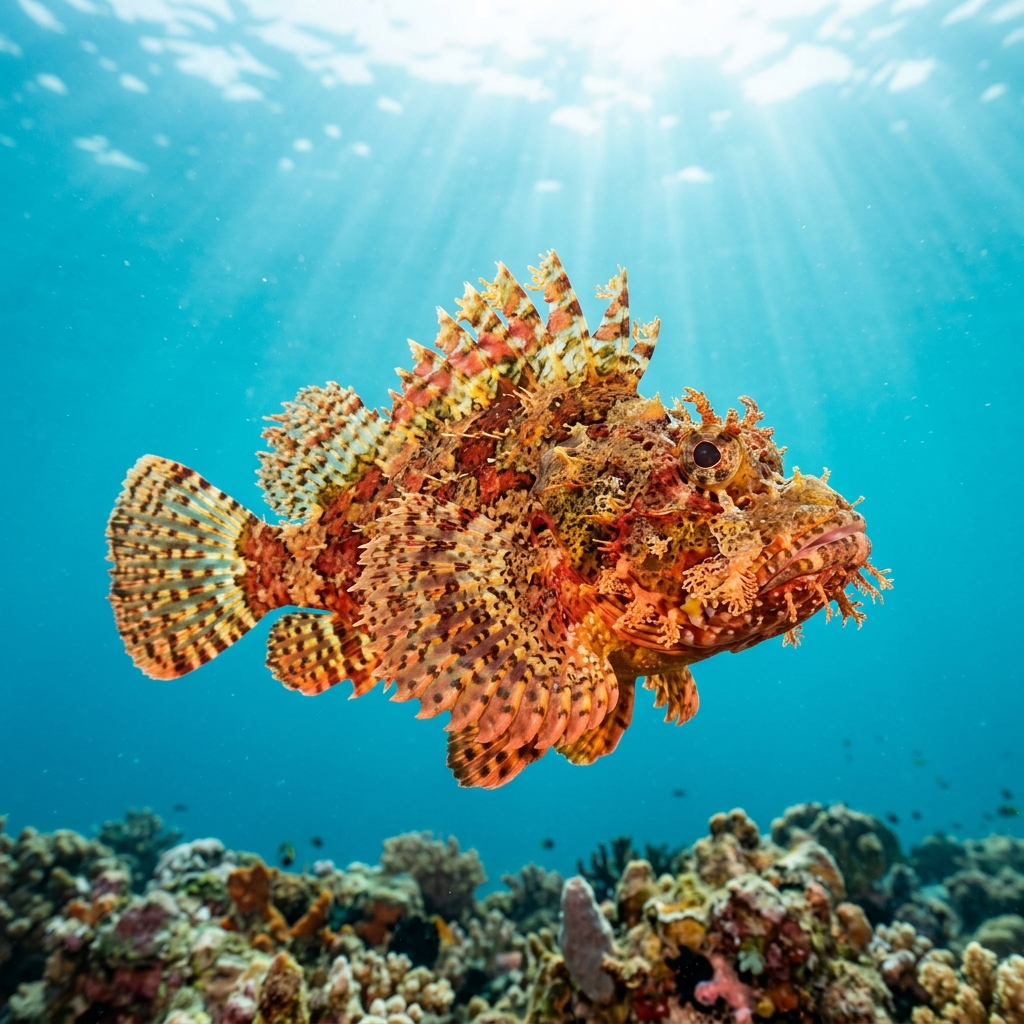
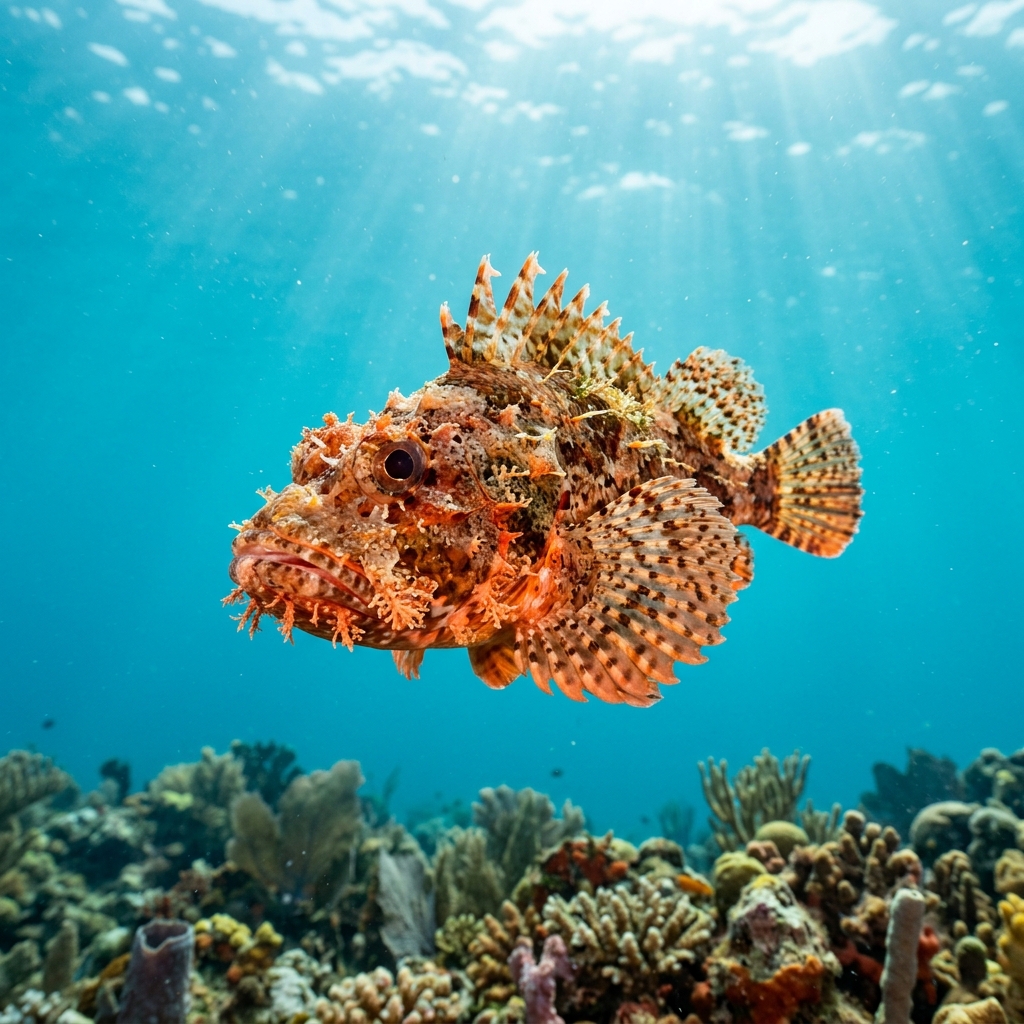
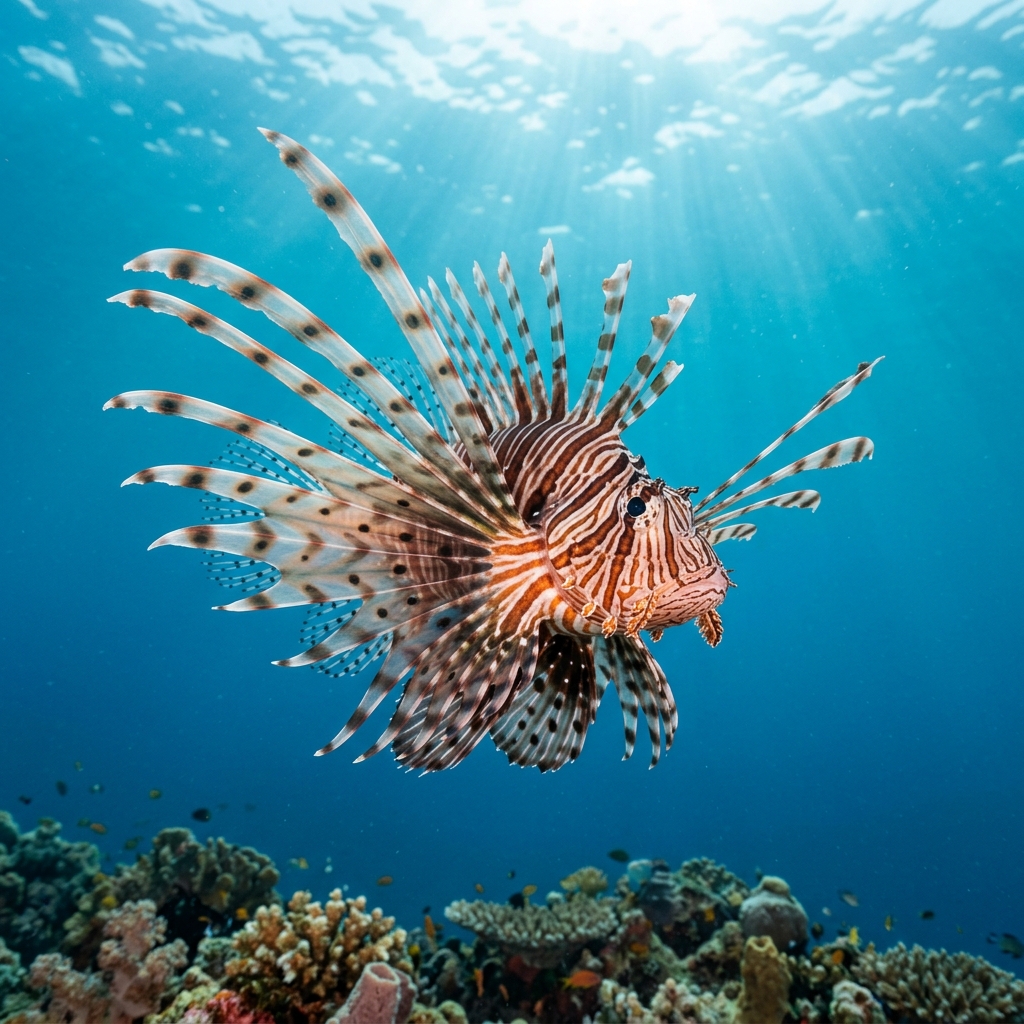
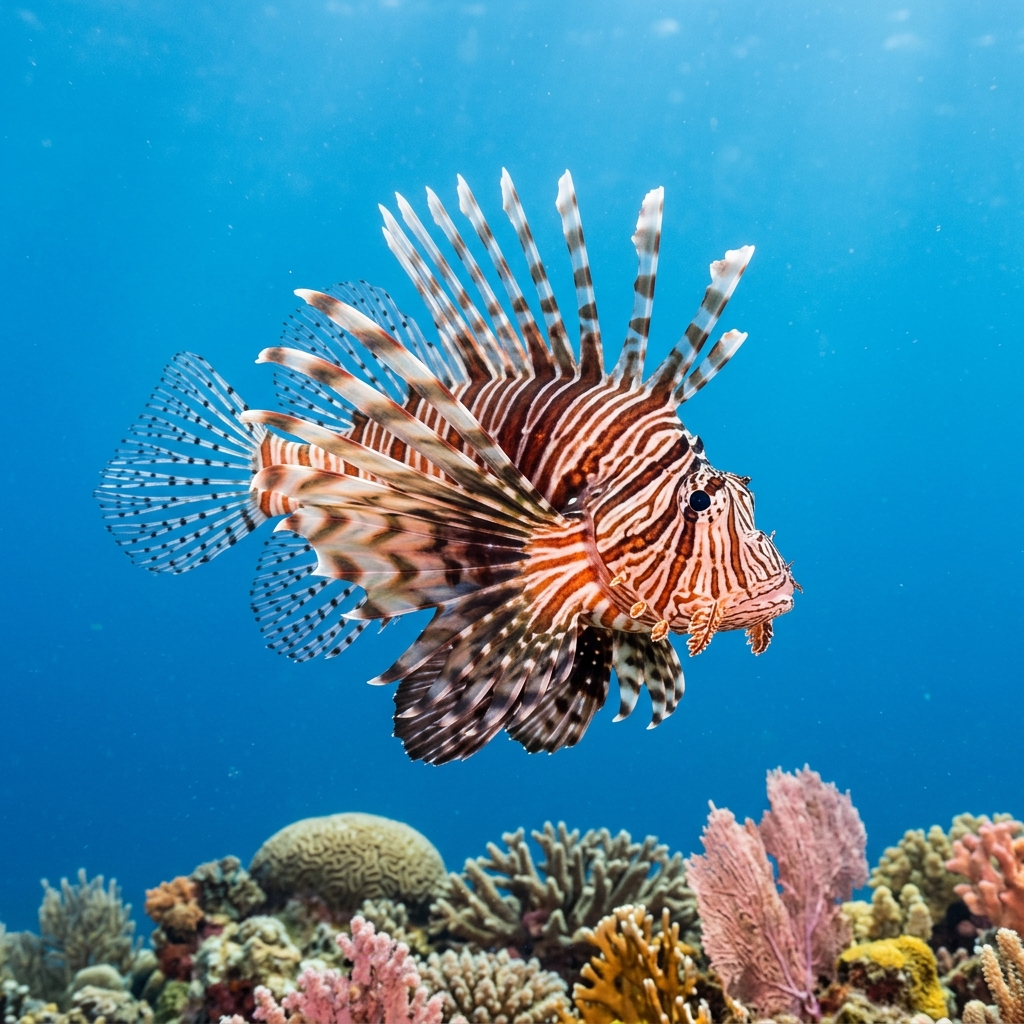
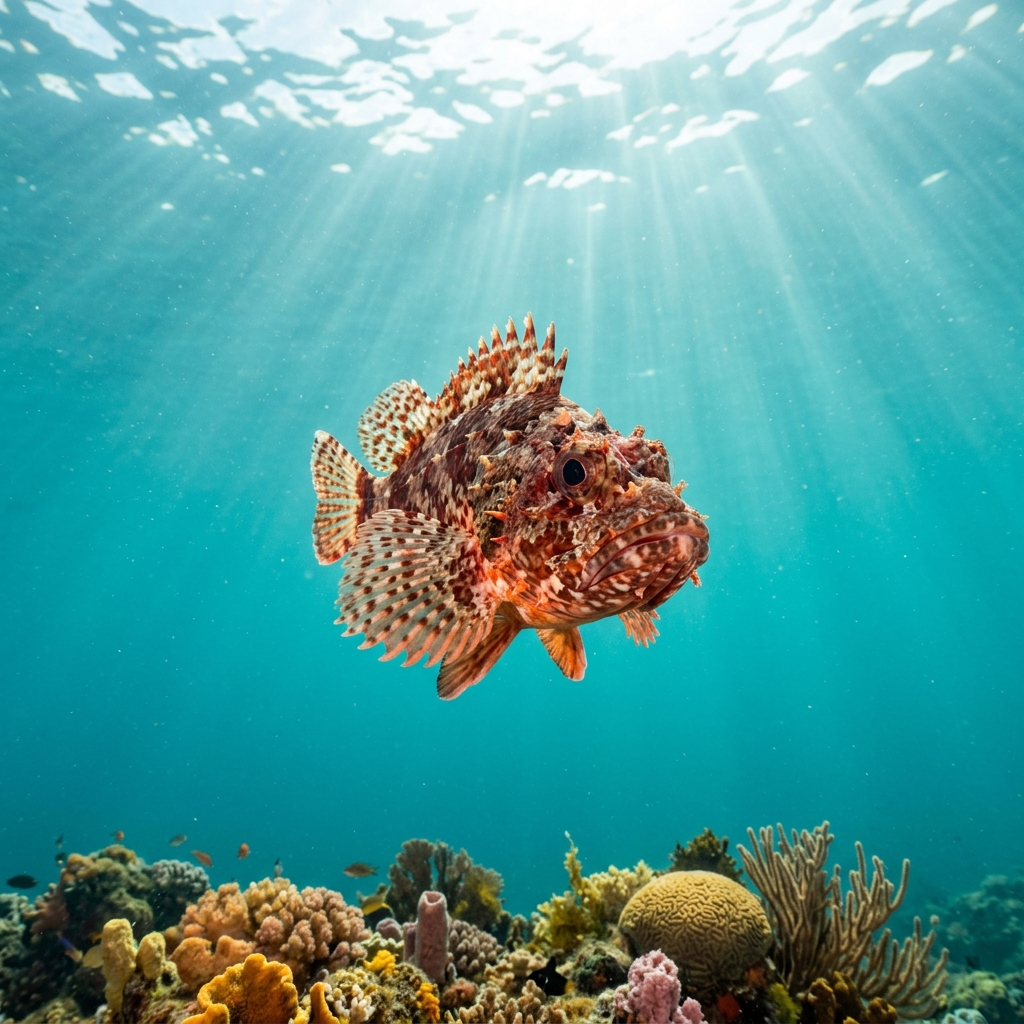
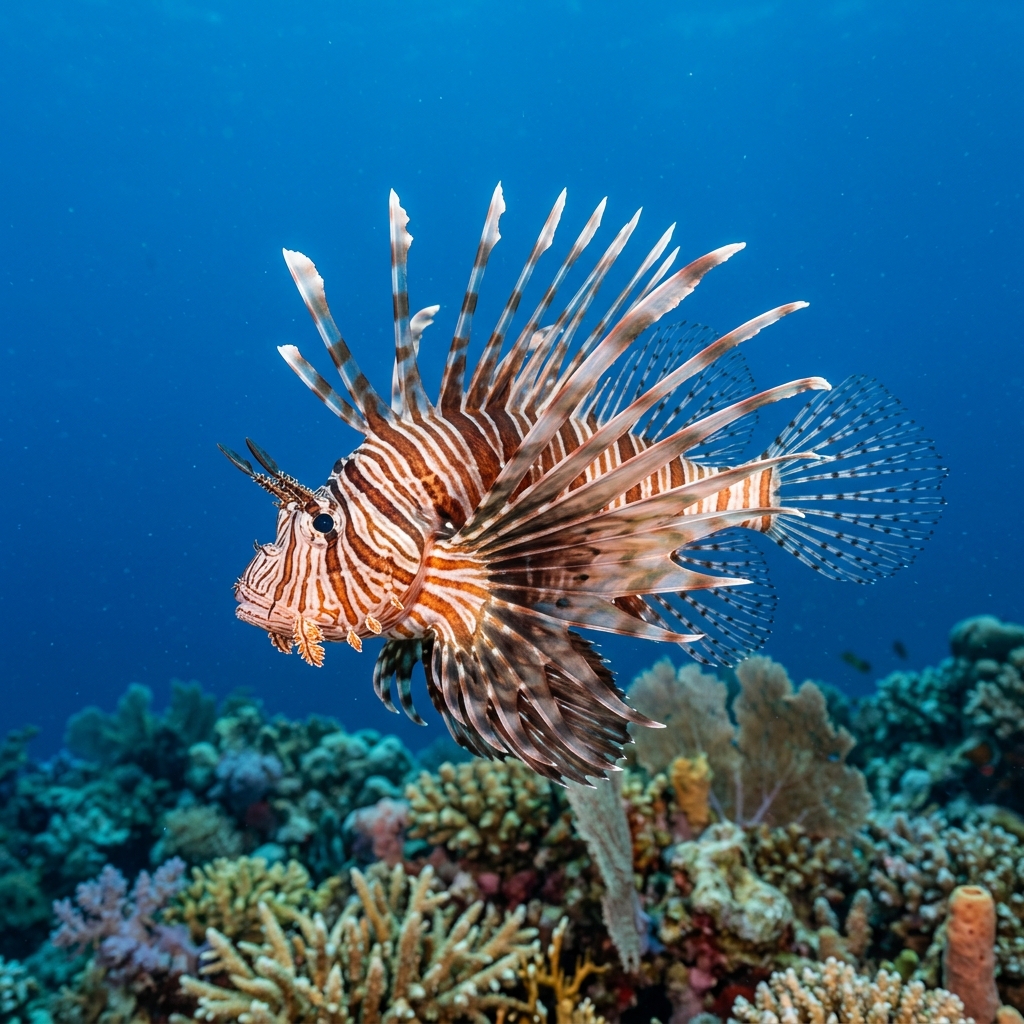
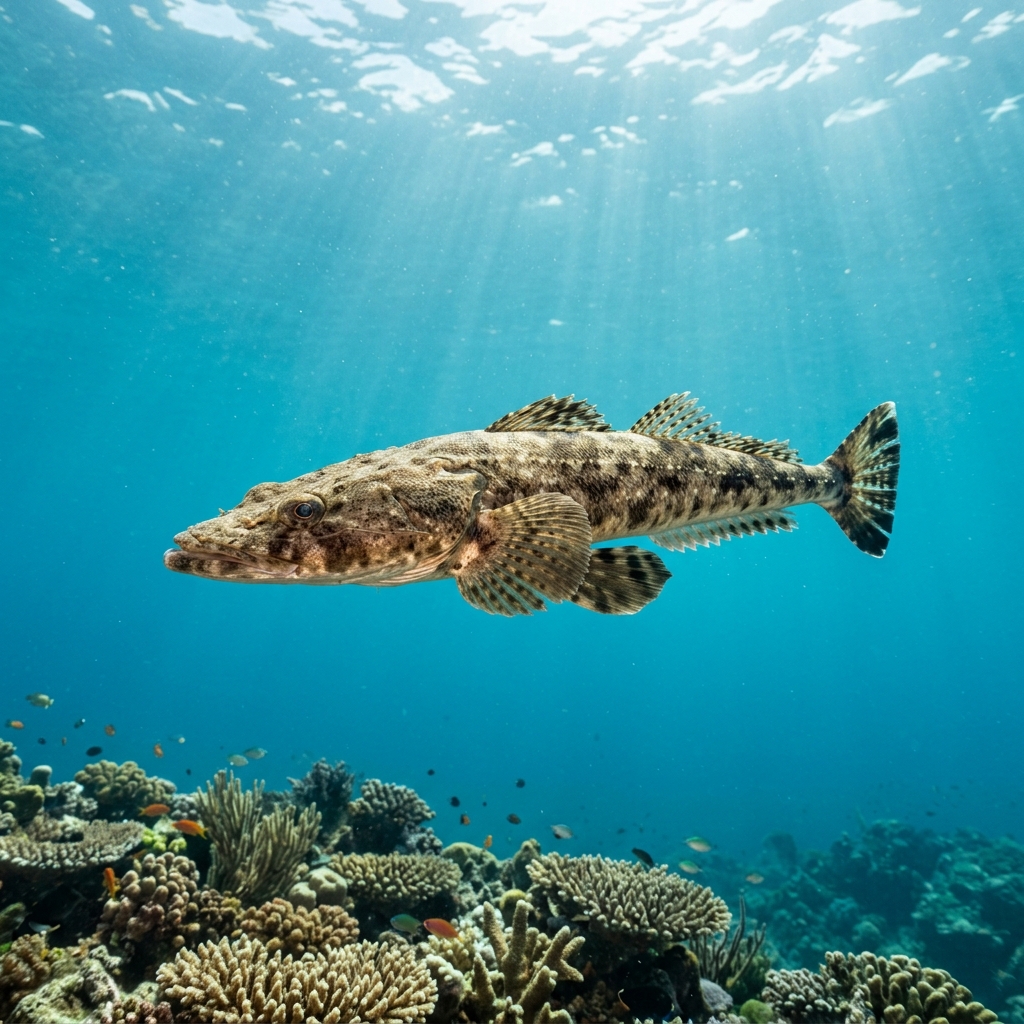
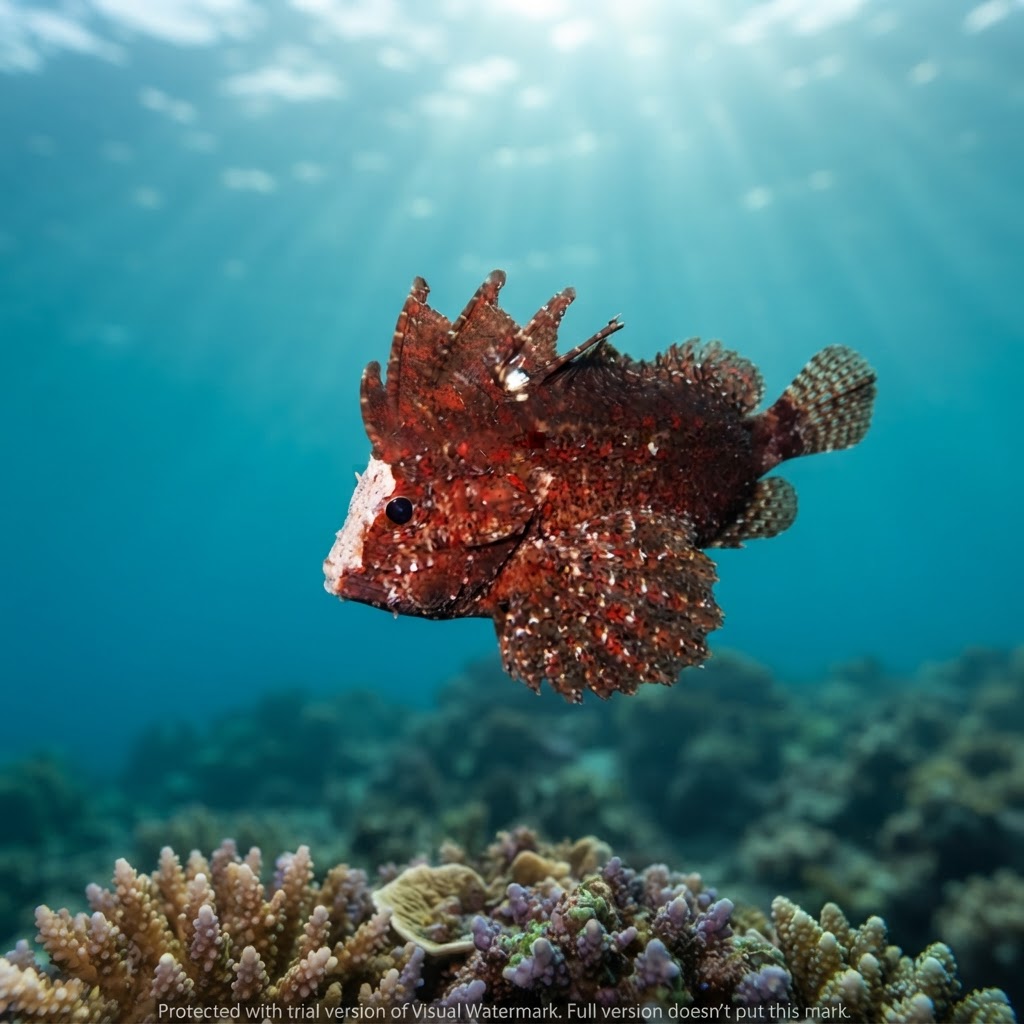
Small and squat, rarely more than 9 centimetres, with a mottled brown, grey or reddish body that breaks up its outline against silt and rubble. The head is oversized and blunt with fleshy flaps and ridges, and the dorsal fin carries a row of long, stiff spines that give the species its name. It usually sits propped on the bottom rather than swimming, so the giveaway is the shape and stillness rather than colour.
Spends most of its time parked motionless on sand, silt or rubble, relying on its camouflage rather than movement to go unnoticed. Divers usually find it during slow muck dives with a careful eye or a guide who already knows the spot, since it will not swim off or draw attention to itself. It tends to sit in the open rather than tucked under ledges, which helps once you know what shape to scan for.
Its dorsal spines are linked to venom glands, so the same stillness that makes it easy to overlook underwater is also its main defence against being stepped on or grabbed.
Recorded across the year with no clear seasonal pattern, and its 24.4 to 29.1C comfort range covers Maluku and Hong Kong conditions for most of the year, so there's no obvious best month to plan around.
Reef neighbours a diver could mistake it for. Use the identification notes above to tell them apart.
Most reliably logged on muck and rubble sites in Maluku, Indonesia, which accounts for the bulk of recorded sightings, with a second reliable population around Sai Kung in Hong Kong. A handful of records also come from Bali, so Indonesia overall is the stronger bet if you're specifically hunting this fish.
Mapping where Long-spined Waspfish is logged…
Best known from muck and rubble sites in Maluku, Indonesia, with a second reliable spot around Sai Kung in Hong Kong. A few sightings also come from Bali.
There's no strong season in the data. It's found year-round in water between roughly 24 and 29C, so any time you're diving Maluku or Sai Kung is worth a look.
Yes, its dorsal spines are venomous and can cause a painful sting if touched or knelt on. It won't chase or attack, so the main precaution is watching your hand and knee placement on silty bottoms.
Look for a small, squat fish around 9cm long, mottled brown or grey, sitting still on sand or rubble with a blunt, fleshy head and tall spiny dorsal fin. It won't be swimming when you spot it.
They're small, typically reaching about 9 centimetres, so they're easy to miss against sand or rubble unless you're looking closely.
Site and sighting data is aggregated from diver logs, iNaturalist and GBIF. For taxonomy and conservation status:
Madeira Rockfish
2,773 sites