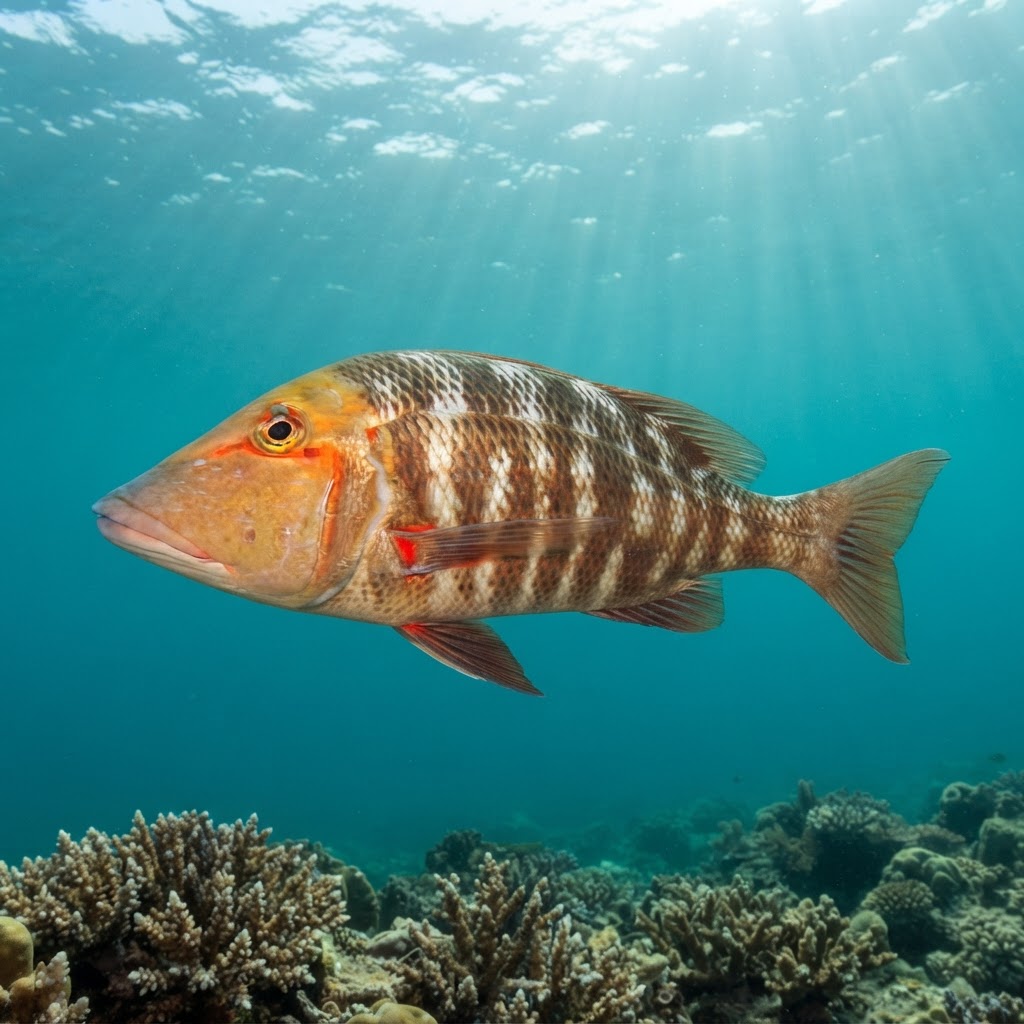
Lethrinus miniatus
Uncommon but steady on Queensland reef dives, this pink-grey emperor sits comfortably in 25 to 29 C water year-round.
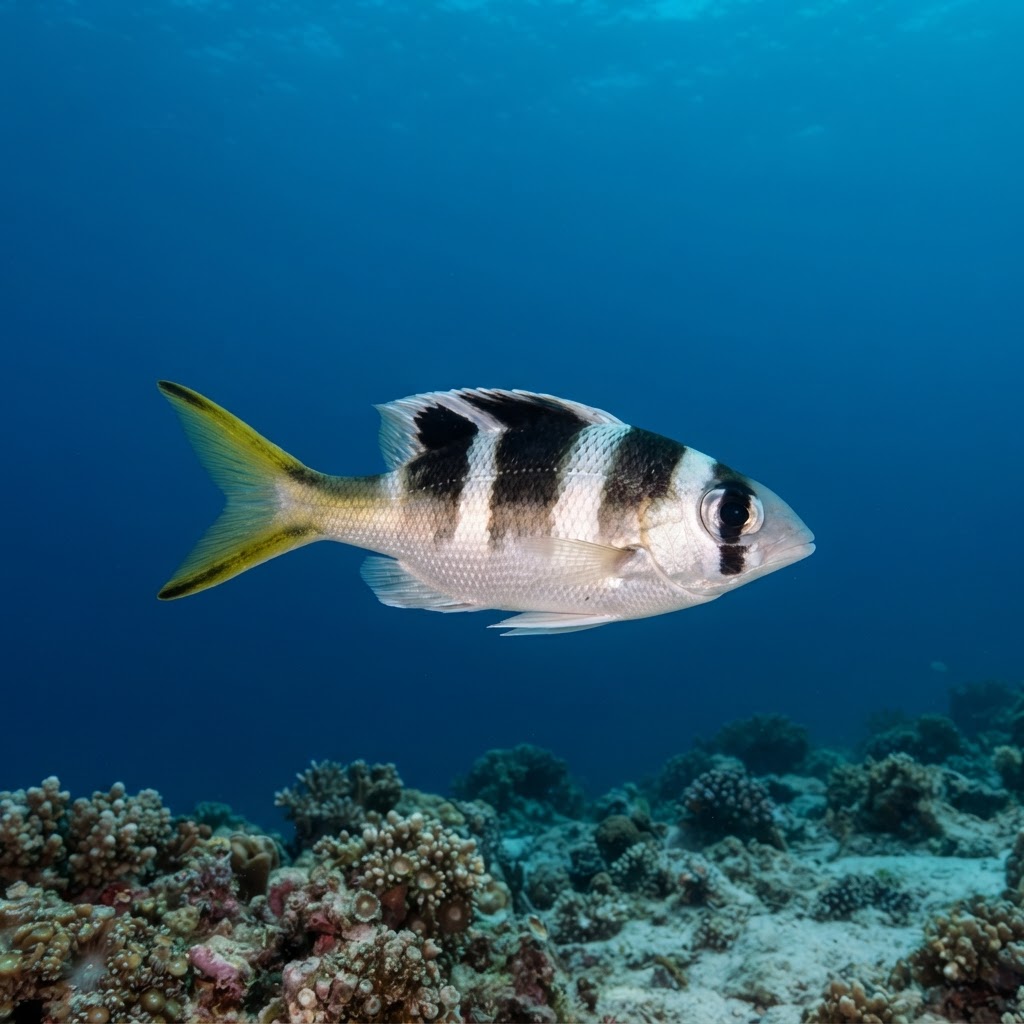
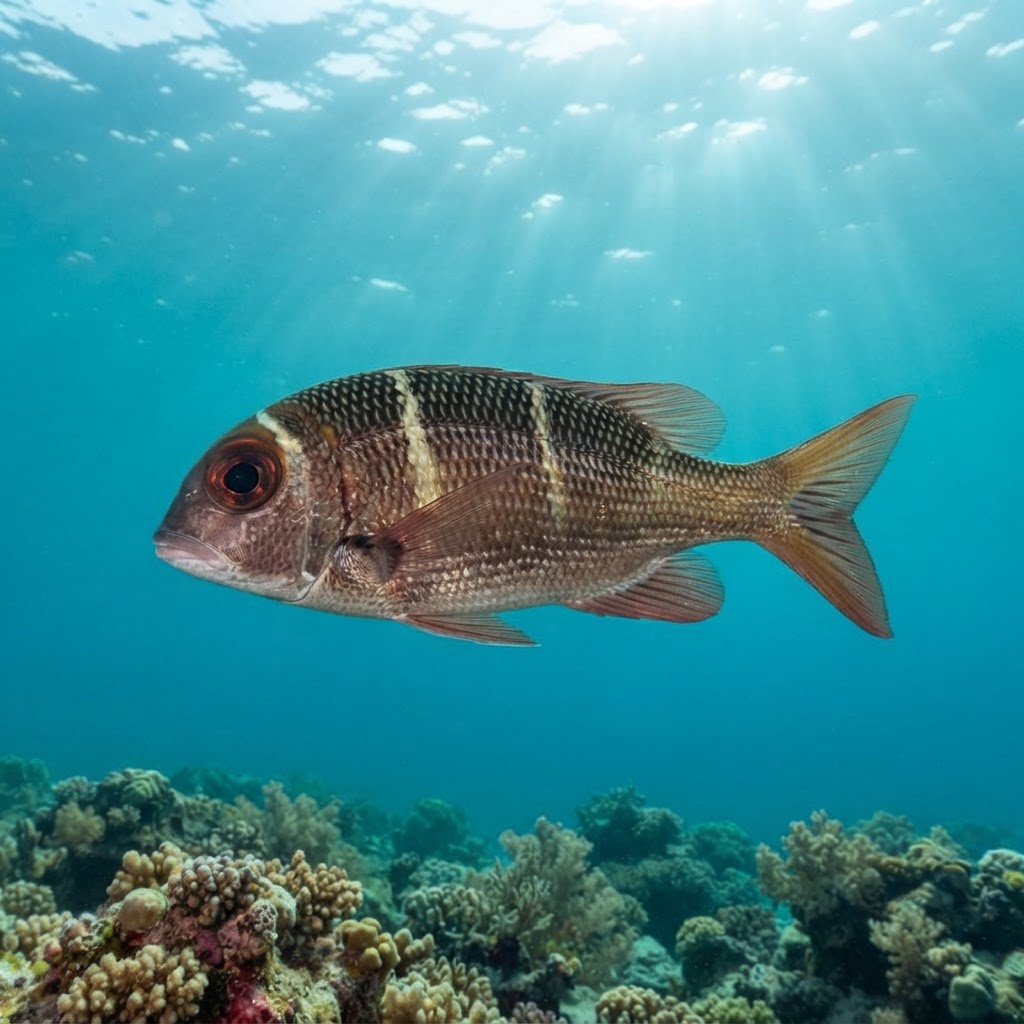
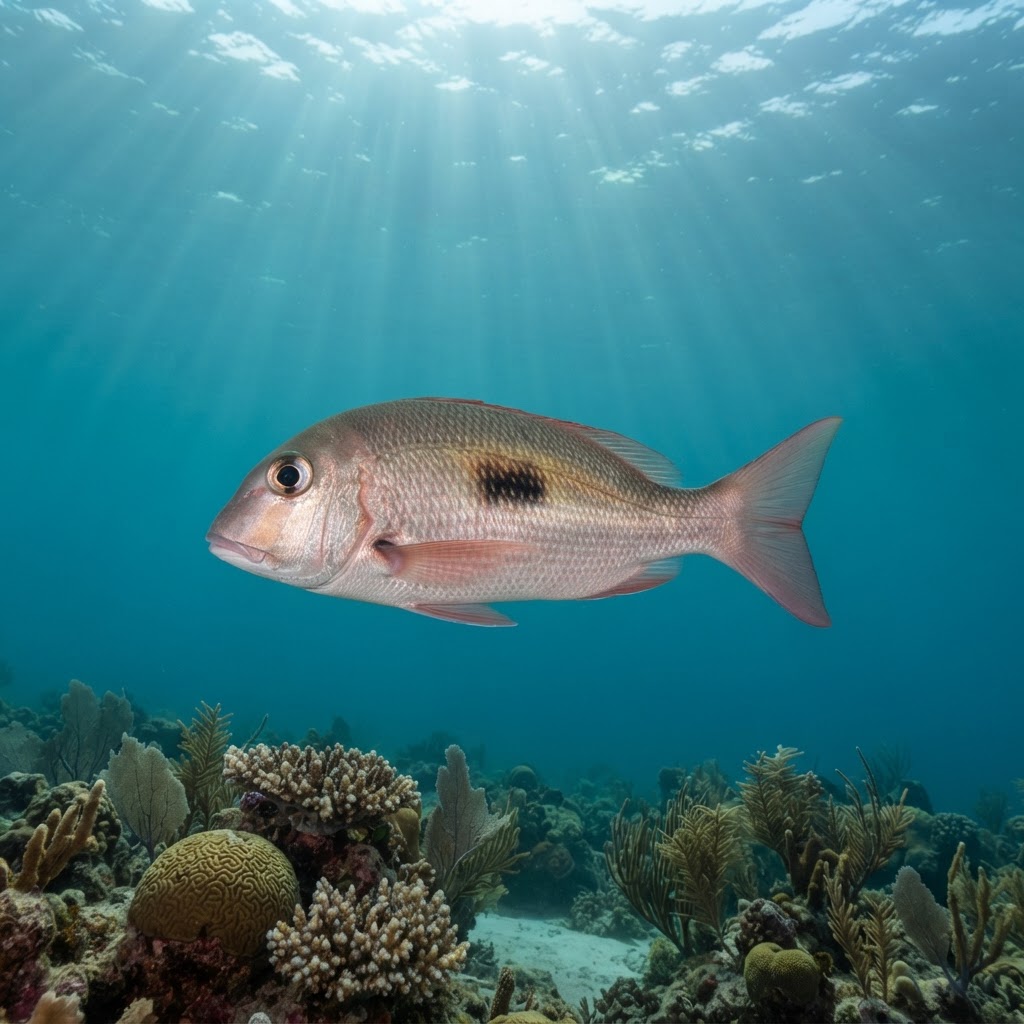
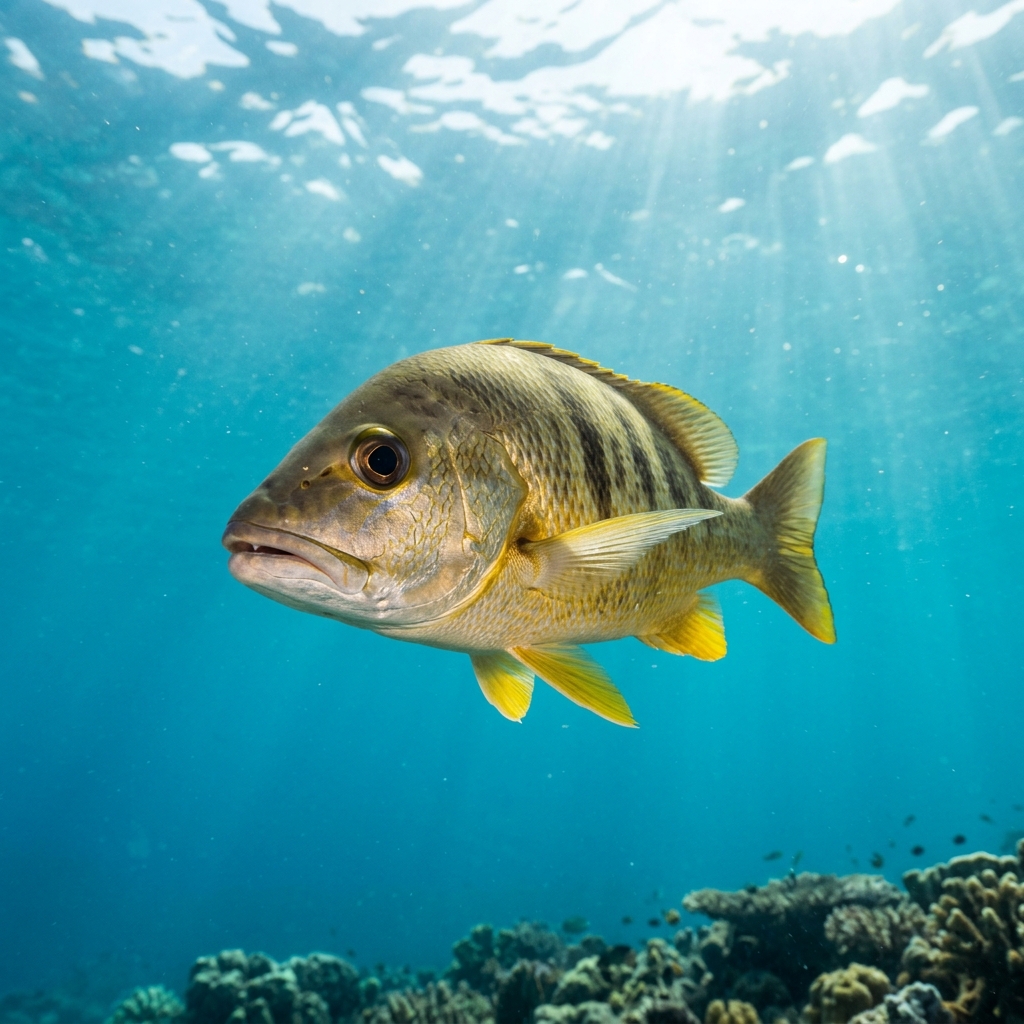
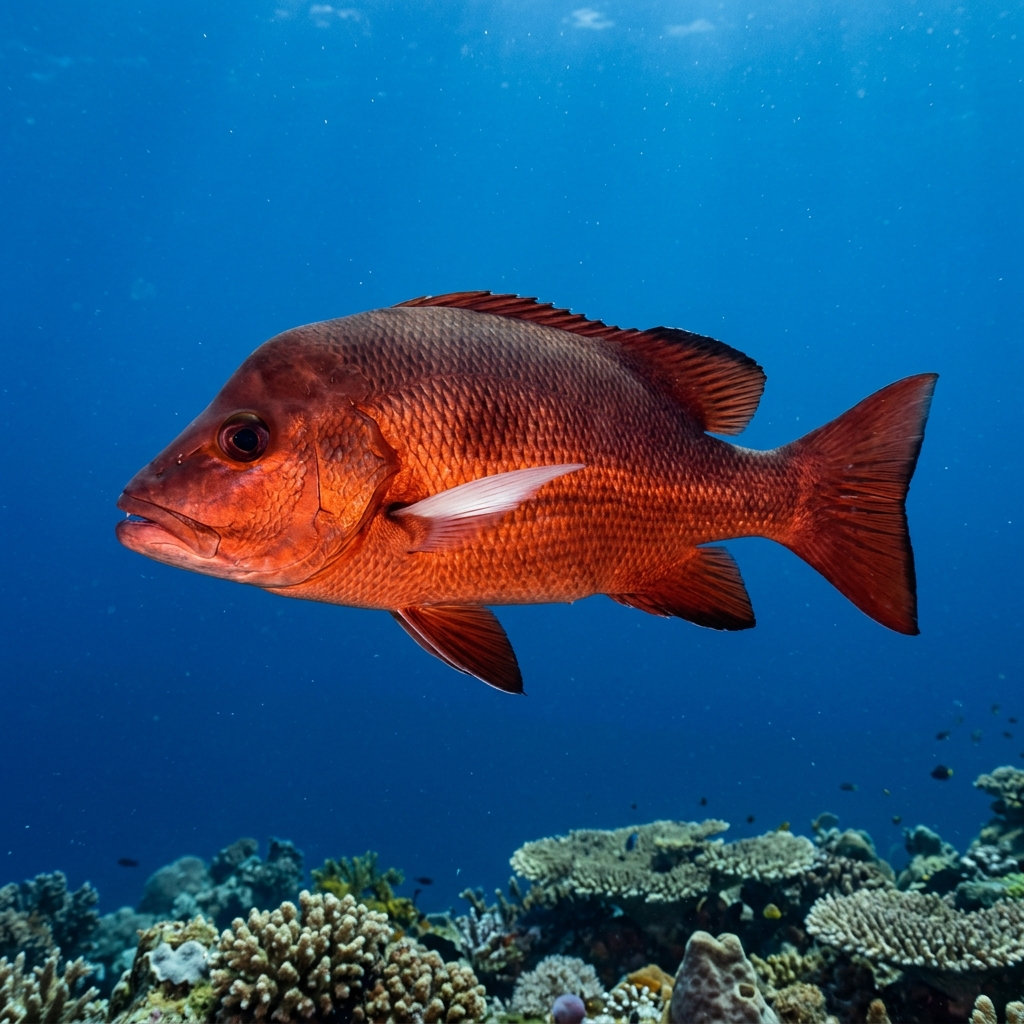
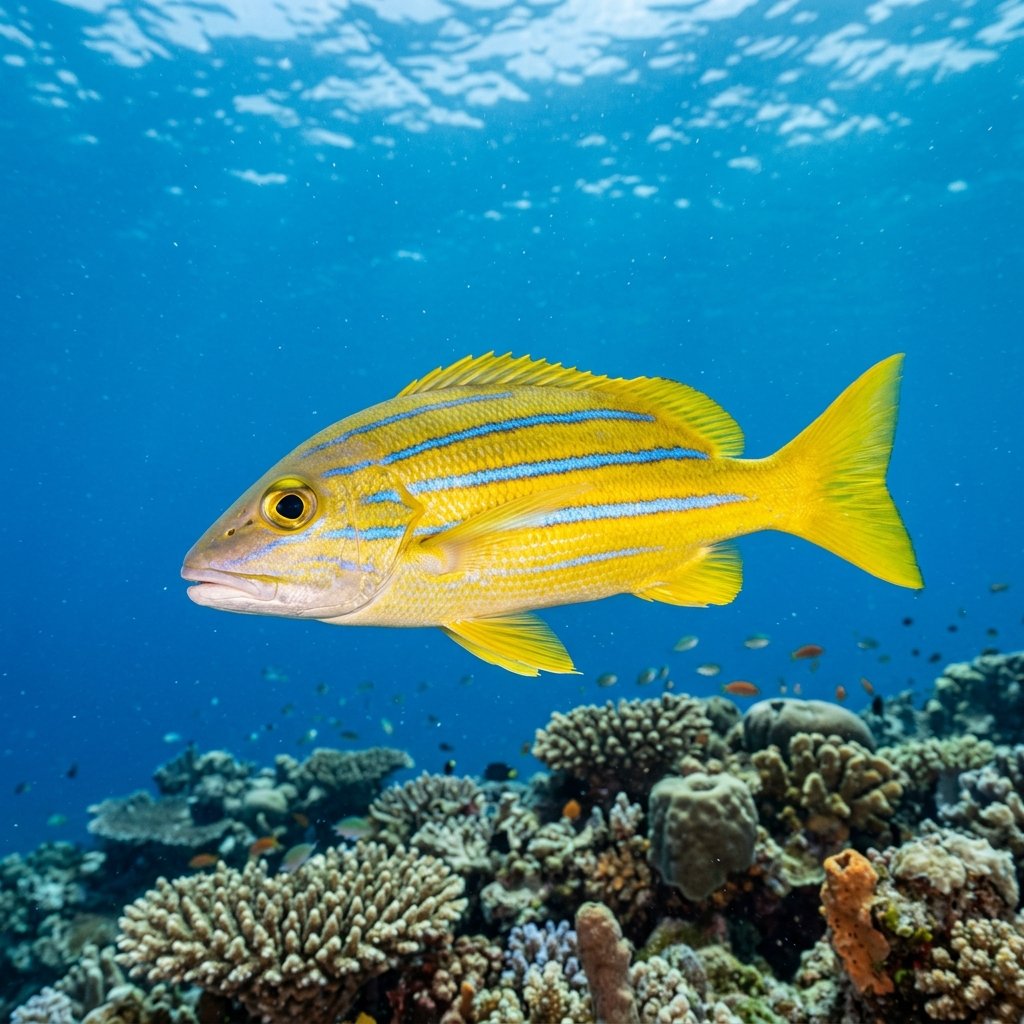
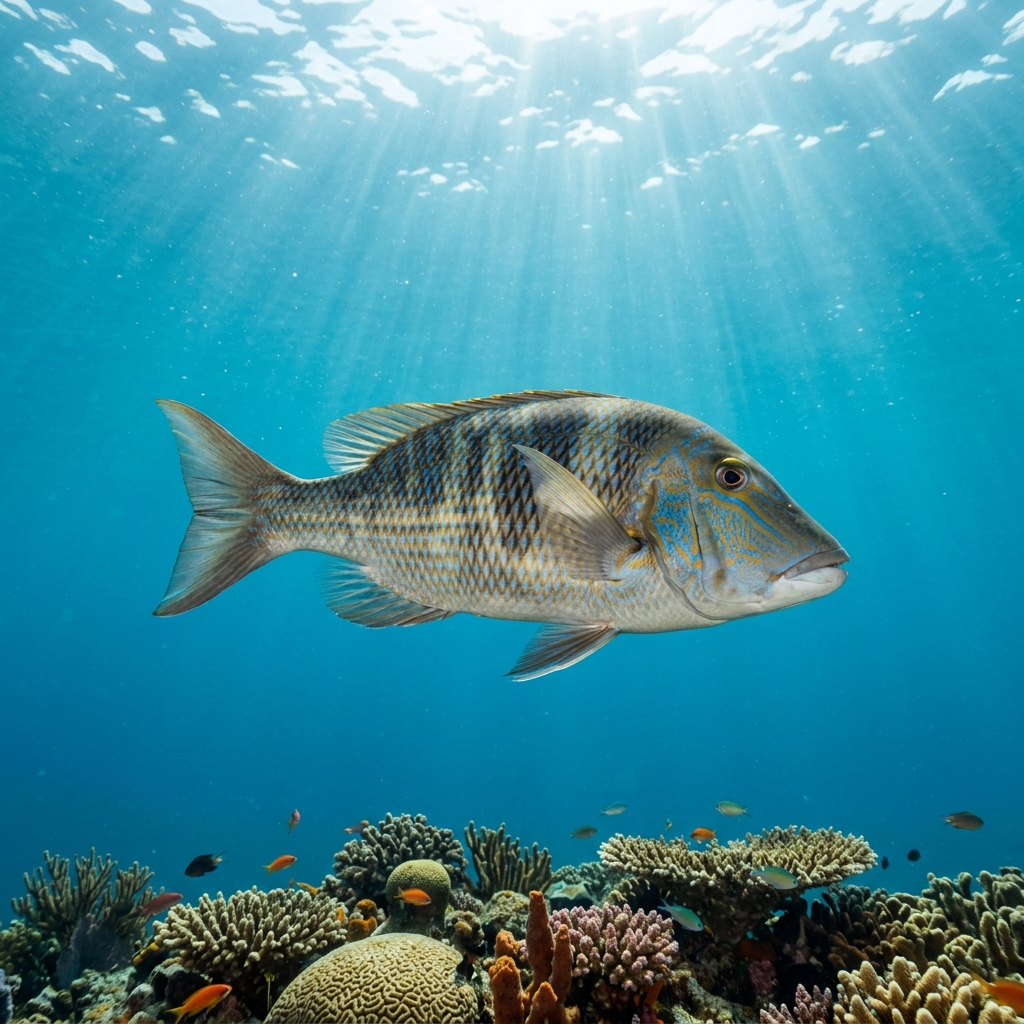
Grows to around 63 cm with a distinctly elongated, sloping snout that gives the whole head a pointed profile compared to other emperors. Body colour runs pinkish-grey to silvery, often with a faint reddish wash along the back, and the fins carry a light orange or pink tint. The long nose and steep forehead are the quickest visual cue when it's cruising past at mid-water or hovering near the reef edge.
Typically seen singly or in loose groups hovering just off the reef or over adjacent sand and rubble patches, often at a cautious distance from divers. It tends to keep moving rather than settle, cruising along reef edges where it forages, and doesn't show much interest in approaching or interacting with people in the water.
That long, downward-sloping snout is built for rooting through sand and rubble for hidden invertebrates, a feeding style shared across the emperor family but especially pronounced in this species.
No clear seasonal pattern shows up in the sightings, and with a comfortable range of 24.7 to 29.3 C, it's present on Queensland reefs throughout the year.
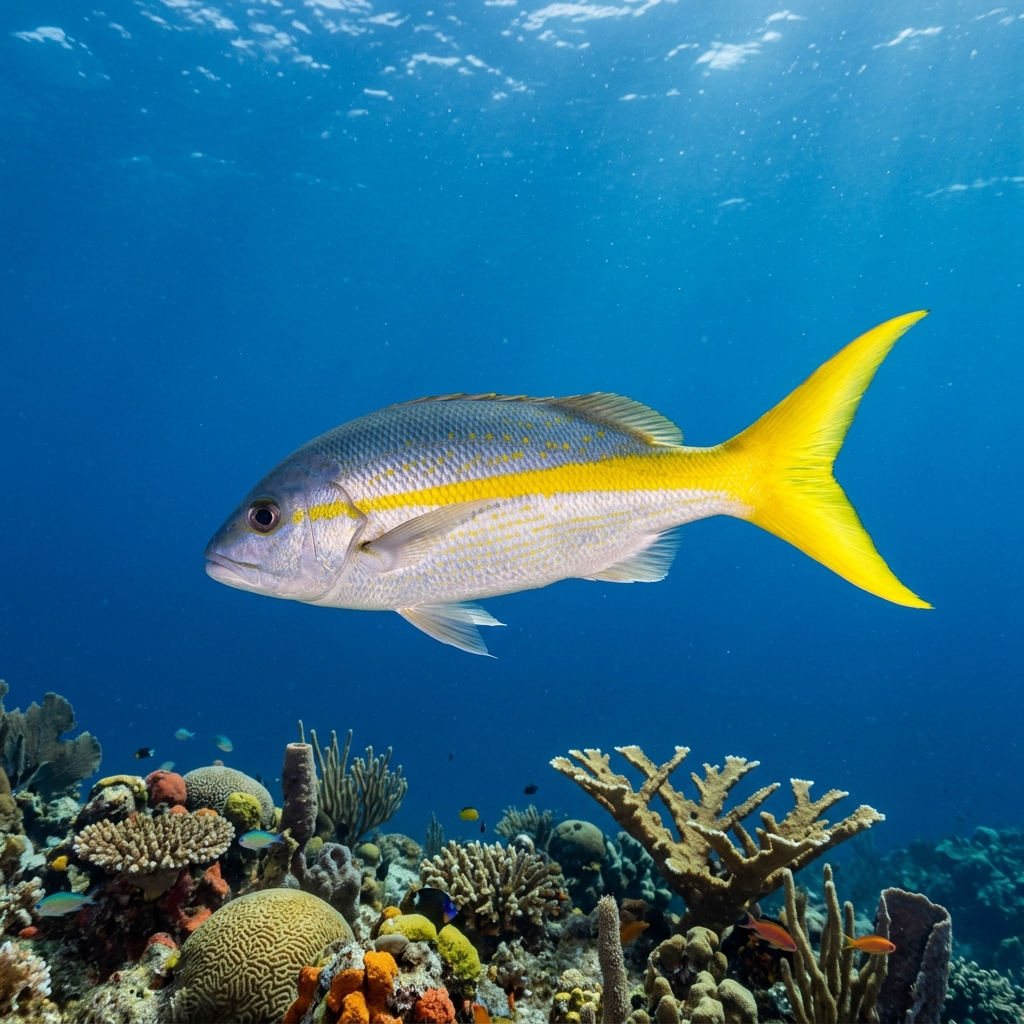
Reef neighbours a diver could mistake it for. Use the identification notes above to tell them apart.
Logged almost exclusively on Queensland reef sites in Australia, making the state the clear place to look for this fish. It shows up as a reliable if uncommon sighting across a broad spread of Queensland dive sites, with a handful of spots reporting it as common.
Mapping where Long-nose Emperor is logged…
Queensland, Australia is by far the strongest region for this species, with sightings spread across a wide range of reef dive sites there.
There's no strong seasonal signal in the sightings, and the species tolerates a wide temperature range of roughly 25 to 29 C, so it's seen year-round on Queensland reefs.
Look for a pinkish-grey to silvery fish around 60 cm with an unusually long, sloping snout and steep forehead compared to other emperors. The elongated nose is the single best feature to key on underwater.
They typically reach around 63 cm in length, making them a solid mid-sized reef fish rather than a small one you'd easily overlook.
No, they pose no threat to divers and simply go about foraging over sand and reef without any aggressive behaviour.
Site and sighting data is aggregated from diver logs, iNaturalist and GBIF. For taxonomy and conservation status:
Emperor
2,052 sites