Parascorpis typus
Uncommon reef fish logged almost entirely in the Western Cape, South Africa, in cool 12-22C water year-round.
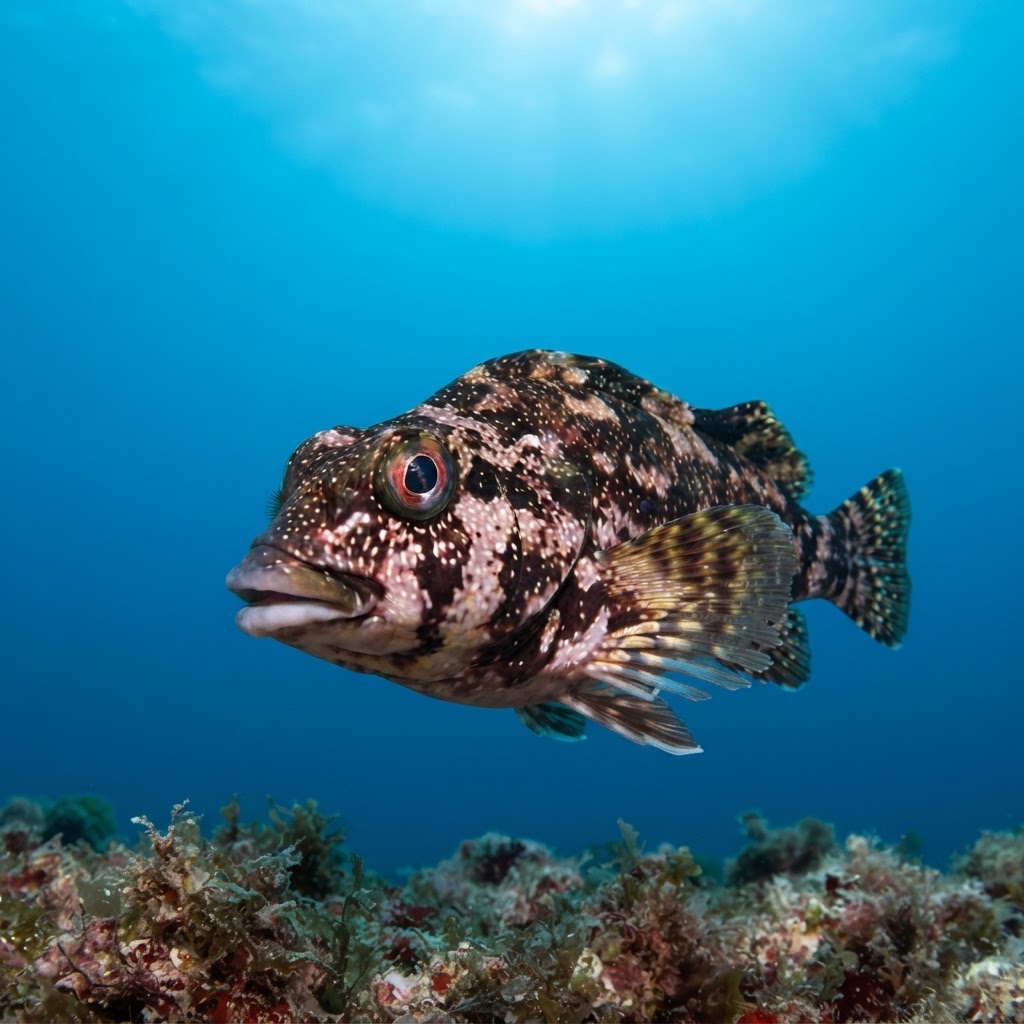
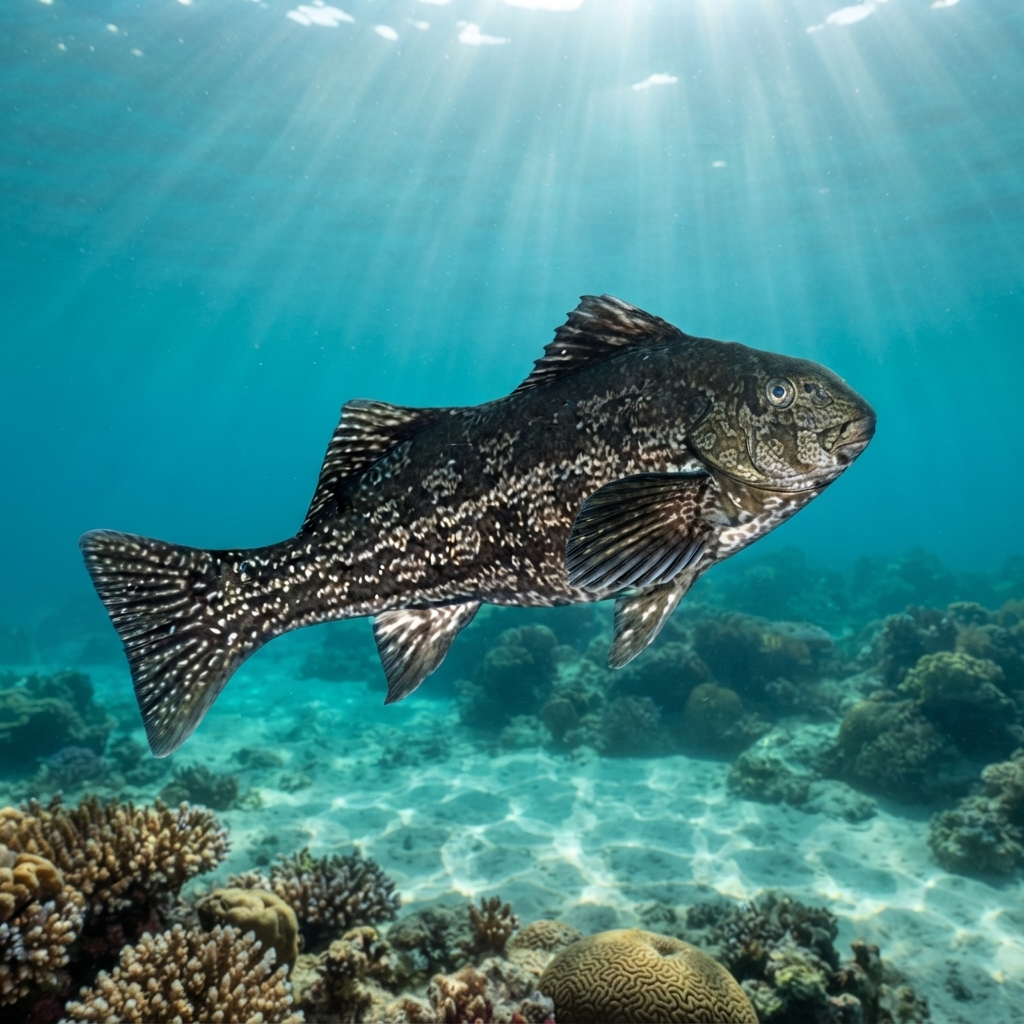
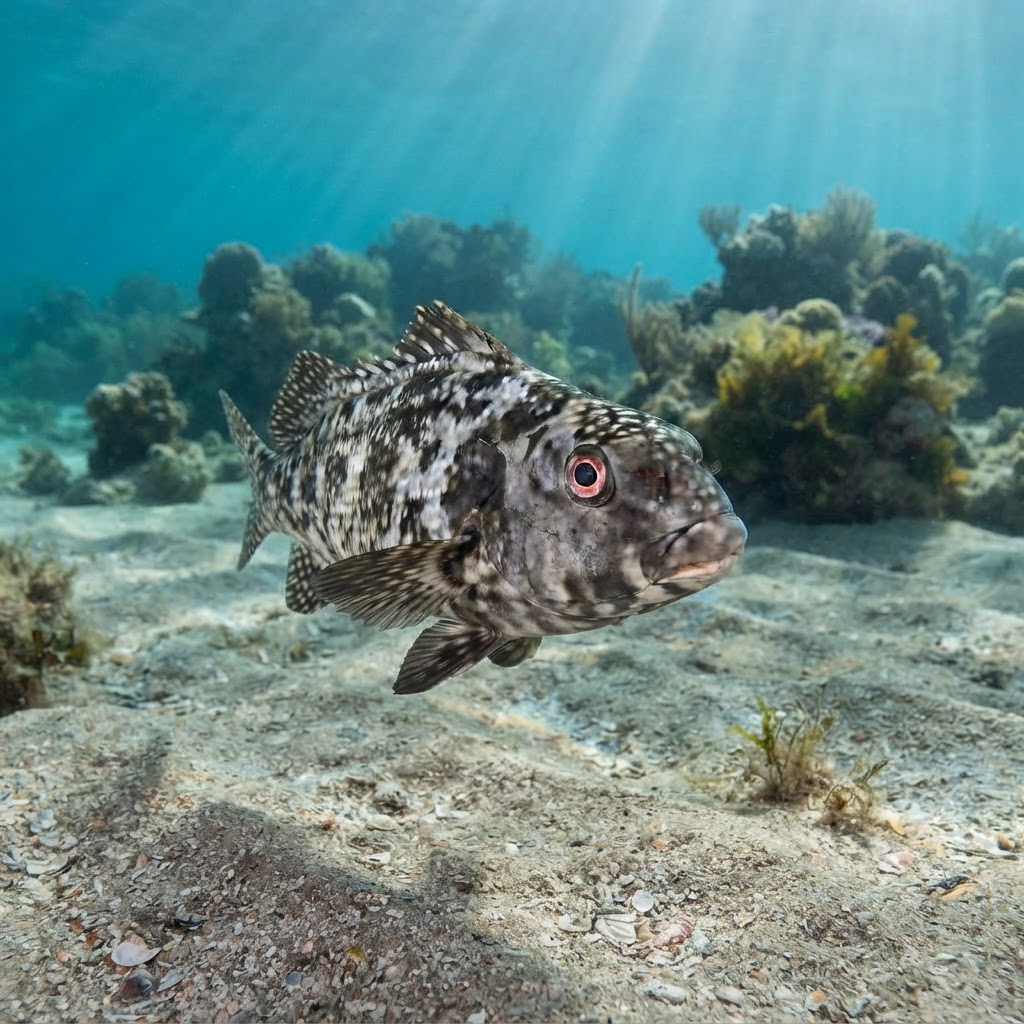
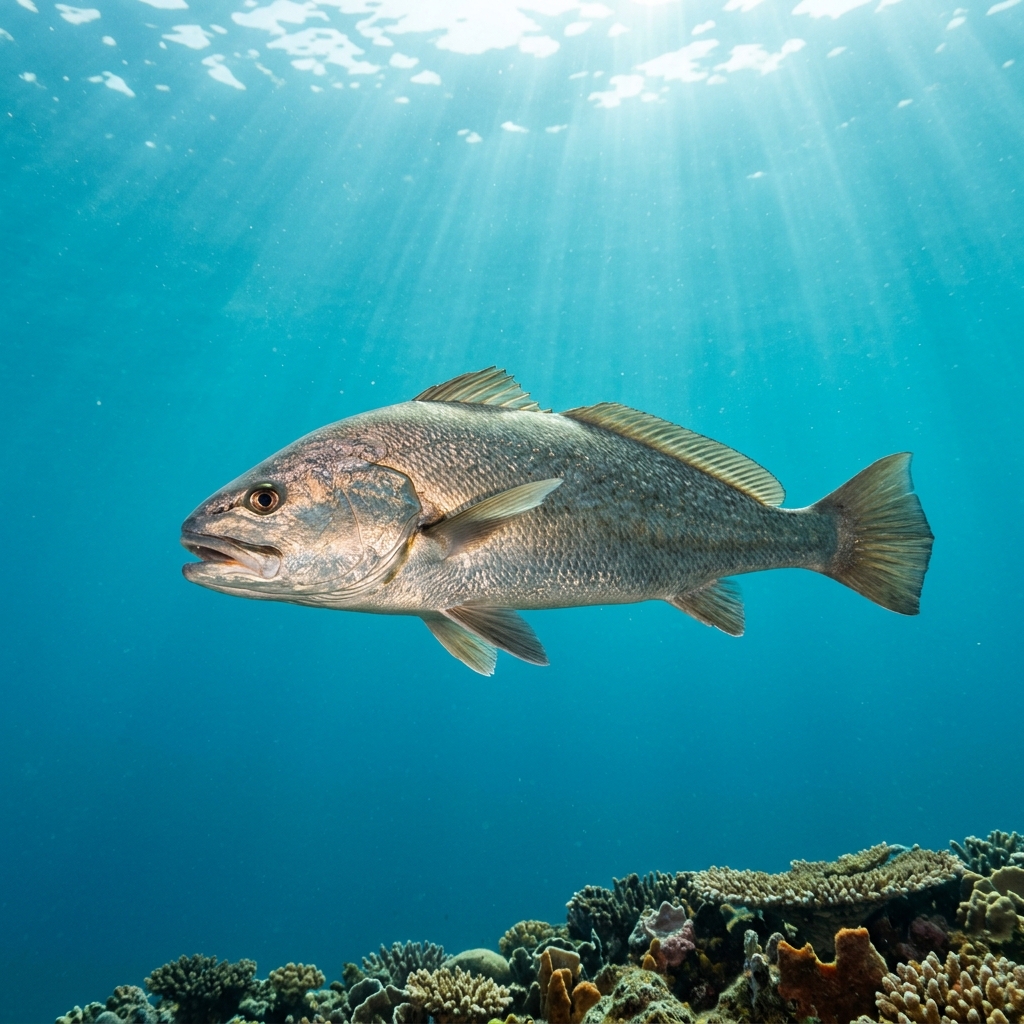
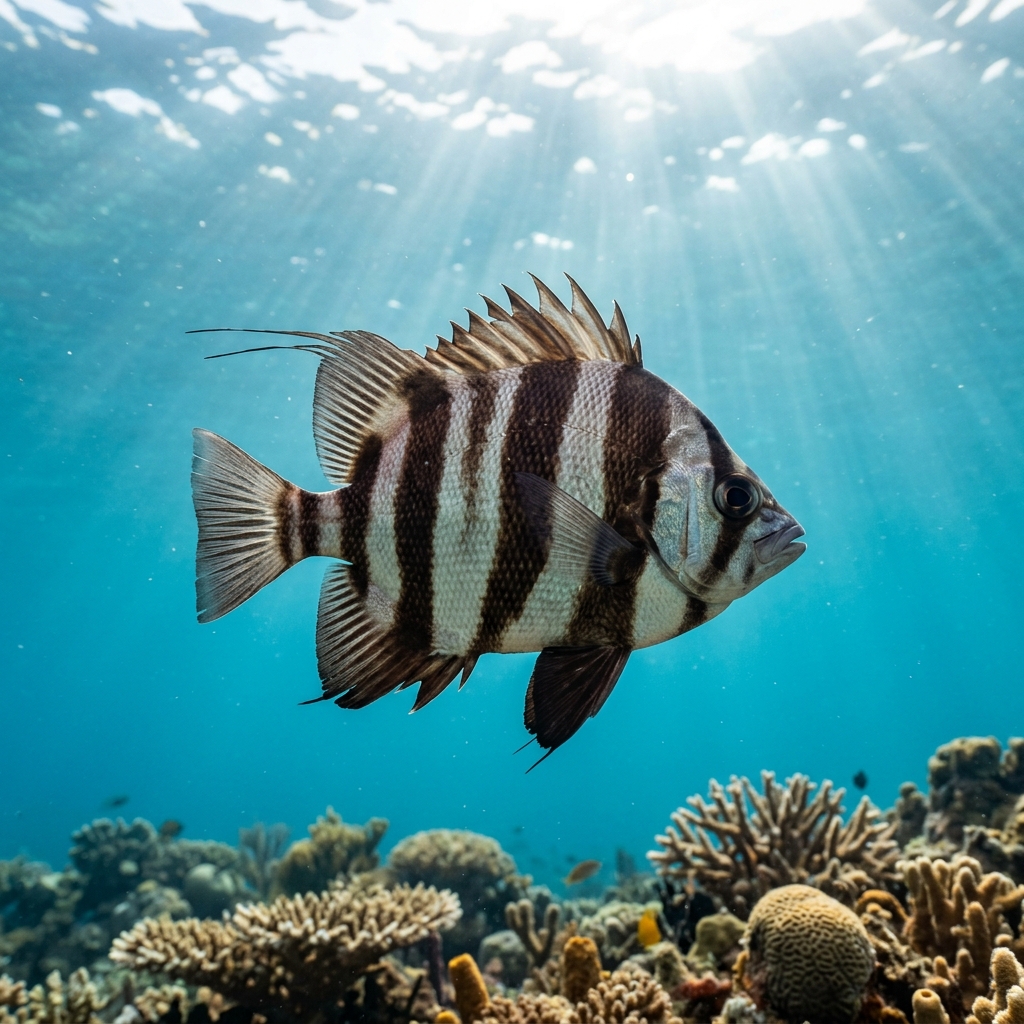
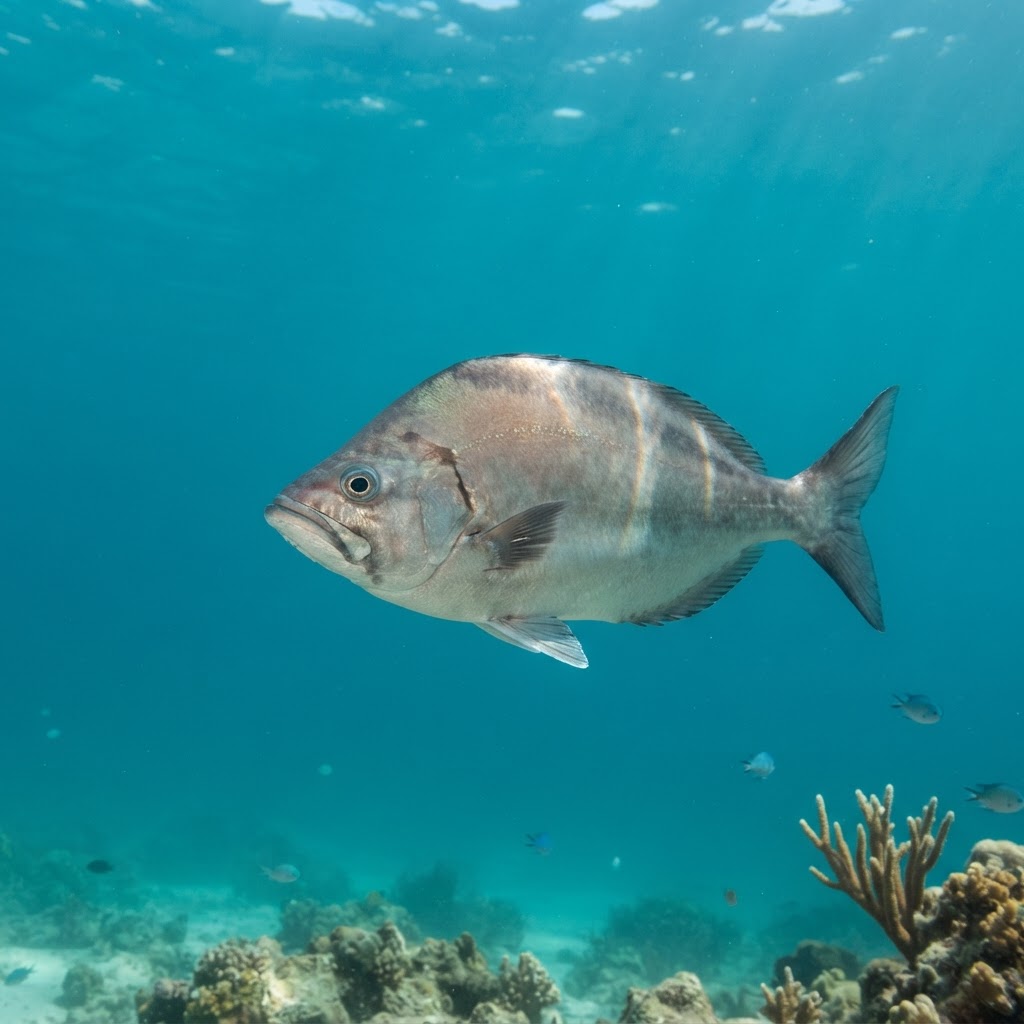
Chunky, deep-bodied fish reaching around 42cm, with a noticeably heavy lower jaw that gives it its name. Colouring runs brownish to olive-grey, blending into rocky reef backgrounds rather than standing out. Divers typically pick it out by body shape and jaw profile rather than pattern, since it lacks bold stripes or spots.
Divers most often find it holding close to rocky reef structure rather than swimming in open water, consistent with a fish that relies on its bulky, camouflaged body to sit tight against the substrate. Sightings logged as uncommon or rare at most sites suggest it is not shy so much as simply not abundant, so patient reef scanning around ledges and crevices pays off. It does not appear to react strongly to divers, behaving more like a resident lurker than an active swimmer.
Its common name comes directly from that oversized, protruding lower jaw, a feature that is often the fastest way to confirm identification underwater when colour alone will not do it.
Sightings show no detectable seasonal pattern, and with a water-temperature niche spanning 12.2 to 22.0C it seems to tolerate the Western Cape's cooler months as readily as its warmer ones, so it is worth looking for year-round.
Reef neighbours a diver could mistake it for. Use the identification notes above to tell them apart.
Every logged sighting of jutjaw comes from South Africa, and within the country the Western Cape is the region to look, with reef and rocky-shore sites there accounting for all recorded dives. It is not reported elsewhere in the current data, so treat the Western Cape as the place to plan a trip specifically for this species.
Mapping where Jutjaw is logged…
Almost all logged sightings are from South Africa's Western Cape, where it turns up on rocky reef sites. It has not been recorded as a reliable sighting anywhere else in current diver data.
There is no clear seasonal pattern in sightings, and it is found across a wide temperature range of 12.2 to 22.0C, so Western Cape divers can look for it in any month.
Look for a stocky, brownish-grey fish around 40cm long with a distinctly heavy, protruding lower jaw. It lacks bright markings, so body shape and that jaw profile are the key clues.
They typically reach around 42cm in length, making them a solidly built, medium-sized reef fish rather than a small one.
Site and sighting data is aggregated from diver logs, iNaturalist and GBIF. For taxonomy and conservation status:
Meagre
1,159 sites