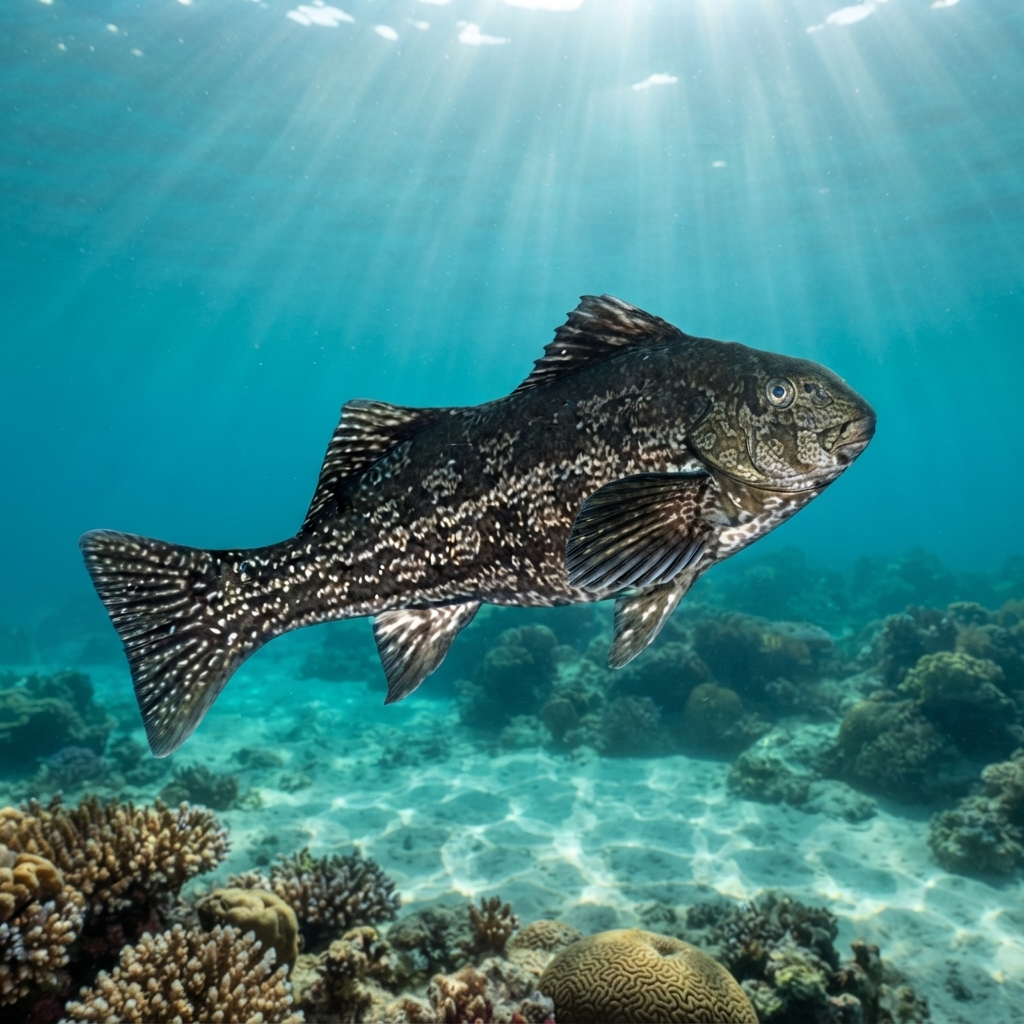
Aplodactylus arctidens
Marblefish turn up as an uncommon sighting across North Island, New Zealand and Victoria, Australia in cool 13 to 18 C water, year-round.
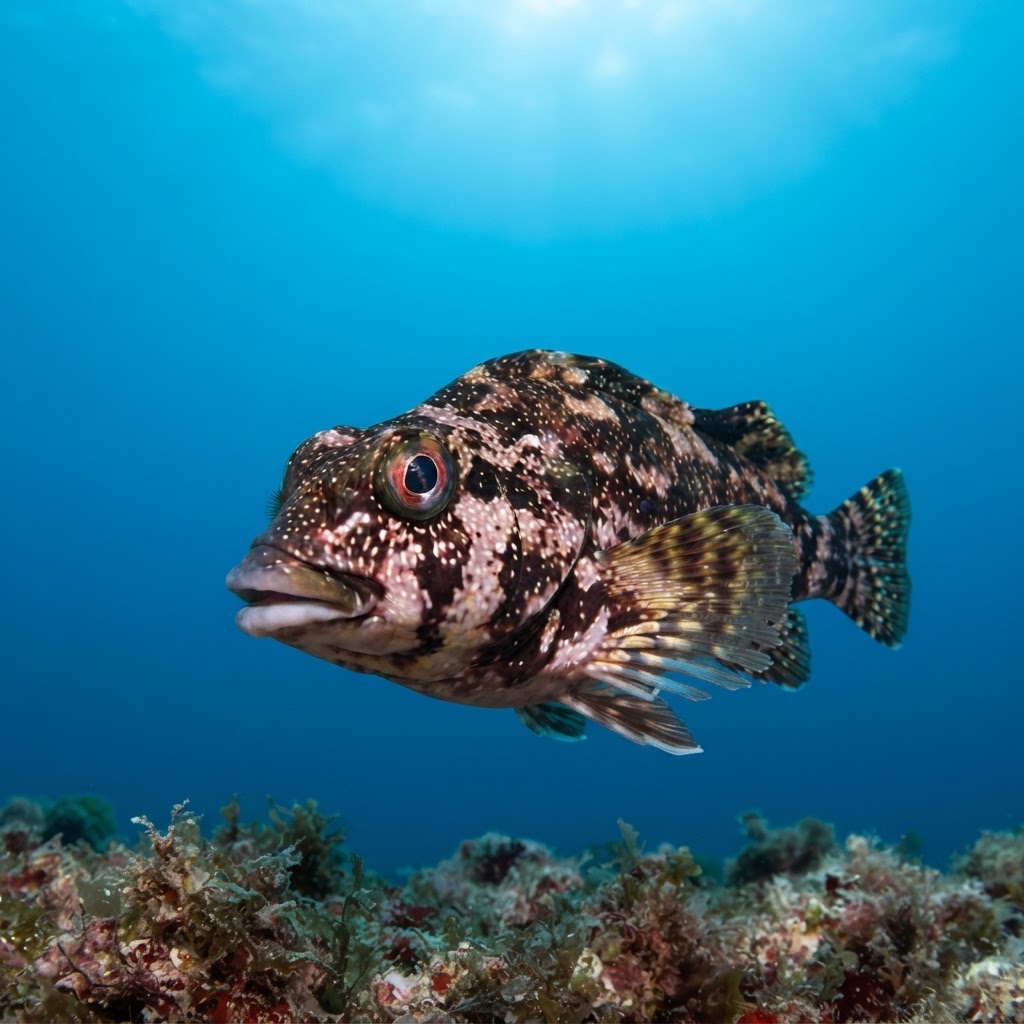
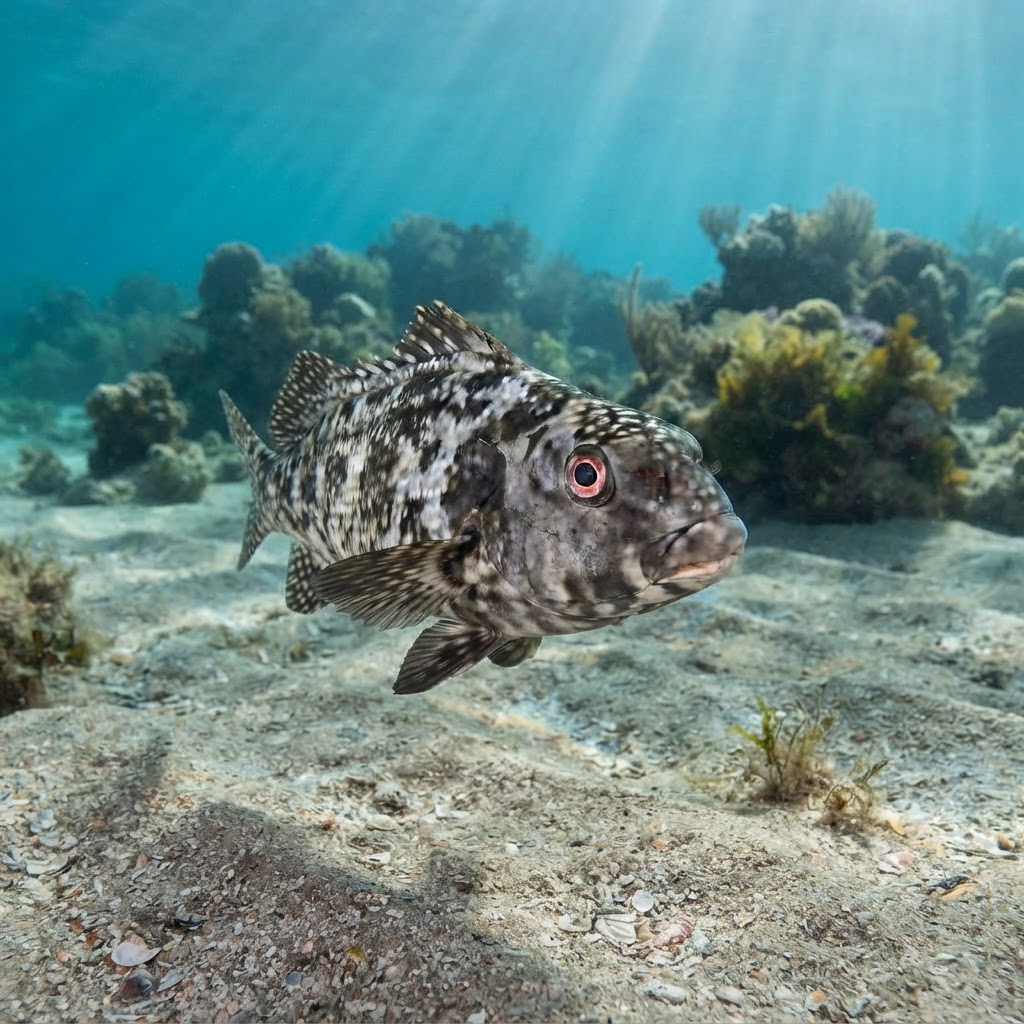
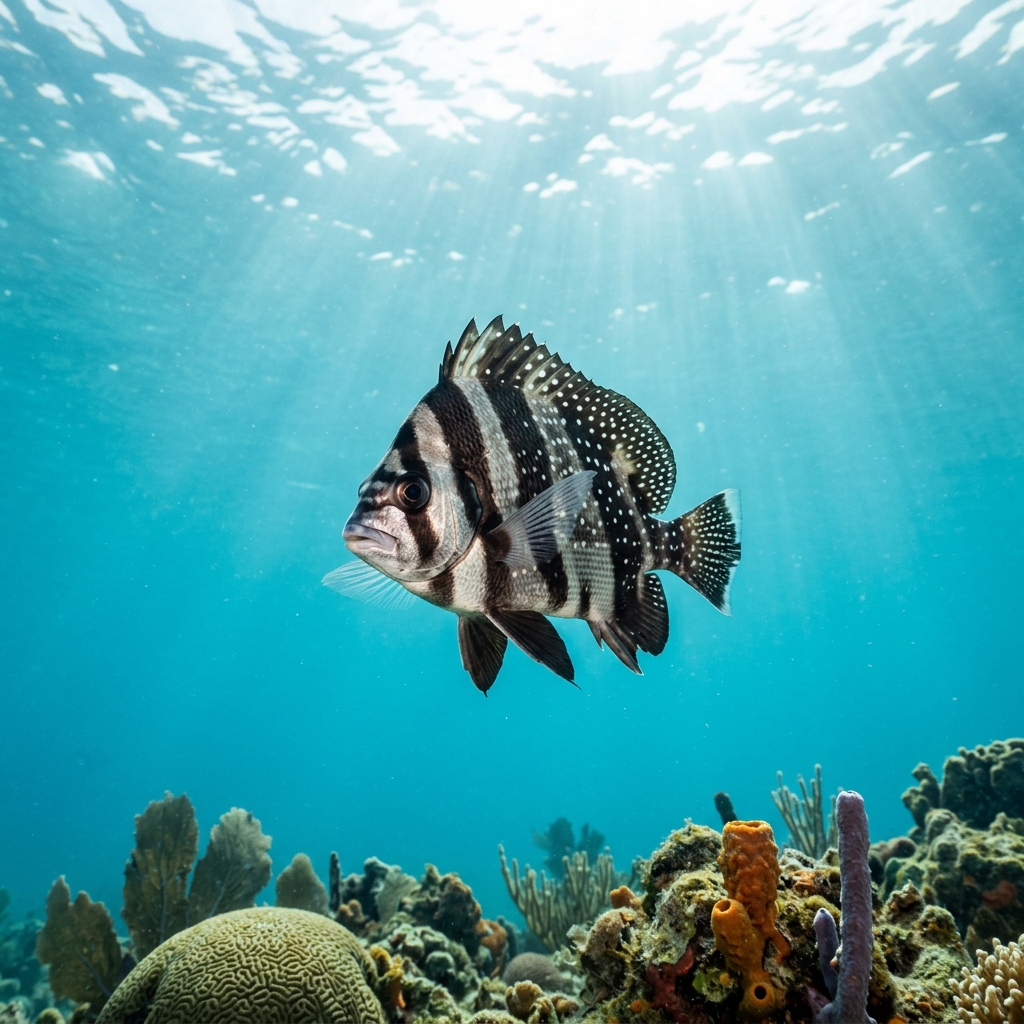
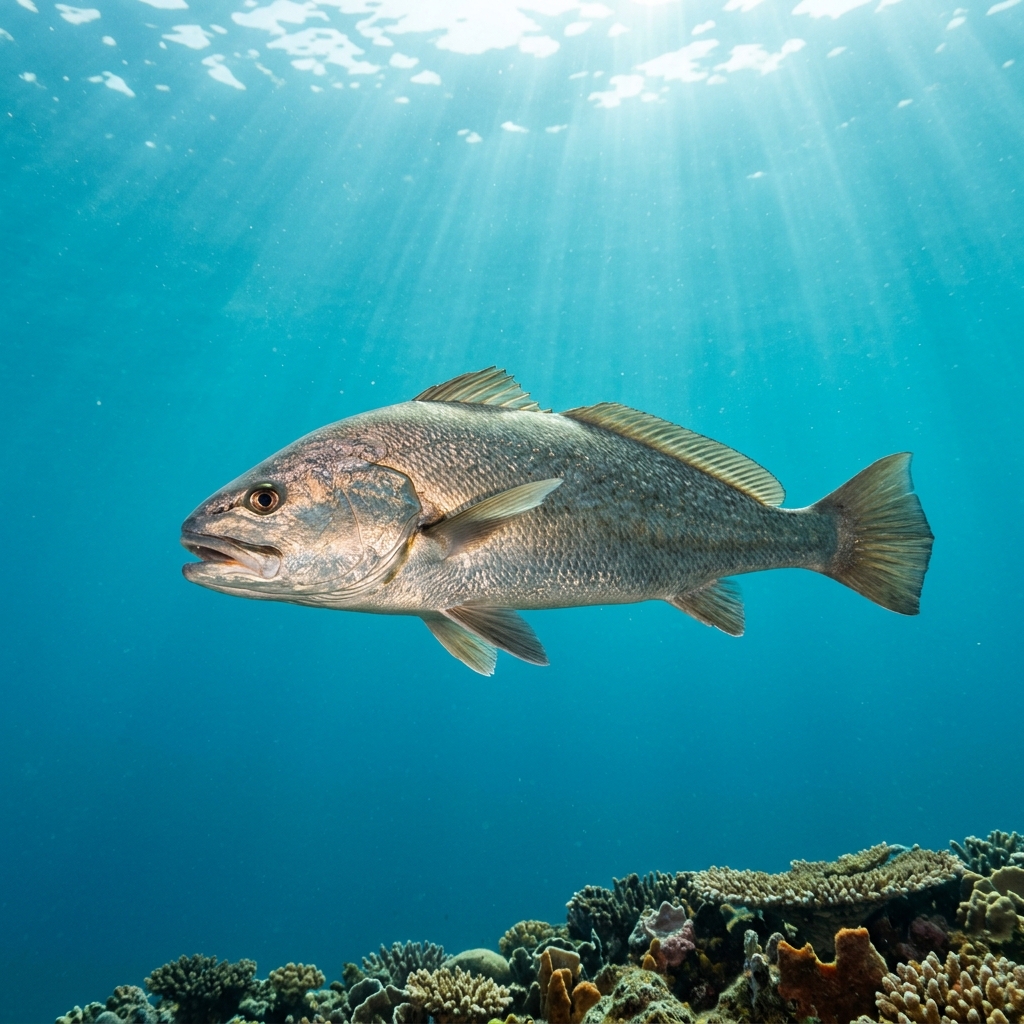
Bulky, deep-bodied fish reaching around 46cm, with a mottled grey to olive-brown pattern that gives it a stone-like, marbled look against reef rock. It has a blunt head, thick lips built for grazing algae, and a heavy-set body rather than a sleek, fast-swimming shape. Look for it hanging low over rocky reef rather than in open water.
Divers typically find it low down on rocky reef, grazing steadily over algae-covered rock rather than schooling or chasing prey. It tends to hold its ground or move off slowly rather than bolt, and most logs describe single fish rather than groups, matching its uncommon-to-rare sighting pattern at most sites.
It belongs to a small family of algae-grazing fish restricted to cool southern-hemisphere reefs, so seeing one at all is a marker that you are diving proper temperate rocky reef rather than a warm-water system.
No clear seasonal pattern shows up in sightings, and with a water-temperature niche of 13.4 to 17.9 C it is suited to cool temperate reefs year-round, so any month is worth a look.
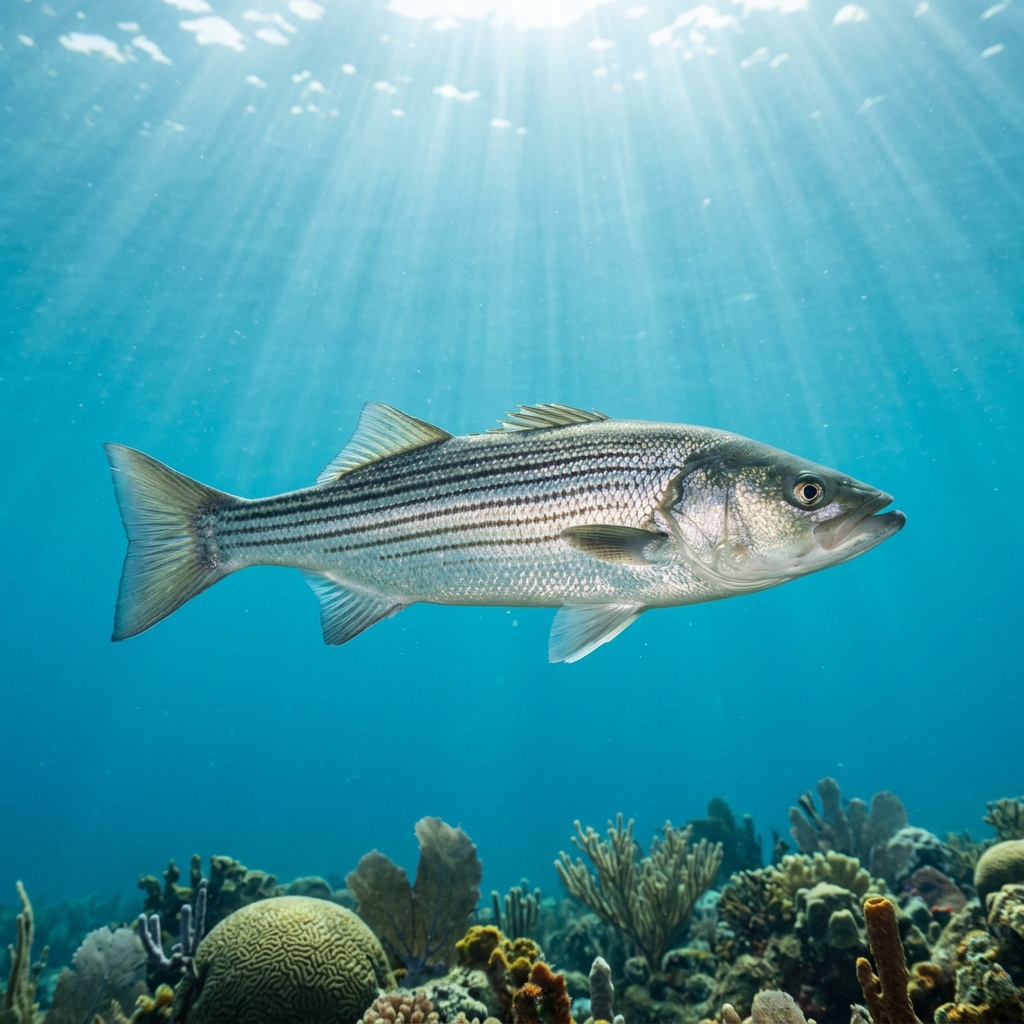
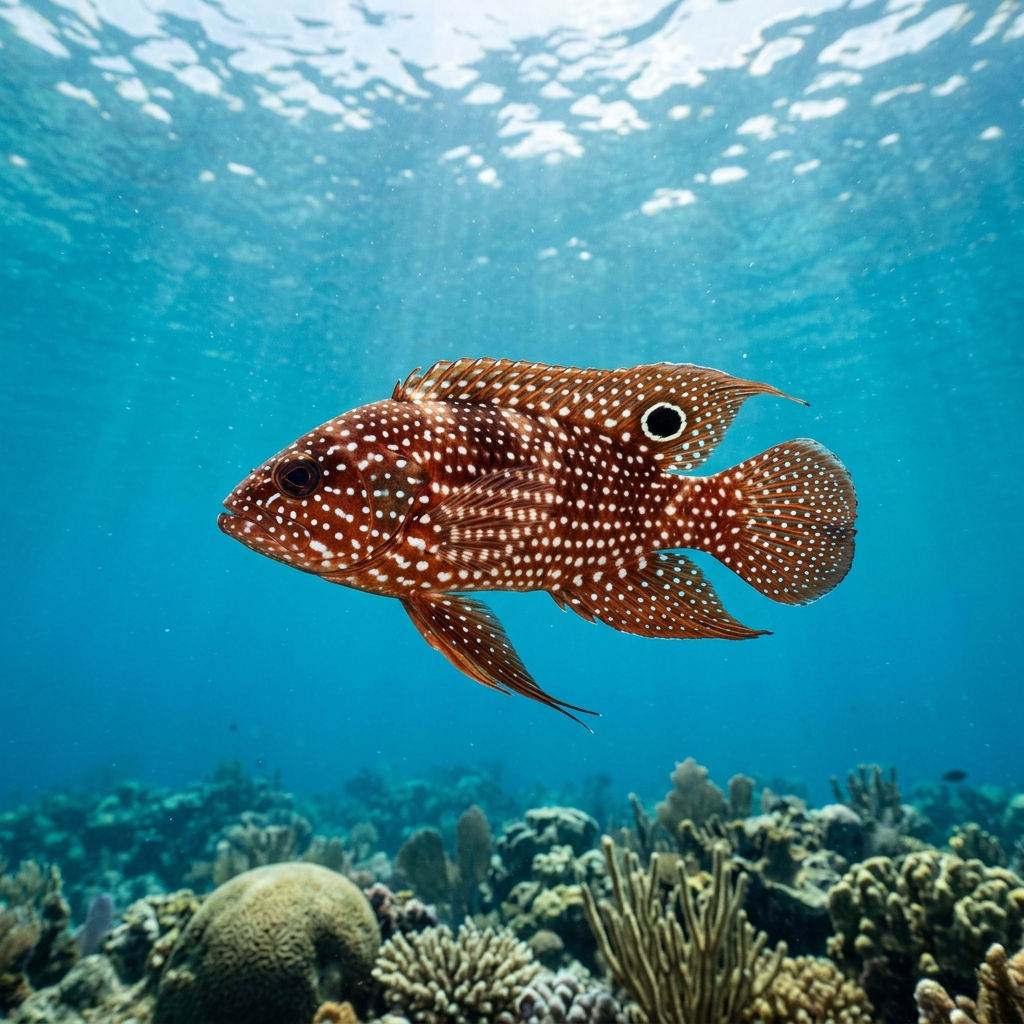
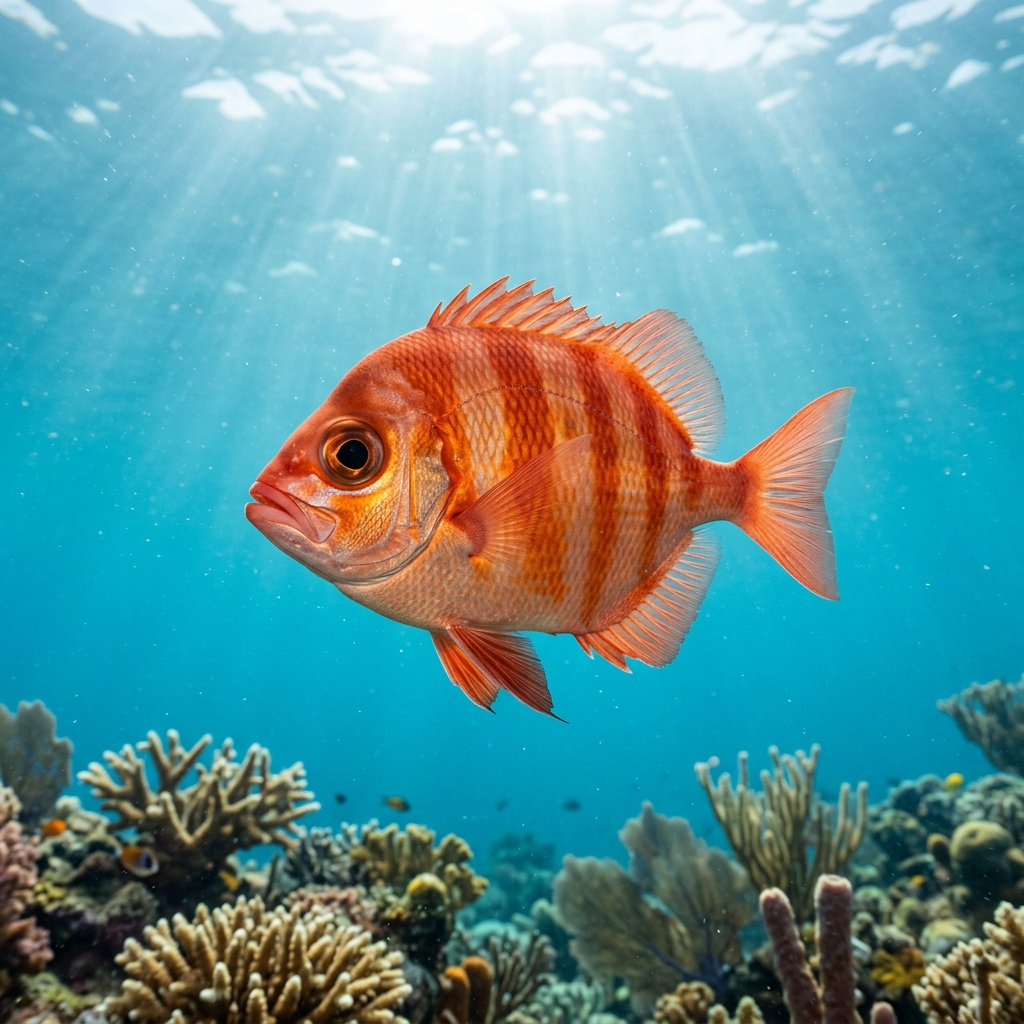
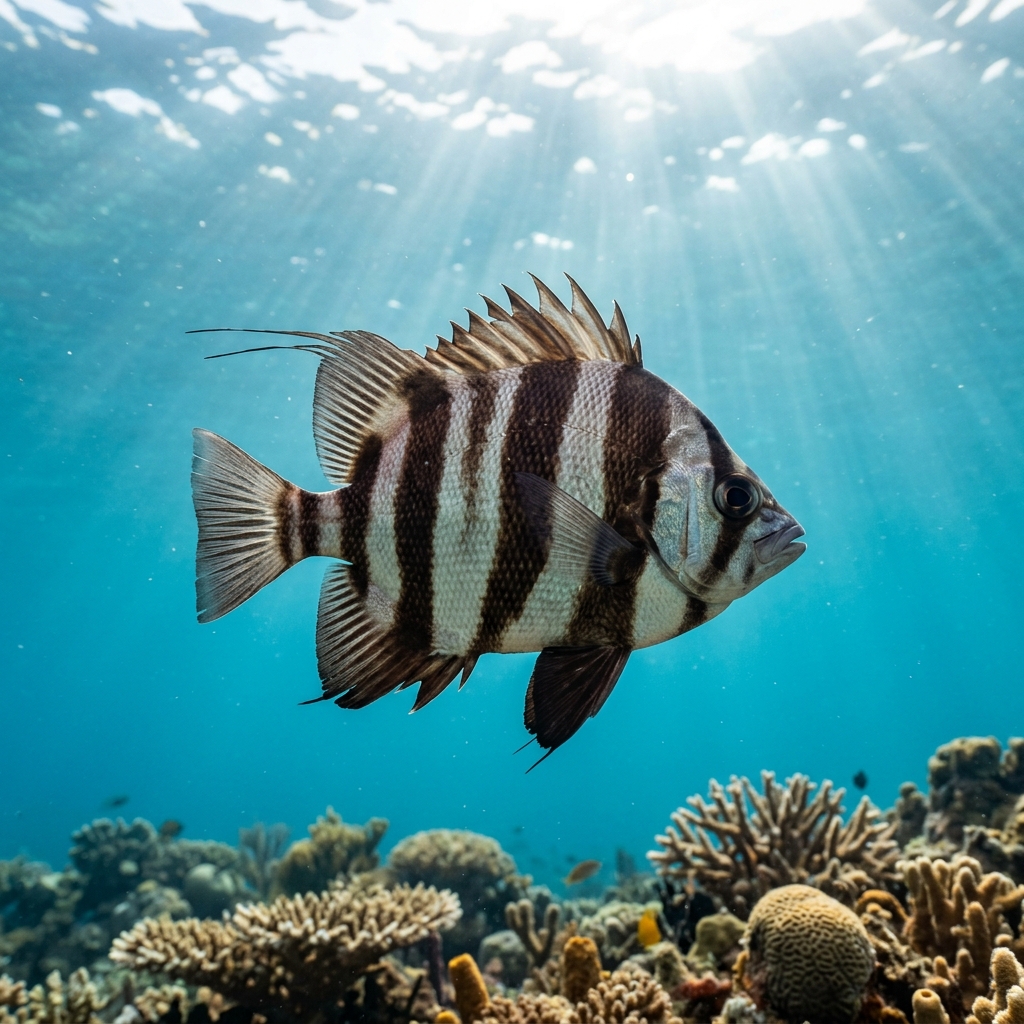
Reef neighbours a diver could mistake it for. Use the identification notes above to tell them apart.
Most reliably logged in New Zealand, especially around the North Island, with a smaller but steady presence on the South Island. In Australia it turns up regularly in Victoria and is also logged around Tasmania, making the temperate reefs of southeastern Australia and New Zealand the two places to plan a search.
Mapping where Marblefish is logged…
New Zealand's North Island is the strongest area for sightings, with the South Island also producing logs. In Australia, Victoria has the most records, followed by Tasmania.
There is no strong seasonal signal in the sighting data, and its 13.4 to 17.9 C temperature range is typical of cool temperate reefs year-round, so it can be seen in any month.
Look for a heavy-bodied, grey-brown fish with a mottled, marbled pattern sitting low on rocky reef. Its blunt head and thick lips for grazing algae set it apart from sleeker reef fish nearby.
They typically reach around 46cm, making them a solid, noticeably heavy-bodied presence on rocky reef compared to smaller grazing fish sharing the same habitat.
No, they pose no threat to divers and are simply slow-moving algae grazers that hold their position on reef rock as you approach.
Site and sighting data is aggregated from diver logs, iNaturalist and GBIF. For taxonomy and conservation status:
Meagre
1,159 sites