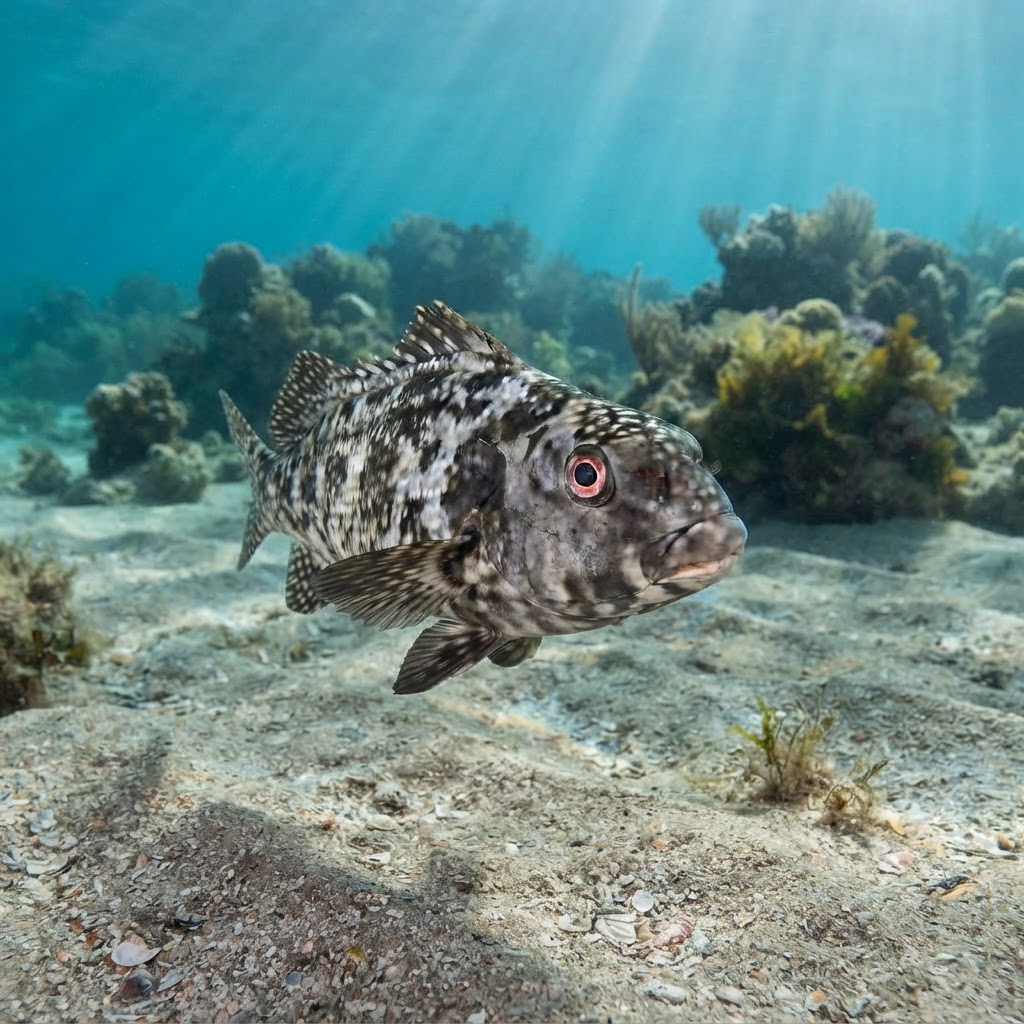
Aplodactylus lophodon
Thick-bodied grey-brown fish grazing rocky reefs in New South Wales, comfortable from 17.6 to 27.5 C and logged year-round.
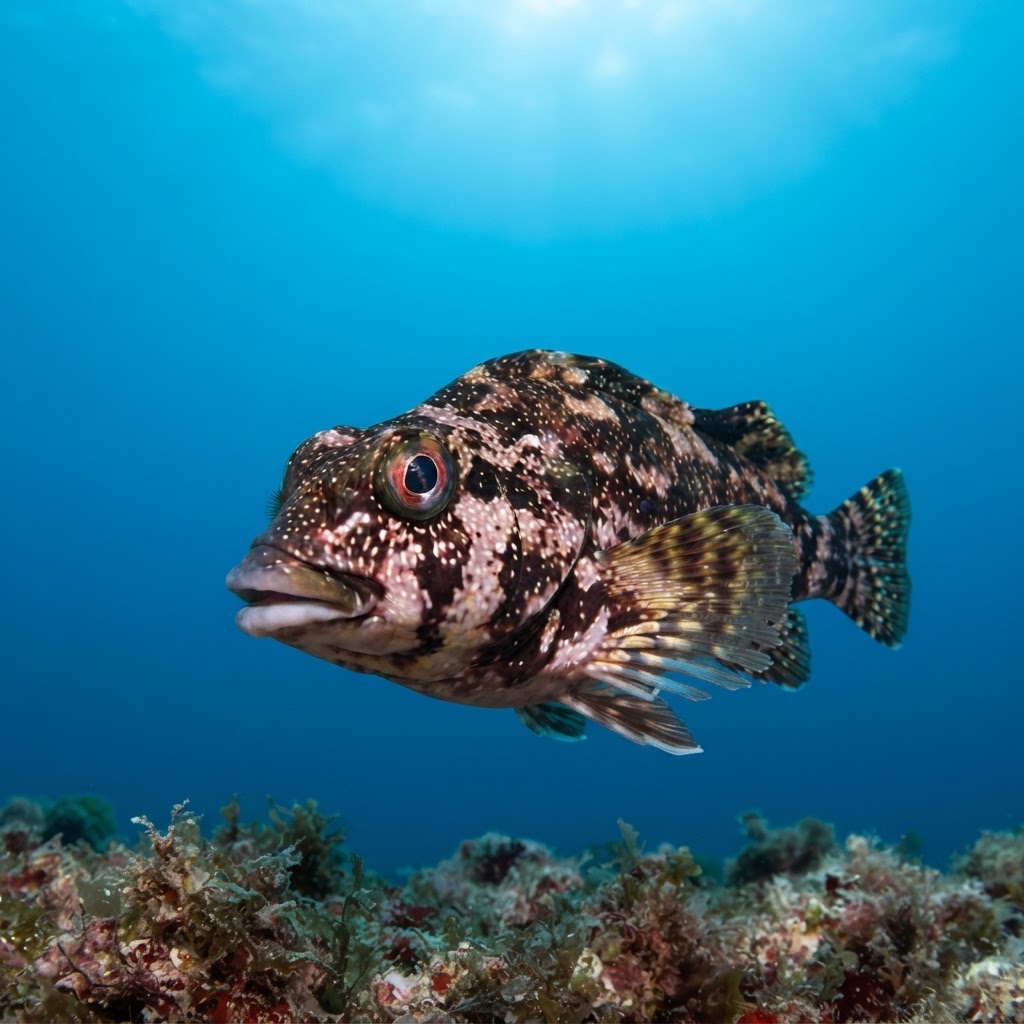
Stocky, deep-bodied fish growing to around 31 cm, with a blunt head and thick lips built for grazing rock surfaces rather than chasing prey. Colouring runs mottled grey-brown to olive, often with faint blotching that breaks up its outline against algae-covered rock. It swims with a slow, deliberate roll rather than a darting motion, and is usually seen close to the reef rather than out in open water.
Divers typically find it grazing slowly over algae-covered rock and reef ledges in shallow water, rarely venturing past 10 metres. It tends to hold its ground rather than bolt when a diver approaches, making it an easy, unhurried fish to watch and photograph. Look for it working the same patch of rock repeatedly rather than roaming widely.
Its thick lips and grinding jaw are built for scraping algae straight off rock surfaces, a feeding style that shapes the texture of the reef it lives on over time.
No clear seasonal pattern shows up in the sightings, and its wide temperature tolerance of 17.6 to 27.5 C means it stays on New South Wales reefs through the colder and warmer months alike, so any time of year works.
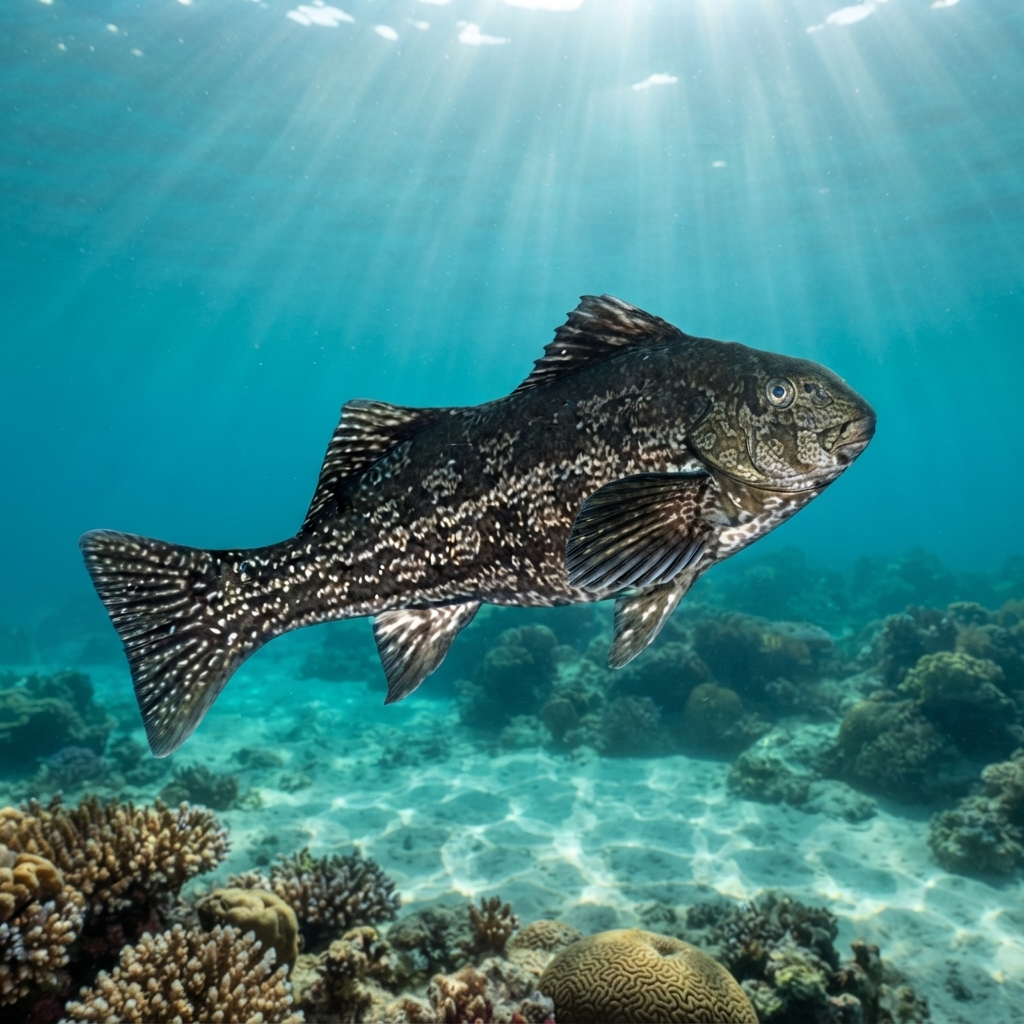
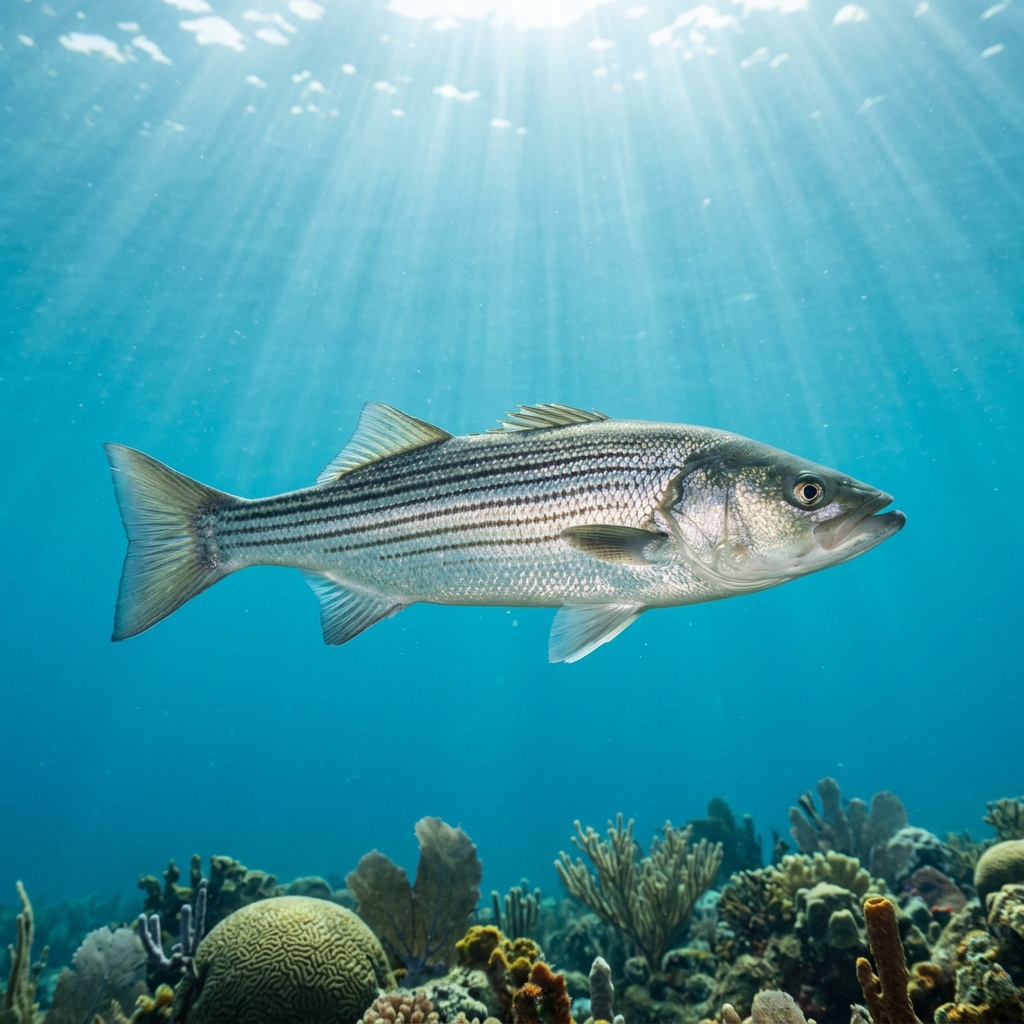
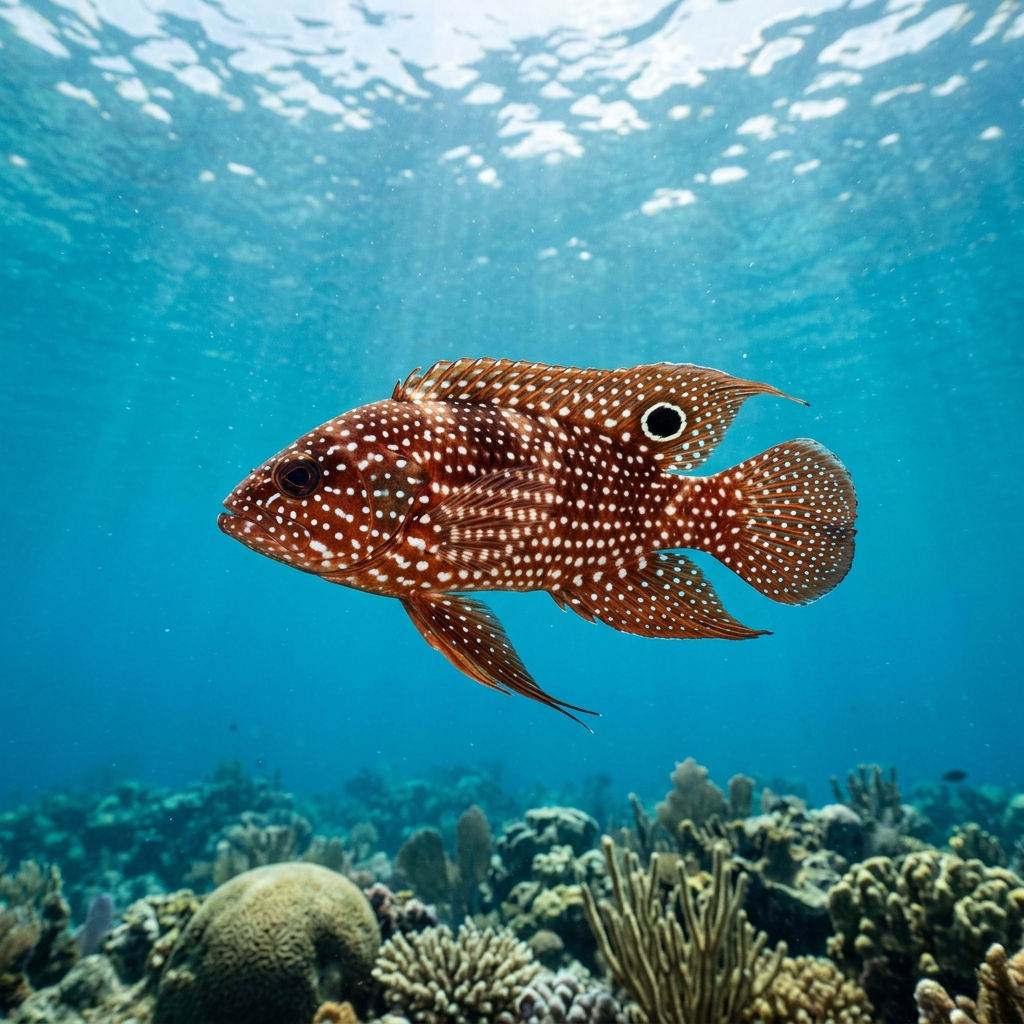
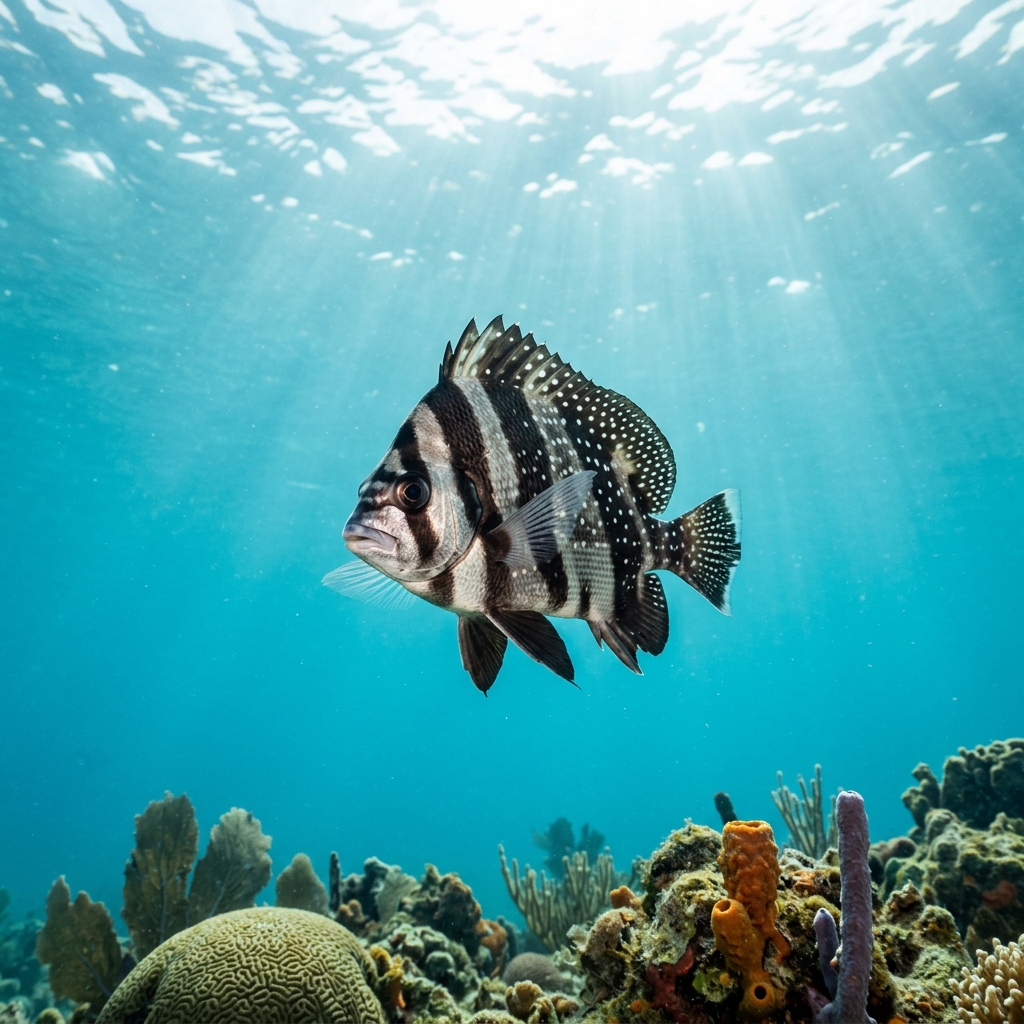
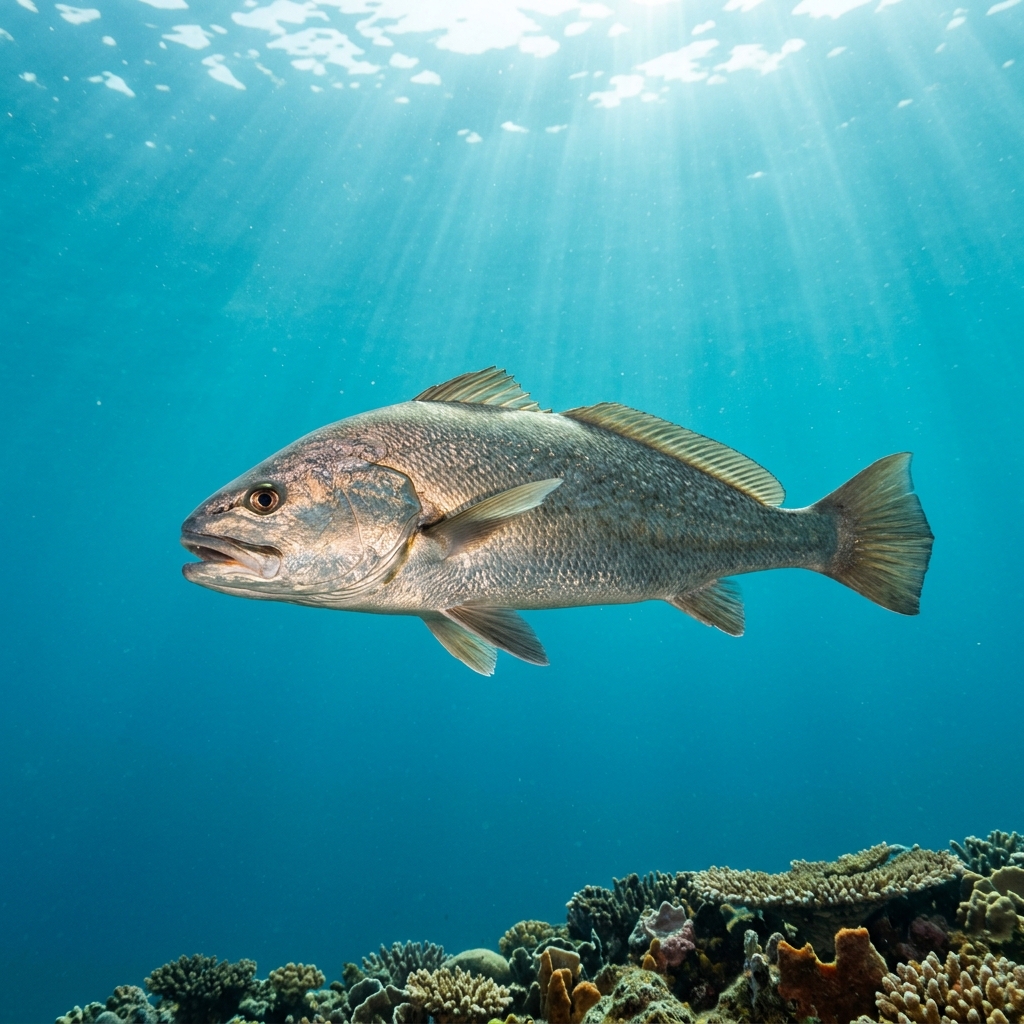
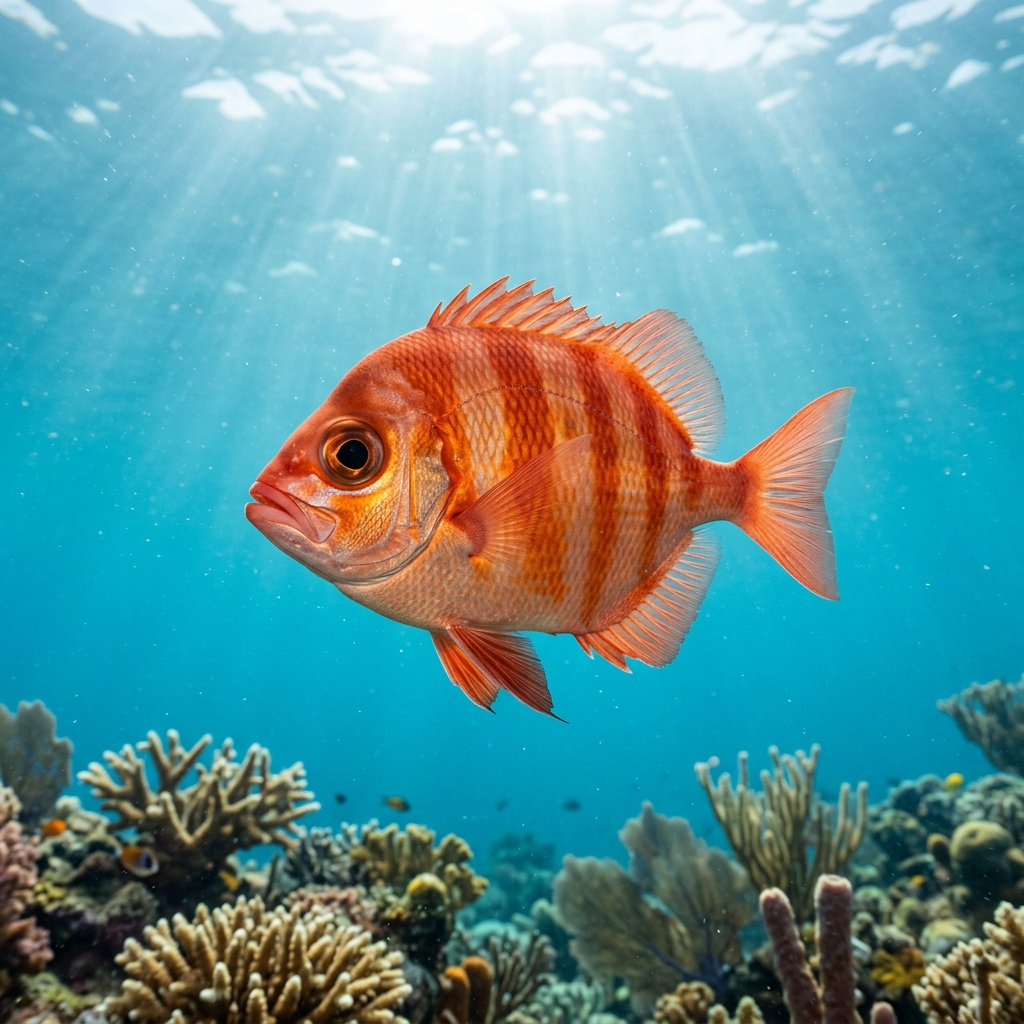
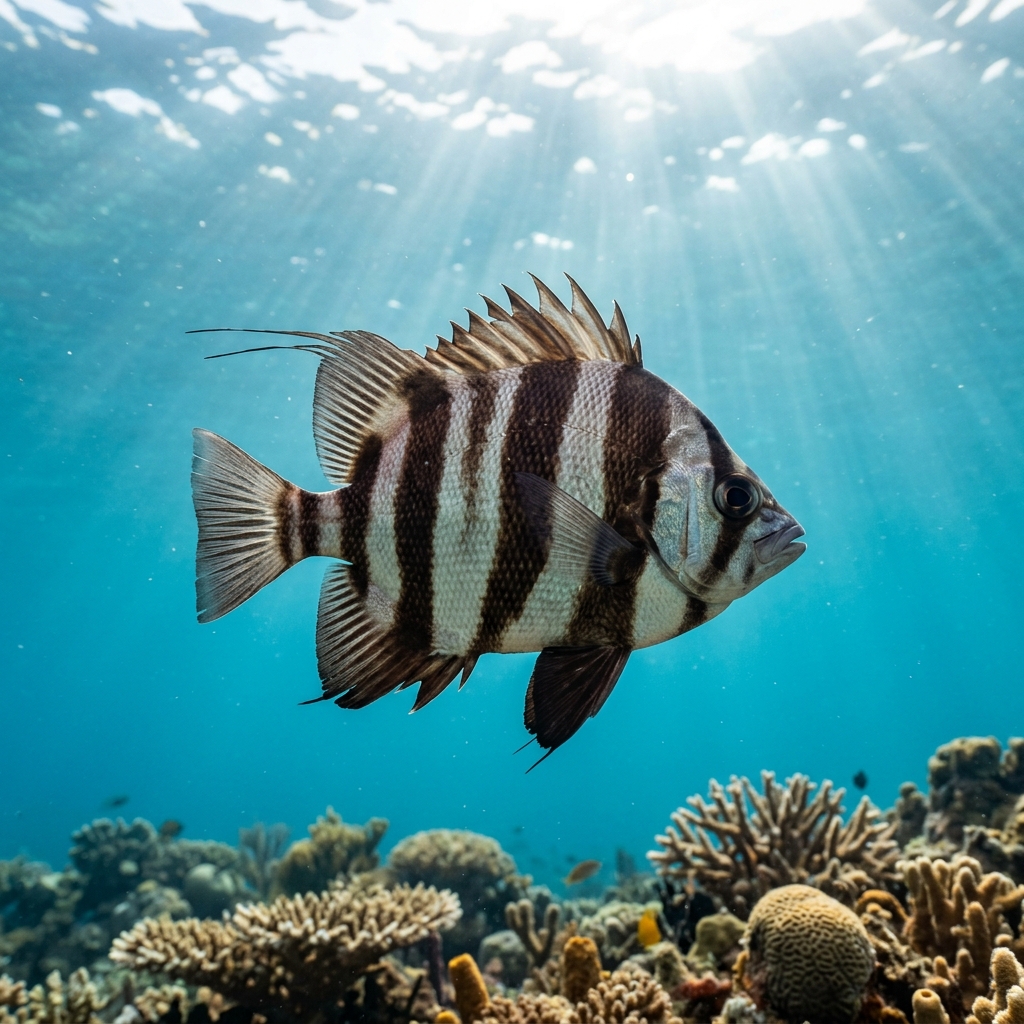
Reef neighbours a diver could mistake it for. Use the identification notes above to tell them apart.
Logged almost exclusively in Australia, with New South Wales the clear stronghold and by far the most consistent place to find it. Within that region it turns up across a wide spread of rocky reef sites, more often as an uncommon to common sighting than a rare one.
Mapping where Rock Cale is logged…
New South Wales, Australia is the stronghold, with sightings spread across a large number of rocky reef sites there. It is currently logged almost nowhere else, so it is very much an Australian speciality.
There is no strong seasonal pattern in the sightings data, and it tolerates a wide temperature range, so it is present on New South Wales reefs year-round.
Look for a stocky, deep-bodied fish up to about 31 cm with mottled grey-brown colouring and thick lips, grazing slowly over rocky, algae-covered surfaces in shallow water. Its unhurried, ground-hugging behaviour helps separate it from faster-moving reef fish nearby.
They typically reach around 31 cm in length, making them a solidly built, medium-sized reef fish rather than a small one.
No, they are not considered dangerous to divers. They are herbivores that graze rock surfaces and generally hold still or move away slowly rather than react defensively.
Site and sighting data is aggregated from diver logs, iNaturalist and GBIF. For taxonomy and conservation status:
Meagre
1,159 sites