Antigoniidae spp.
Spot boarfish in waters from 19-29 °C across Florida, the Philippines, Australia and beyond. Rare but wide-ranging reef fish worth knowing on sight.
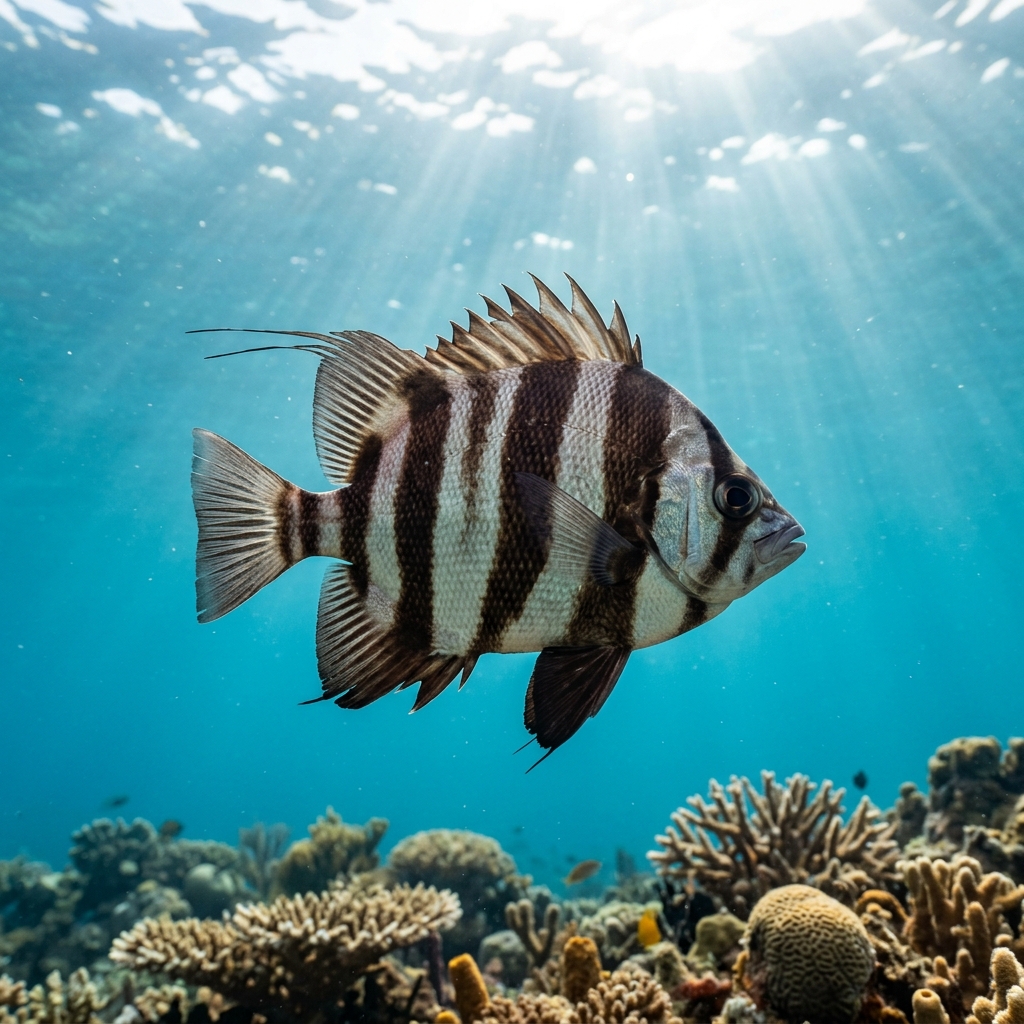
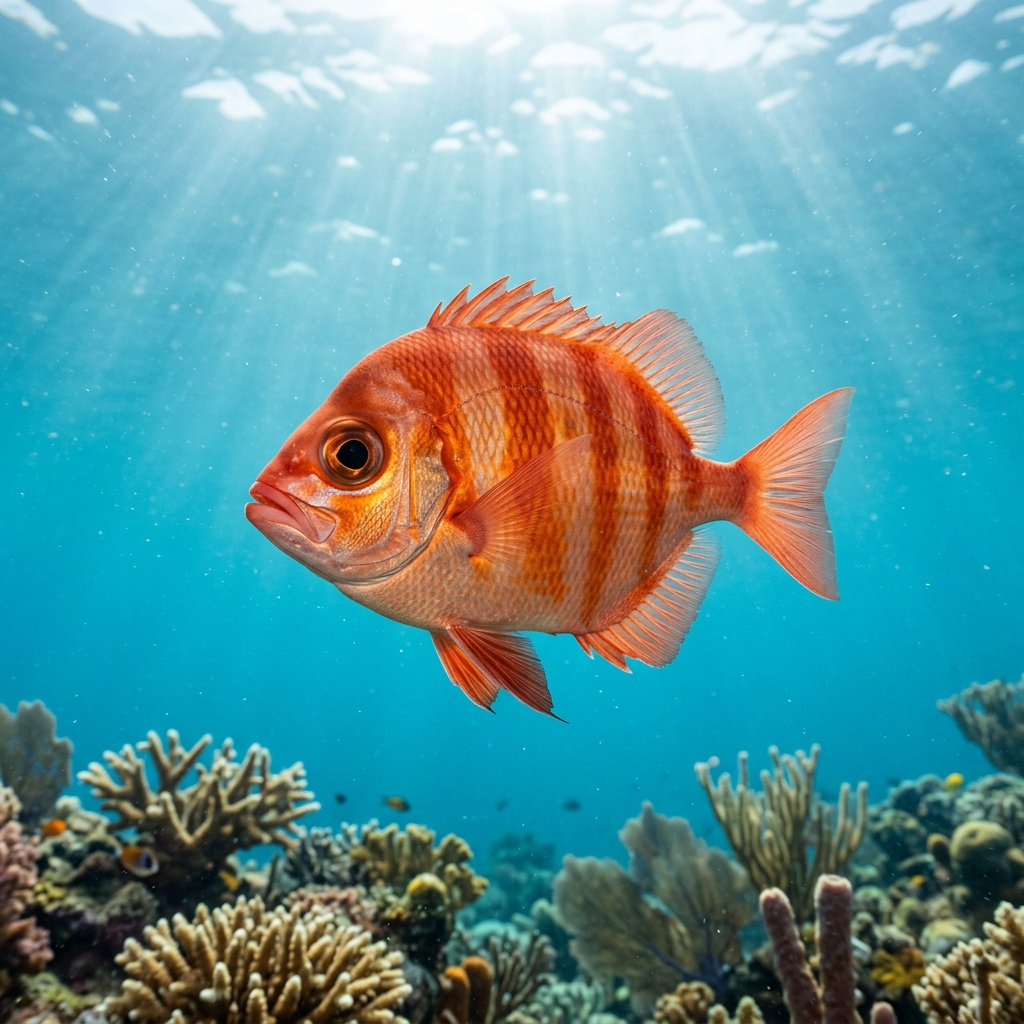
Boarfish are immediately recognisable by their extremely deep, laterally compressed (flattened side-to-side) body that forms a near-perfect diamond or rhombus outline. Most species are bright red to reddish-pink, which makes them stand out sharply against the reef even in low light. The snout is small and distinctly upturned, almost beak-like, which gives the family its common name. At typical sighting depths they appear as a vivid, flat disc hovering close to the reef structure.
Boarfish tend to be encountered close to reef structure, often in slightly deeper or shadier zones where their red colouration actually provides camouflage rather than conspicuousness (red wavelengths fade quickly with depth). They are generally slow-moving and not particularly skittish, but sightings are rare, so expect a brief, unhurried encounter rather than a prolonged observation. Their upturned snout is adapted for picking small invertebrates from crevices, so watch for them nosing along rocky overhangs.
Red colouration is a surprisingly effective disguise at depth: below about 10 metres, red light is largely absorbed by water, so a bright-red boarfish effectively becomes nearly invisible to predators that lack colour vision in low-light conditions.
No strong seasonal pattern has emerged from the available data, so boarfish can be treated as a year-round target wherever they occur. Their observed temperature range of roughly 19 to 29 °C ties them to warm-temperate and tropical reef systems, meaning conditions at most of the top sites remain suitable throughout the year.
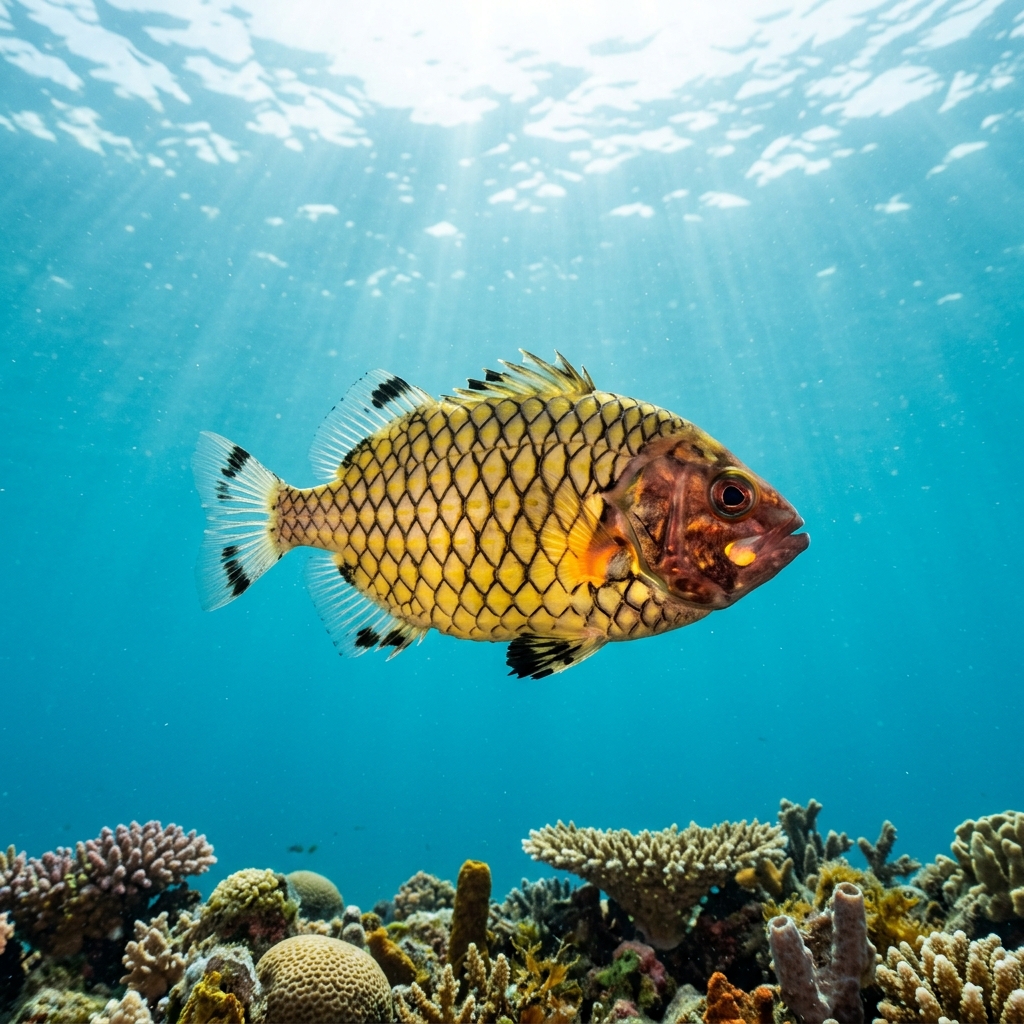
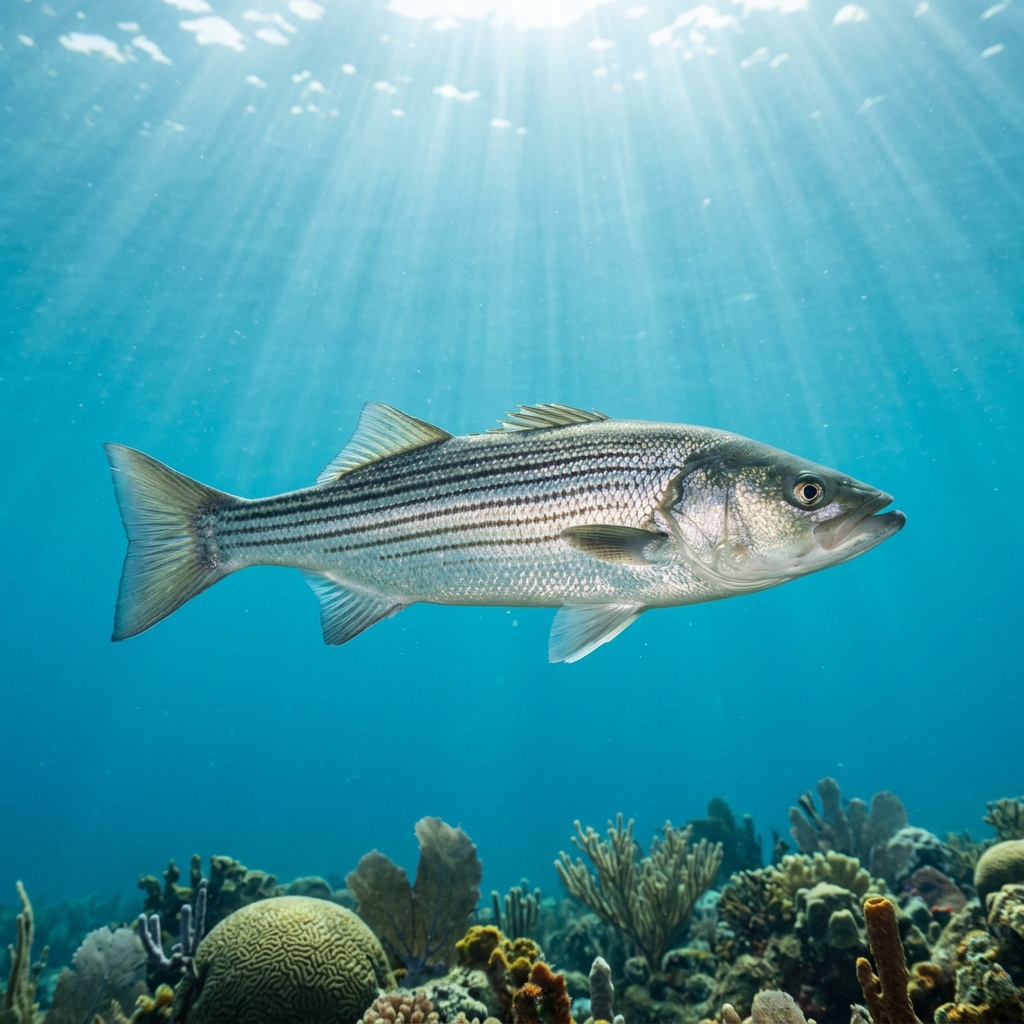
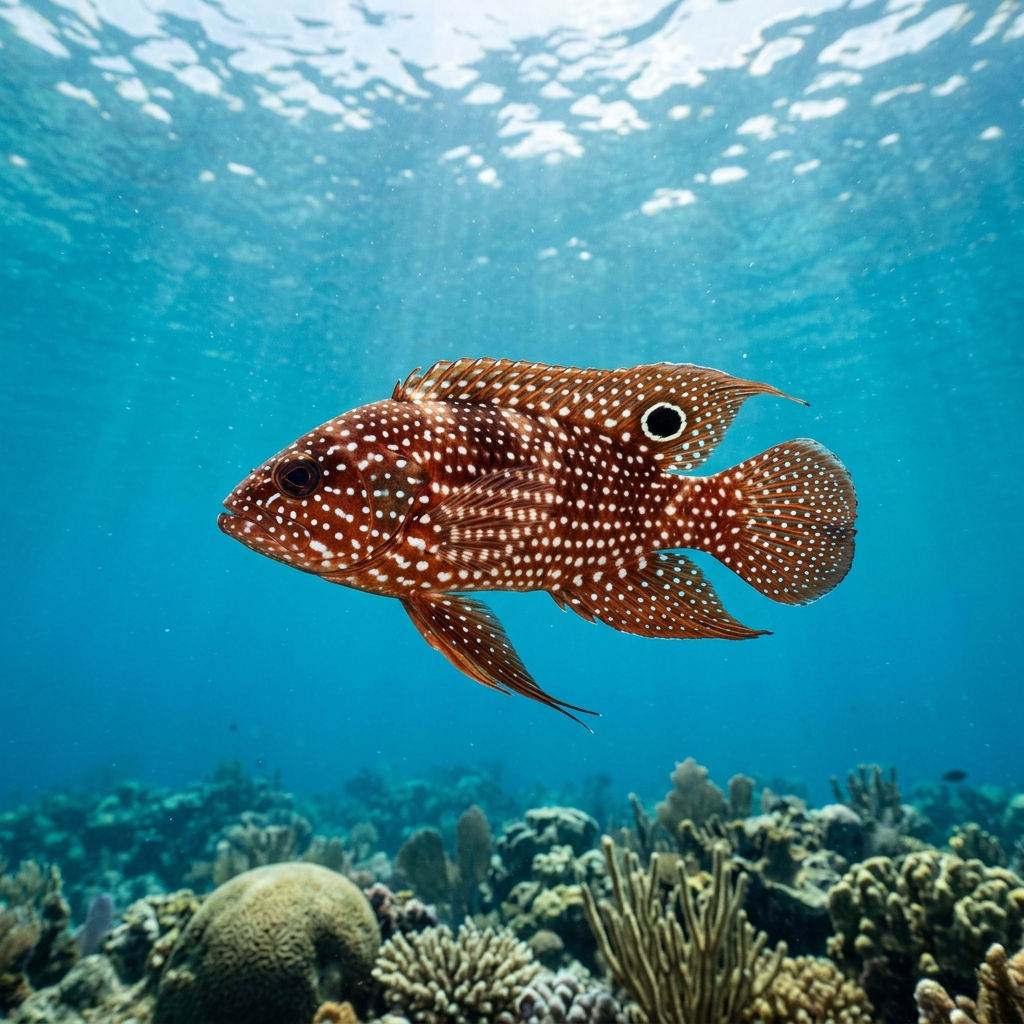
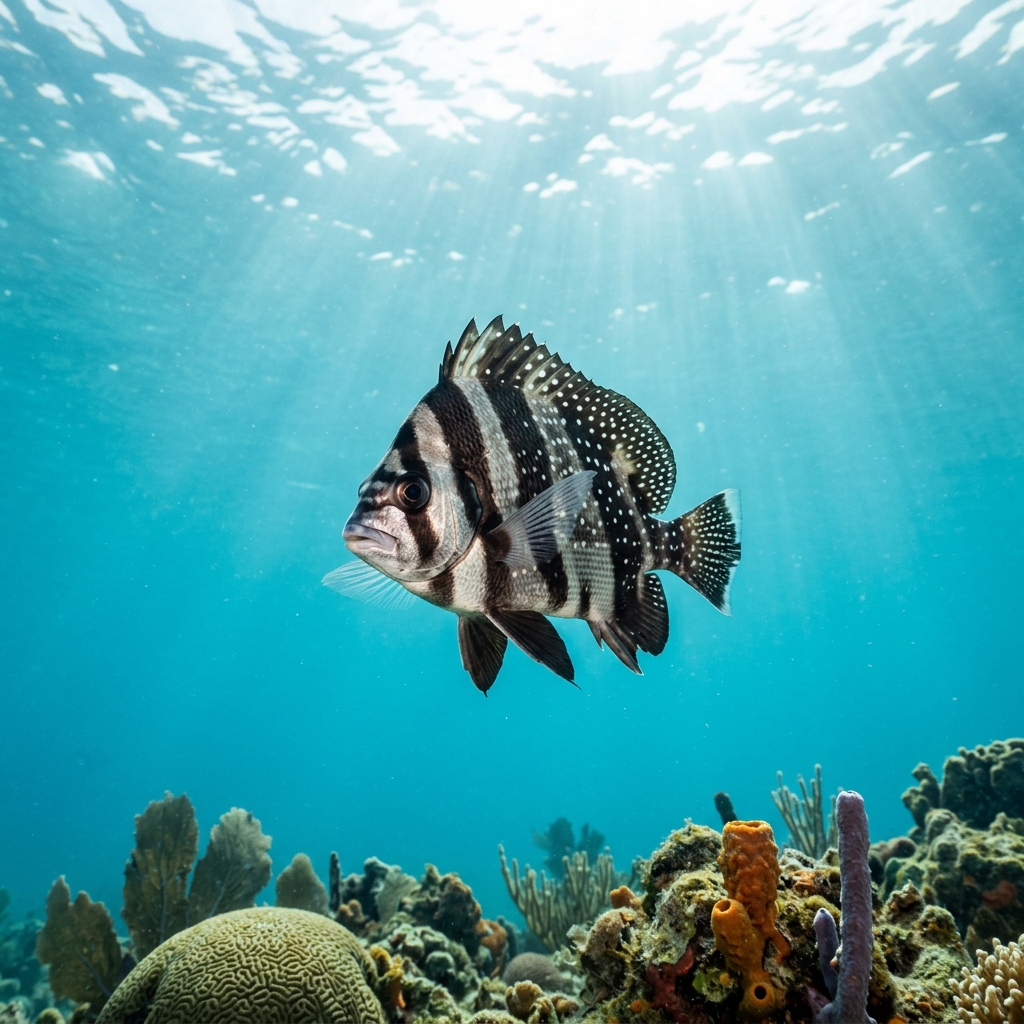
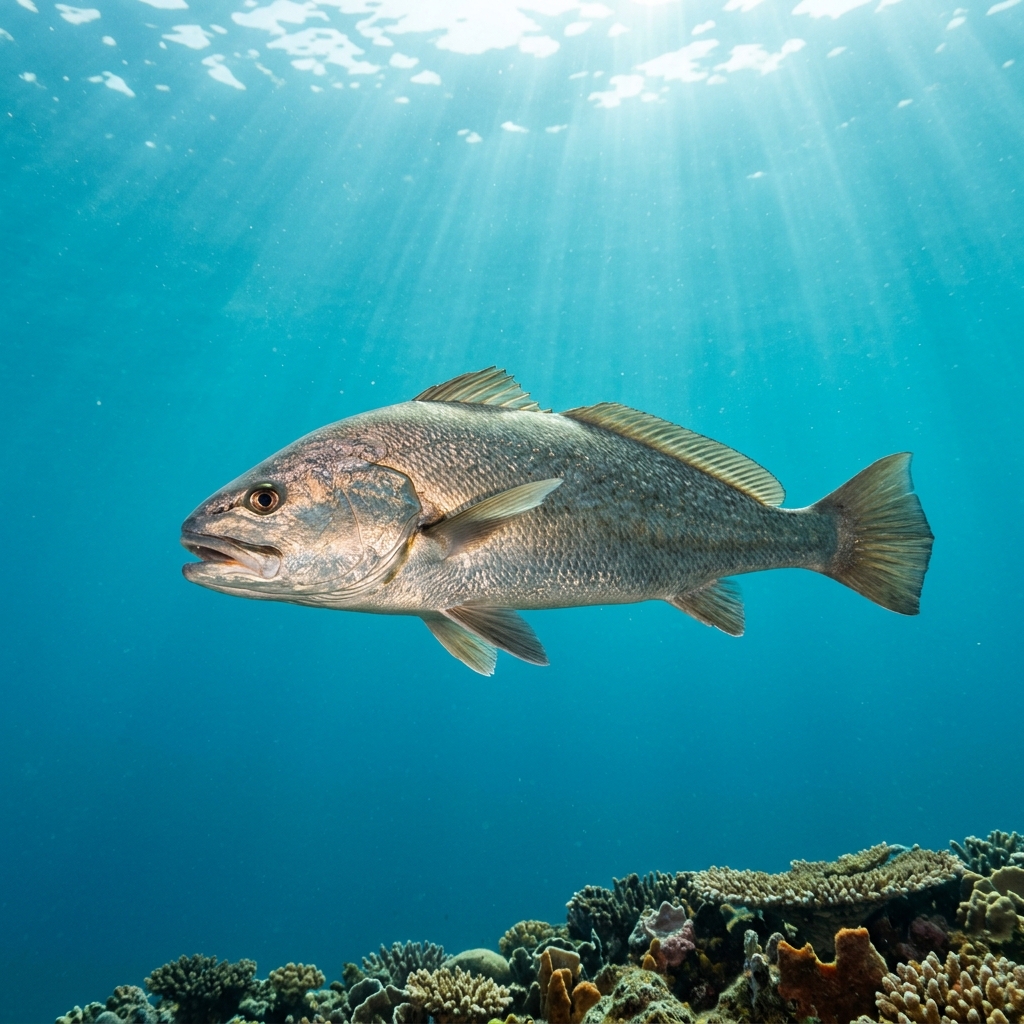
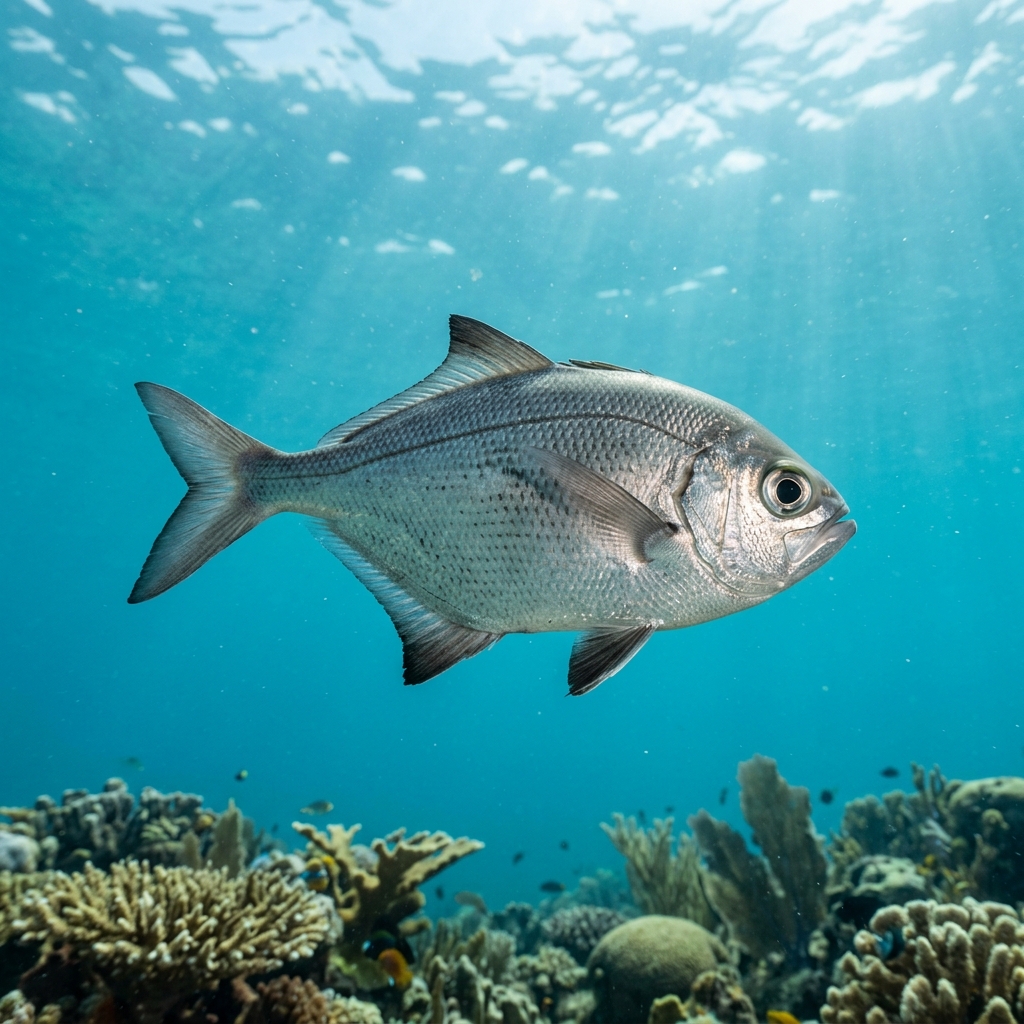
Reef neighbours a diver could mistake it for. Use the identification notes above to tell them apart.
Boarfish have been logged across a wide sweep of tropical and warm-temperate seas. The strongest model coverage falls across Florida and the broader US Southeast, Queensland and Western Australia in Australia, Palawan and the Visayas in the Philippines, and the northeast coast of Brazil. The Azores also feature, reflecting the family's occasional appearance in the eastern Atlantic.
Mapping where Boarfish is logged…
Boarfish have been recorded across a broad range of warm-temperate and tropical seas. The best-covered areas in diver sighting data include Florida and the US Southeast, Queensland and Western Australia, Palawan and the Visayas in the Philippines, the northeast coast of Brazil, and the Azores in the eastern Atlantic.
There is no clear seasonal window in the current data, so boarfish are best treated as a year-round possibility. They favour waters between roughly 19 and 29 °C, which describes most tropical and warm-temperate reef systems throughout the year.
Look for the distinctive diamond-shaped, extremely deep and flat body combined with bright reddish-pink colouration and a small upturned snout. No other common reef fish combines that compressed disc shape with that colour. Old Wife and Pineapplefish share a similarly compressed body but differ in patterning and snout shape.
No. Boarfish pose no threat to divers. They are small, slow-moving reef fish with no venomous spines of concern and no aggressive behaviour recorded toward people.
At depth, red wavelengths of light are absorbed by seawater, so a bright-red fish effectively appears grey or dark to most predators. The vivid red that looks conspicuous at the surface actually provides camouflage in dimly lit reef zones below about 10 metres.
Site and sighting data is aggregated from diver logs, iNaturalist and GBIF. For taxonomy and conservation status:
Meagre
1,159 sites