Valenciennea immaculata
Uncommon sighting on New South Wales sand flats, comfortable from 21 to 29C, hovering just above the bottom in paired burrows.
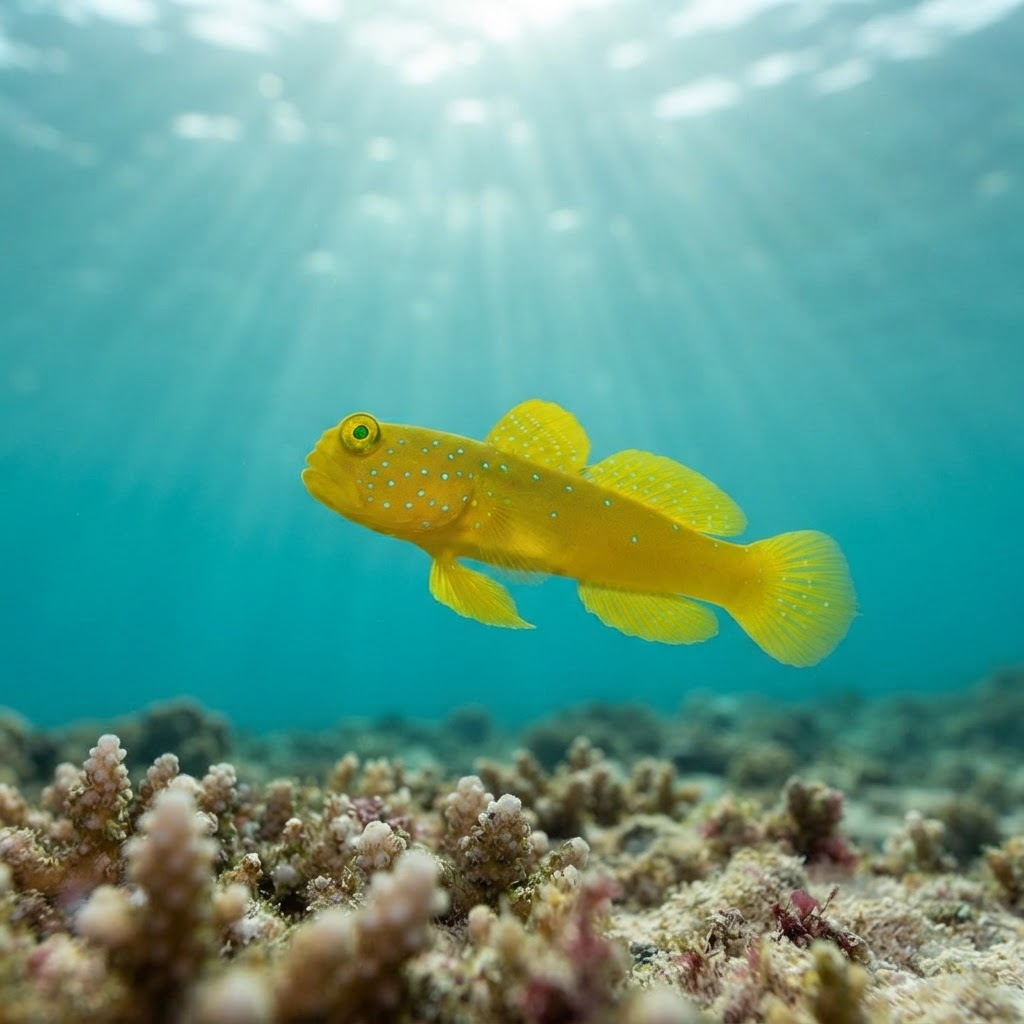
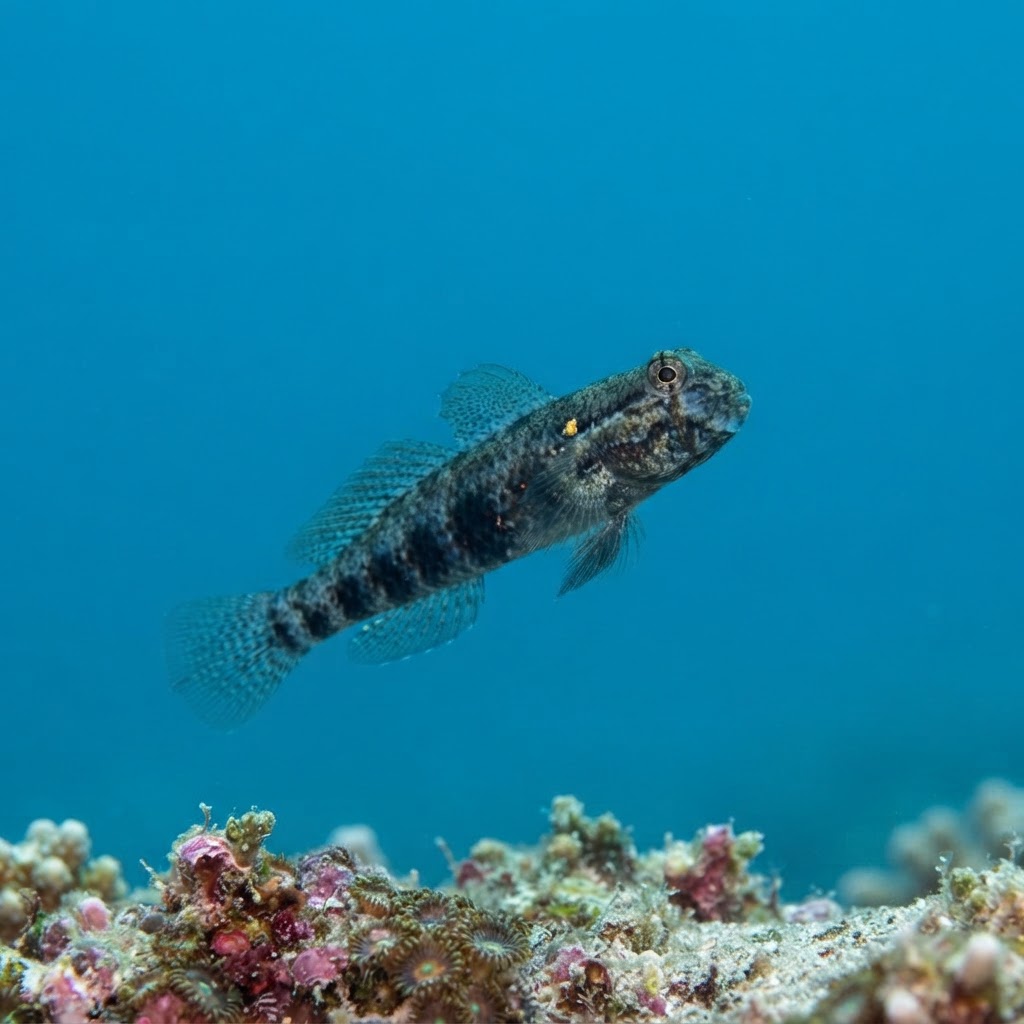
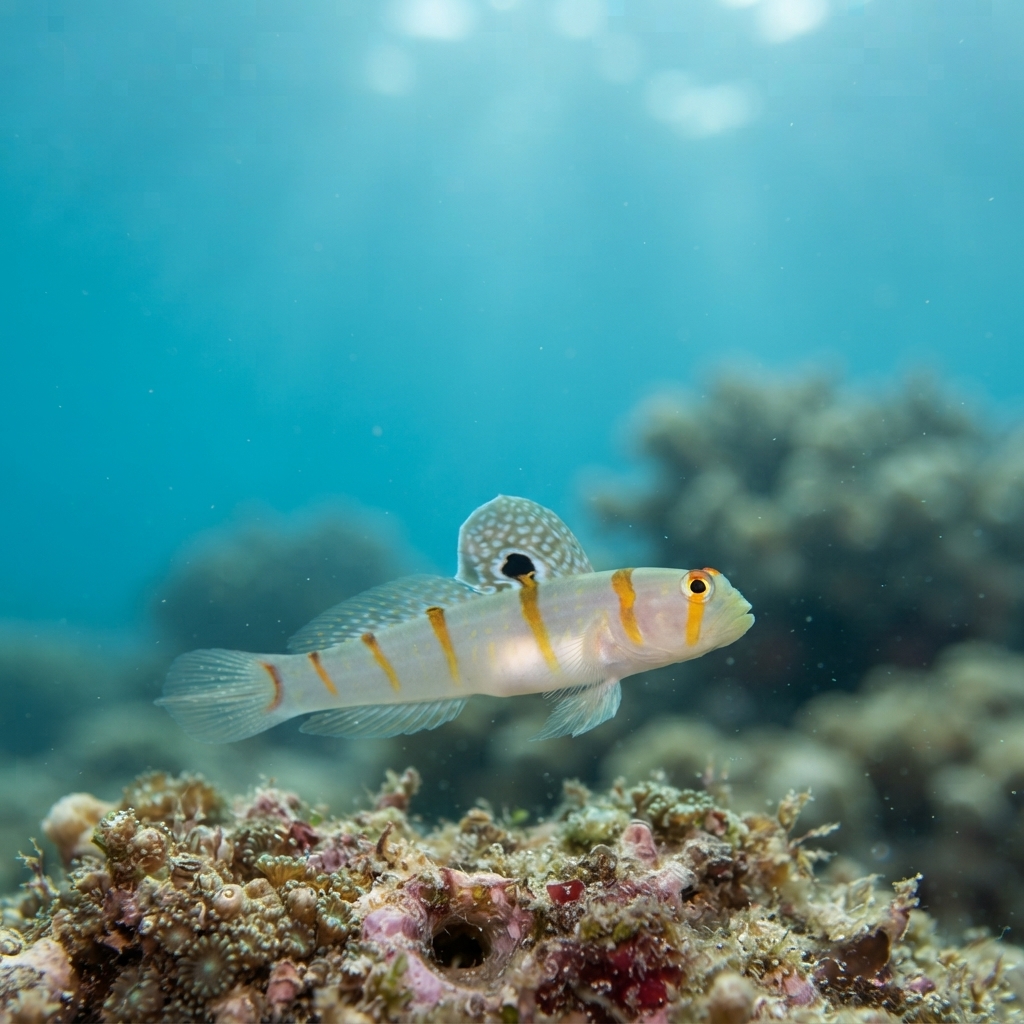
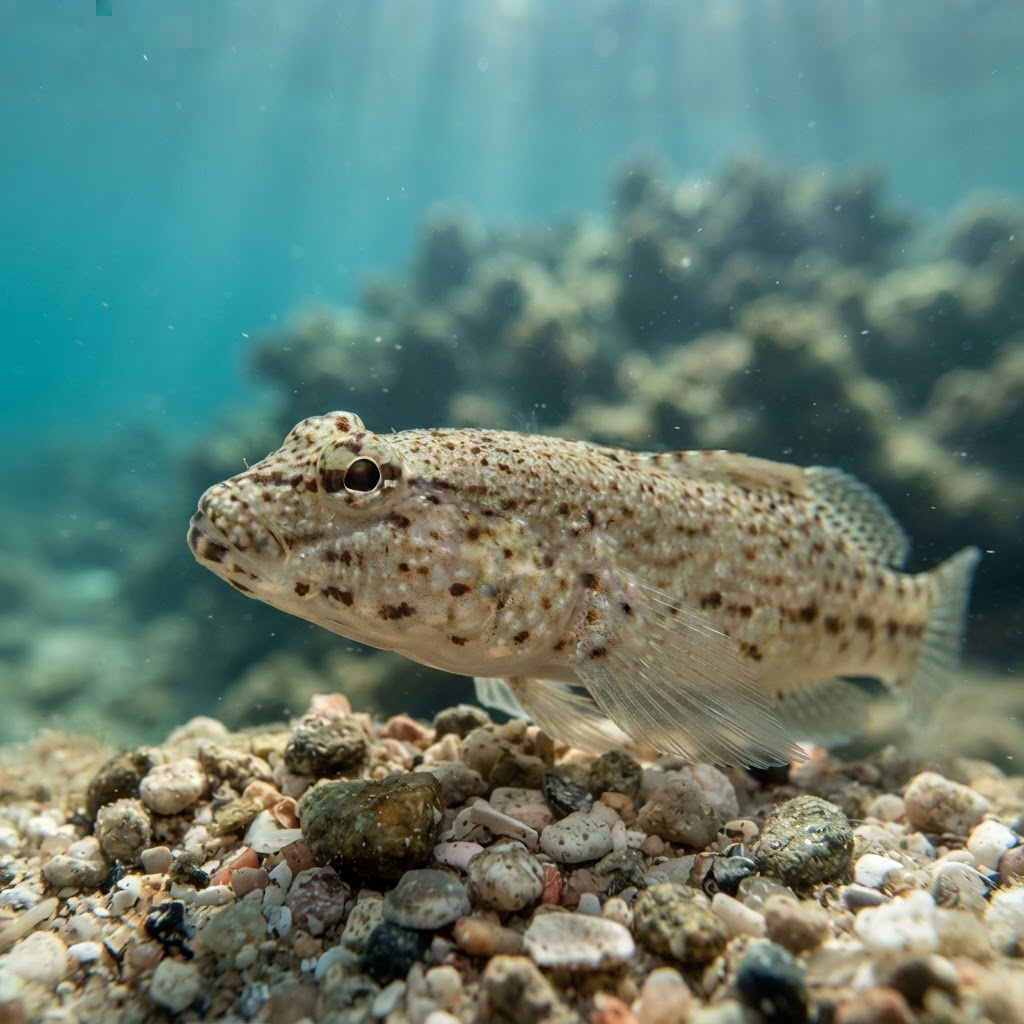
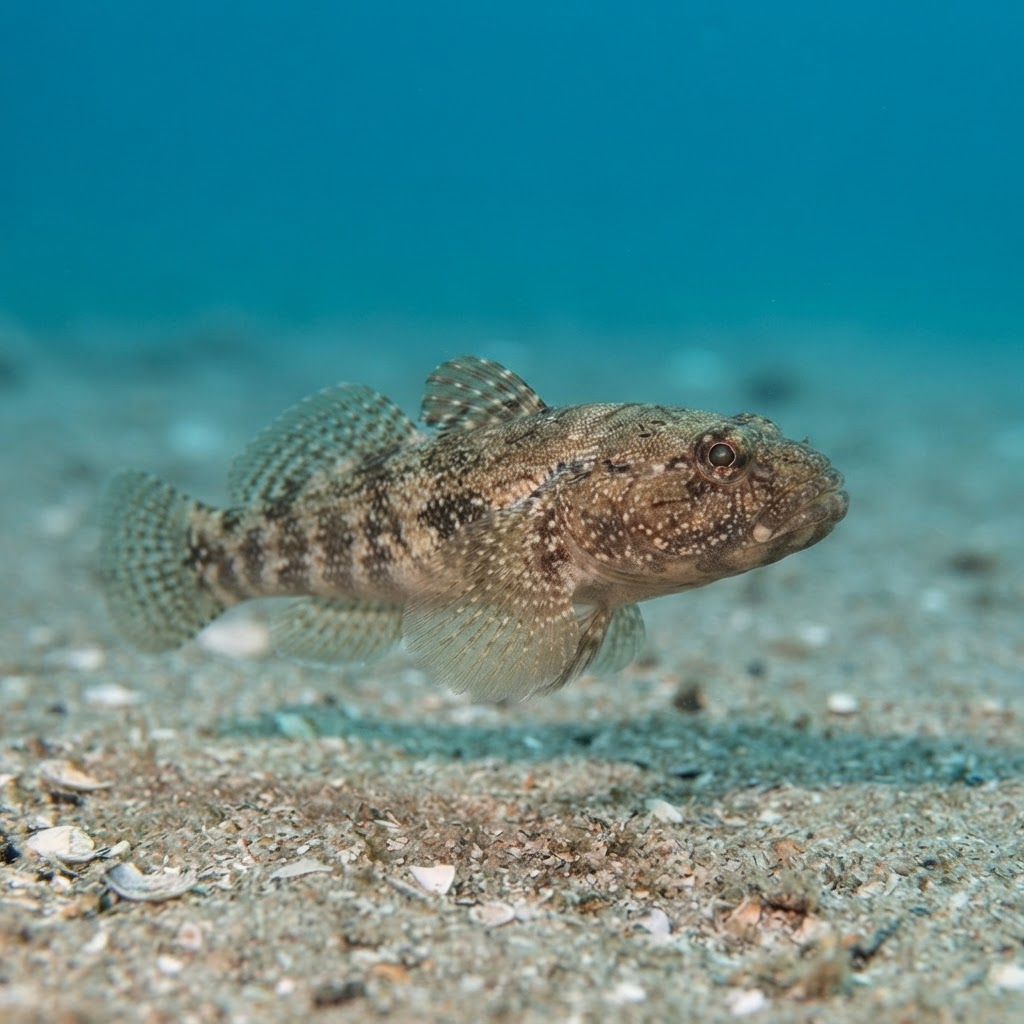
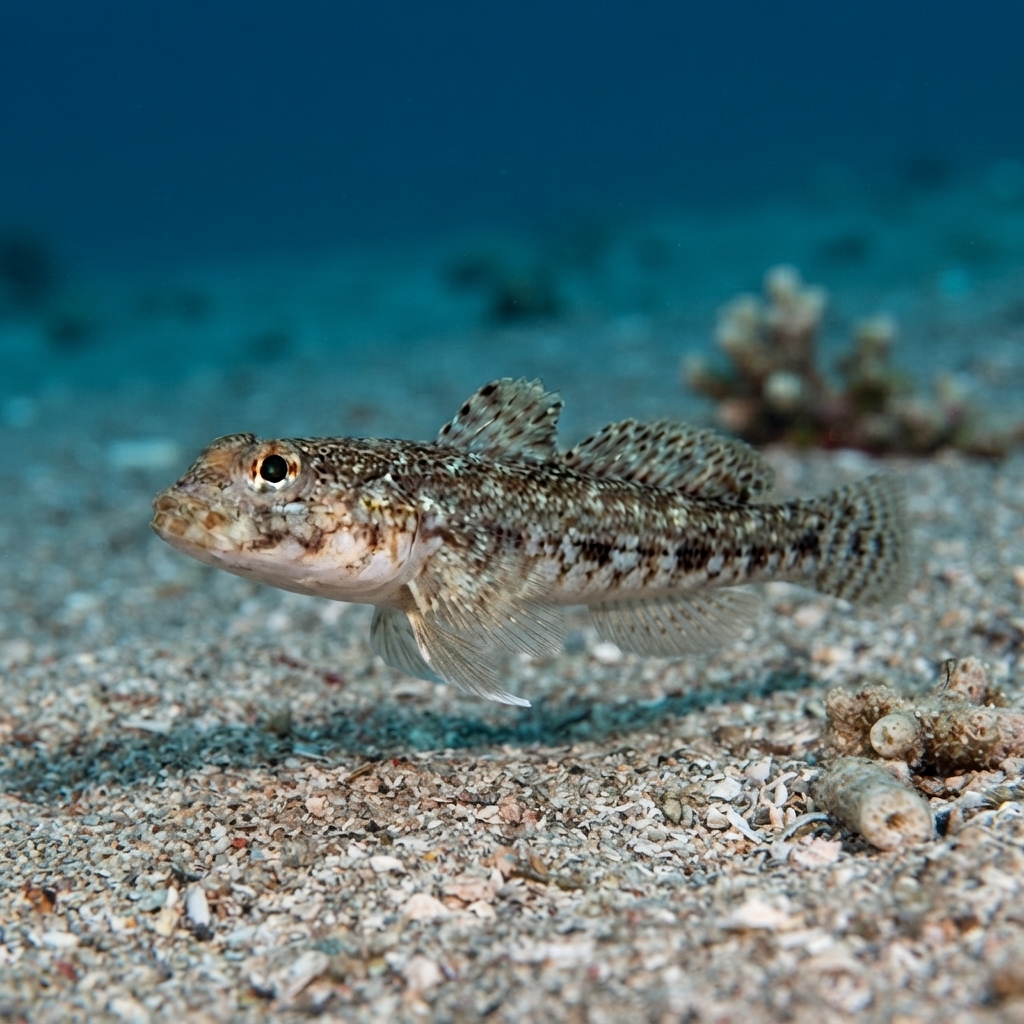
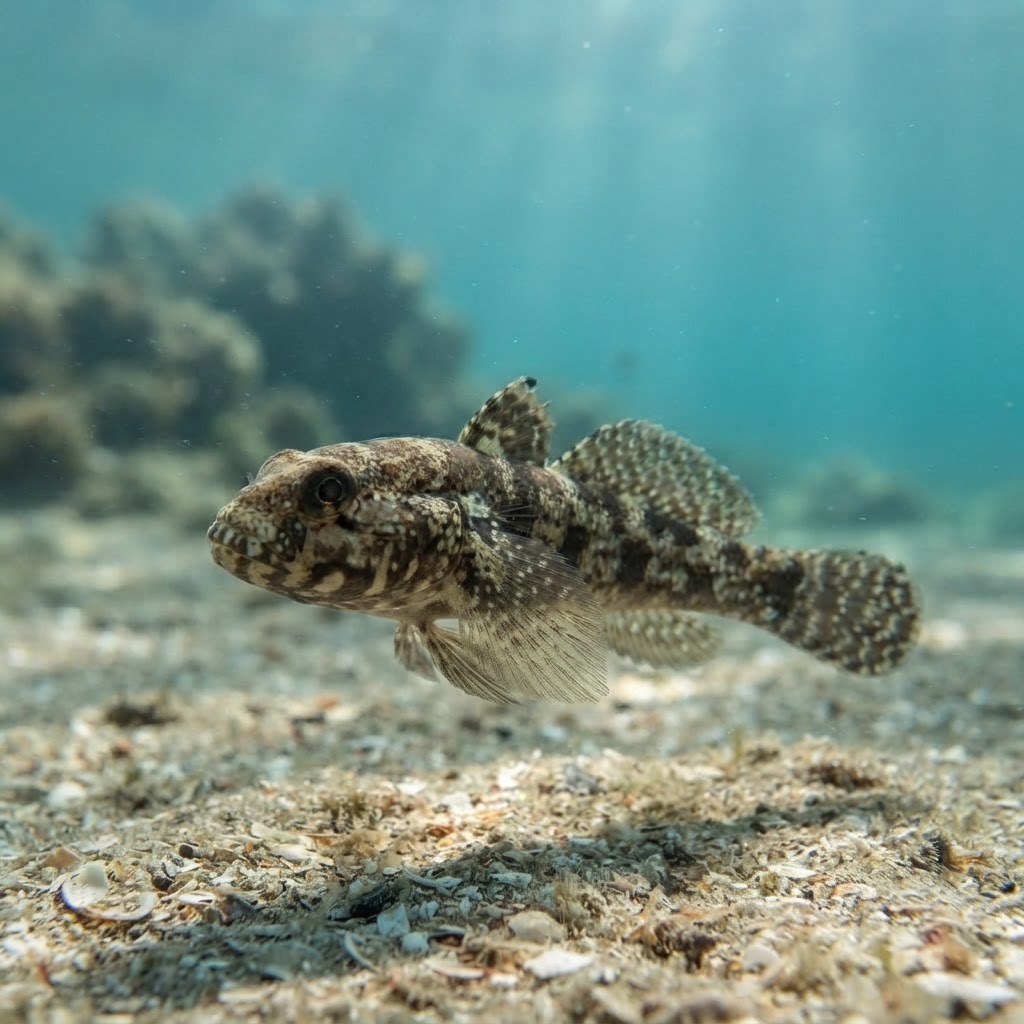
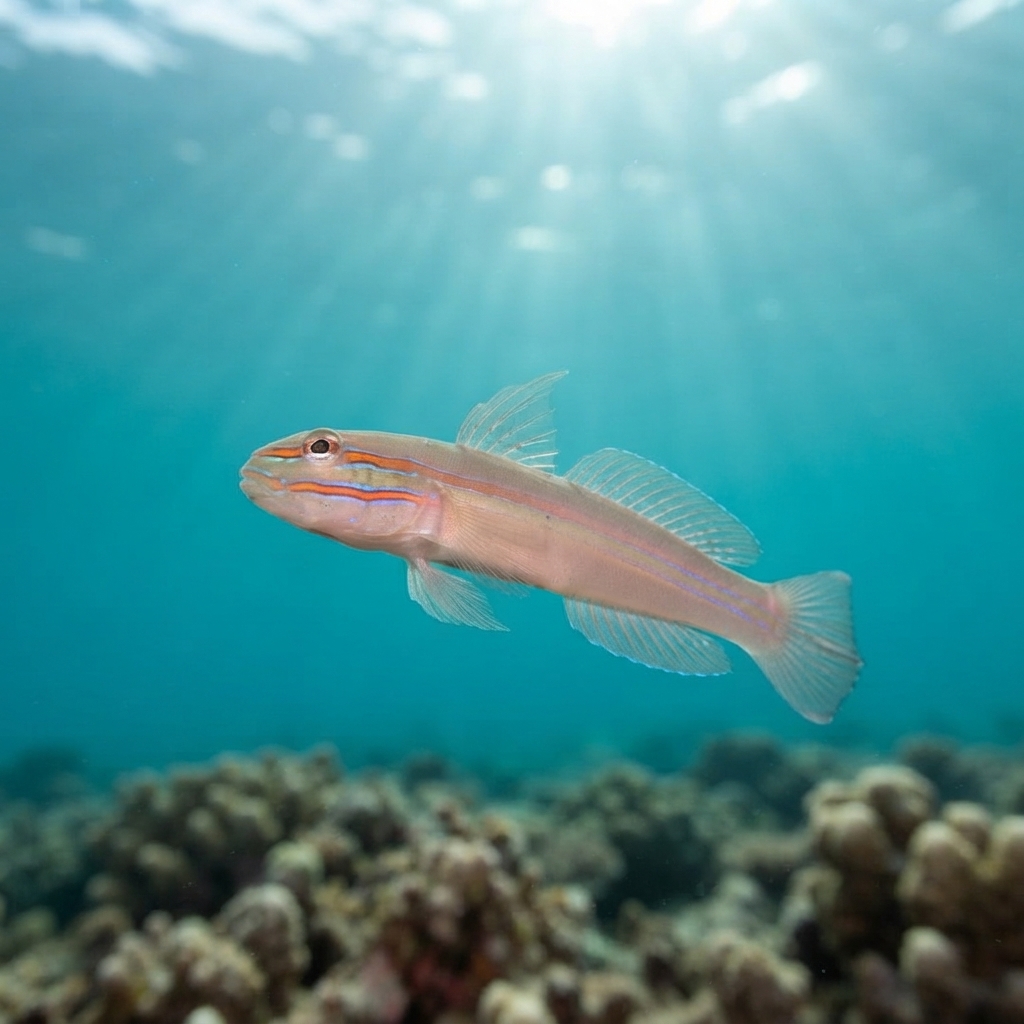
A slim, pale goby around 9 cm, usually seen hovering a few centimetres above sand or rubble rather than resting flat on it. The body is a washed-out grey to cream with faint mottling, no bold stripes or spots, which is part of why it is easy to swim past. Look for the typical goby posture: propped on its pelvic fins near a burrow entrance, darting back in when approached.
Divers typically find this goby hovering just off the bottom near a burrow it shares with a shrimp partner, sifting through sand and retreating the moment a shadow passes overhead. It rarely strays far from its hole and settles again quickly once you back off and wait. Most sightings come from slow, methodical looks along sand and rubble edges rather than open swimming.
Like many sand gobies, it likely shares a burrow with a shrimp that digs and maintains the hole while the goby stands guard and warns of danger, a partnership divers can watch play out at close range if they hold still.
Sightings show no clear seasonal pattern, and with a comfortable range of 21.4 to 29.0C it appears to be present year-round rather than tied to a particular season. Plan around good visibility on sand flats rather than a specific month.
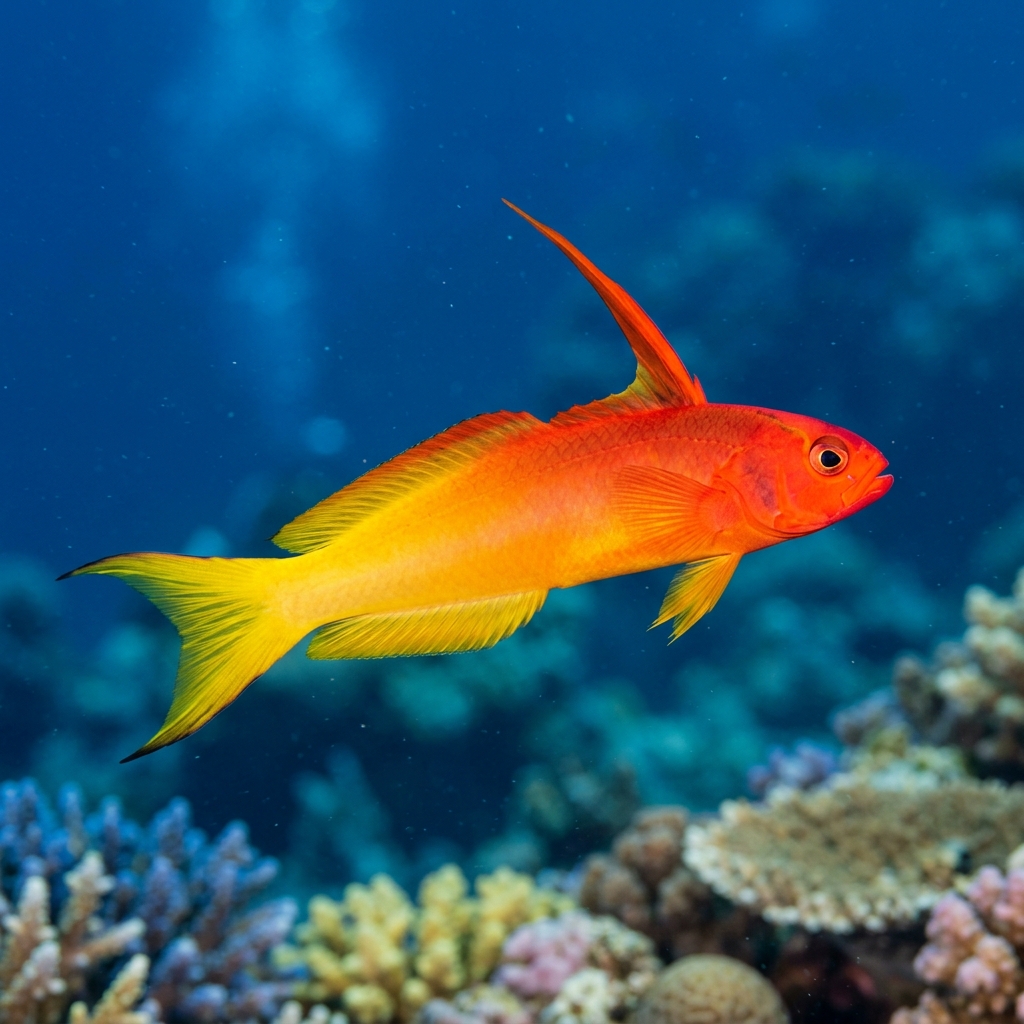
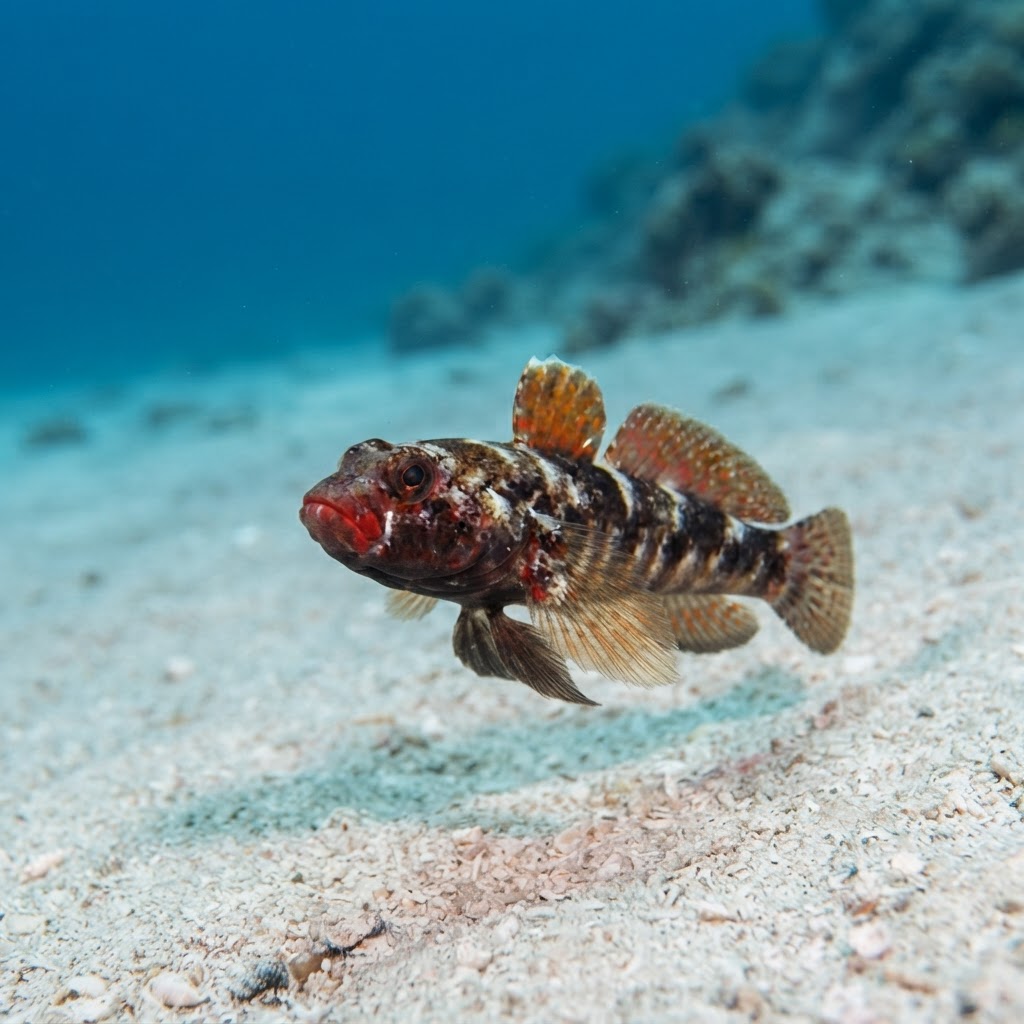
Reef neighbours a diver could mistake it for. Use the identification notes above to tell them apart.
This one is most reliably found on sand and rubble patches in New South Wales, Australia, where it turns up across a handful of dive sites, and it has also been logged at a site in Sai Kung, Hong Kong. Across almost all of these locations it is rated uncommon, so it is a species you actively search sandy edges for rather than expect to bump into on every dive.
Mapping where Immaculate Goby is logged…
New South Wales in Australia is the most consistent spot, with sightings spread across several sand and rubble sites there. It has also been recorded once in Sai Kung, Hong Kong, so it turns up outside Australia too, just less predictably.
There is no strong season in the sightings data, and it tolerates a wide temperature range from 21.4 to 29.0C, suggesting it can be found year-round rather than during a narrow window.
Look for a small, pale grey to cream goby around 9 cm long, hovering just above sand near a burrow entrance. It lacks bold colour markings, so its plain body and burrow-guarding posture are the main clues.
It stays small, typically reaching around 9 cm as an adult, in line with most sand-dwelling gobies in the family.
No, it poses no threat to divers. It is a shy, retreating fish that disappears into its burrow rather than approaching or defending territory aggressively.
It probably lives in a burrow it shares with a digging shrimp, a common goby-shrimp partnership where the goby keeps watch while the shrimp does the excavation work.
Site and sighting data is aggregated from diver logs, iNaturalist and GBIF. For taxonomy and conservation status:
Slender Goby
806 sites