Amblyeleotris fontanesii
Uncommon but rewarding: find giant shrimpgoby paired with shrimp on sandy slopes in Luzon, Dili and Queensland, warm 28-29C reefs year-round.
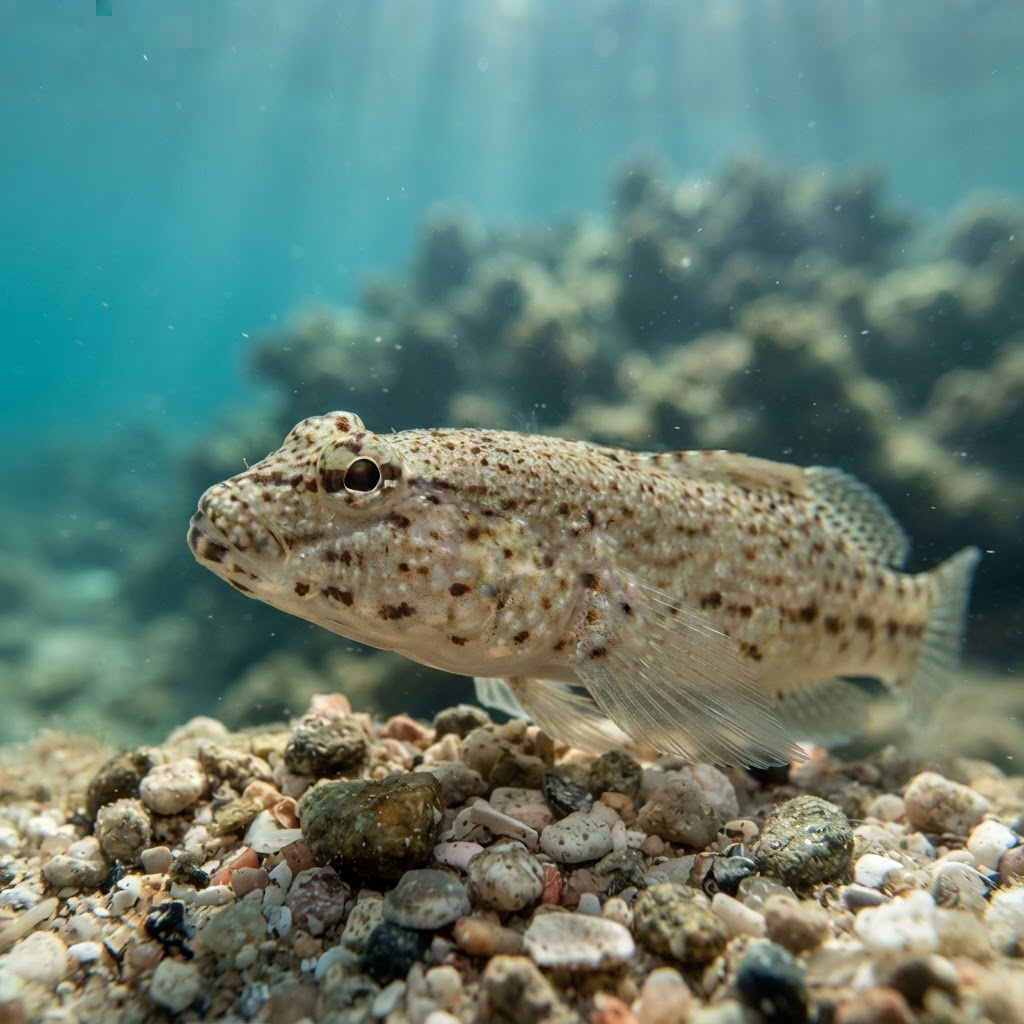
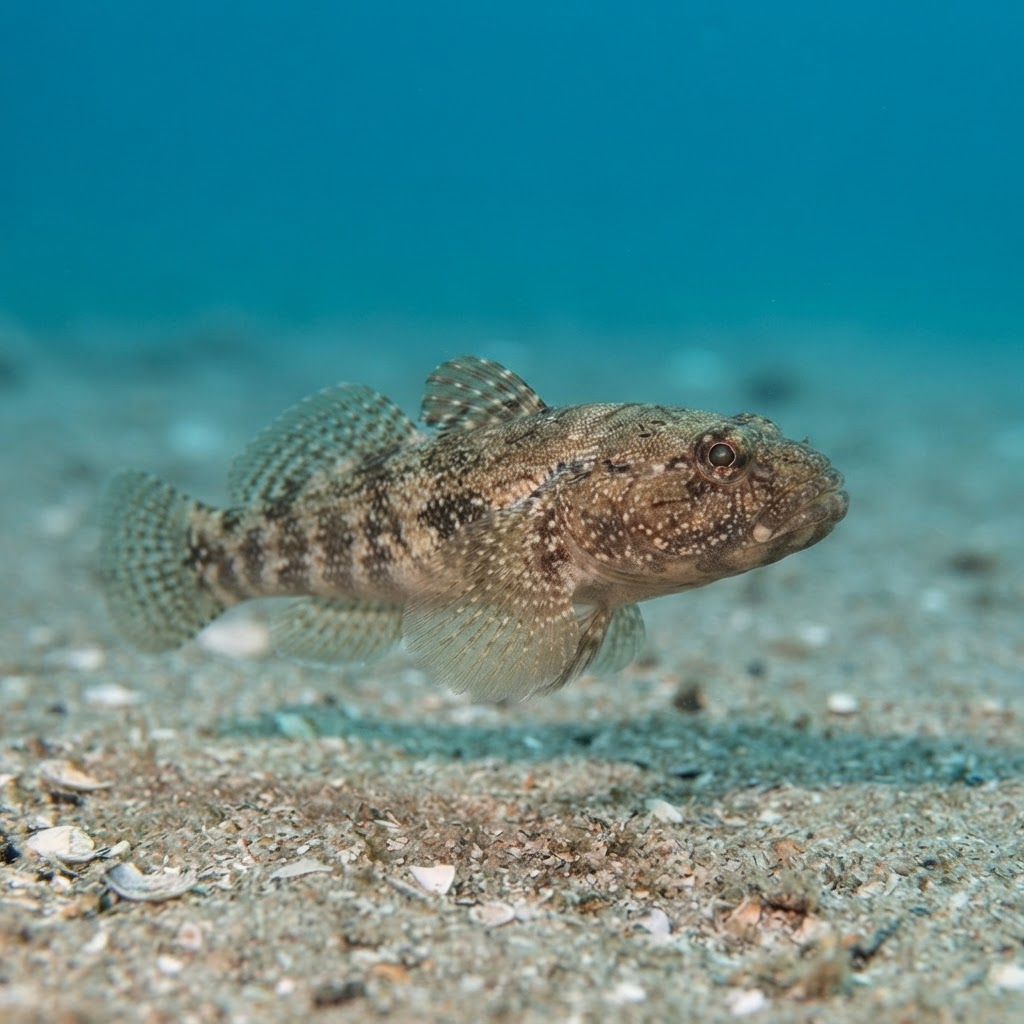
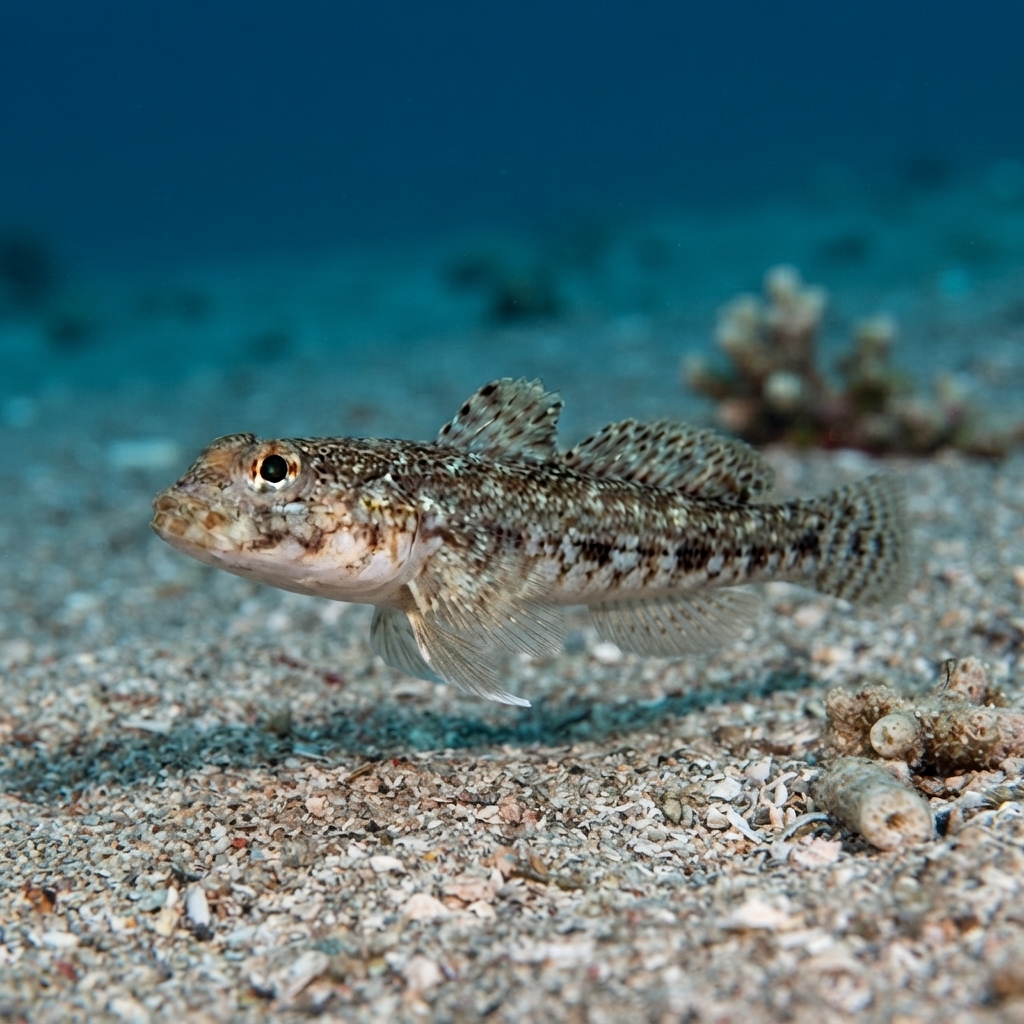
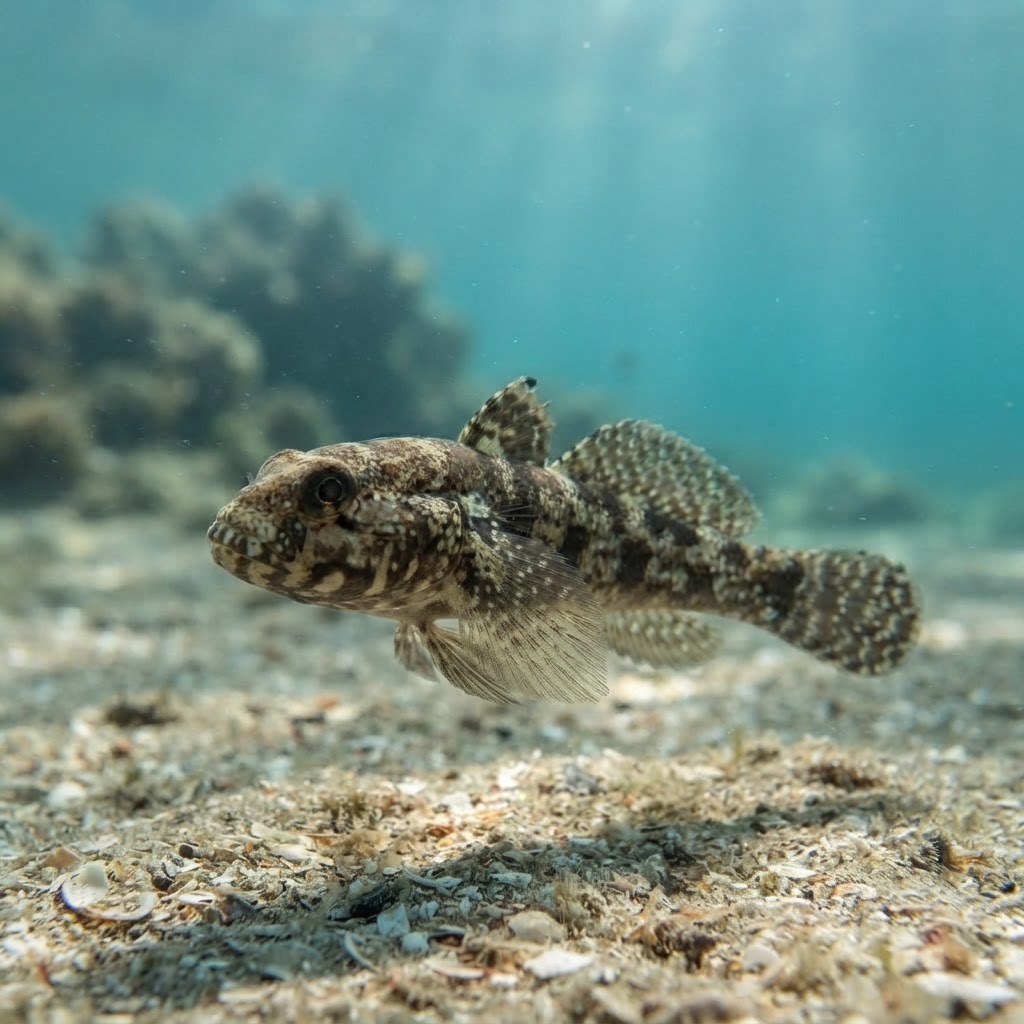
A large, chunky shrimpgoby by genus standards, growing to around 18 cm, with a mottled grey-brown to olive body covered in fine dark speckling rather than bold bars. Look for the broad, blunt head and thick body shape that sets it apart from slimmer shrimpgobies, plus the habit of hovering just above a burrow mouth on sand or rubble. It often pairs with a symbiotic pistol shrimp that keeps antennae contact with the goby's tail while excavating the shared burrow.
Spends most of its time hovering at the entrance to a burrow it shares with a pistol shrimp, retreating tail-first at the first sign of a diver getting too close. Divers usually spot it on open sand or rubble patches rather than on the reef proper, often working the slope during the day when light lets you pick out the burrow mound. Slow, low approaches and a bit of patience are usually rewarded with longer time in the open before it drops back into its hole.
Its burrow partnership with a pistol shrimp is a real division of labour: the shrimp digs and maintains the tunnel while the goby, with far better eyesight, stands guard and signals danger with a flick of its tail.
No clear seasonal pattern shows in the data, and it sits comfortably in the 28.4 to 29.3C range typical of these tropical sand flats, so it can be found year-round wherever it occurs.
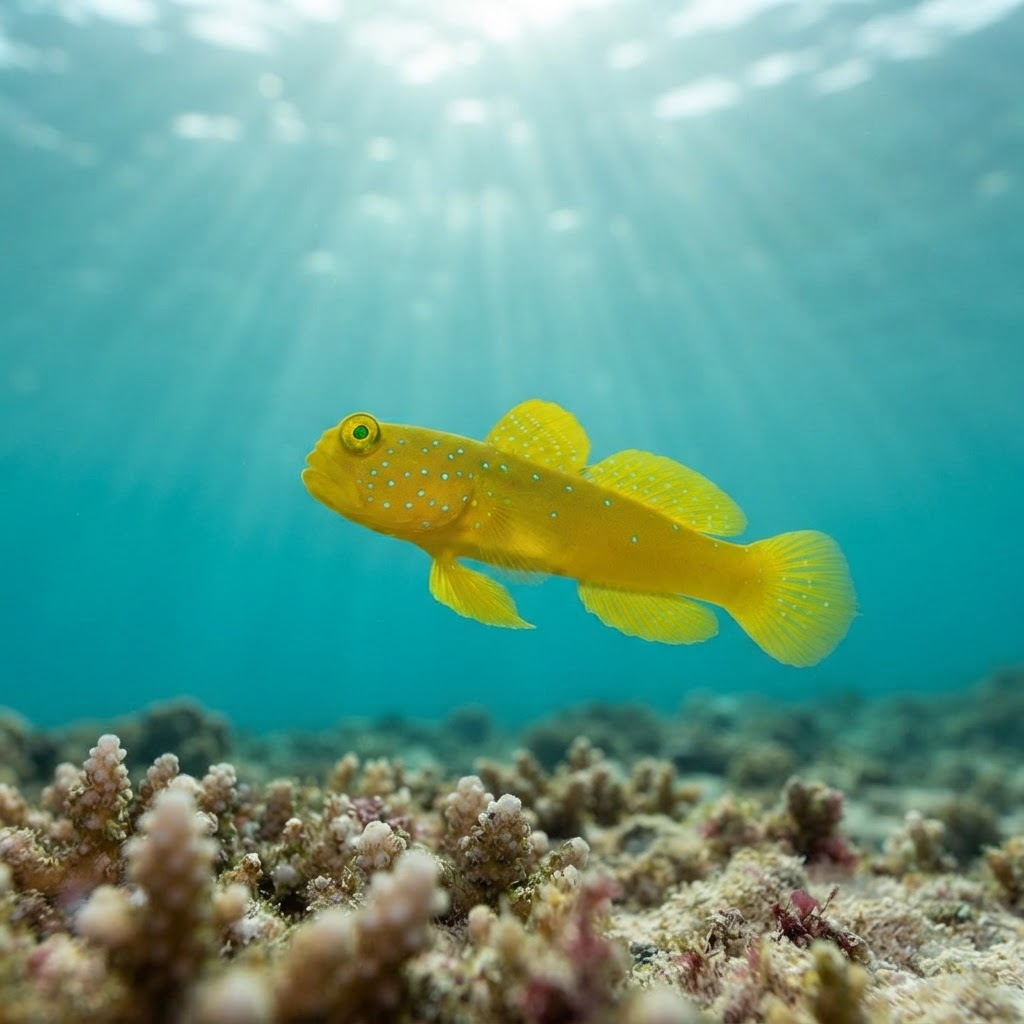
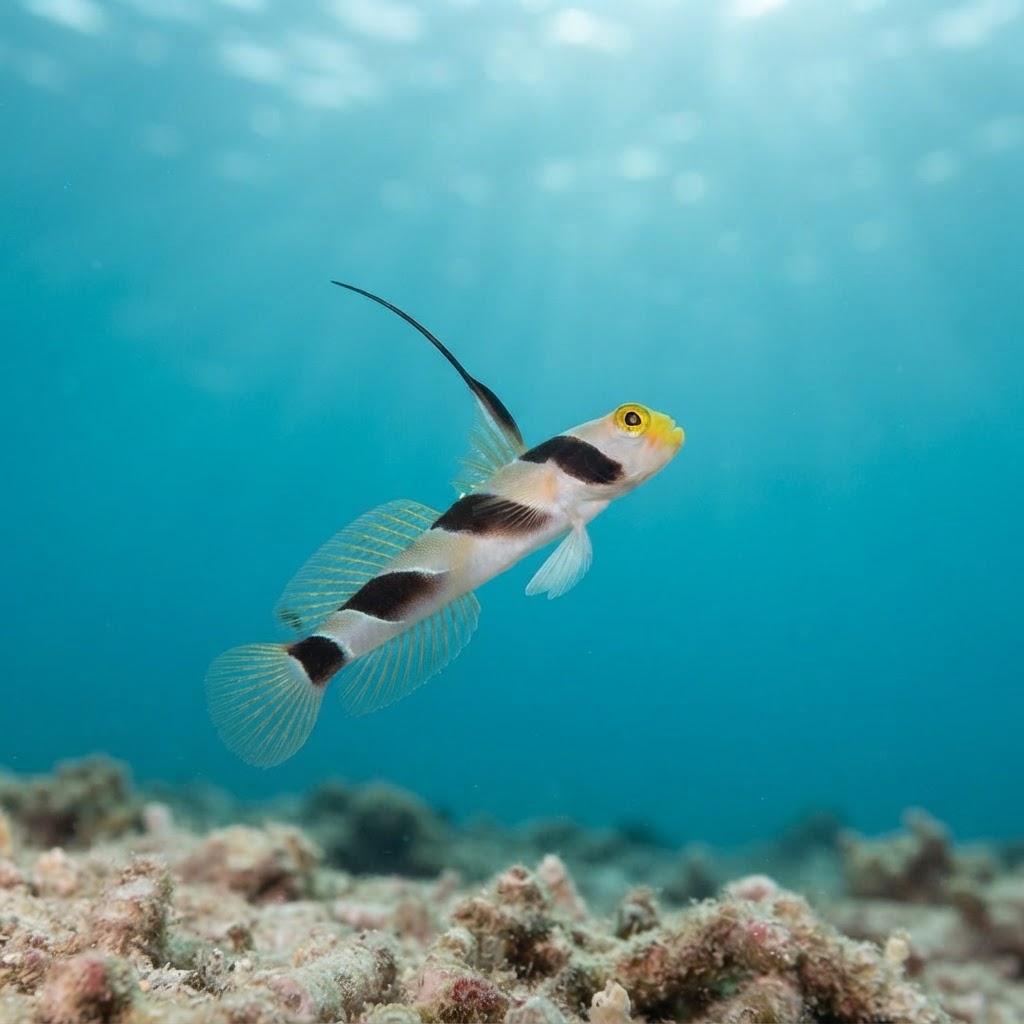
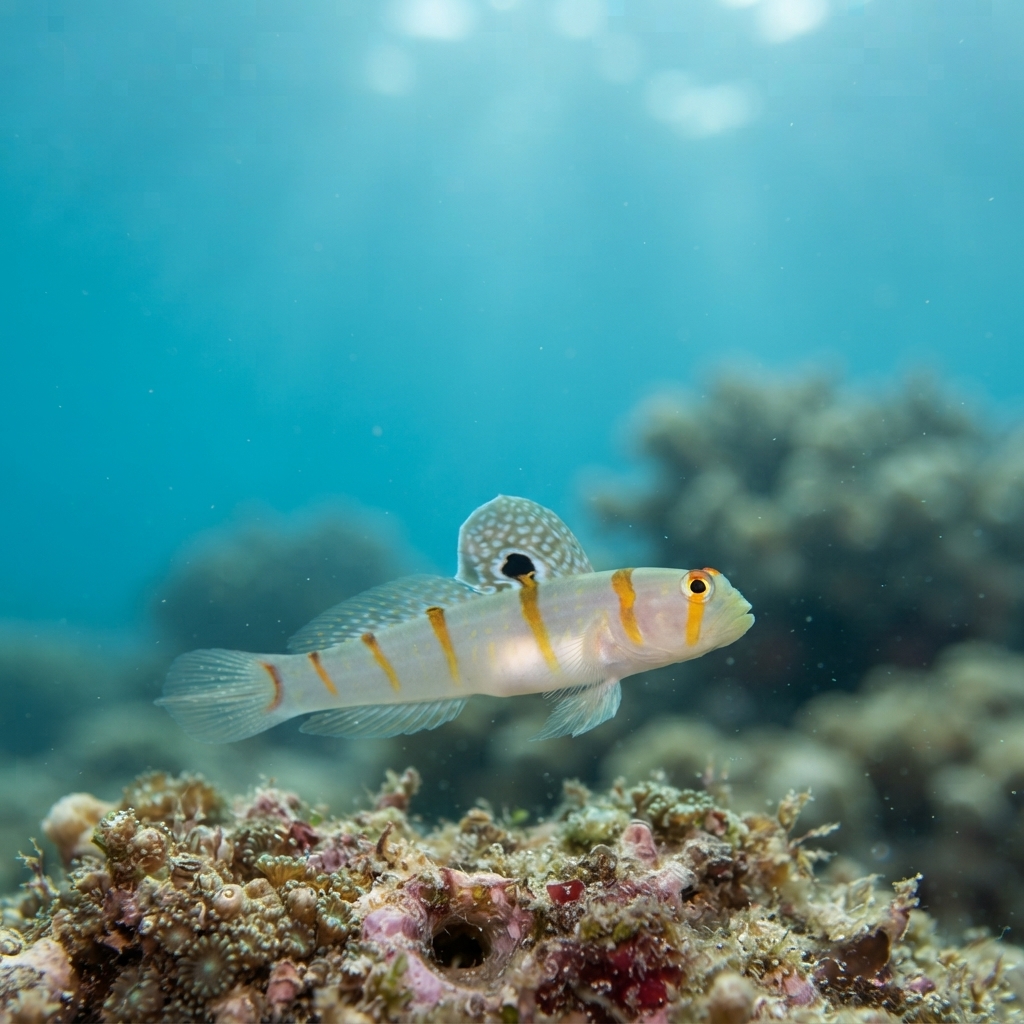
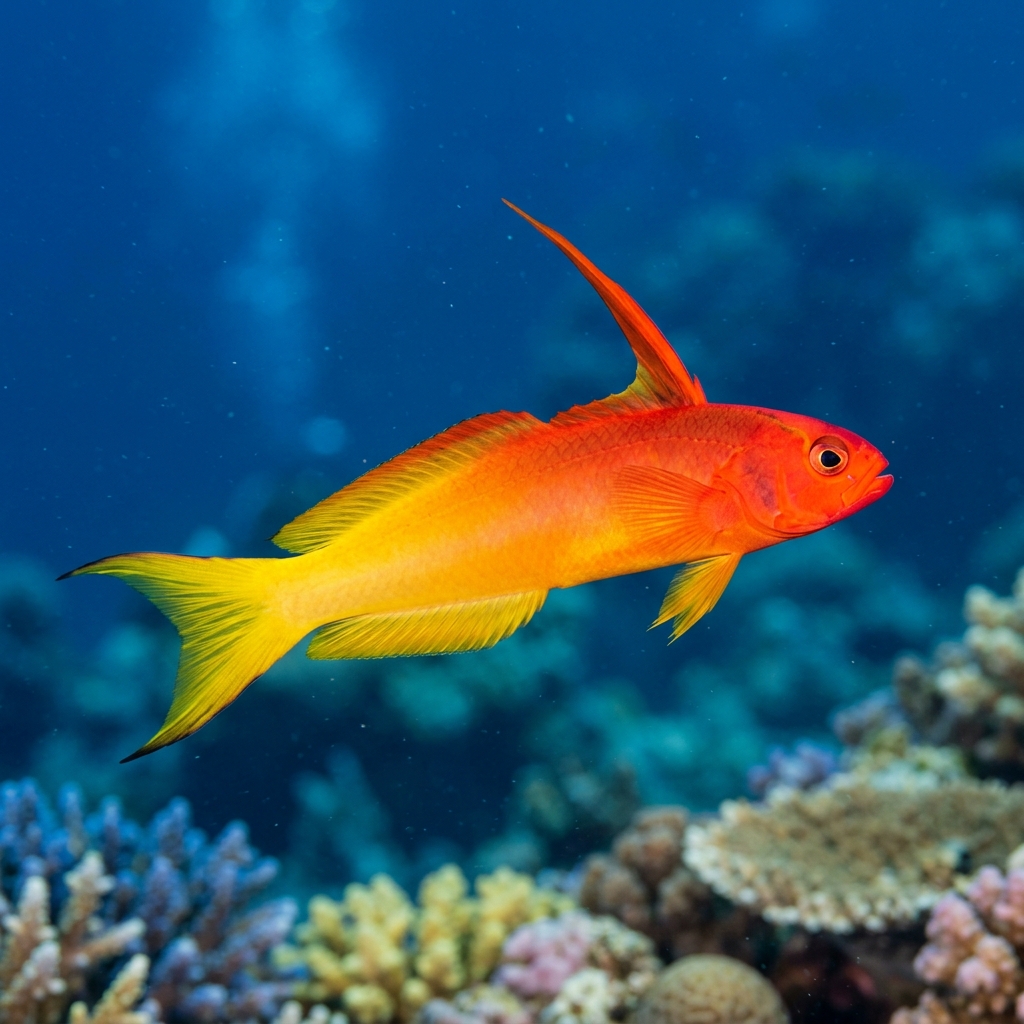
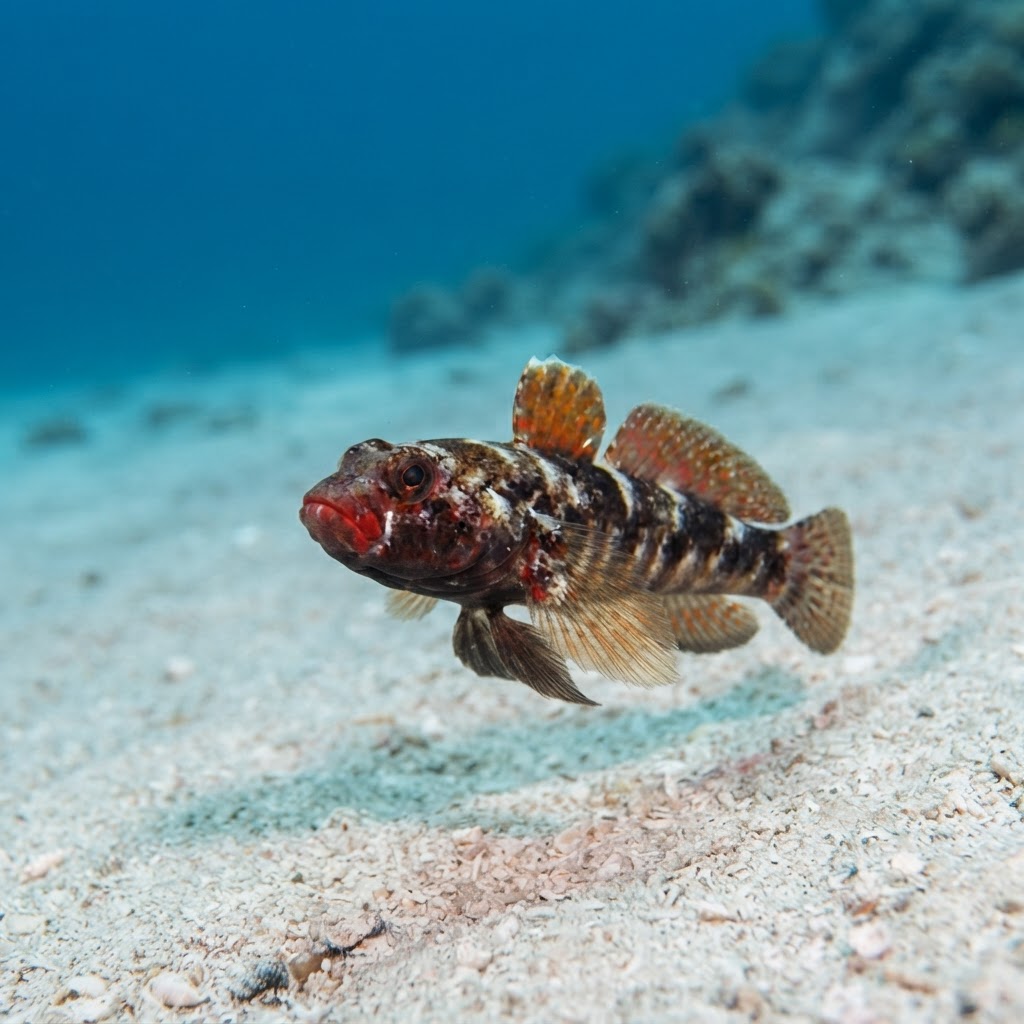
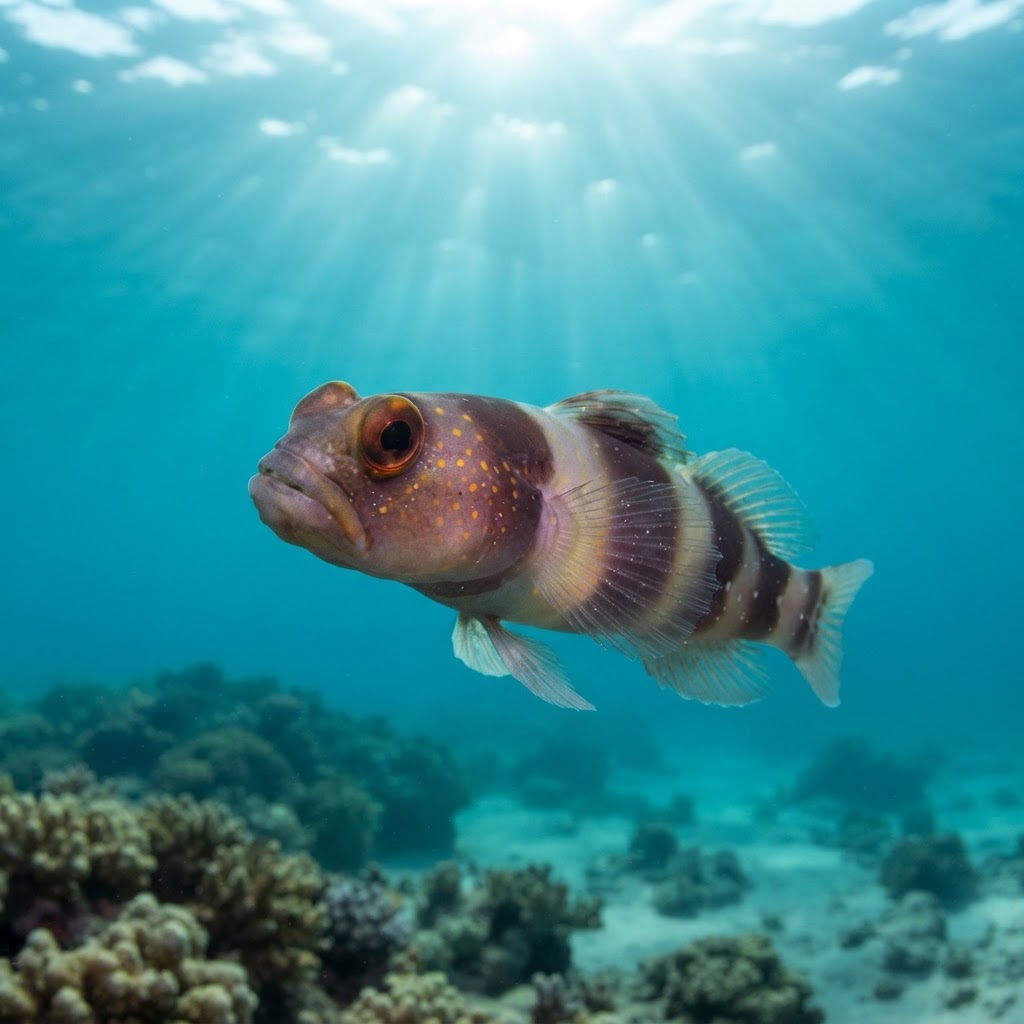
Reef neighbours a diver could mistake it for. Use the identification notes above to tell them apart.
Most reliably logged on sandy and rubble slopes in Luzon in the Philippines and around Dili in Timor-Leste, with a smaller but steady presence in Queensland, Australia. Across the sites where it turns up, it is usually described as uncommon, so patient sand-slope diving pays off more than a quick reef scan.
Mapping where Giant Shrimpgoby is logged…
The strongest sightings come from Luzon in the Philippines and the Dili area of Timor-Leste, with additional records from Queensland, Australia. Look for sandy or rubble slopes rather than hard coral reef.
There is no strong seasonal signal in the sighting data, and water temperatures of 28 to 29C on these reefs hold steady most of the year, so it can turn up on any dive in season for the region.
Look for a thick-bodied goby around 18 cm long, mottled grey-brown with fine speckling, hovering near a burrow mouth on sand or rubble. Its bulkier build compared to other shrimpgobies is the key giveaway.
They reach around 18 cm, making them one of the larger members of the shrimpgoby group divers commonly encounter.
It shares a burrow with a pistol shrimp in a classic reef partnership: the shrimp digs and cleans the tunnel while the goby watches for predators and flicks its tail to warn its blind roommate of danger.
No, they are harmless and simply retreat into their burrow if a diver gets too close.
Site and sighting data is aggregated from diver logs, iNaturalist and GBIF. For taxonomy and conservation status:
Slender Goby
806 sites