Amblygobius stethophthalmus
A small sand-dwelling goby common on Java's reefs and Koh Chang, comfortable in warm 27-29C water year-round.
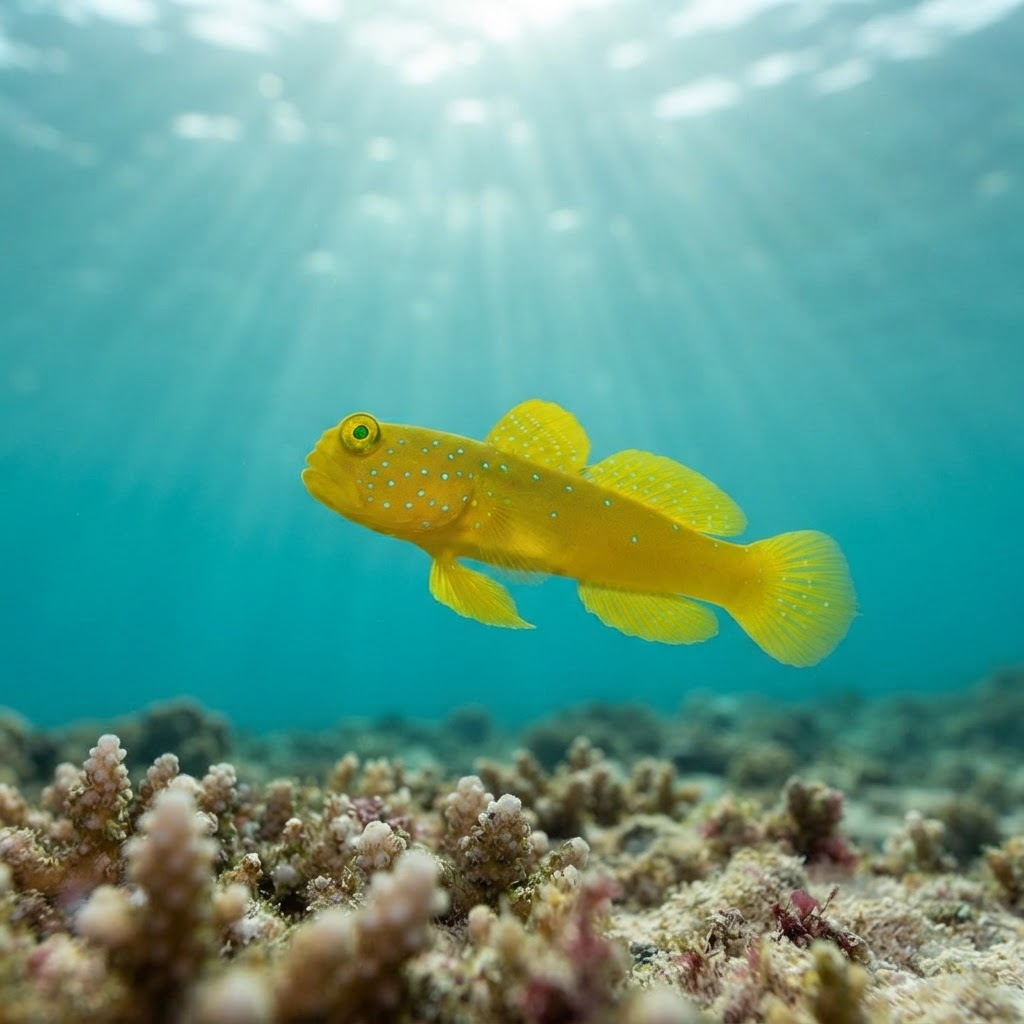
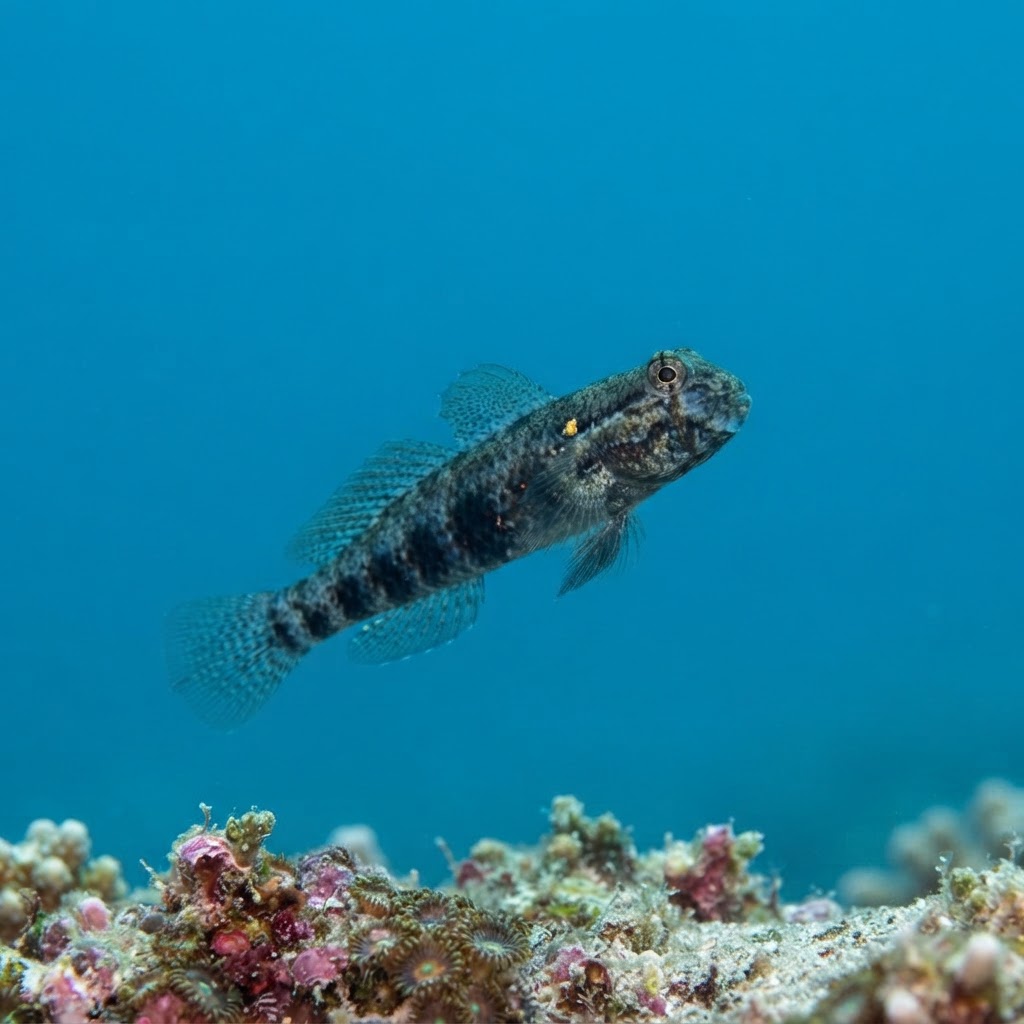
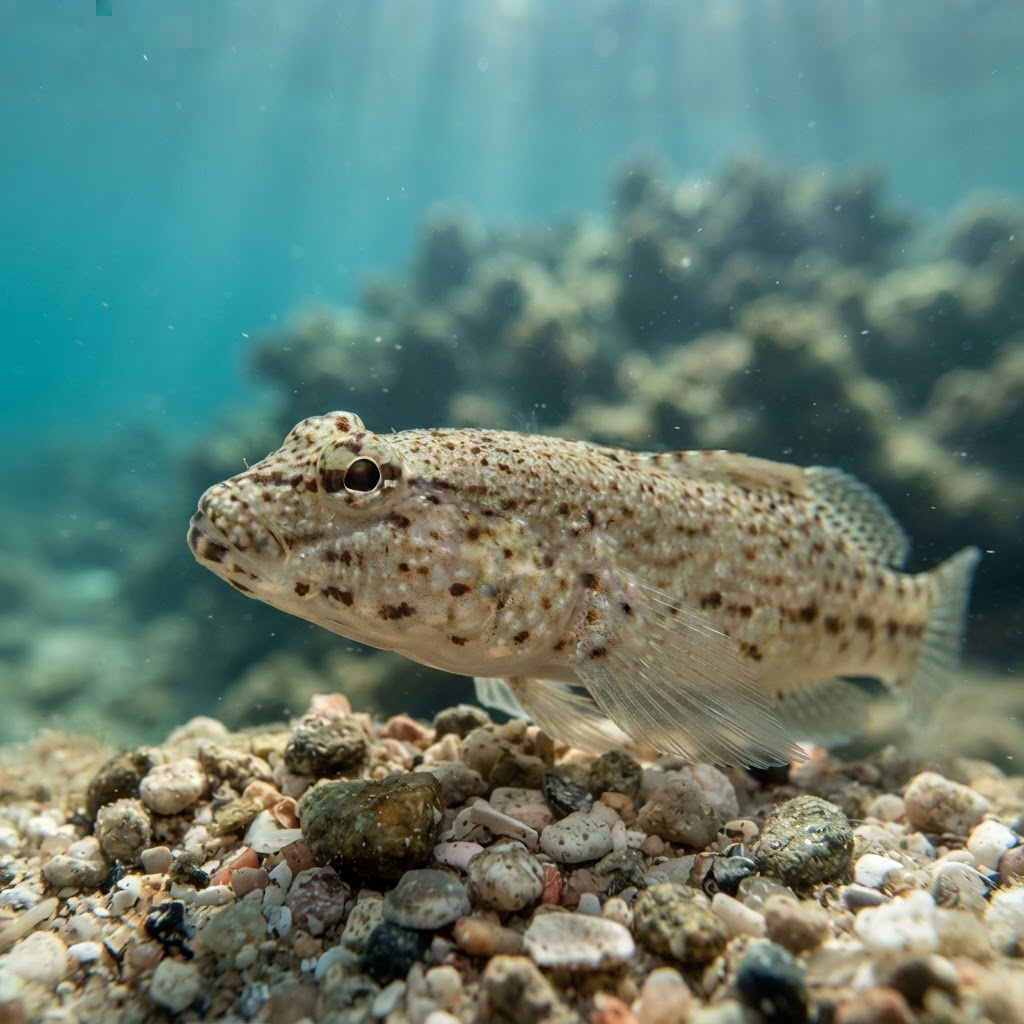
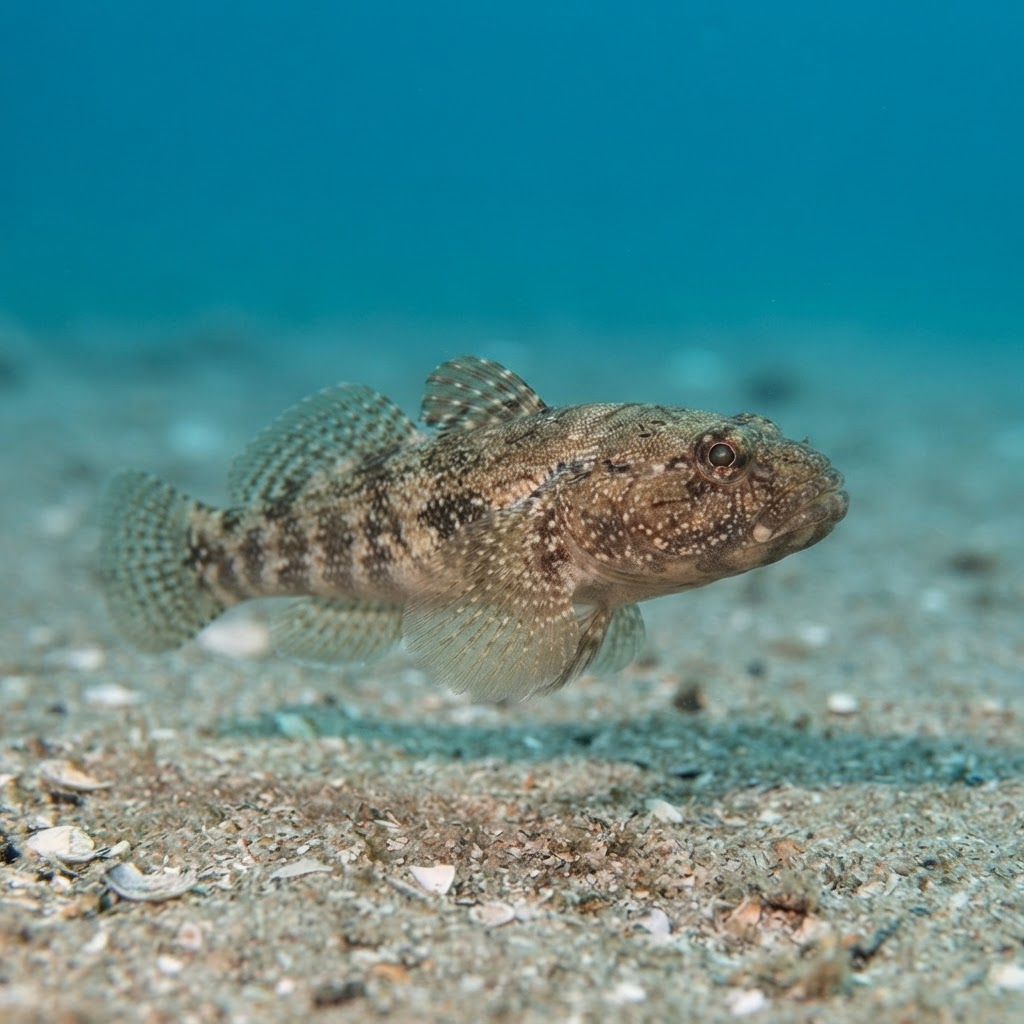
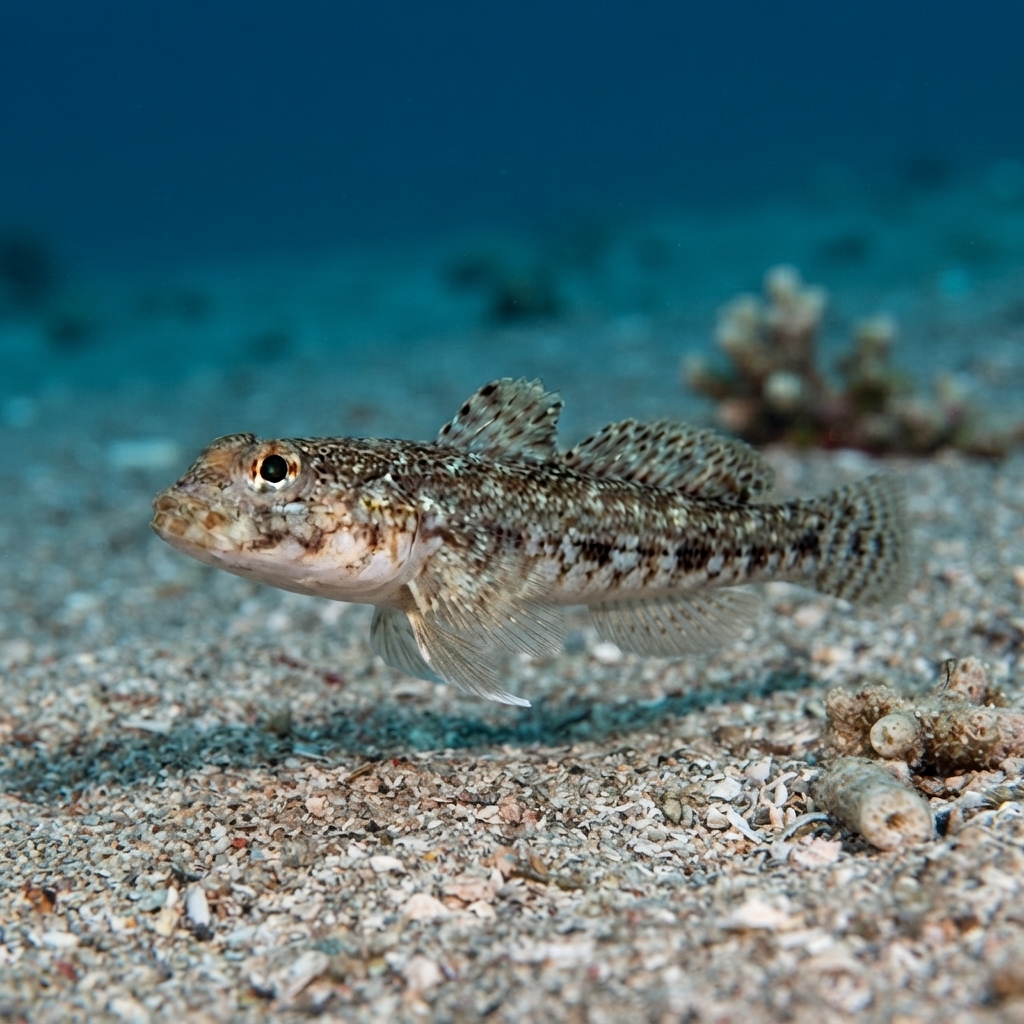
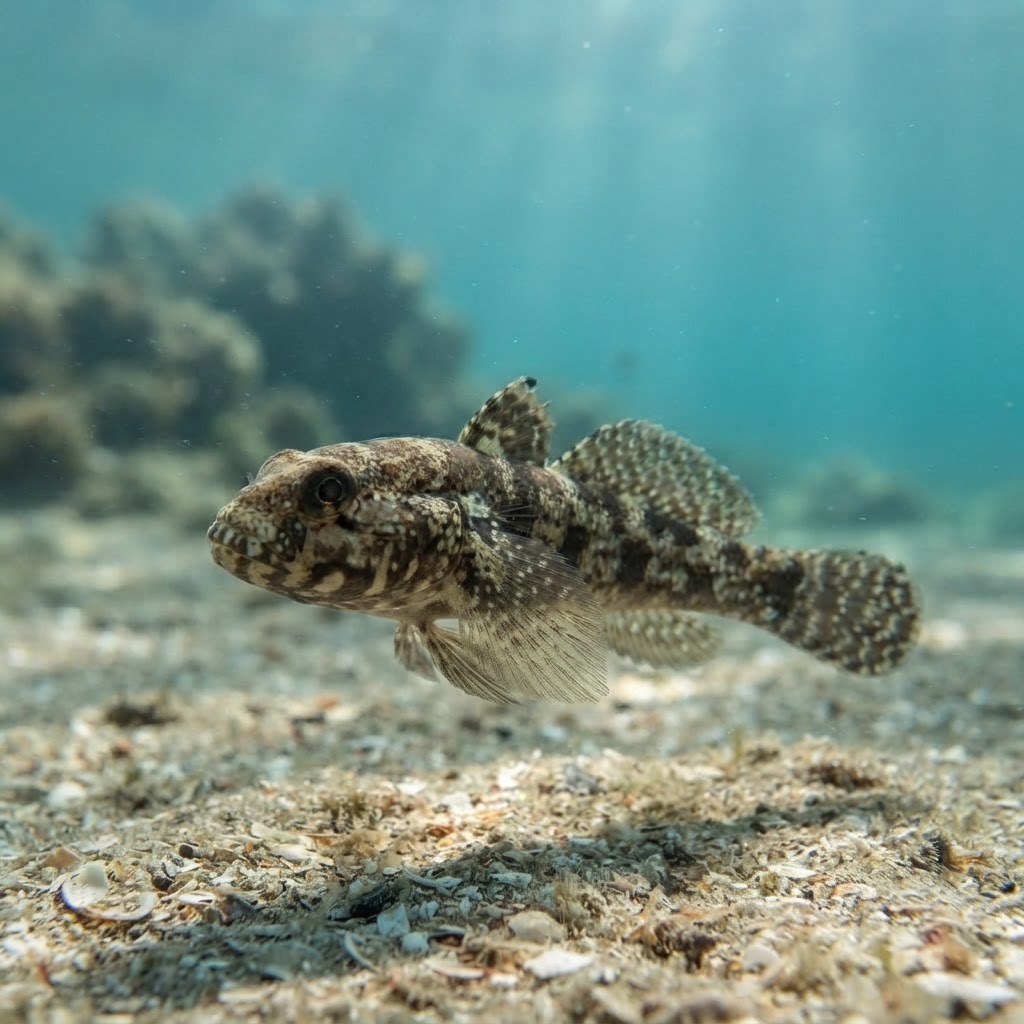
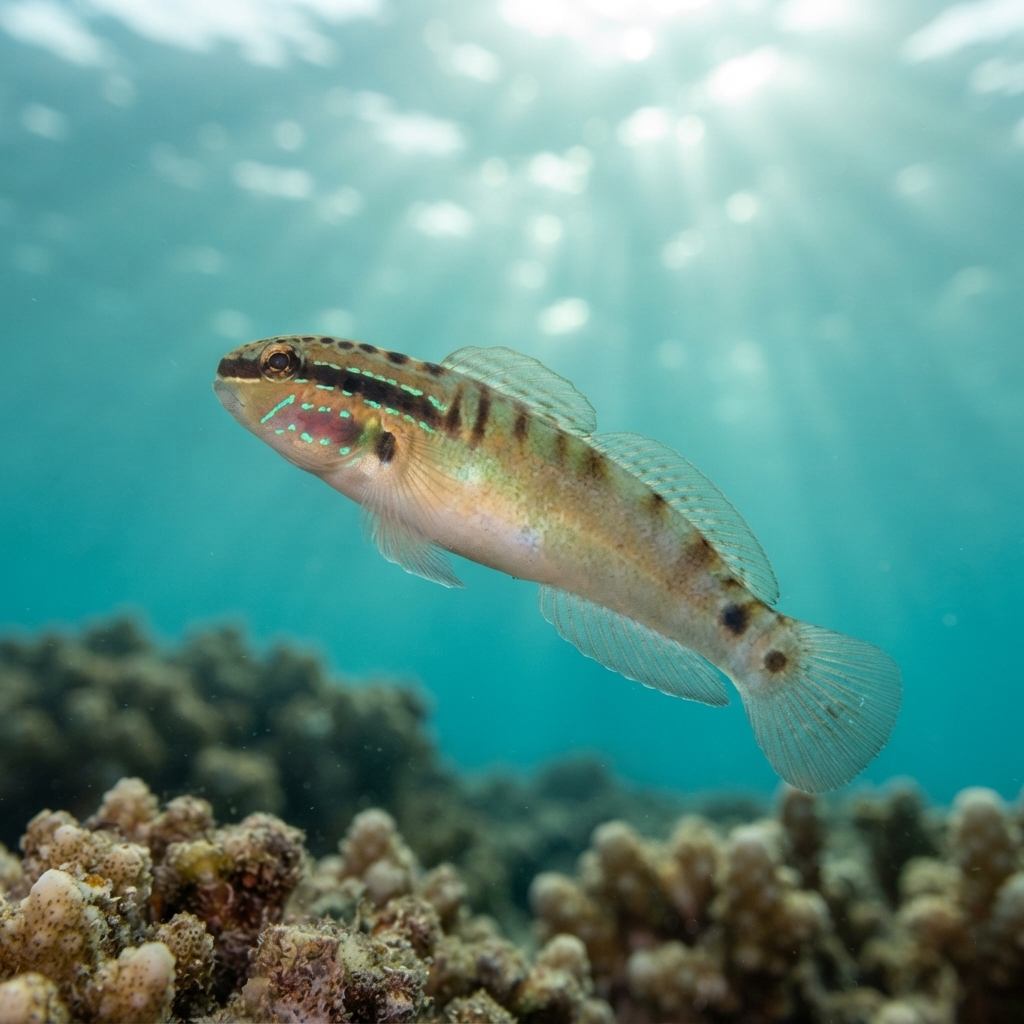
A tiny goby, around 6cm, pale sandy to grey-white body covered in fine dark speckling that gives it its name. Look for a slim, elongated body perched motionless on sand or rubble patches near the reef base, propped up on its pelvic fins. A dark blotch or bar behind the eye helps separate it from plainer sand gobies sharing the same habitat.
Spend most of the dive parked on open sand or rubble near coral bases, hovering just above the substrate rather than swimming freely. Approach slowly and it tends to hold its ground rather than bolt, though a sudden move sends it diving into a nearby burrow or crevice. Most sightings come from divers working the sandy fringes of reef slopes rather than the reef top itself.
Like many gobies, it likely shares a burrow with a symbiotic shrimp or excavates its own in the sand, using the reef's soft-bottom margins as both shelter and feeding ground.
No clear seasonal pattern shows up in the data, and with water sitting comfortably between 27.3 and 29.3C, it's a year-round sighting on these tropical reefs.
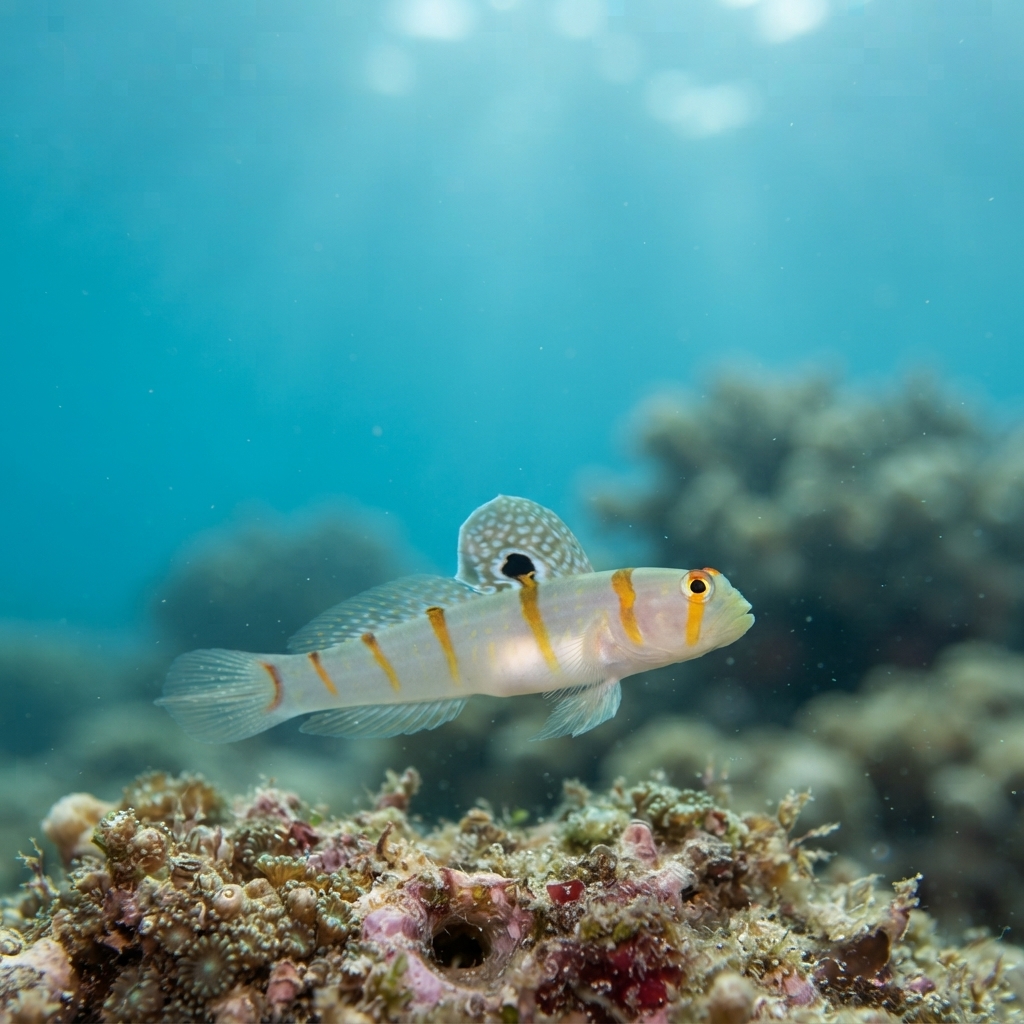
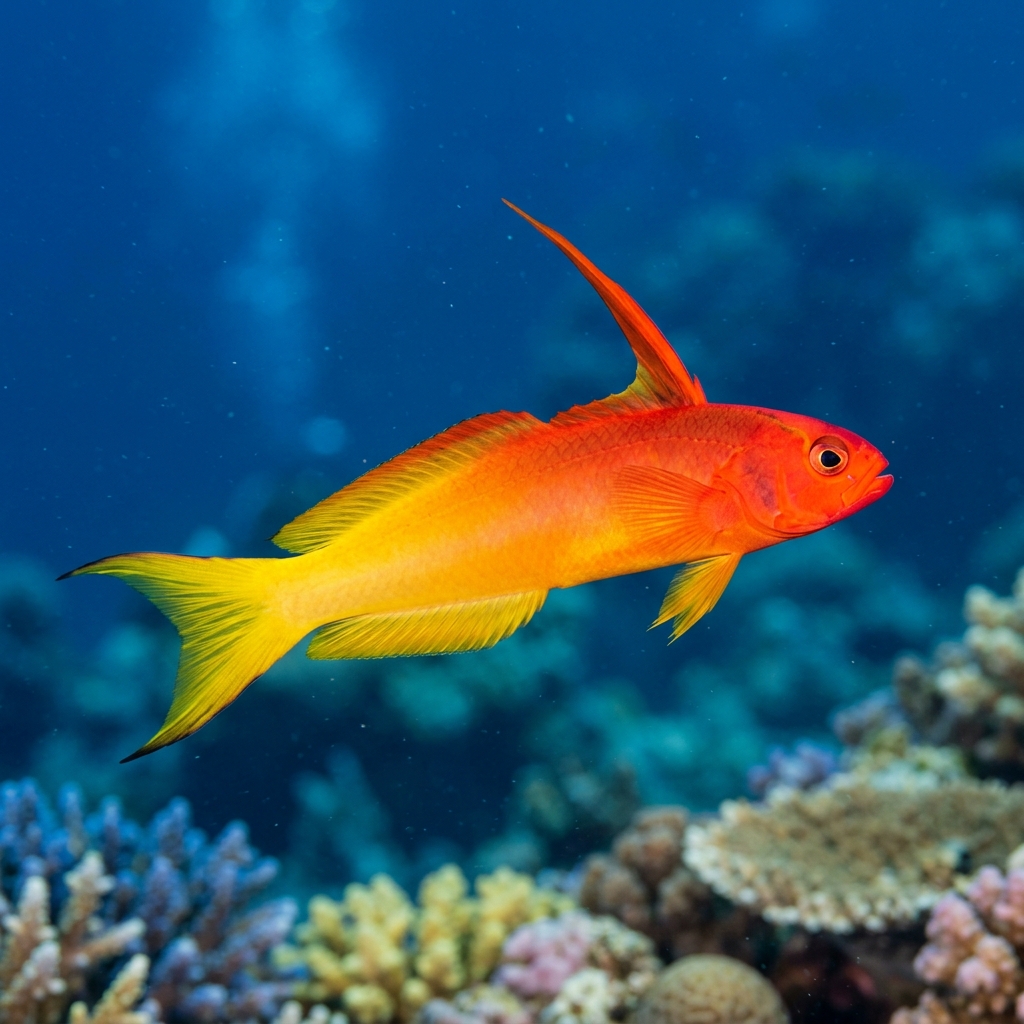
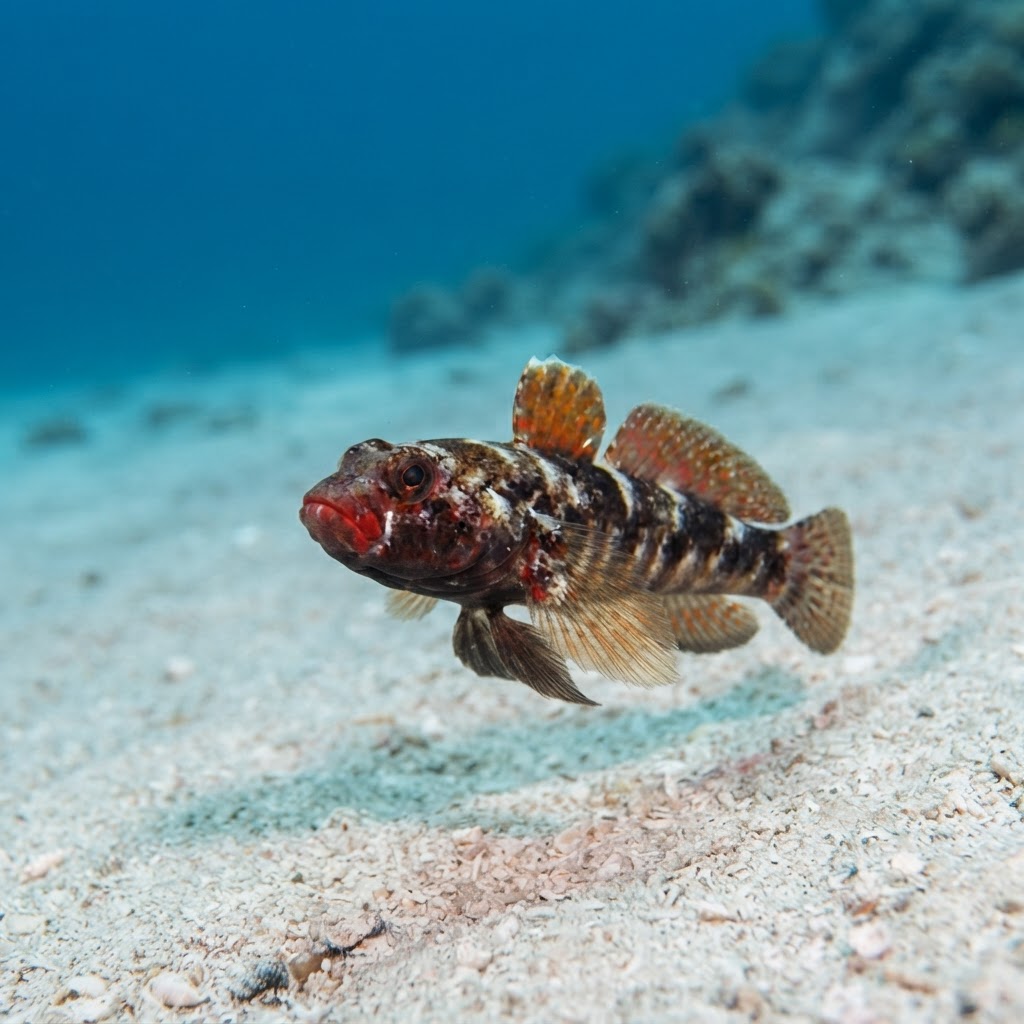
Reef neighbours a diver could mistake it for. Use the identification notes above to tell them apart.
Most reliably logged on the reefs of Java, Indonesia, where sightings are strongest, and a regular find around Koh Chang in Thailand. Smaller numbers turn up at Koh Phi Phi and Pattaya, so it's worth checking sandy patches and rubble edges at most Southeast Asian sites.
Mapping where Freckled Goby is logged…
Java in Indonesia has the strongest concentration of sightings, with Koh Chang in Thailand also a reliable spot. Smaller numbers show up at Koh Phi Phi and Pattaya.
There's no strong seasonal pattern in the sighting data. Water stays in the 27 to 29C range on these reefs year-round, so it's present in any season.
Look for a small, pale, speckled goby around 6cm long, perched still on sand or rubble near the reef base rather than swimming in open water. A dark mark behind the eye is a useful clue.
They stay small, typically around 6cm long, making them easy to overlook unless you're scanning sandy patches closely.
No. They're harmless, tiny bottom-dwellers that pose no risk to divers and will retreat into a burrow if disturbed.
Site and sighting data is aggregated from diver logs, iNaturalist and GBIF. For taxonomy and conservation status:
Slender Goby
806 sites