Trachinotus carolinus
Silvery and fast-moving over Florida's sand flats, Florida Pompano turn up year-round in waters around 23 to 28 C.
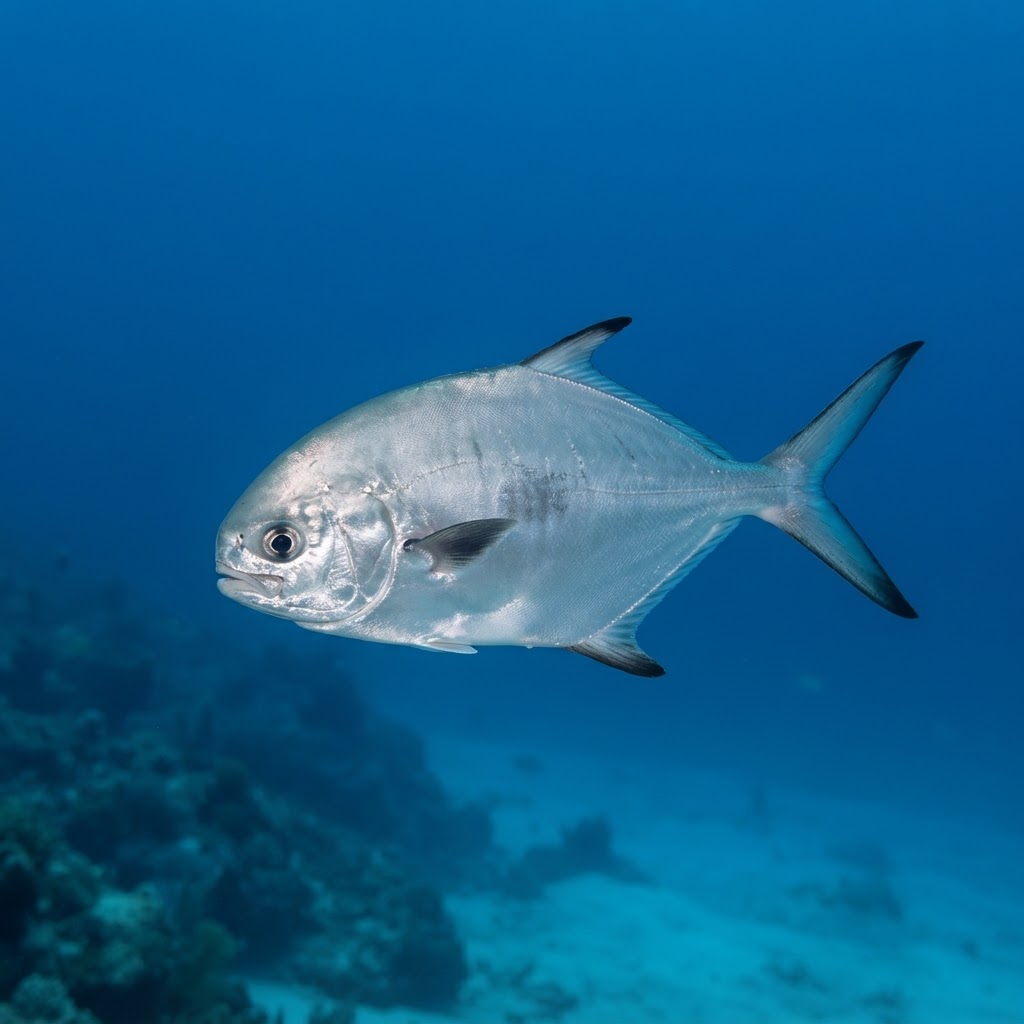
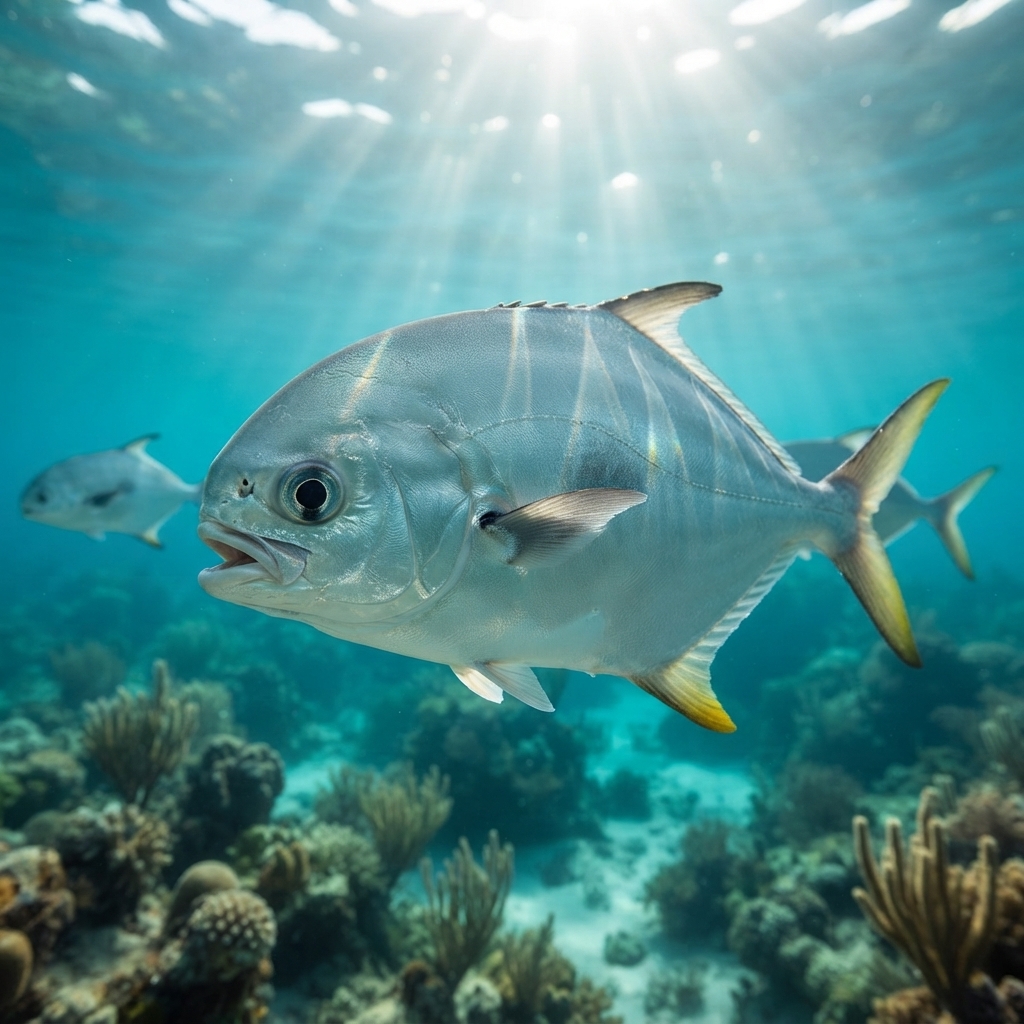
A compact, deep-bodied fish that flashes silver with a faint yellowish wash on the belly and fins, growing to around 45 cm. Look for the sharply forked tail and the steep, almost blunt profile of the head, which gives it a slightly different silhouette from the slimmer jacks it swims alongside. It often travels alone or in small loose groups rather than tight schools.
Divers usually spot it cruising low over sand flats and open bottom near reefs, rather than tucked into structure, often moving with purpose rather than lingering. It tends to keep some distance from divers and will veer off if approached directly, so a slow, low profile gives the best chance of a longer look. Sightings lean toward uncommon or rare at most sites, so patience on sandy patches near reef edges pays off.
It feeds by rooting through sand for buried invertebrates like small crabs and molluscs, which is why divers most often find it over open sand rather than on the reef itself.
No clear seasonal pattern shows up in the sighting data, and with a comfort range of roughly 23.3 to 28 C, it fits the warm coastal waters of Florida and Texas for most of the year, so divers log it in any month.
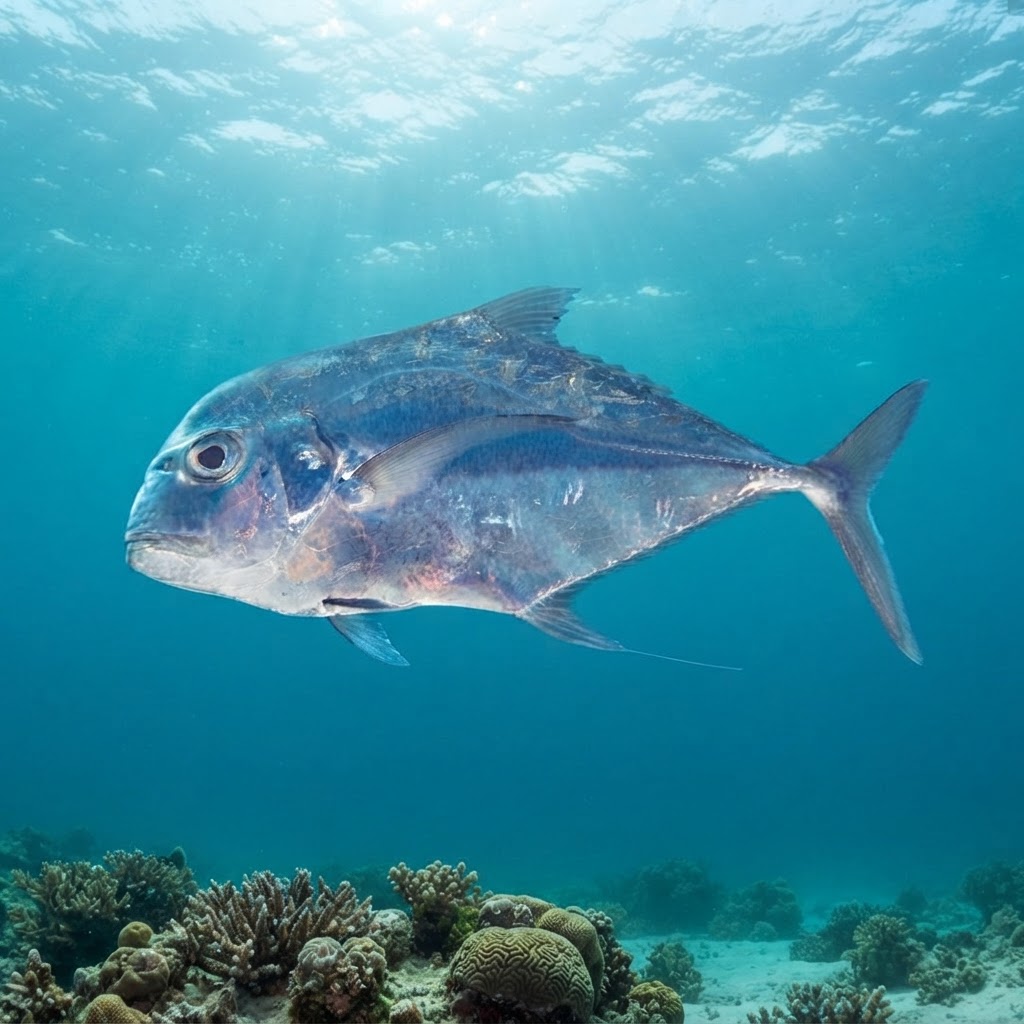
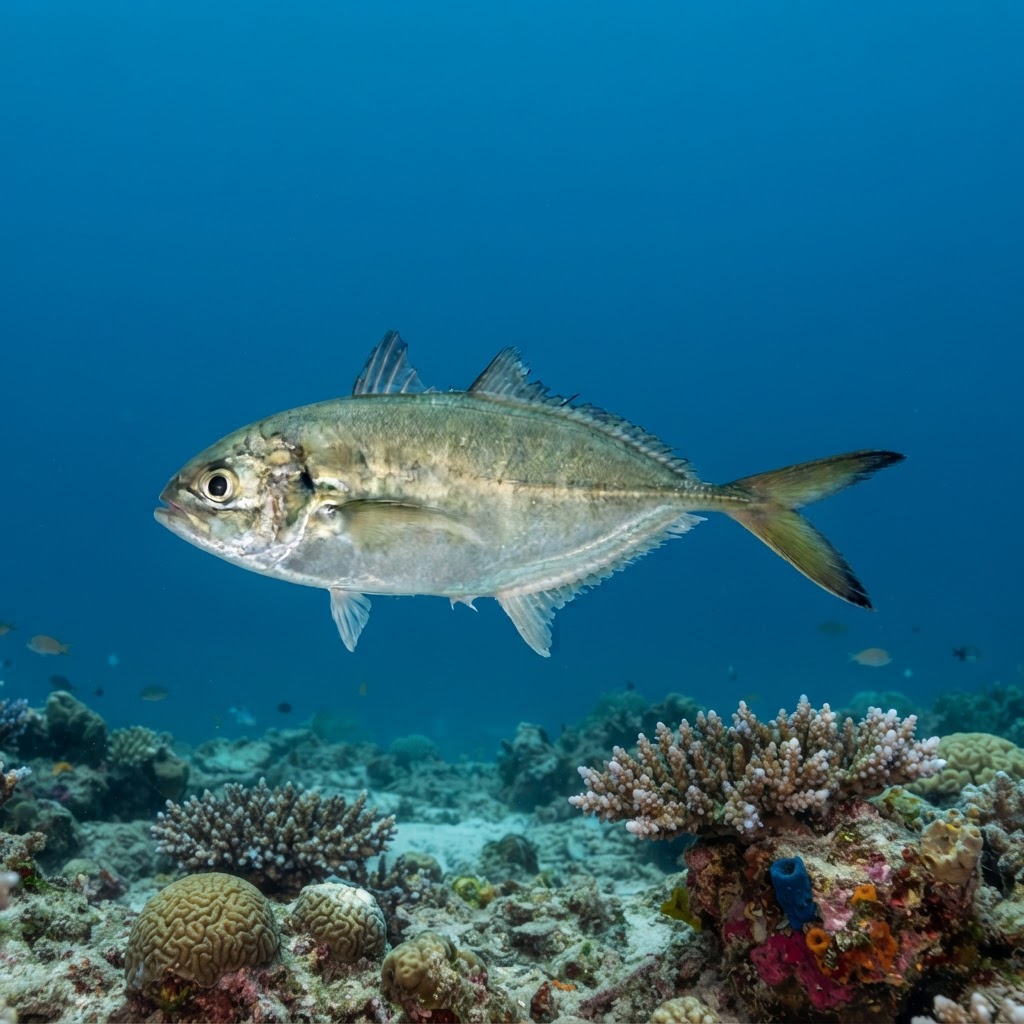
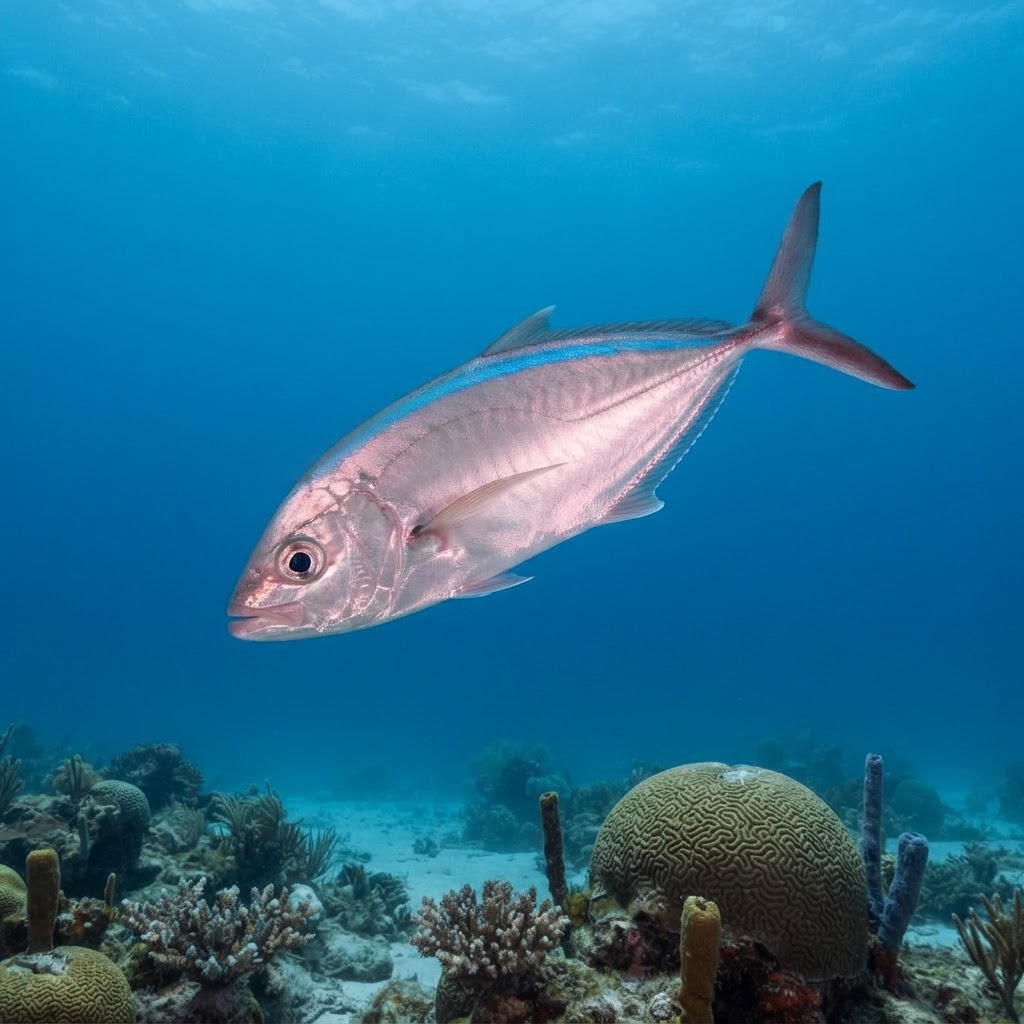
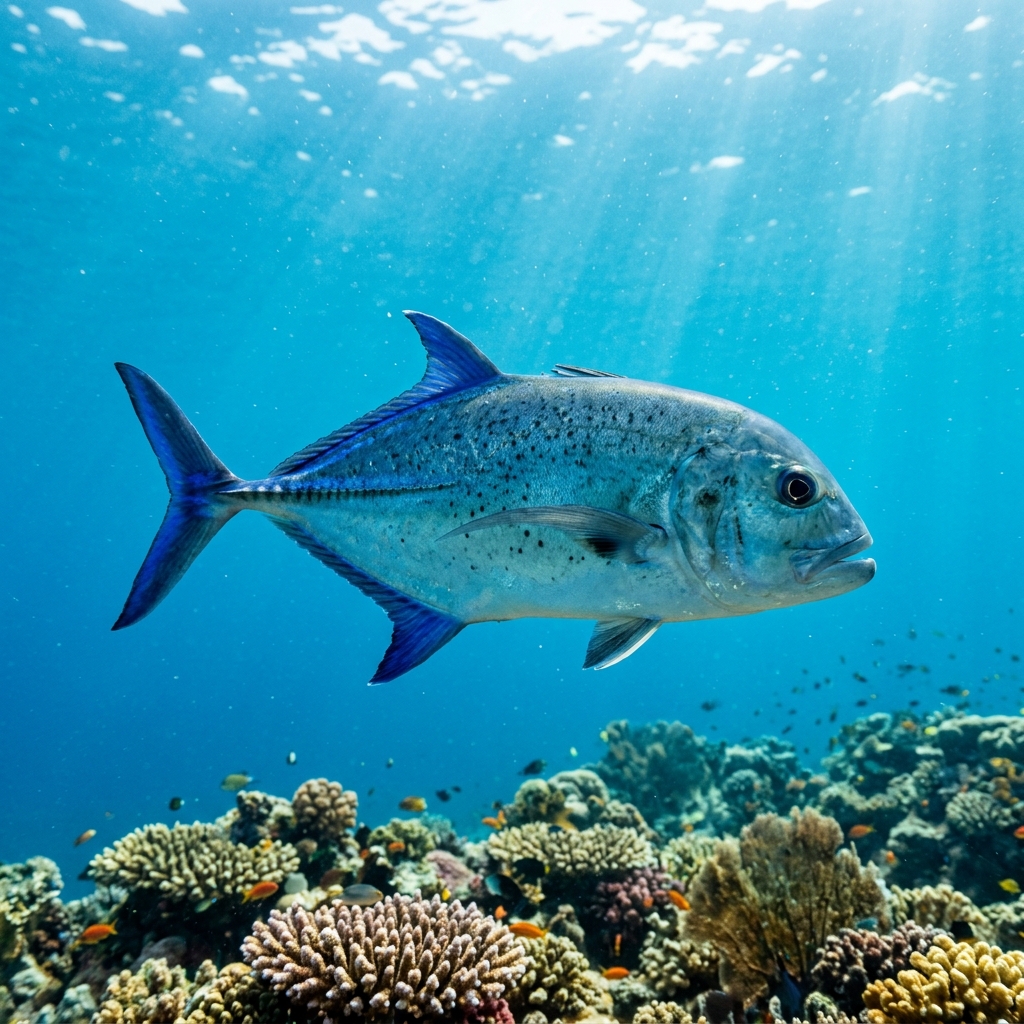
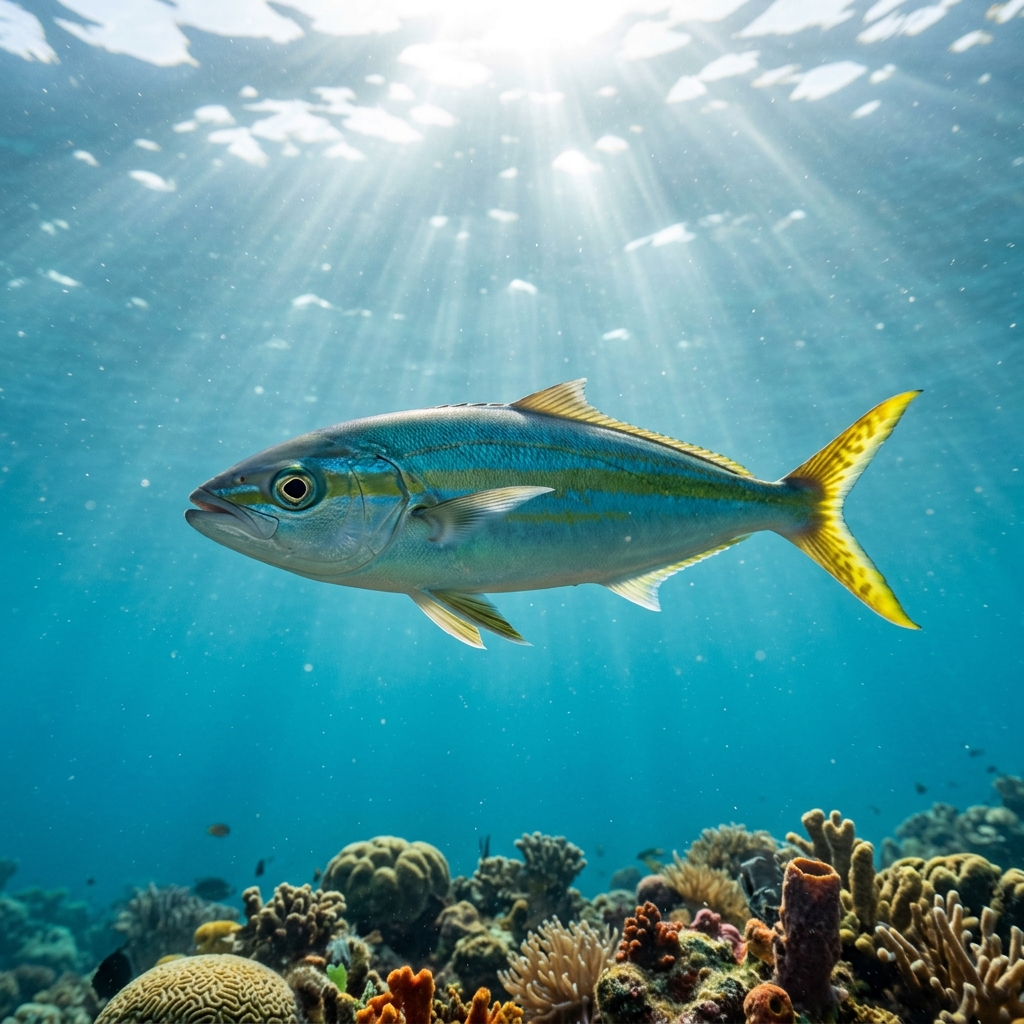
Reef neighbours a diver could mistake it for. Use the identification notes above to tell them apart.
Florida Pompano is most reliably logged around Florida, with a smaller but real presence off Texas. Sightings so far are concentrated in the United States, with Florida sites accounting for the bulk of logged encounters.
Mapping where Florida Pompano is logged…
Florida is the main hotspot, with the strongest run of logged sightings, and it also turns up off Texas. Nearly all recorded encounters so far come from these two US coastlines.
There's no strong seasonal pattern in the sightings, so it's considered a year-round fish in its range. It favours water between about 23 and 28 C, which covers most of the year in Florida and Texas.
Look for a silvery, deep-bodied fish around 45 cm with a yellowish tint on the belly and fins and a strongly forked tail. It's usually seen cruising alone or in small groups low over sandy bottom near reef edges.
They typically reach around 45 cm in length, making them a mid-sized member of the jack family rather than a giant.
It roots through sandy bottom for buried invertebrates such as small crabs, worms, and molluscs, which is why it's usually spotted over open sand rather than reef structure.
Site and sighting data is aggregated from diver logs, iNaturalist and GBIF. For taxonomy and conservation status:
Bigeye Trevally
2,591 sites