Coris bulbifrons
A big-headed wrasse most reliably found in New South Wales, Australia, in cool 17-23C water year-round.
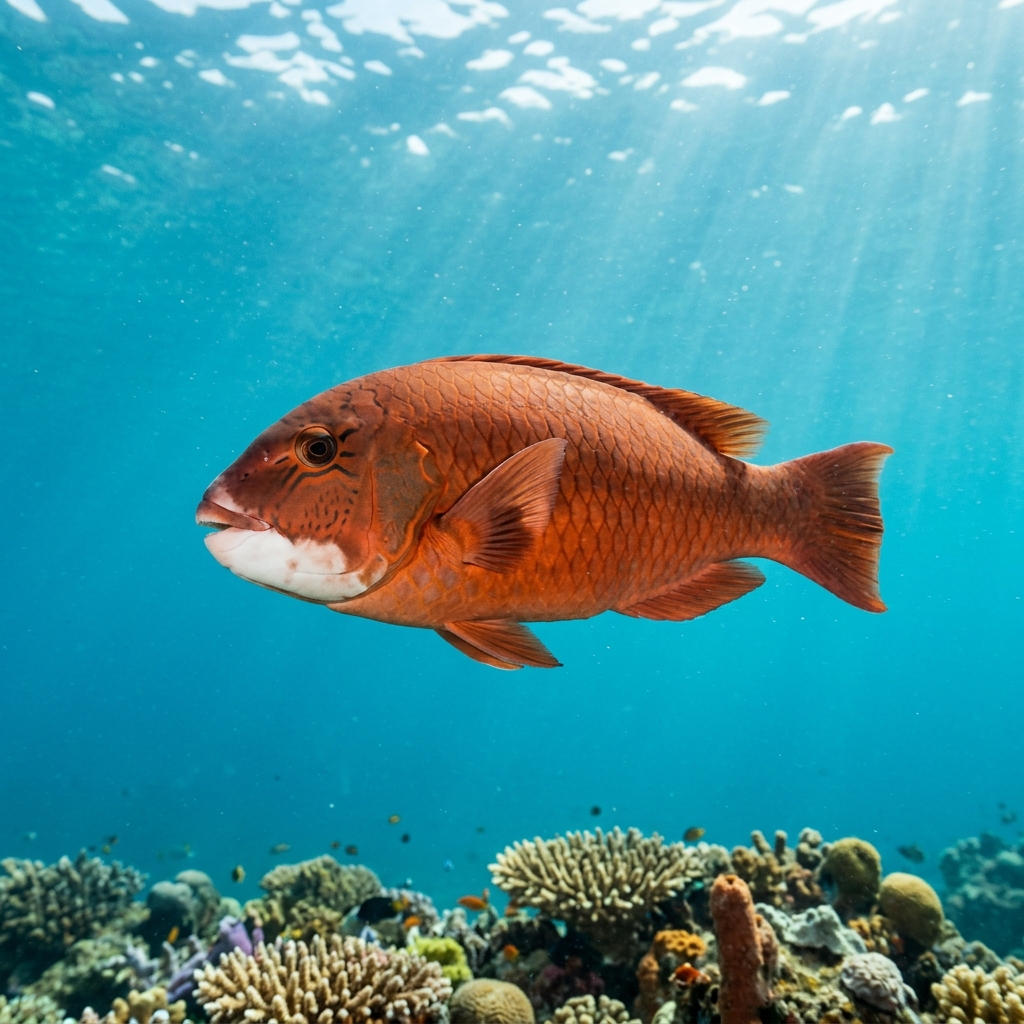
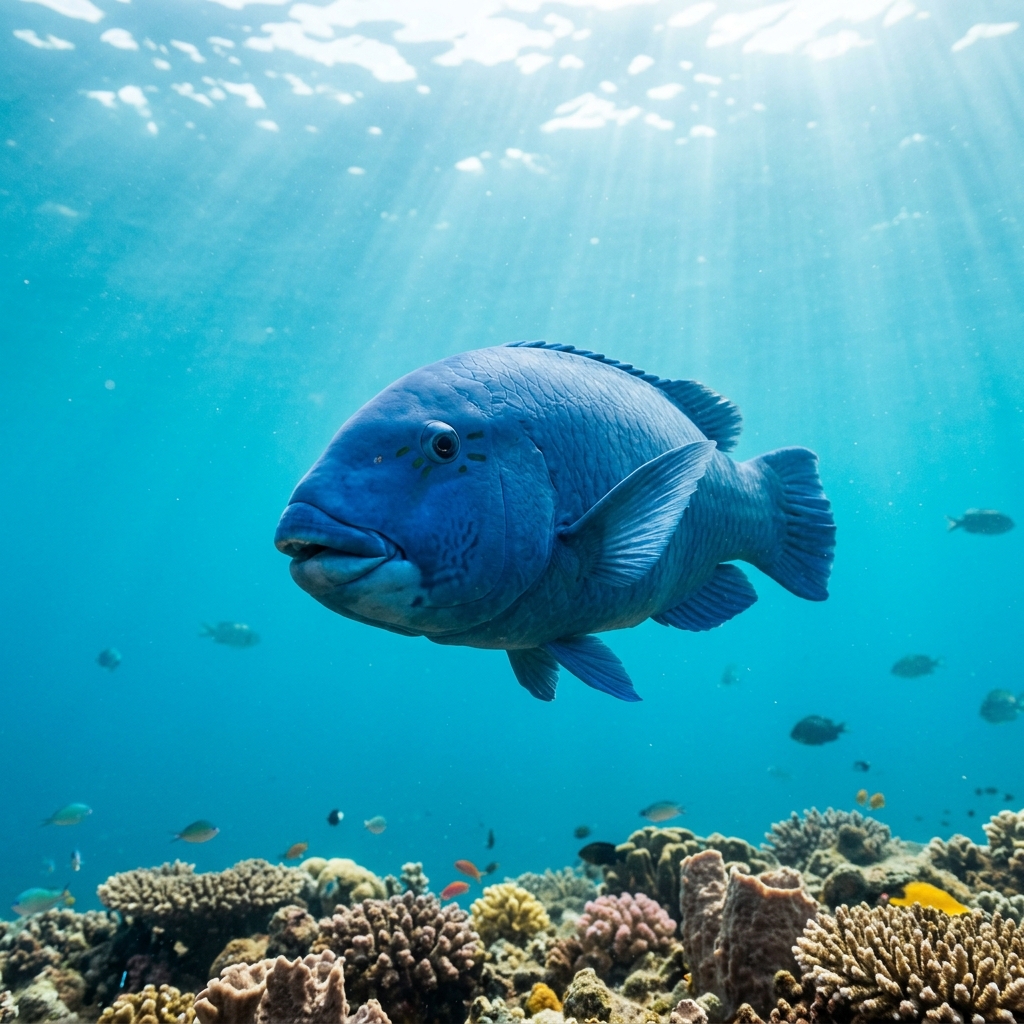
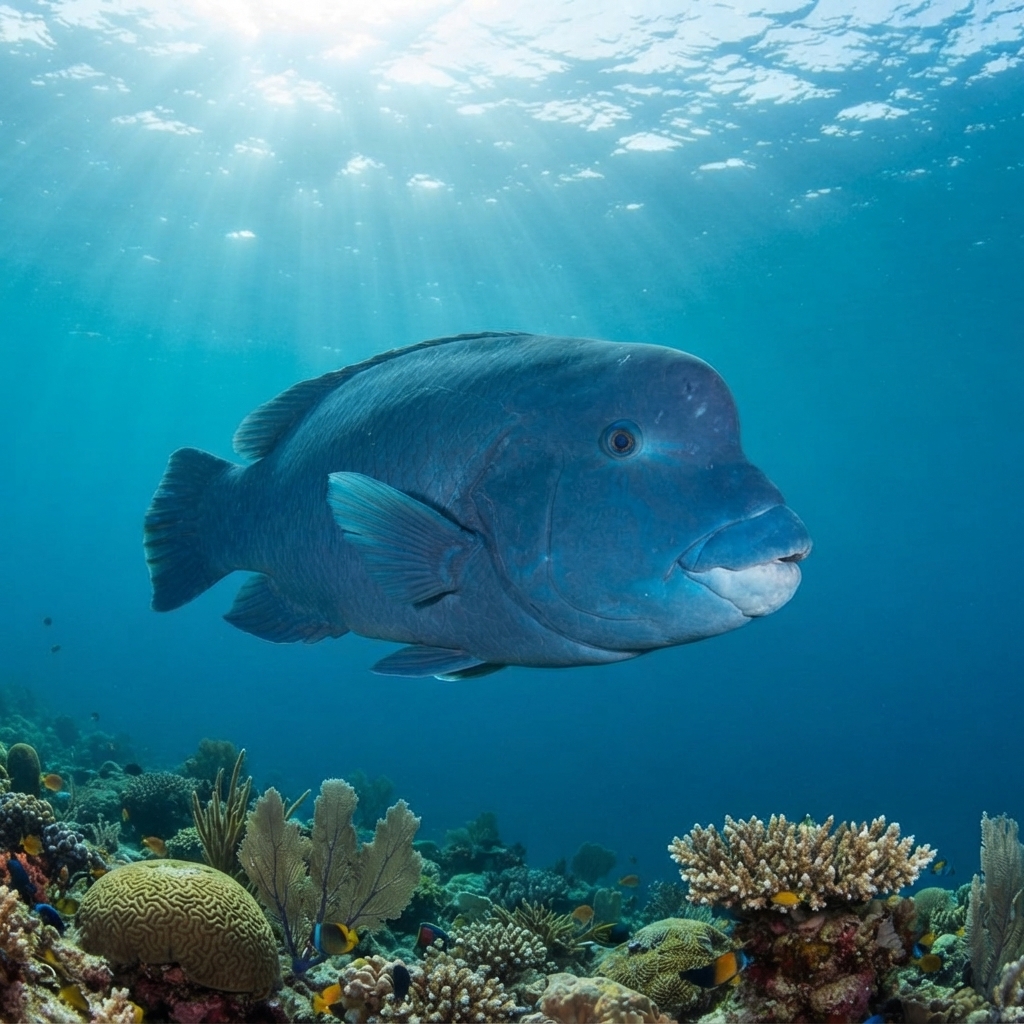
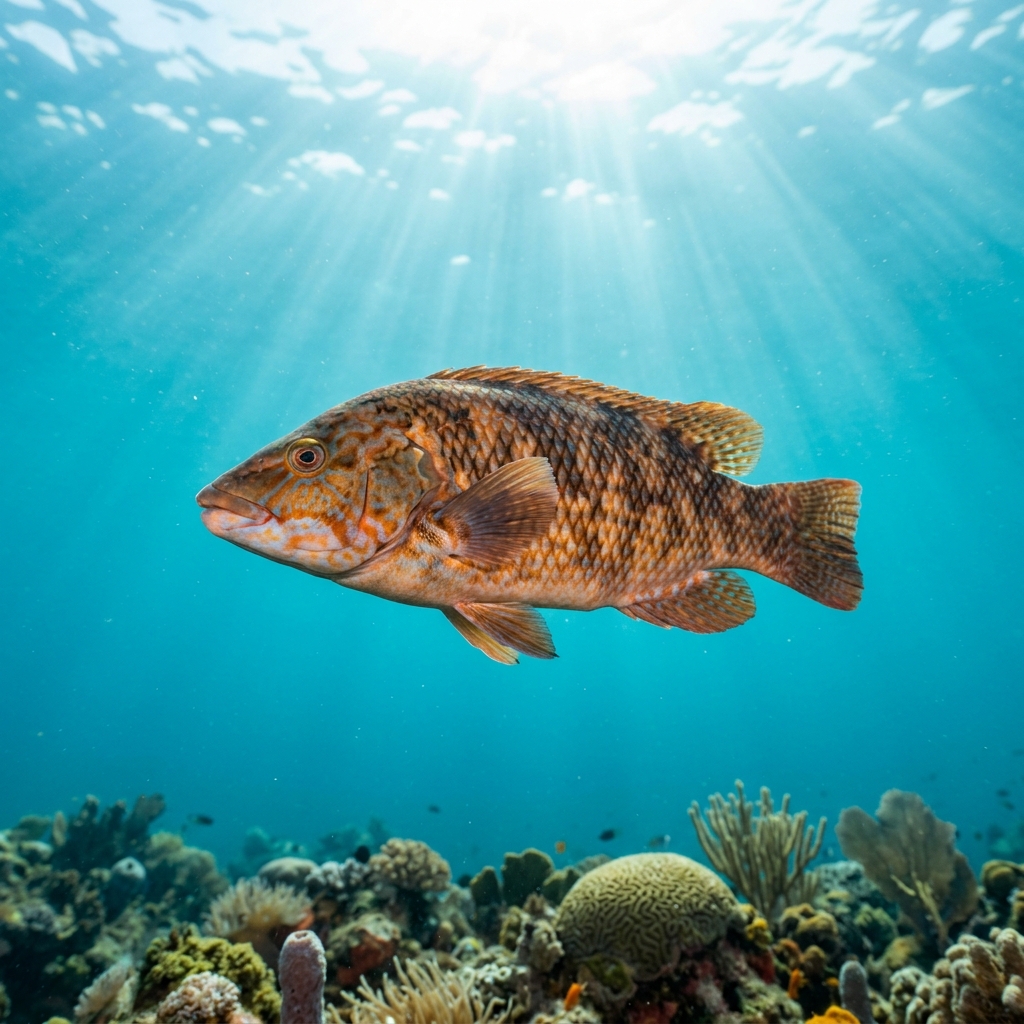
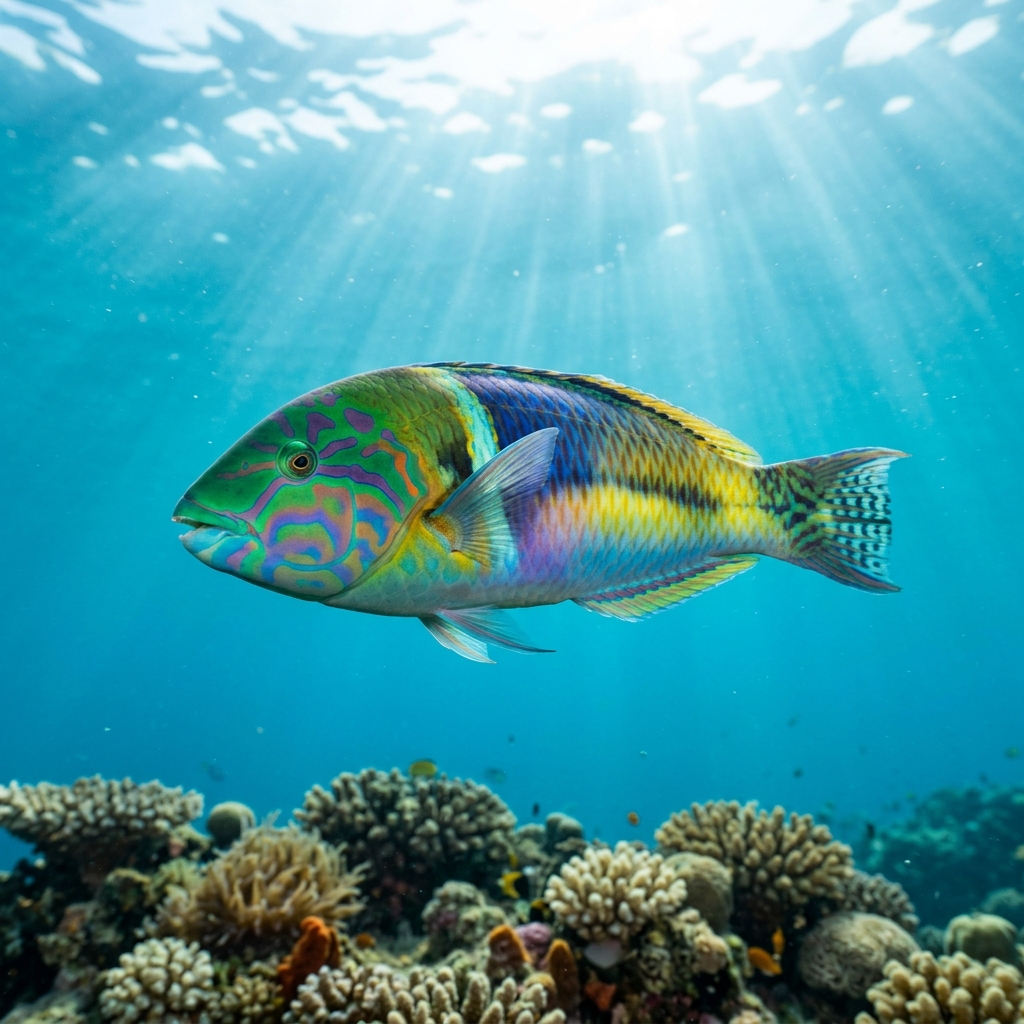
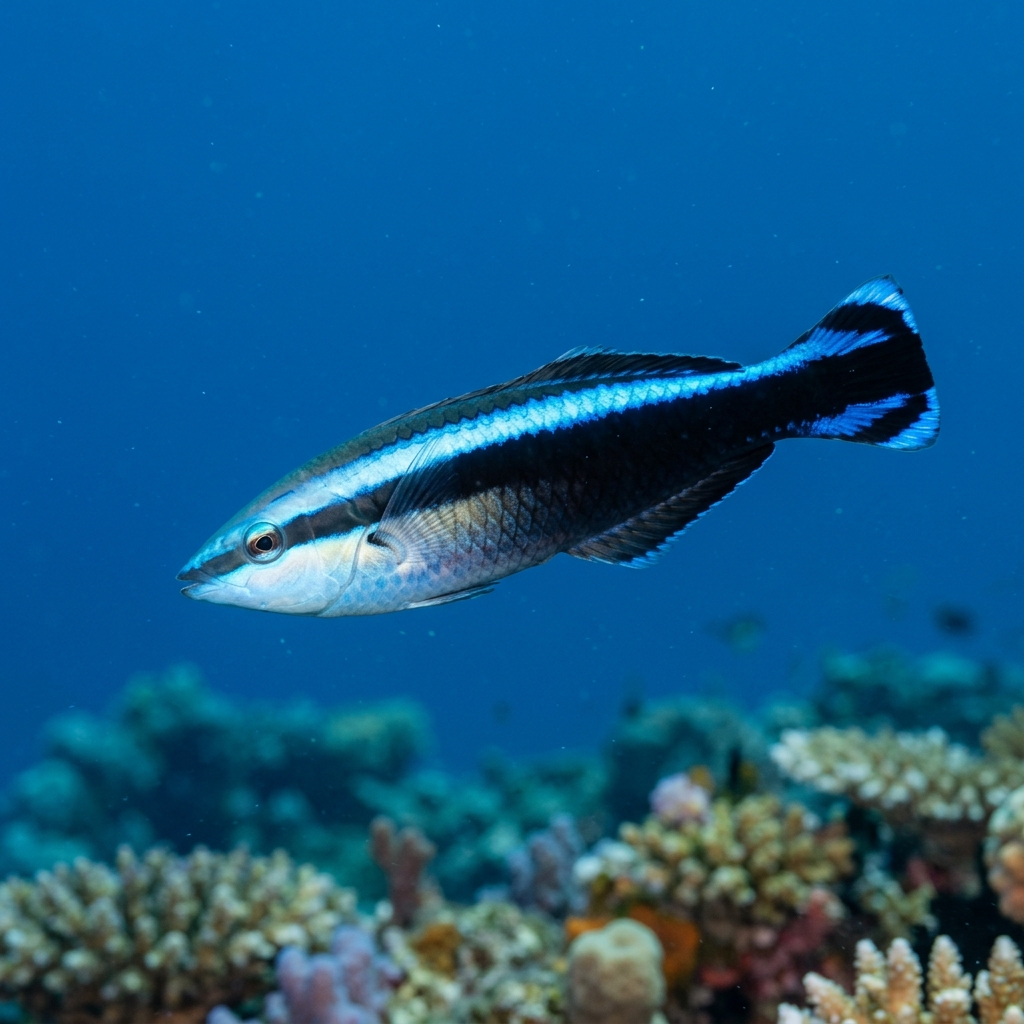
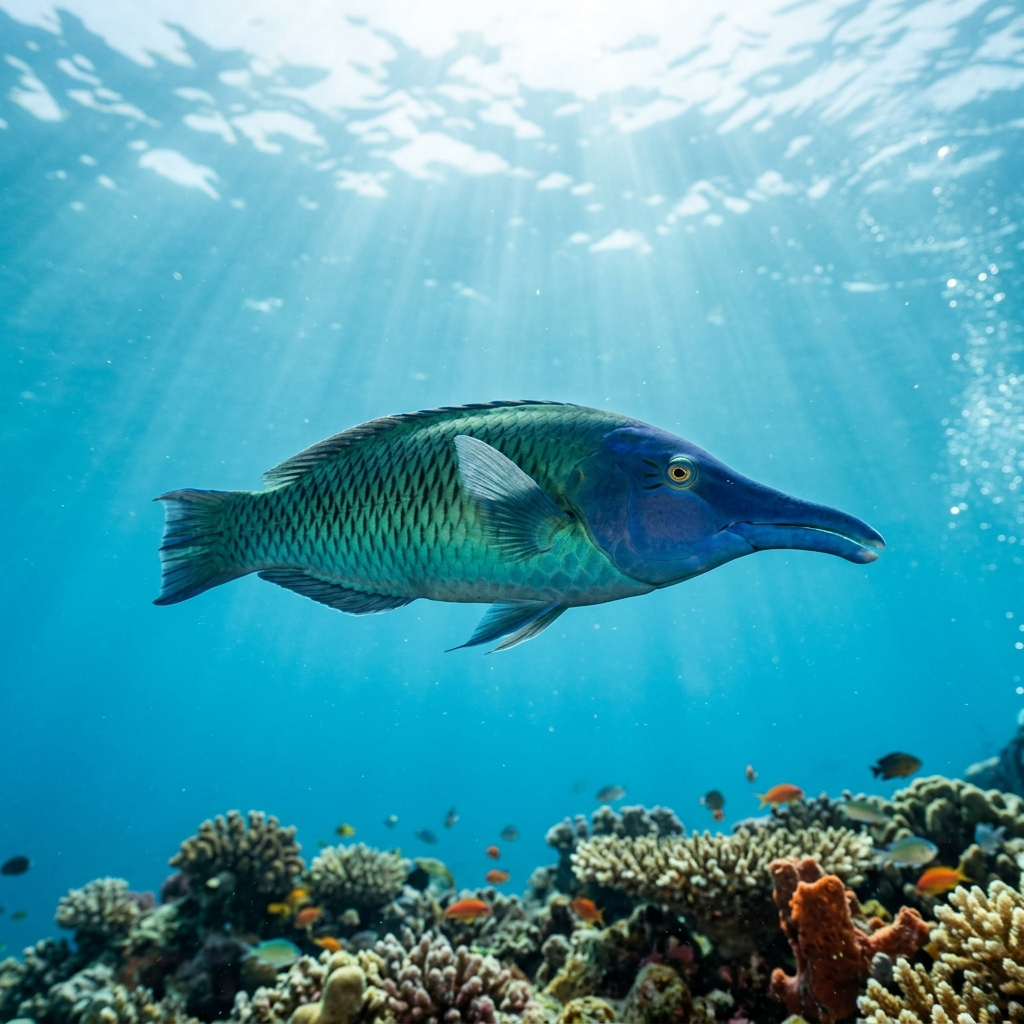
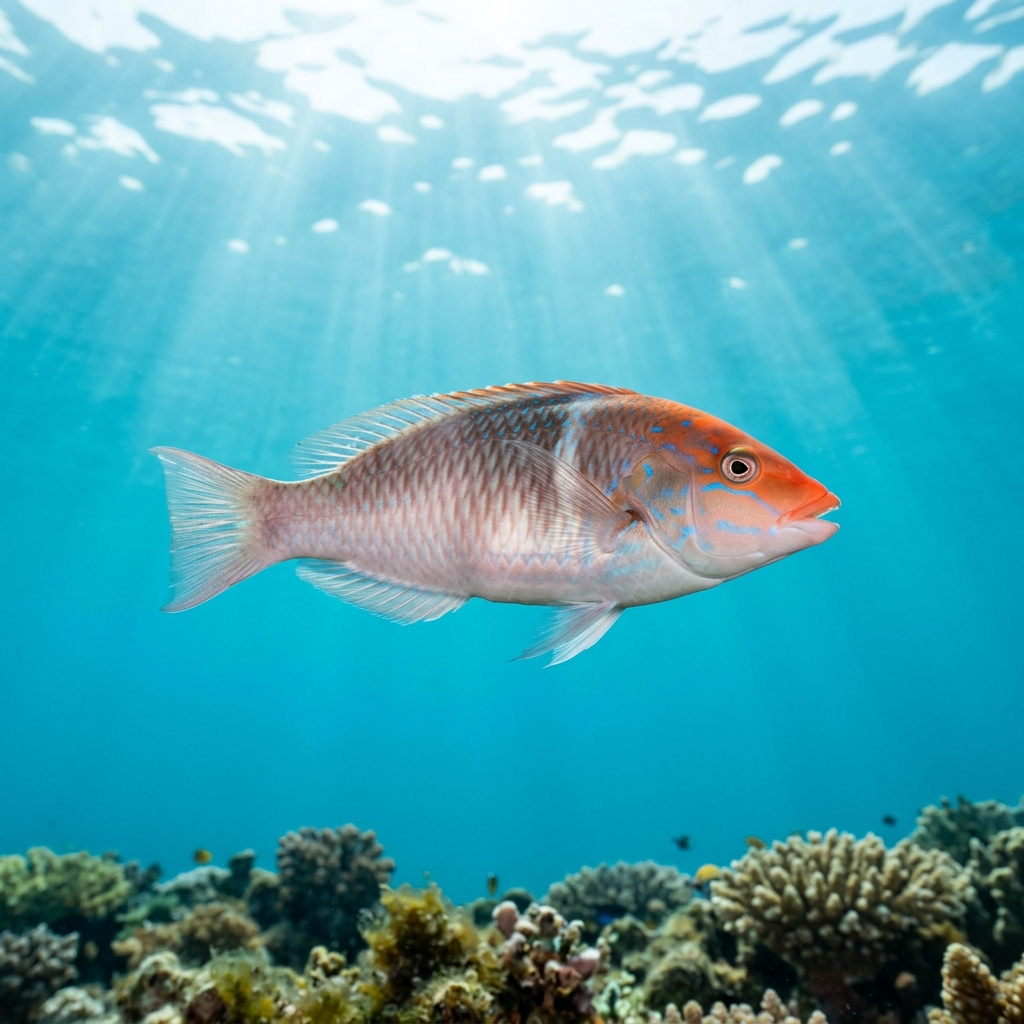
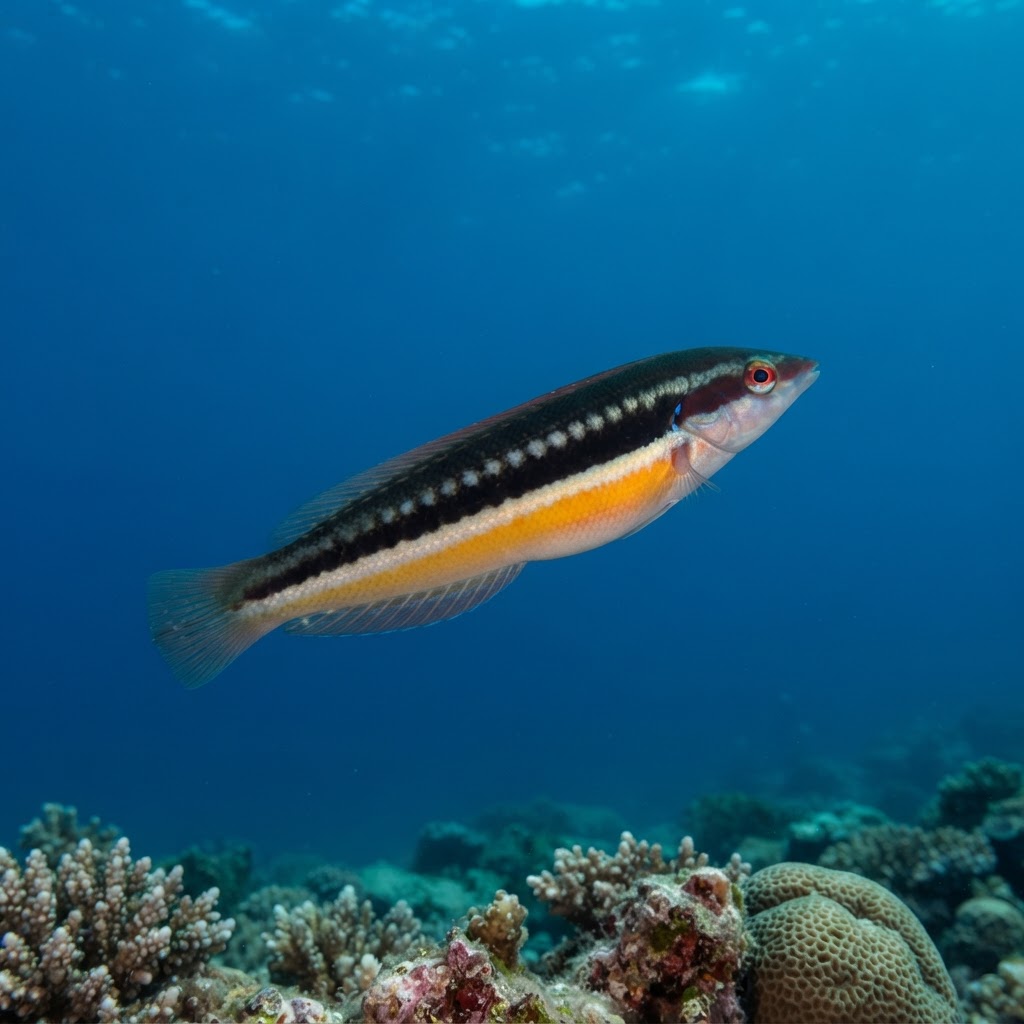
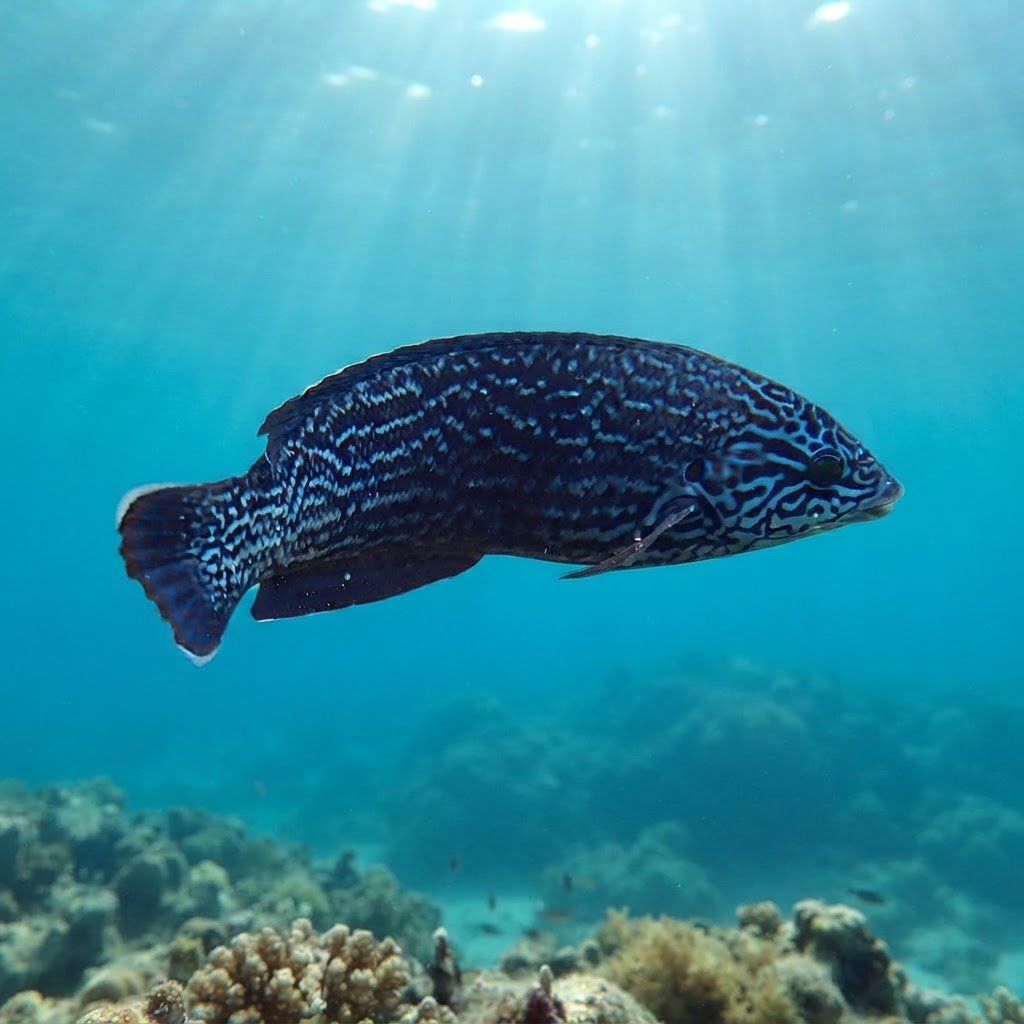
Look for a heavy-set wrasse up to 42cm with a noticeably bulging, rounded forehead that gives the species its common name. Body colour runs through blue-green tones with a stocky, deep-bodied profile rather than the slim torpedo shape of most wrasses. The oversized head is the single feature that separates it from smaller reef wrasses at a glance.
Divers typically find this wrasse cruising slowly over rocky reef and boulder terrain, often solitary or loosely associating with other large wrasses rather than schooling. It tends to keep a comfortable distance from divers without bolting, giving you time for a decent look if you approach steadily rather than head-on. Most sightings come from mid-depth rocky reef rather than shallow sand flats.
The bulbous forehead becomes more pronounced with age, so the biggest individuals you encounter on a reef are usually the oldest, most developed fish in the population.
Sighting data doesn't show a concentrated season, and with a water-temperature niche of roughly 17 to 23C, it appears to be present across the year on the cool temperate reefs it favours. Plan around good visibility and calm conditions in New South Wales or northern New Zealand rather than a specific month.
Reef neighbours a diver could mistake it for. Use the identification notes above to tell them apart.
Most reliably logged in New South Wales, Australia, which accounts for the bulk of dive reports, with additional sightings on New Zealand's North Island and around Norfolk Island. It shows up as an uncommon find at most of these sites, so it's a species worth specifically looking for on temperate rocky reefs rather than one you'll bump into constantly.
Mapping where Doubleheader is logged…
New South Wales in Australia is the most consistent place to find it, with further sightings on New Zealand's North Island and around Norfolk Island. It's logged as uncommon at most of these sites, so patient reef diving pays off.
There's no strong seasonal pattern in the sighting data, and its temperature range of roughly 17 to 23C suggests it stays on temperate reefs year-round. Any time conditions are good in New South Wales or northern New Zealand works.
Its most obvious feature is the large, rounded bulge on the forehead, paired with a stocky blue-green body up to 42cm long. This head shape is more pronounced than in similar large wrasses like the blue gropers.
They reach around 42cm in length, making them a solidly built mid-sized wrasse rather than a giant.
No, they pose no danger to divers and are generally calm, unhurried fish to observe on the reef.
Site and sighting data is aggregated from diver logs, iNaturalist and GBIF. For taxonomy and conservation status:
Bird Wrasses
3,632 sites