Vanderhorstia dorsomacula
Spot this sand-dwelling goby paired with a shrimp on reef flats across Luzon and the Visayas, in warm 26.5-28.5C water year-round.
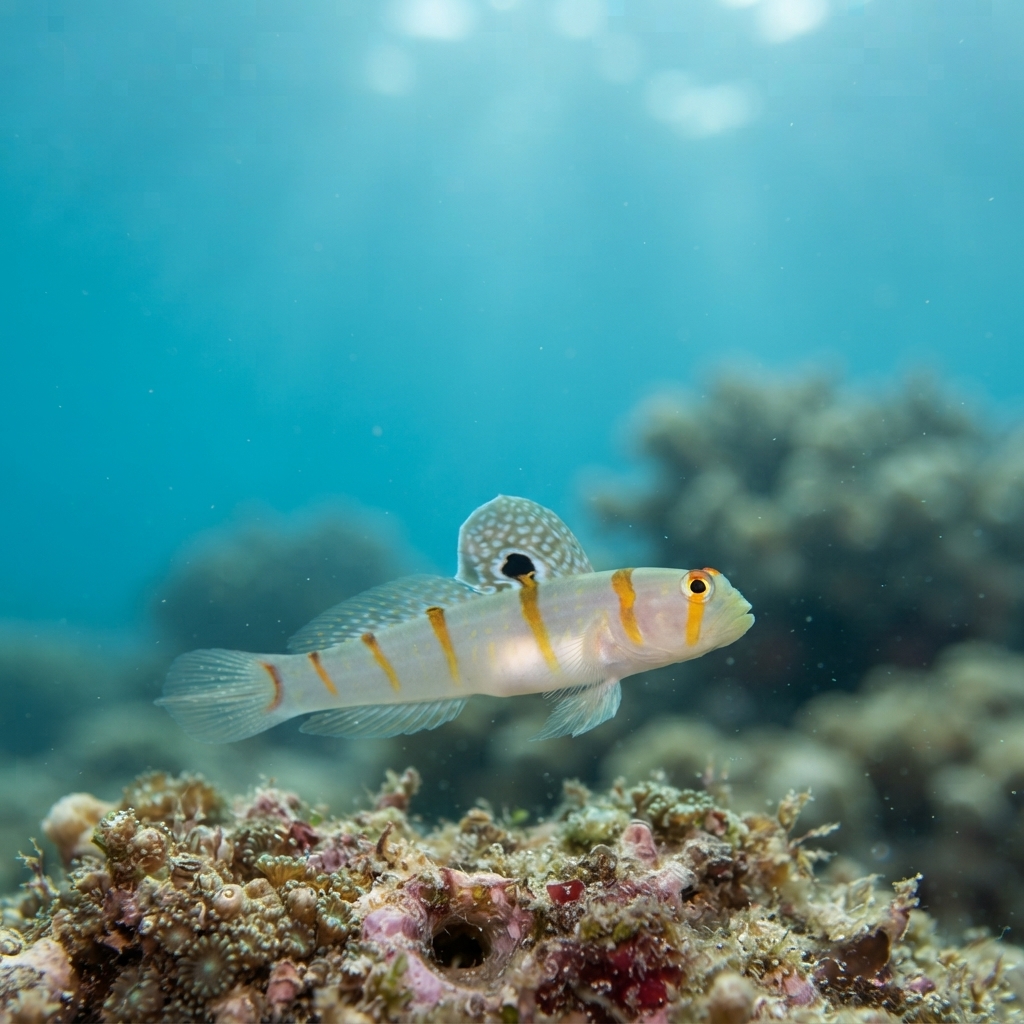
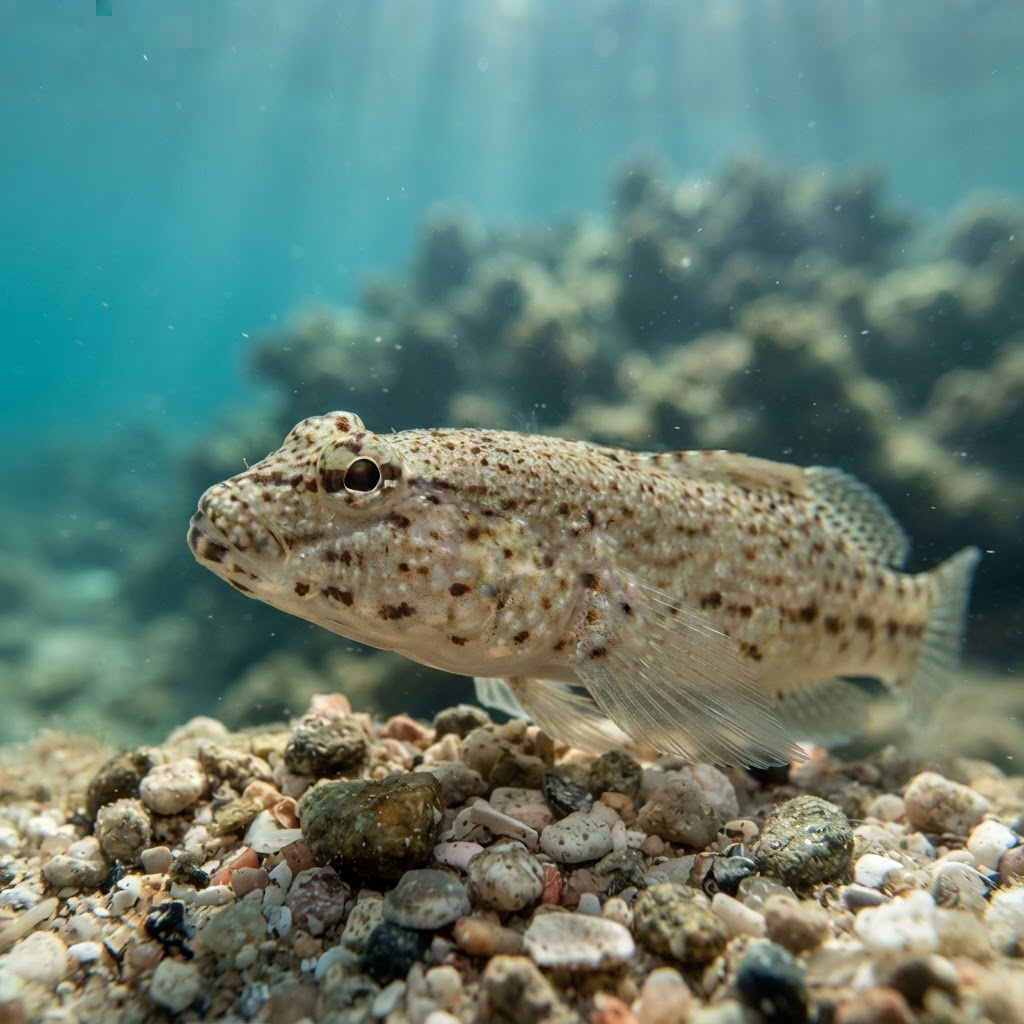
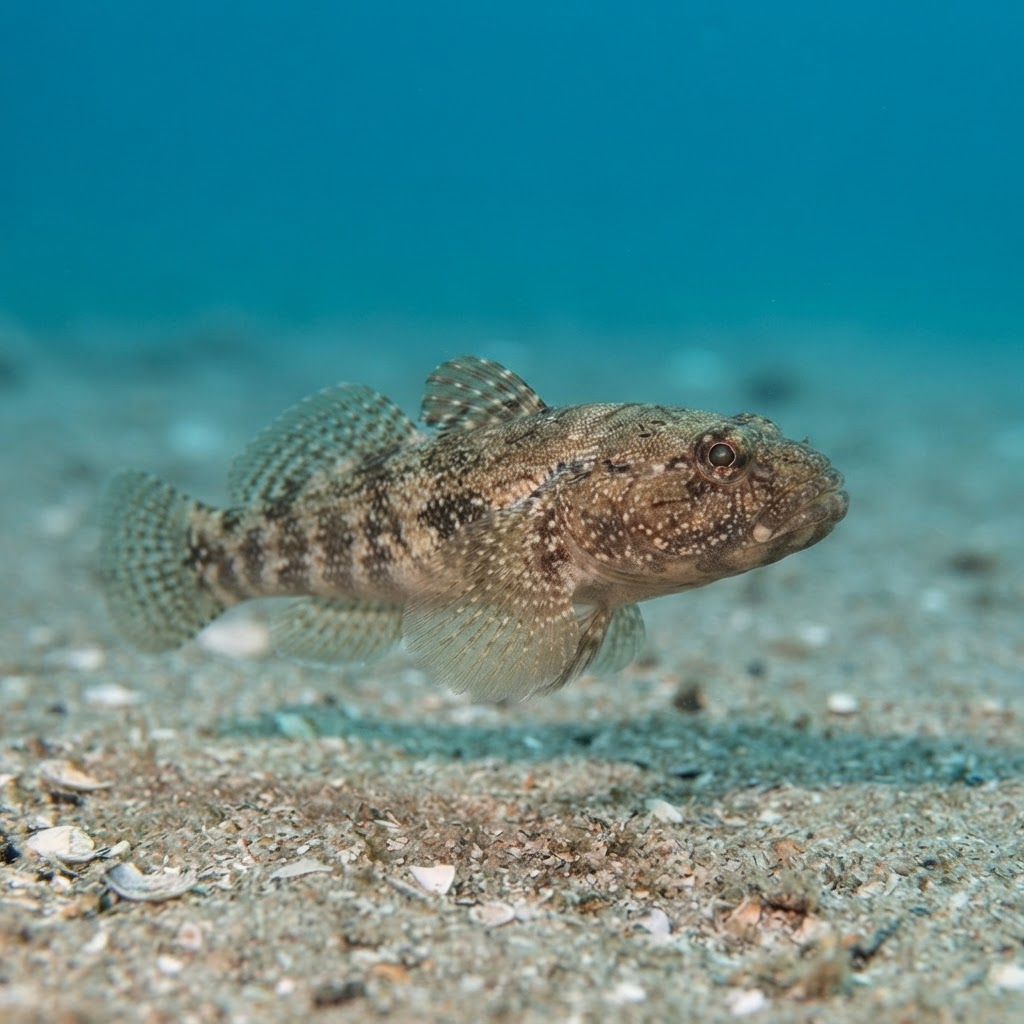
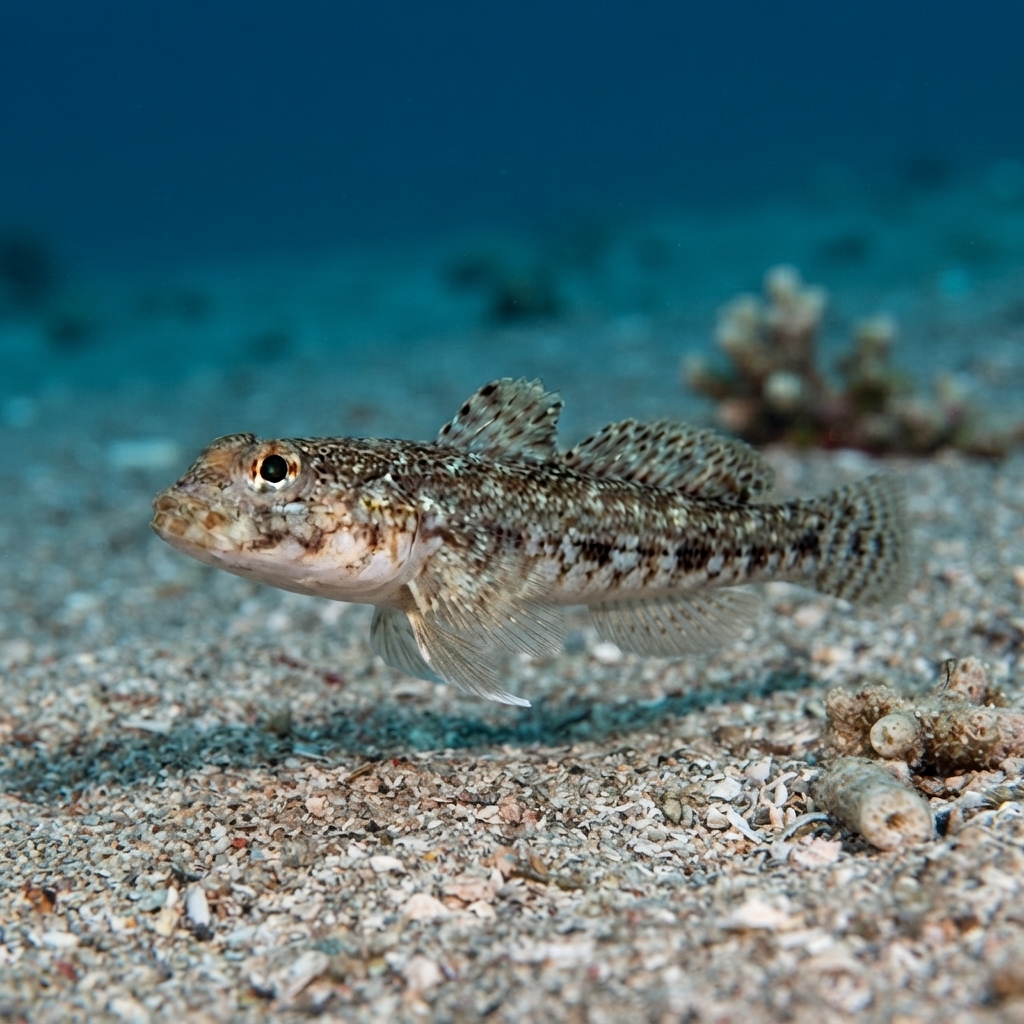
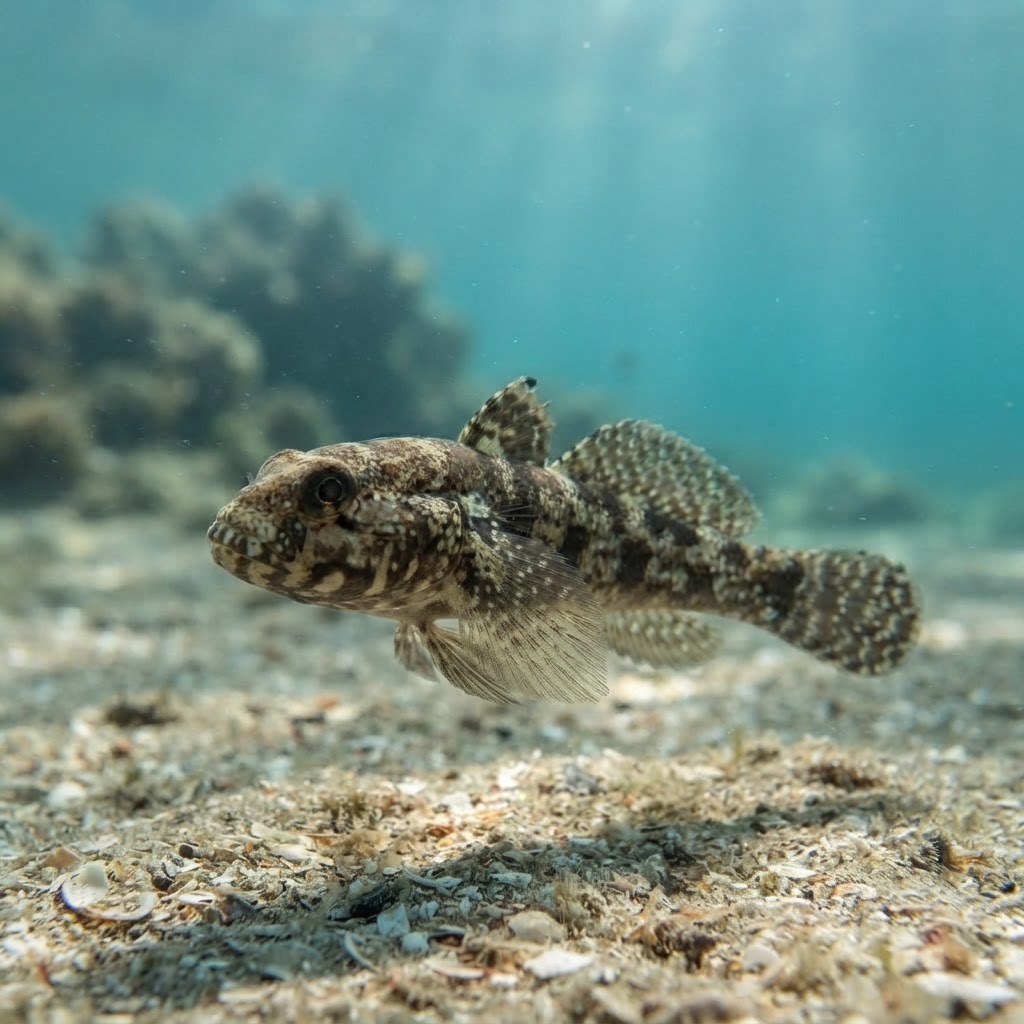
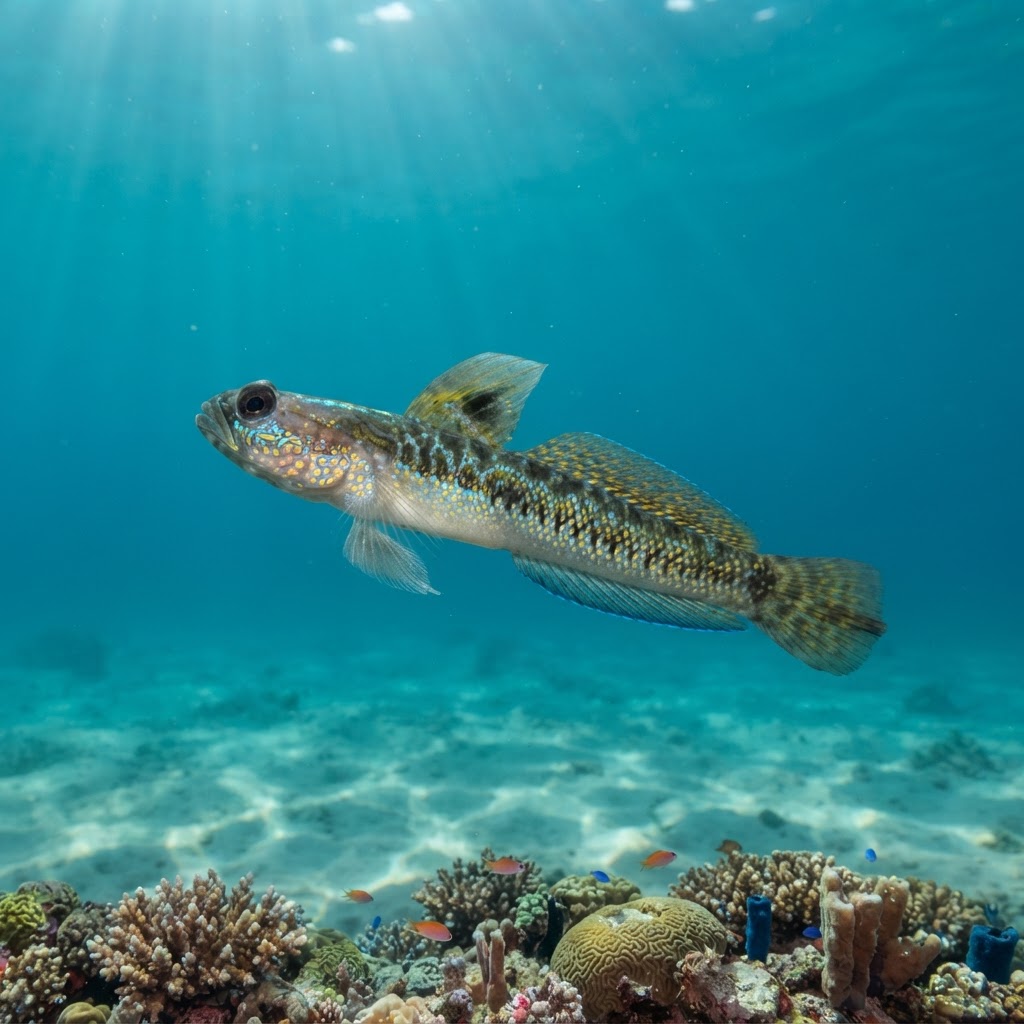
Slender, pale grey to sandy-coloured body that blends into the substrate it hovers over, with a distinctive dark spot on the front of the dorsal fin that gives the species its name. Grows to a modest few centimetres, holding a near-vertical posture just above its burrow entrance rather than swimming freely over the reef. Fine speckling runs along the flanks, but the dorsal spot is the mark to check first.
Hovers at the mouth of a burrow it shares with a symbiotic shrimp, darting inside at the first sign of a diver getting too close. Watch from a short distance and it will often re-emerge within a minute or two, resuming its post over the sand. Most sightings happen on open sand or rubble patches near reef edges rather than on the reef structure itself.
Shares its burrow with a burrowing shrimp that does the digging while the goby keeps watch, ducking in to warn its partner the instant a threat appears.
No clear seasonal pattern shows up in the sightings, and it sits comfortably in 26.5 to 28.5C water, so it is a year-round find on the sand flats it favours.
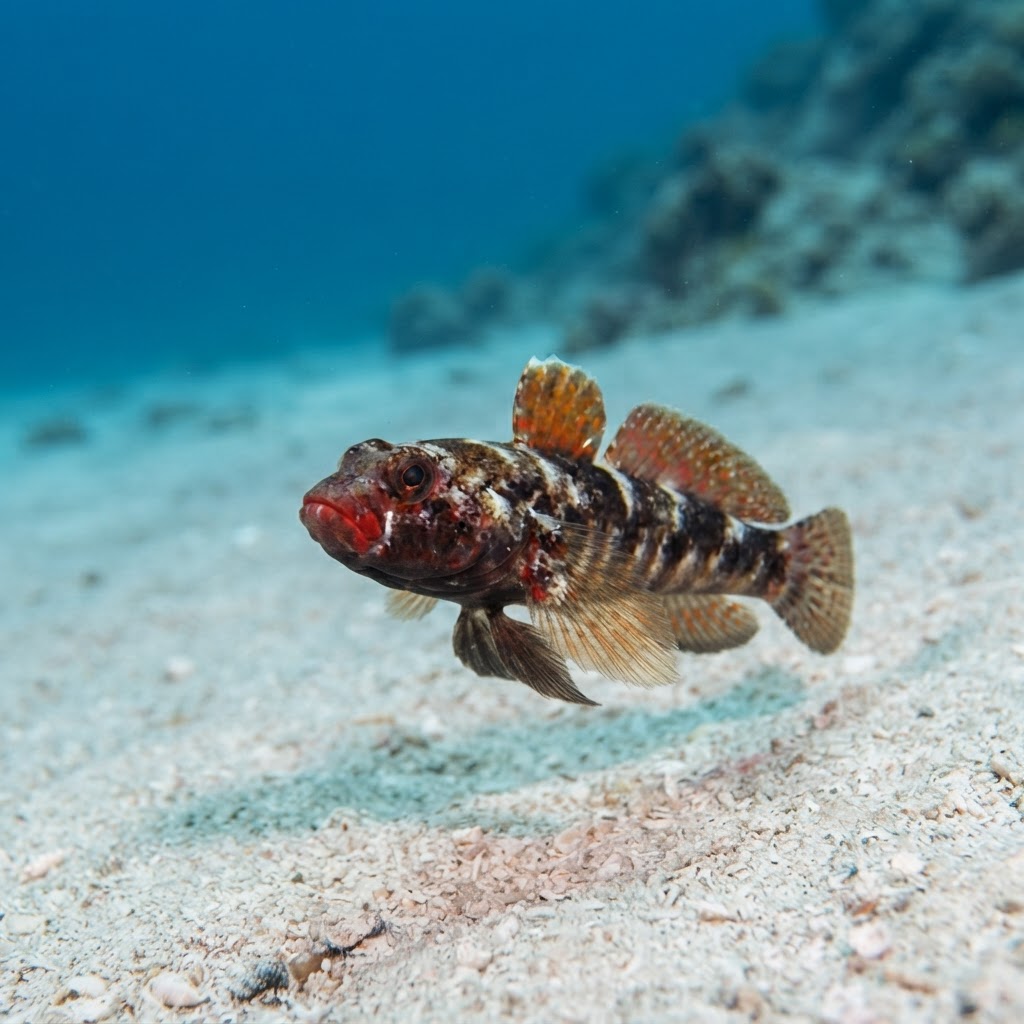
Reef neighbours a diver could mistake it for. Use the identification notes above to tell them apart.
Most reliably logged on sandy and rubble slopes in the Philippines, with strong numbers across Luzon and the Visayas. It also turns up in Timor-Leste around Dili, though sightings there are rarer than in the Philippine sites where it is regularly found.
Mapping where Dorsalspot Shrimpgoby is logged…
It is most commonly logged on sand and rubble flats in the Philippines, especially around Luzon and the Visayas, with an occasional sighting near Dili in Timor-Leste.
There is no strong season in the sightings data, and it lives in consistently warm water between 26.5 and 28.5C, so divers find it year-round.
Look for a slim, sand-coloured goby hovering upright at a burrow entrance with a dark spot near the front of its dorsal fin. It rarely strays far from its hole and dives in headfirst when approached.
They are a small reef goby, staying only a few centimetres long, which along with their sandy colouring makes them easy to overlook unless you are scanning sand patches closely.
Like other shrimpgobies, it shares a burrow with a digging shrimp, standing guard while the shrimp works and flicking its tail to signal danger so both can retreat together.
No, they pose no risk to divers. They are shy and retreat into their burrow rather than approach, so the main challenge is getting close enough for a good look.
Site and sighting data is aggregated from diver logs, iNaturalist and GBIF. For taxonomy and conservation status:
Slender Goby
806 sites