Inimicus didactylus
Warty, sand-coloured and easy to miss: find out where divers log demon stingers most, from Phuket to Sulawesi, and why you should never touch the sand.
Safety warning
Carries venomous spines along its dorsal fin capable of a serious sting if touched or knelt on, and its sand-coloured camouflage makes it very easy to miss on muck dives. Keep hands and knees off the bottom in sandy areas, watch where you place fins during a critical eye or muck dive, and never handle one even if it looks inert.
If you're stung
Venomous spinesGeneral first-aid guidance, not a substitute for professional medical care. In an emergency, call your local emergency number.
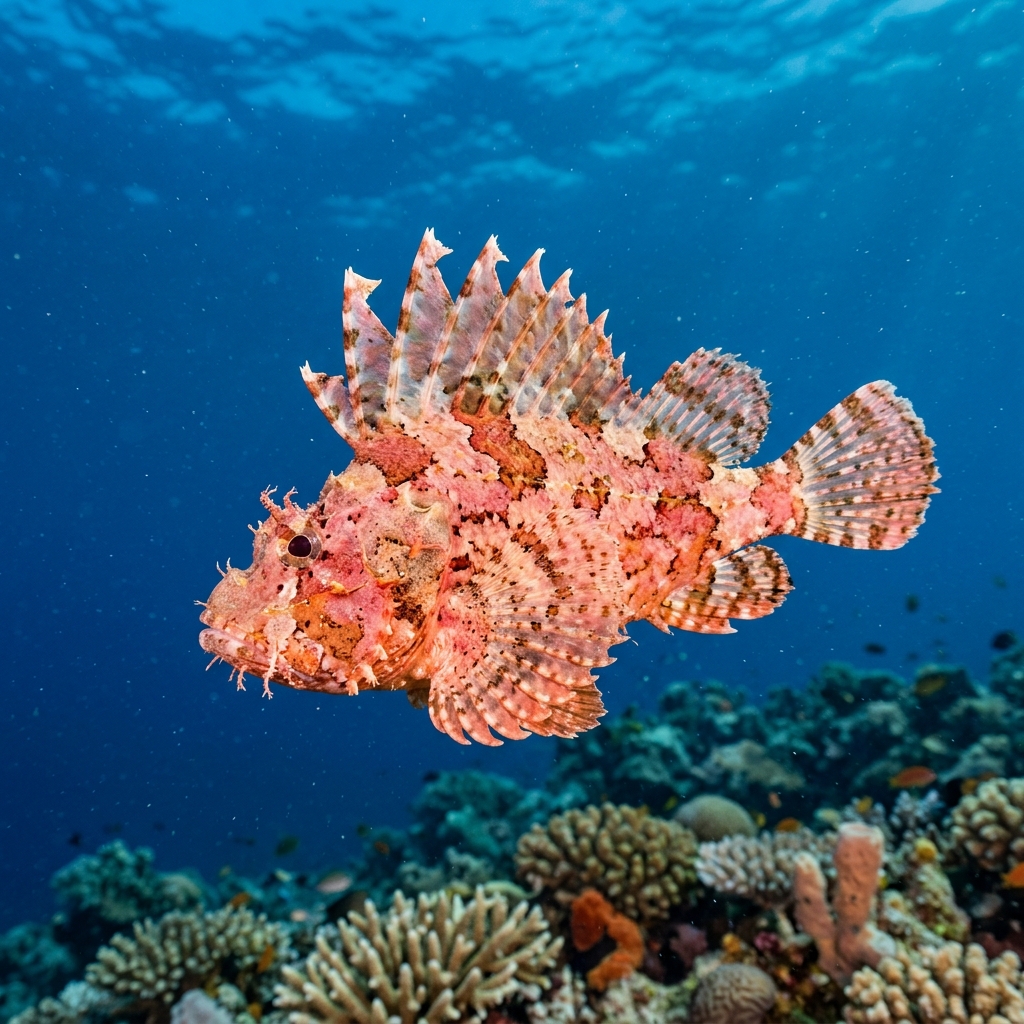
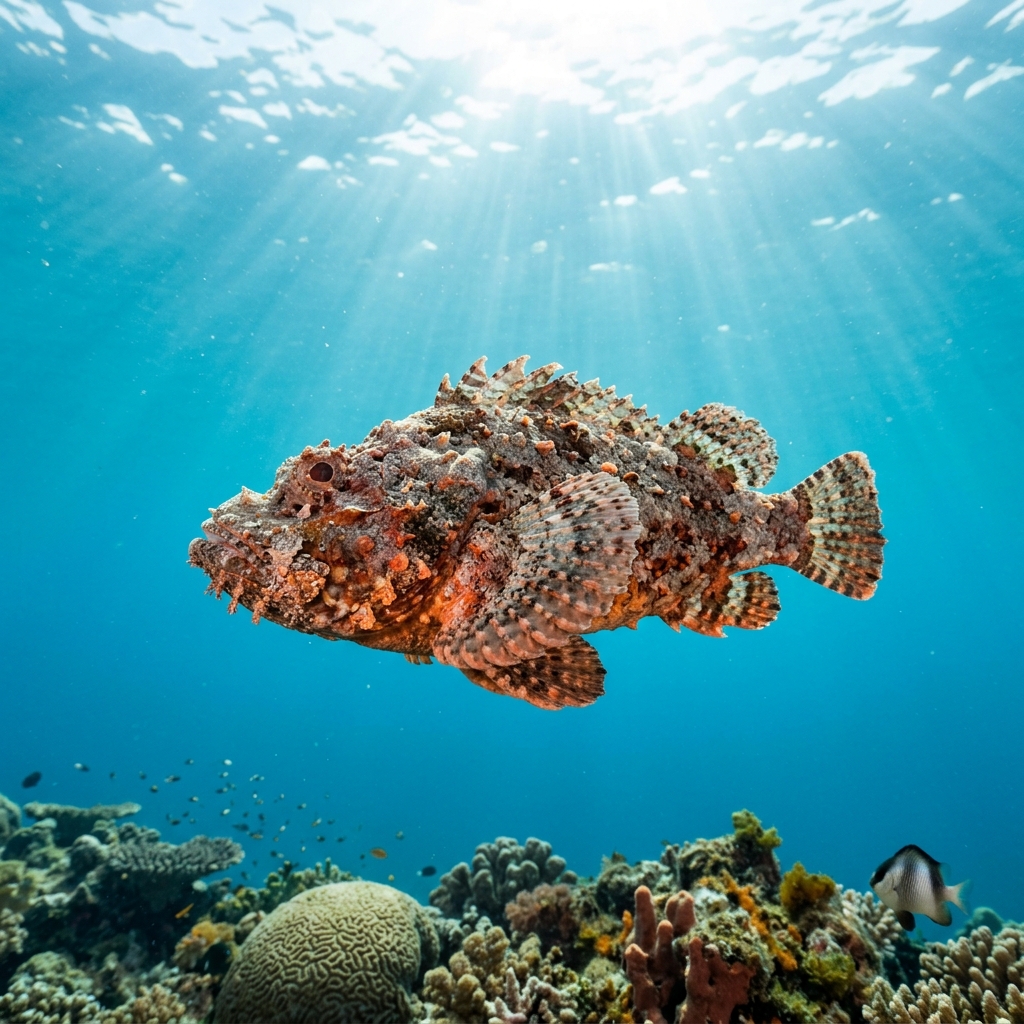
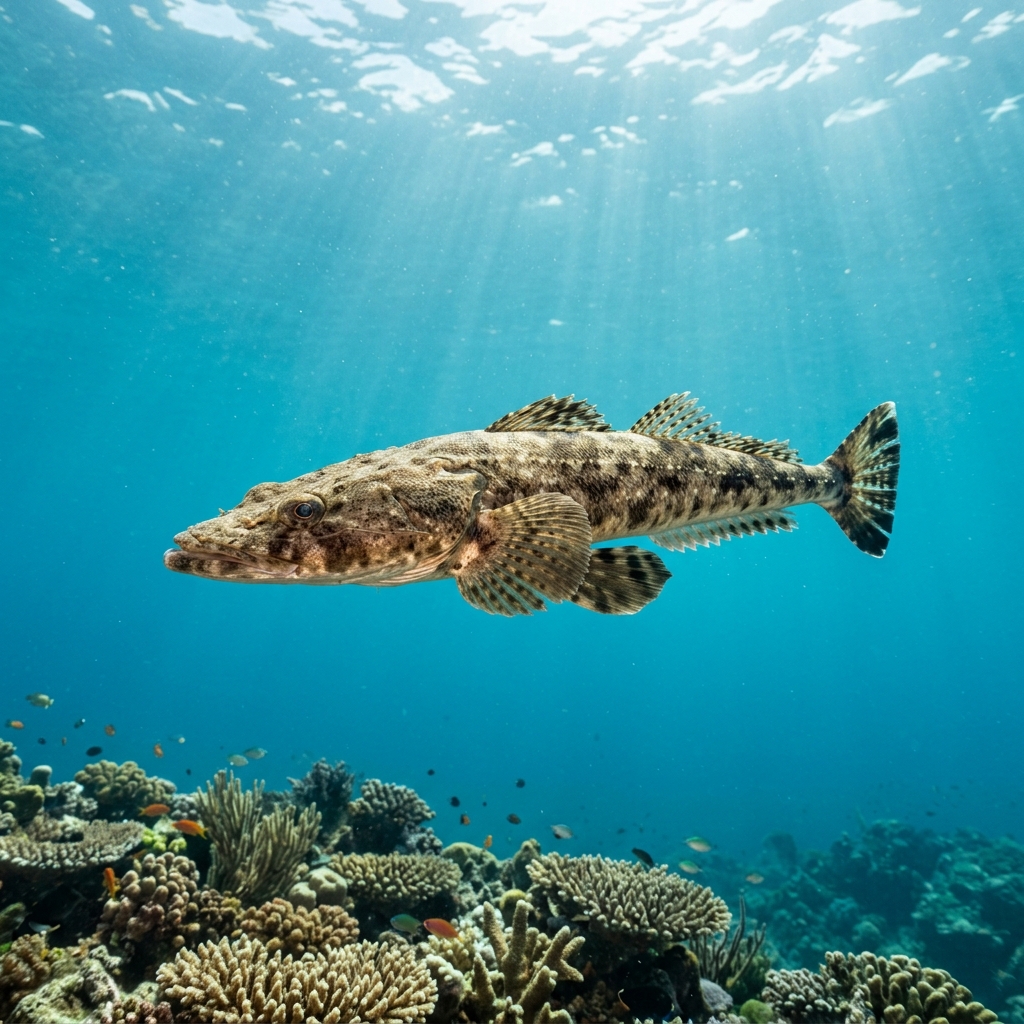
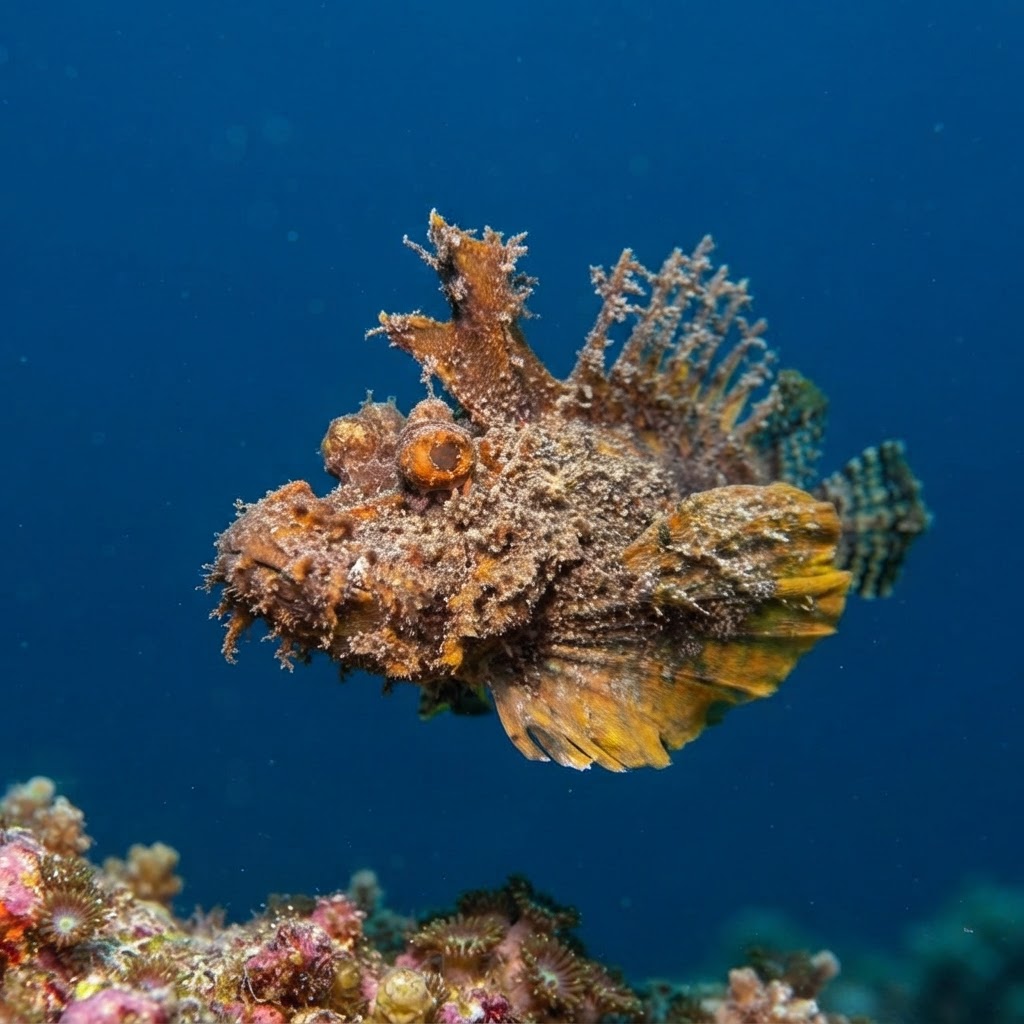
Squat, warty body around 17 cm long, mottled brown, grey or reddish to match sand and rubble, so it reads as a lump of debris until it moves. Look for the upturned, almost scowling face with eyes on stalks, and the two separate finger-like rays under each pectoral fin that it uses to walk across the bottom. When disturbed it flares its pectoral fins open like fans, flashing a bright orange, yellow or black pattern on the inner surface that is otherwise hidden.
Spends most of a dive sitting motionless half-buried in sand or rubble, often on the muck slopes and reef margins divers cruise during a slow, eyes-down search. It relies entirely on camouflage and stillness rather than fleeing, only flaring those bright inner fins as a last-resort warning if something gets too close. Most sightings are logged as uncommon finds, the kind of thing a sharp-eyed guide spots rather than something you stumble across.
Those separated finger-like rays on its pectoral fins aren't just for show, it uses them to probe and shuffle across sand and rubble almost like a pair of legs, closer to walking than swimming.
No clear seasonal pattern shows up in the sightings, and its comfort range of 26.3 to 29.0 C matches tropical reefs year-round, so it is a fair bet on any dive in these regions in any month.
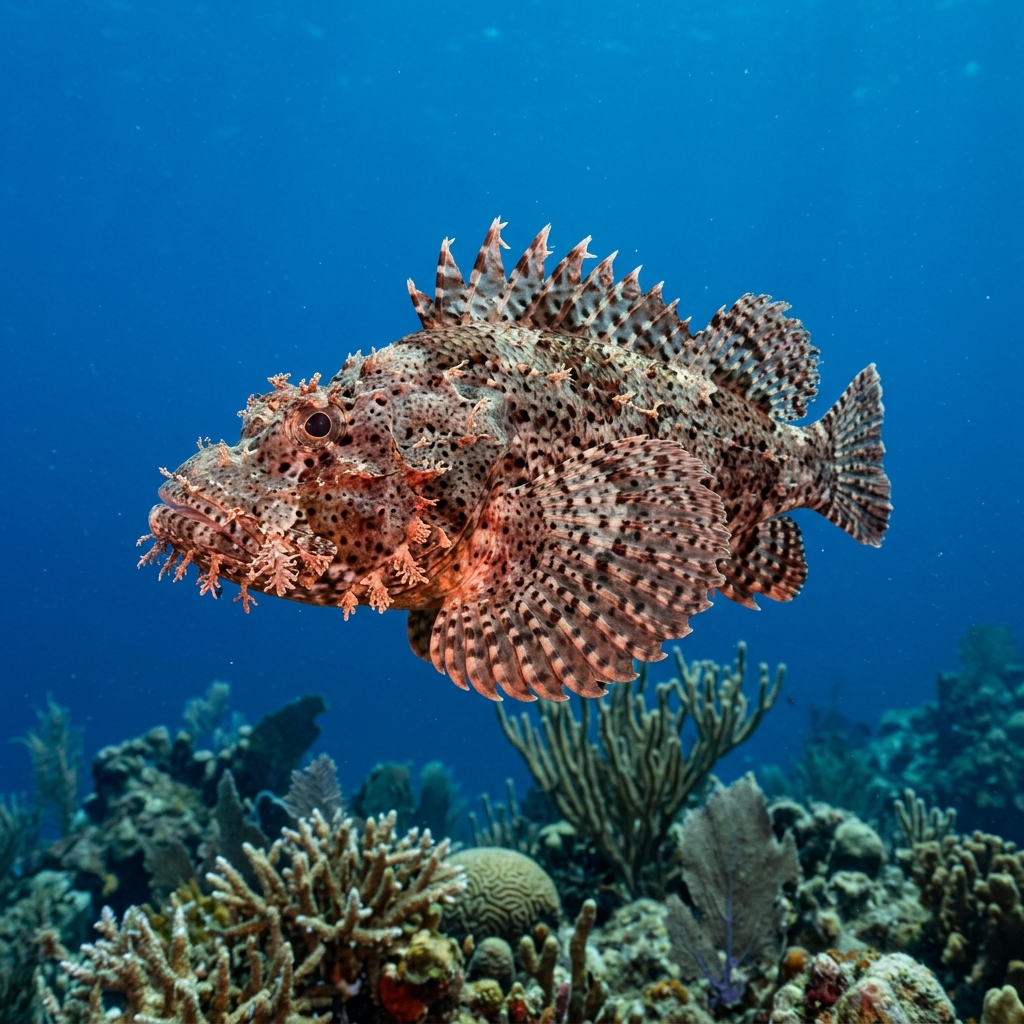
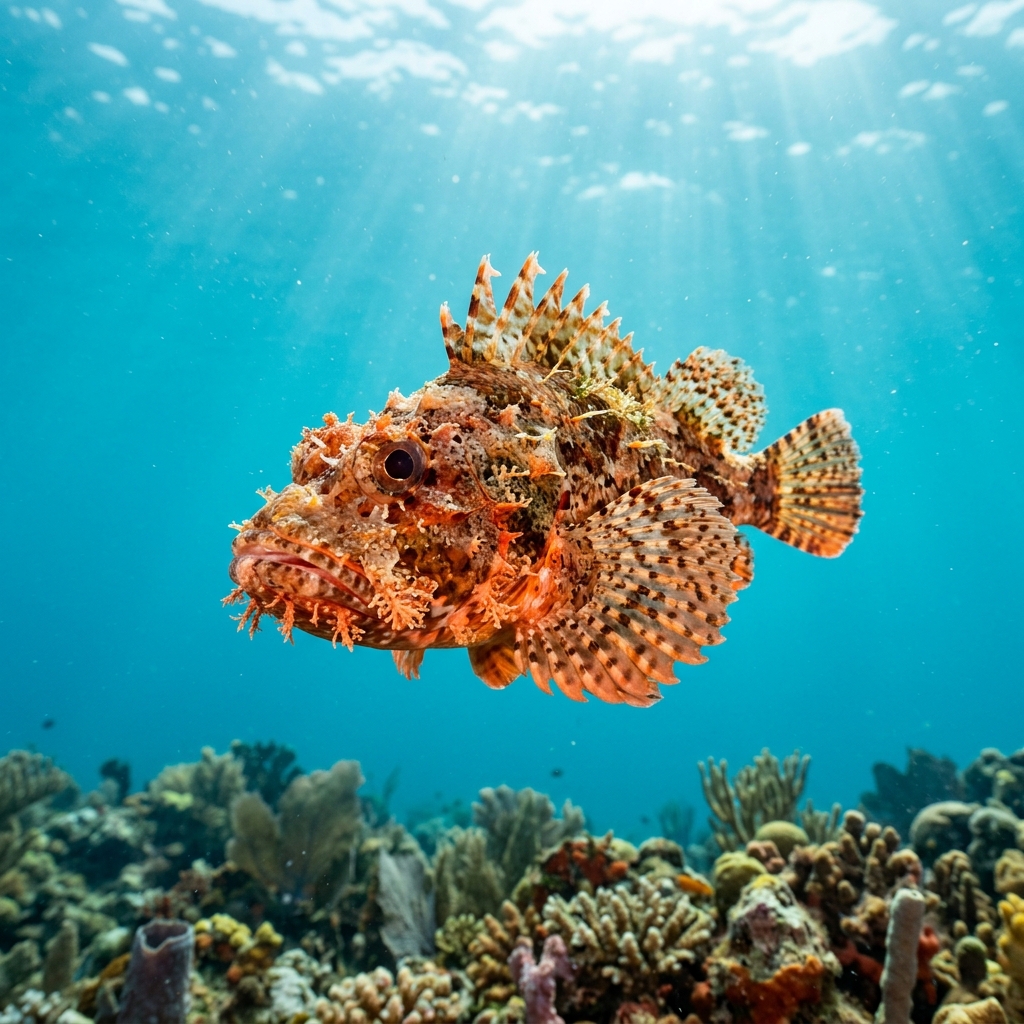
Reef neighbours a diver could mistake it for. Use the identification notes above to tell them apart.
Most reliably logged on the sandy and rubble patches of Phuket, Thailand, and Sulawesi, Indonesia, with a solid scatter of sightings through the Philippines, particularly Luzon, Mindanao and the Visayas. Smaller numbers turn up in Bali and Raja Ampat, but Phuket and Sulawesi are the strongholds for this one.
Mapping where Demon Stinger is logged…
Best logged around Phuket in Thailand and Sulawesi in Indonesia, with further sightings across the Philippines in Luzon, Mindanao and the Visayas. It favours sandy and rubble patches rather than hard coral reef.
There is no strong season in the sightings data, and it lives comfortably in water between 26.3 and 29.0 C, so it can be found year-round on tropical muck and sand dives in Southeast Asia.
Yes, they carry venomous dorsal spines and their camouflage means they are easy to kneel on or grab by accident. Watch your hand and fin placement on sand and rubble, and never touch one.
Look for a warty, mottled brown lump on sand that has an upturned, scowling face and separated finger-like rays under each pectoral fin. If disturbed it flares its pectoral fins to reveal bright hidden colour, a giveaway most look-alikes don't share.
They stay small, typically around 17 cm, which combined with their camouflage makes them easy to swim straight past.
It uses separated, finger-like rays on its pectoral fins to shuffle across sand and rubble, effectively walking along the bottom rather than swimming everywhere.
Site and sighting data is aggregated from diver logs, iNaturalist and GBIF. For taxonomy and conservation status:
Madeira Rockfish
2,773 sites