Platycephalus caeruleopunctatus
Sand-dwelling ambush predator logged across New South Wales at 17.7 to 24.3C, easy to miss unless you know where to look.
Safety warning
Carries venomous spines on the dorsal fin and gill covers that can deliver a painful sting if handled or accidentally kneeled on while it's buried in sand. Watch your hand and knee placement on sandy bottoms and never attempt to touch or move one, even if it looks stationary.
If you're stung
Venomous spinesGeneral first-aid guidance, not a substitute for professional medical care. In an emergency, call your local emergency number.
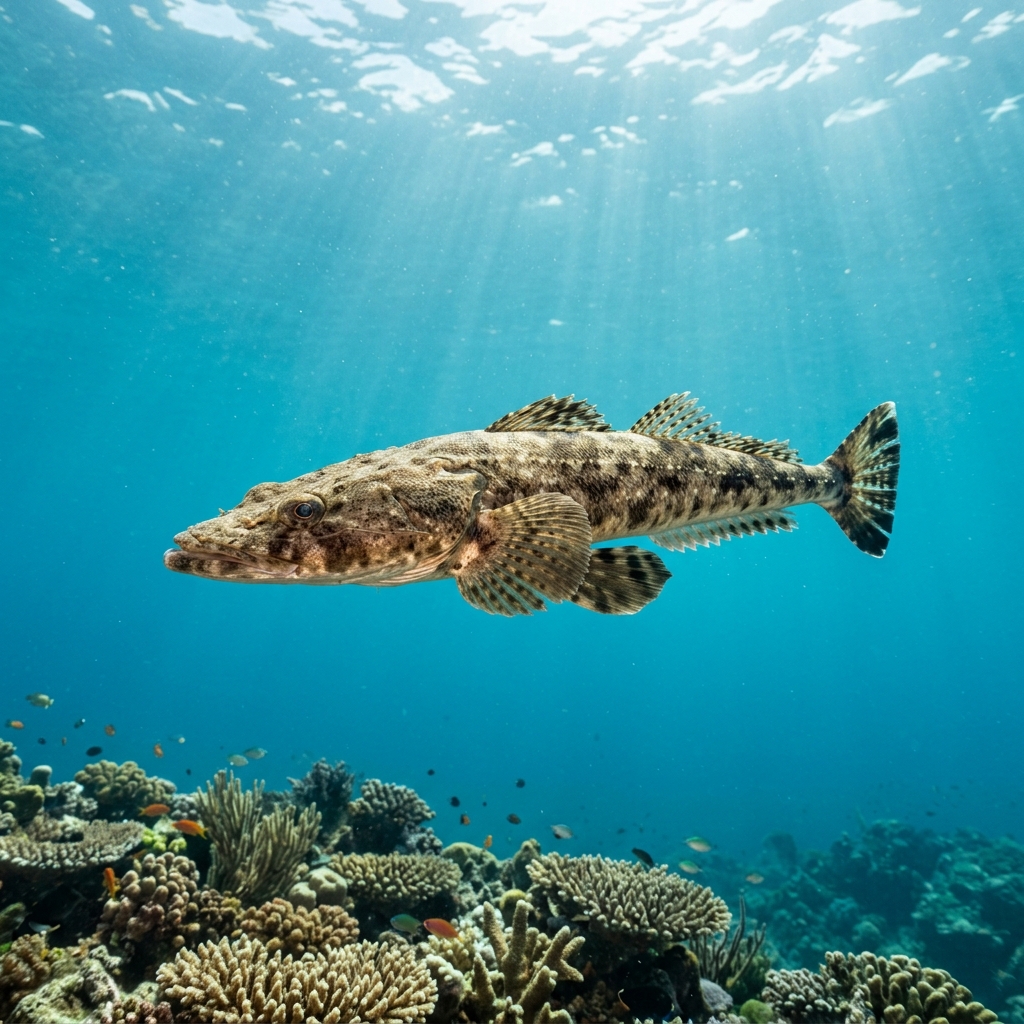
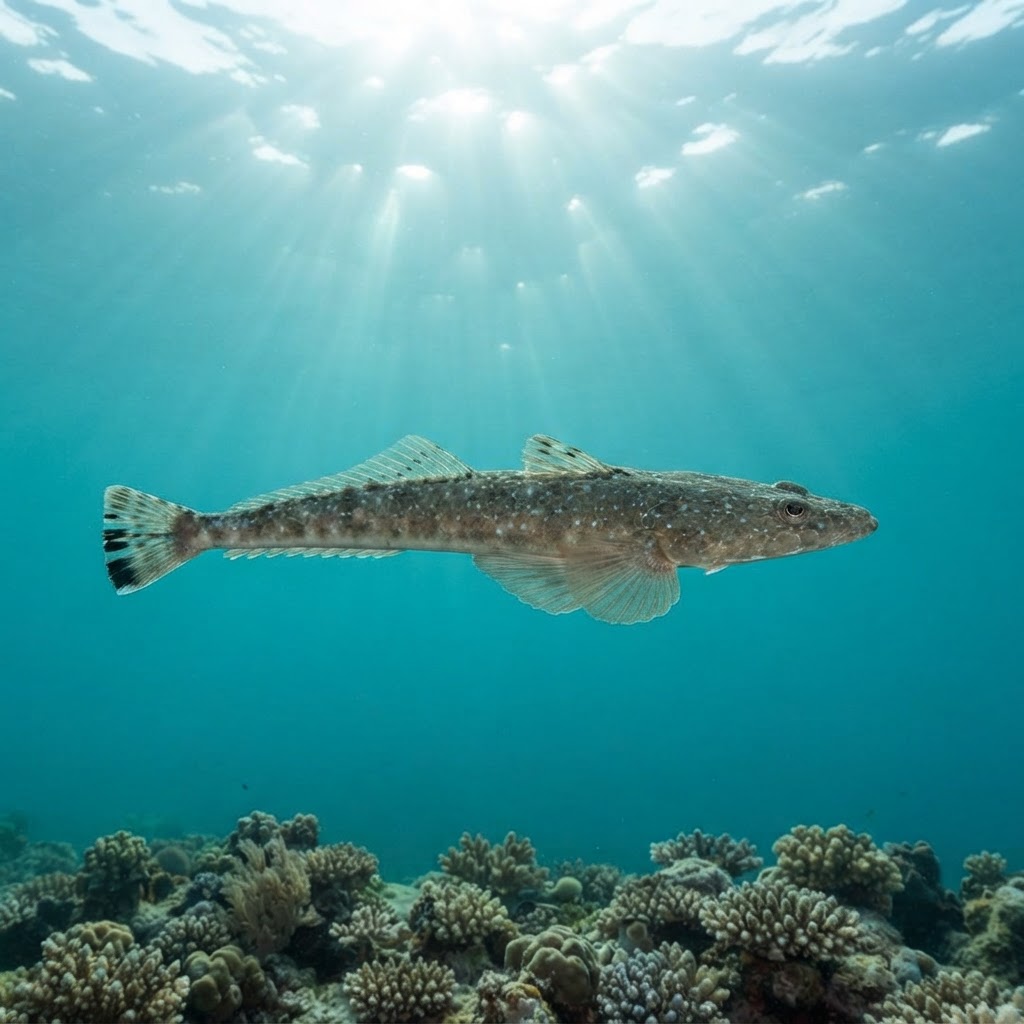
Flattened, tapering body up to about 31cm, coloured in mottled sandy browns that blend almost perfectly into the seabed. Look for the broad, depressed head and small blue spots scattered across the flanks and fins, the clearest giveaway once you spot it. It usually lies motionless half-buried in sand or rubble, only the raised eyes visible above the surface.
Spends most of its time lying still on sand, rubble or weedy bottoms, relying on camouflage rather than movement to avoid notice. Divers typically find it by scanning flat, open seabed rather than reef structure, and it tends to hold its position until approached closely before darting off in a short burst. Most sightings happen on the bottom during normal daytime dives rather than at night.
Like other flatheads, it ambushes small fish and crustaceans from its buried position, using its flattened profile and sand-matching pattern to stay invisible until prey passes within striking range.
Recorded across a temperature range of roughly 17.7 to 24.3C with no clear seasonal pattern in the data, so treat sightings as possible year-round in New South Wales rather than tied to a particular month.
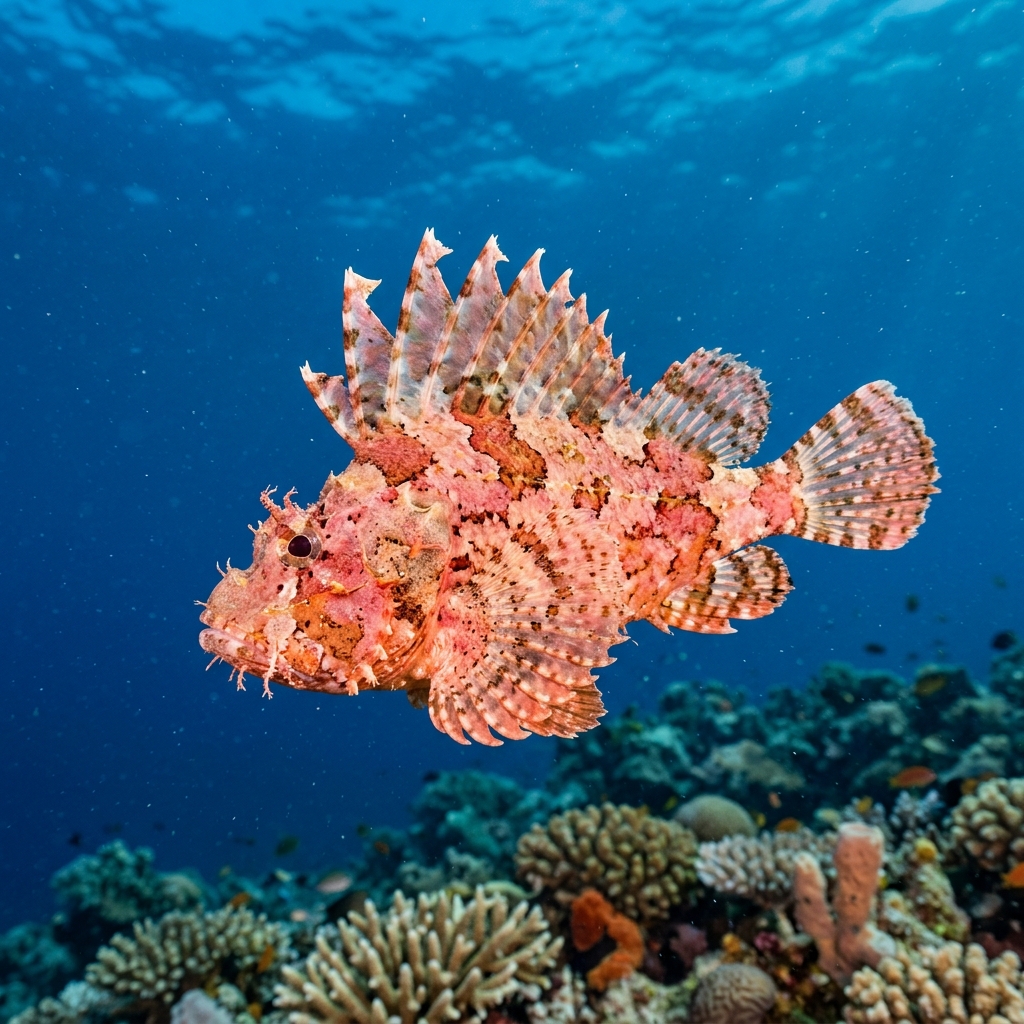
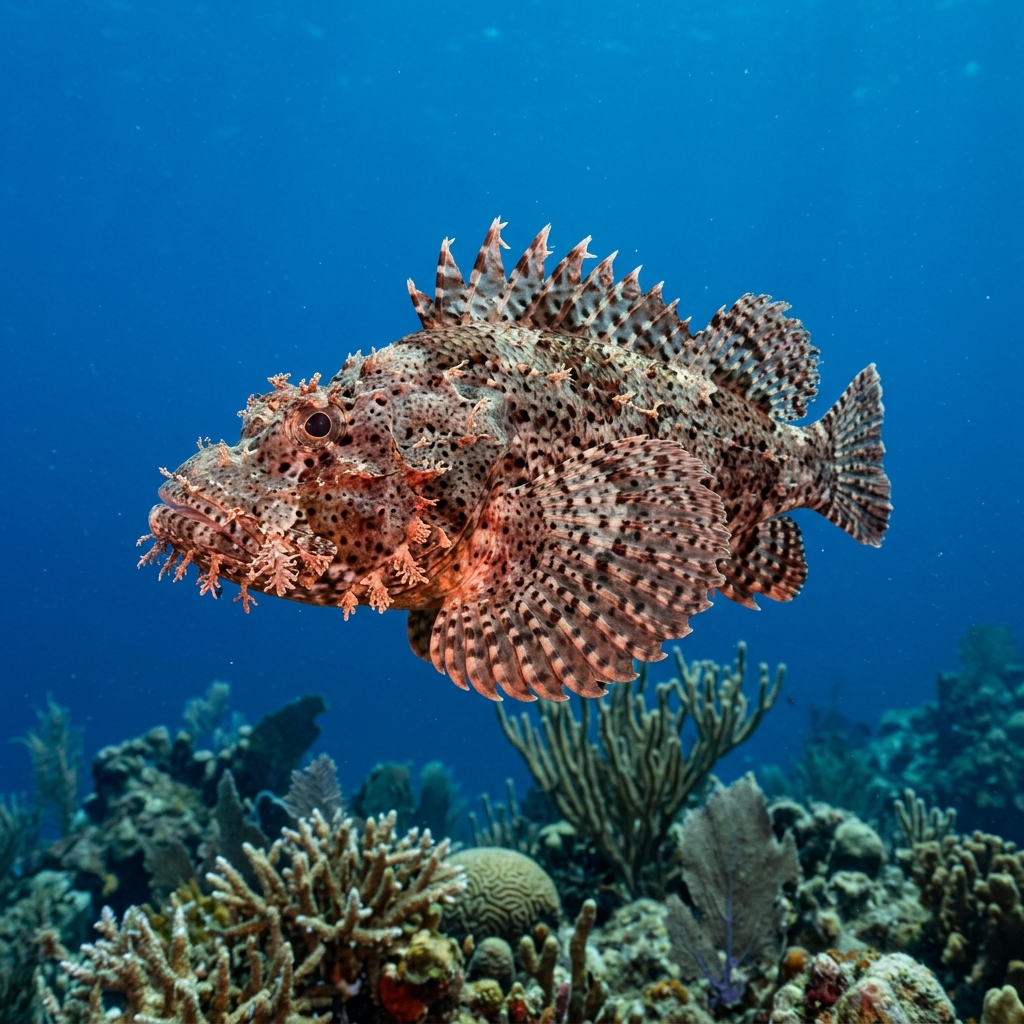
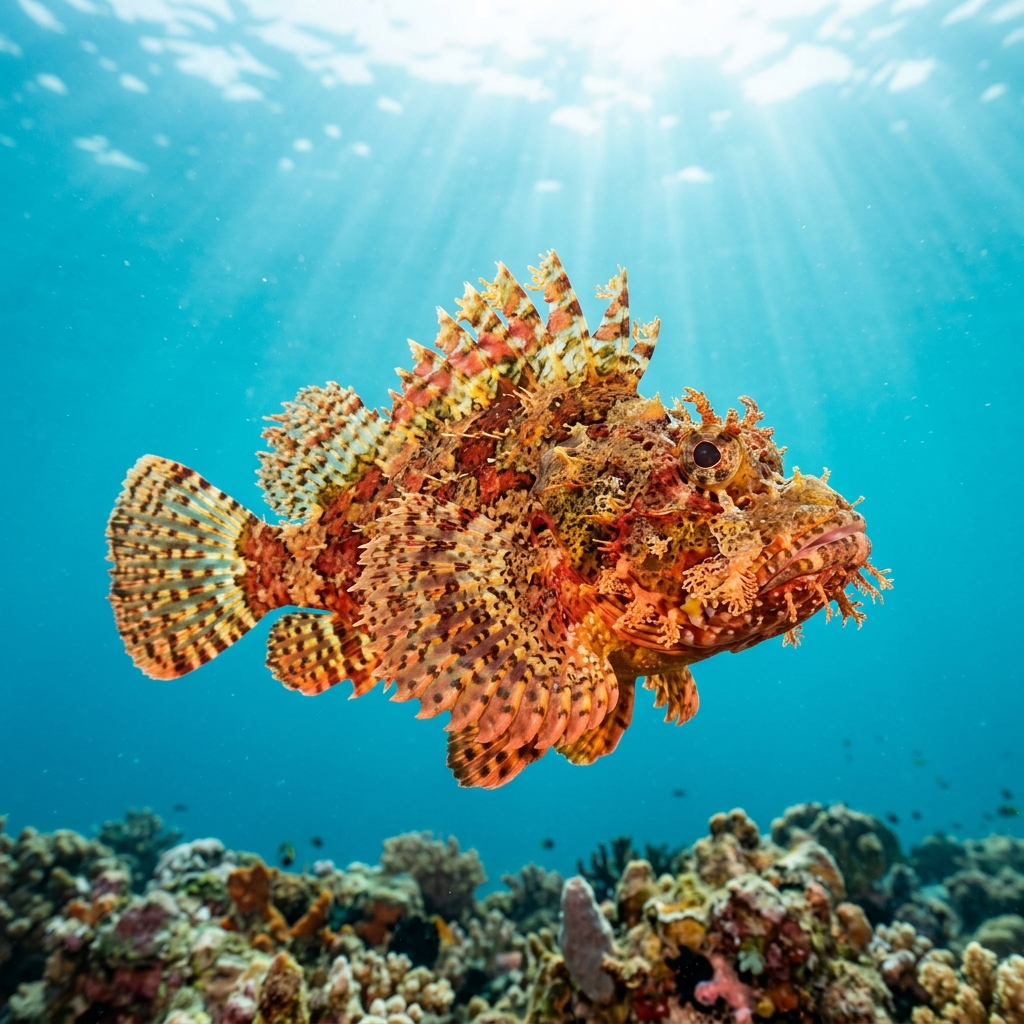
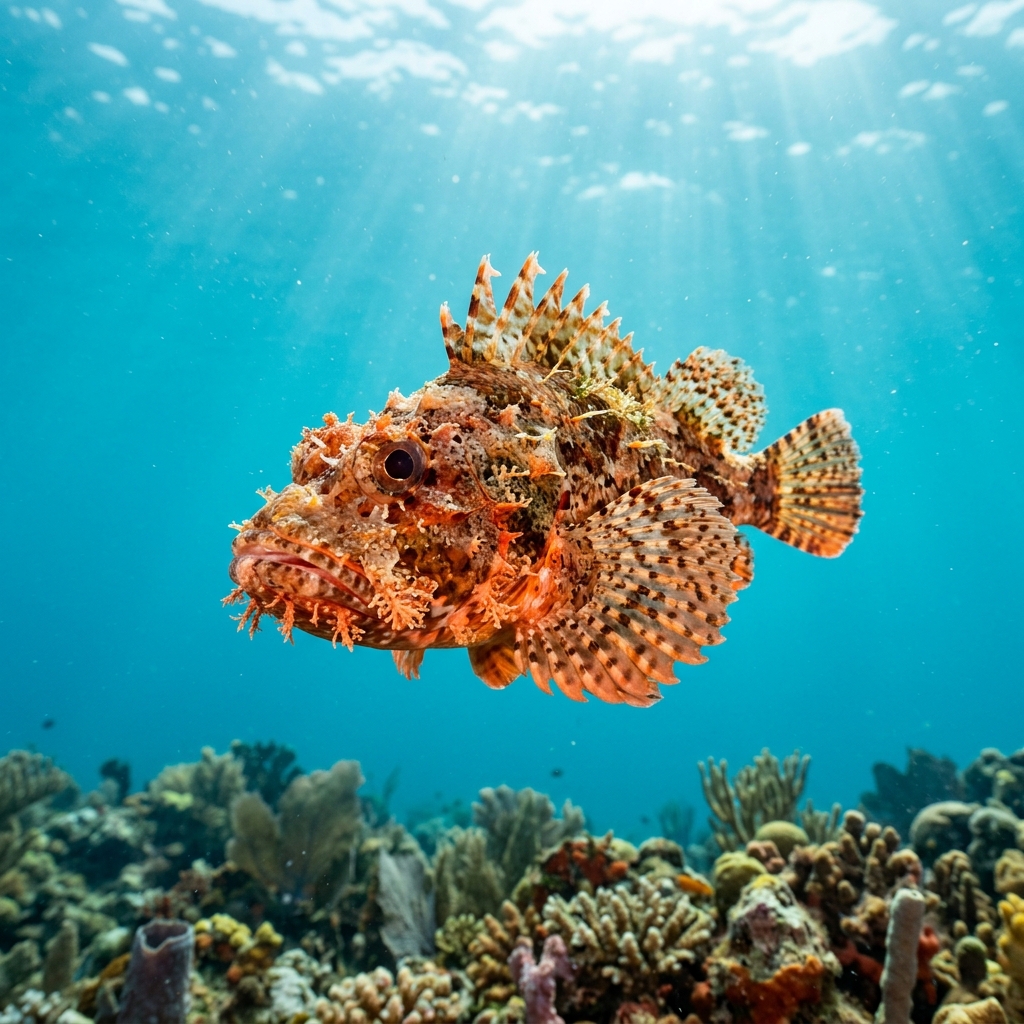
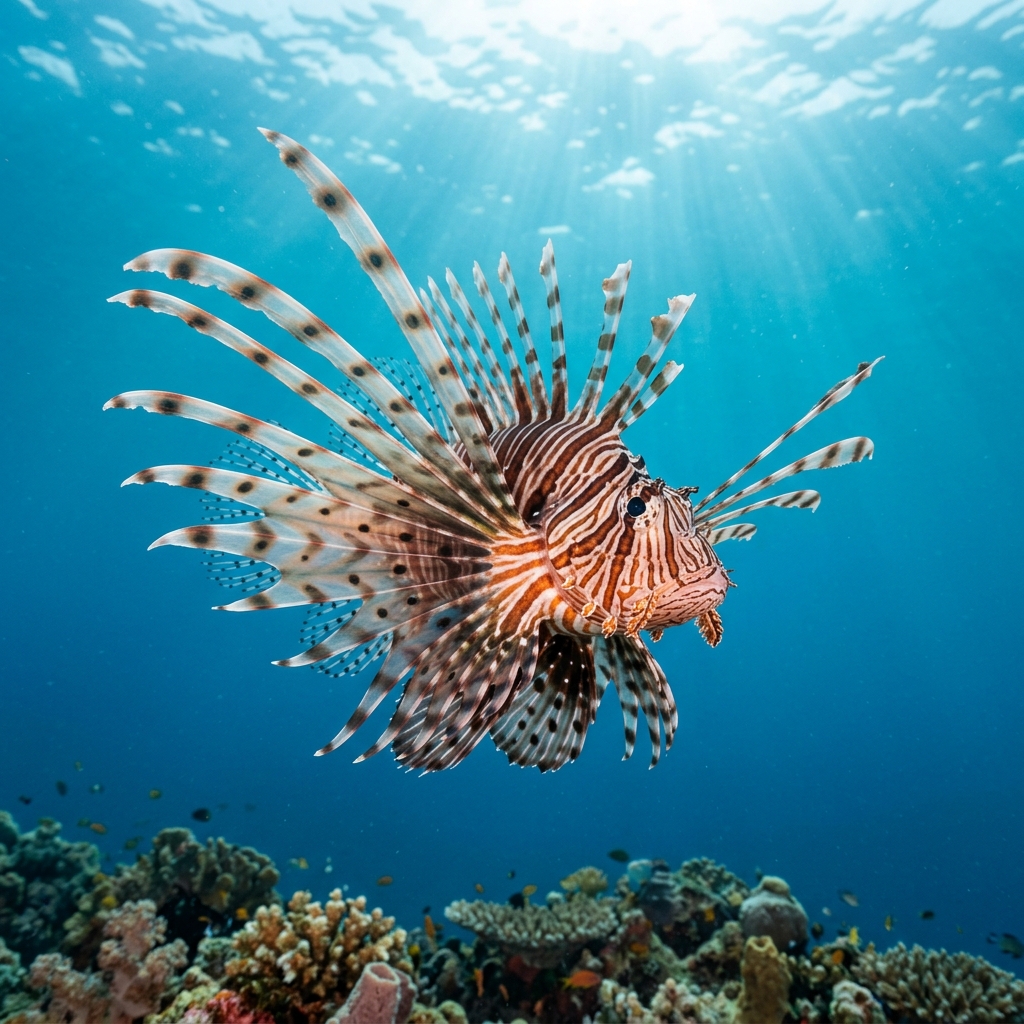
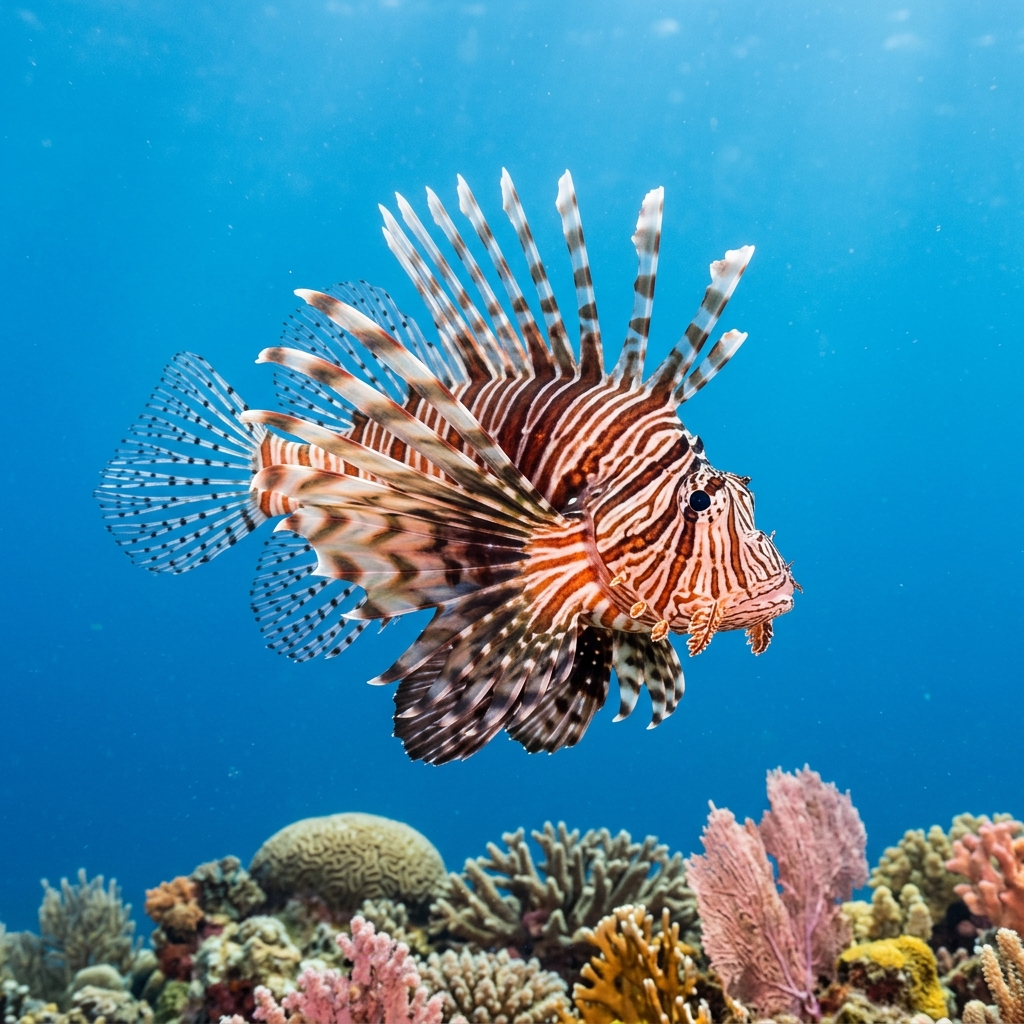
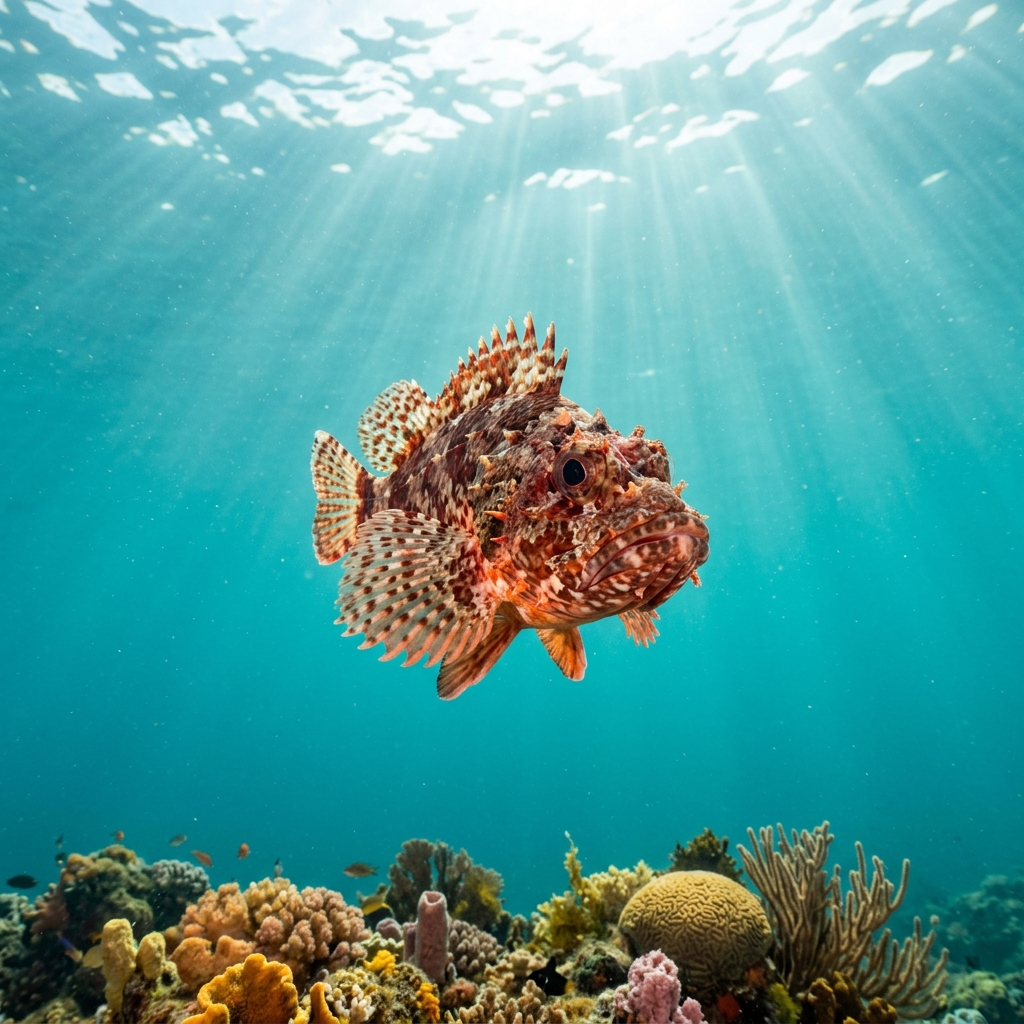
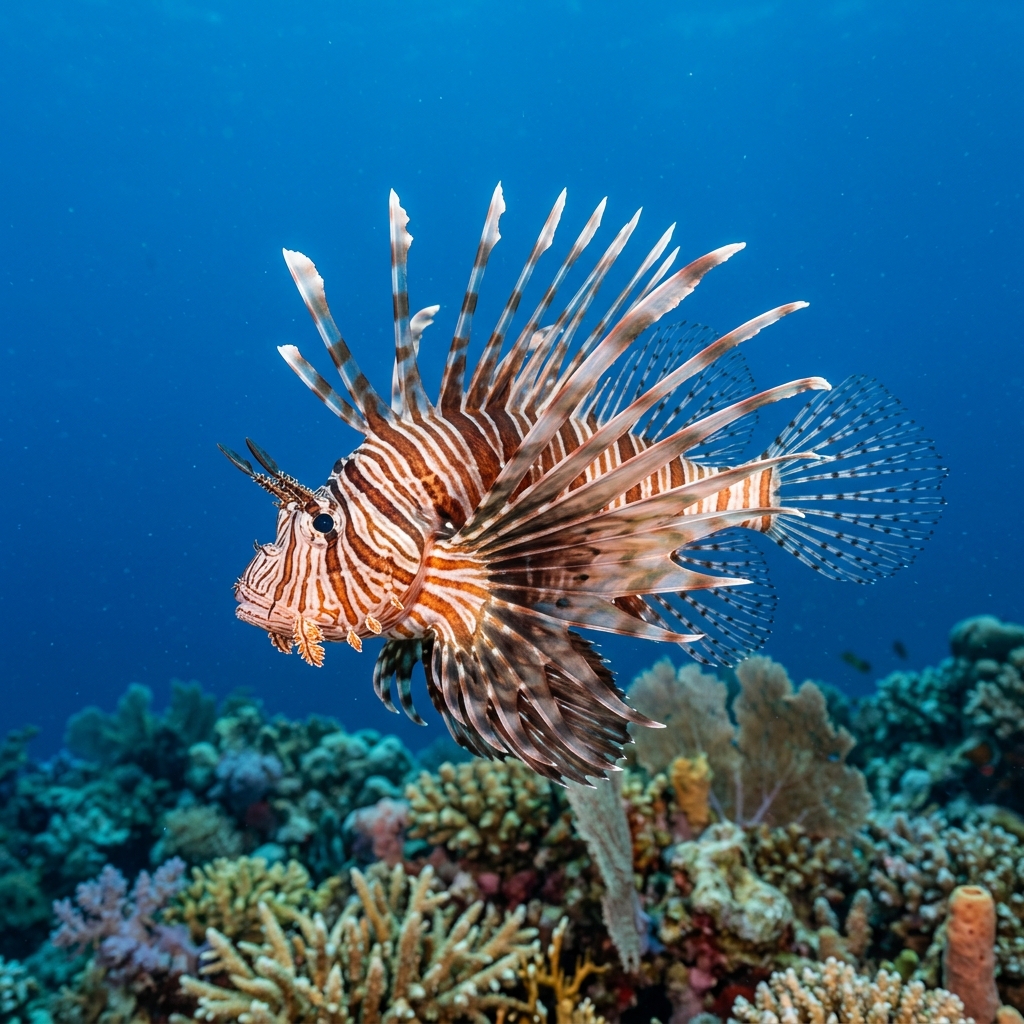
Reef neighbours a diver could mistake it for. Use the identification notes above to tell them apart.
Currently logged only in Australia, with every recorded sighting coming from New South Wales sites. It's an uncommon find rather than a guaranteed one, so divers exploring NSW sand and rubble patches have the best shot at spotting it.
Mapping where Bluespotted Flathead is logged…
All logged sightings come from New South Wales, Australia, where it turns up on sand and rubble patches at dive sites. It's currently an Australia-only record in diver observation data.
There's no detected seasonal pattern, and sightings span water temperatures from about 17.7 to 24.3C, so it can be found across the year in New South Wales rather than in one specific season.
Yes, they carry venomous spines that deliver a painful sting if stepped on or handled. Because they bury in sand and are hard to spot, the main risk is accidentally kneeling or placing a hand on one, so watch your buoyancy and hand placement over sandy seabeds.
Look for a flattened, tapering body around 31cm long lying on sand or rubble, mottled brown to blend with the seabed, with small blue spots across the body and fins. The broad, flat head and raised eyes are the key shape cue when it's mostly buried.
They typically reach around 31cm in length, a modest size that combined with their flat profile makes them easy to overlook on the seabed.
It's logged as uncommon at most New South Wales sites where it appears, and rare at one, so spotting one takes a bit of deliberate scanning of sandy bottoms rather than a chance encounter on a reef swim.
Site and sighting data is aggregated from diver logs, iNaturalist and GBIF. For taxonomy and conservation status:
Madeira Rockfish
2,773 sites