Mulloidichthys flavolineatus
Silvery reef fish with a bold yellow stripe, logged year-round from Hawaii to the Maldives in 24-29 C water. Here's where to find them.
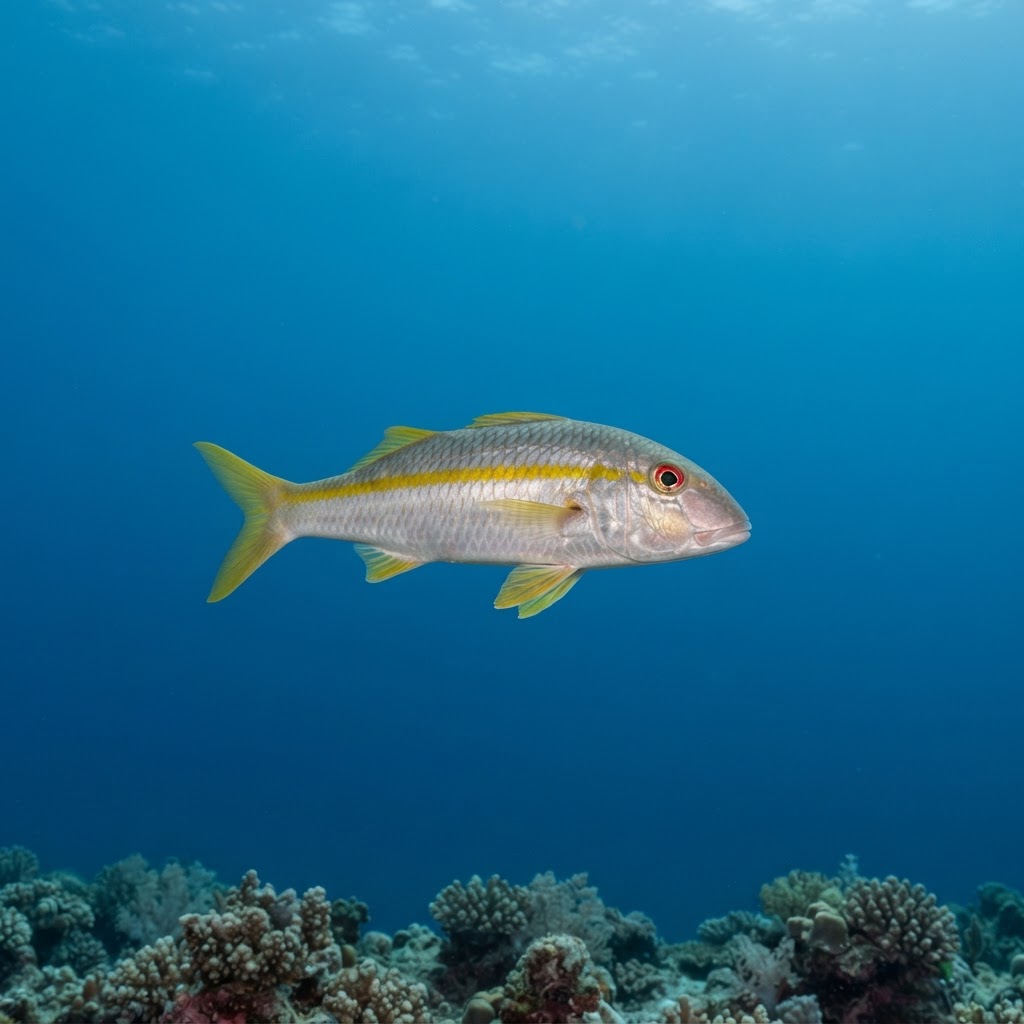
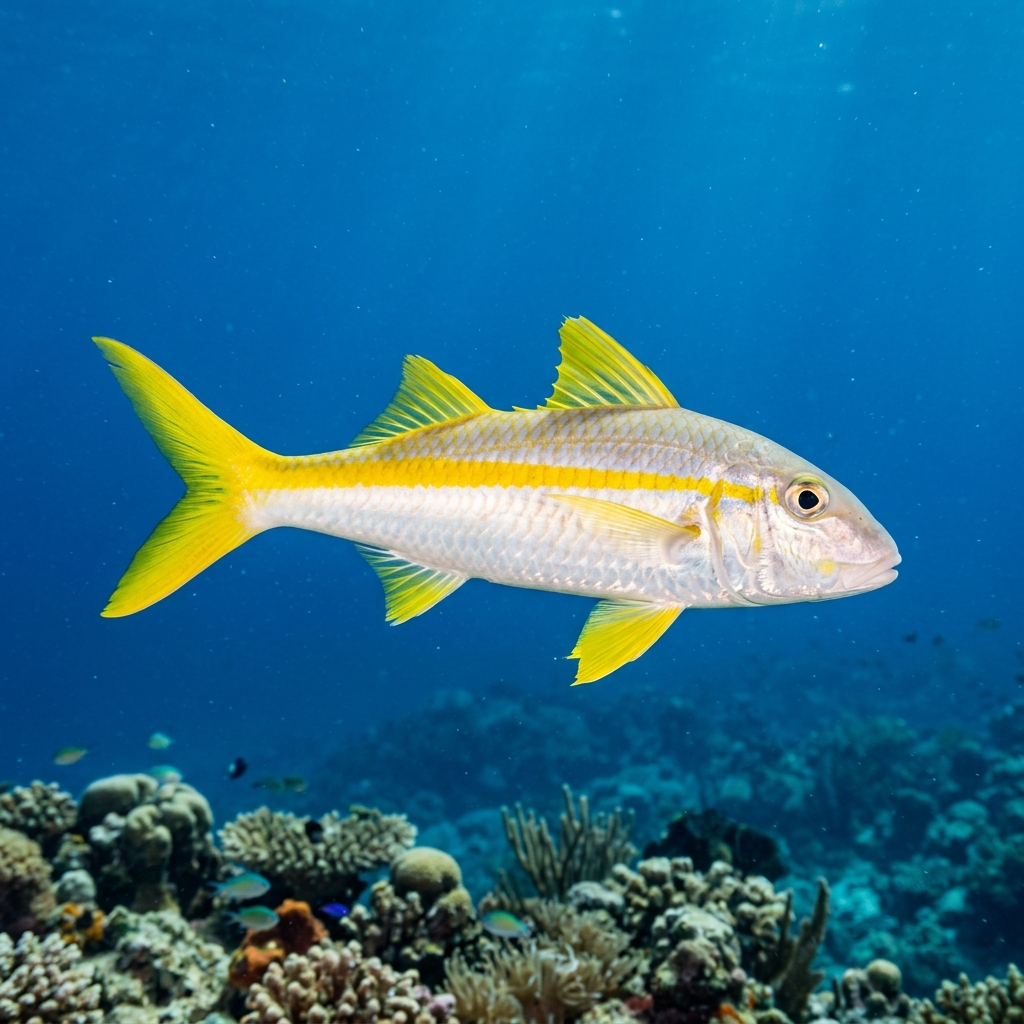
Look for a slim, silvery fish around 30 cm with a single bold yellow stripe running from eye to tail. A pair of long chin barbels (whisker-like feelers used to probe sand) gives it away as a goatfish when it's not actively swimming with them tucked away. It's often seen hovering in loose groups just above sand patches at the reef edge rather than tucked into coral.
Usually spotted drifting in small to modest groups over open sand or rubble next to the reef, sweeping their barbels through the substrate to root out buried invertebrates. They're generally unbothered by divers, holding their position or moving off at an easy pace rather than bolting, and are as likely to turn up on a shallow snorkel as on a deeper reef dive.
Those chin barbels are loaded with taste buds, letting the fish detect prey buried in sand without needing to see it, a feeding trick shared by the whole goatfish family.
No clear seasonal pattern shows up in the data, so treat this as a year-round sighting. Its comfort range of roughly 24 to 29 C matches tropical reef temperatures in all the top dive destinations at any time of year.
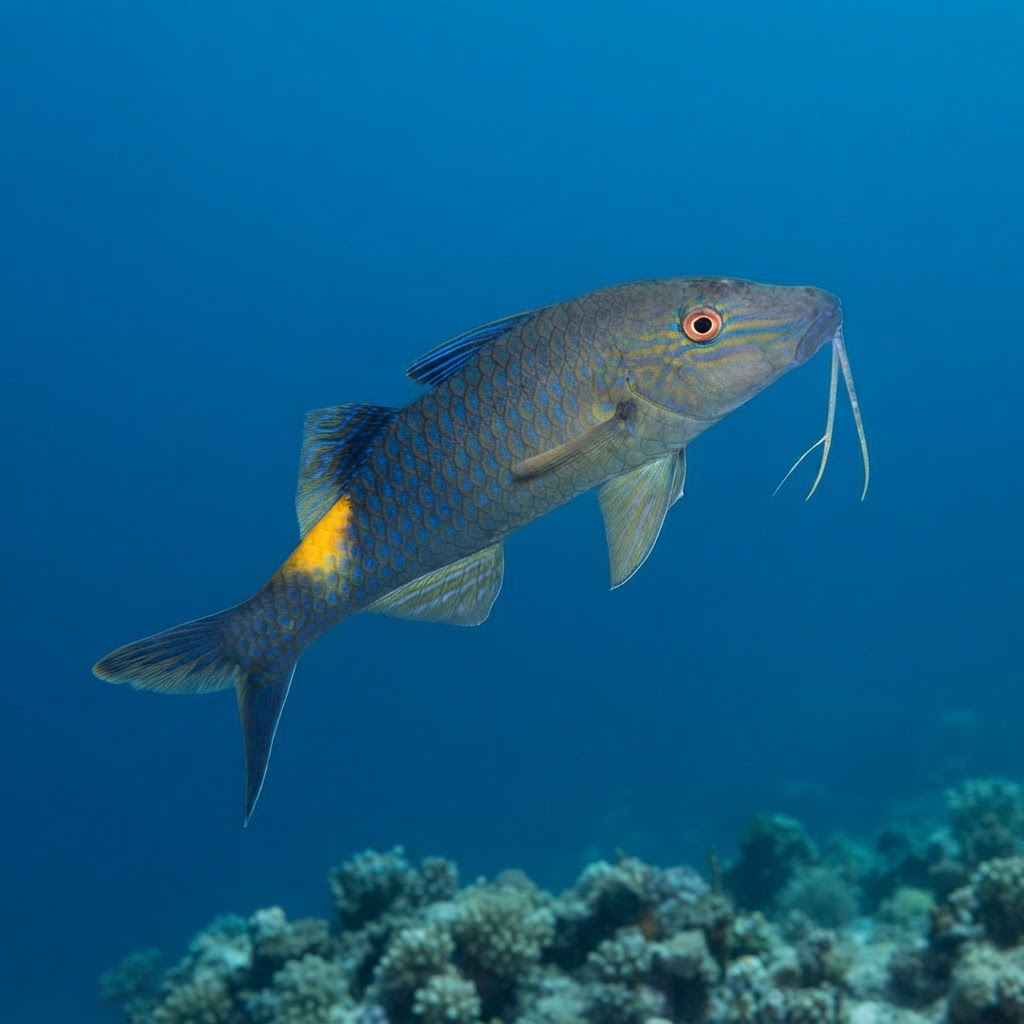
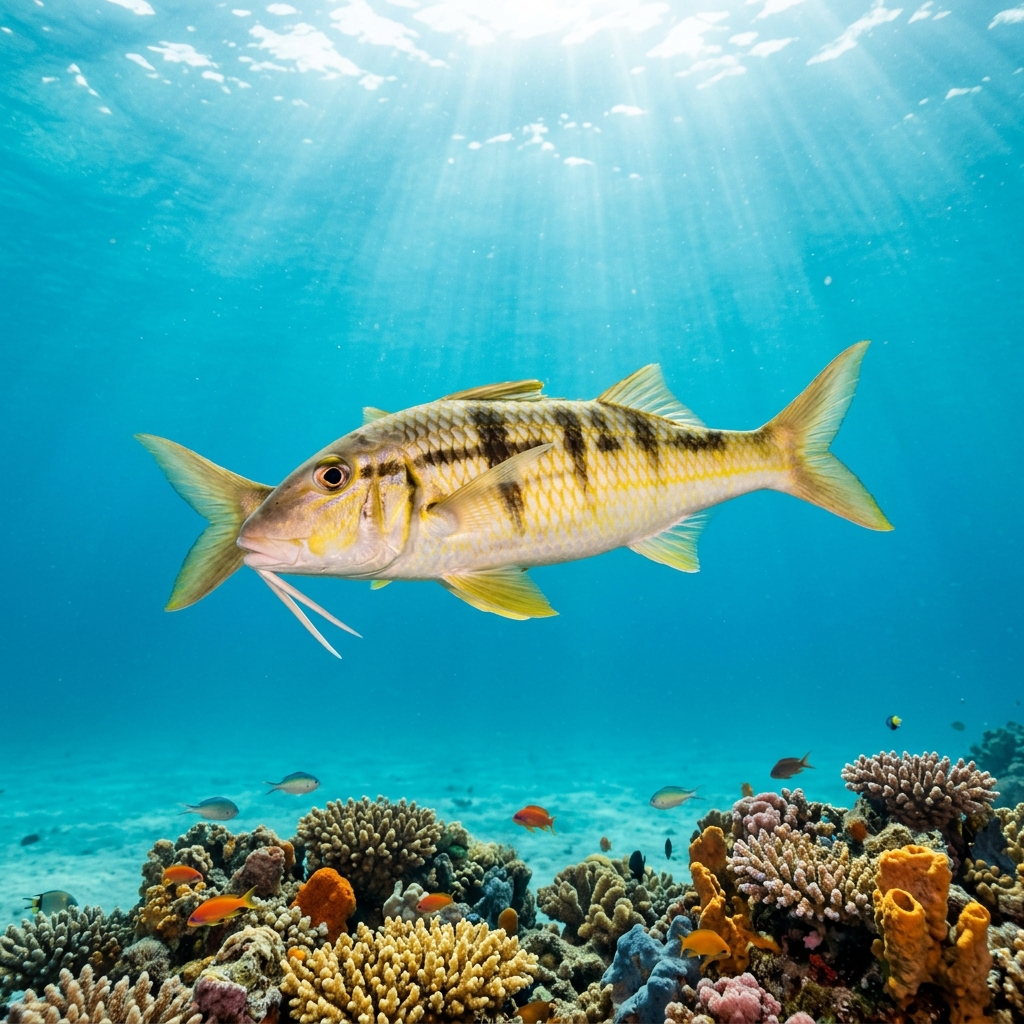
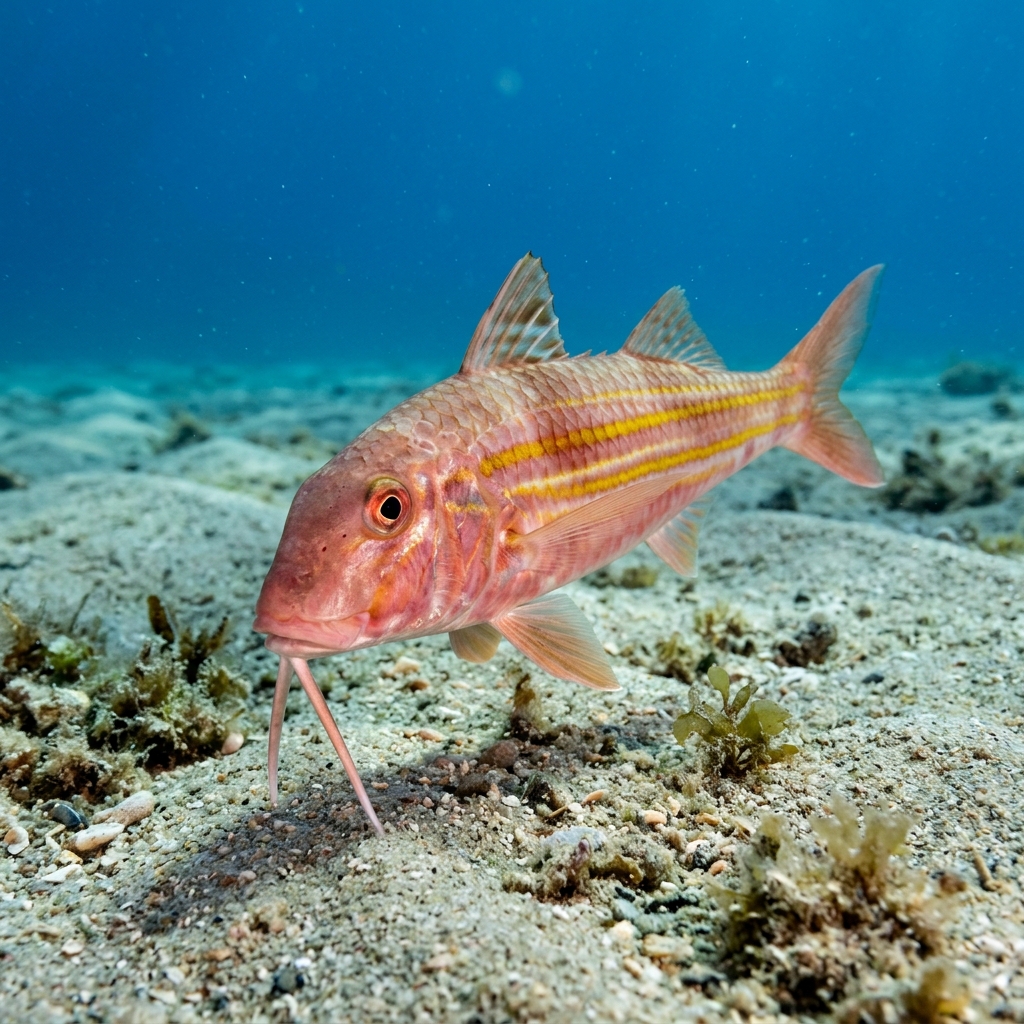
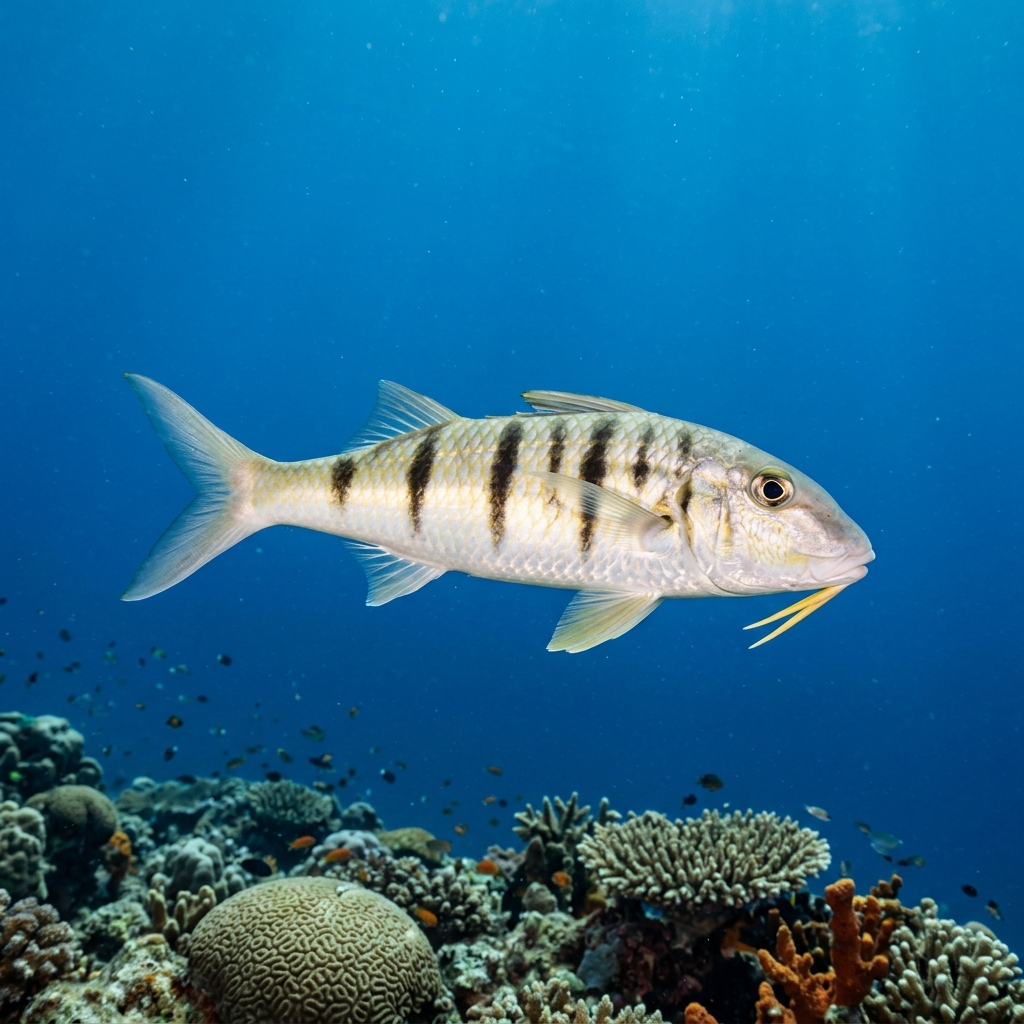
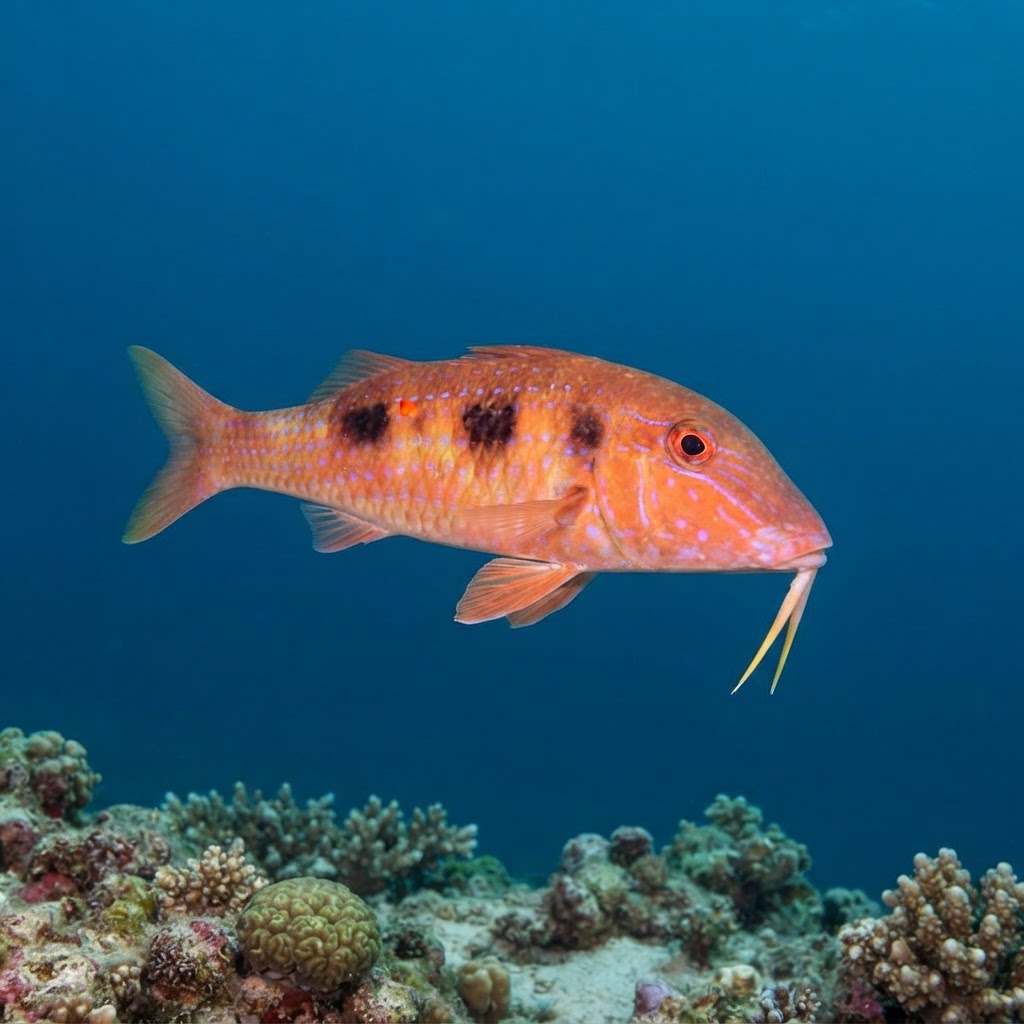
Reef neighbours a diver could mistake it for. Use the identification notes above to tell them apart.
Most reliably logged in Hawaii, with strong numbers also across the Maldives (both Northern and Central Atolls), the Egyptian Red Sea around Marsa Alam and South Sinai, and the Visayas in the Philippines. Also a regular sighting in Indonesia, French Polynesia's Society Islands, and Queensland, Australia, making it one of the more widely spread goatfish on tropical reefs.
Mapping where Yellowstripe Goatfish is logged…
Hawaii is the strongest spot for them, with good numbers also in the Maldives, the Egyptian Red Sea (Marsa Alam and South Sinai), the Philippines' Visayas, and French Polynesia's Society Islands.
There's no strong seasonal signal in the sightings data, so they're considered a year-round fish on tropical reefs where water stays between roughly 24 and 29 C.
Look for a silvery body around 30 cm long with one clean yellow stripe from eye to tail, plus a pair of long chin barbels used for sifting sand. They're typically seen hovering over sand near reef edges rather than among coral.
They reach about 30 cm in length, a medium-sized reef fish that's easy to pick out in open sand areas next to the reef.
They use a pair of chin barbels packed with taste buds to probe sand and rubble, detecting hidden worms and small invertebrates without needing to see them first.
Site and sighting data is aggregated from diver logs, iNaturalist and GBIF. For taxonomy and conservation status:
Manybar Goatfish
1,812 sites