Lutjanus bengalensis
Small reef snapper logged across Raja Ampat and Bali, most often spotted solo or in small groups on Indonesian reefs at 27 to 29 C.
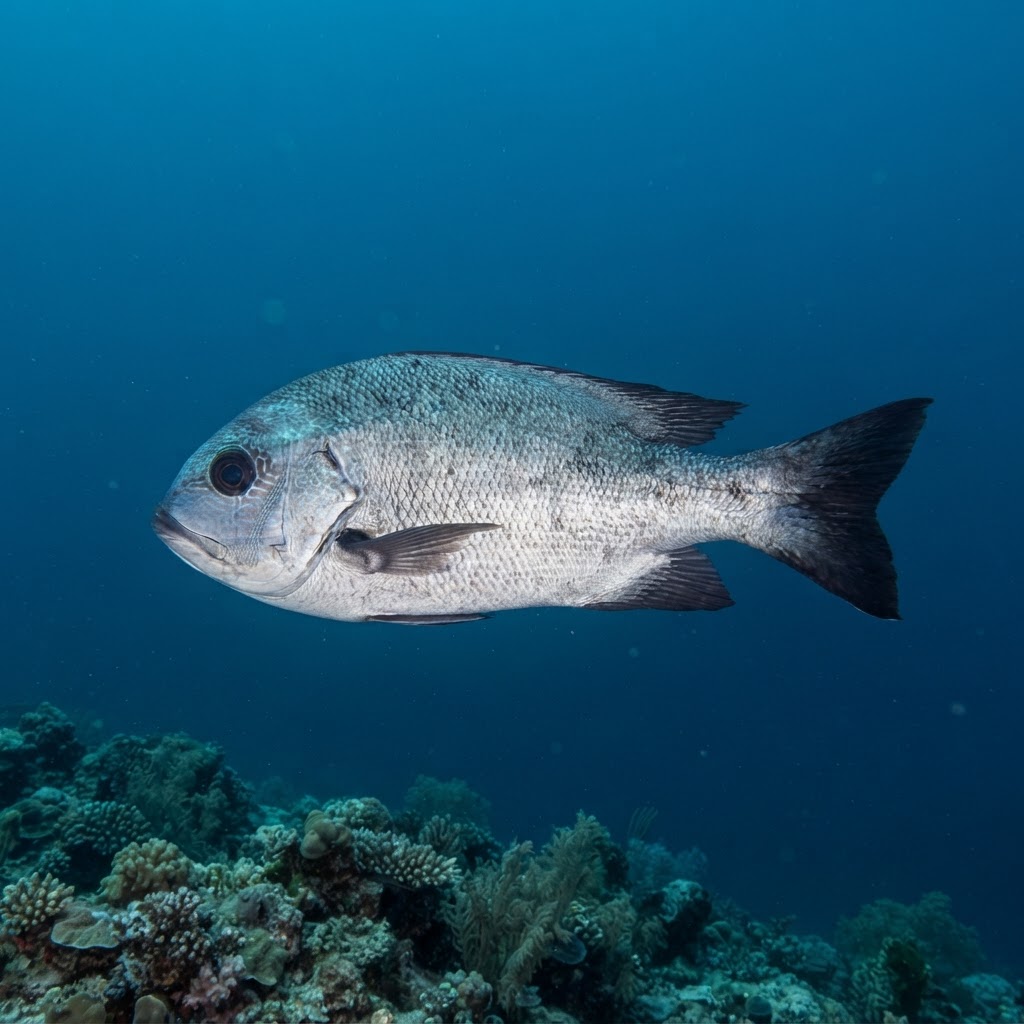
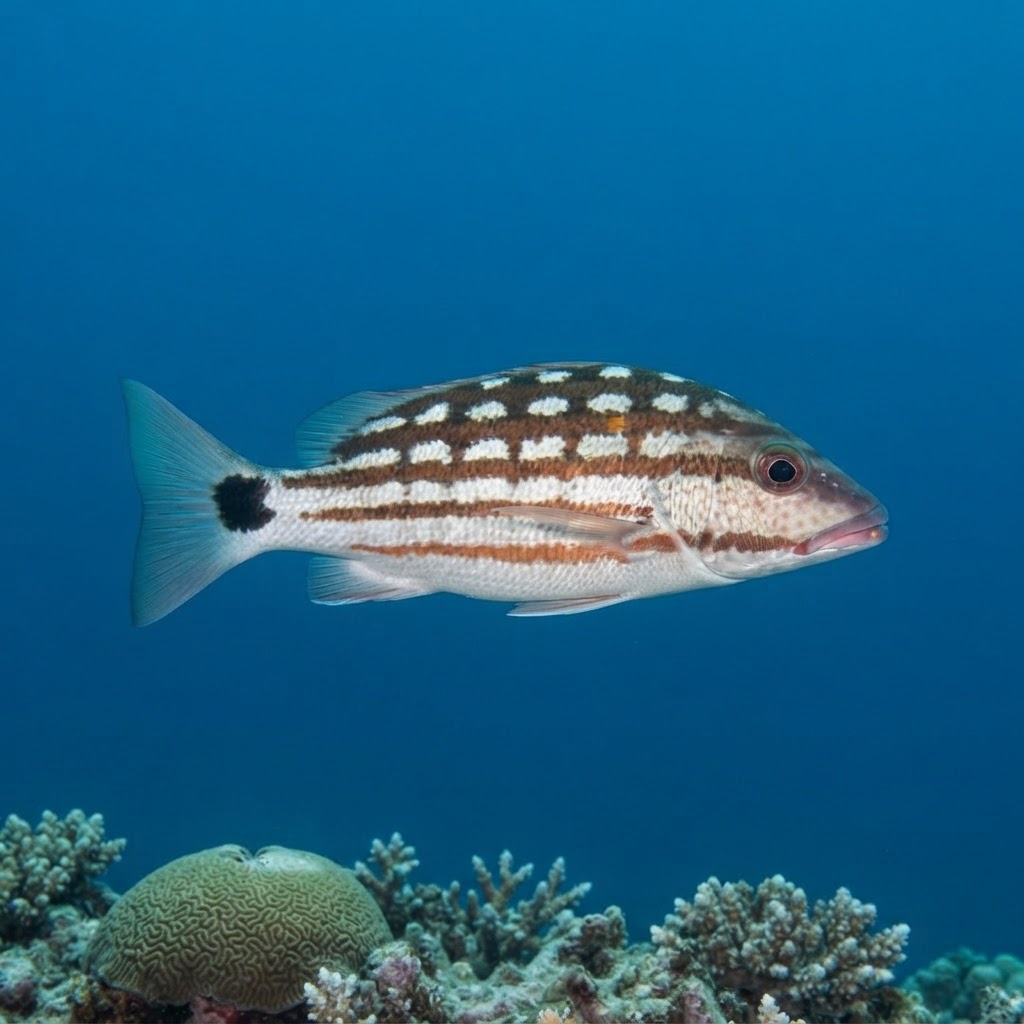
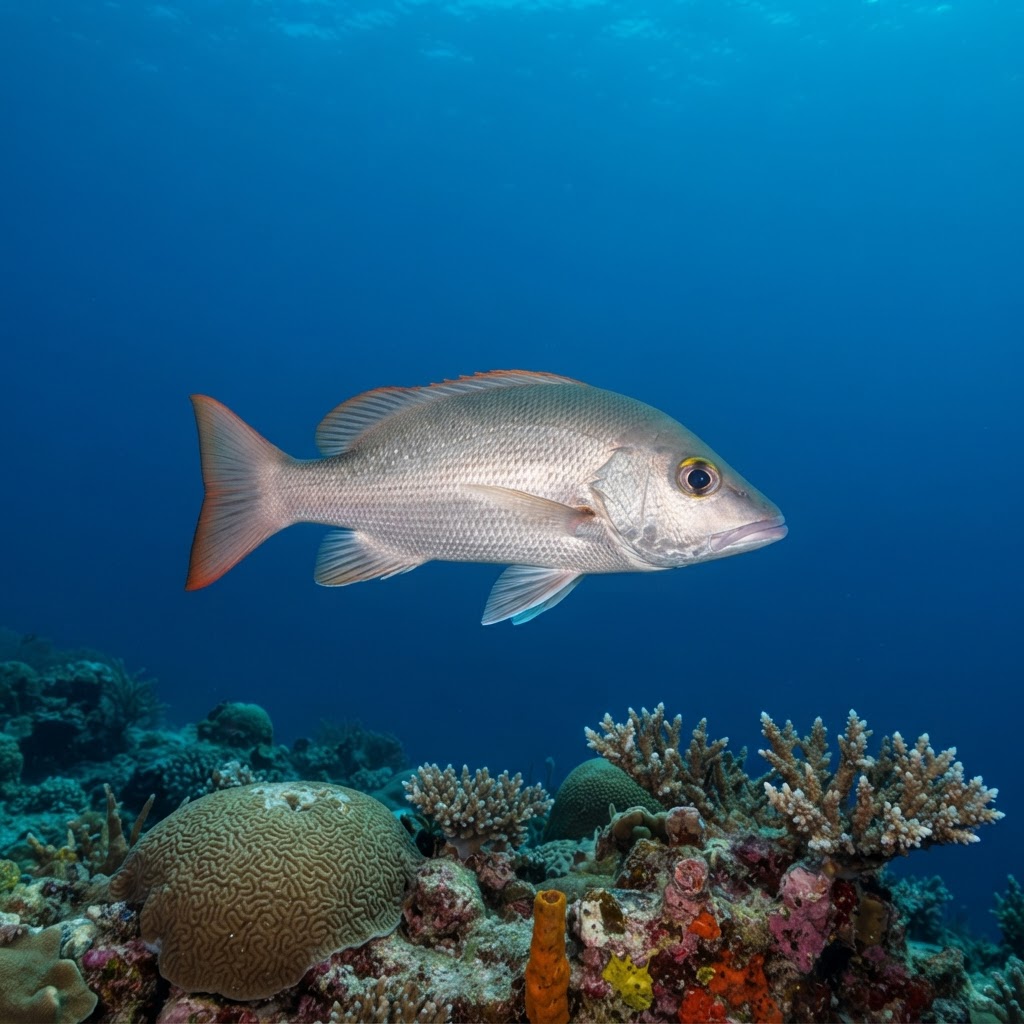
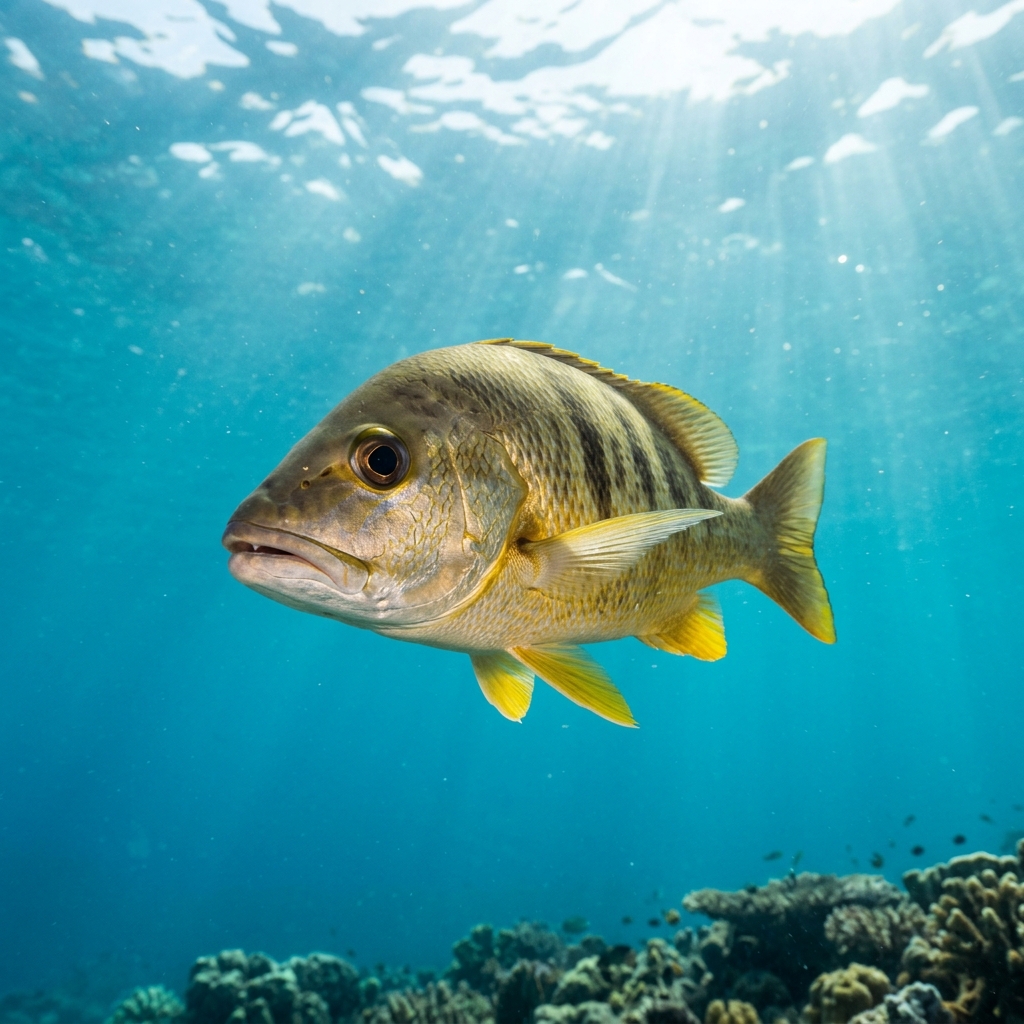
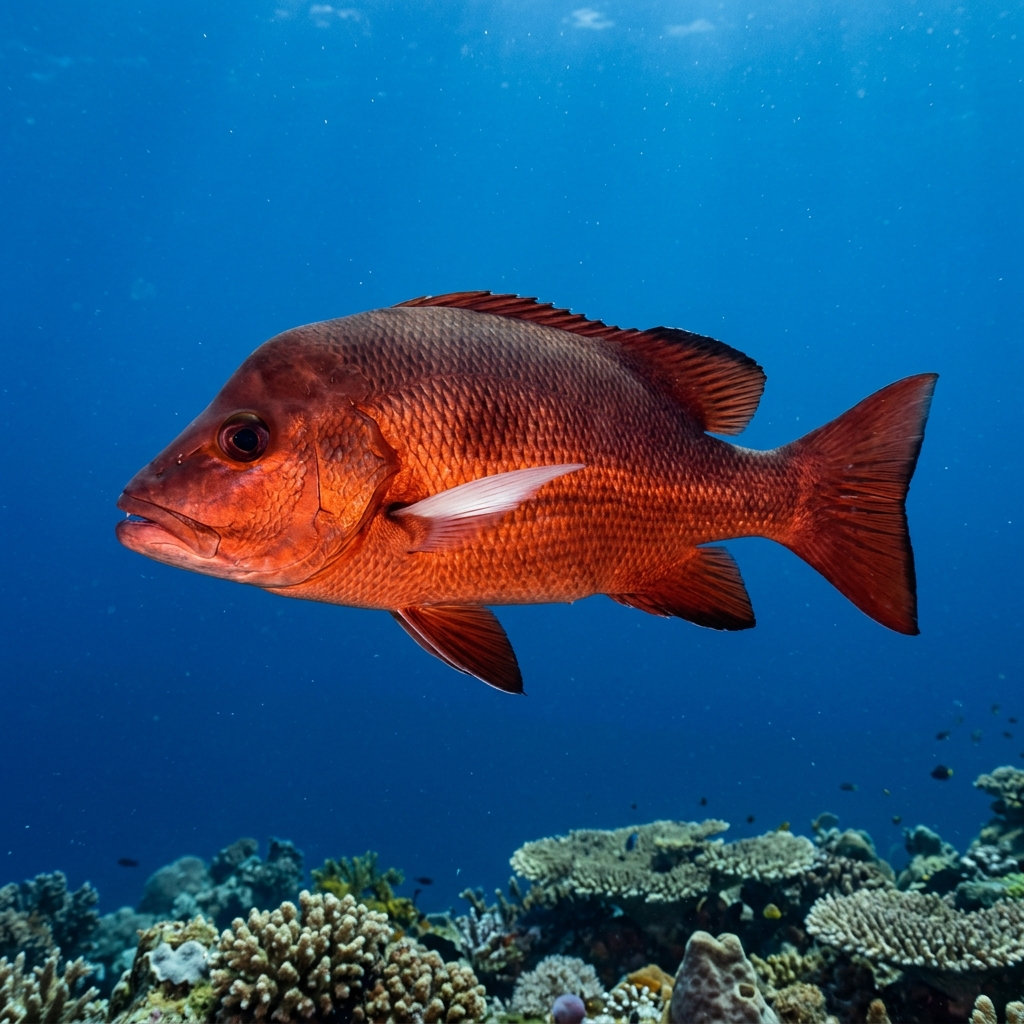
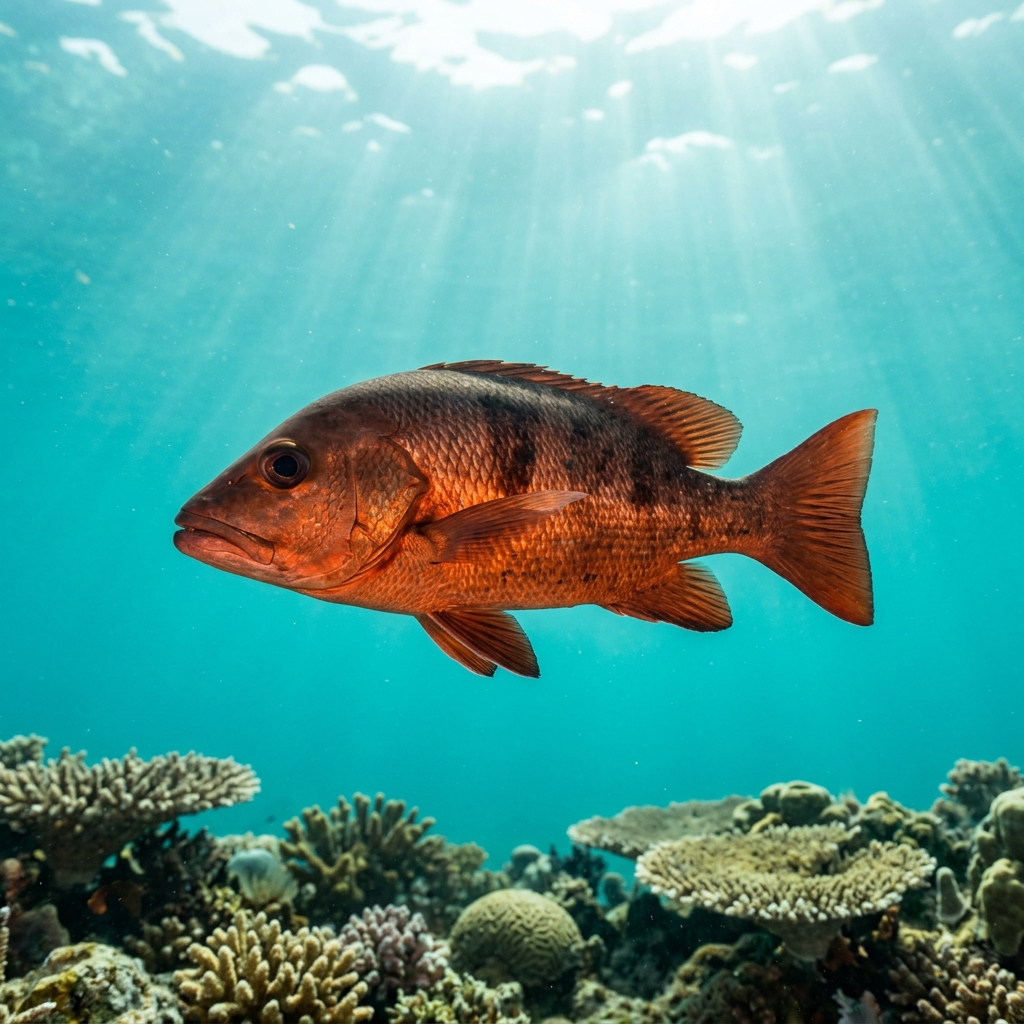
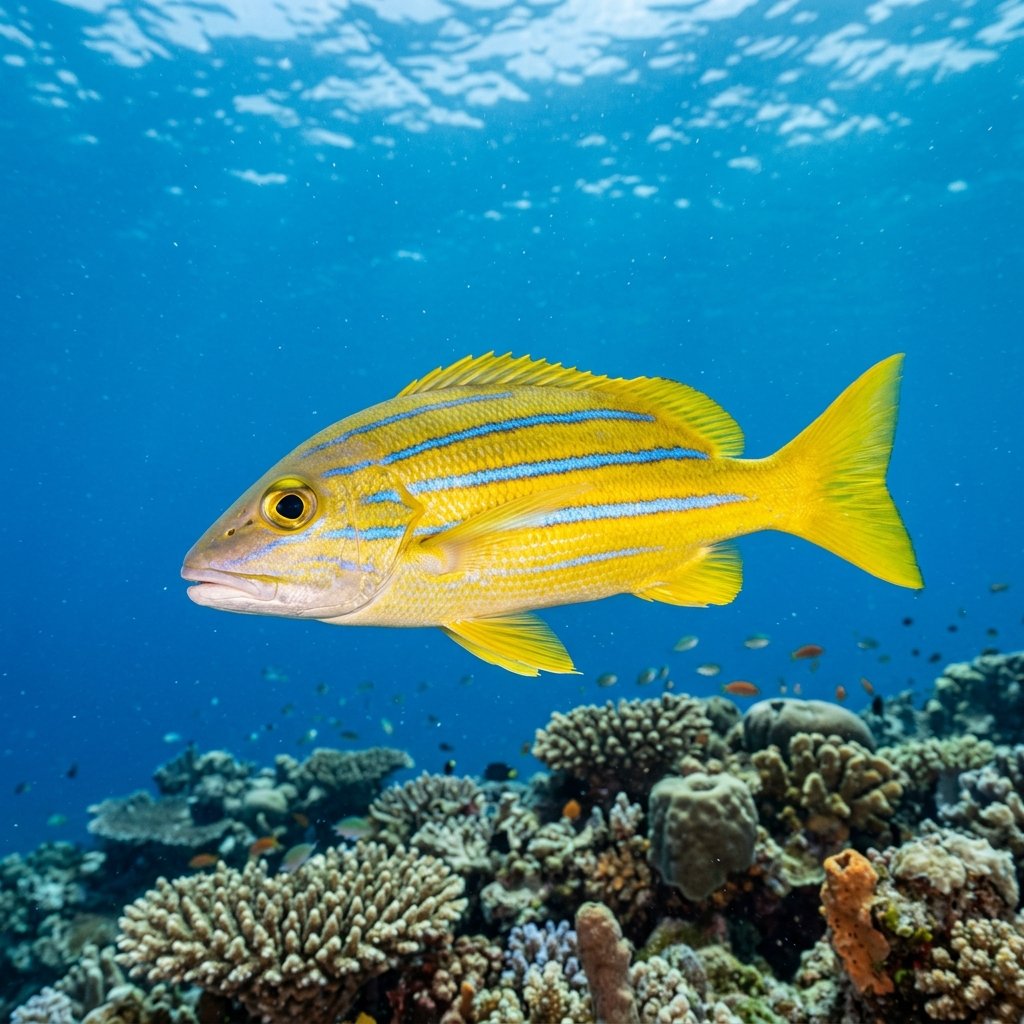
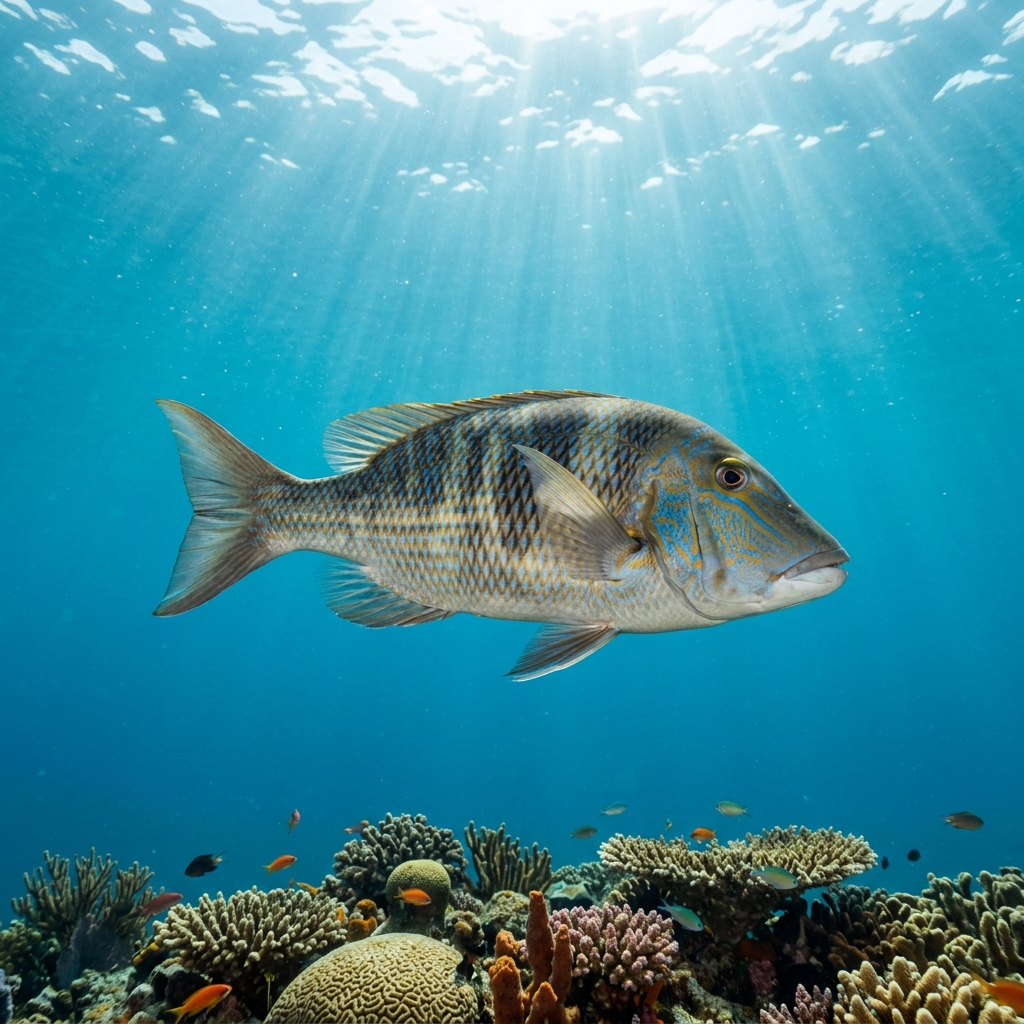
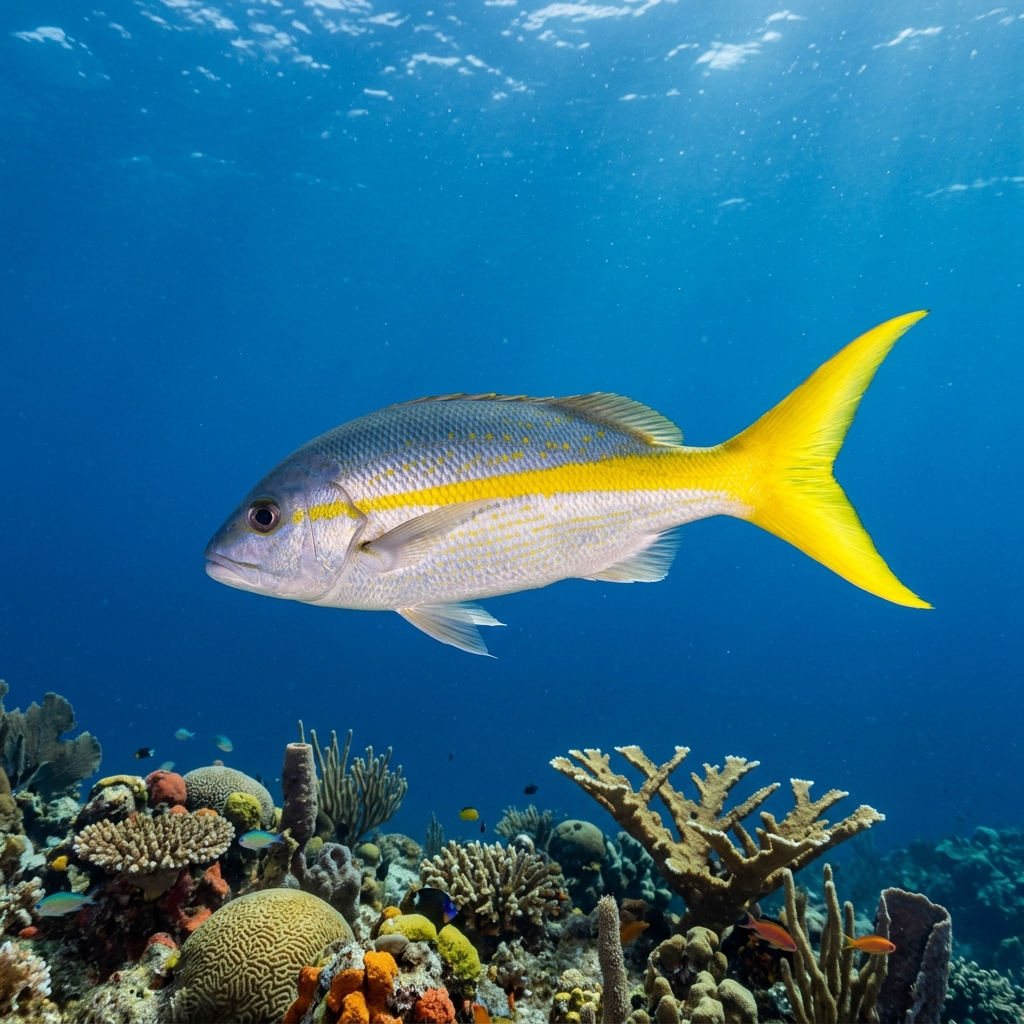
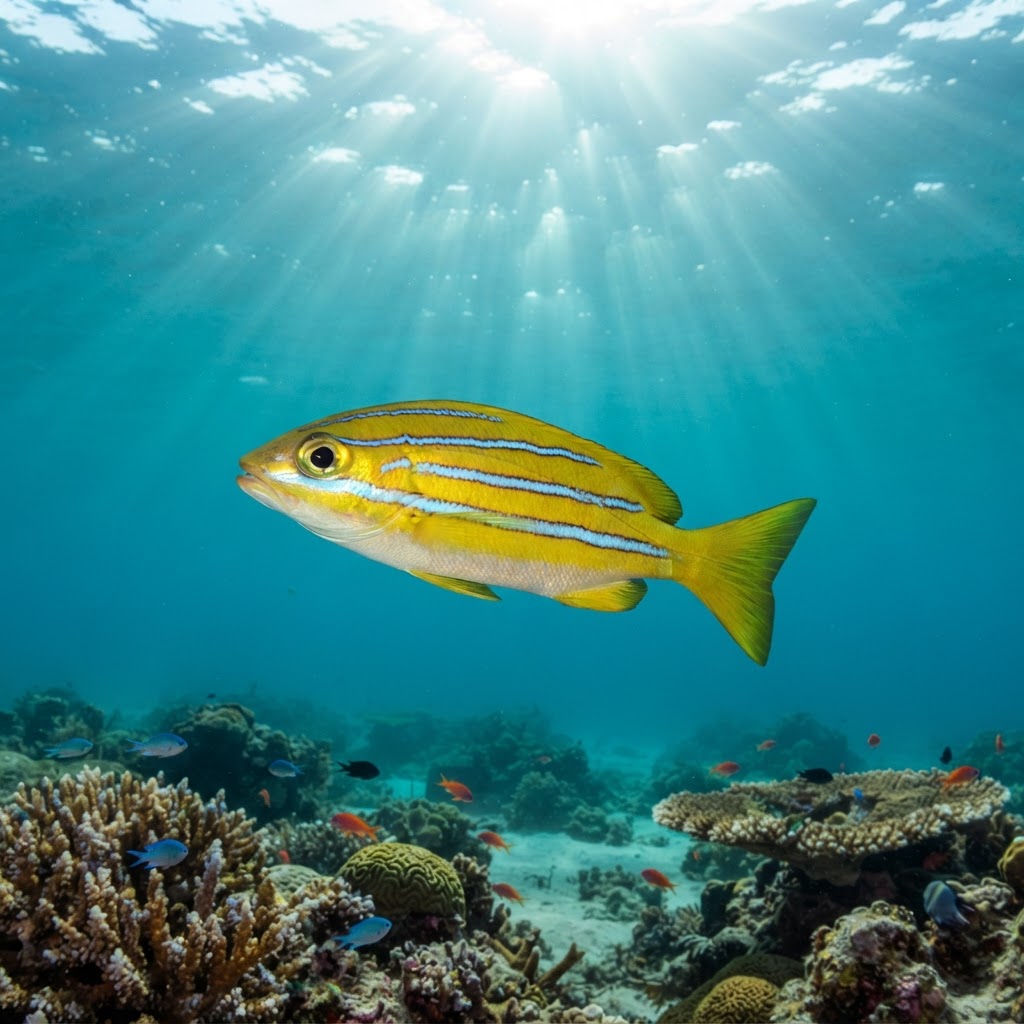
A slim, compact snapper that tops out around 21 cm, so it reads more as a modest reef fish than a bulky adult snapper. Look for a silvery to pale yellowish body, a sloped forehead profile typical of snappers, and yellow tinting through the fins that shows up clearly under a torch or in sunlit shallows. It often sits with its head angled slightly down near ledges or crevices, which helps separate it from open-water fusiliers cruising past.
Divers most often find it holding station near reef structure, ledges, and crevices rather than schooling in open water, usually alone or in small loose groups. It tends to hang at a cautious distance from divers without bolting for cover, making it easy to observe if you approach slowly and let it settle. Most logged sightings come from typical daytime reef dives rather than night dives.
Like most Lutjanus snappers it is a reef-associated predator that shelters by day near structure and becomes more active hunting small fish and invertebrates around dusk, so late-afternoon dives can catch it starting to move.
No clear seasonal pattern shows up in the sightings, and water temperatures at the sites where it is logged sit in a steady 26.7 to 29.3 C band, so it is a year-round resident on these Indonesian reefs rather than a seasonal visitor.
Reef neighbours a diver could mistake it for. Use the identification notes above to tell them apart.
Indonesia is the place for this one, with Raja Ampat standing out as the most reliable region, followed by Bali, Sulawesi, and Nusa Tenggara. Across the sites where it has been logged it tends to show up as an uncommon find rather than a guaranteed sighting, so treat it as a nice bonus on a Raja Ampat or Bali reef dive rather than the main target.
Mapping where Bengal Snapper is logged…
It is most reliably logged in Indonesia, especially Raja Ampat, with further sightings in Bali, Sulawesi, and Nusa Tenggara. Outside these regions it has not been well documented by divers, so Indonesia is the safest bet for a sighting.
There is no strong season in the sighting data, and it is found year-round in water between roughly 27 and 29 C, so any time you are diving Raja Ampat or Bali is a fair shot.
Look for a small, slim snapper around 21 cm with a silvery to pale yellow body and yellow-tinted fins, usually seen hovering near ledges or crevices rather than in open water. Its sloped snapper profile and compact size help separate it from bulkier reef snappers.
They typically reach around 21 cm, making them one of the smaller members of the snapper family that divers encounter on Indo-Pacific reefs.
No, they pose no threat to divers and are simply calm, reef-associated fish that keep a comfortable distance while you observe them.
Site and sighting data is aggregated from diver logs, iNaturalist and GBIF. For taxonomy and conservation status:
Bluestriped Snapper
2,054 sites