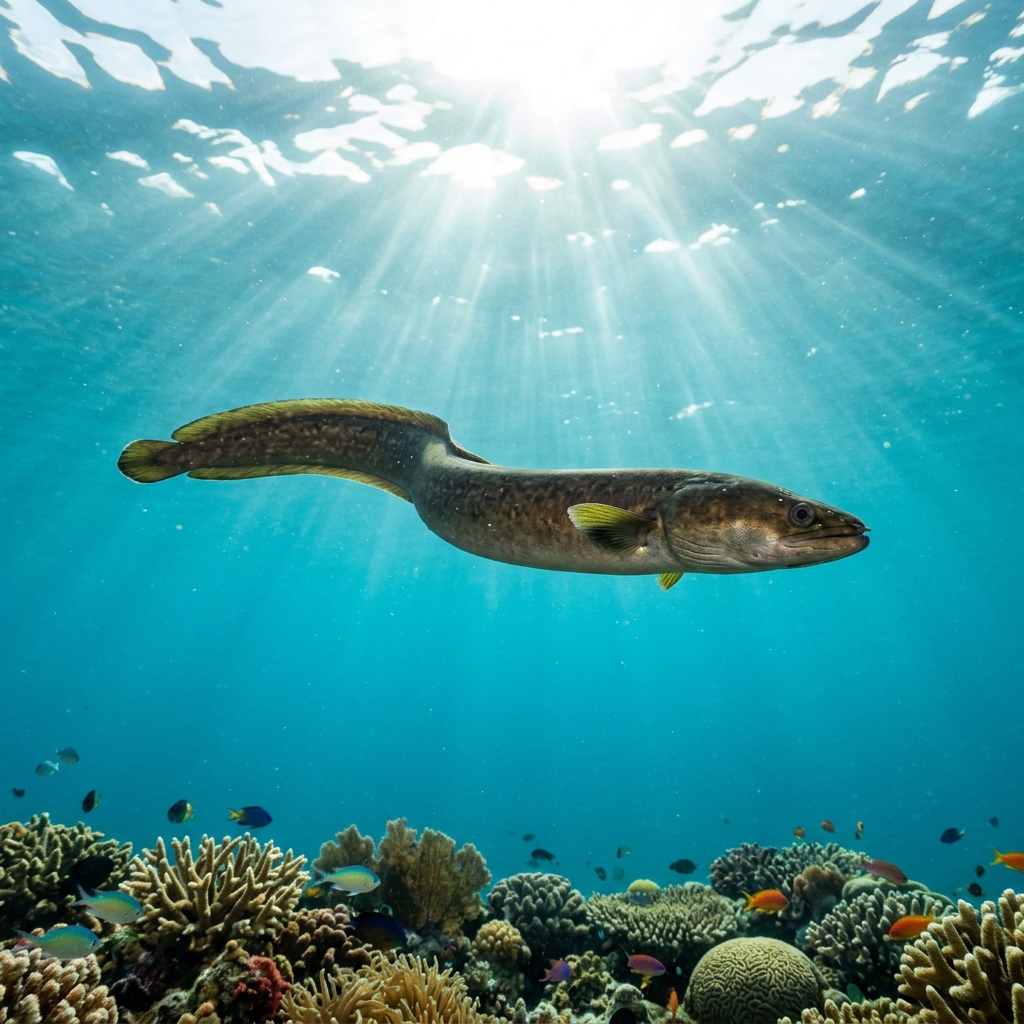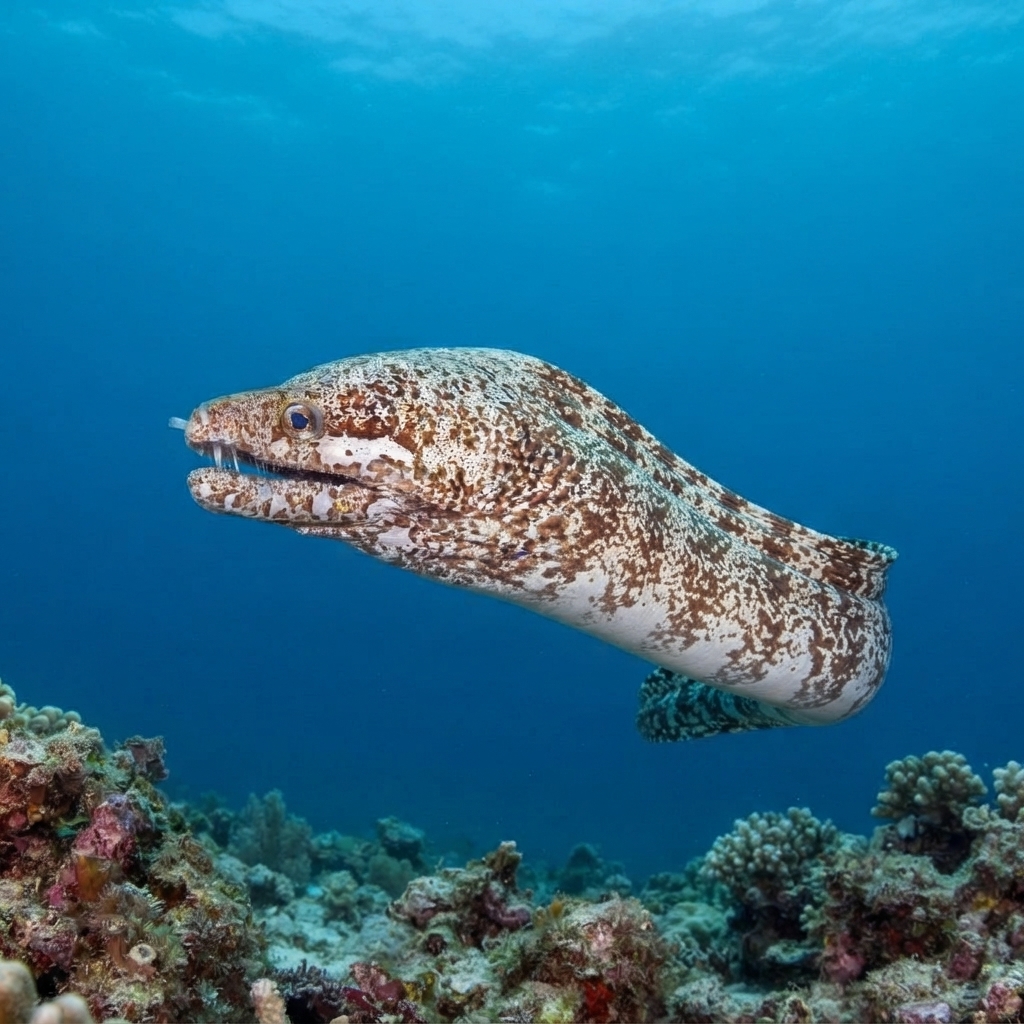
Gymnothorax zonipectis
Small, reef-dwelling moray most reliably spotted around the Visayas, Philippines, in warm 26-29C water year-round.
Safety warning
It carries a bite risk if provoked, cornered, or hand-fed, as its recurved teeth and strong bite reflex can cause a serious puncture wound. Keep hands out of crevices you have not checked, never reach in to move one for a photo, and admire it from outside its hole.
If you're bitten
BiteGeneral first-aid guidance, not a substitute for professional medical care. In an emergency, call your local emergency number.
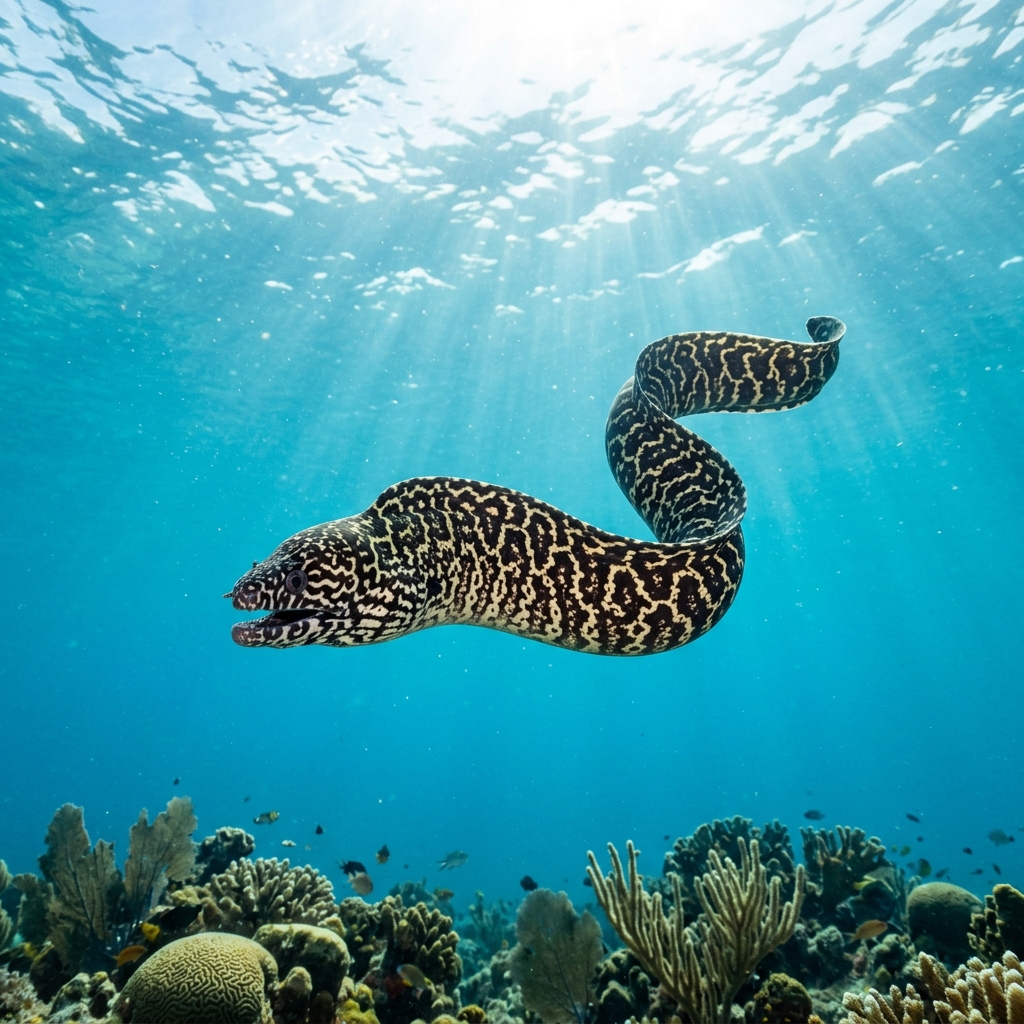
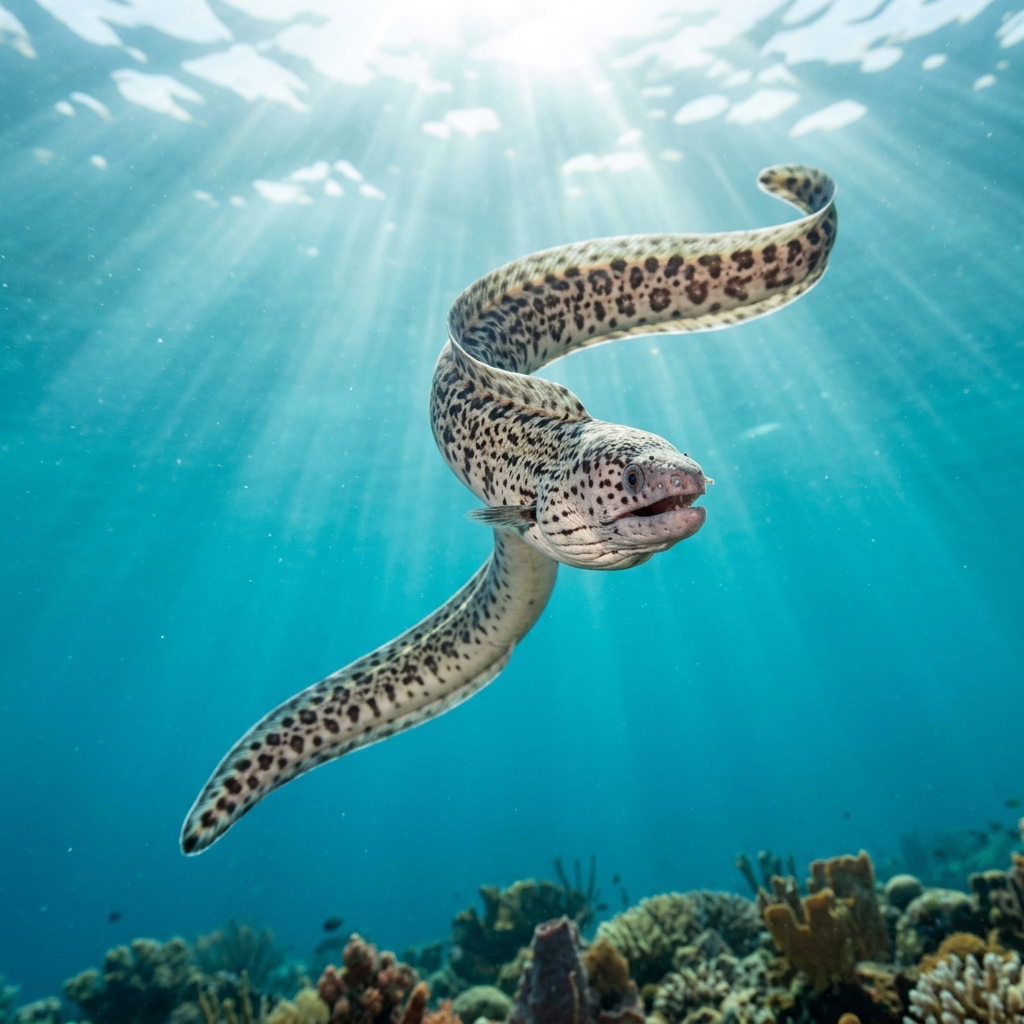
A small moray, rarely more than 35 cm, with a slender body that stays mostly tucked into reef crevices with just the head showing. Look for the barred pattern along the fins that gives it its name, a useful clue when only the tail or dorsal fin is visible outside a hole. Its head is proportionally slim compared to bulkier morays, and its overall colouring is more subdued than the boldly patterned species divers often expect.
Expect to find it wedged into a crevice or under a coral ledge by day, with just the head and part of the body poking out, rather than actively hunting in the open. It is logged as uncommon at most sites where divers find it, so patient reef scanning around holes and rubble pays off more than swimming past open sand. Like other morays it relies on scent more than sight and generally ignores divers who keep a respectful distance.
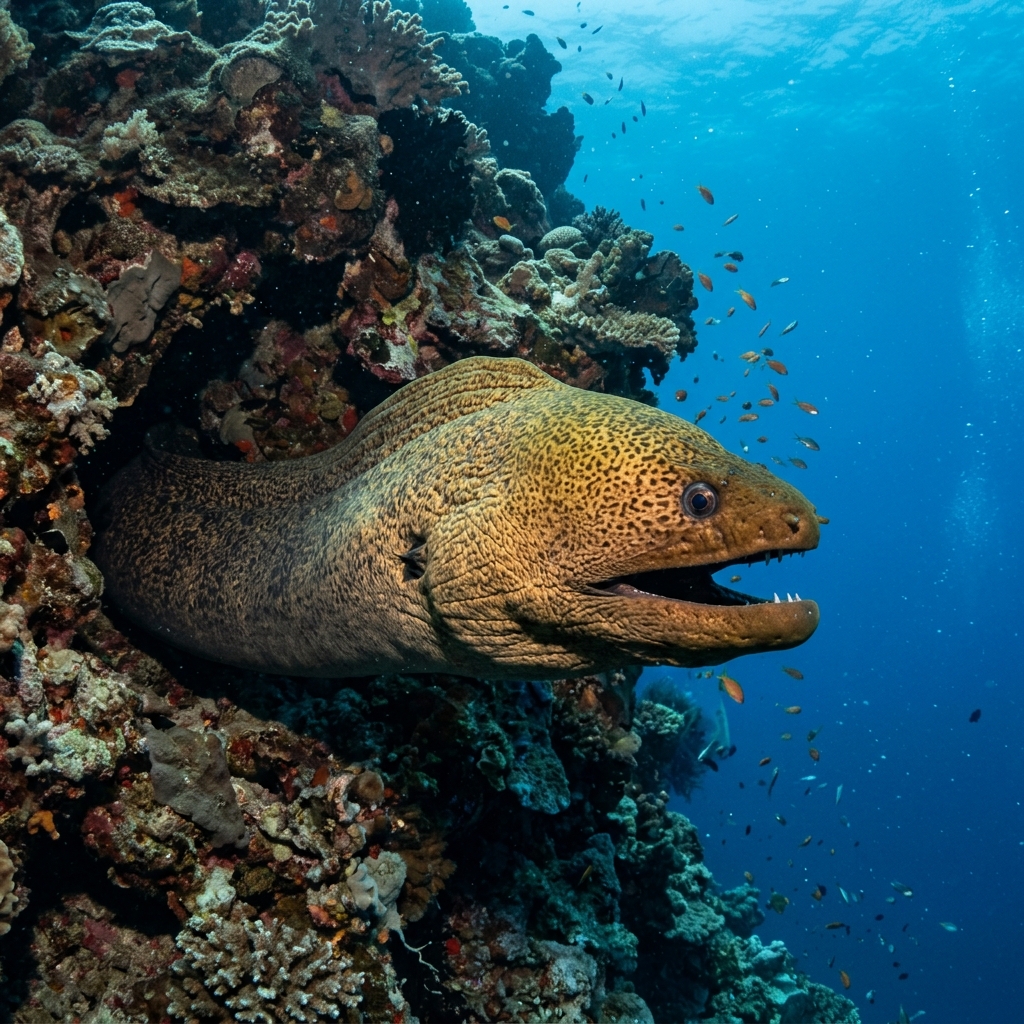
Morays in this family constantly open and close their mouths not out of aggression but to pump water over their gills, since they lack the gill-cover pumping mechanism most fish use to breathe.
No clear seasonal pattern shows up in the sighting data, and with water temperatures sitting in a steady 26.1 to 28.9 C band, it is a year-round find on the reefs where it occurs. Plan the dive around the site rather than the calendar.
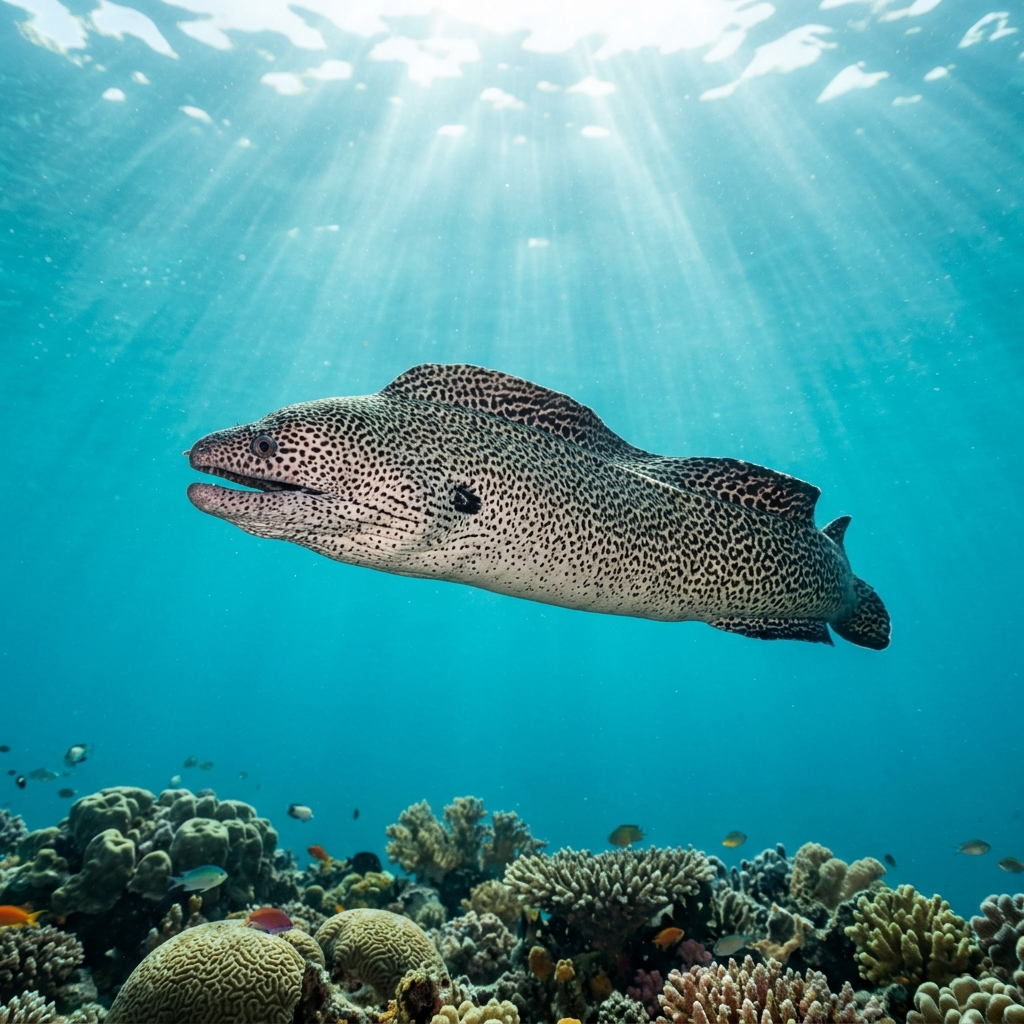
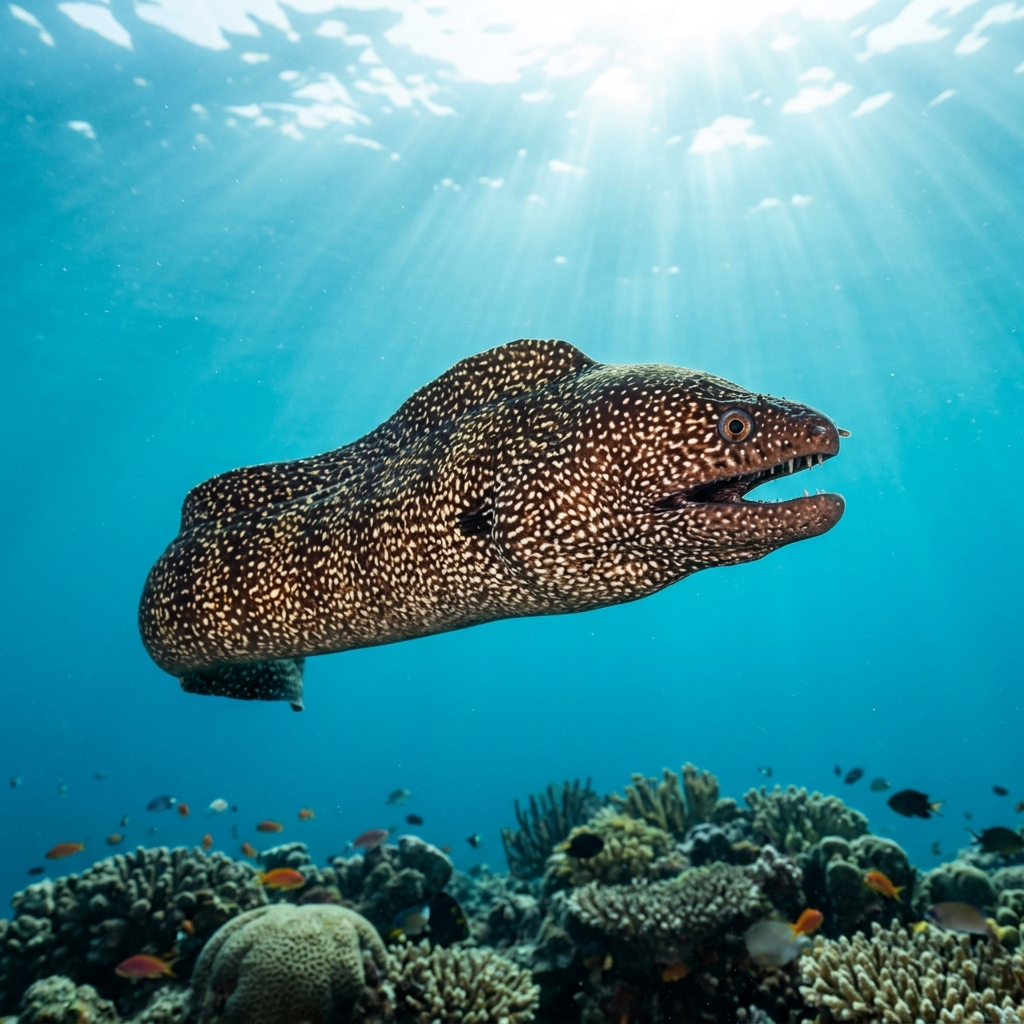
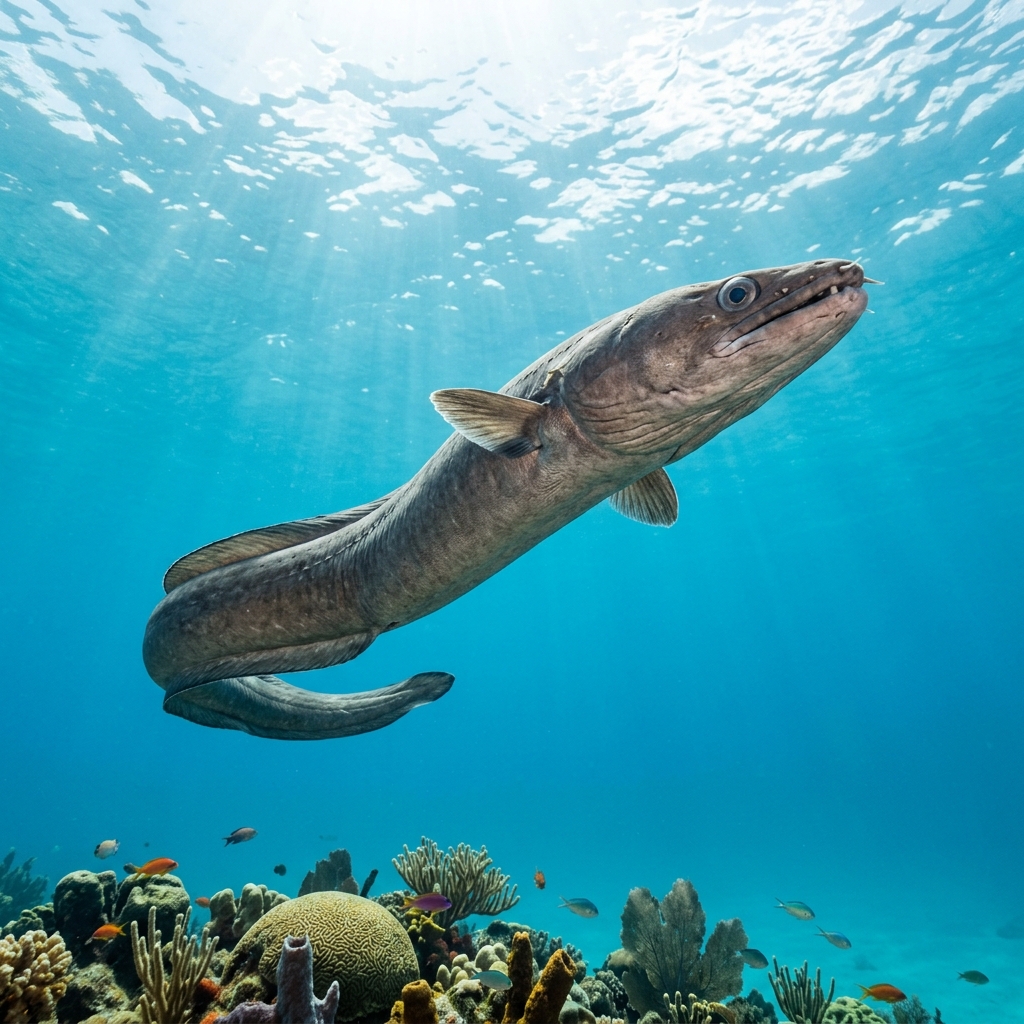
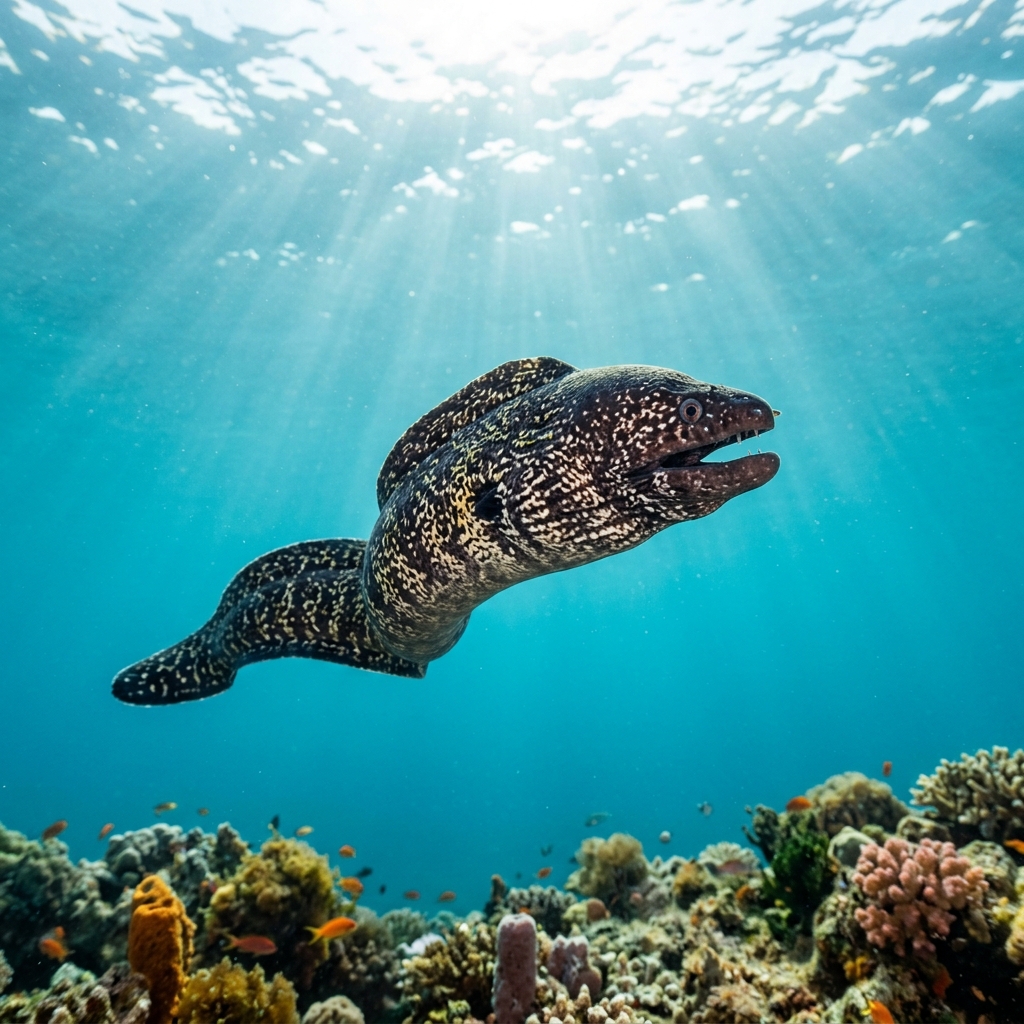
Reef neighbours a diver could mistake it for. Use the identification notes above to tell them apart.
This is very much a Philippine speciality, most commonly logged across the Visayas, with further sightings in Luzon and Mindanao. Outside the Philippines it turns up less often in Sumatra and other parts of Indonesia, and has been recorded once as far as Dili, Timor-Leste, so the Coral Triangle is the place to focus a search.
Mapping where Barredfin Moray is logged…
The strongest sightings come from the Philippines, especially the Visayas region, with further records in Luzon and Mindanao. It also shows up in parts of Indonesia, including Sumatra, and has been recorded once near Dili in Timor-Leste.
There is no strong seasonal pattern in the sighting data. Warm water year-round on Coral Triangle reefs means it can turn up on any dive, so timing your trip around the destination matters more than the month.
They can bite if harassed, cornered, or hand-fed, and a moray bite can be a serious puncture wound. Left alone in its crevice and viewed from a short distance, it poses no threat to a passing diver.
Look for a small moray, under 35 cm, tucked into a reef crevice with a barred pattern visible on its fins. Its head is slimmer and its colours more muted than bolder-patterned morays like the Spotted or Chain Moray, which can help rule those out.
They stay small for a moray, typically around 35 cm in length, making them easy to overlook among rubble and coral crevices.
It is not a threat display, it is breathing. Morays lack the gill-pumping mechanism most fish have, so they gape rhythmically to push water over their gills.
Site and sighting data is aggregated from diver logs, iNaturalist and GBIF. For taxonomy and conservation status:
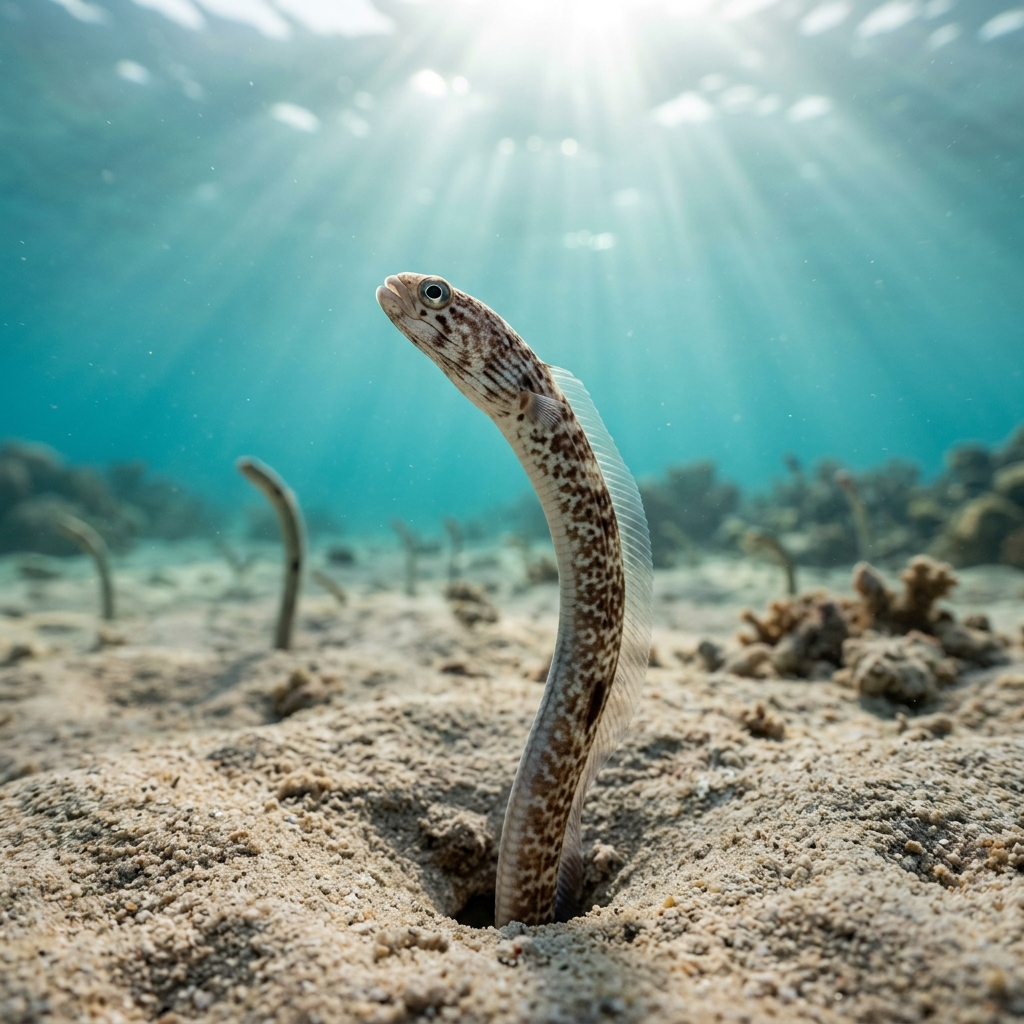
Garden Eel
2,448 sites