Syngnathoides biaculeatus
A mottled, twig-like pipefish that grips seagrass with its tail, comfortable year-round in warm 25-29C reef flats.
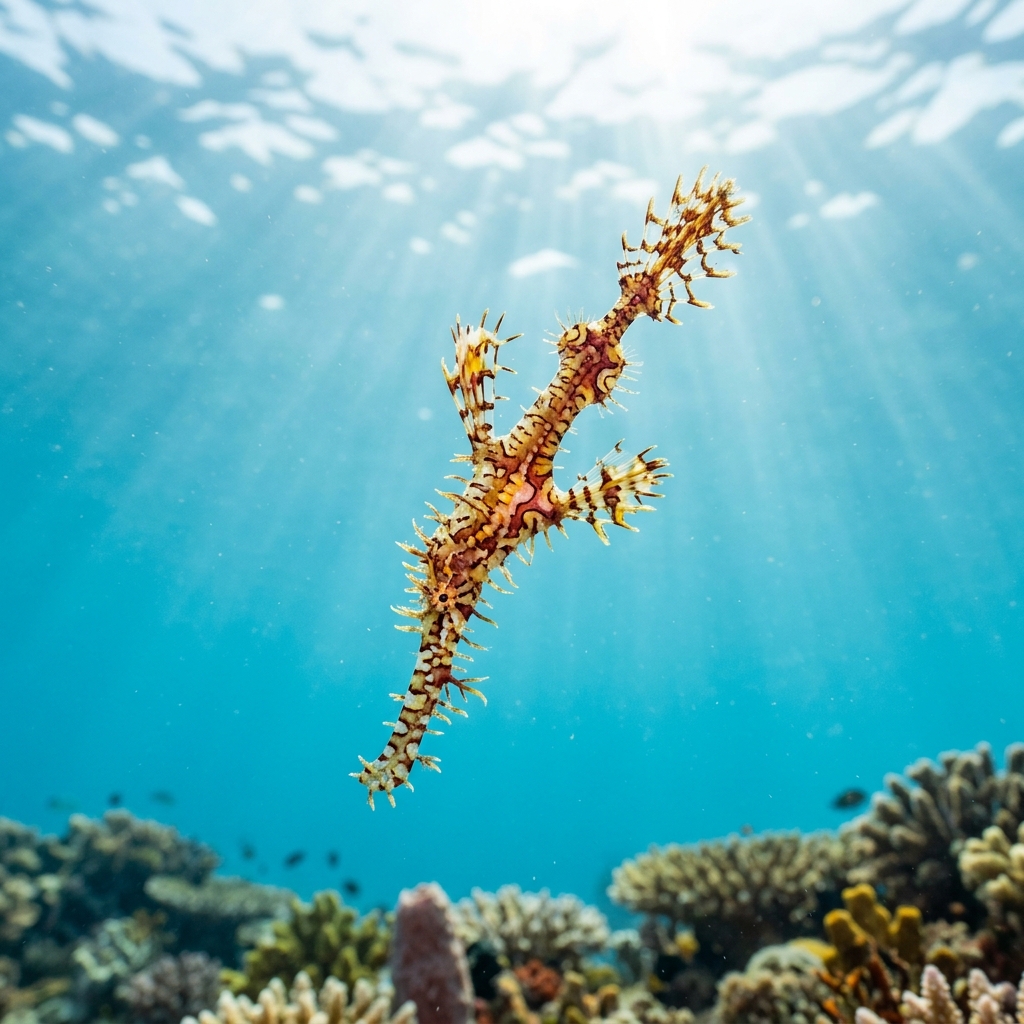
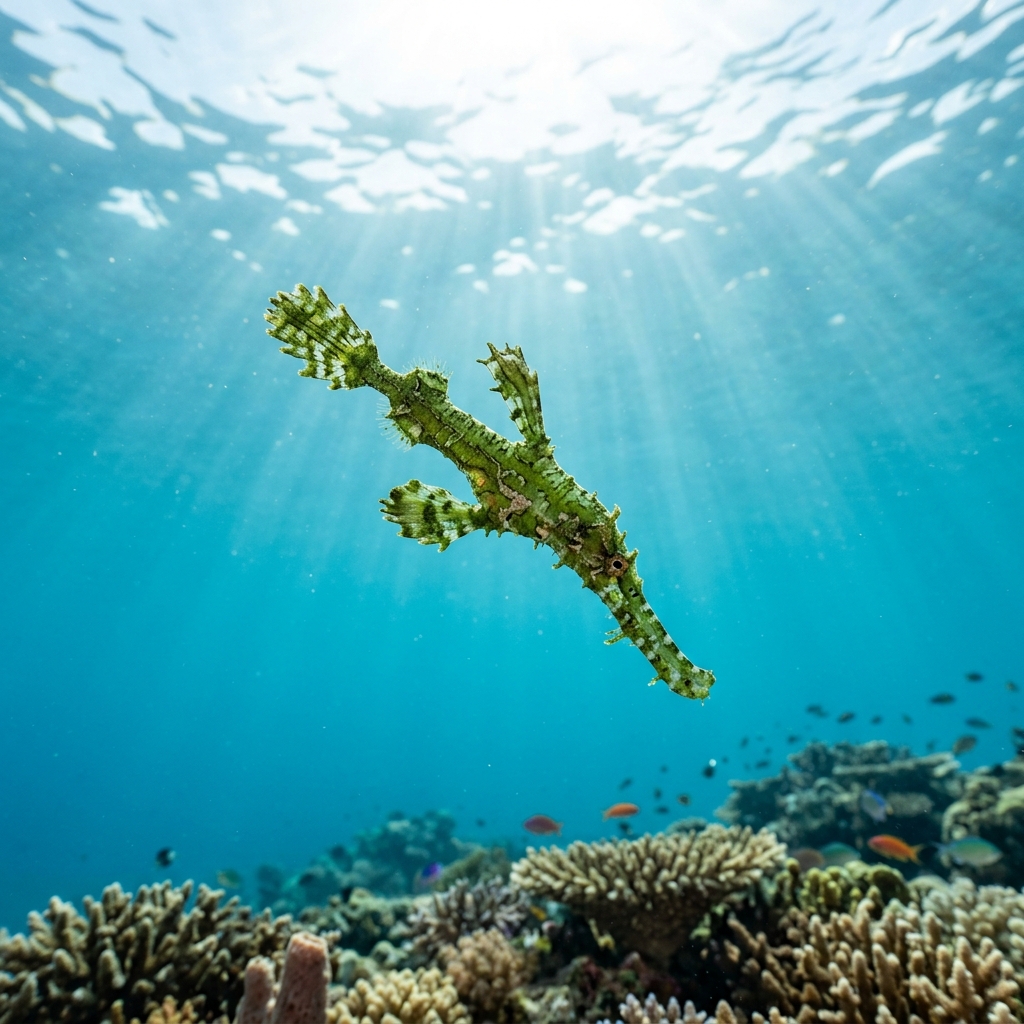
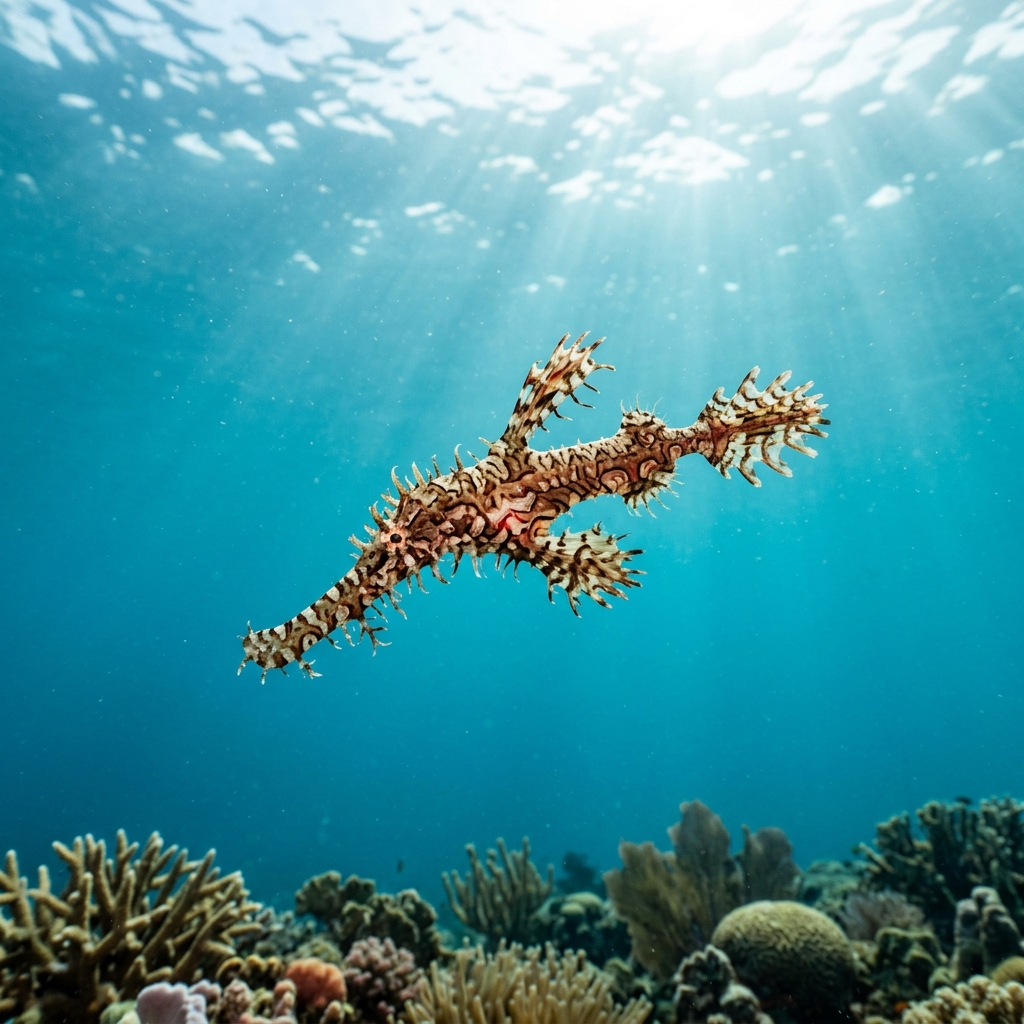
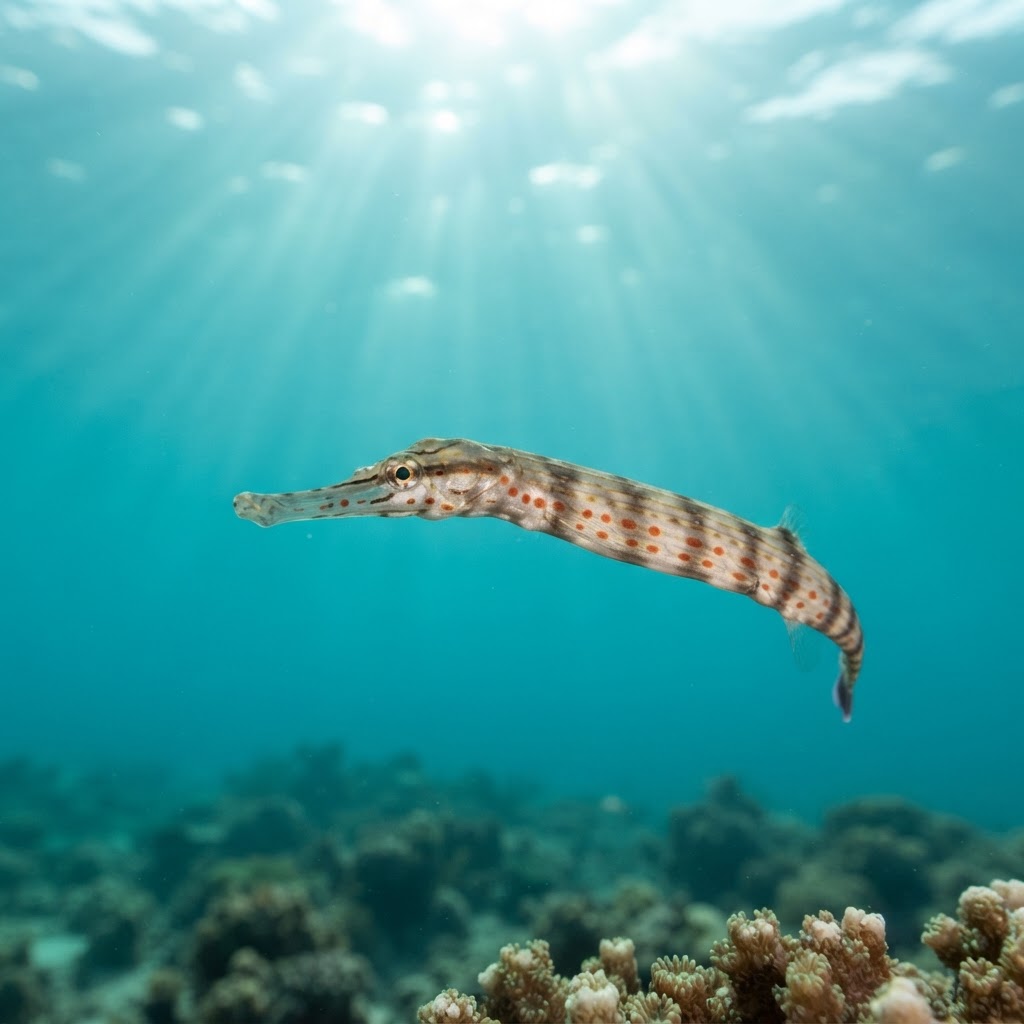
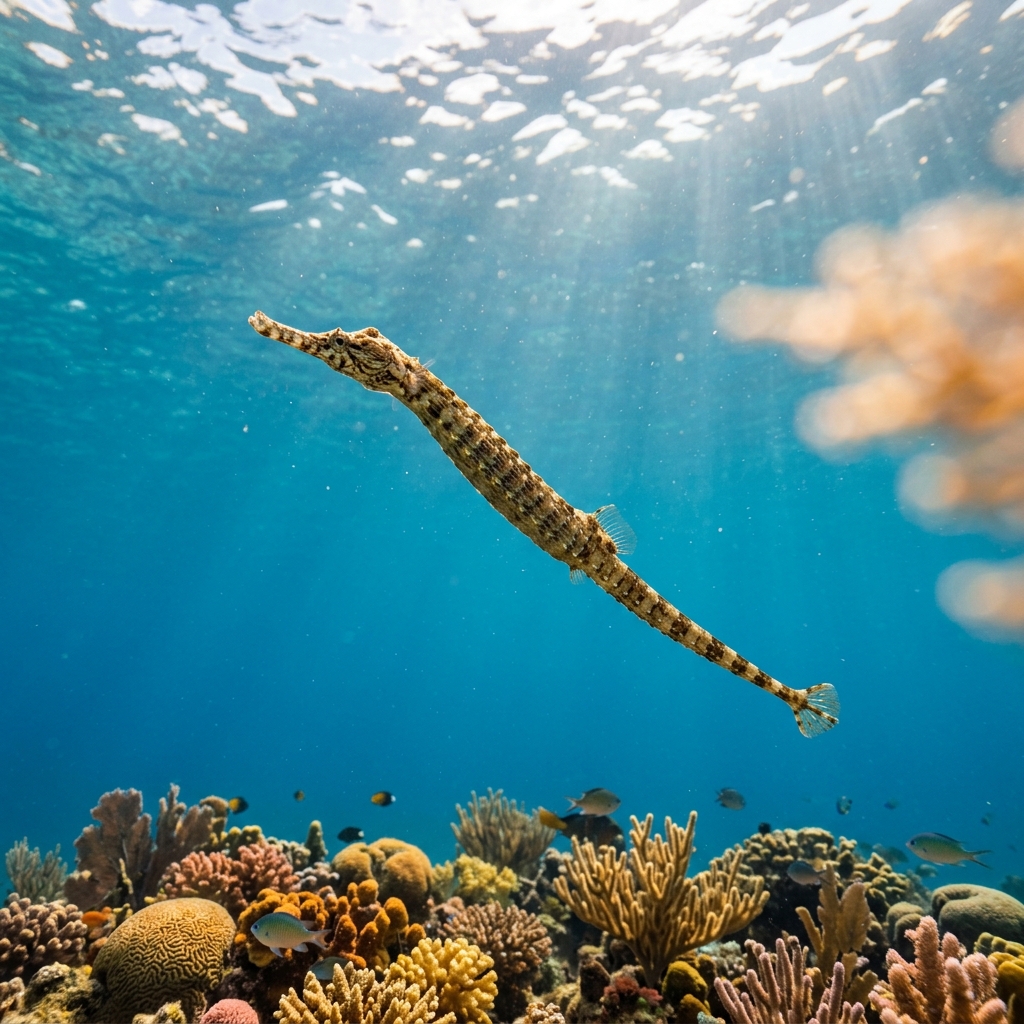
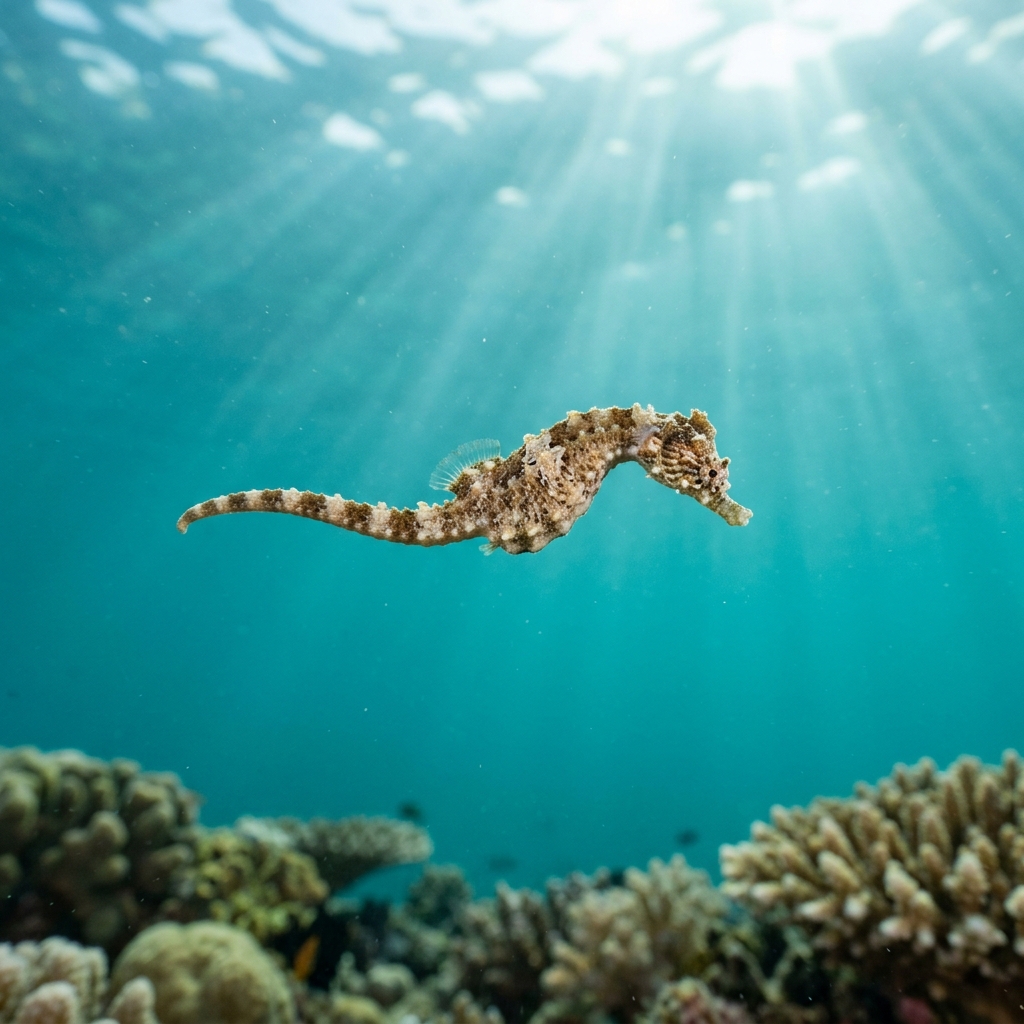
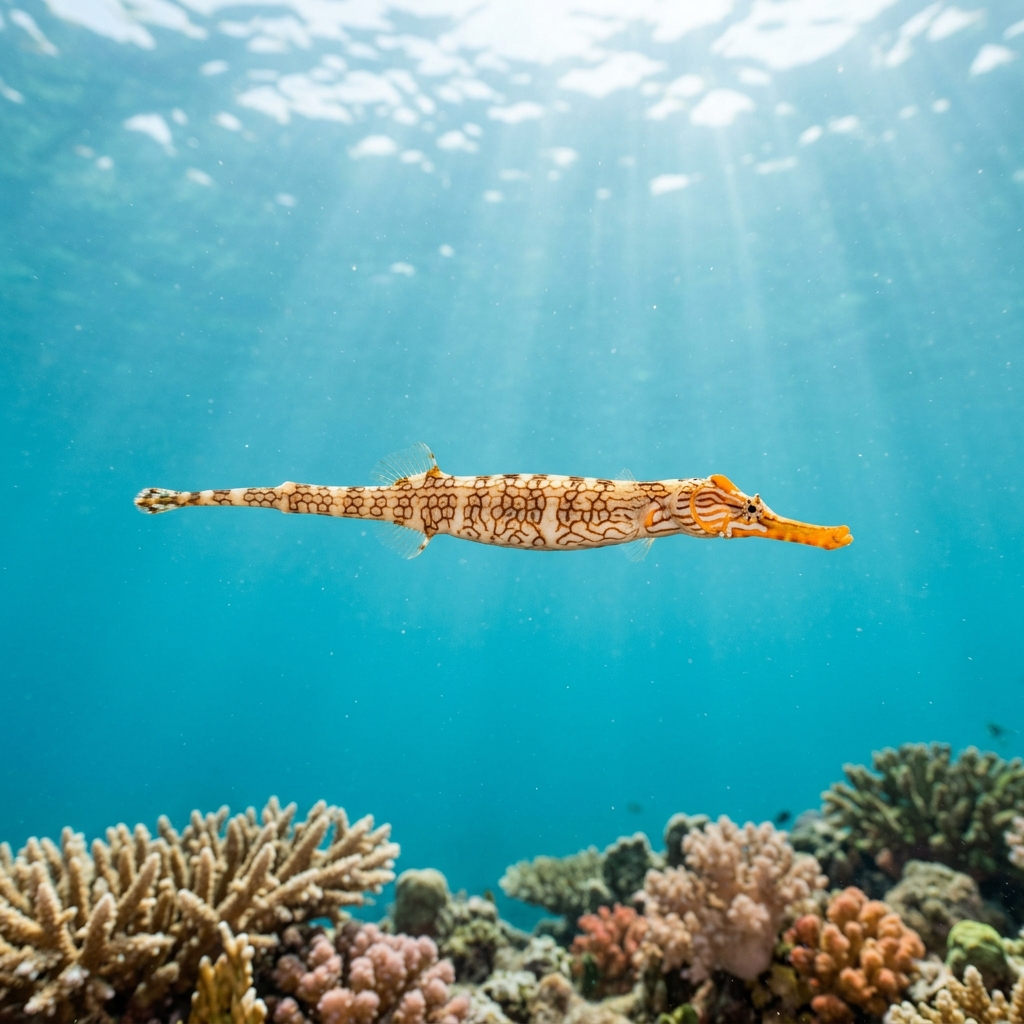
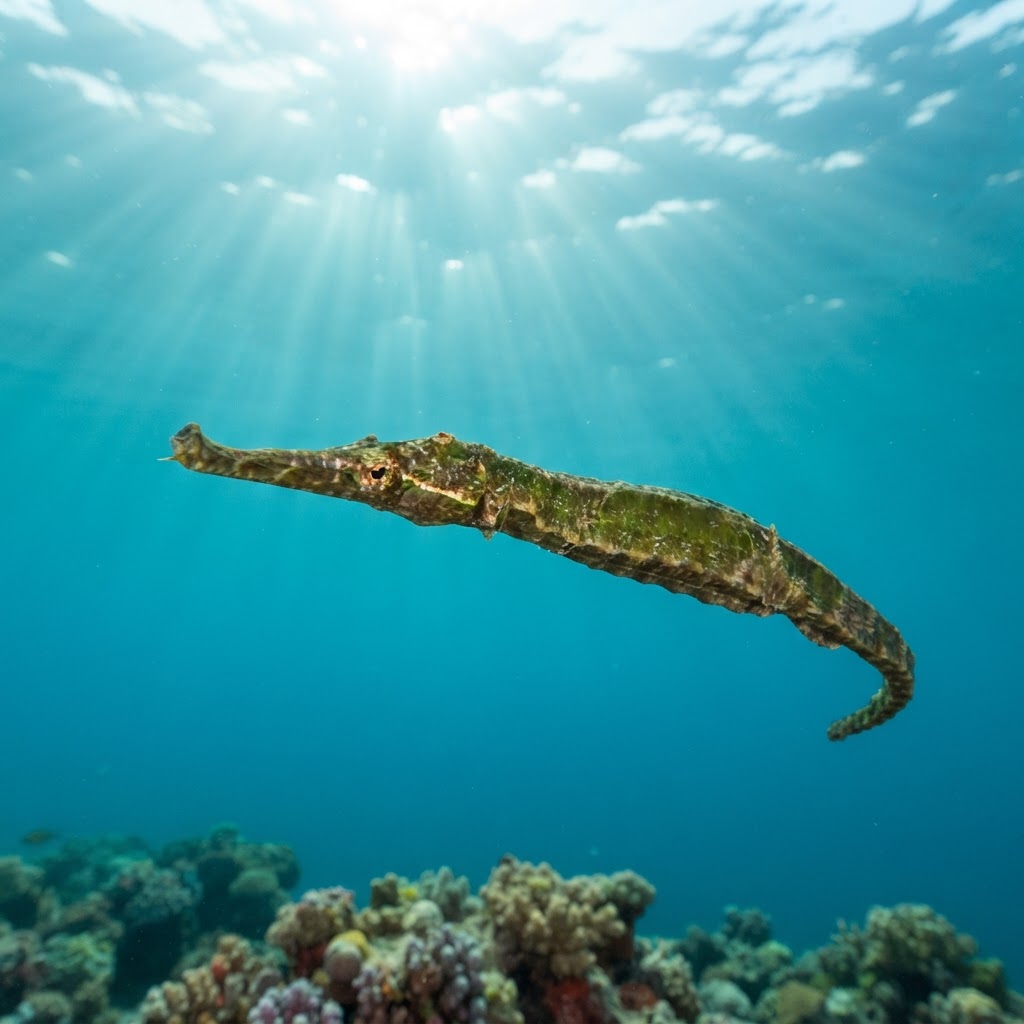
Grows to around 20 cm with a long, laterally flattened body that looks more like a stick or a strand of seagrass than a fish. Colour runs mottled brown, olive or tan with faint blotches that break up its outline against weed and rubble. The head tapers to a straight, tubular snout rather than the downturned snout of a seahorse, and the tail is prehensile, curling around blades of seagrass or drifting algae instead of swimming freely in open water.
Found hanging motionless in seagrass or drifting weed, tail wrapped tight around a blade so it sways with the current rather than swimming against it. It relies on camouflage over flight, staying still as divers approach rather than darting off, which makes a slow, close look worthwhile once you spot the shape. Most sightings come from divers working seagrass beds and weedy shallows rather than open coral reef.
Like other pipefish it carries eggs on the male rather than the female, brooding them on a patch under the tail until they hatch, a role reversal that surprises a lot of divers seeing it for the first time.
Recorded across a narrow warm-water band of roughly 25 to 29C, consistent with year-round presence on tropical reef flats rather than a seasonal visitor. There is not enough logged data to point to a specific peak month, so treat sightings as possible any time conditions are warm.
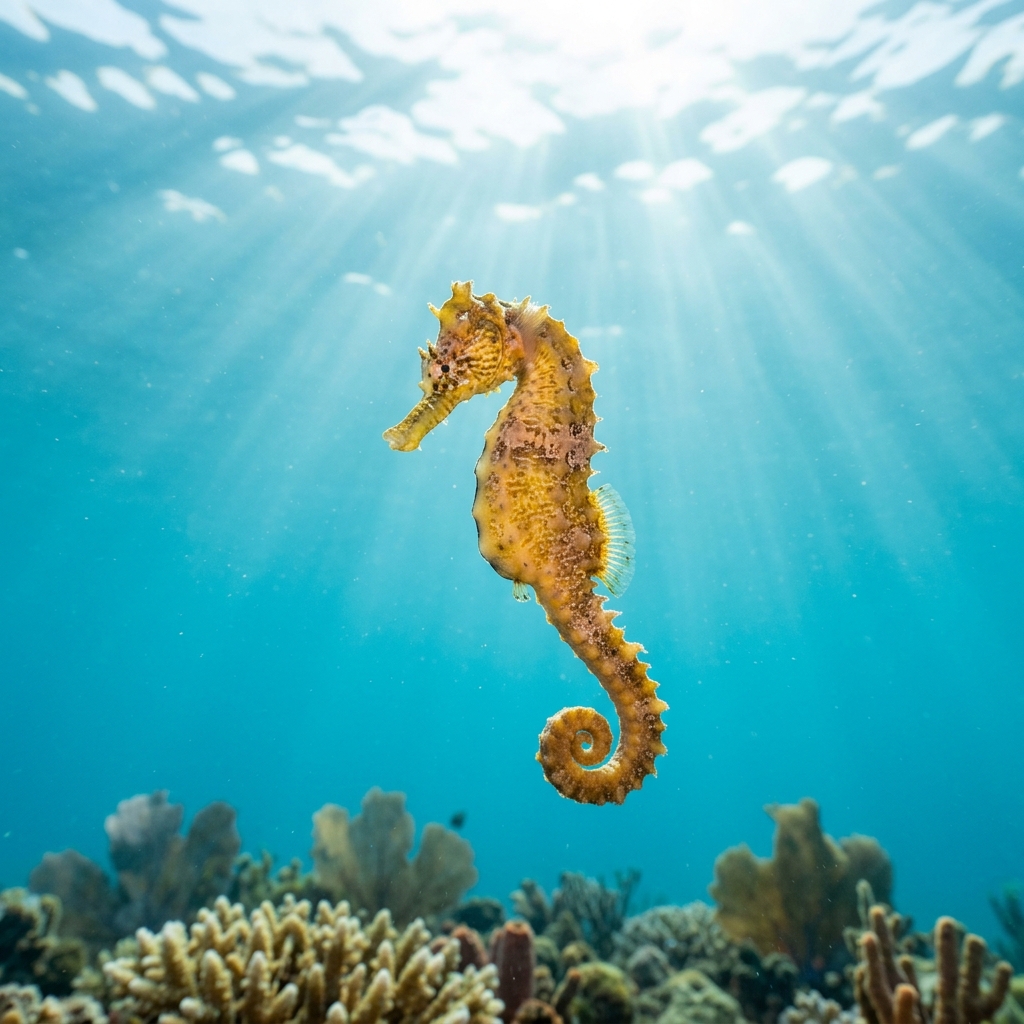
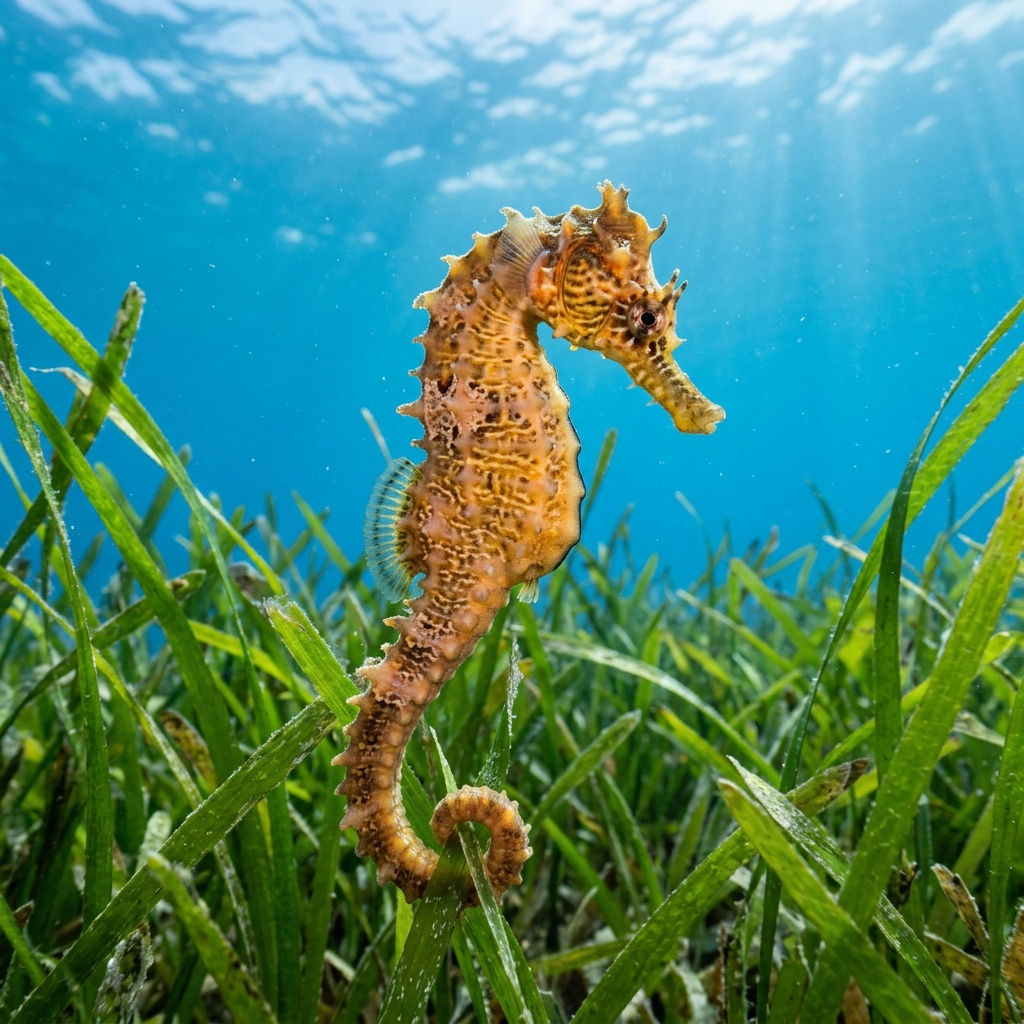
Reef neighbours a diver could mistake it for. Use the identification notes above to tell them apart.
Specific dive-site logs for this species are thin, but it is a known resident of Indo-Pacific seagrass meadows and weedy reef flats, the kind of habitat found through Southeast Asia and the wider tropical Indo-Pacific. If you dive or snorkel seagrass beds rather than open reef, this is the habitat type to search rather than any single famous site.
Mapping where Alligator Pipefish is logged…
They live in seagrass meadows and weedy reef flats through the tropical Indo-Pacific. Look in seagrass habitat specifically rather than open coral reef, since that is where this species actually spends its time.
They occupy water between roughly 25 and 29C and there is no clear seasonal pattern in sighting data, so they are considered a year-round find on tropical reef flats.
Look for a mottled brown, stick-like body around 20 cm long with a straight tubular snout and a tail that curls around seagrass blades instead of swimming freely. The blotchy camouflage and rigid, elongated shape are the main giveaways.
They typically reach around 20 cm in length, with a slender, flattened body that reads more like a strand of weed than a fish underwater.
Males, not females, carry and brood the fertilised eggs on the underside of the tail until they hatch, a trait shared with seahorses and other pipefish.
Site and sighting data is aggregated from diver logs, iNaturalist and GBIF. For taxonomy and conservation status:
Seahorse
1,346 sites