Gymnothorax eurostus
Small reef moray most reliably logged in Hawaii, plus Australia's east coast. Comfortable in 21.5-28.4C water, seen year-round on rocky and coral reef.
Safety warning
Bites happen almost exclusively when divers or snorkellers try to touch, feed, or corner it in its hole, since its poor eyesight means it strikes at anything that feels like food or a threat near its mouth. Keep hands away from crevices you can't see into and admire it from a body length or two away.
If you're bitten
BiteGeneral first-aid guidance, not a substitute for professional medical care. In an emergency, call your local emergency number.
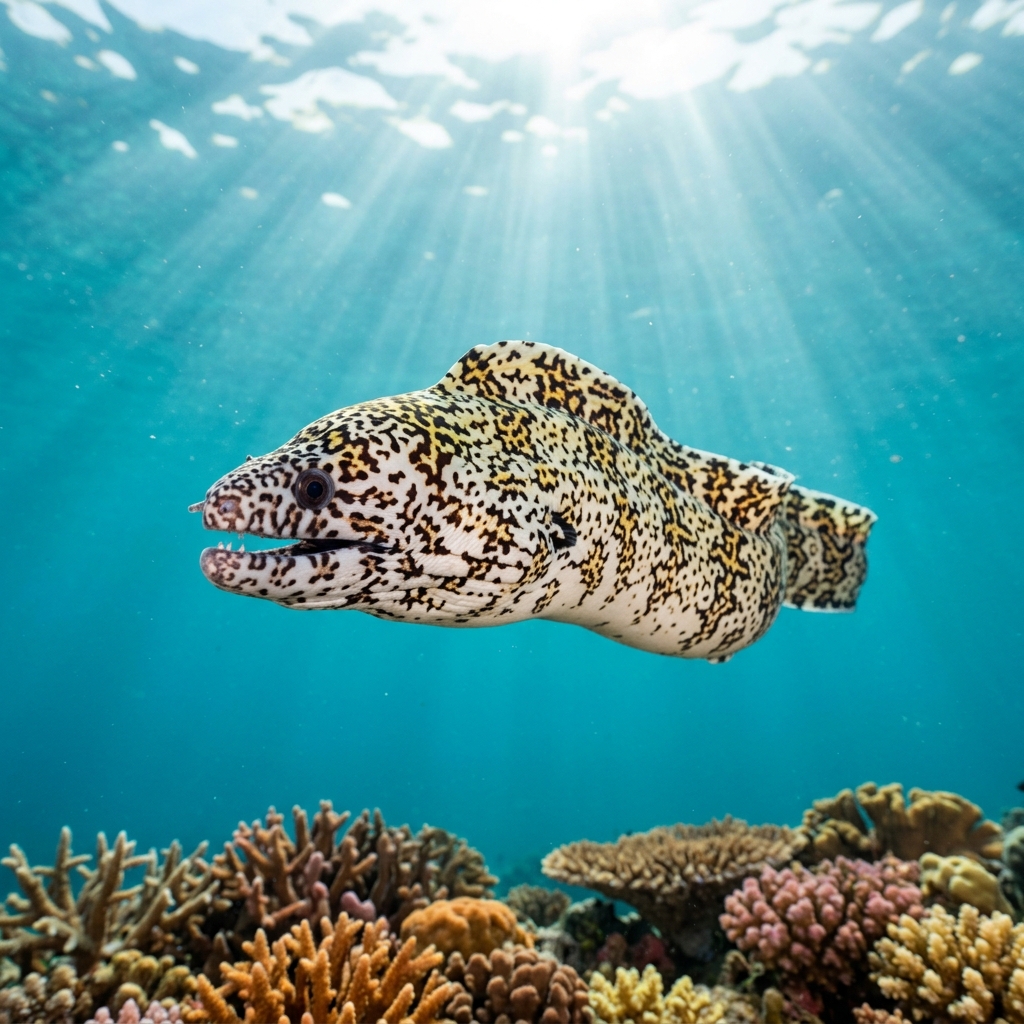
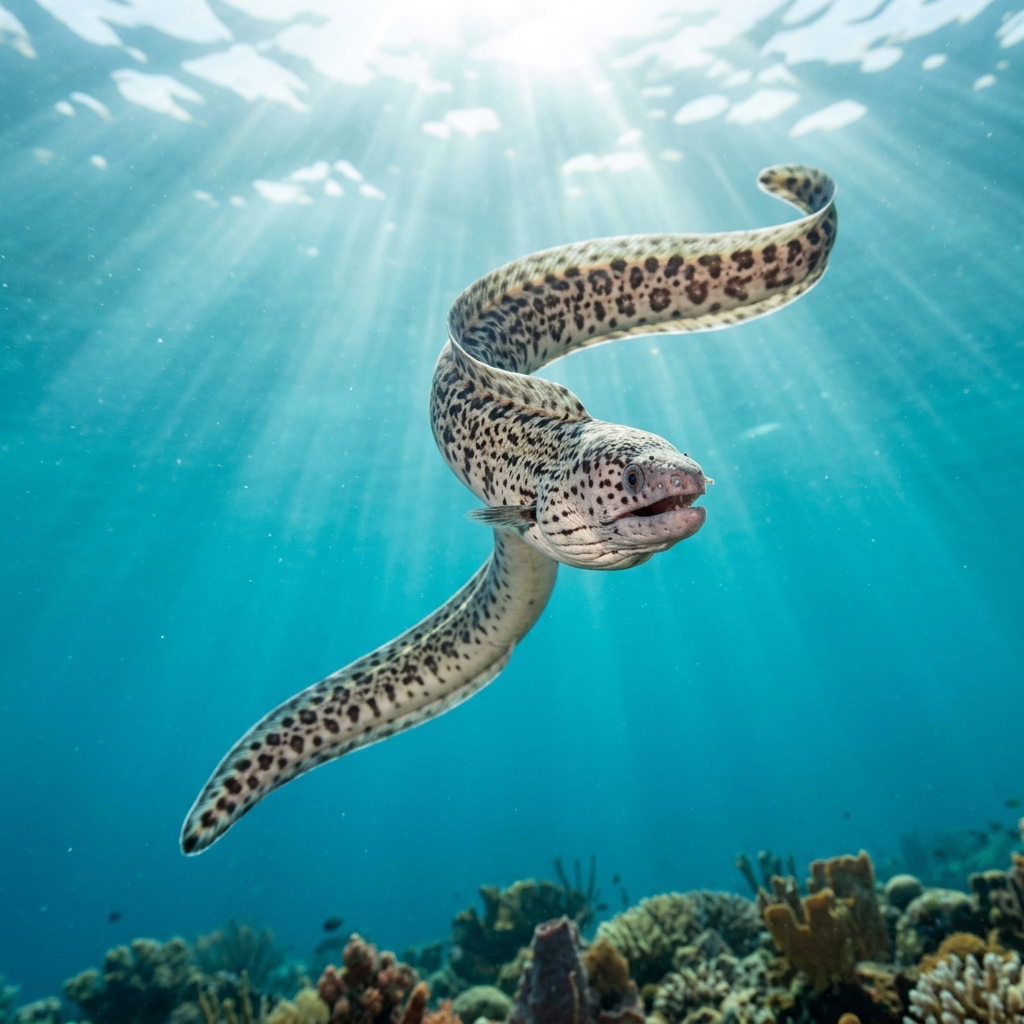
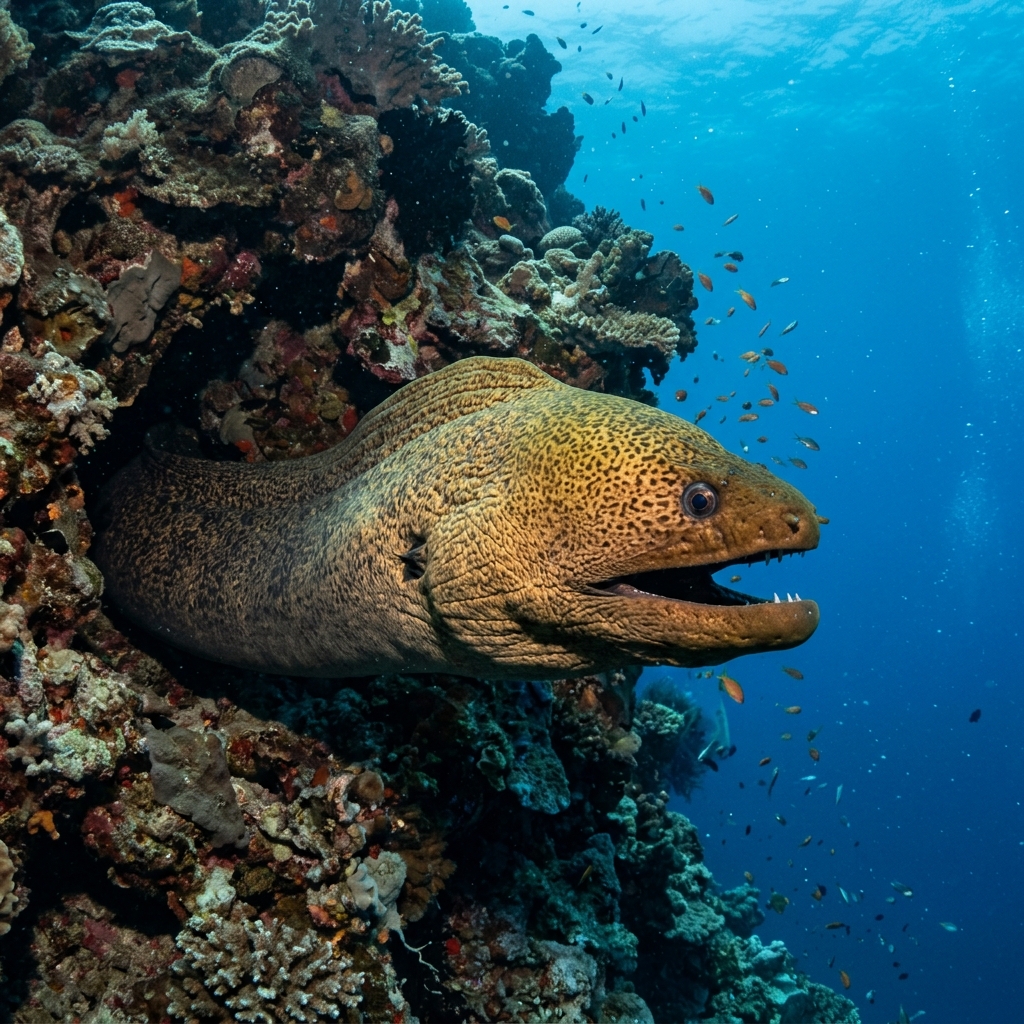
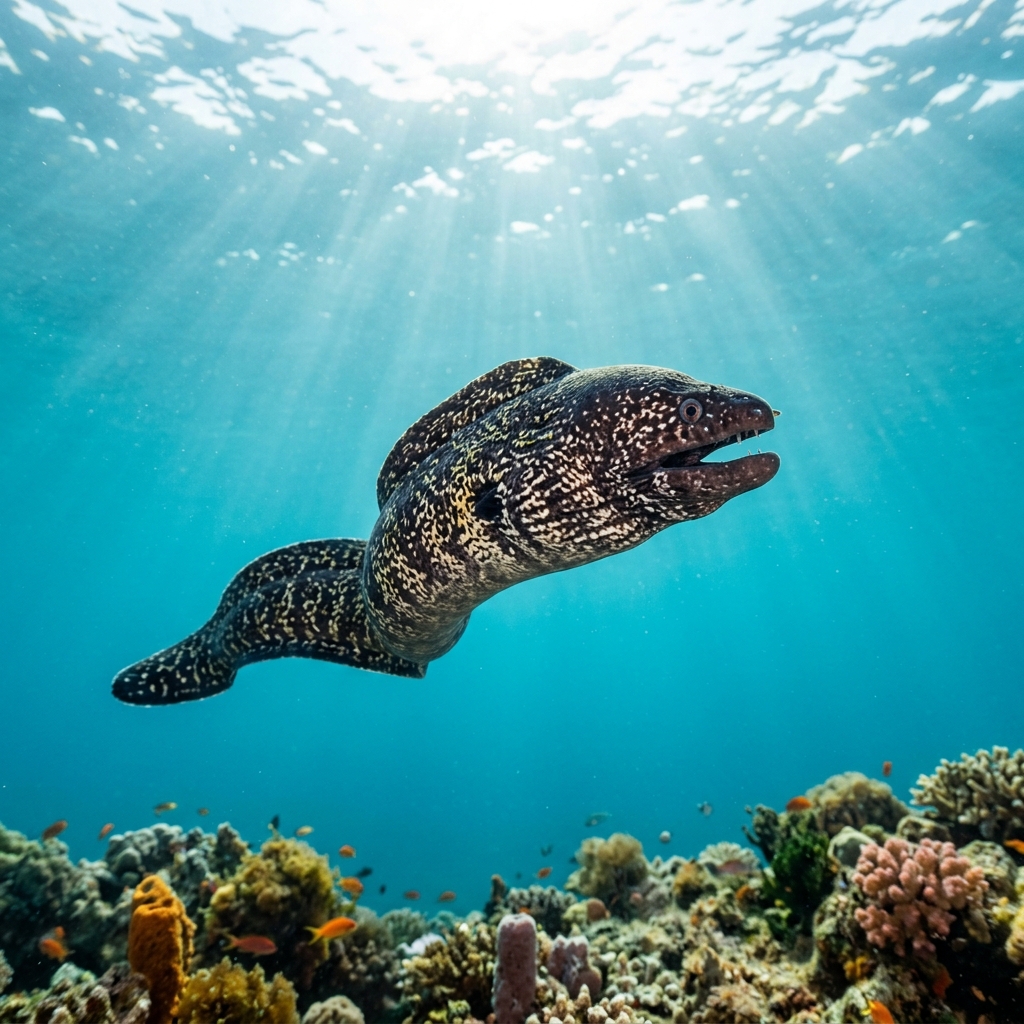
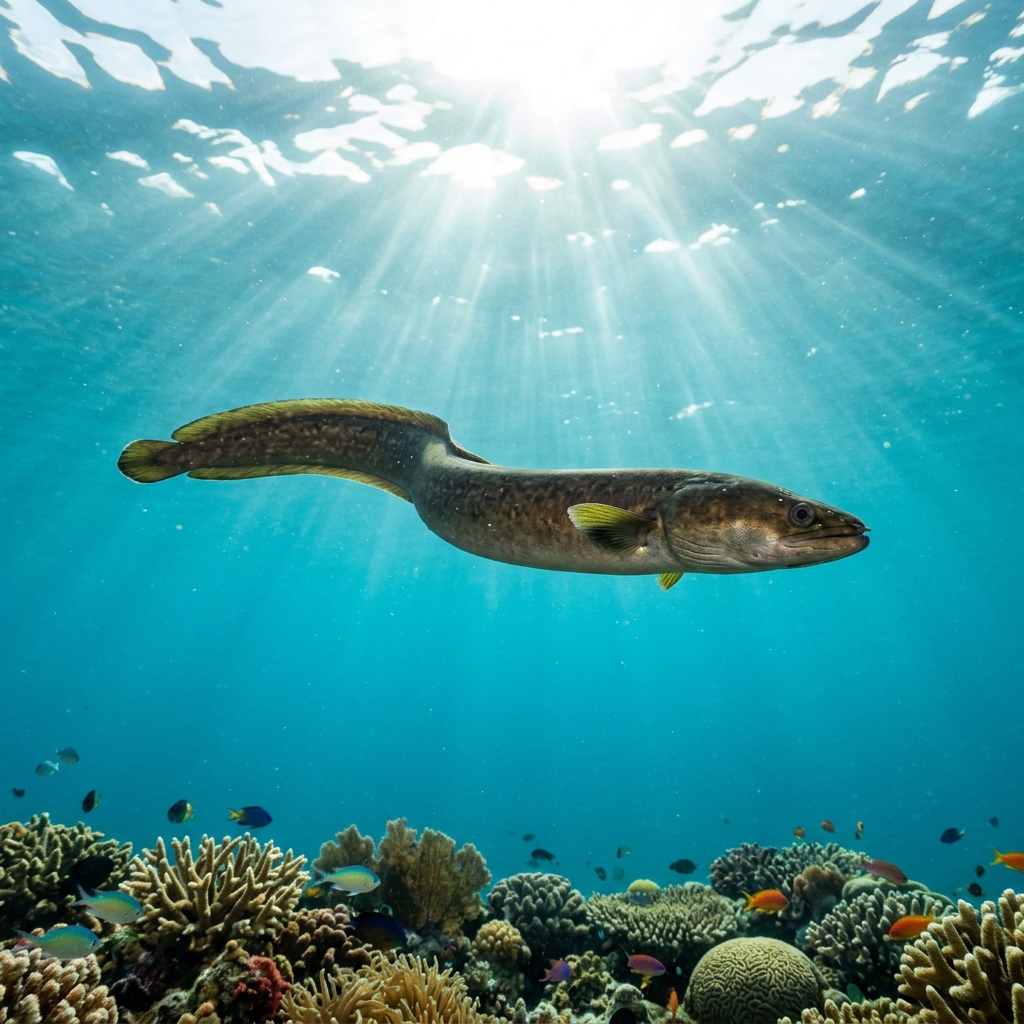
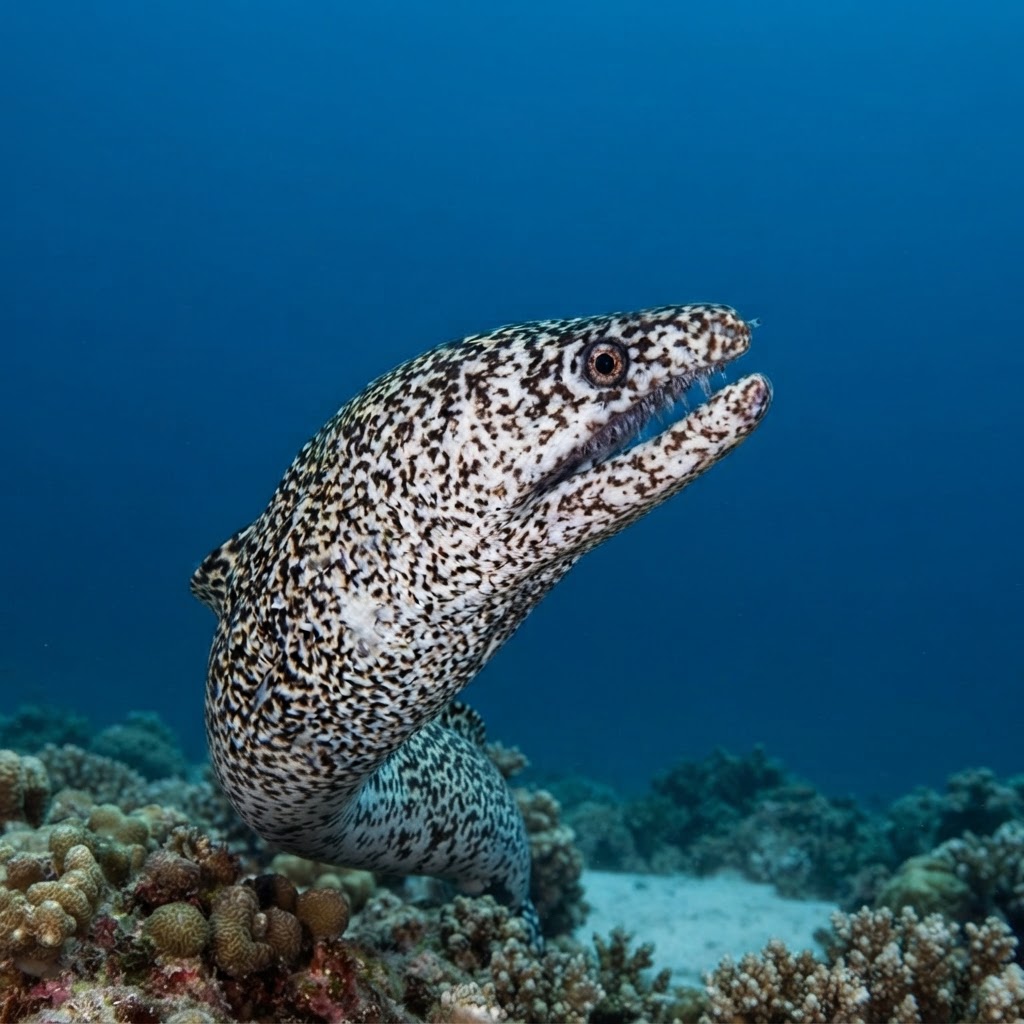
A small, thickset moray rarely more than 42 cm, with a densely mottled brown-and-cream speckled pattern that gives it a slightly grainy, pepper-and-salt look rather than bold blotches or bands. The head is short and blunt compared with larger reef morays, and it's usually seen with just the head or forebody poking from a crevice, tail tucked well back in the rock or reef. No strong colour difference is documented between juveniles and adults.
Expect to find it wedged into a crack or coral hole with just its head visible, tracking movement with slow, deliberate glances rather than darting for cover. Most sightings are on daytime reef dives at sites where there's plenty of rubble or rock structure to hide in, and it tends to hold its ground rather than bolt when a diver approaches slowly. Night dives can reveal more of the body out hunting over the reef.
Like other morays, it relies on a second set of jaws in its throat (pharyngeal jaws) to grab and drag prey down, a trick that lets it swallow fish and crustaceans whole despite having no way to chew.
No clear seasonal pattern shows up in the data, so treat this as a year-round encounter. Its recorded temperature range of 21.5 to 28.4C spans both warm tropical reefs and cooler temperate sites, which likely explains why it turns up in every month divers have logged it.
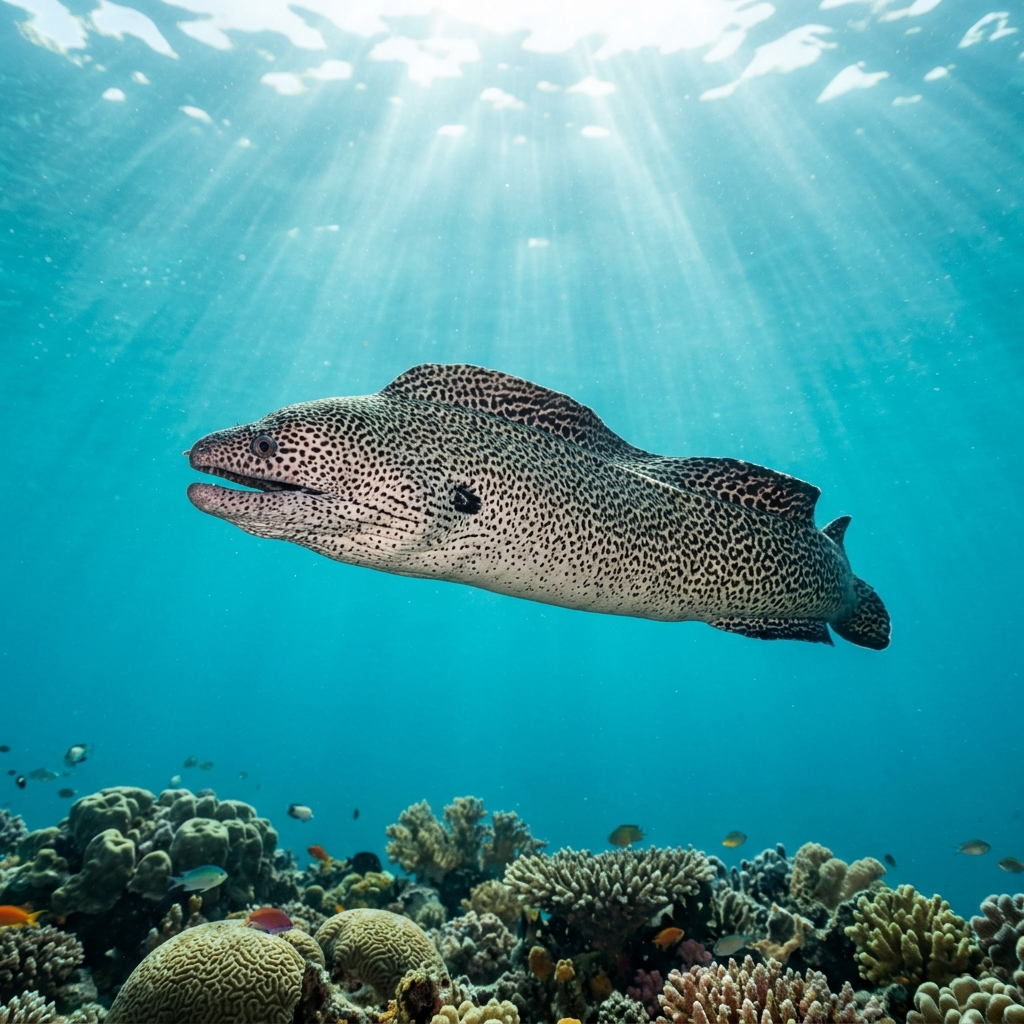
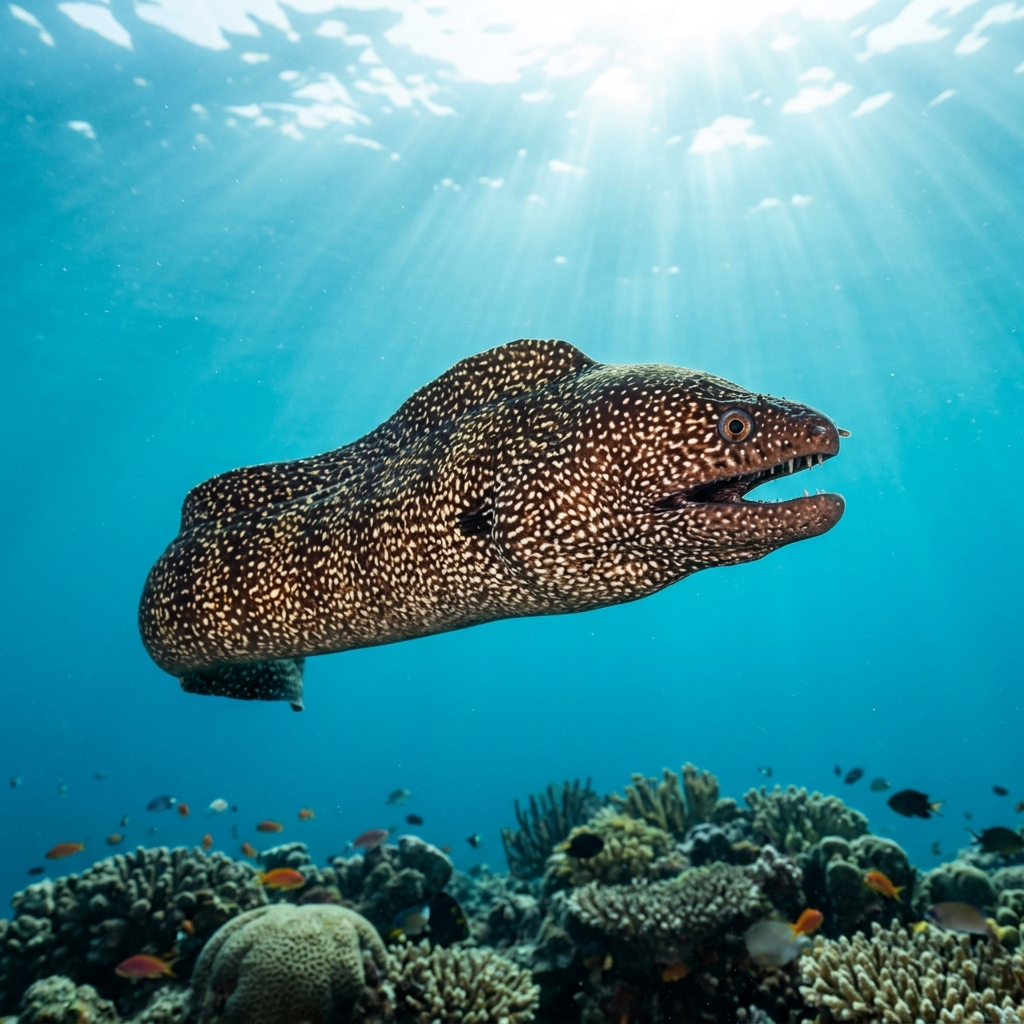
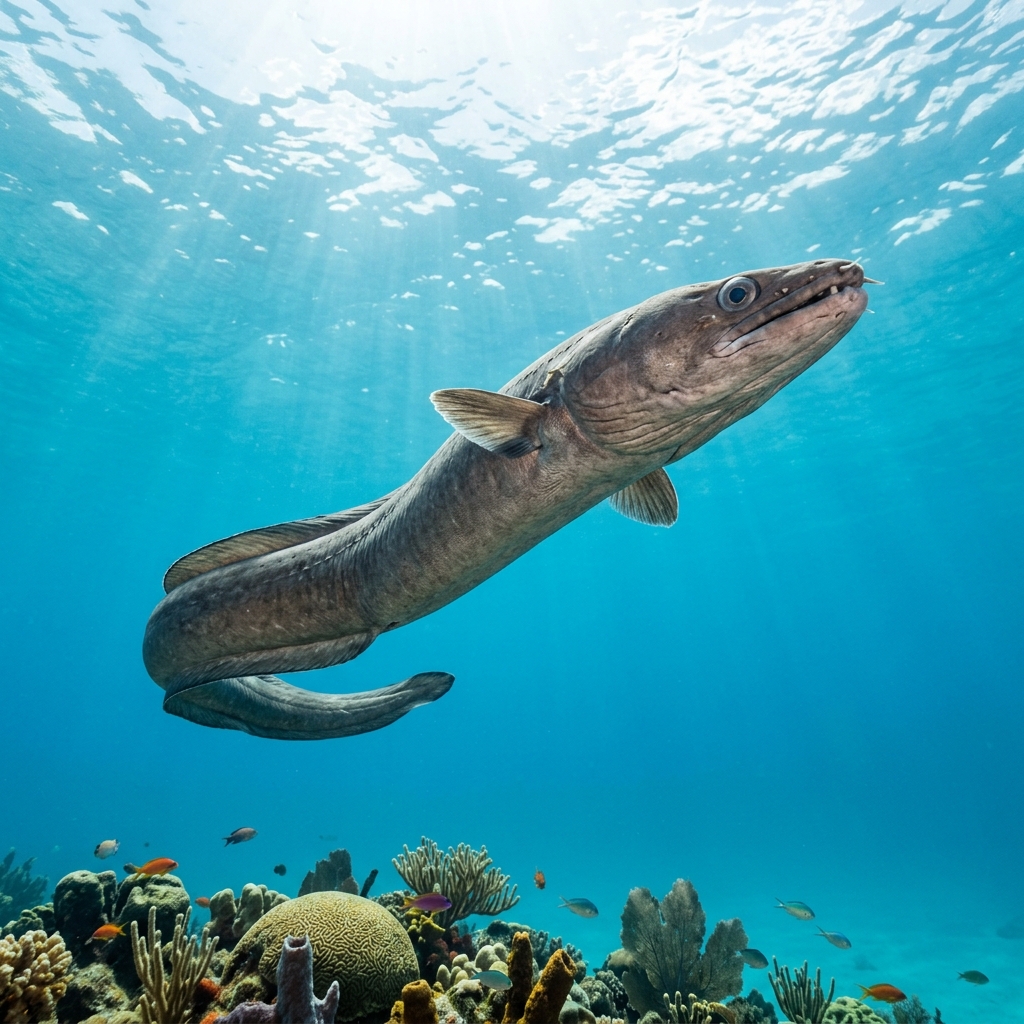
Reef neighbours a diver could mistake it for. Use the identification notes above to tell them apart.
Most reliably logged in Hawaii, which accounts for the bulk of recorded sightings, followed by strong reef populations along New South Wales and Queensland in Australia. Divers also report it regularly at Longdong in Taiwan, around Easter Island in Chile, and along the KwaZulu-Natal coast of South Africa.
Mapping where Abbott's Moray is logged…
Hawaii is by far the most consistent place divers log it, with further sightings along Australia's New South Wales and Queensland coasts, at Longdong in Taiwan, and around Easter Island in Chile.
There's no detected season, it's logged year-round. It tolerates water from about 21.5 to 28.4C, which covers both tropical and cooler temperate reef conditions.
They can bite if provoked, cornered, or hand-fed, and their poor eyesight means they may snap at anything near their mouth. Left alone in its crevice, it poses no threat to a passing diver.
Look for a small moray, under half a metre, with a fine speckled brown-and-cream pattern rather than bold spots or bands, usually with just its blunt head showing from a reef hole.
They typically reach around 42 cm, making them one of the smaller reef morays divers encounter, well short of the size of a giant or green moray.
Site and sighting data is aggregated from diver logs, iNaturalist and GBIF. For taxonomy and conservation status:
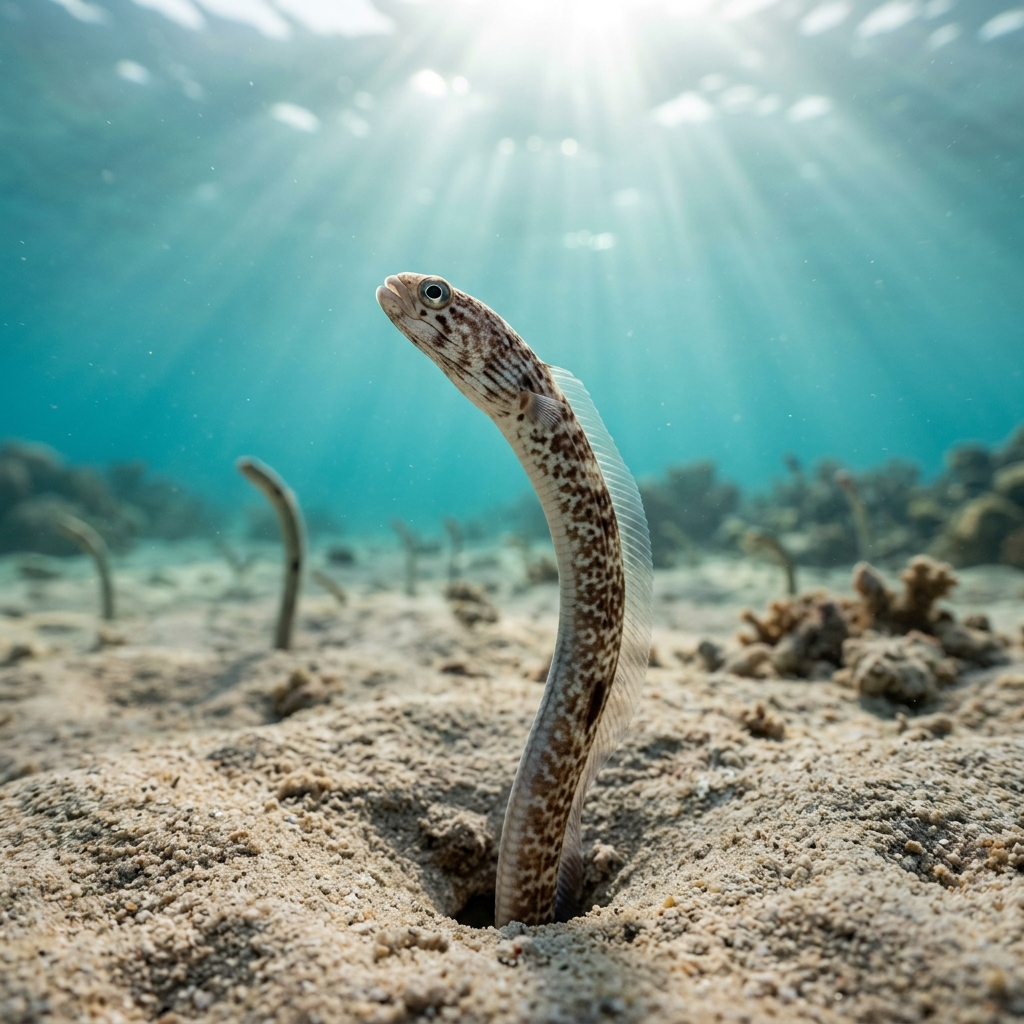
Garden Eel
2,448 sites