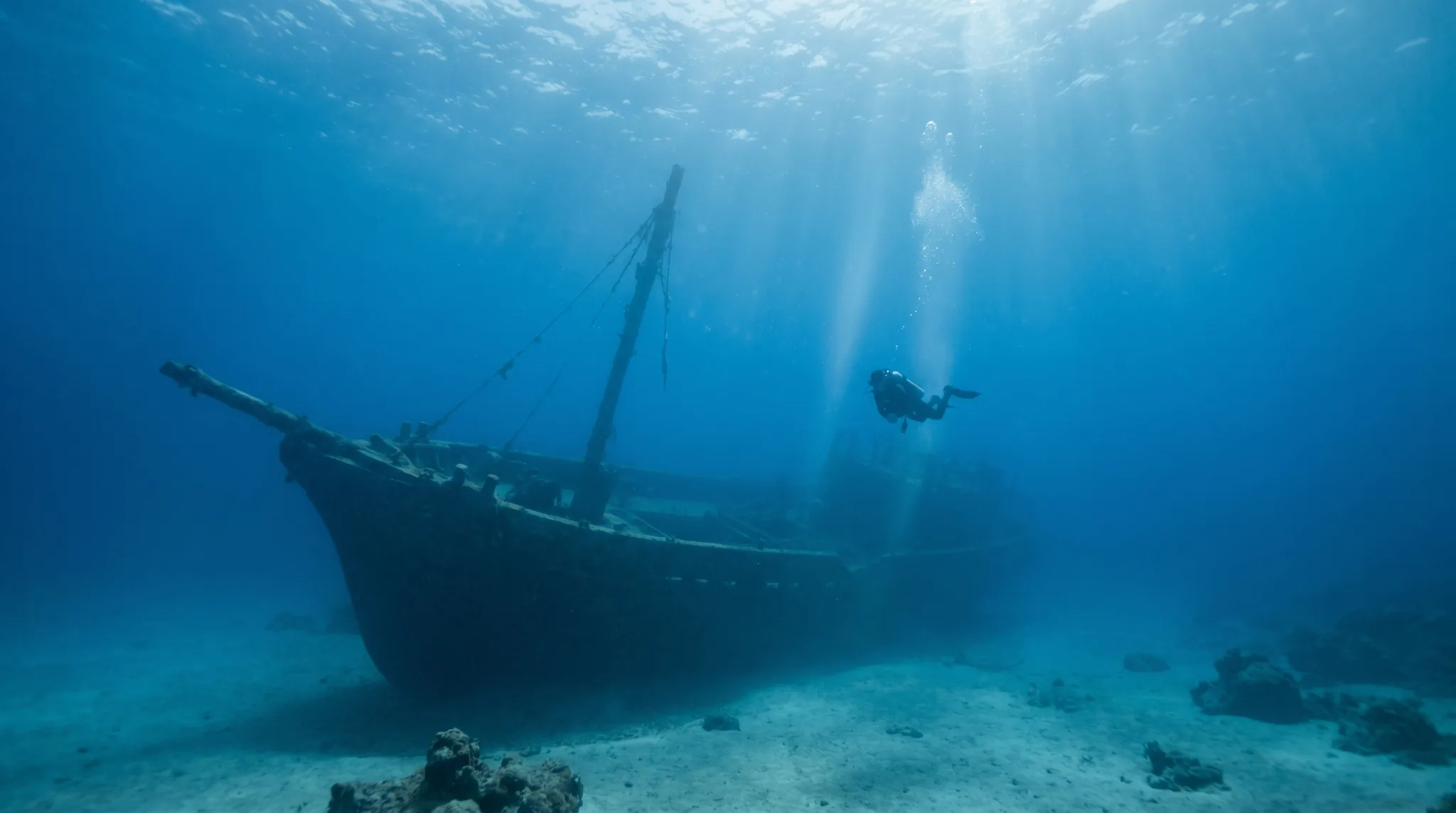
Best for beginner divers, 15-70m, boat entry, mild current.
Grass Cay features a diverse underwater topography consisting of large coral heads, a sloping reef, and mounds situated on sand flats. Located 1000 metres from shore, this site is accessible only by boat and offers visibility ranging from 18 to 30 metres. The average depth is 40 metres, with a total range of 15 to 70 metres. Conditions include mild currents and water temperatures between 26 and 29 degrees Celsius. The site is suitable for beginners and supports both diving and snorkelling activities. Night diving is also permitted at this location.
18.35742, -64.83260
Request mooring on the northeast side where coral coverage is densest and fish populations most concentrated.
Boat access in a National Park requires precise position awareness. Landing on the beach requires National Park permits.
Recorded at this site
Depth
15-70m
Visibility
18-30m
Skill Level
Beginner
Entry
Boat
Boat required
Water Temp
26-29°C
Current
Mild
Typical Dive
45 min
Best Time
Year-round
Yes, the site is rated as suitable for beginner divers and snorkellers.
The depth ranges from 15 to 70 metres, with an average depth of 40 metres.
A boat is required to access this site, which is located 1000 metres from shore.
Yes, the site is suitable for both diving and snorkelling activities.
Divers and snorkellers should be aware of potential strong currents and surf.
Diving at Grass Cay in Cruz Bay requires the following certifications: Open Water. Always dive within your training limits.
A 3mm wetsuit is recommended for diving at Grass Cay in Cruz Bay. Water temperatures range from 26°C to 29°C.
The best months to visit Grass Cay in Cruz Bay are January, February, March, April, May, June, July, August, September, October, November, and December. Conditions outside these months can still be good but are less predictable.
Grass Cay in Cruz Bay typically has mild currents that most divers can handle comfortably.
Visibility at Grass Cay in Cruz Bay typically ranges from 18 metres to 30 metres. Conditions vary with weather, tides, and seasons.