Best for advanced divers, 5-33m, boat entry.
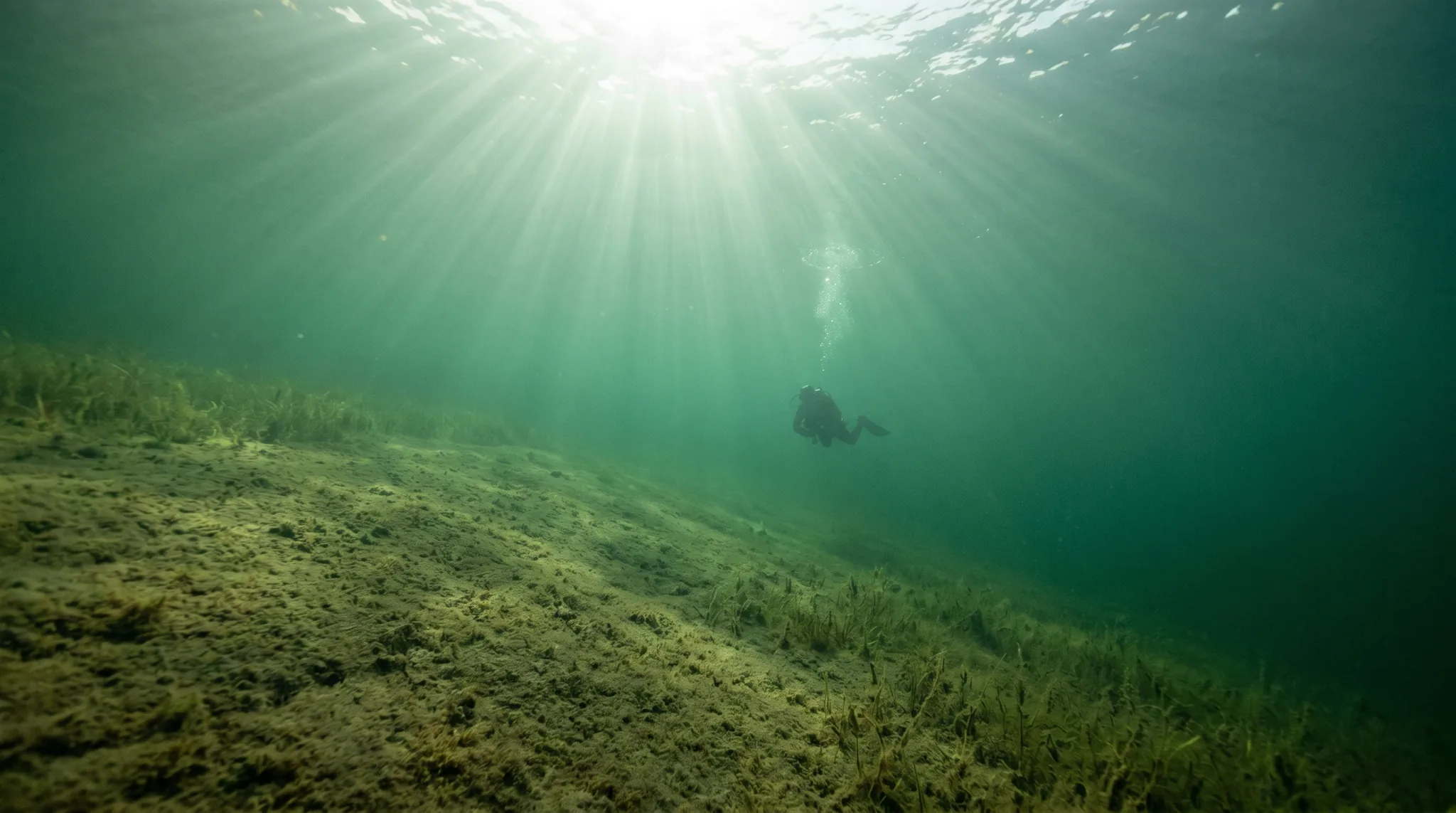
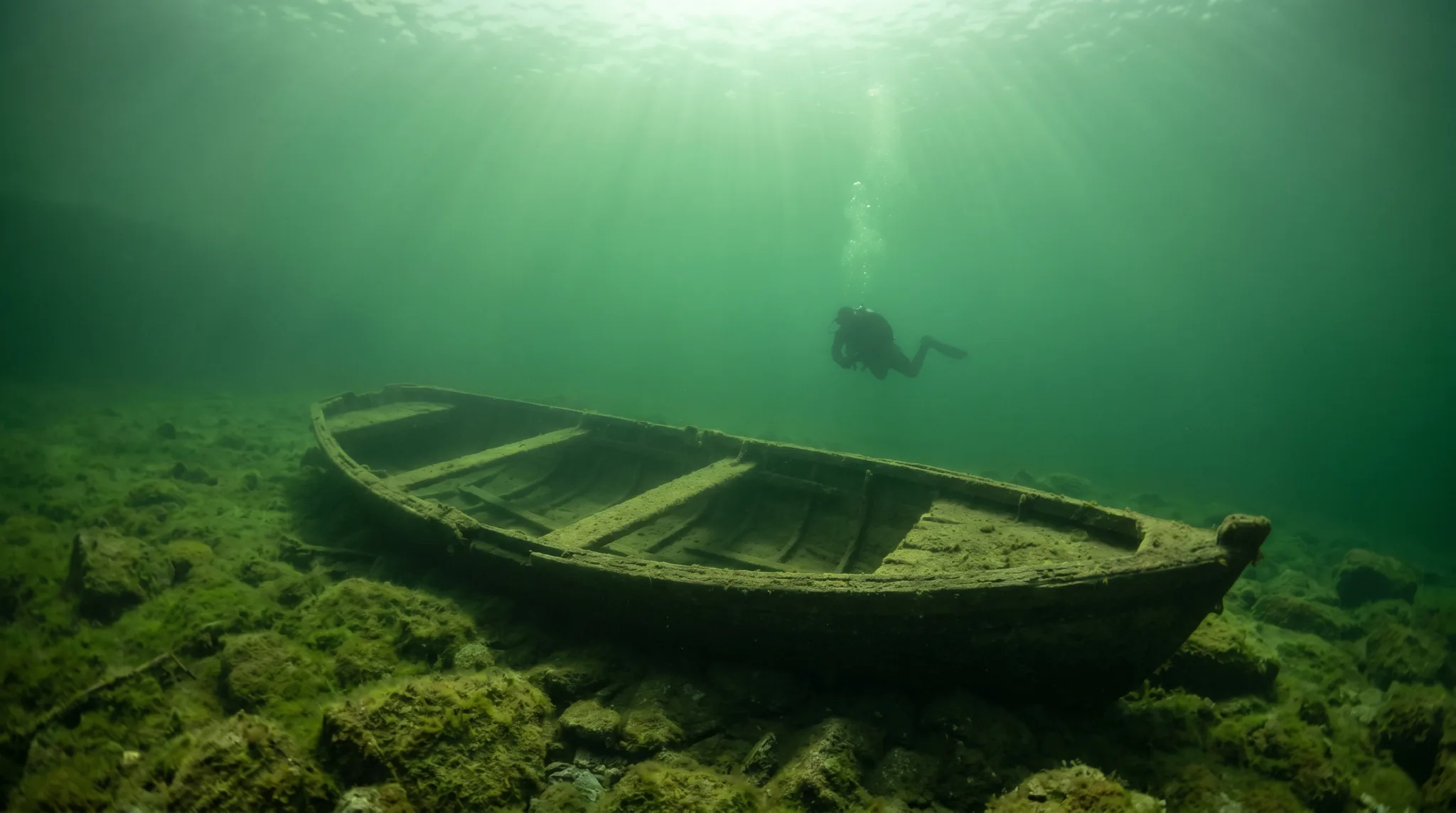
The Phoenix is a freshwater wreck and artificial reef located in Lake Champlain. The site spans a depth range from 5 metres to 33 metres, with an average depth of 28 metres. Due to the significant depth and variable visibility of 3 to 9 metres, this site is suited for advanced divers. Cold water is present year-round, and a drysuit is strongly recommended. Access is by boat only, and divers must maintain high situational awareness regarding boat traffic. Proper decompression procedures and careful gas management are essential for this 40-minute typical dive profile. Divers should deploy a surface marker buoy before ascending to ensure safety.
44.54951, -73.33478
The wreck site is marked by a yellow mooring buoy.
Access is restricted and requires permission. Seasonal registration is required at area dive shops, local charter captains, the Burlington Community Boat House, or the Lake Champlain Maritime Museum.
Expected in this region. No sightings logged here yet.
Depth
5-33m
Visibility
3-9m
Skill Level
Advanced
Entry
Boat
Boat required
Current
None
Typical Dive
40 min
Best Time
Jun, Jul, Aug
No, this site is intended for advanced divers due to the maximum depth of 33 metres and the requirement for precise buoyancy and navigation skills.
The wreck spans a depth range from 5 metres to 33 metres, with an average depth of 28 metres.
The Phoenix is a boat-only dive site.
Primary hazards include cold water temperatures, significant depth, variable visibility, and active boat traffic in the area.
Snorkelling is not recommended as the site is a deep wreck dive requiring advanced certification and equipment for cold water.
Diving at Phoenix in Colchester requires the following certifications: Advanced. Always dive within your training limits.
The best months to visit Phoenix in Colchester are June, July, and August. Conditions outside these months can still be good but are less predictable.
Visibility at Phoenix in Colchester typically ranges from 3 metres to 9 metres. Conditions vary with weather, tides, and seasons.