Megalopidae spp.
Tarpon are unmistakable silver-scaled giants observed in warm tropical waters between 22-29 °C. Learn how to find and identify them underwater.
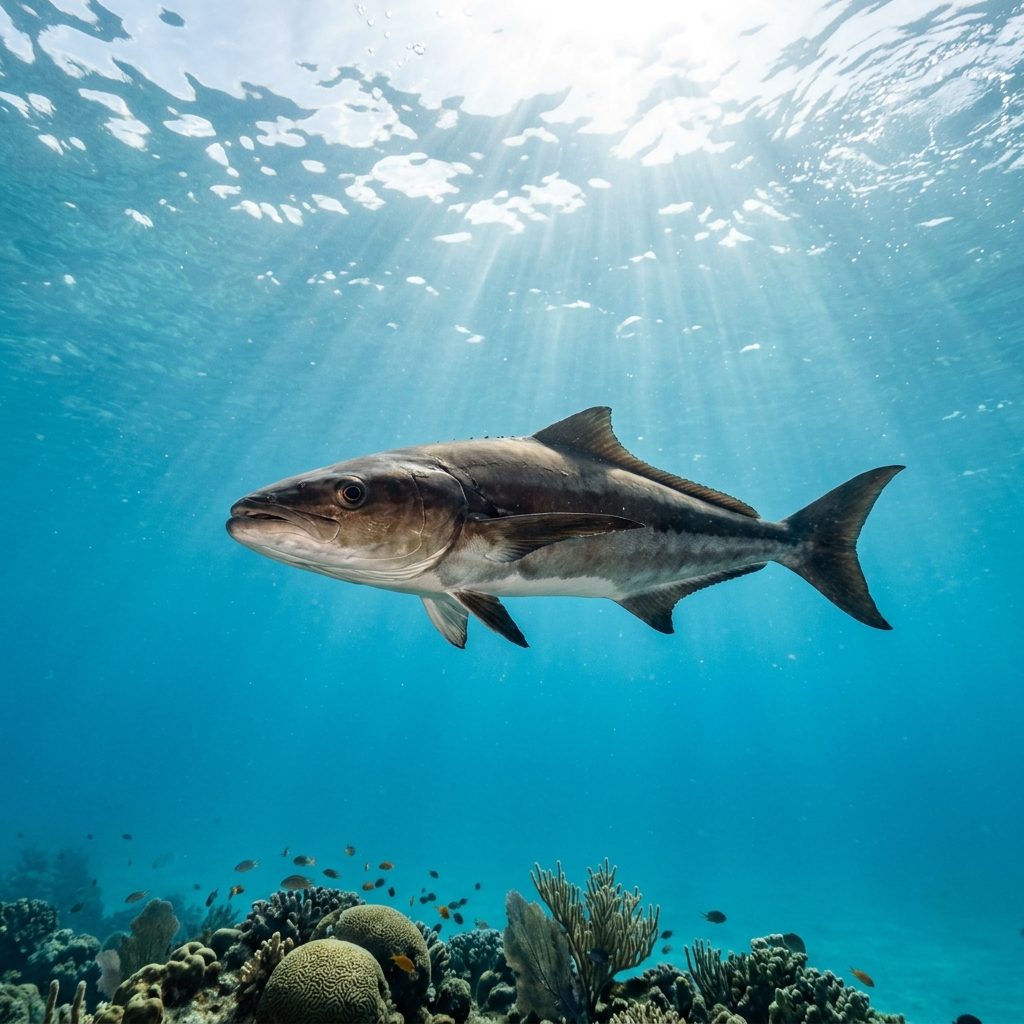
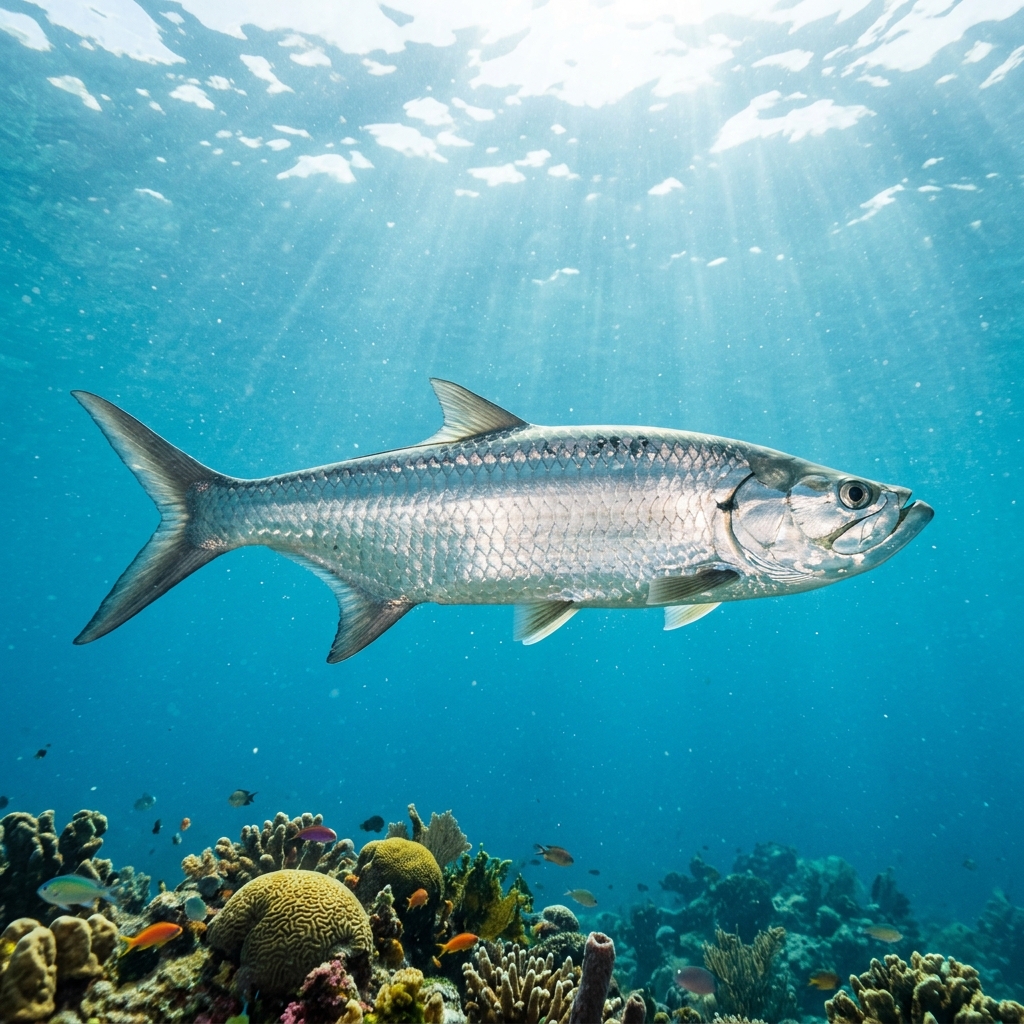
Few fish are as immediately recognisable as a tarpon: a large, deep-bodied, torpedo-shaped animal covered in oversized, mirror-bright silver scales that flash conspicuously in any available light. The mouth is large and distinctly upturned, with a bony plate on the lower jaw, and the dorsal fin's last ray extends into a long trailing filament. Adults can reach well over a metre in length, making them hard to miss even at a distance. Juveniles look nothing like the adult, they are small, transparent or pale silver, and ribbon-shaped, resembling a miniature eel rather than a robust game fish.
Tarpon are often encountered in loose aggregations patrolling open water just above reef edges, inside lagoons, or near channel mouths where current concentrates prey. They tend to be bold and relatively unhurried around divers, often circling or cruising past at close range. Towards dusk or in low-light conditions they may roll at the surface, a behaviour linked to gulping air into their modified swim bladder, which allows them to breathe atmospheric oxygen in warm, oxygen-poor water.
Tarpon are one of the few bony fishes that can breathe air directly, using a lung-like swim bladder to supplement gill breathing. This adaptation lets them thrive in warm, shallow, poorly oxygenated environments such as mangrove creeks and coastal lagoons, habitats most other large fish avoid.
There is not yet enough monthly sighting data to pin down a season, so tarpon should be treated as a year-round possibility in suitable habitat. Their preference for water between 22 and 29 °C means tropical reef and lagoon sites hold them consistently throughout the year.
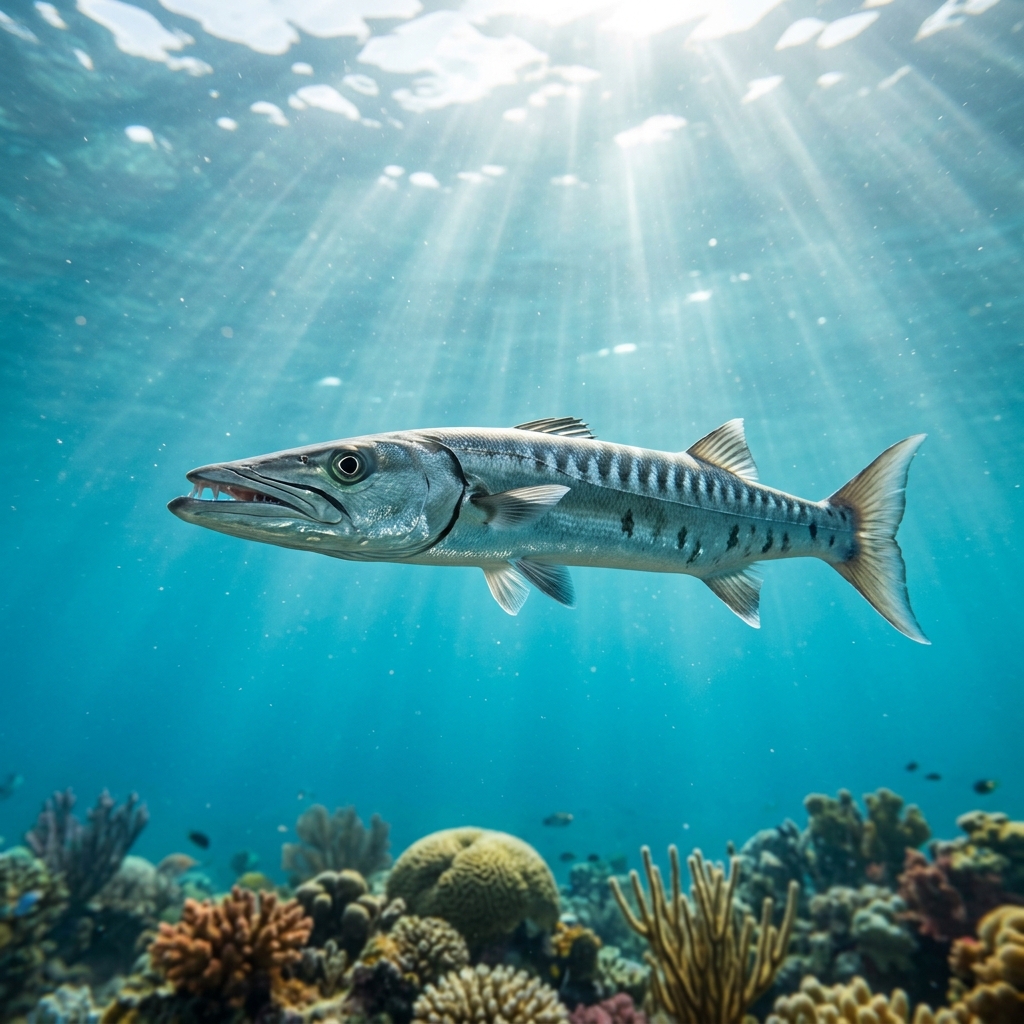
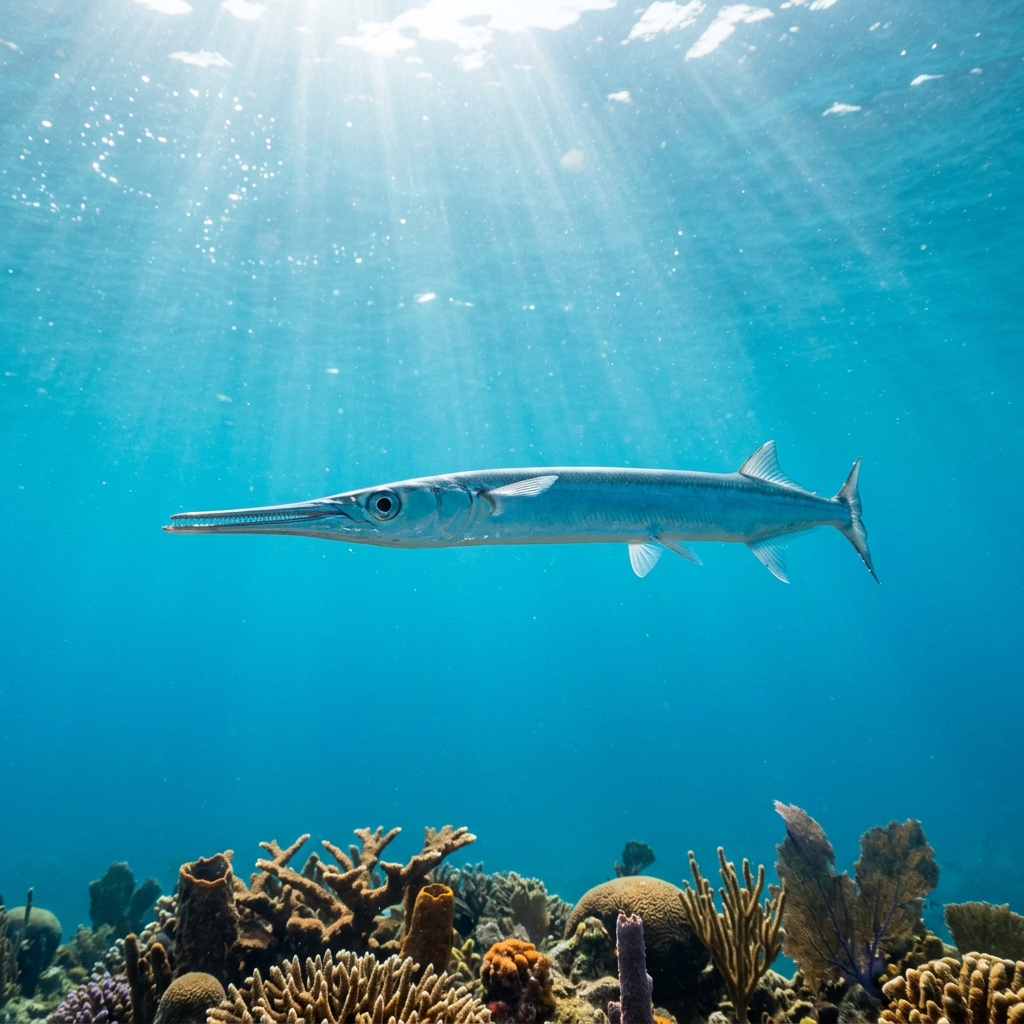
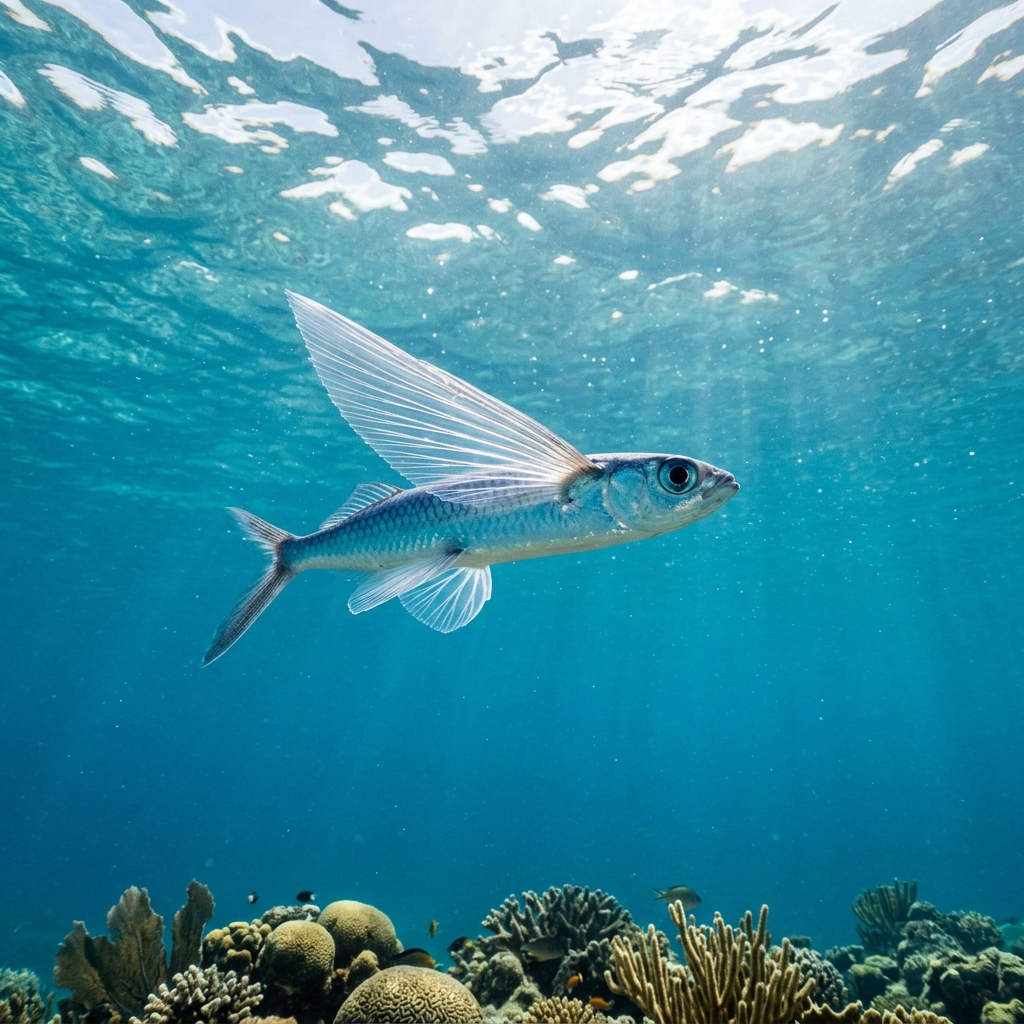
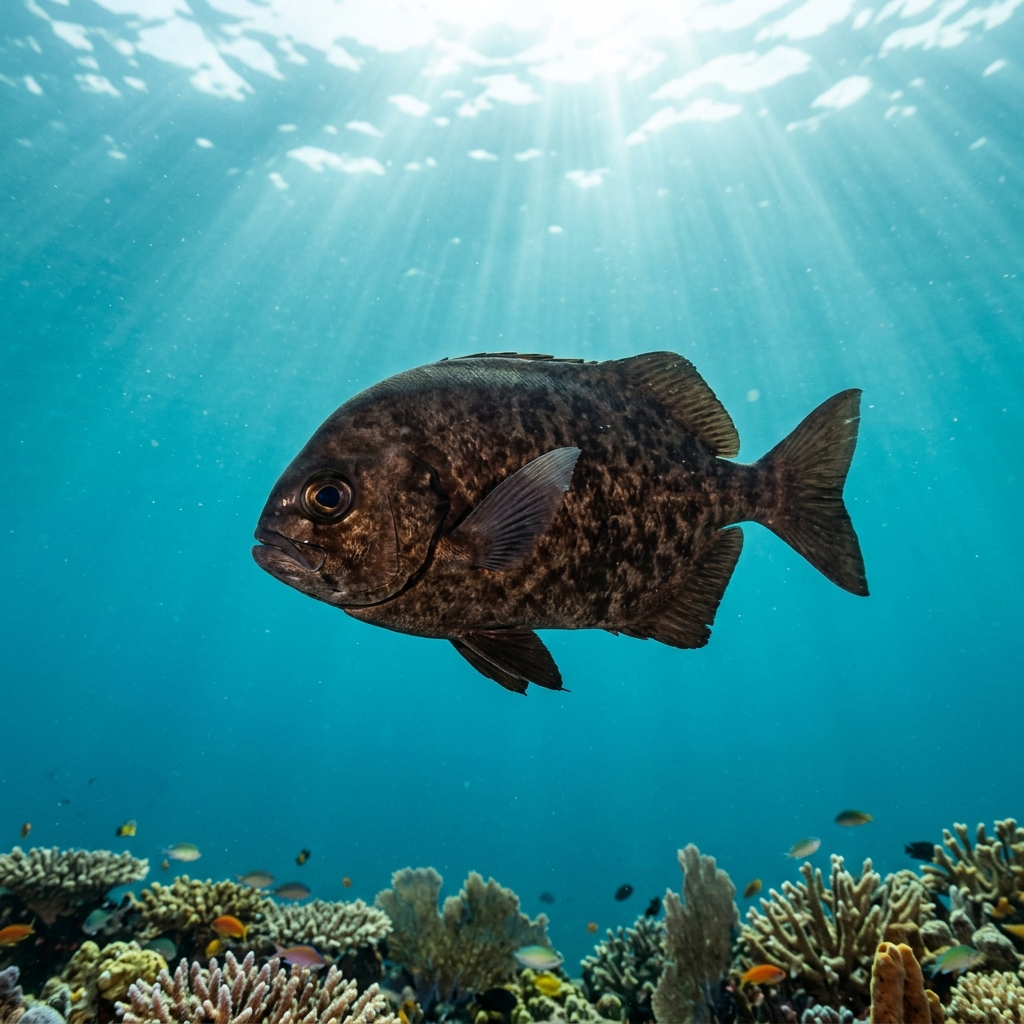
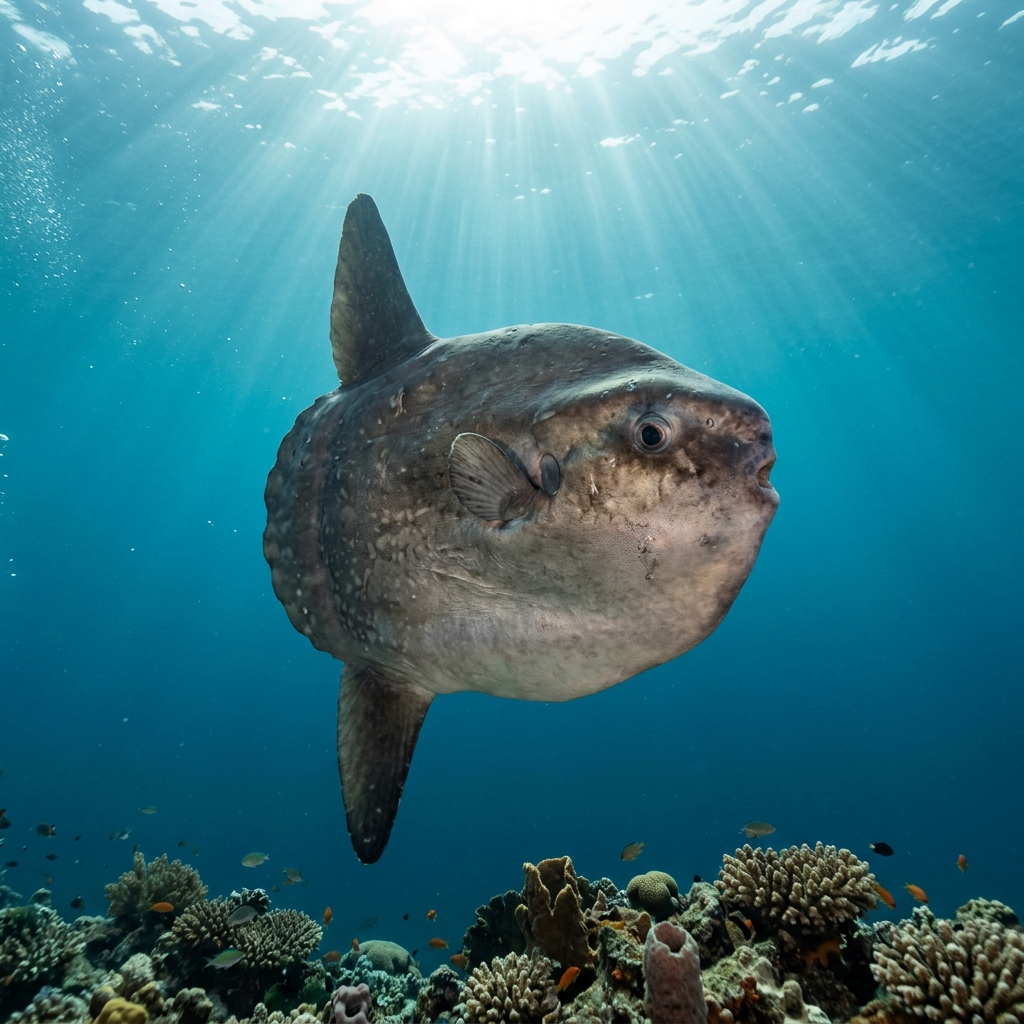
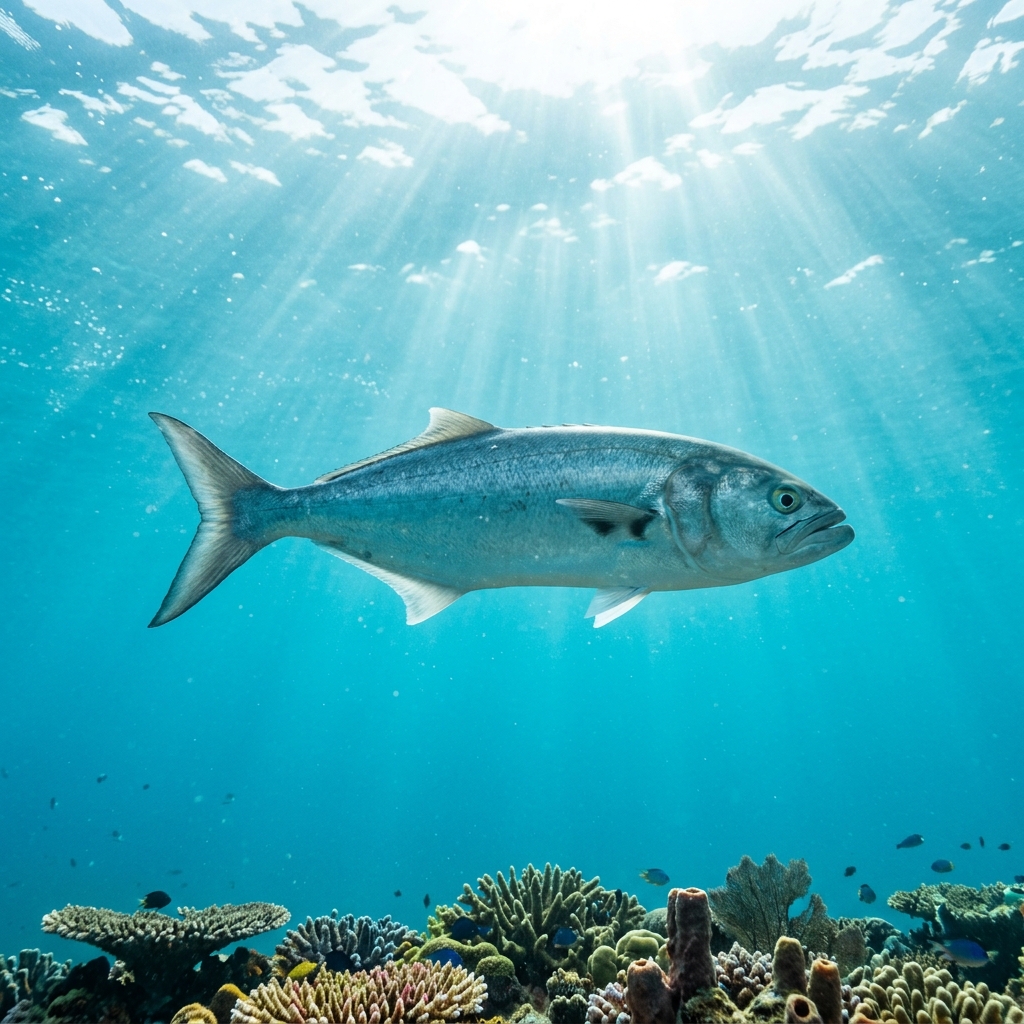
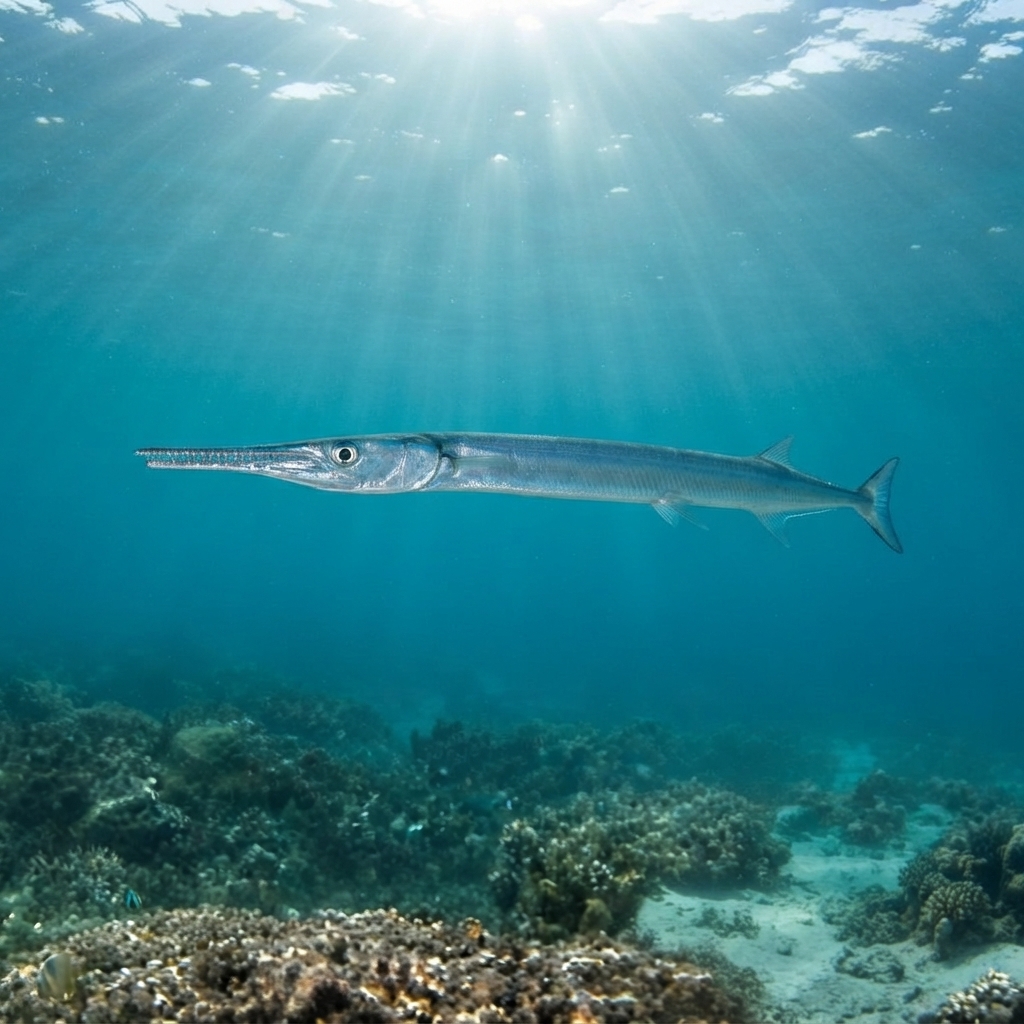
Reef neighbours a diver could mistake it for. Use the identification notes above to tell them apart.
The current sighting data in Fin's database does not yet include logged dive sites for tarpon. Based on the observed water-temperature niche of 22 to 29 °C, encounters are most likely in warm tropical and subtropical coastal environments, particularly around the Caribbean, West Africa, and the Indo-Pacific, where both Atlantic tarpon (Megalops atlanticus) and Indo-Pacific tarpon (Megalops cyprinoides) occur. As divers log more encounters, regional hotspots will appear in the live site panel.
Mapping where Tarpon is logged…
Tarpon are found across warm tropical and subtropical coastal waters worldwide. Atlantic tarpon range through the Caribbean, Gulf of Mexico, and West Africa, while Indo-Pacific tarpon are common across Southeast Asia and the Pacific. Dive sites in warm lagoons, channel edges, and mangrove-adjacent reefs in these regions offer the best chance of an encounter.
There is not yet enough seasonal data to identify a peak month. Tarpon favour water temperatures between 22 and 29 °C, so on tropical reefs within that range they can be present year-round. Cooler or more seasonal destinations may see them withdraw during colder months.
Look for a very large, robust, silver fish with unusually oversized scales that reflect light strongly, a deeply upturned mouth with a bony lower jaw plate, and a trailing filament on the dorsal fin. The sheer size, often over a metre, and the mirror-like flash of the scales make them hard to confuse with anything else at close range.
Atlantic tarpon are the larger of the two species and regularly exceed 1.5 metres in length, with large individuals approaching 2.5 metres and weights over 100 kg. Indo-Pacific tarpon are smaller, typically reaching around 1.5 metres. Both are large enough that encountering one underwater is a notable experience.
Tarpon are not considered dangerous to divers. They are large and powerful fish but are not aggressive, and documented incidents of harm to swimmers or divers are extremely rare and generally linked to hand-feeding. Simply observe from a respectful distance and they will usually continue their patrol without concern.
Tarpon possess a modified swim bladder that functions similarly to a primitive lung, allowing them to gulp air directly at the surface. This adaptation is particularly useful in warm, shallow, or stagnant water where dissolved oxygen is low. You may see them rolling or breaking the surface near mangroves or in lagoons, this is normal respiratory behaviour, not distress.
Site and sighting data is aggregated from diver logs, iNaturalist and GBIF. For taxonomy and conservation status:
Ocean Sunfish
1,396 sites