Best for advanced divers, 20m, shore entry.
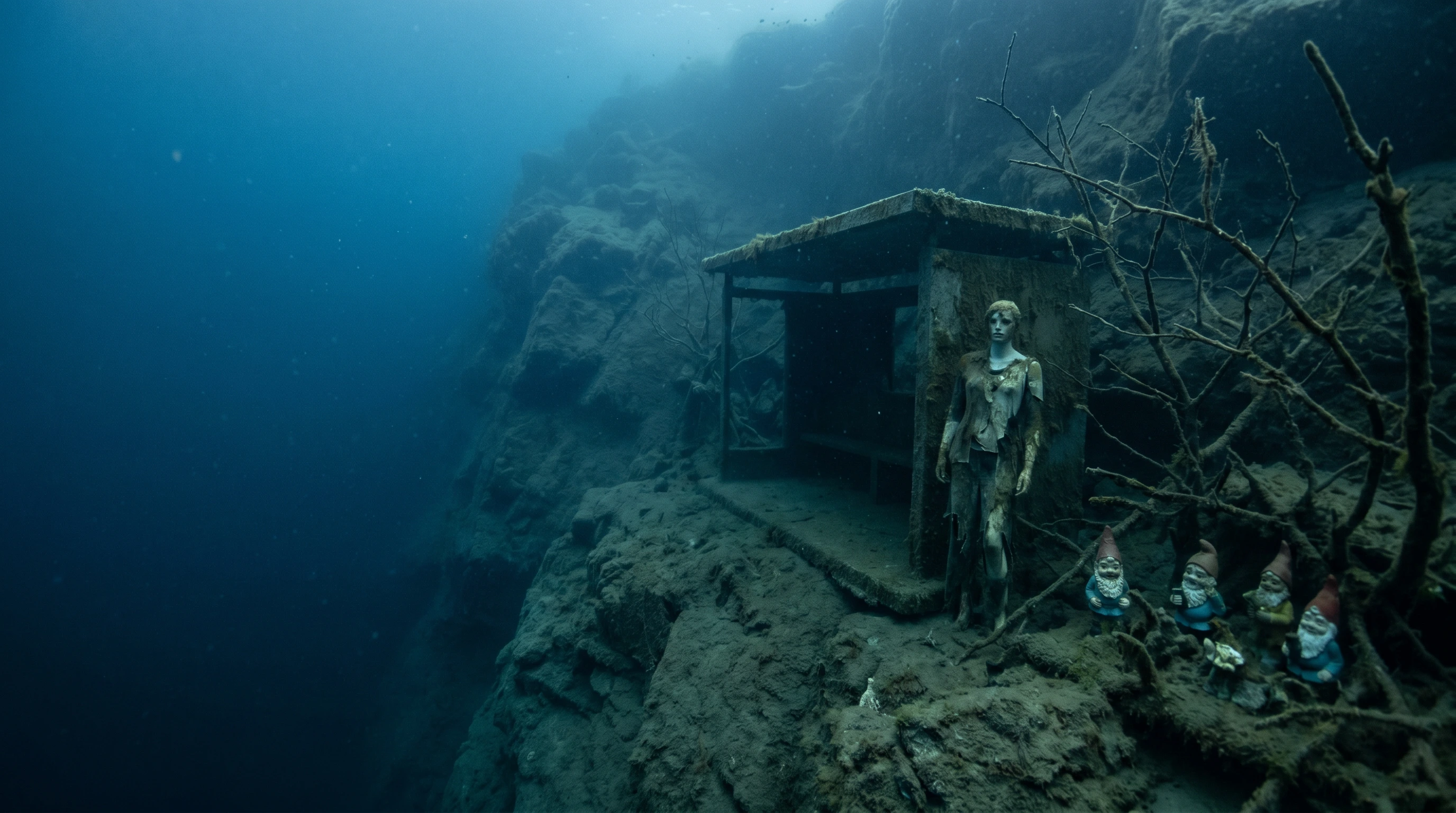
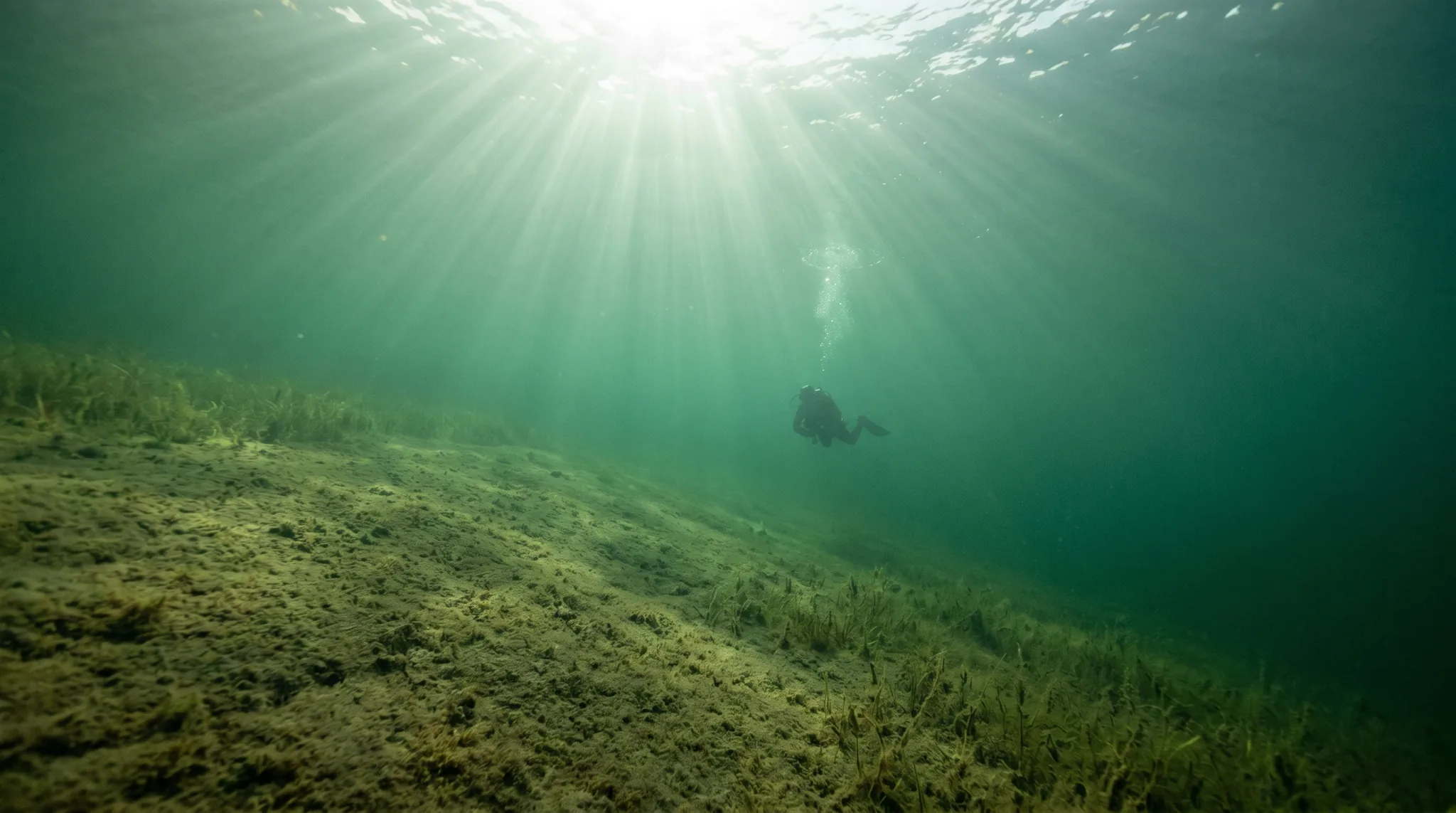
Lac de Moiry is a high-altitude reservoir in the Swiss Alps offering shore-based access to extreme depths. The site features an artificial reef structure that provides a focal point for navigation as the bottom drops to 120 metres. Visibility typically ranges between 5 and 10 metres. Due to the significant depth and cold water temperatures, which range from 0.2°C to 8°C, this site is reserved for advanced divers. A drysuit is strongly recommended for thermal protection. Divers must manage buoyancy and depth carefully to mitigate the risks of nitrogen narcosis and cold-related hazards. Parking and a cafe are available on site for post-dive recovery.
46.12352, 7.57192
The water is cold year-round at altitude, so a drysuit is strongly advisable rather than optional. Parking and a cafe are available on site, so you can warm up properly after the dive before the drive back down.
Accessible by road from Grimentz to the dam wall, open from late June to the first big snowfall.
Expected in this region. No sightings logged here yet.
Depth
20m
Visibility
5-10m
Skill Level
Advanced
Entry
Shore
Current
None
Best Time
Jun, Jul, Aug, Sep, Oct
The site reaches depths between 20 and 120 metres.
No, this site is intended for advanced divers due to the extreme depths and cold water conditions.
Access to the dive site is via the shore.
The main hazards include extreme cold water temperatures, significant depths, and the risk of nitrogen narcosis. Divers should monitor depth closely and plan decompression stops carefully.
Yes, the site provides parking and a cafe where divers can warm up after their dive.
Diving at Lac de Moiry in Grimentz requires the following certifications: Advanced, Deep. Always dive within your training limits.
The best months to visit Lac de Moiry in Grimentz are June, July, August, September, and October. Conditions outside these months can still be good but are less predictable.
Visibility at Lac de Moiry in Grimentz typically ranges from 5 metres to 10 metres. Conditions vary with weather, tides, and seasons.