Best for intermediate divers, 3-10m, boat entry, strong current.
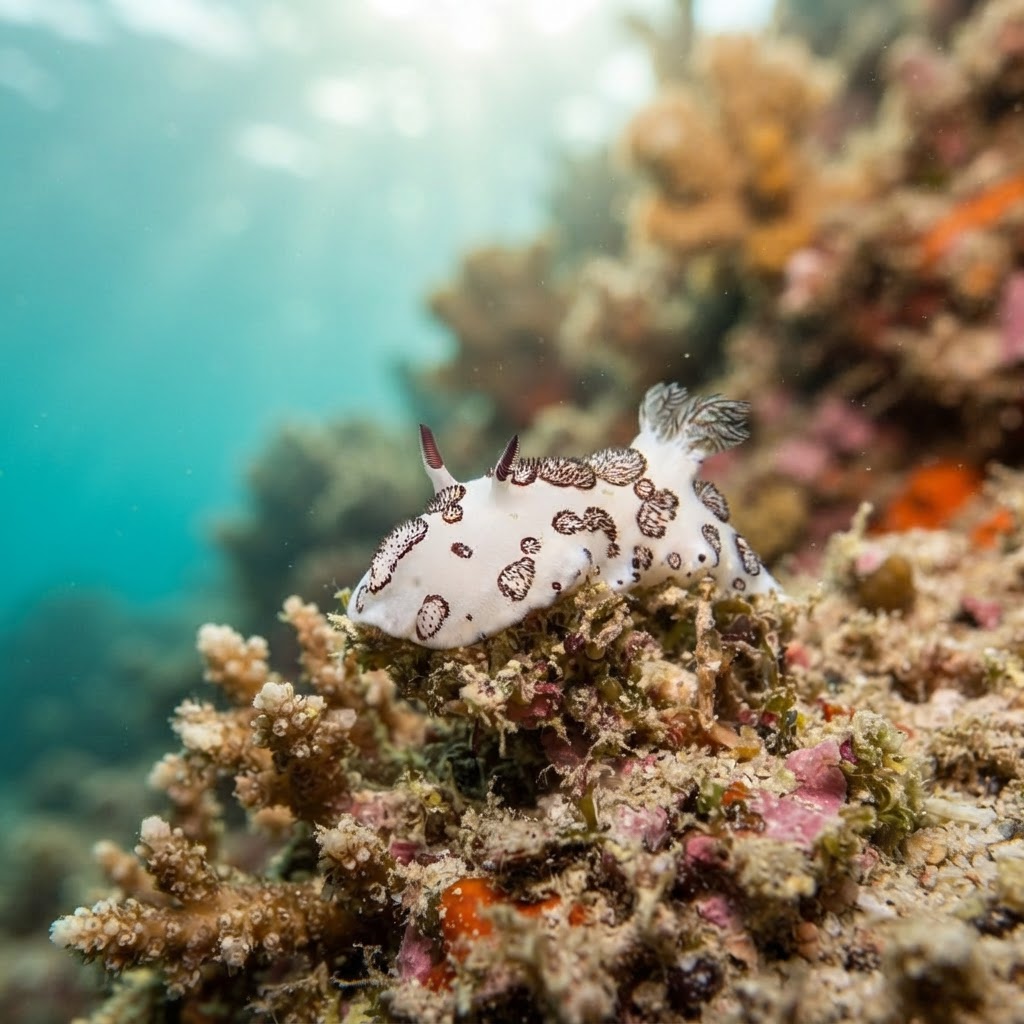
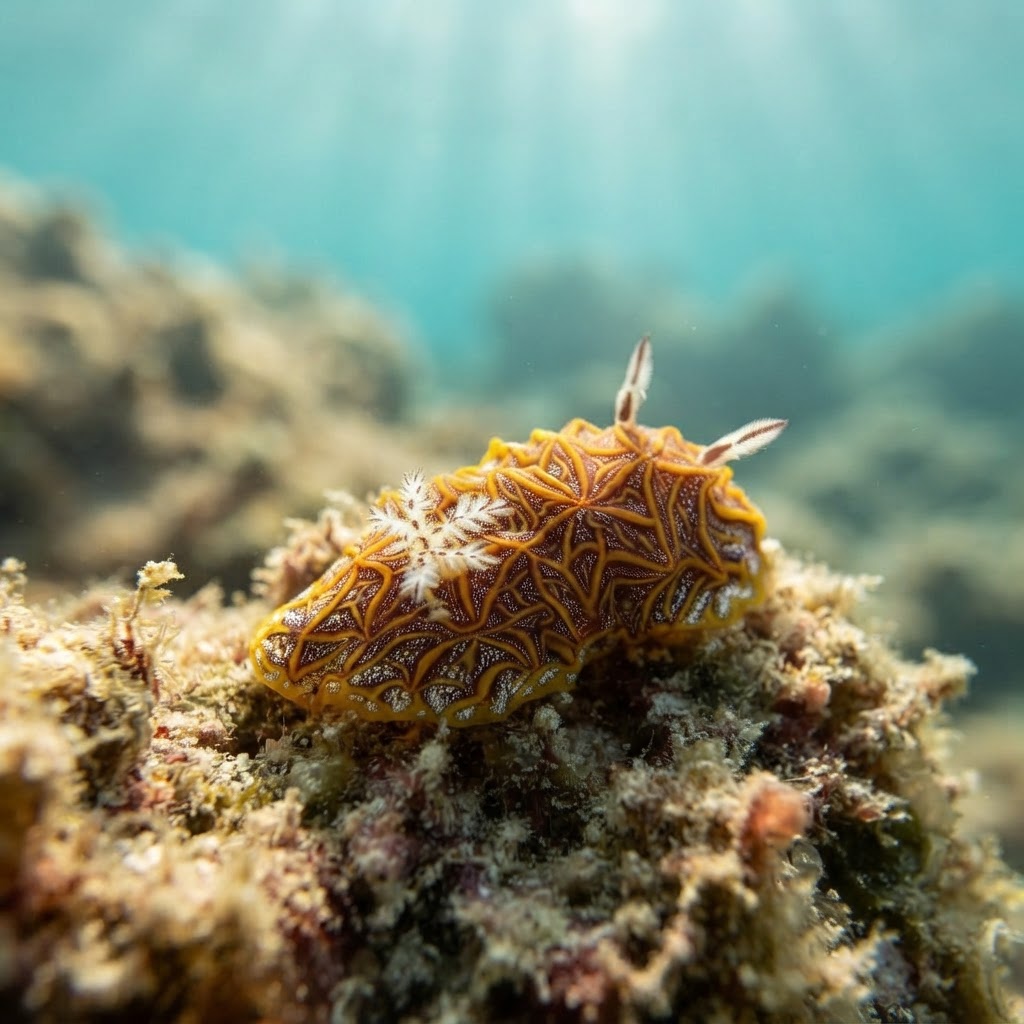
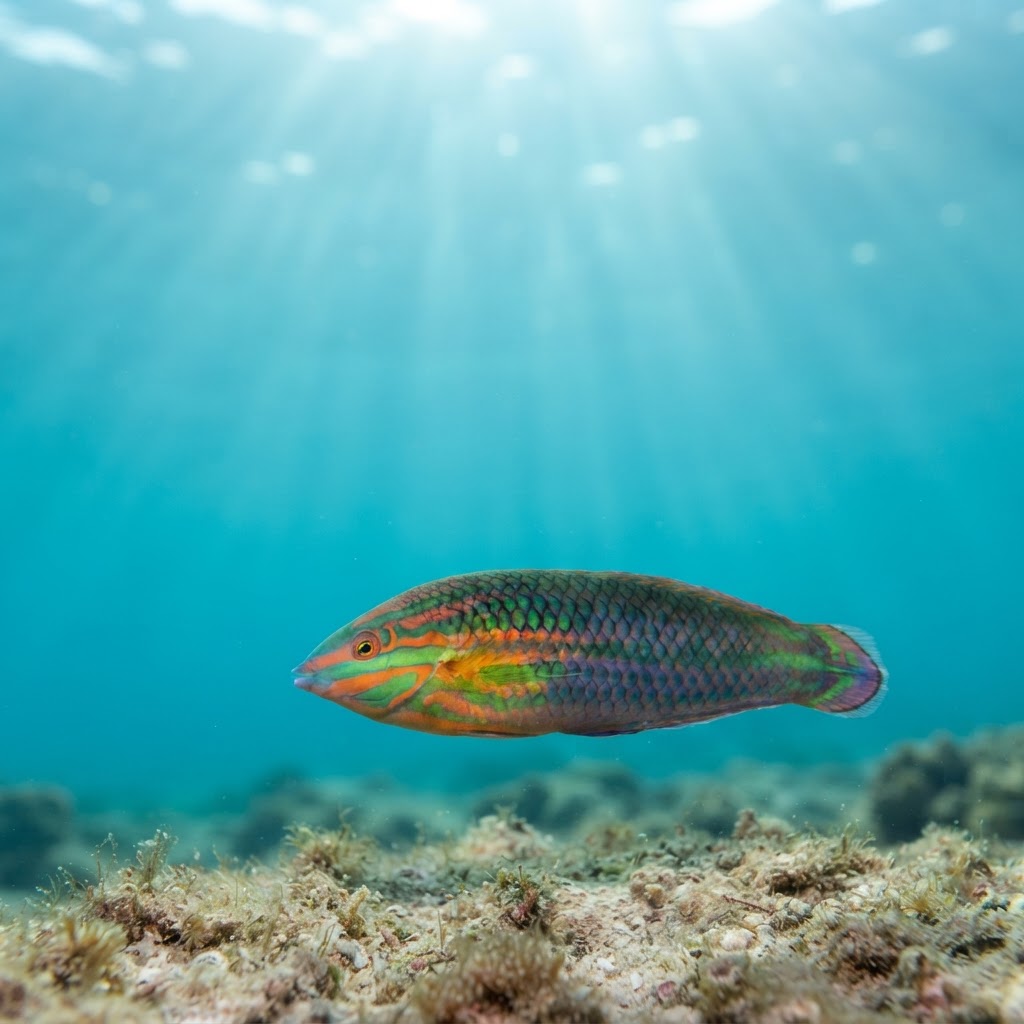
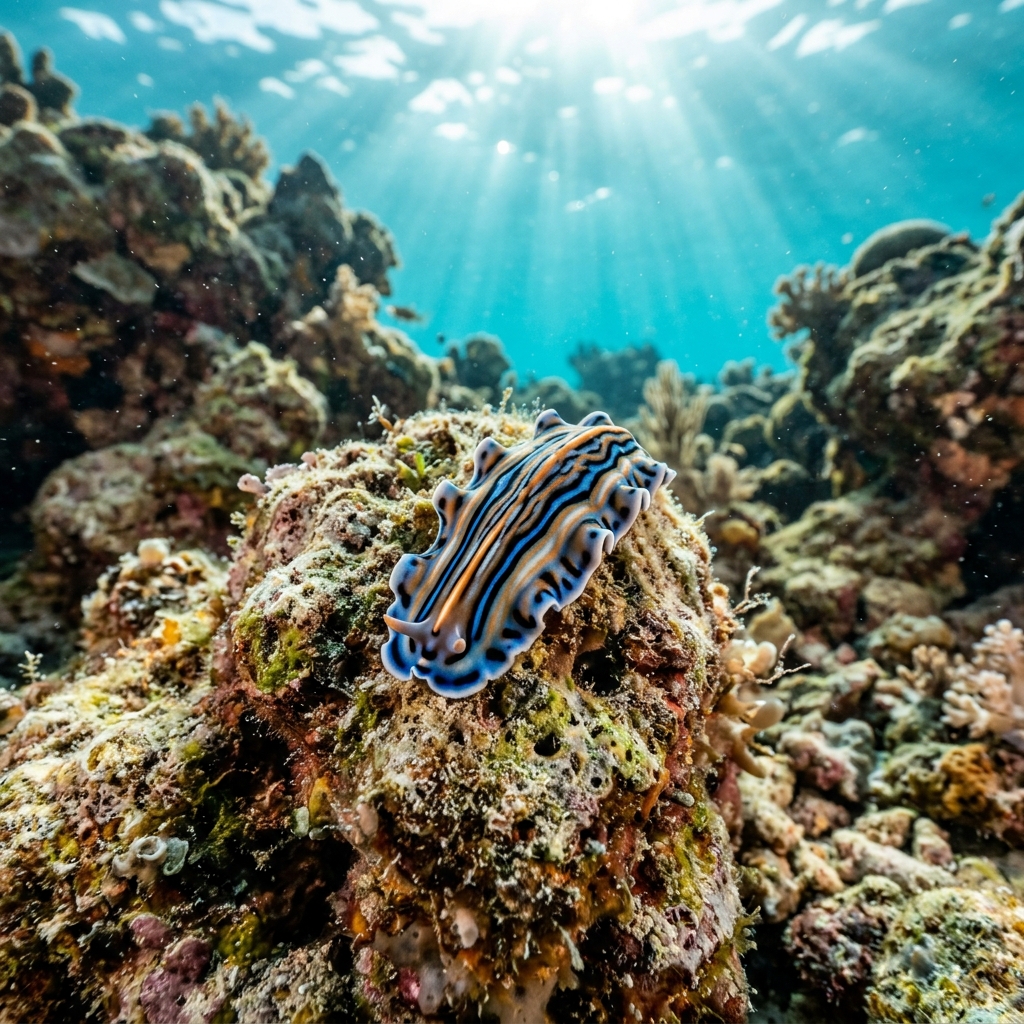
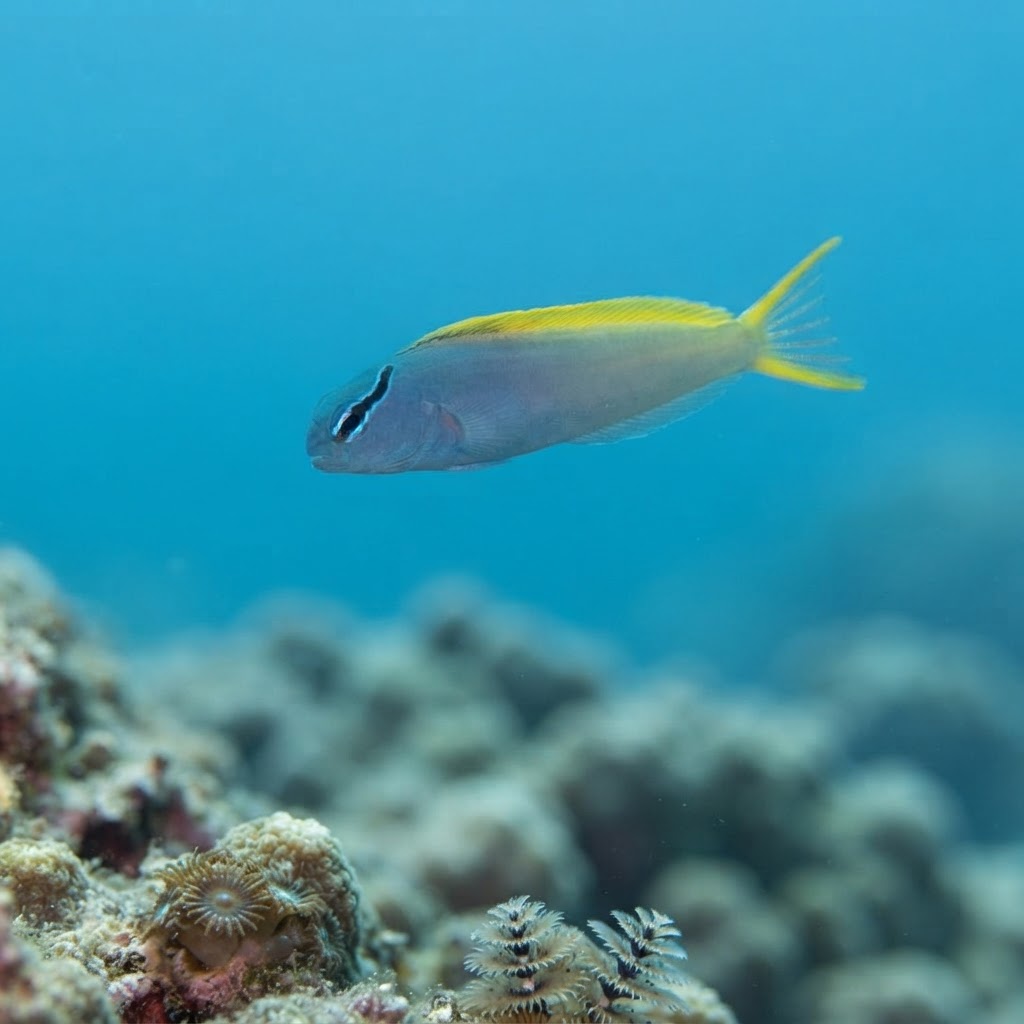
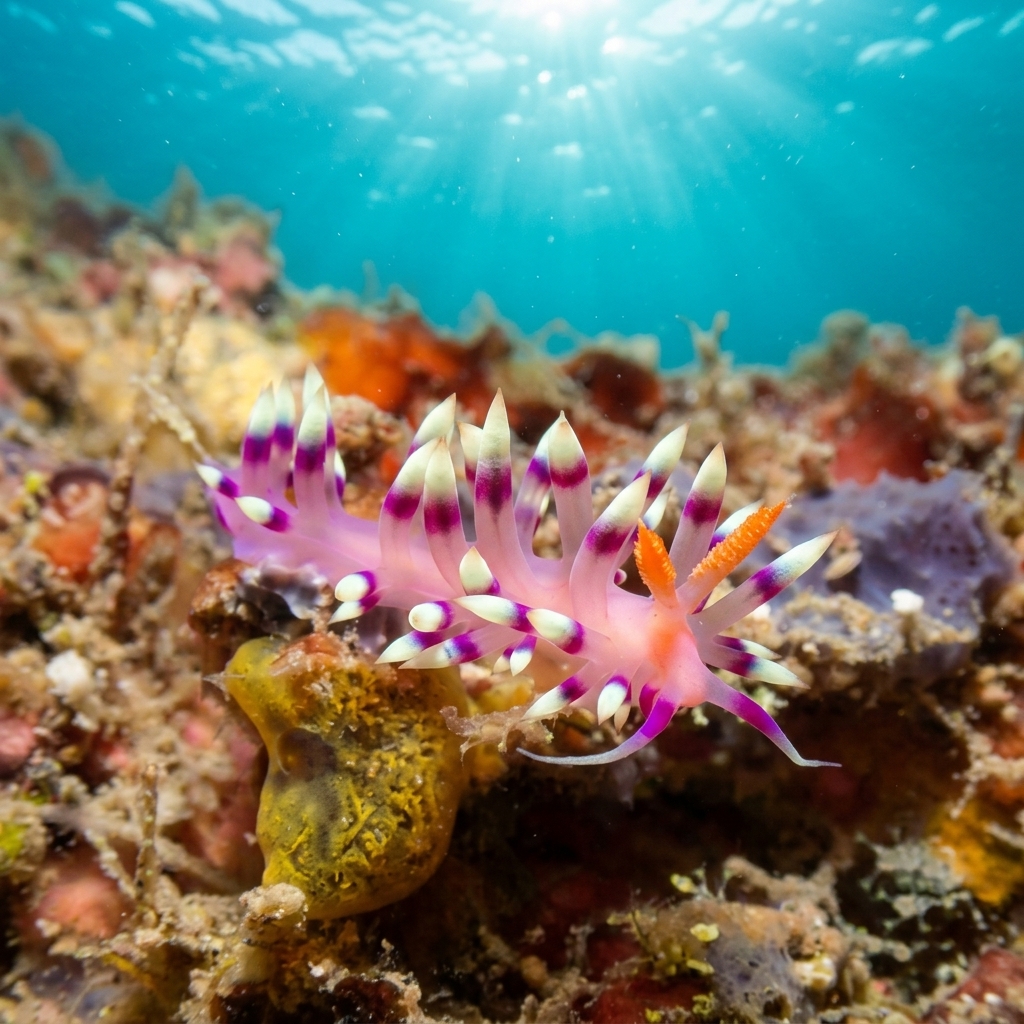
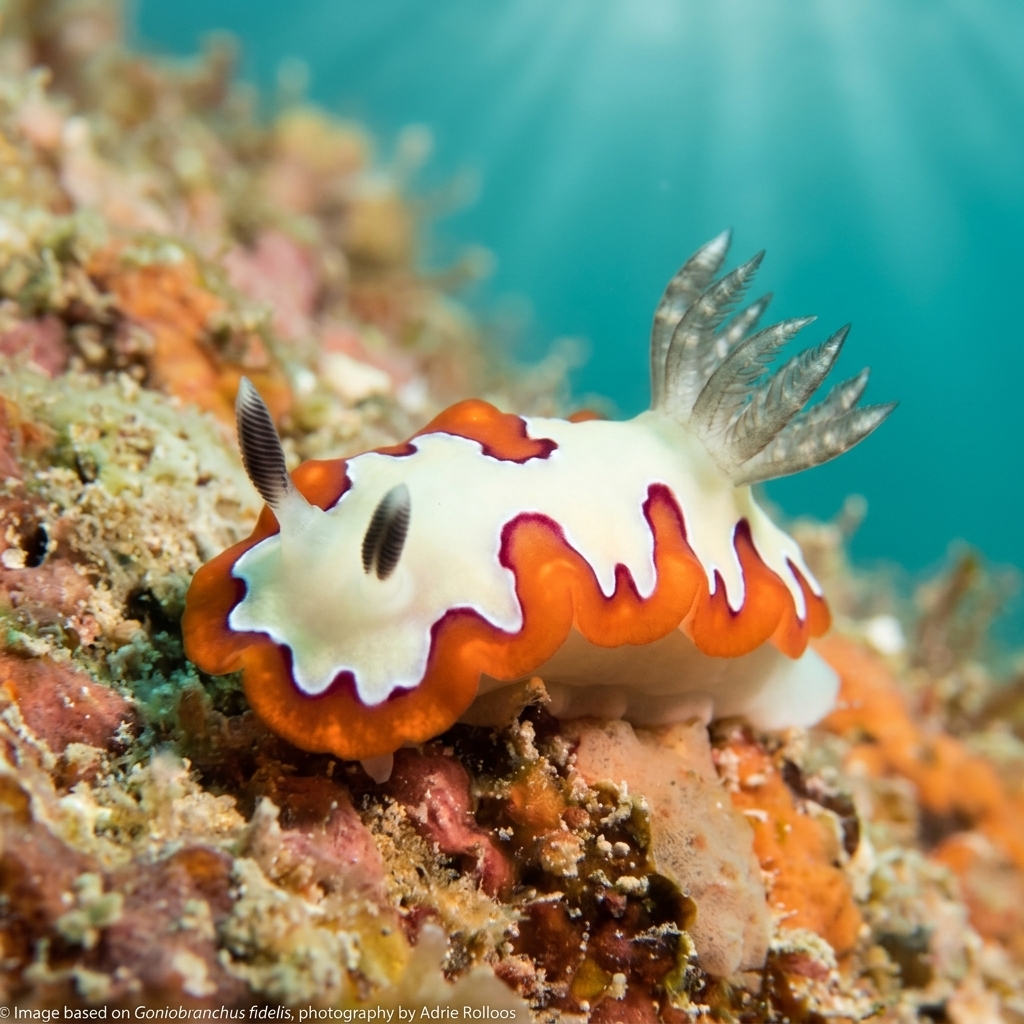
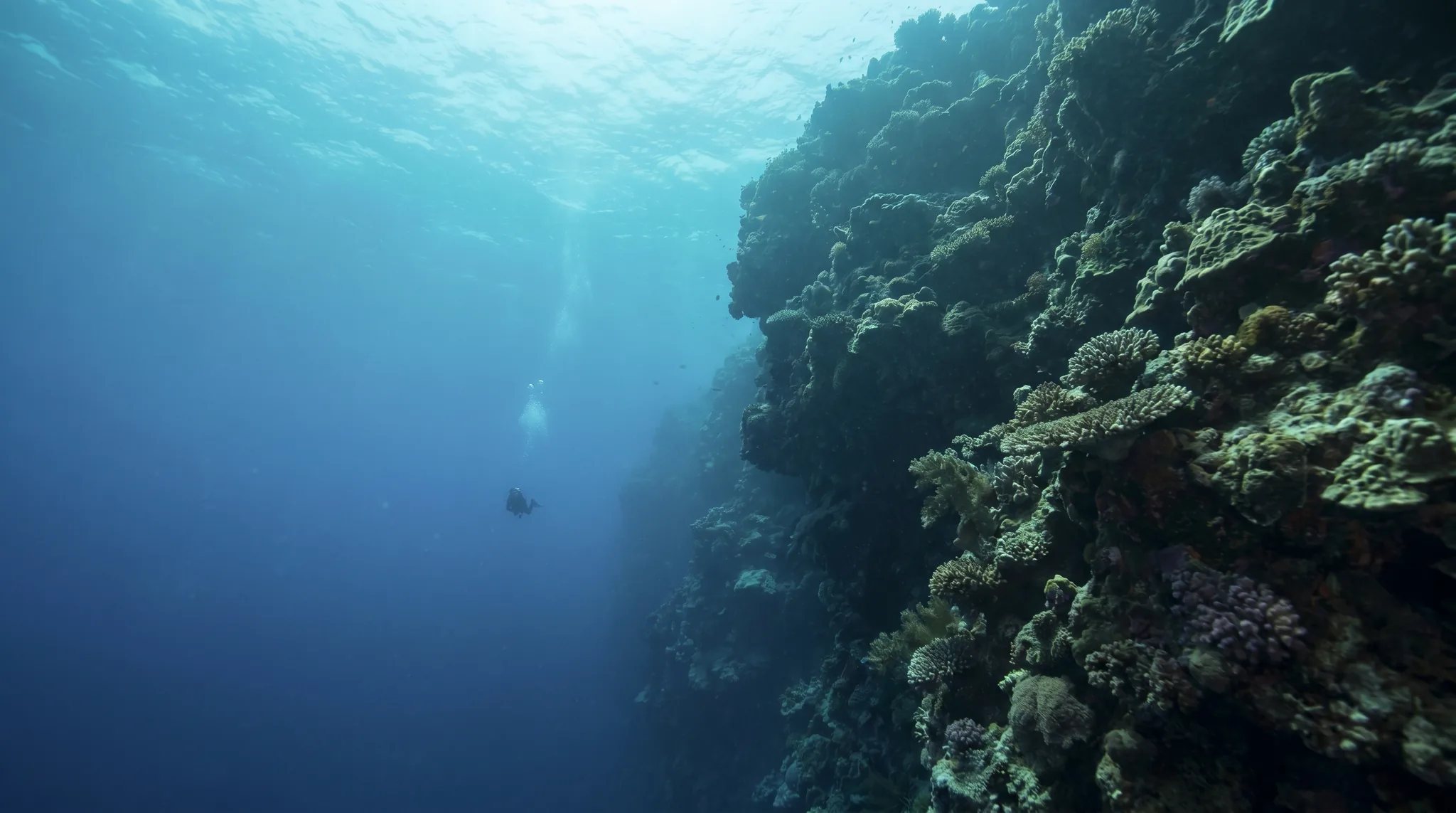
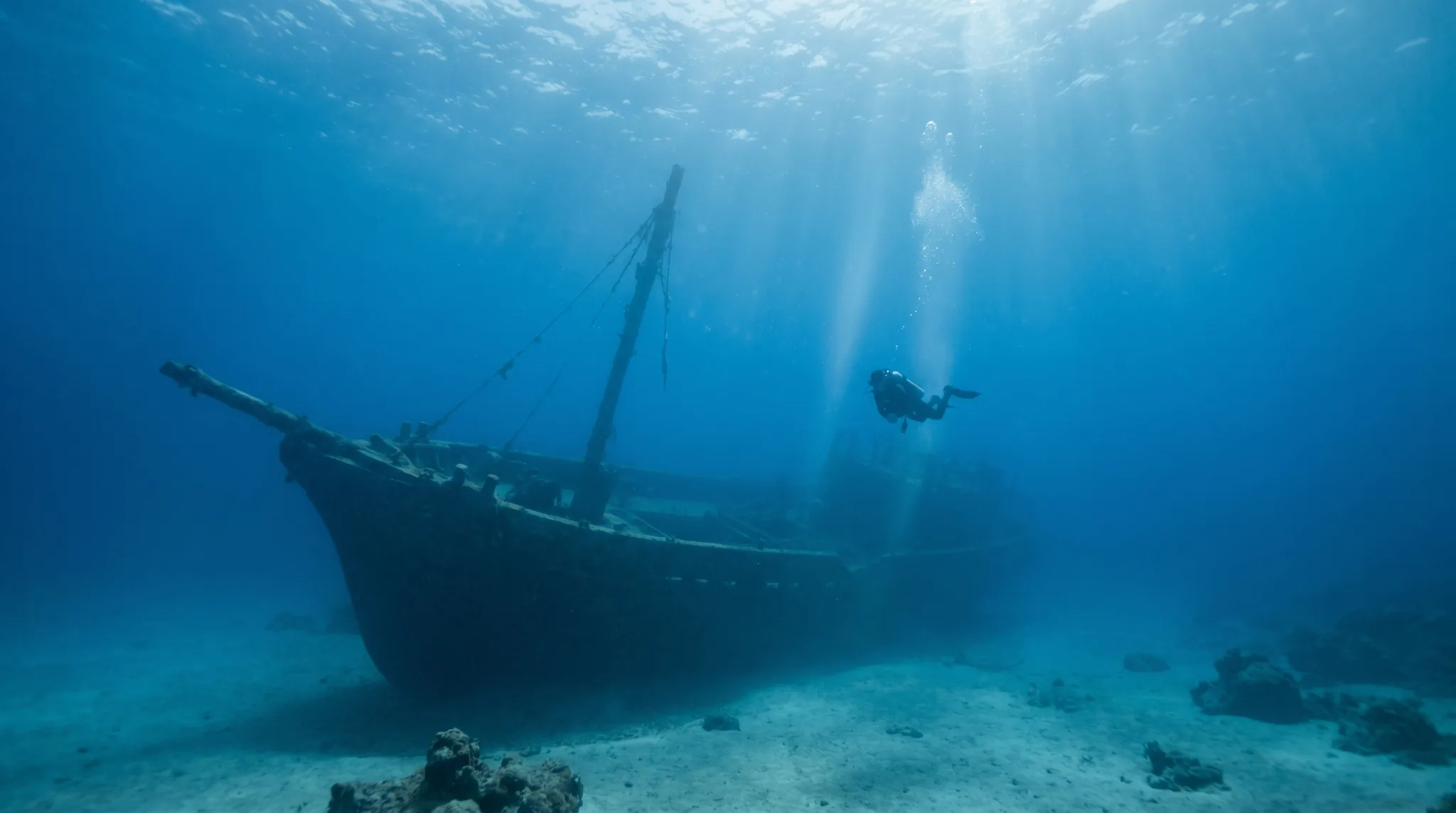
Sub Chaser is an 80-foot long Japanese vessel from the Second World War located in the Wing Beach Area. This wreck site sits at depths between 3 and 10 metres, with an average depth of 7 metres. Divers encounter common species including flatworms, wrasses, blue dragons, and snails. Uncommon sightings include desirable flabellina, tiger cowries, fiesta rainbow dorids, starback tentacled dorids, jorunna nudibranchs, sea stars, hermit crabs, and hard coral. Due to strong currents, this site is suited for intermediate divers. Access is by boat only. Hazards include potential entanglement, sharp coral, and strong currents. Visibility at the site ranges from 20 to 50 metres.
15.23270, 145.72190
Local tips coming soon
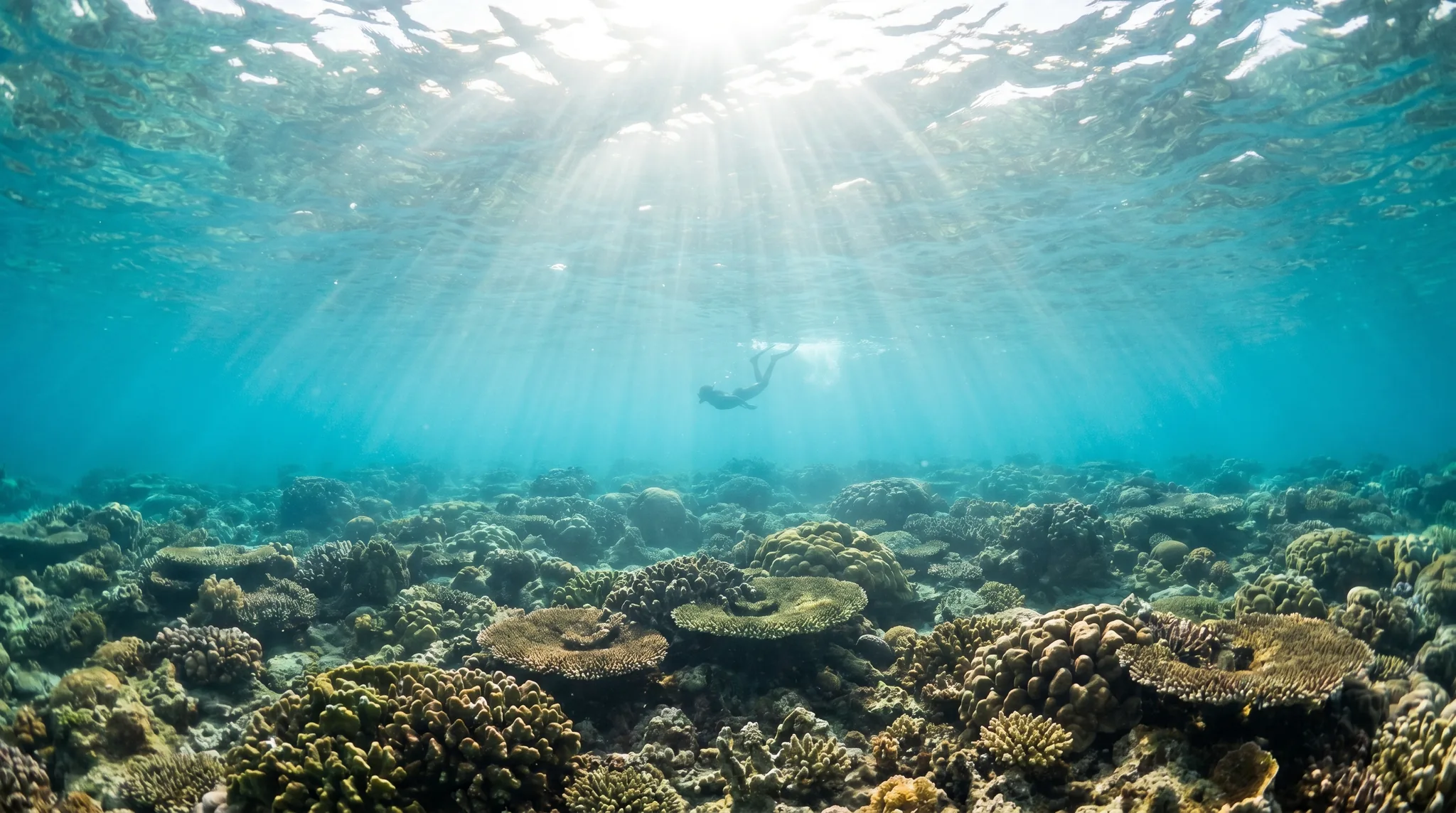
Some of the sites on the WWII Maritime Heritage Trail can be accessed from shore via snorkel, making it accessible to those who are not scuba certified.
Recorded at this site
Depth
3-10m
Visibility
20-50m
Skill Level
Intermediate
Entry
Boat
Boat required
Water Temp
28-30°C
Current
Strong
Divers frequently record flatworms, wrasses, blue dragons, and snails. Less common sightings include various nudibranch species, tiger cowries, sea stars, hermit crabs, and hard coral.
No, this site is rated for intermediate divers due to the presence of strong currents.
The wreck lies at depths between 3 and 10 metres, with an average depth of 7 metres.
This is a boat dive; a boat is required to access the site.
Divers should be aware of strong currents, potential entanglement on the wreck structure, and sharp coral.
Diving at Sub Chaser in Saipan requires the following certifications: Open Water. Always dive within your training limits.
A rashguard or 2mm shorty is recommended for diving at Sub Chaser in Saipan. Water temperatures range from 28°C to 30°C.
Sub Chaser in Saipan can have strong currents. Advanced experience with drift diving and current navigation is recommended.
Visibility at Sub Chaser in Saipan typically ranges from 20 metres to 50 metres. Conditions vary with weather, tides, and seasons.