Best for beginner divers, 1-8m, boat entry, mild current.
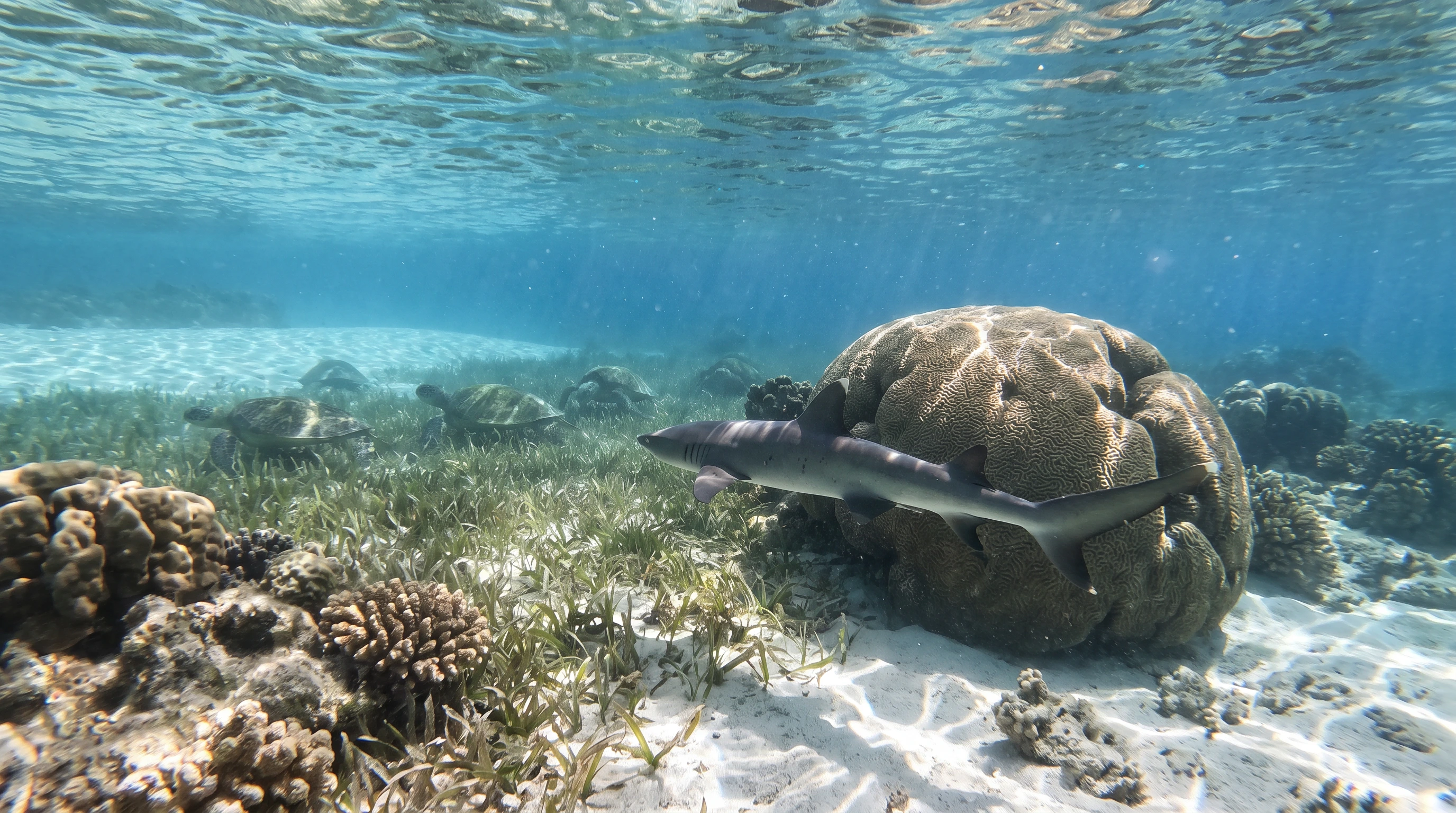
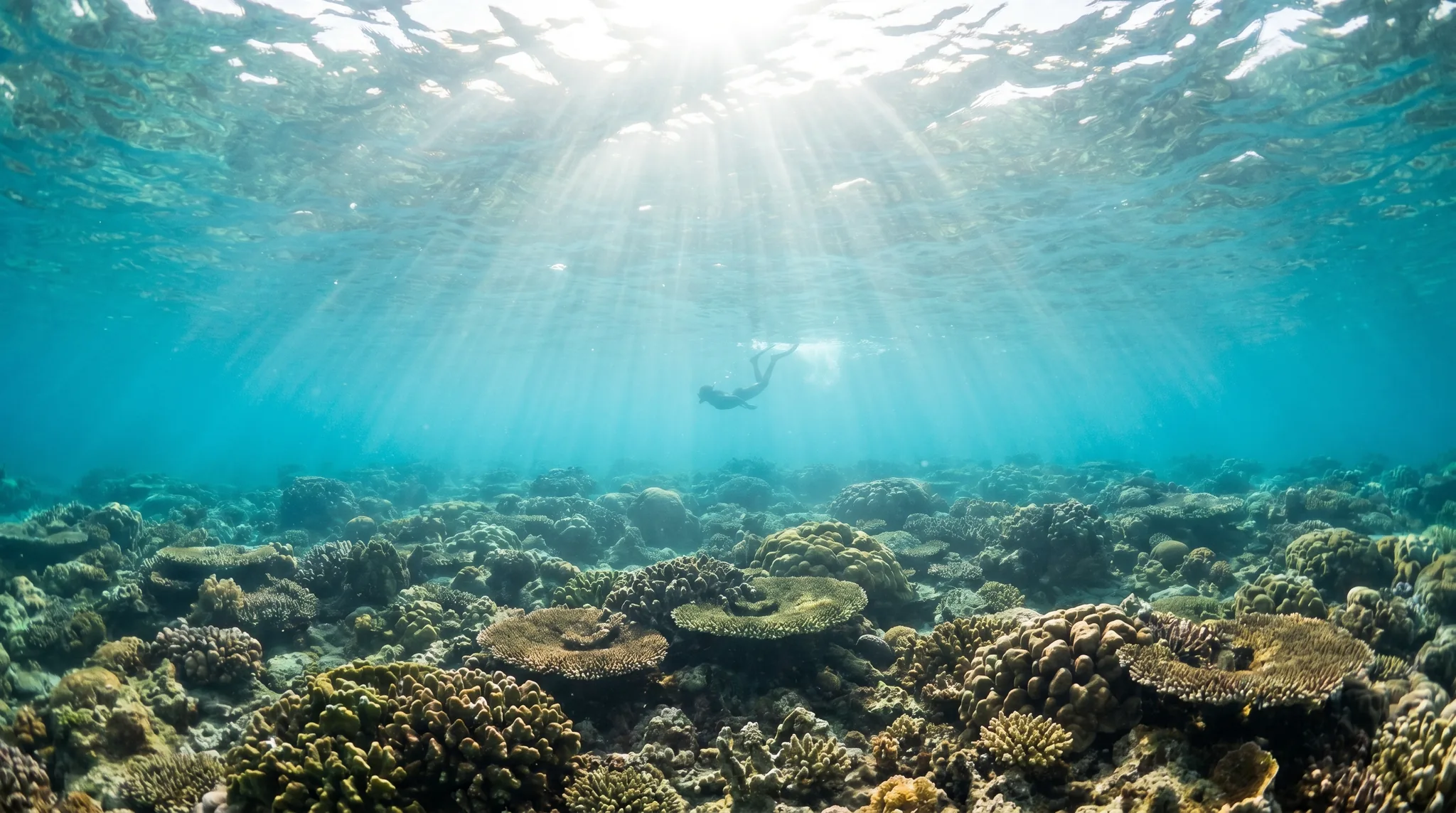
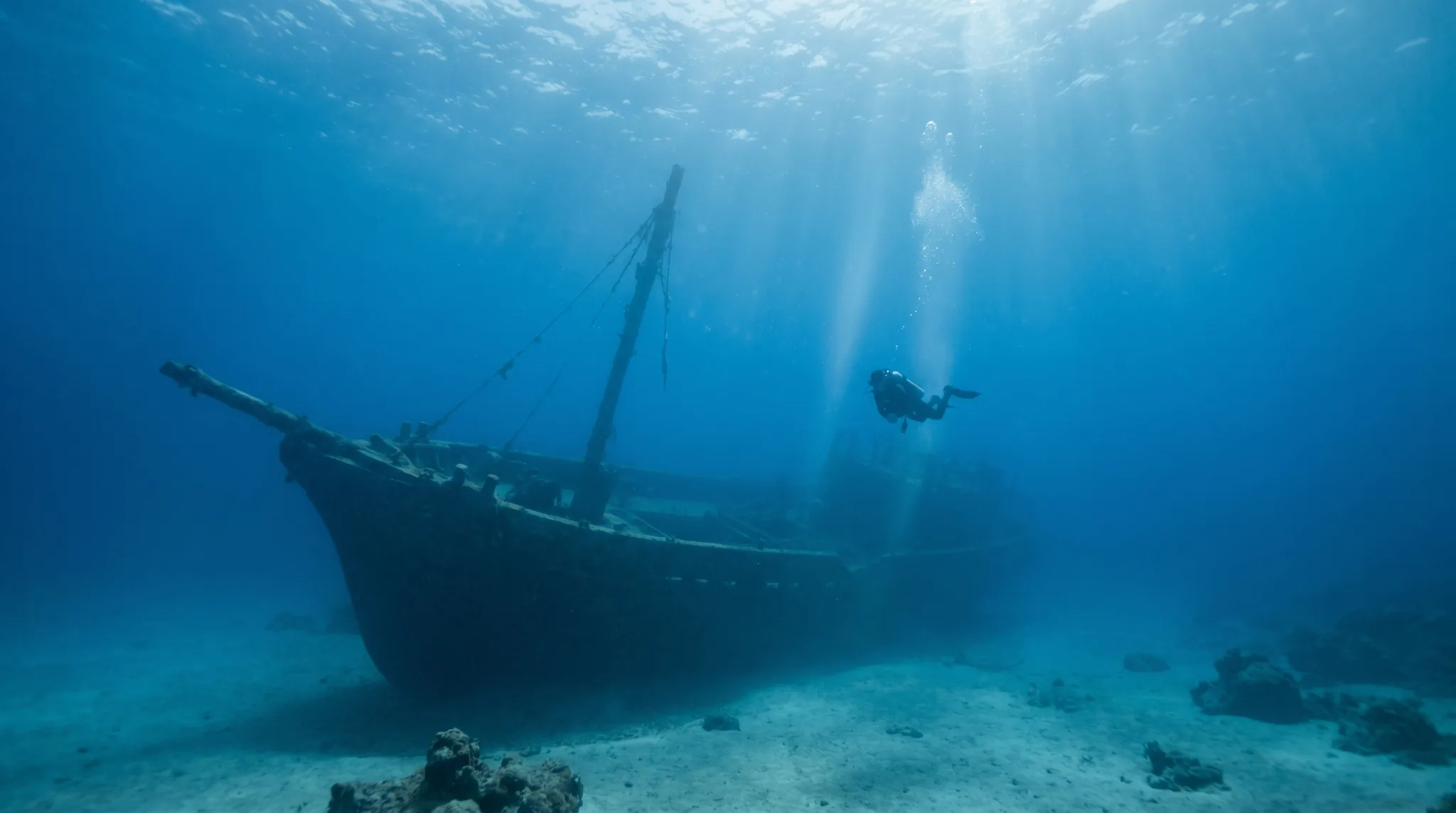
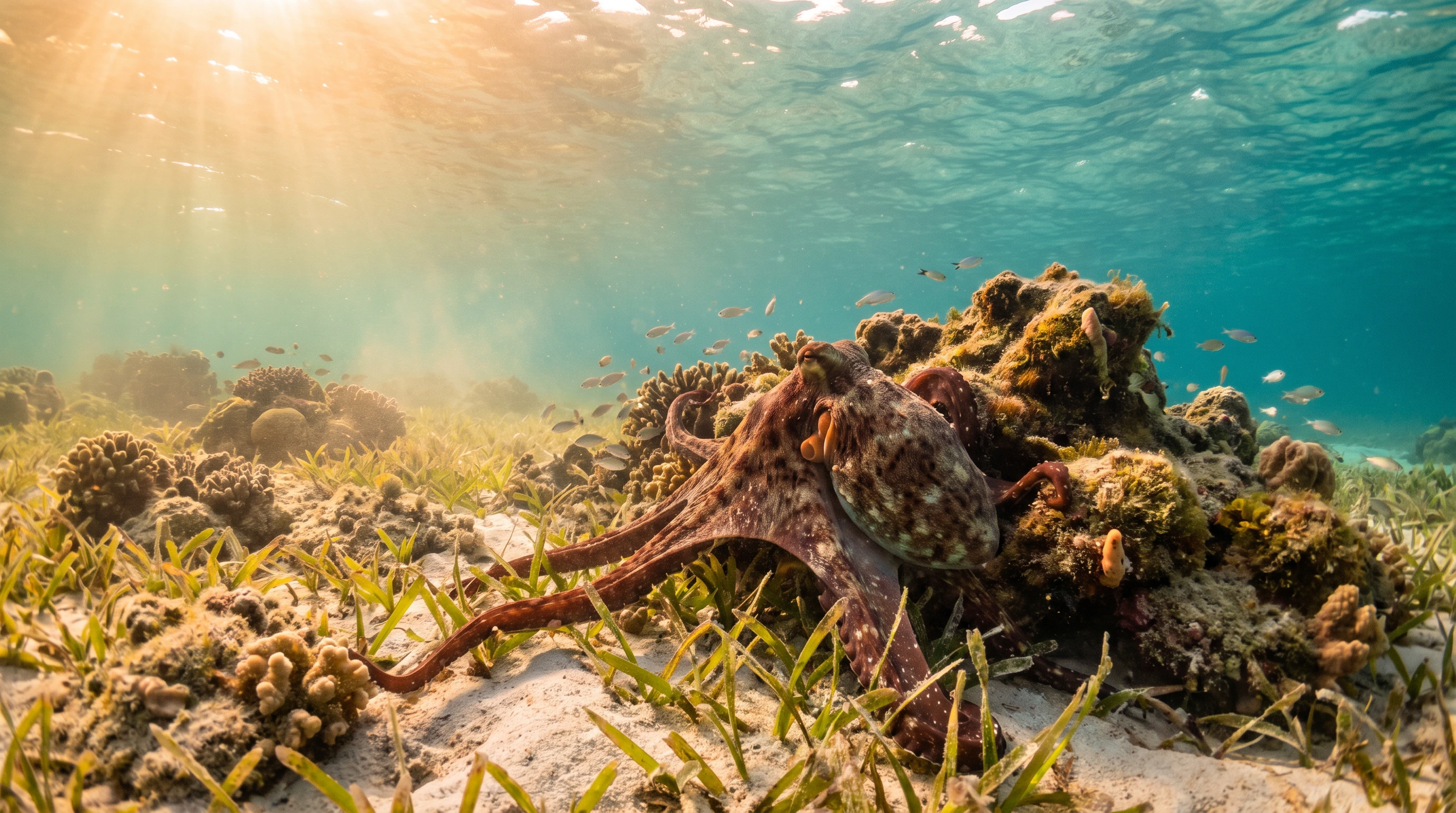
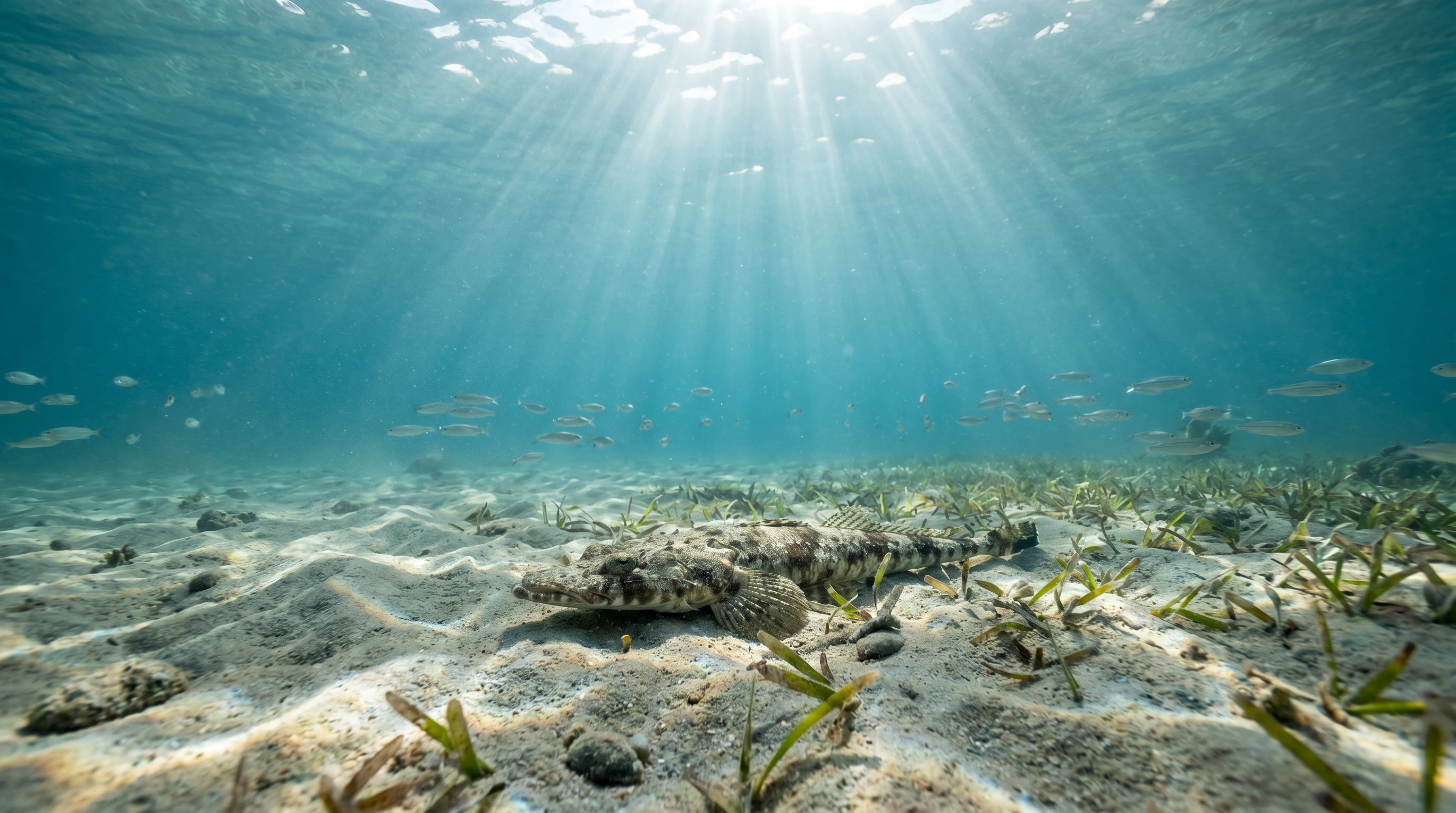
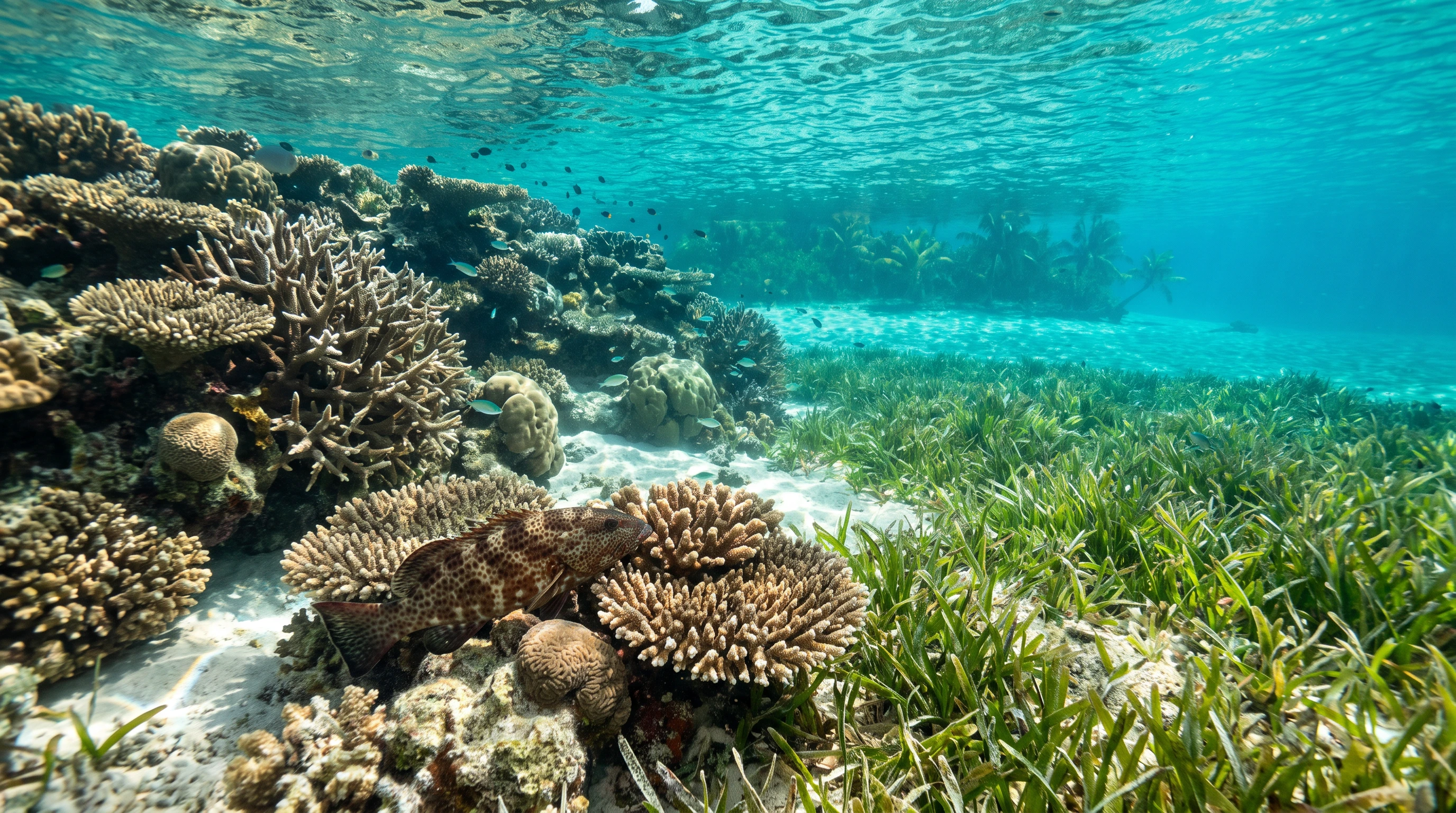
Ilot Signal, located off the coast of Noumea, offers a diverse underwater environment featuring natural reef, seagrass beds, and artificial reef structures. This site is well-suited for beginners, with depths ranging from 1 to 8 metres and an average depth of 4 metres. Conditions are generally manageable, with mild currents and visibility between 10 and 30 metres. Water temperatures fluctuate between 23 and 27 degrees Celsius throughout the year. Access is by boat, and divers should remain aware of boat traffic at the surface. Due to the presence of sea urchins across the reef, protective footwear and careful fin placement are recommended.
-22.29130, 166.28990
Book a boat with a guide who knows the artificial reef sections, as these tend to attract the most marine activity in a compact area. Sea urchins are common across the reef, so booties and careful fin placement will save you trouble on any shallow sections.
Access info coming soon
Recorded at this site
Depth
Up to 8m
Visibility
10-30m
Skill Level
Beginner
Entry
Boat
Boat required
Water Temp
23-27°C
Current
Mild
Typical Dive
60 min
Best Time
Apr, May, Jun, Jul, Aug, Sep, Oct, Nov
The site features depths between 1 and 8 metres, with an average depth of 4 metres.
Yes, Ilot Signal is considered a forgiving site suitable for beginner divers due to its shallow depths and mild currents.
Access to Ilot Signal requires a boat, as it is located approximately 15 kilometres from the shore.
Divers should watch for boat traffic at the surface and be cautious of sea urchins present on the reef.
The site provides toilets and a rinse station for diver use.
The best months to visit Ilot Signal in Noumea are April, May, June, July, August, September, October, and November. Conditions outside these months can still be good but are less predictable.
Ilot Signal in Noumea typically has mild currents that most divers can handle comfortably.
Visibility at Ilot Signal in Noumea typically ranges from 10 metres to 30 metres. Conditions vary with weather, tides, and seasons.