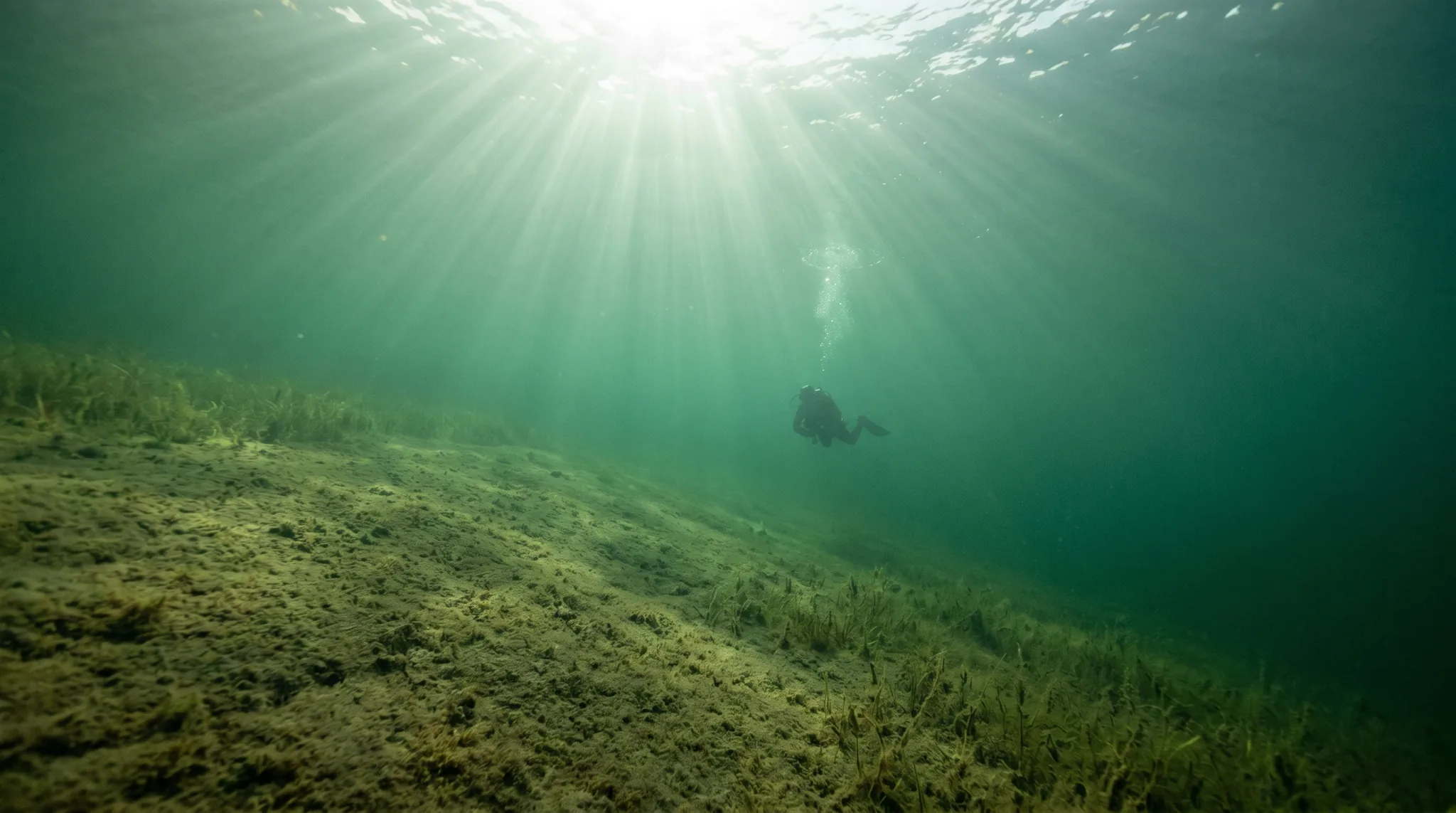
Best for beginner divers, Up to 13m, shore entry.
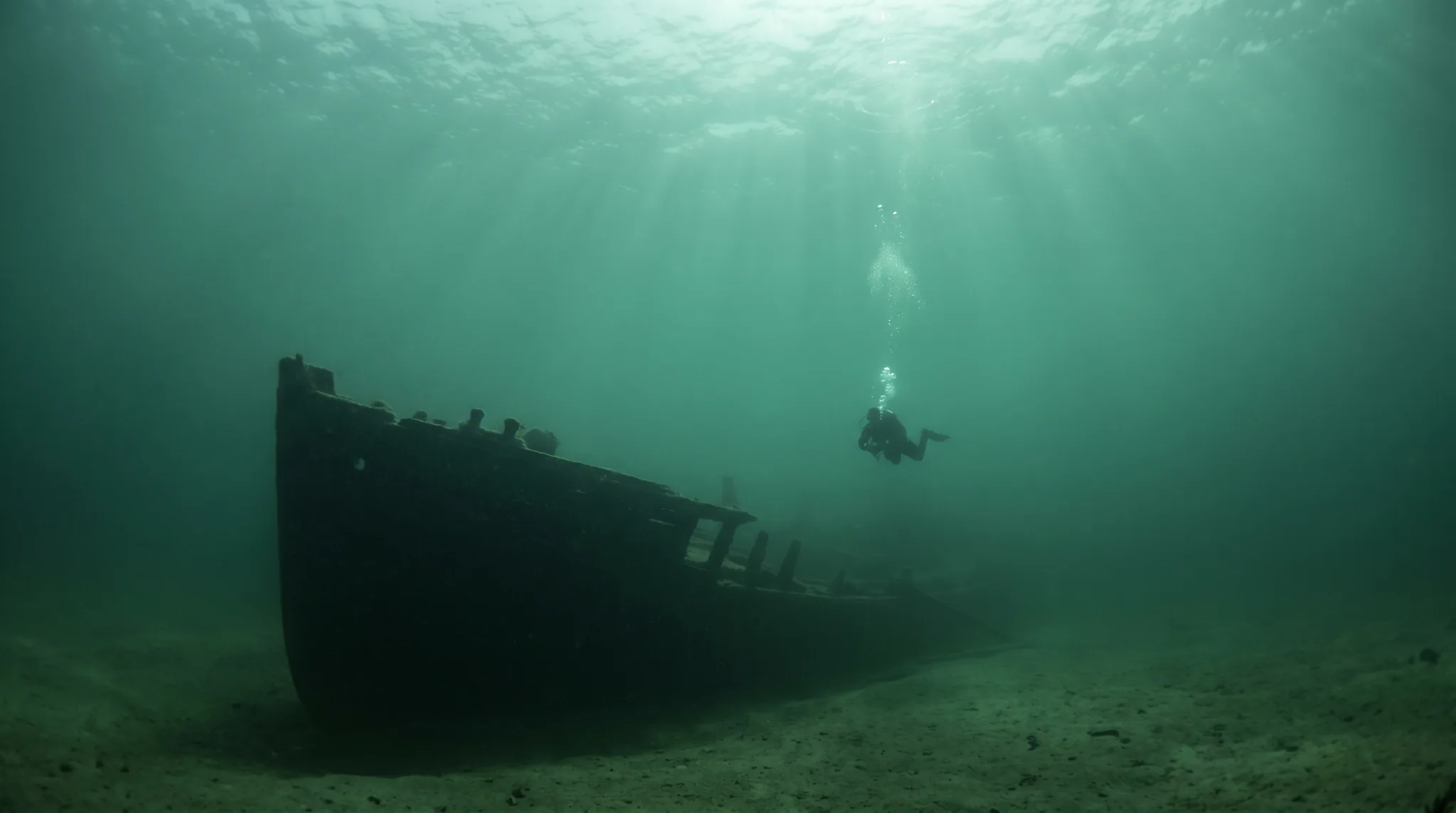
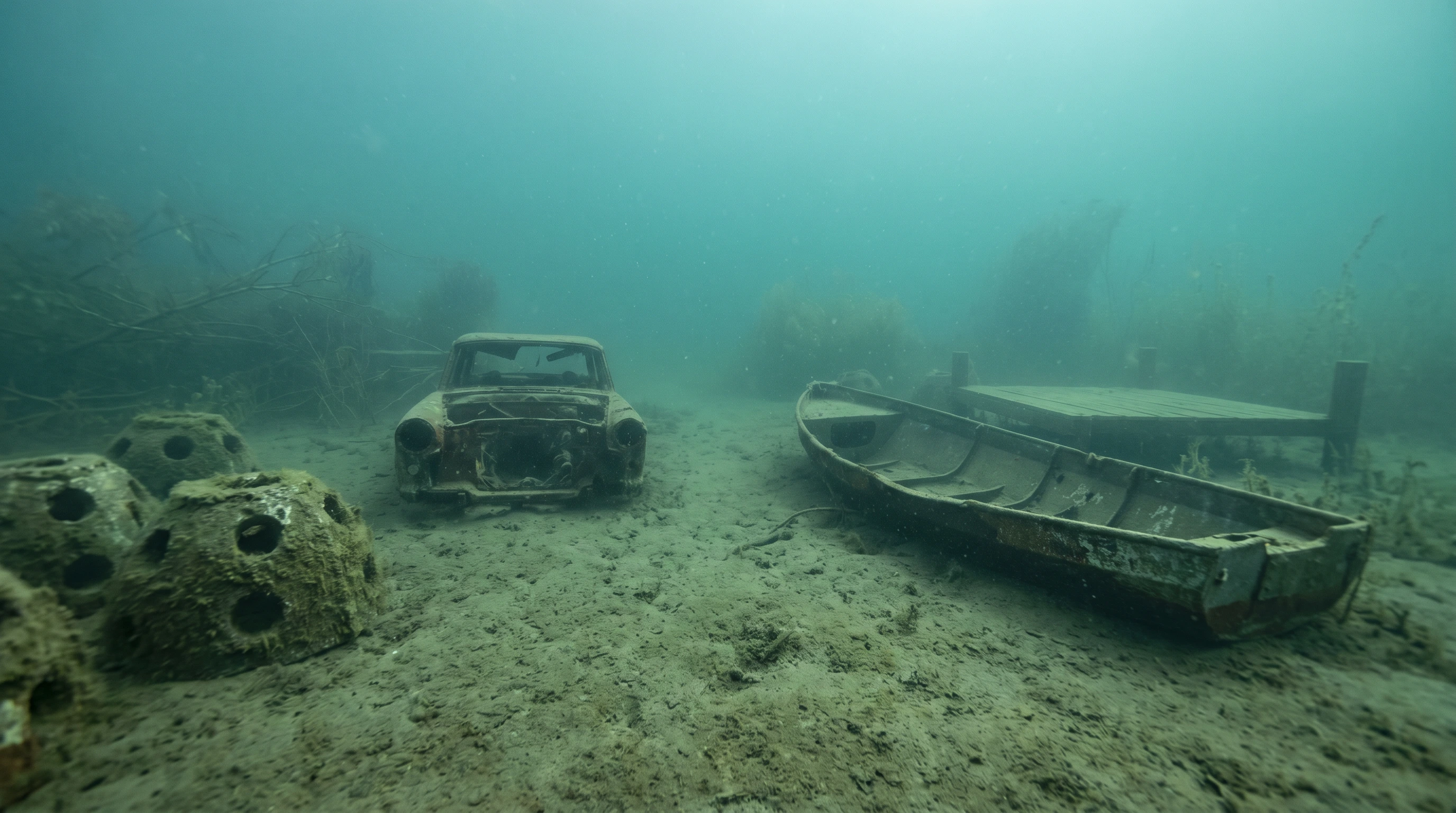
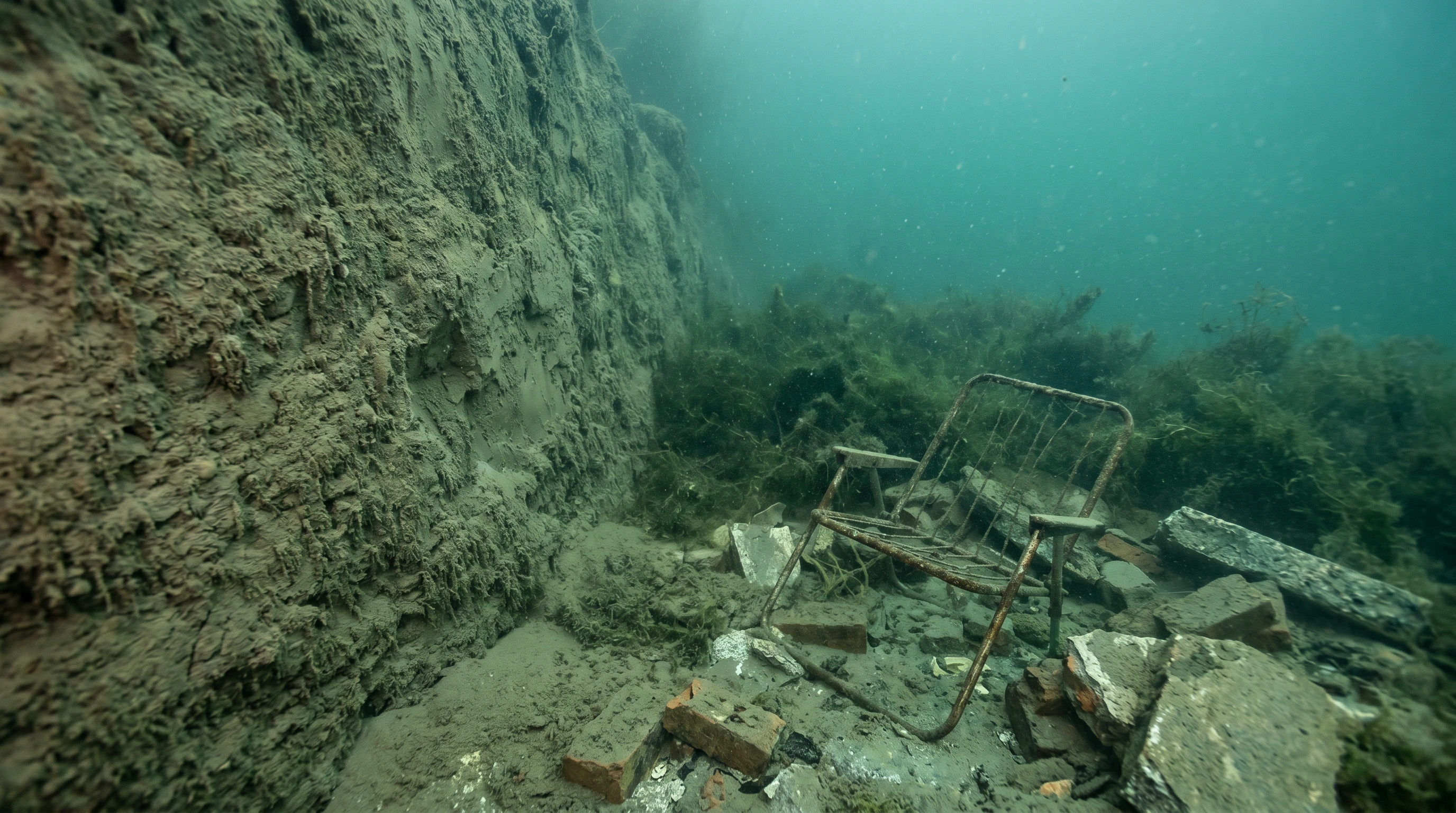
Oosterduinse meer is a landlocked freshwater lake in the Grevelingen area of the Netherlands, featuring an artificial reef structure. This site is suitable for beginners, offering depths ranging from surface level to 13 metres. Divers can expect visibility between 3 and 10 metres, with conditions generally calm and predictable. The water temperature fluctuates between 7C and 20C throughout the year. The habitat supports various temperate freshwater fish and invertebrates typical of the region. Shore access is available, and parking is provided on site. Divers should remain alert for surge and swell when entering or exiting, and maintain a safe distance from walls to avoid impact from water movement.
52.27945, 4.50290
Parking is available on site, so arriving by car is straightforward. Water temperatures drop sharply in winter, so bring at least a 7mm wetsuit or drysuit between November and March.
Access info coming soon
No known hazards
Expected in this region. No sightings logged here yet.
Depth
Up to 13m
Visibility
3-10m
Skill Level
Beginner
Entry
Shore
Water Temp
7-20°C
Current
None
Typical Dive
40 min
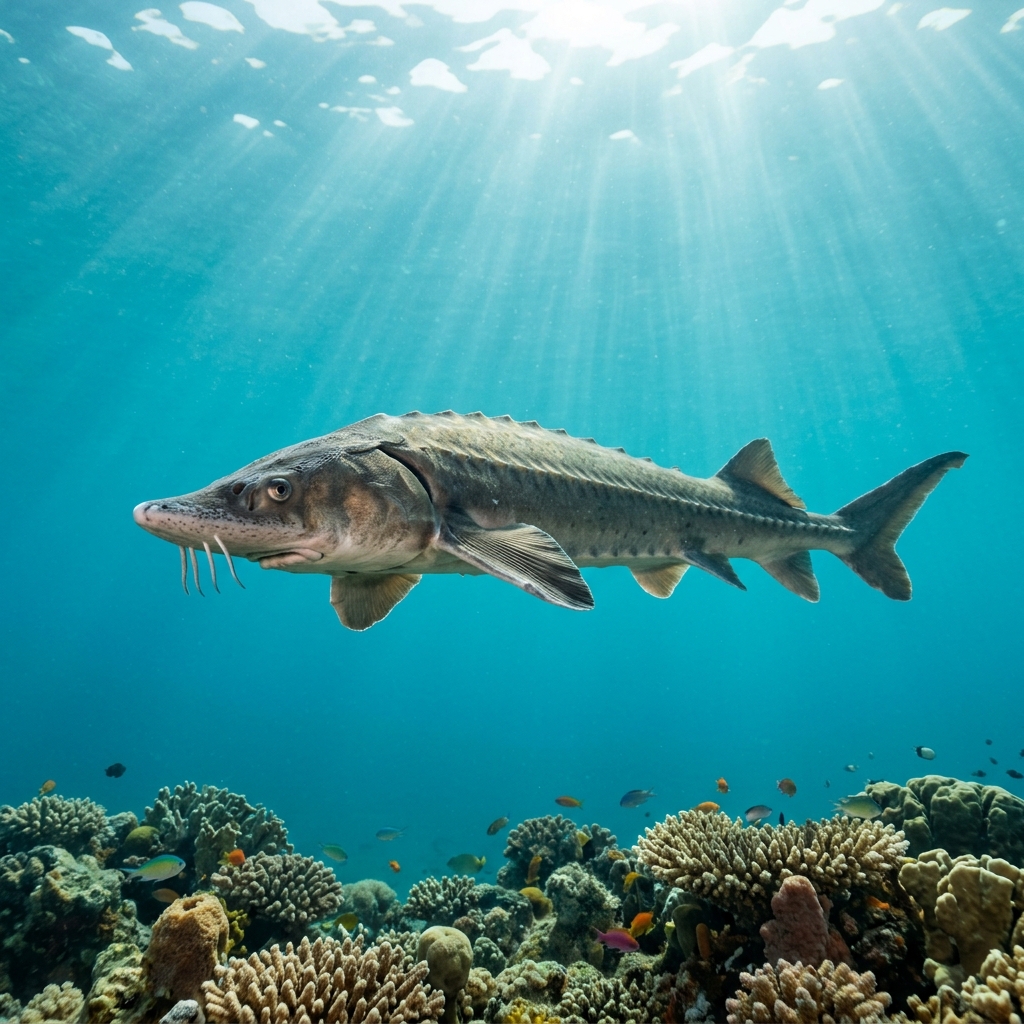
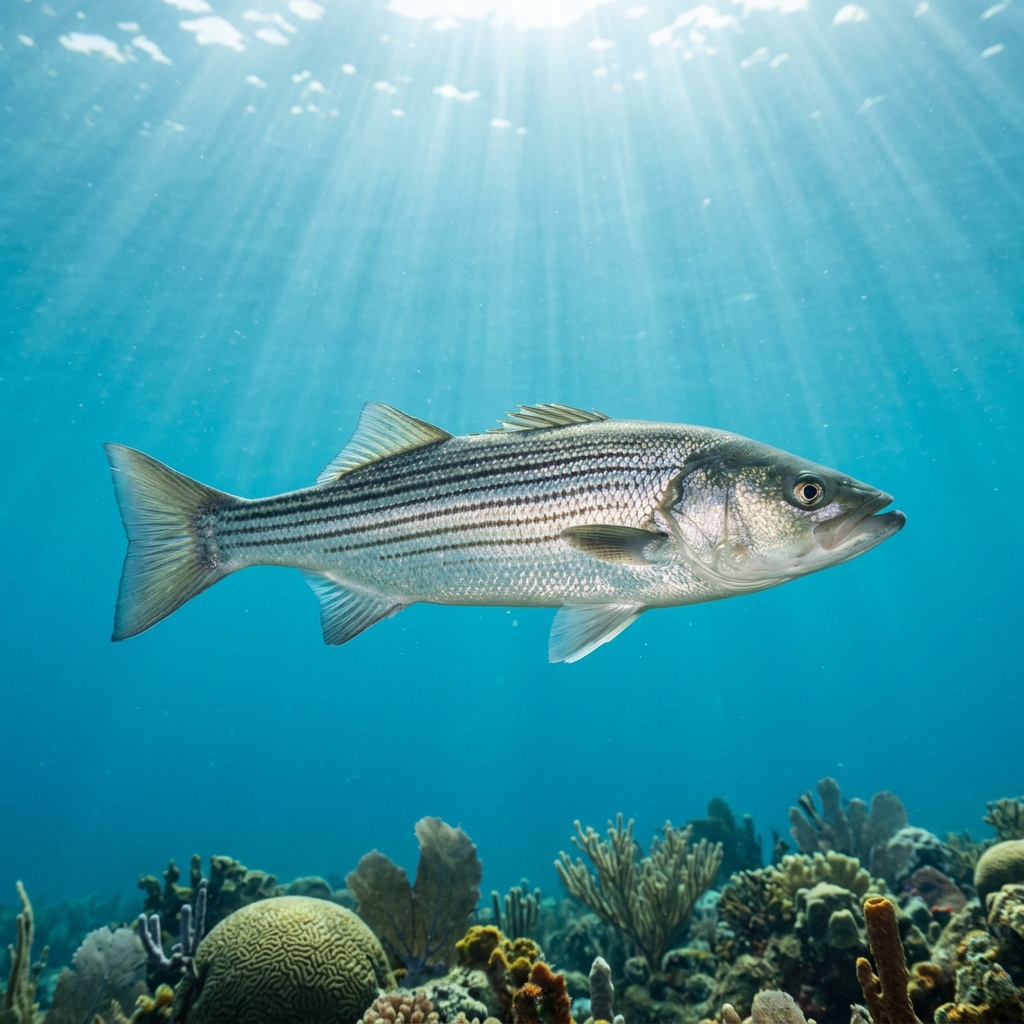
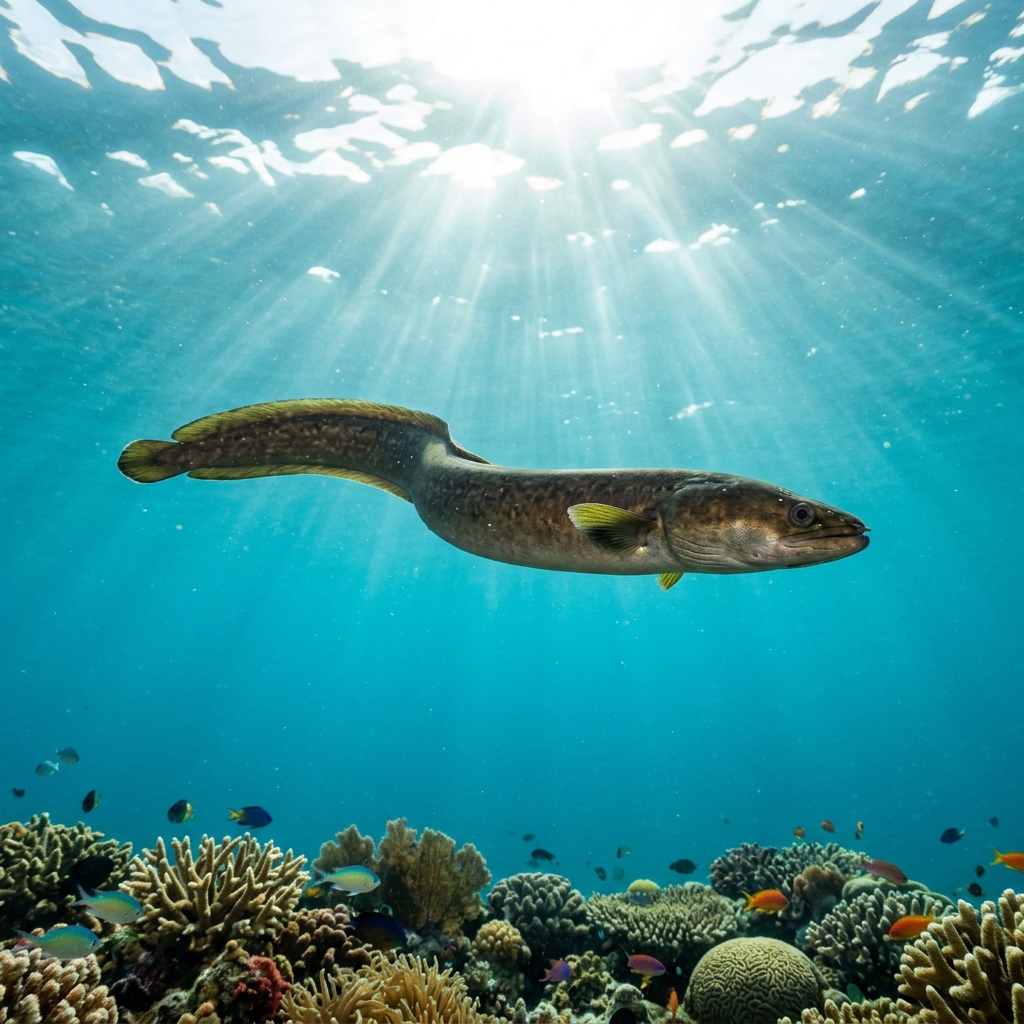
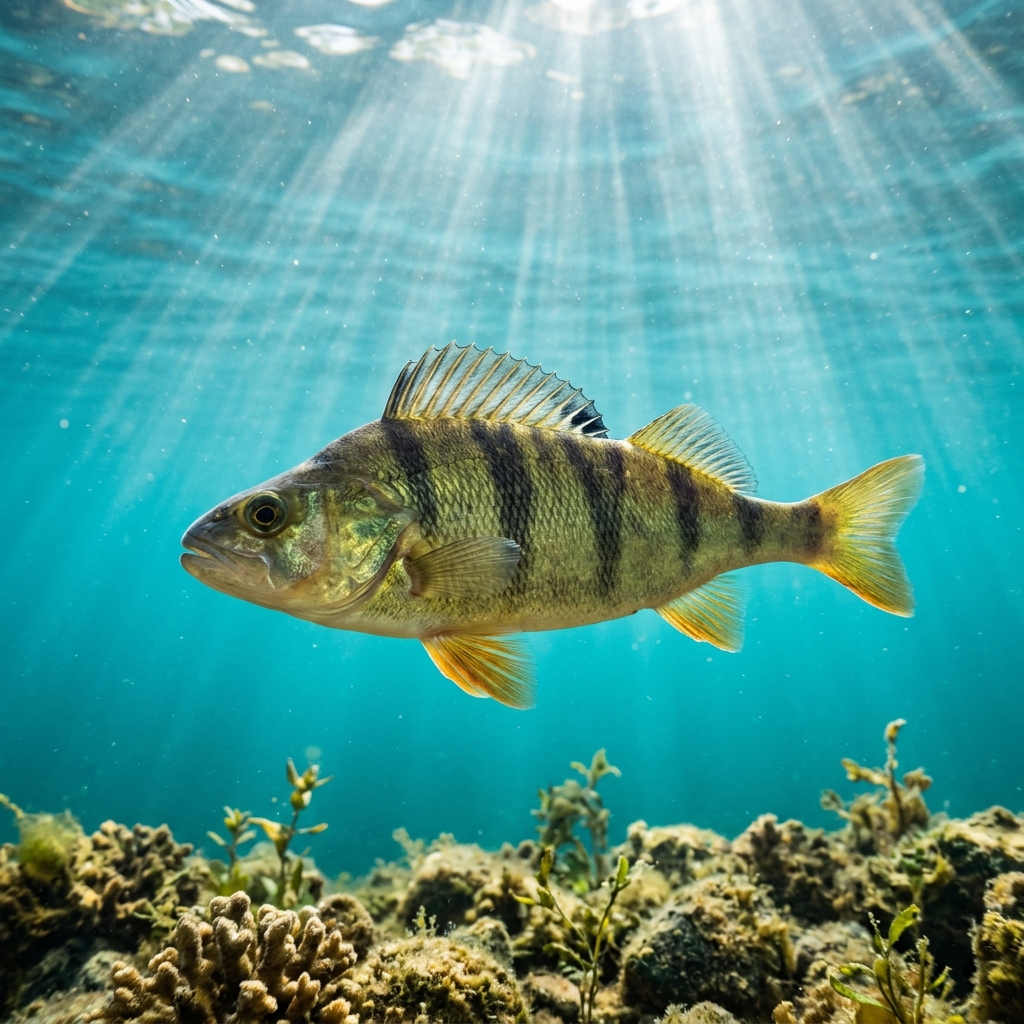
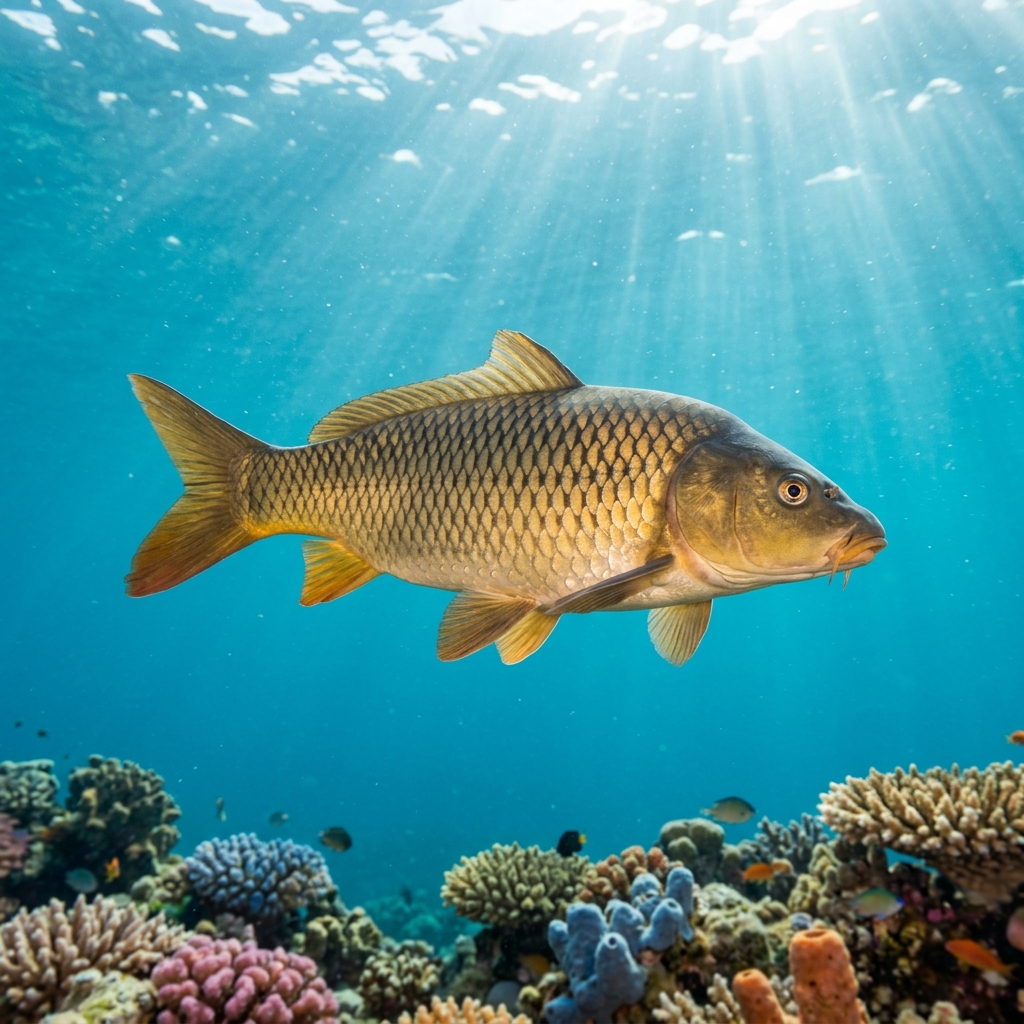
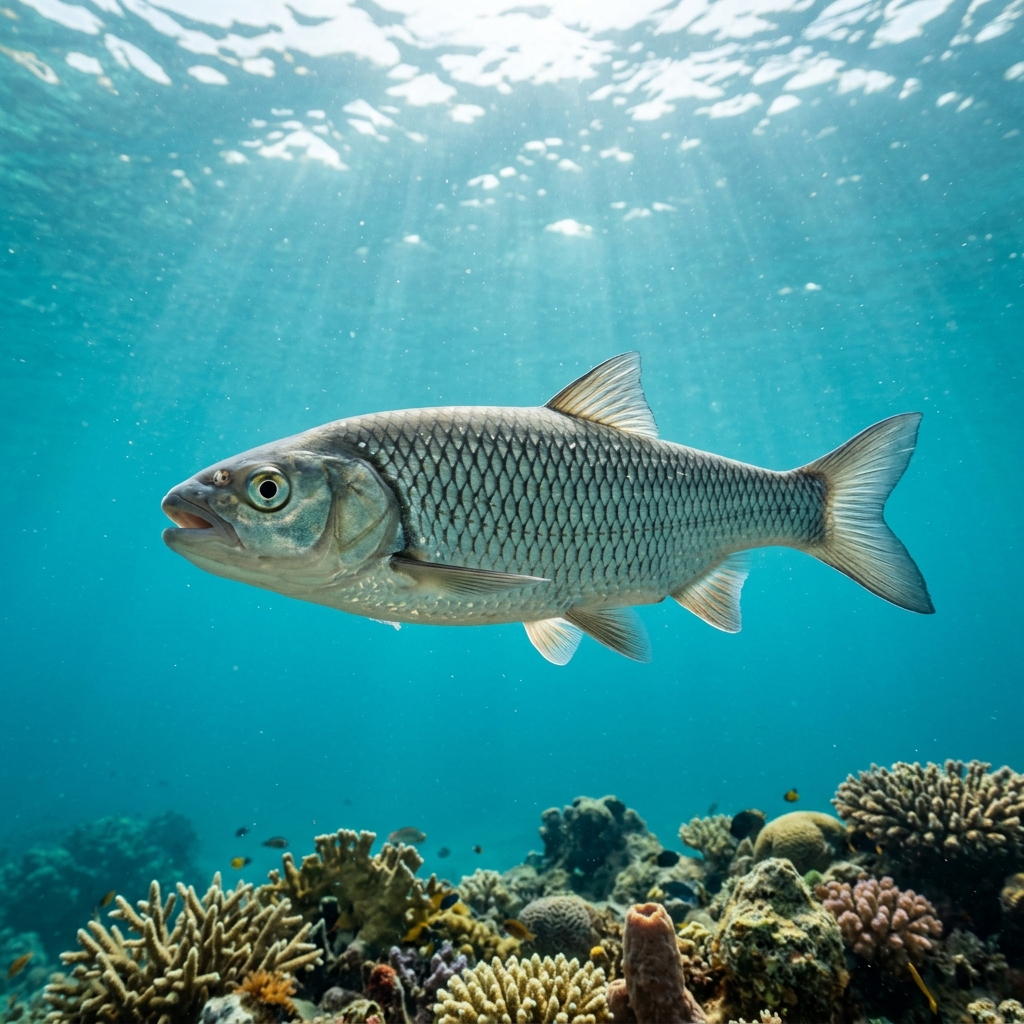
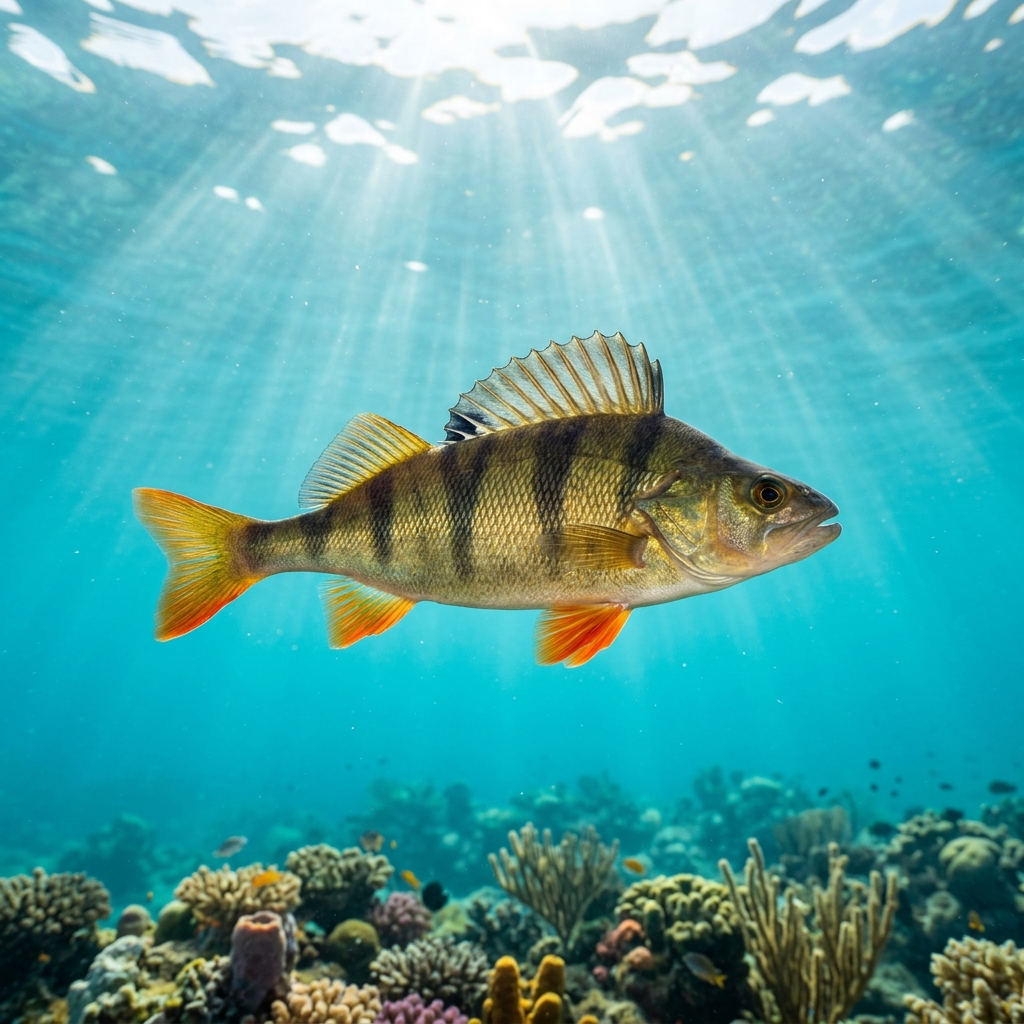
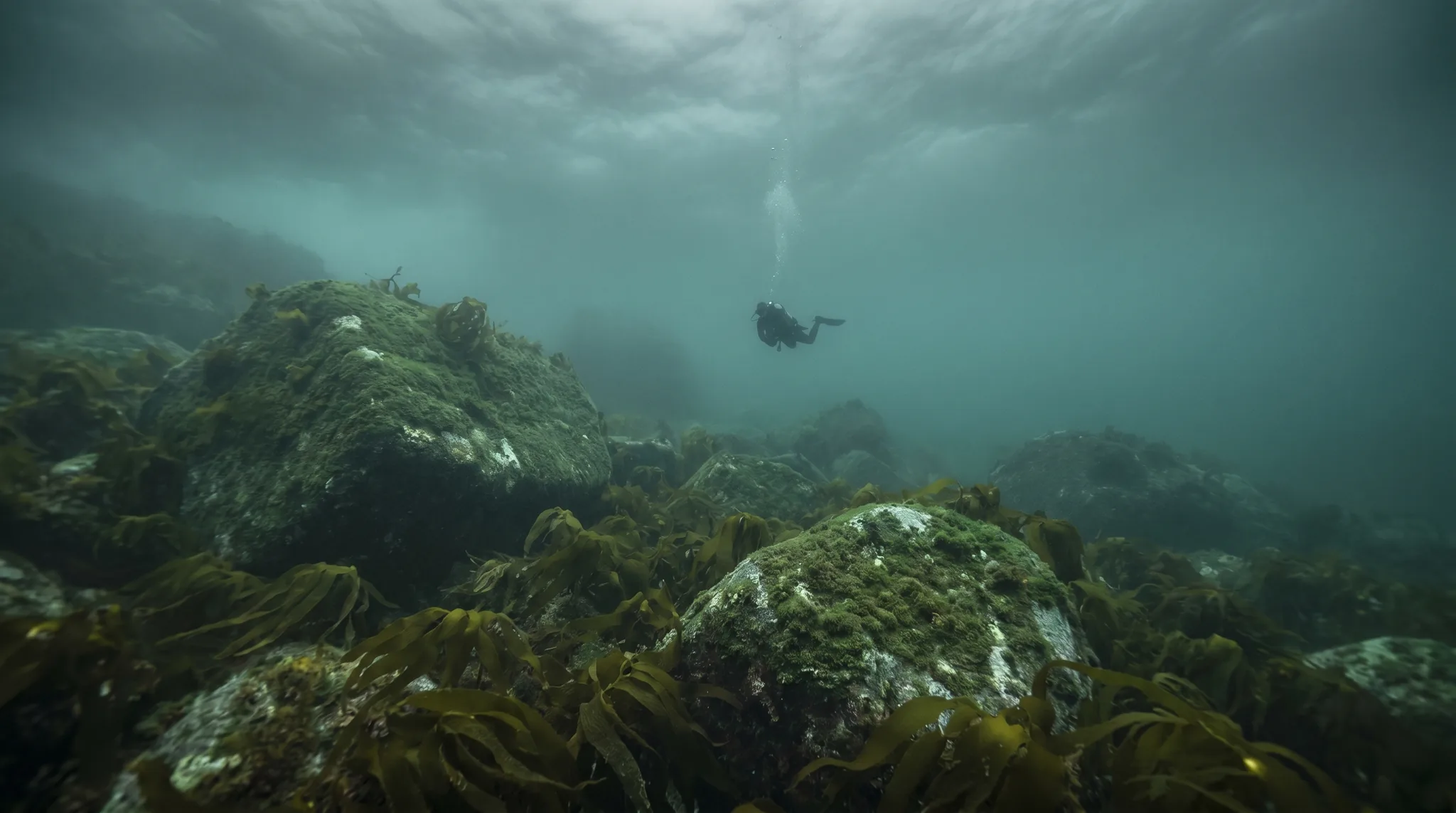
The site supports a variety of temperate freshwater fish and invertebrates, including species such as sturgeon, European eel, pike, perch, and freshwater shrimp.
Yes, Oosterduinse meer is considered a suitable training ground for beginner divers due to its calm, landlocked nature and predictable conditions.
The depth at Oosterduinse meer ranges from the surface down to a maximum of 13 metres.
Yes, Oosterduinse meer offers shore access for divers, with parking available directly on site.
Water temperatures range from 7C to 20C. Between November and March, when temperatures drop, a 7mm wetsuit or a drysuit is recommended.
Diving at Oosterduinse meer in Oosterduinse meer requires the following certifications: Open Water. Always dive within your training limits.
Visibility at Oosterduinse meer in Oosterduinse meer typically ranges from 3 metres to 10 metres. Conditions vary with weather, tides, and seasons.