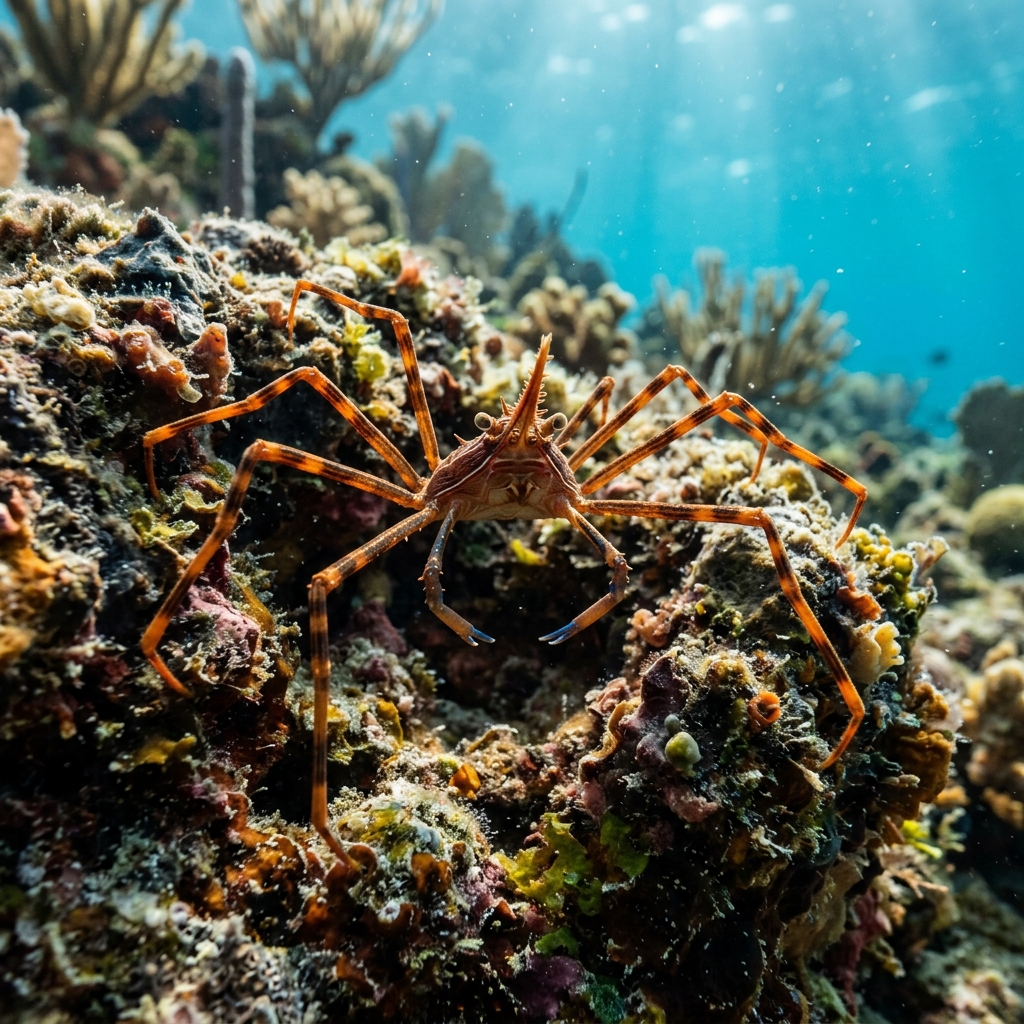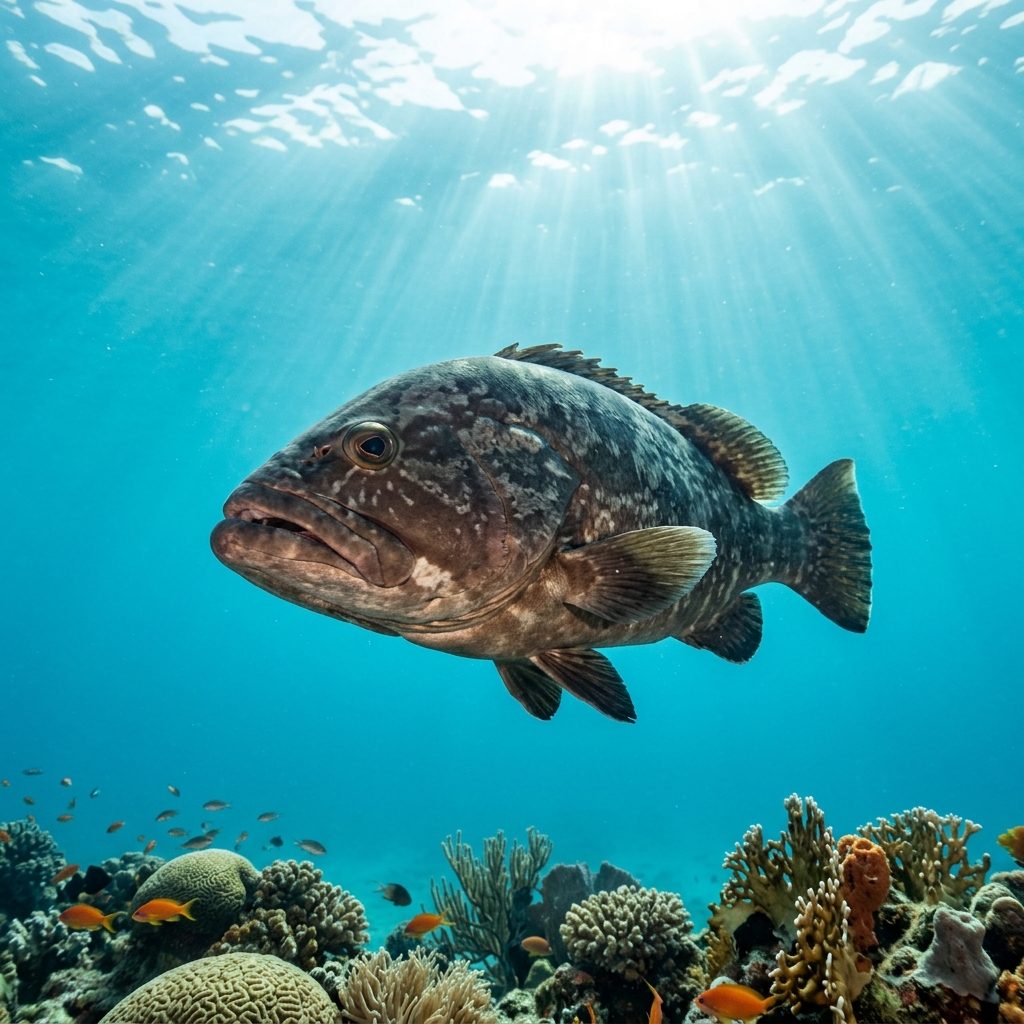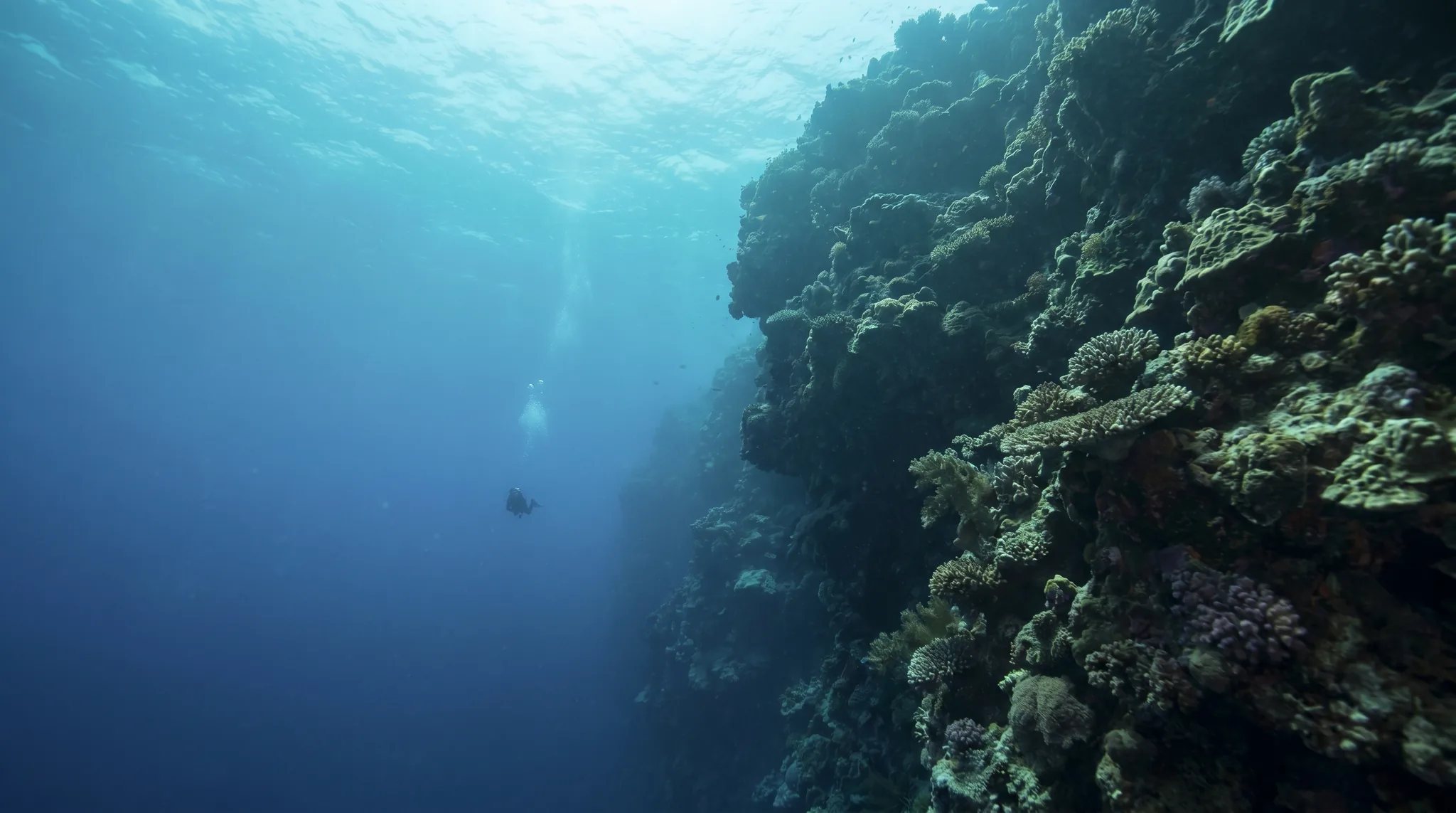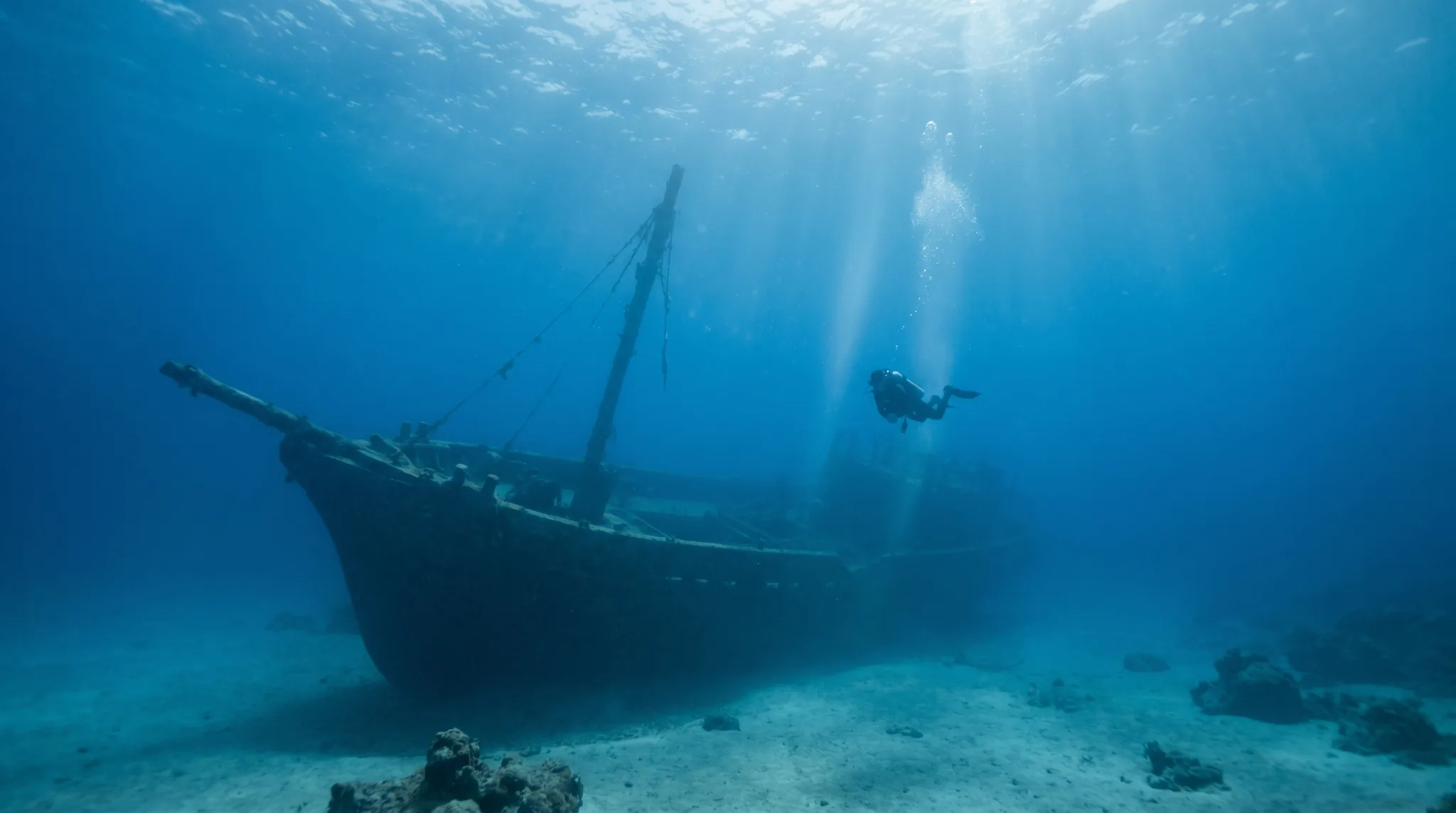
Best for advanced divers, 20-30m, boat entry, moderate current.
The C-56 Juan Escutia is a WWII-era US Navy gunship scuttled in 2000 to serve as an artificial reef. Located 8000 metres offshore from Puerto Morelos, this wreck sits at depths between 20 and 30 metres, with an average depth of 25 metres. The site is strictly for advanced divers due to the depth and moderate currents. Access is by boat only, with dives typically lasting 30 minutes. Visibility ranges from 15 to 30 metres. The vessel is encrusted with coral growth, providing a complex structure for exploration. Divers should be prepared for deep water and strong currents during their visit.
20.85353, -86.83752
The wreck is best suited for Advanced divers, Level 2 or equivalent.
The site is located about 8 km offshore between Cancun and Playa del Carmen.
Recorded at this site
Depth
20-30m
Visibility
15-30m
Skill Level
Advanced
Entry
Boat
Boat required
Water Temp
27-29°C
Current
Moderate
Typical Dive
30 min
Best Time
Mar, Dec
No, this site is intended for advanced divers due to the depth and the presence of moderate currents.
The wreck lies at depths between 20 and 30 metres, with an average depth of 25 metres.
This is a boat dive located 8000 metres from the shore.
The best months to visit this site are March and December.
The primary hazards include the deep nature of the dive and the potential for strong currents.
Diving at C-56 Juan Escutia in Puerto Morelos requires the following certifications: Advanced. Always dive within your training limits.
Yes, equipment rental is available at or near C-56 Juan Escutia in Puerto Morelos. Contact local dive operators for specific gear availability and prices.
A rashguard or 2mm shorty is recommended for diving at C-56 Juan Escutia in Puerto Morelos. Water temperatures range from 27°C to 29°C.
Expect moderate currents at C-56 Juan Escutia in Puerto Morelos. Good buoyancy control and some drift diving experience is helpful.
Visibility at C-56 Juan Escutia in Puerto Morelos typically ranges from 15 metres to 30 metres. Conditions vary with weather, tides, and seasons.