Best for beginner divers, 1-6m, shore entry, mild current.
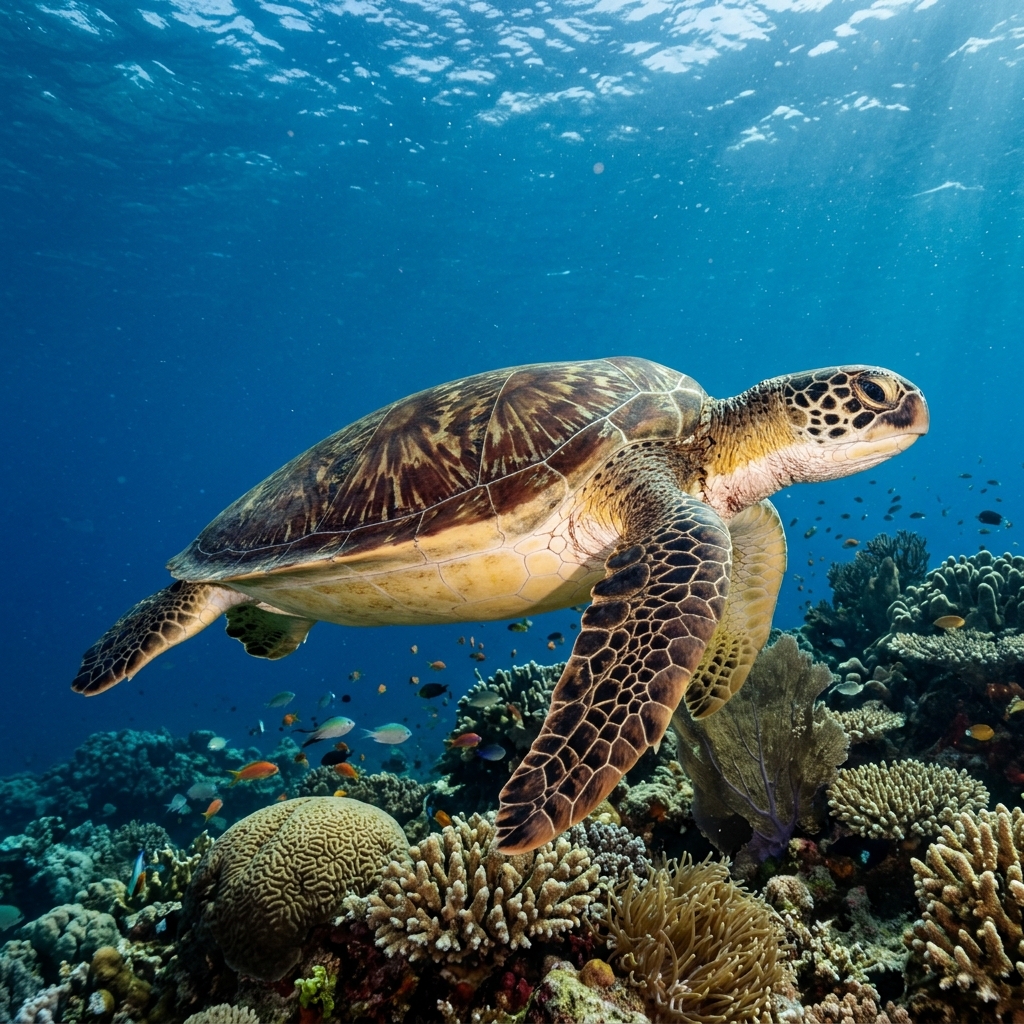
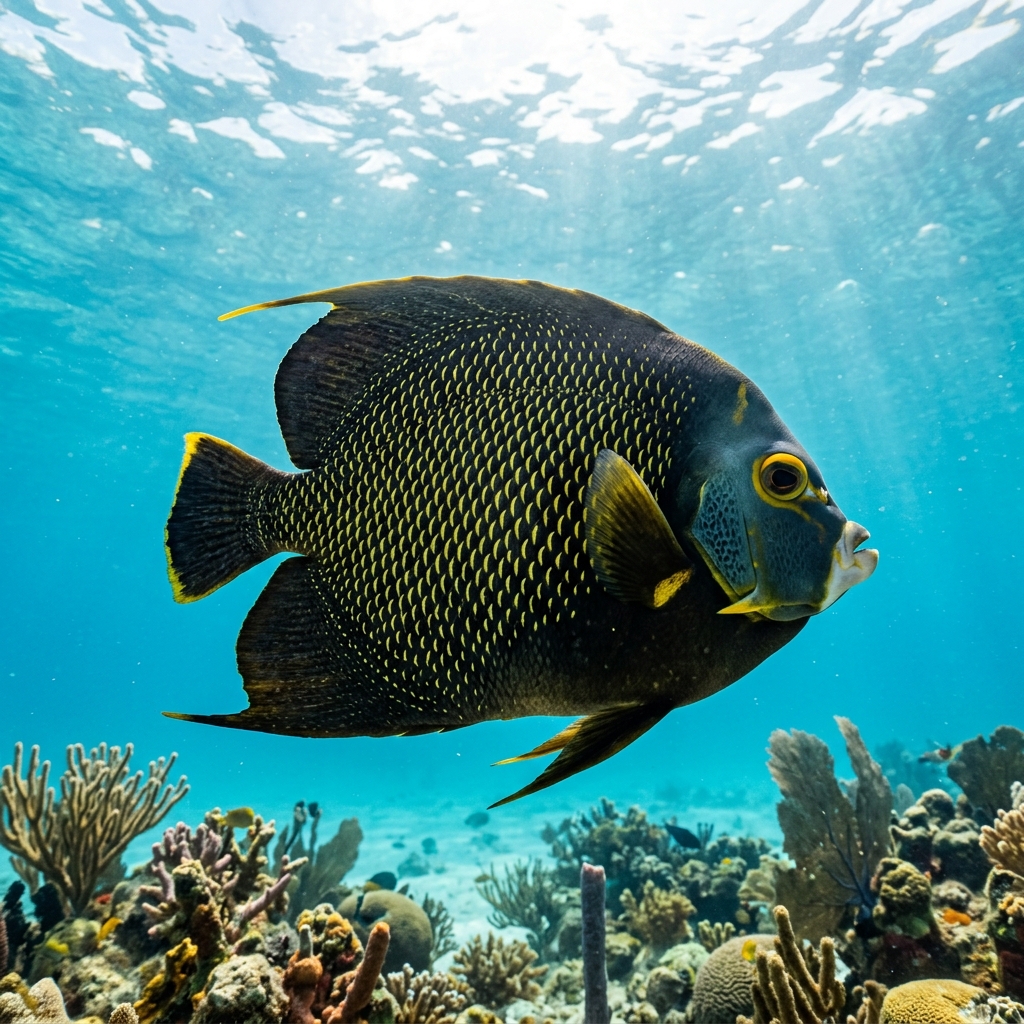
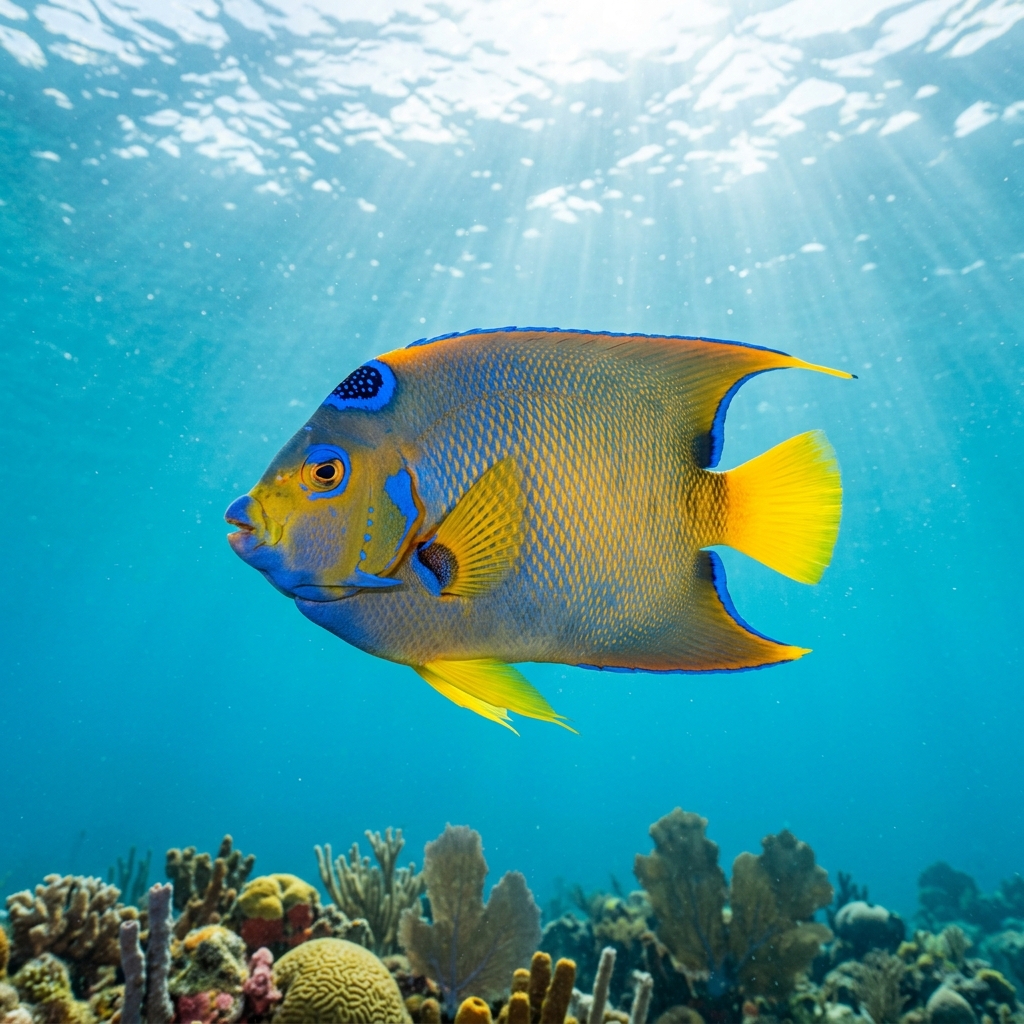
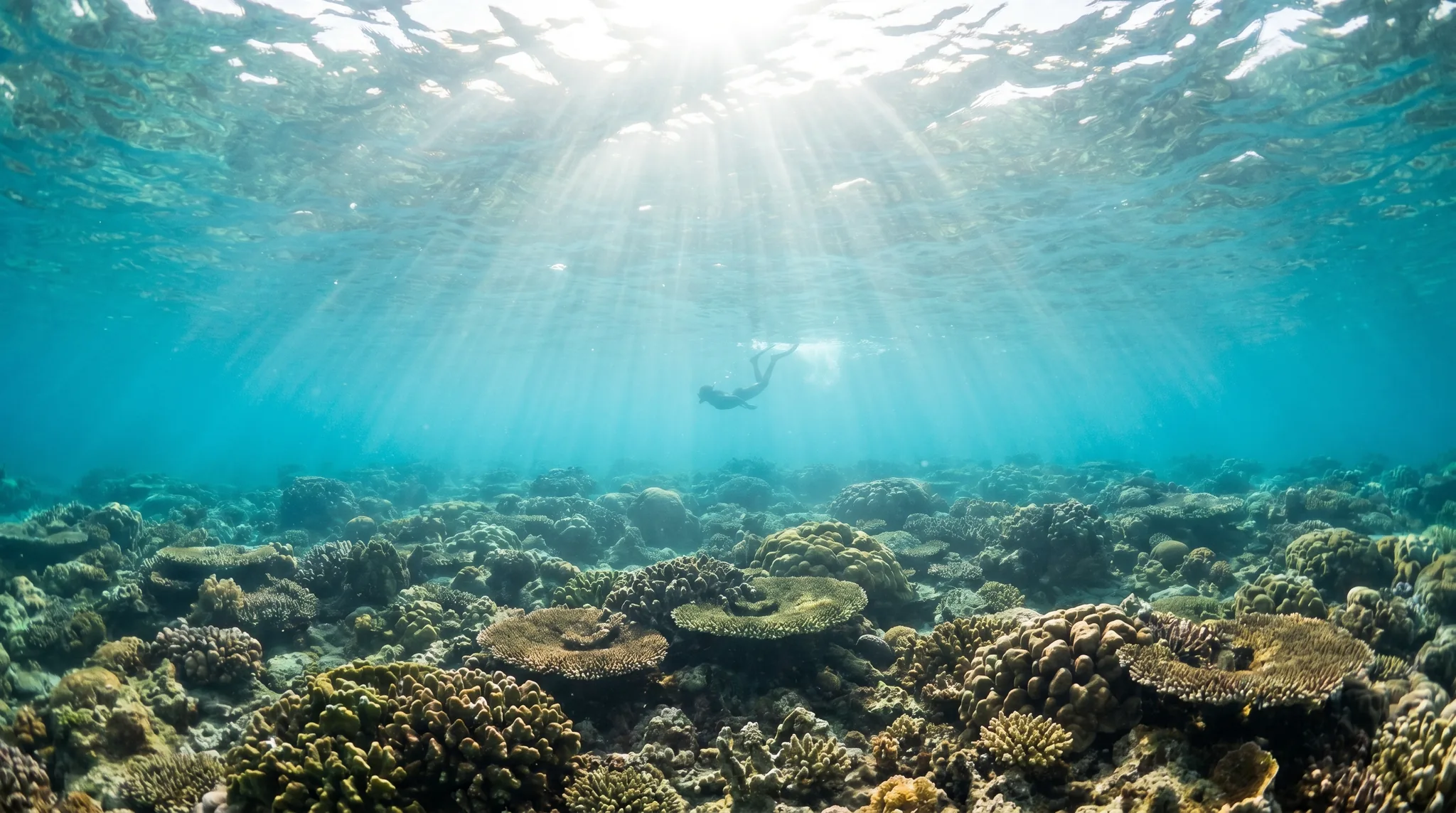
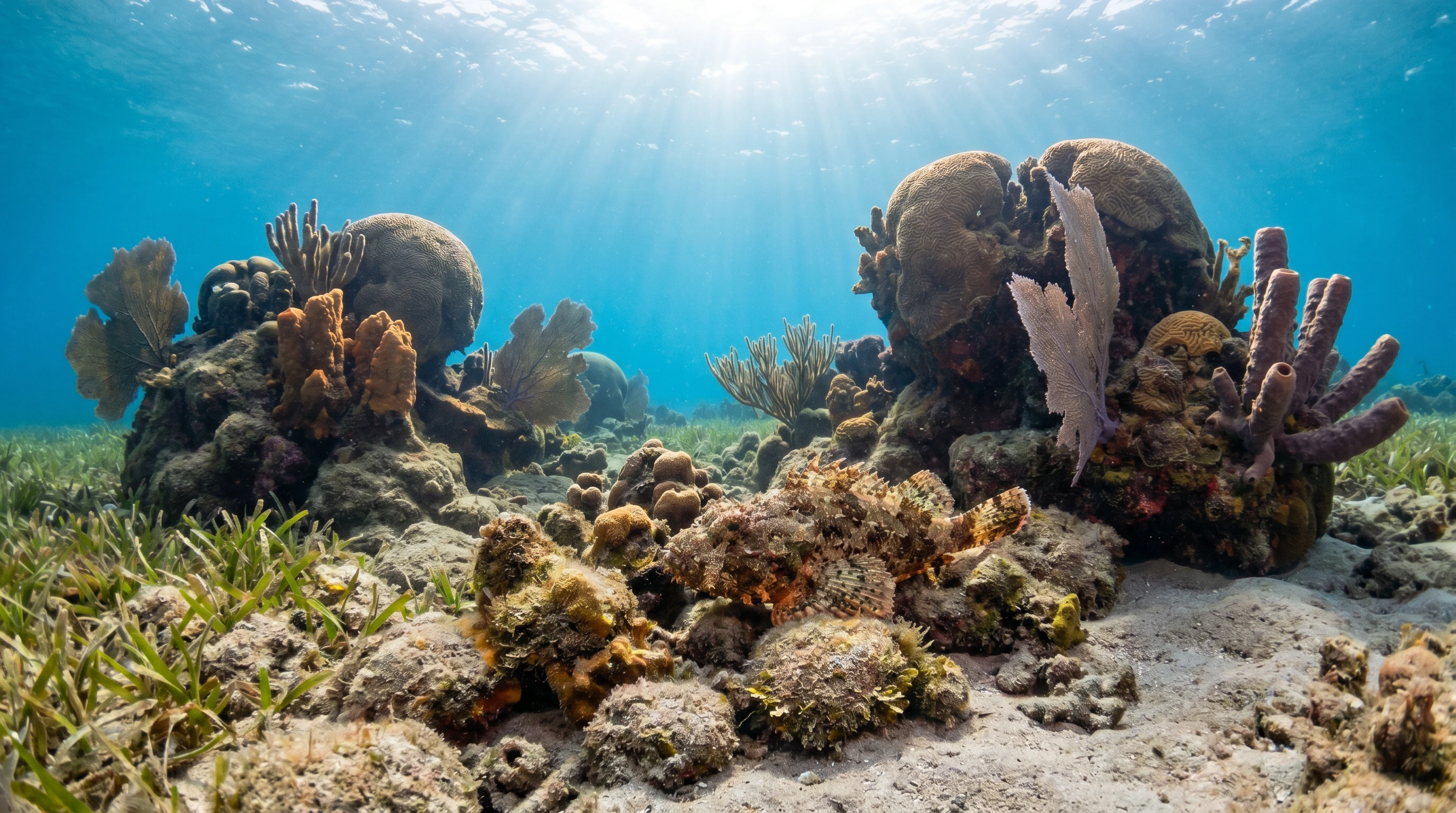
Cap Salomon at Anse d'Arlet offers accessible shore snorkeling across a mix of reef and seagrass habitats. Depths range from 1 to 6 metres with visibility typically between 10 and 25 metres. The site is suitable for beginners, though snorkelers should remain aware of boat traffic, jellyfish, and sharp coral. Marine life is diverse, with very common sightings of French Angelfish, wrasses, and Pacific Trumpetfish. Divers and snorkelers also frequently encounter Spotted Moray, Queen Angelfish, and green sea turtles feeding within the seagrass beds. Facilities at the site include parking and showers, making it a convenient location for those exploring the Martinique coastline.
14.49148, -61.08322
Green sea turtles are frequently seen in the extensive seagrass meadows.
From Fort-de-France, take the A1 to the airport, then the N5 south. Turn right on D7 following signs to Anses d'Arlet. Parking is available in the village near the beach.
Recorded at this site
Depth
Up to 6m
Visibility
10-25m
Skill Level
Beginner
Entry
Shore
Water Temp
27-30°C
Current
Mild
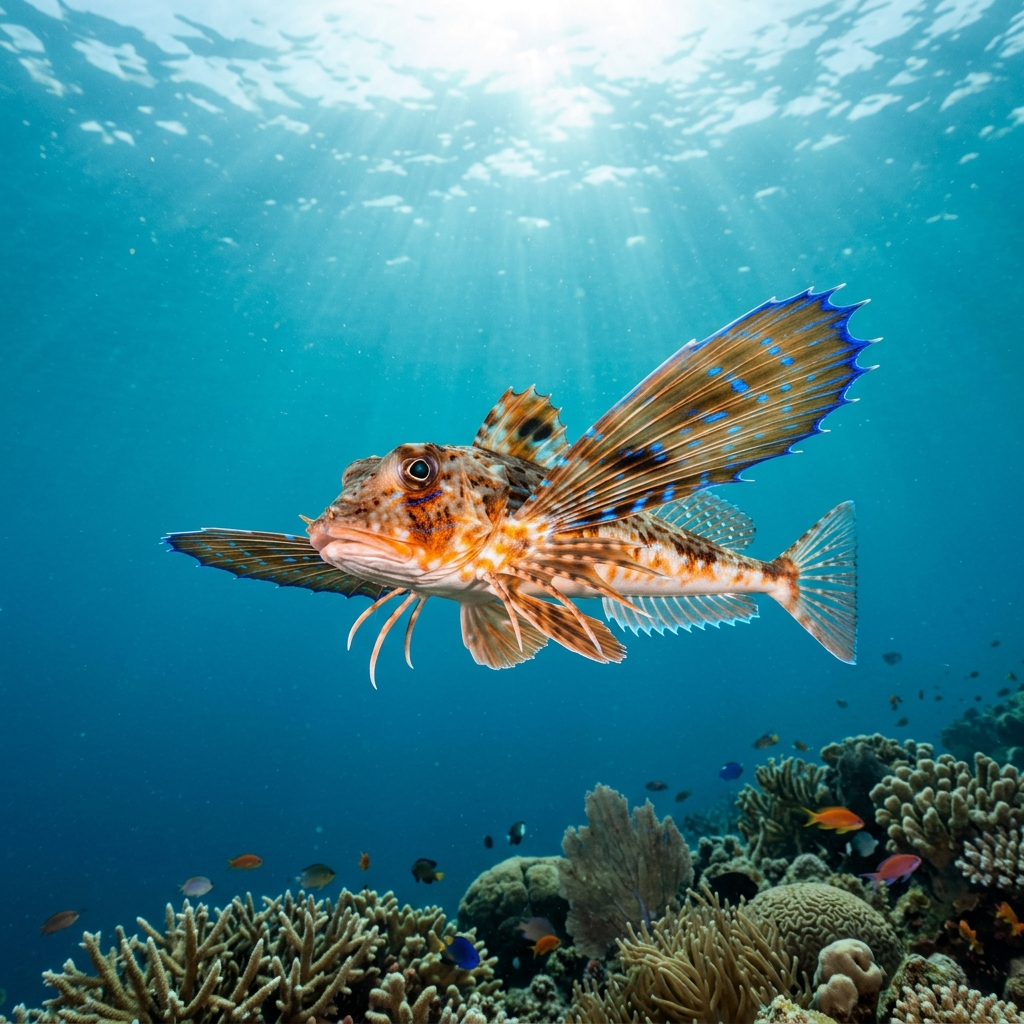
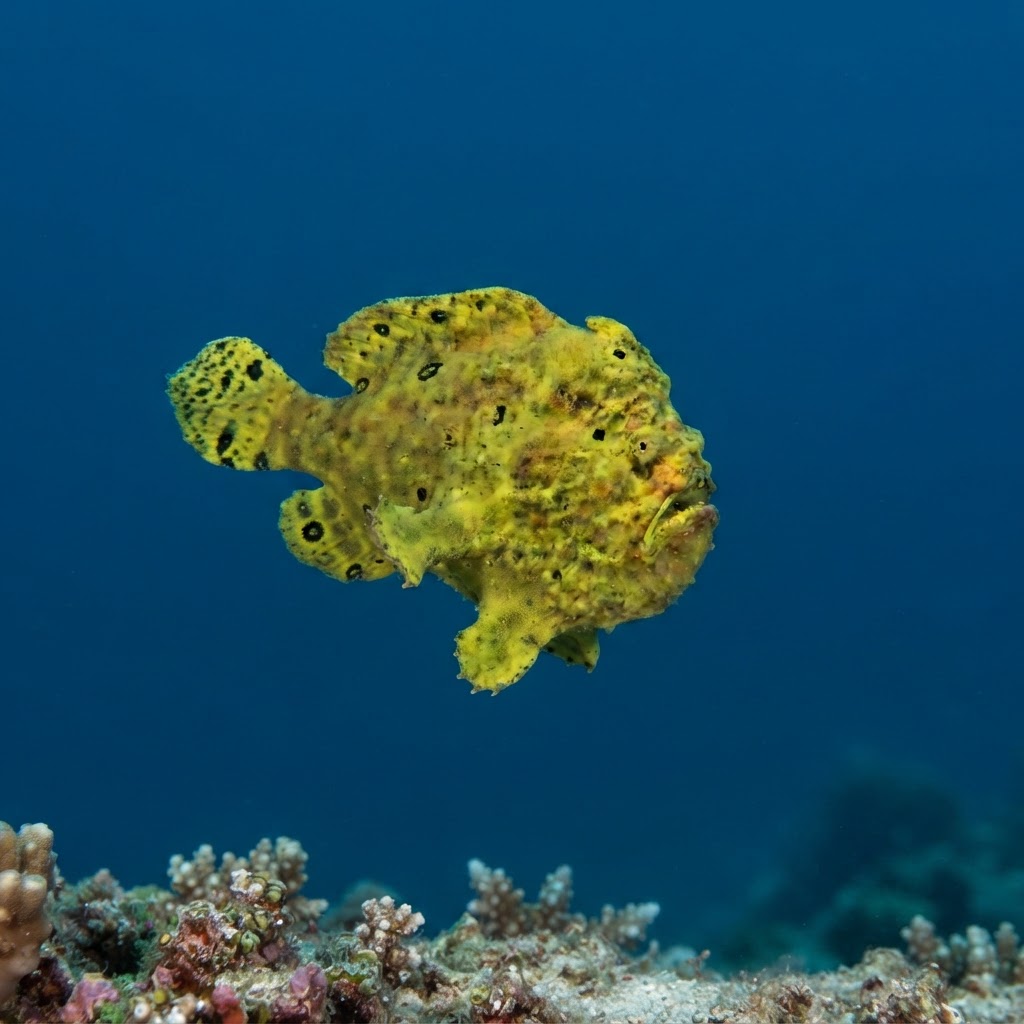
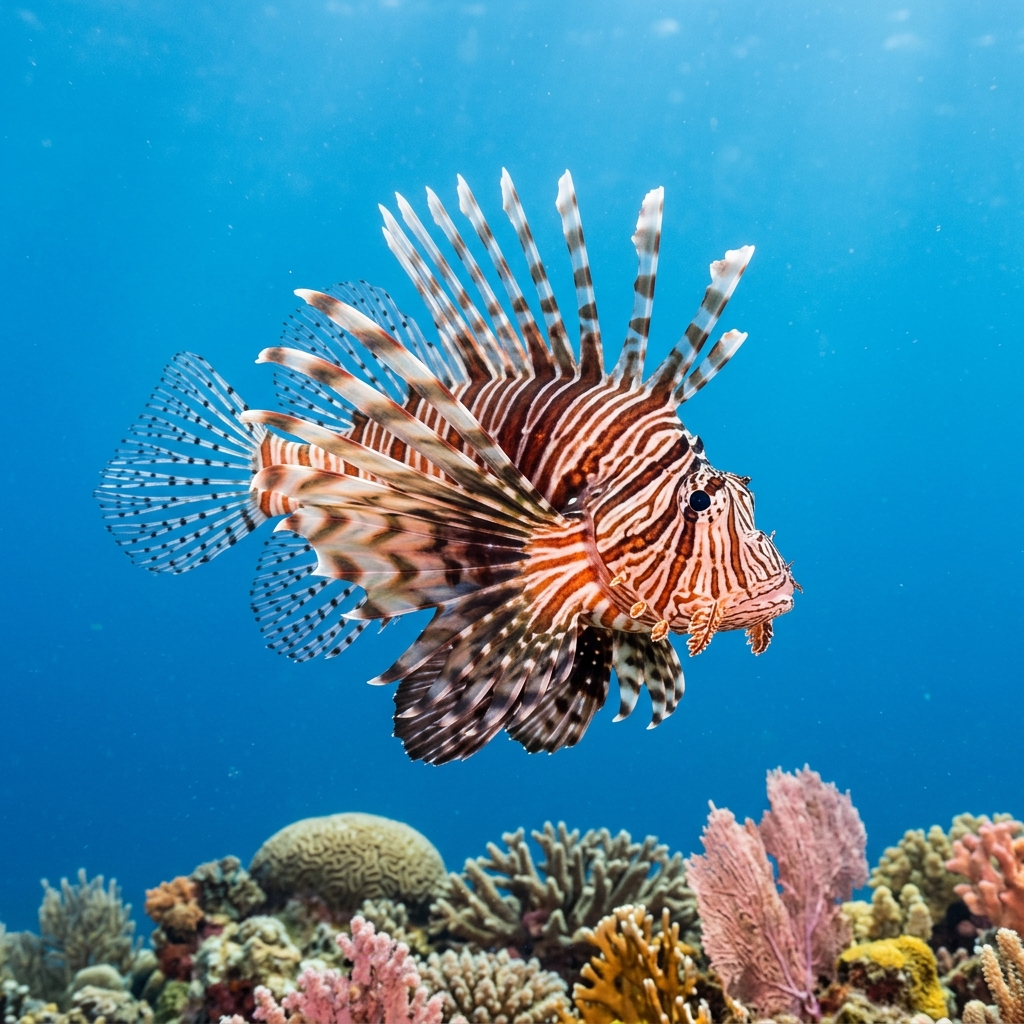
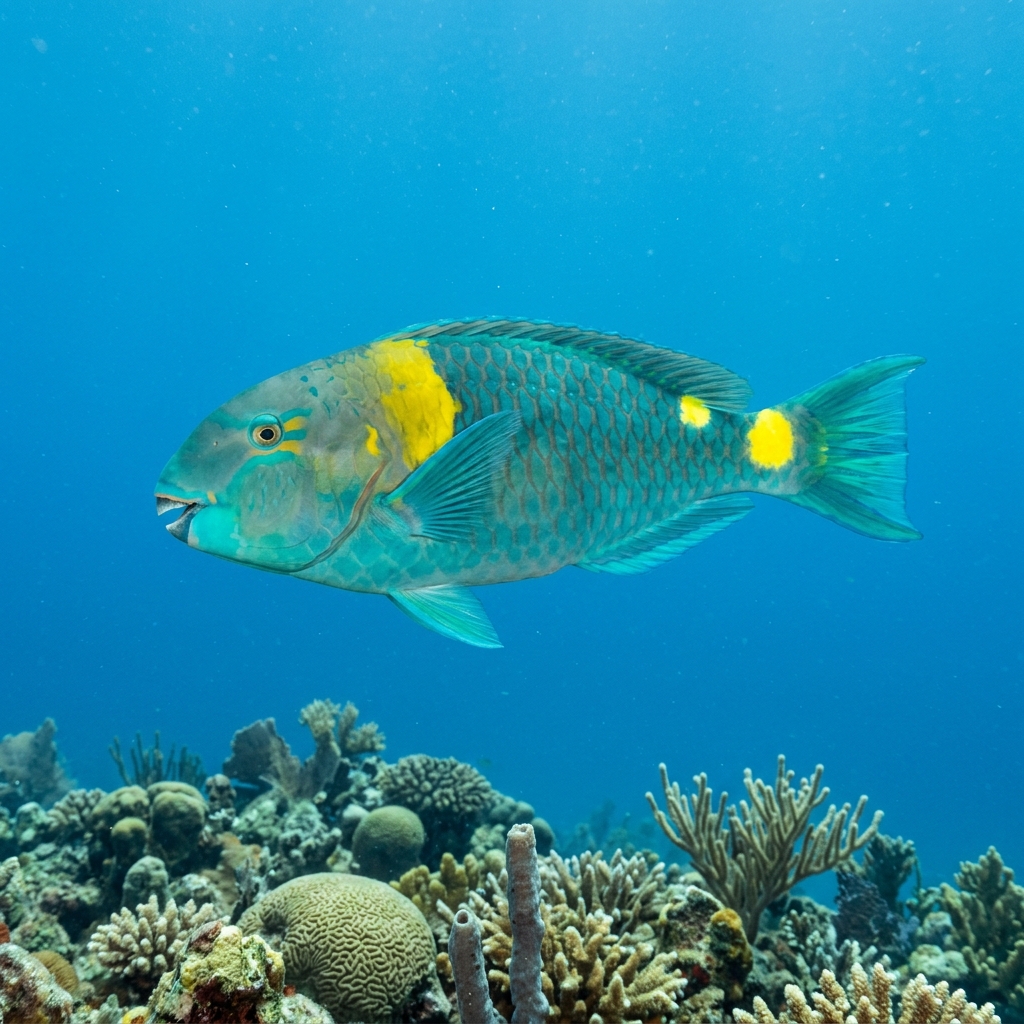
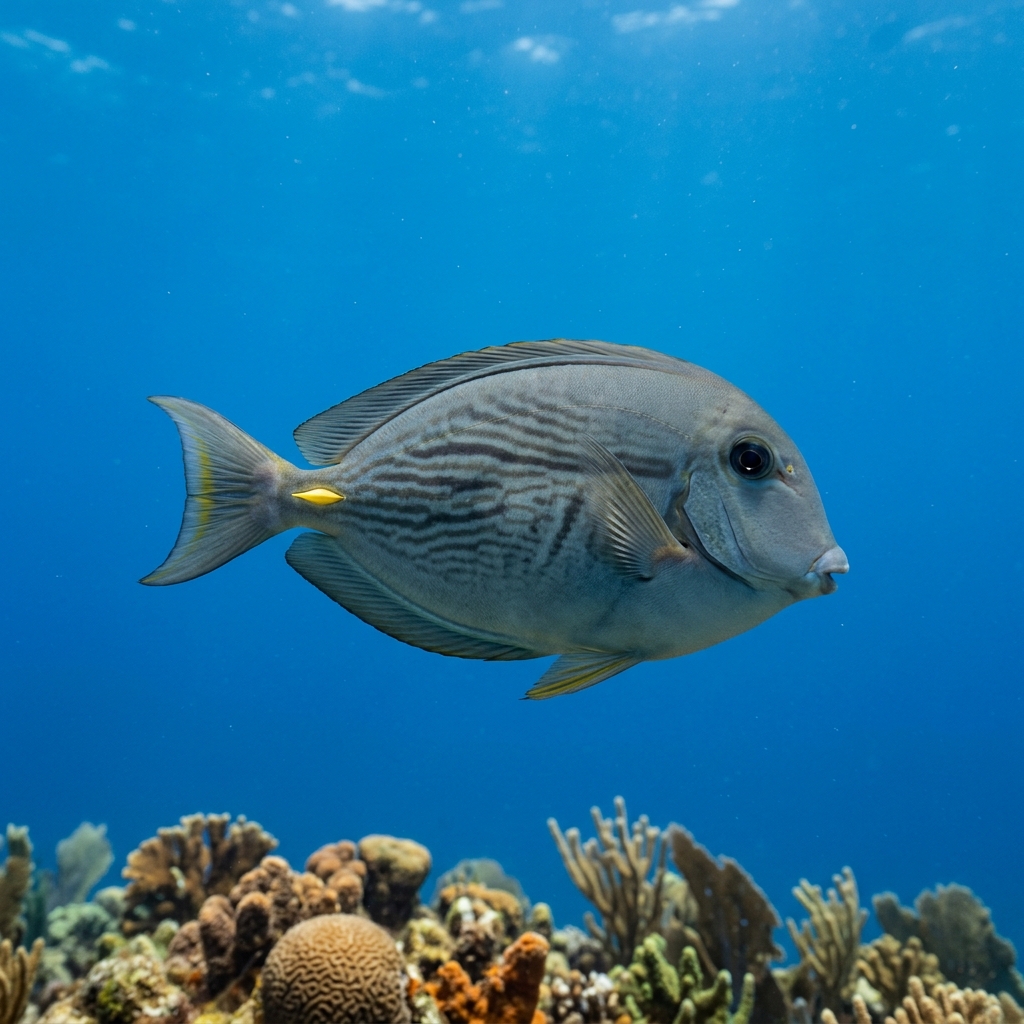
You will frequently see French Angelfish, wrasses, and Pacific Trumpetfish. Other common species include Spotted Moray, Queen Angelfish, Stoplight Parrotfish, Caribbean Ocean Surgeonfish, and groupers, alongside green sea turtles.
Yes, the site is suitable for beginners, with shallow depths between 1 and 6 metres and generally mild currents.
Access is via the shore, with parking and showers available for visitors.
Yes, the site is well-suited for snorkeling, with a rating of 4 out of 5.
Be aware of boat traffic in the area, as well as the presence of jellyfish and sharp coral.
A rashguard or 2mm shorty is recommended for diving at Anse d'Arlet in Les Anses-d'Arlet. Water temperatures range from 27°C to 30°C.
Anse d'Arlet in Les Anses-d'Arlet typically has mild currents that most divers can handle comfortably.
Visibility at Anse d'Arlet in Les Anses-d'Arlet typically ranges from 10 metres to 25 metres. Conditions vary with weather, tides, and seasons.