Best for beginner divers, 5-30m, boat entry, mild current.
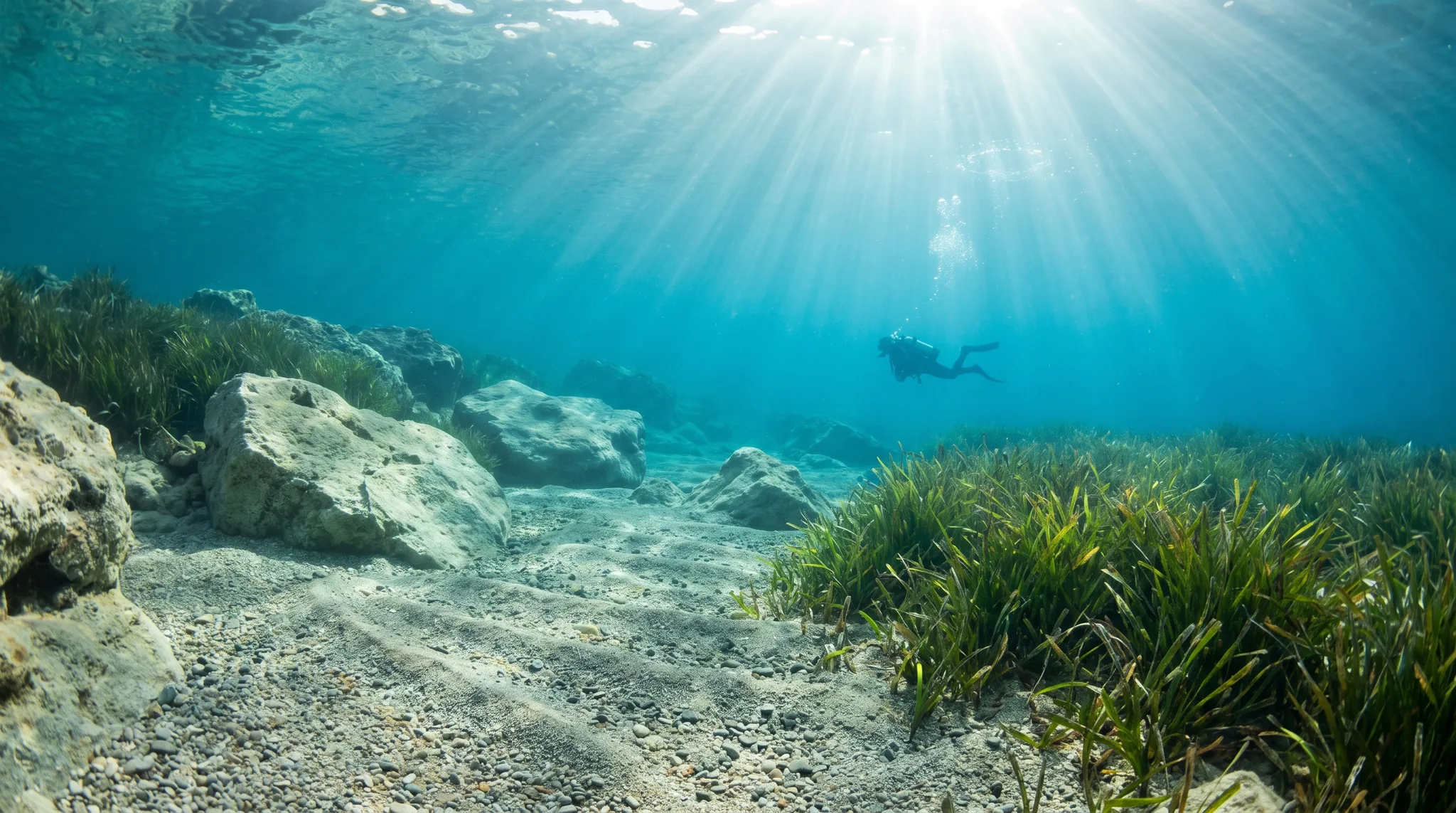
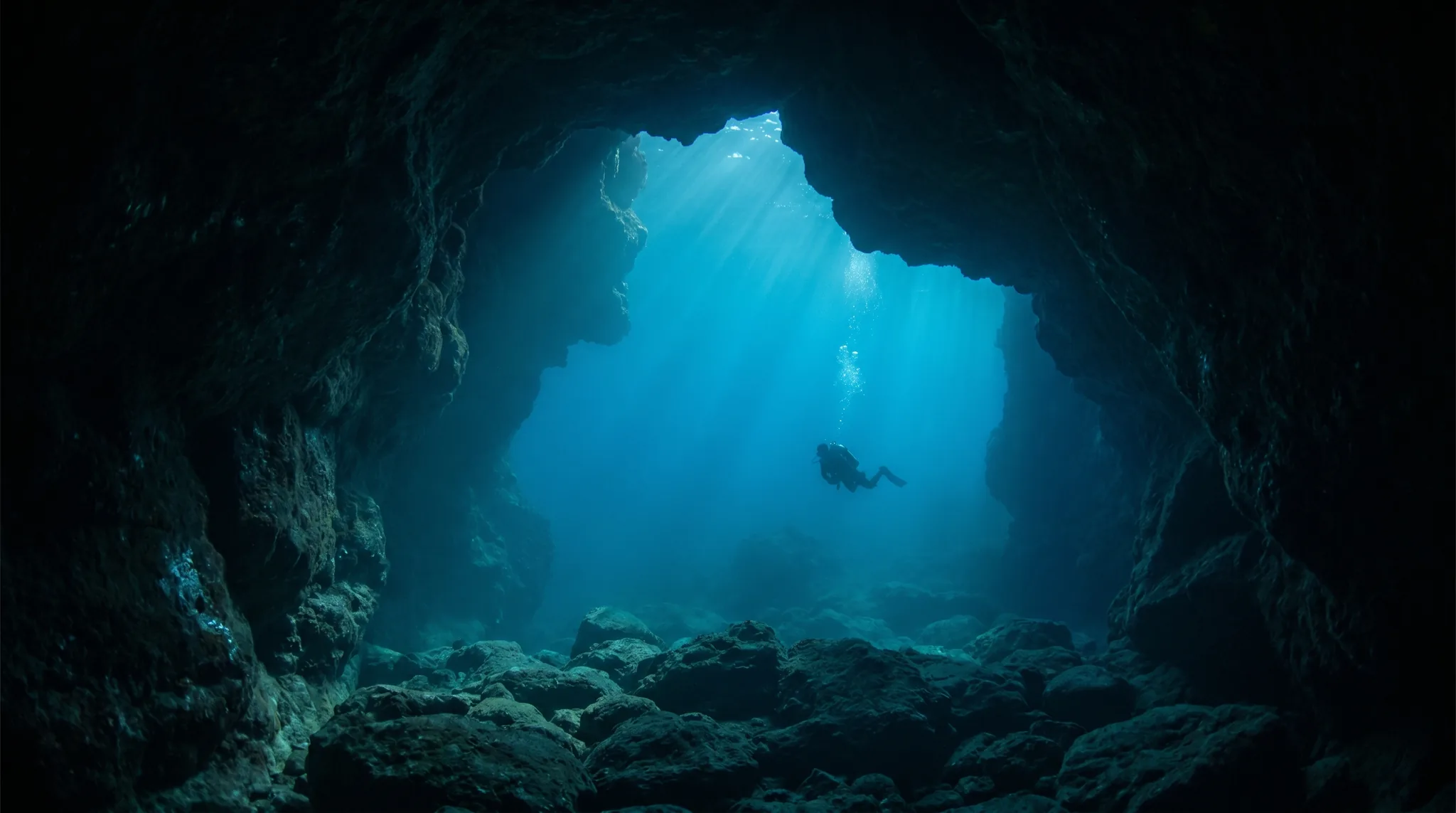
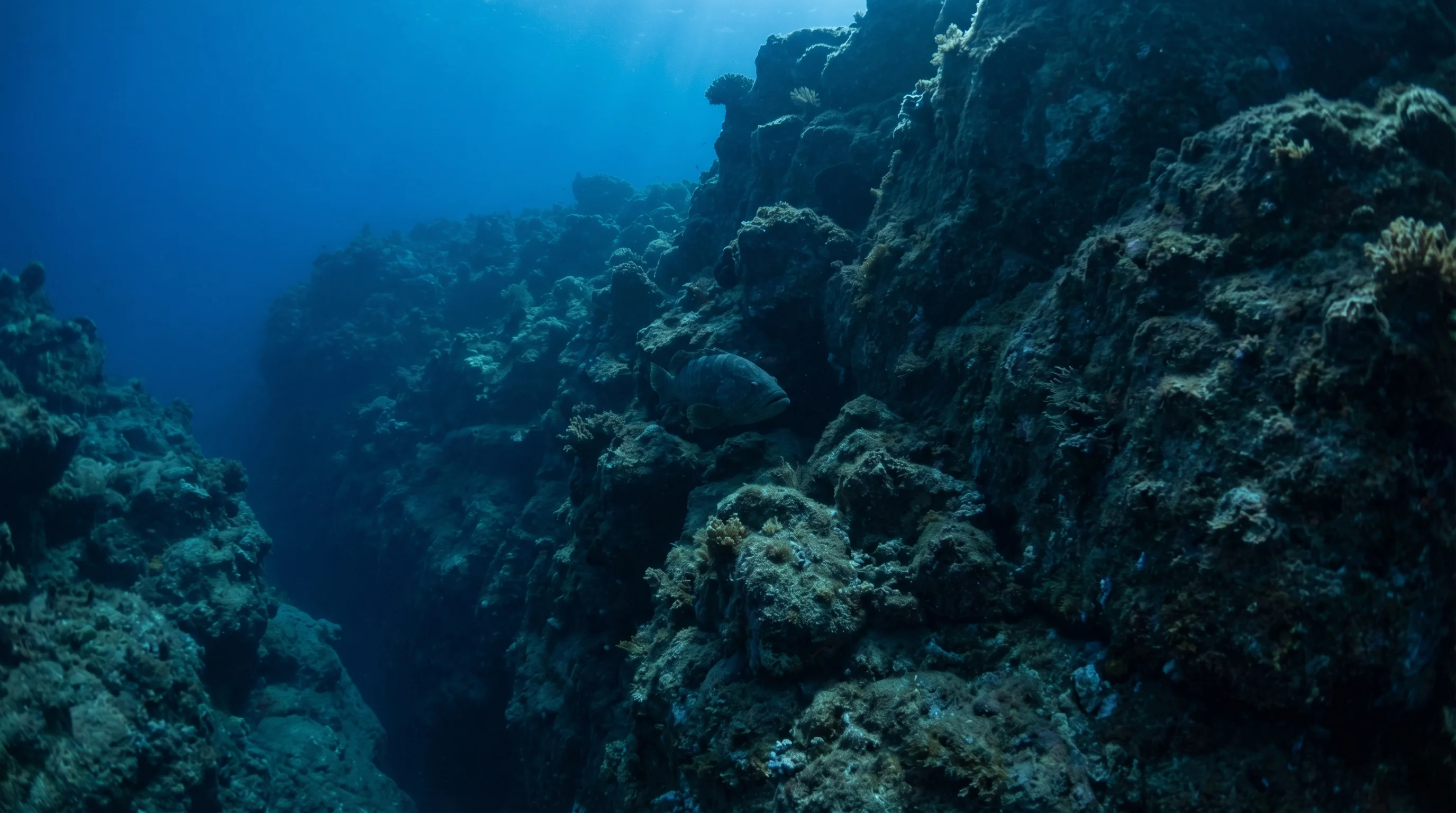
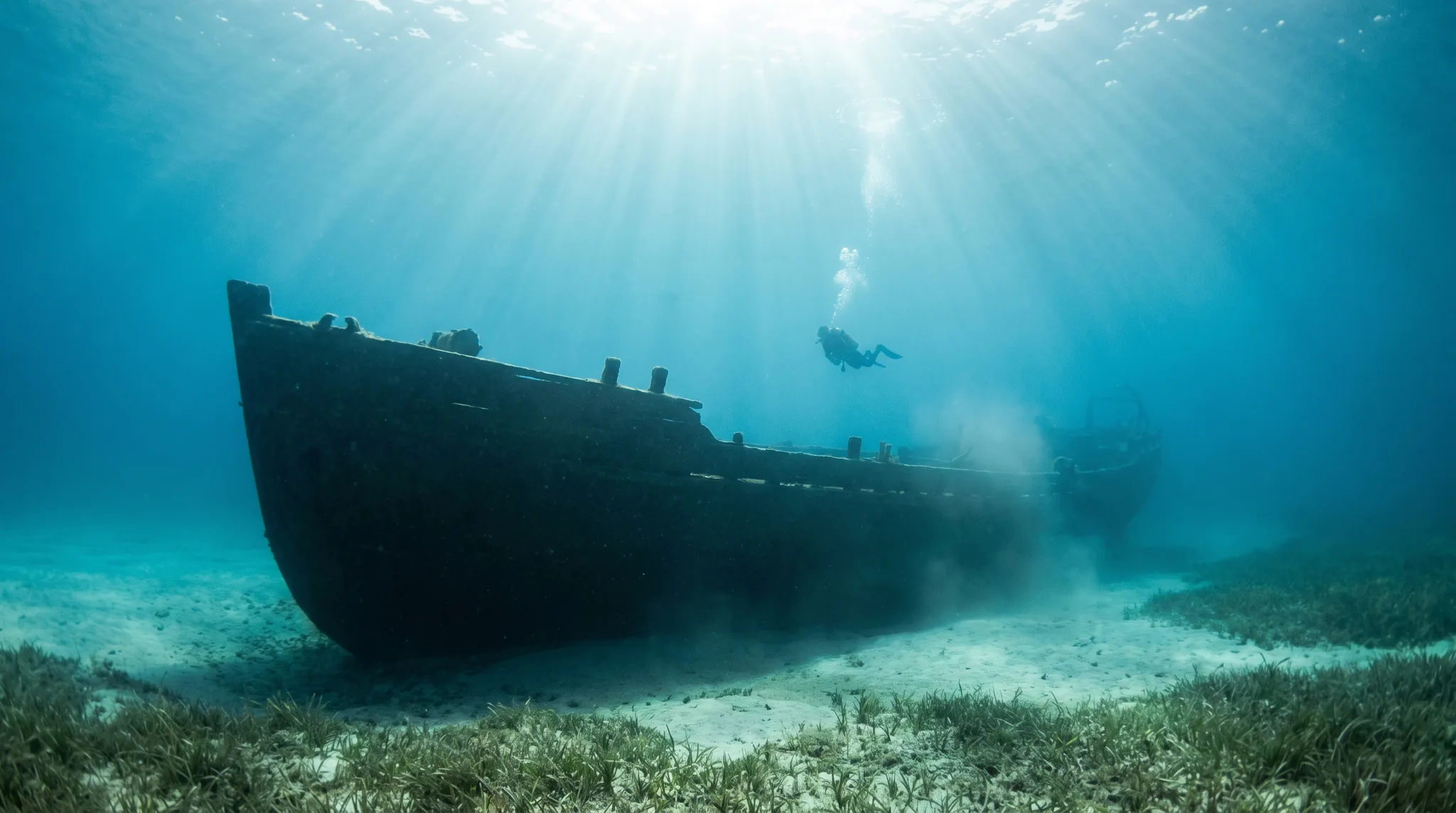
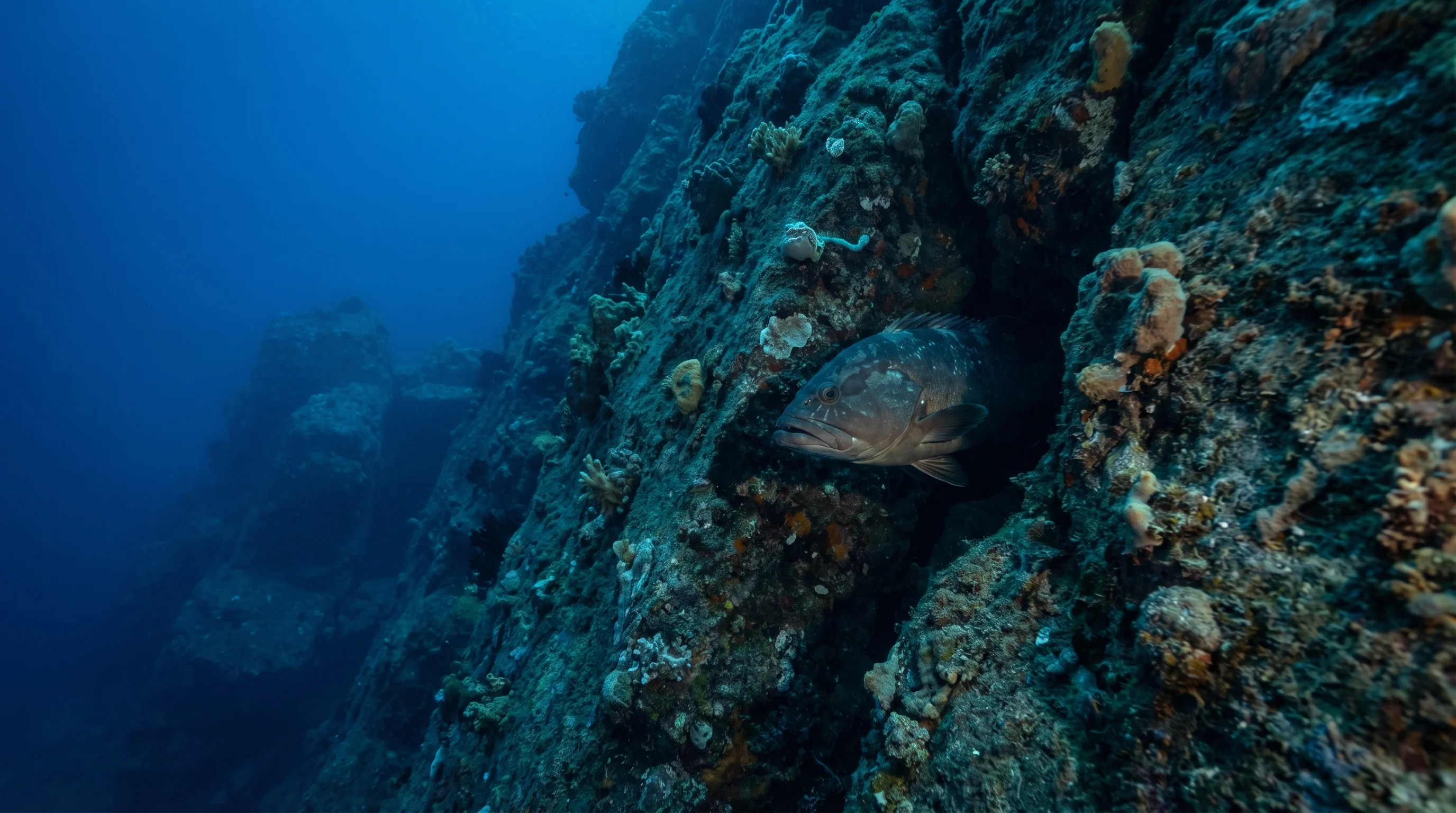
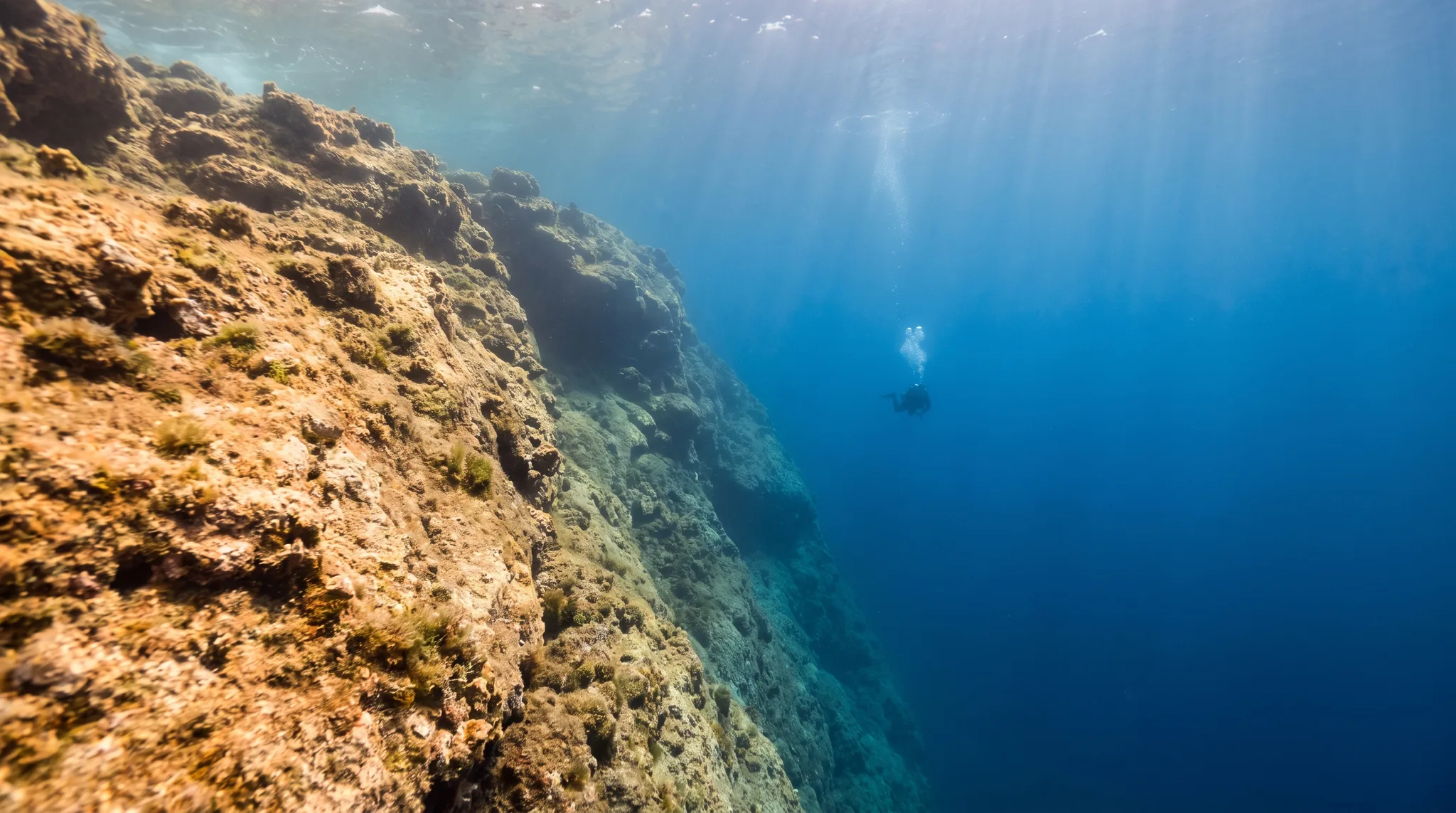
Kanapitsa is a reef and wall site located in a gulf south of Panormos Beach. The site features a rocky seabed starting at 5 metres, with an underwater rock formation leading to a wall that drops to 30 metres. Divers and snorkellers can expect an average depth of 18 metres. Access is by boat only, and the site is suitable for beginners. Conditions include mild currents, though strong currents can occur. Visibility ranges from 10 to 30 metres, and water temperatures fluctuate between 15C and 24C throughout the year. Night diving is permitted at this location, with typical dives lasting 40 minutes.
39.13895, 23.46890
The dive starts by swimming towards the north side of the gulf and following an underwater river formed from the rocks which lead to the wall.
The site is accessed by boat, located 2.2nm from the dive base.
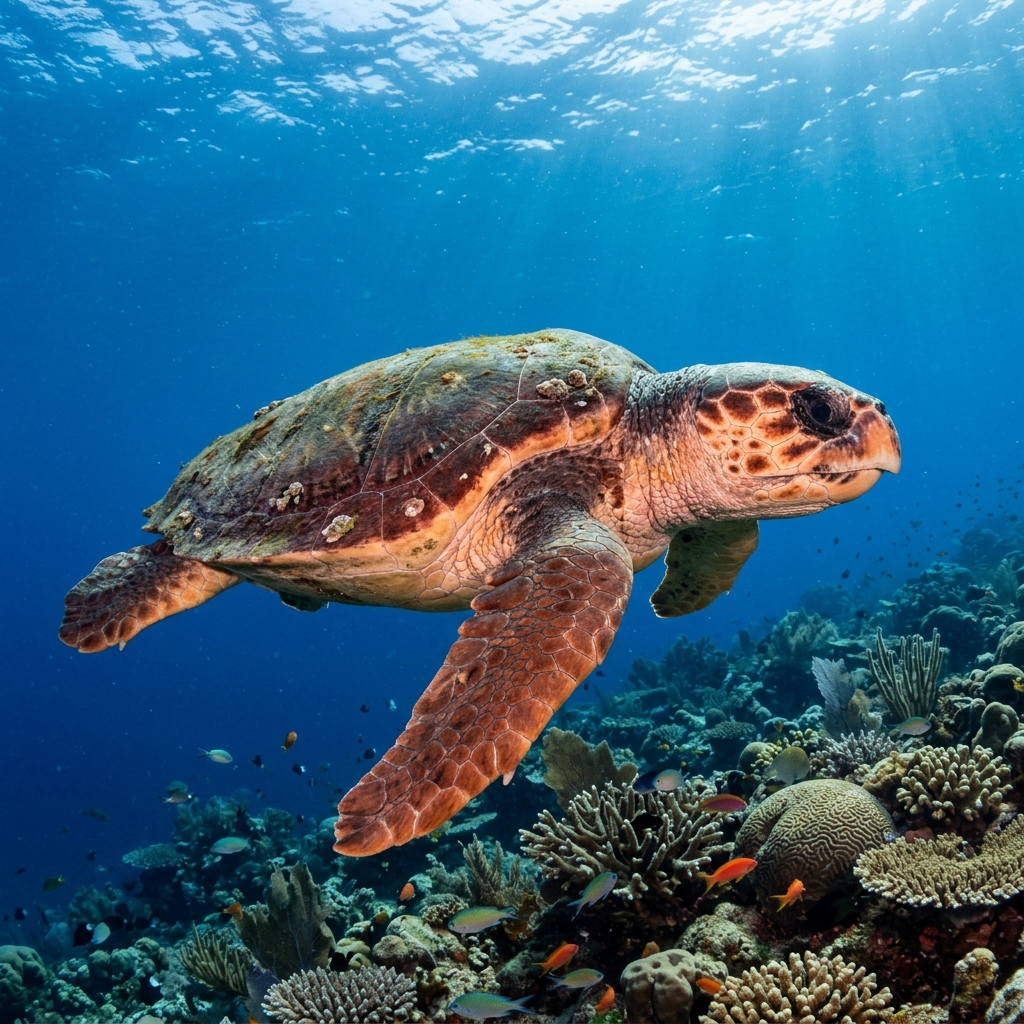
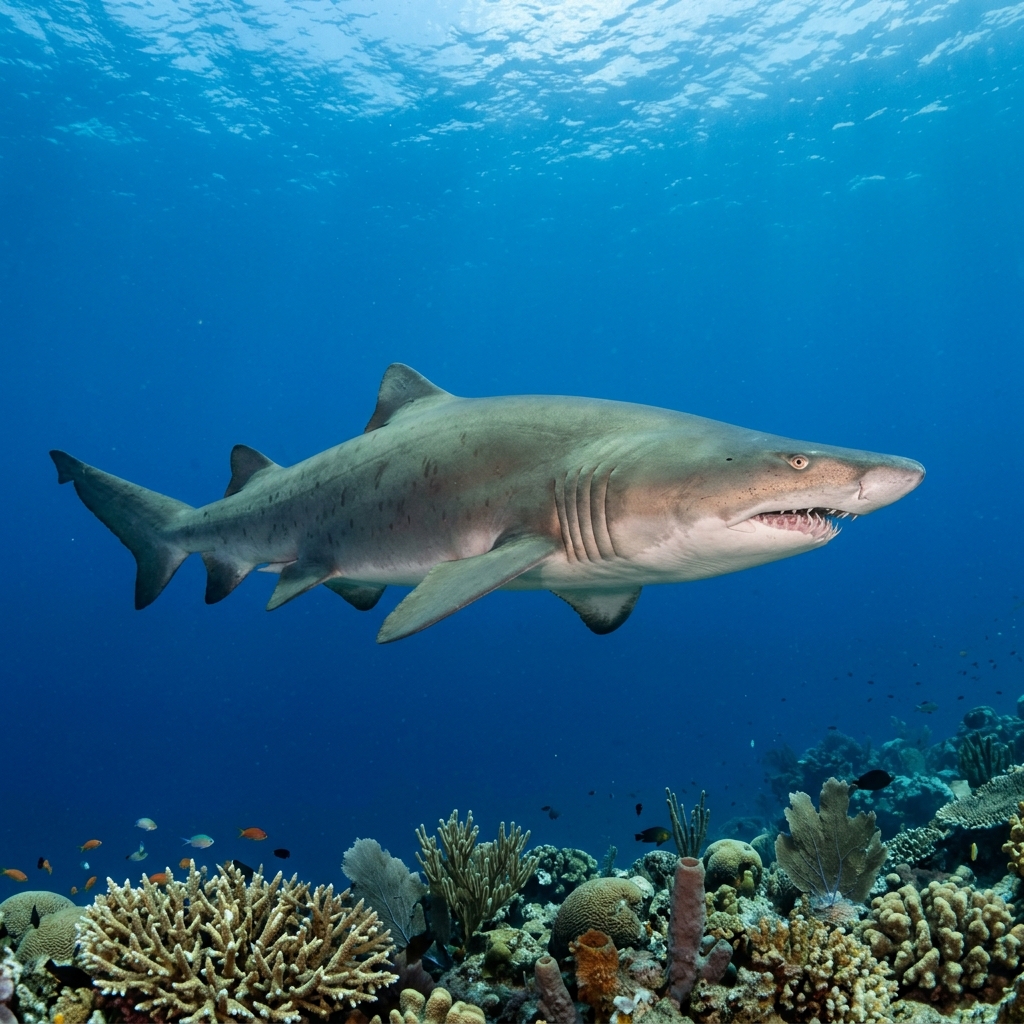
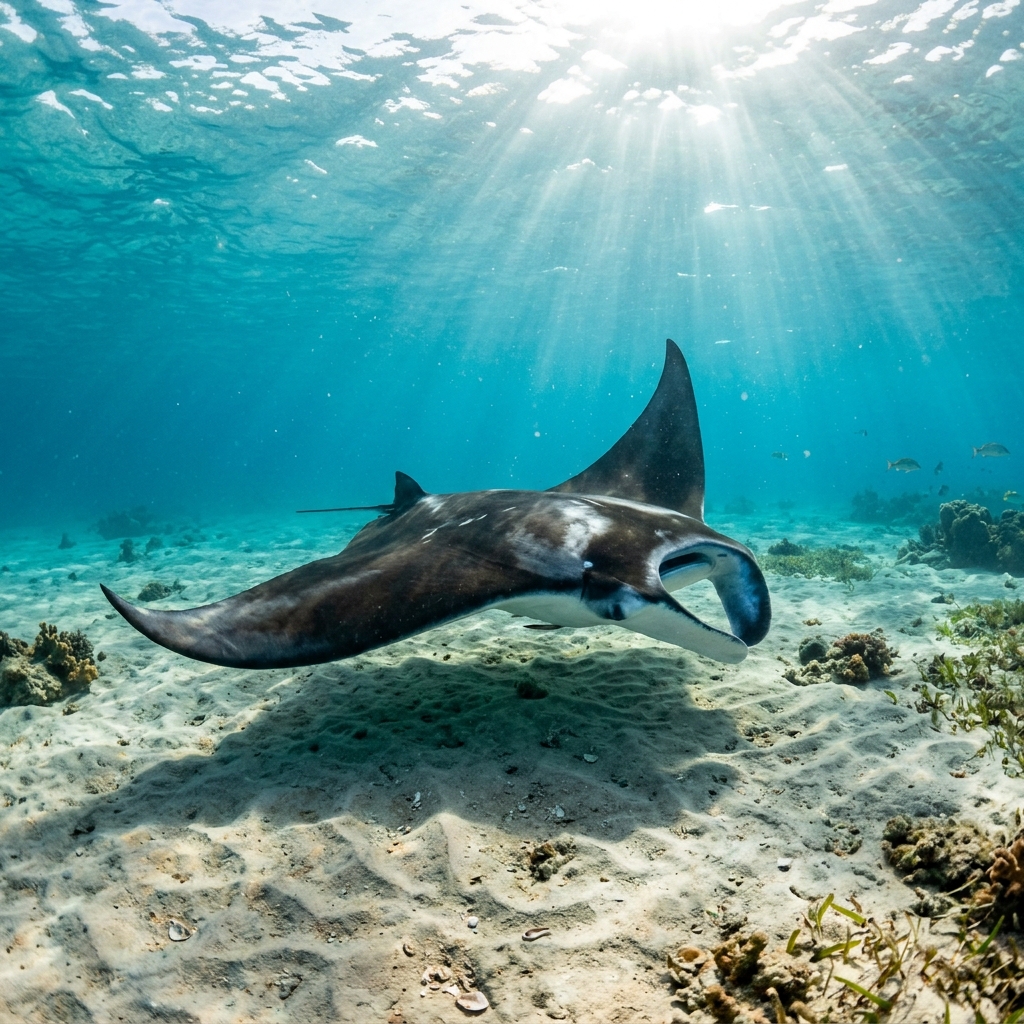
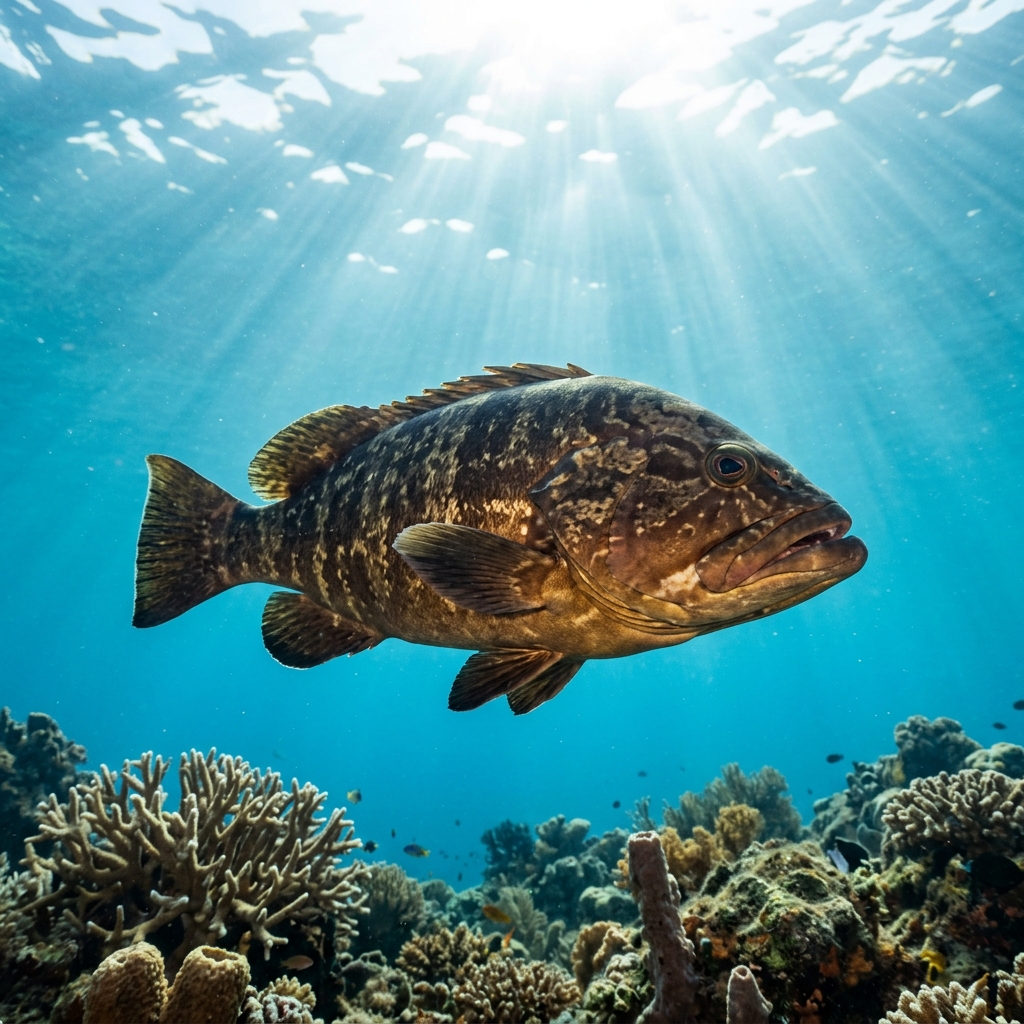
Expected in this region. No sightings logged here yet.
Depth
5-30m
Visibility
10-30m
Skill Level
Beginner
Entry
Boat
Boat required
Water Temp
15-24°C
Current
Mild
Typical Dive
40 min
Best Time
Apr, May, Jun, Jul, Aug, Sep, Oct
Yes, the site is suitable for beginners.
The site ranges from 5 to 30 metres in depth, with an average depth of 18 metres.
This is a boat-only dive site located 4074 metres from the shore.
Yes, Kanapitsa is suitable for both diving and snorkelling activities.
The primary hazard at this site is the presence of strong currents.
Diving at Kanapitsa in Skopelos requires the following certifications: Open Water. Always dive within your training limits.
A 7mm wetsuit or semi-dry is recommended for diving at Kanapitsa in Skopelos. Water temperatures range from 15°C to 24°C.
The best months to visit Kanapitsa in Skopelos are April, May, June, July, August, September, and October. Conditions outside these months can still be good but are less predictable.
Kanapitsa in Skopelos typically has mild currents that most divers can handle comfortably.
Visibility at Kanapitsa in Skopelos typically ranges from 10 metres to 30 metres. Conditions vary with weather, tides, and seasons.