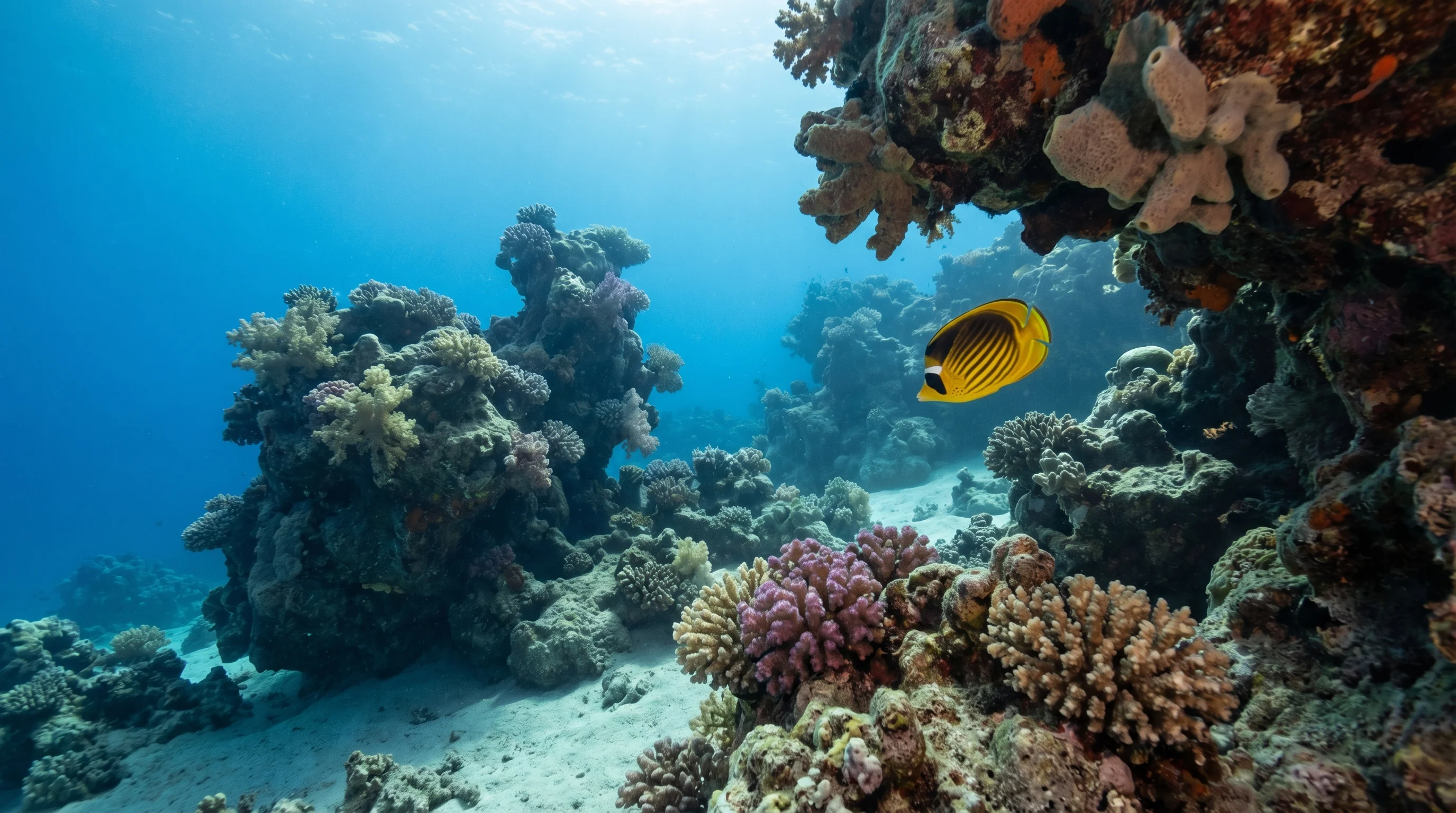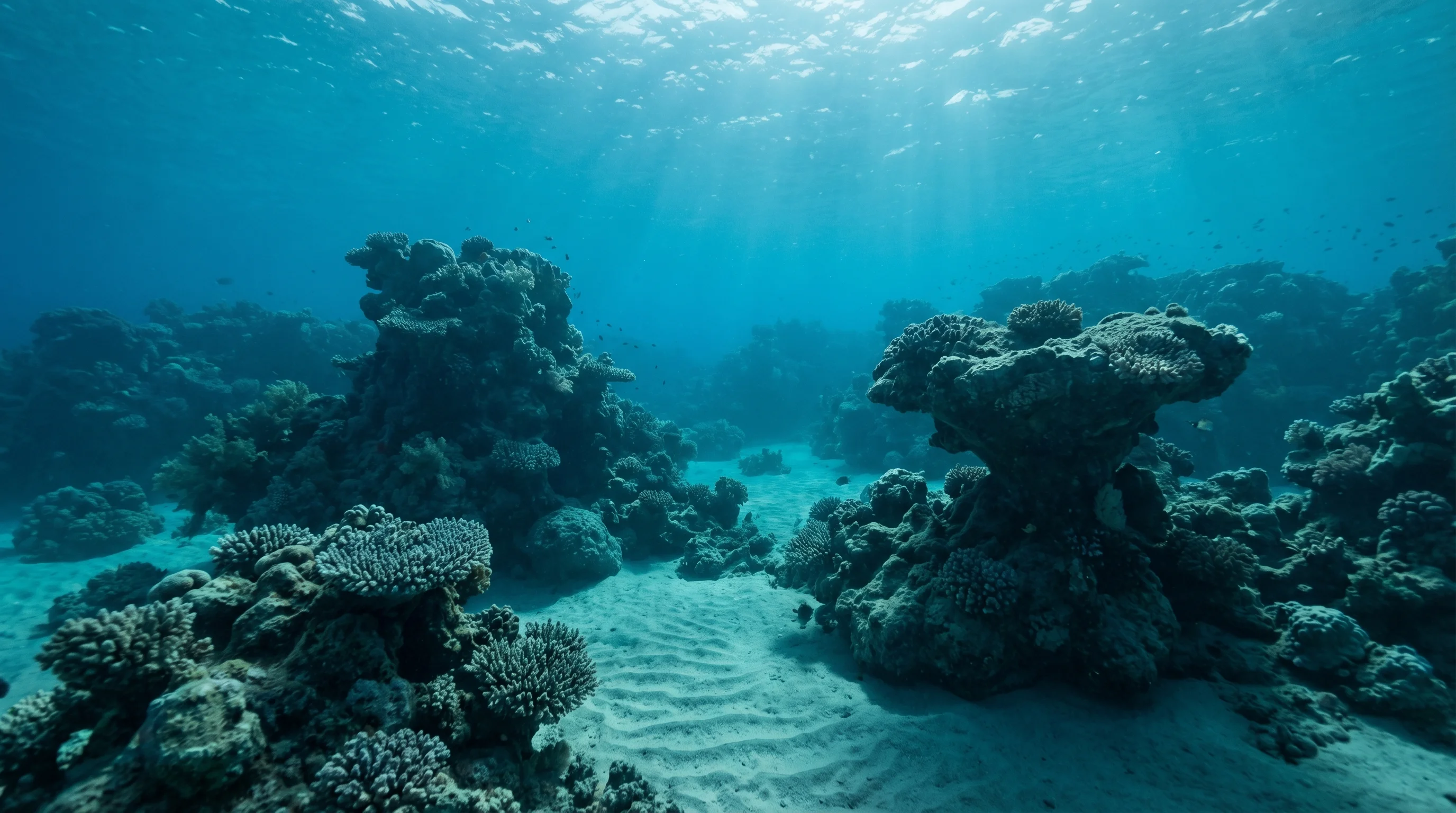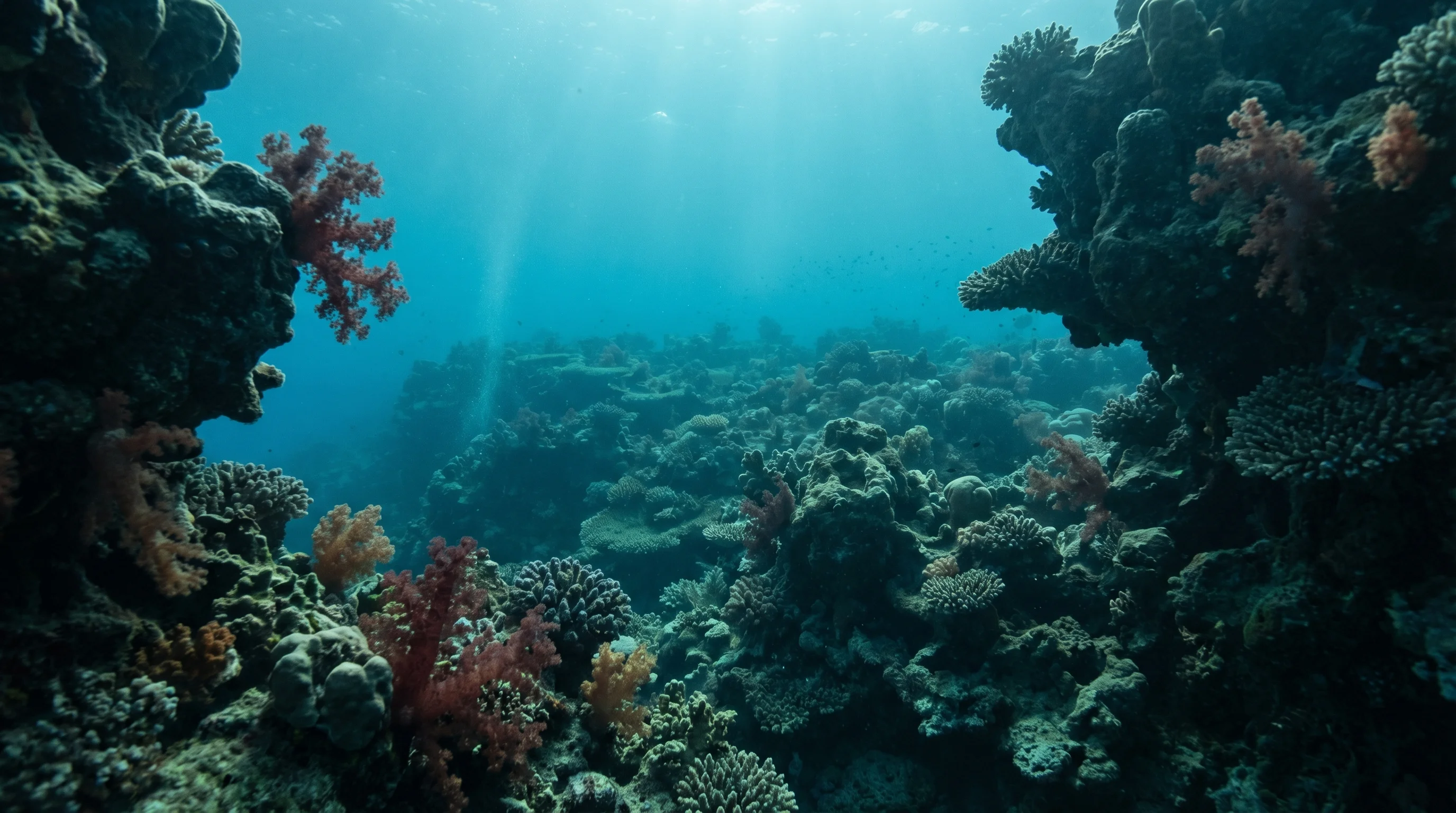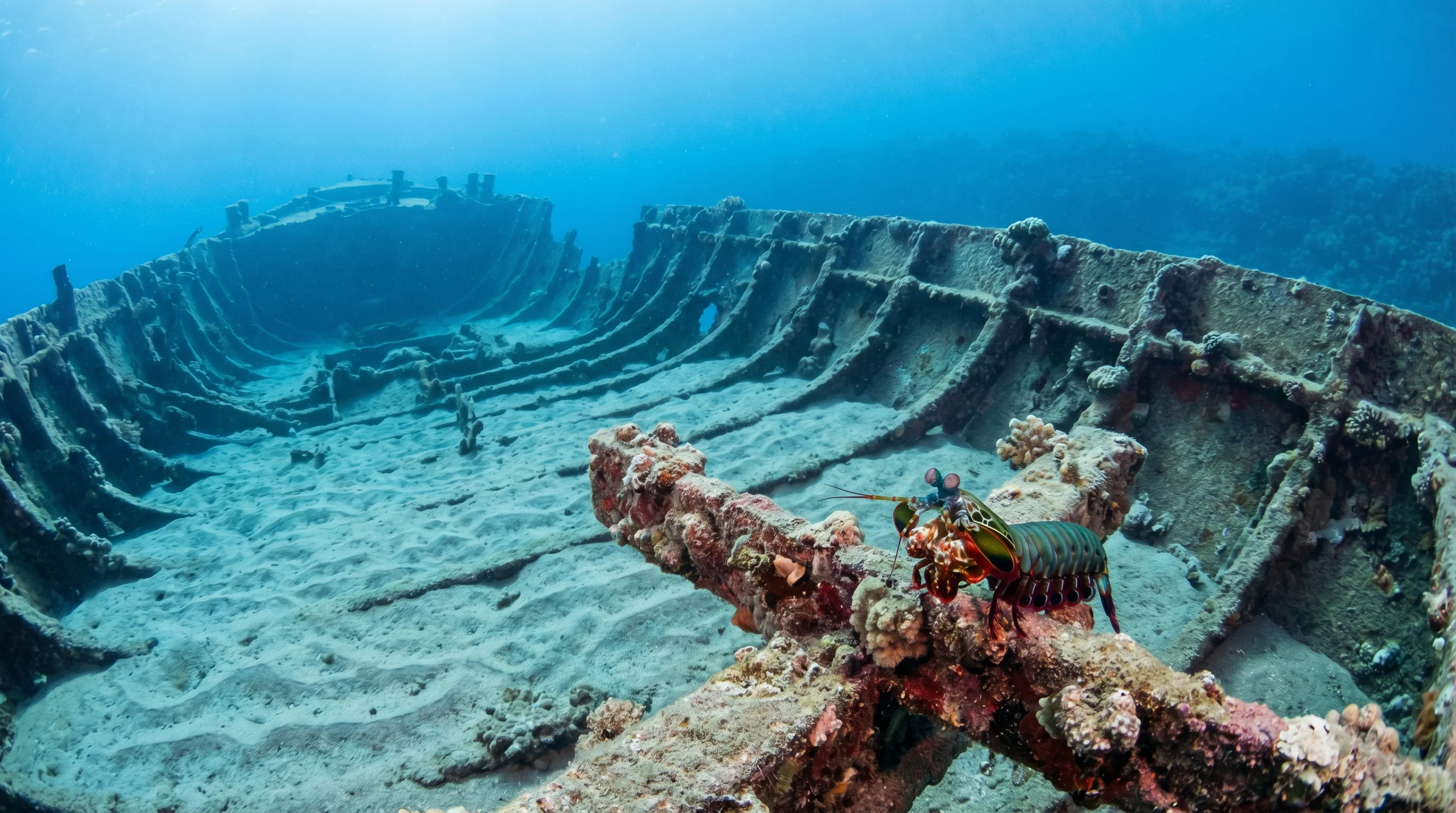
Best for intermediate divers, 11-12m, boat entry, mild current.
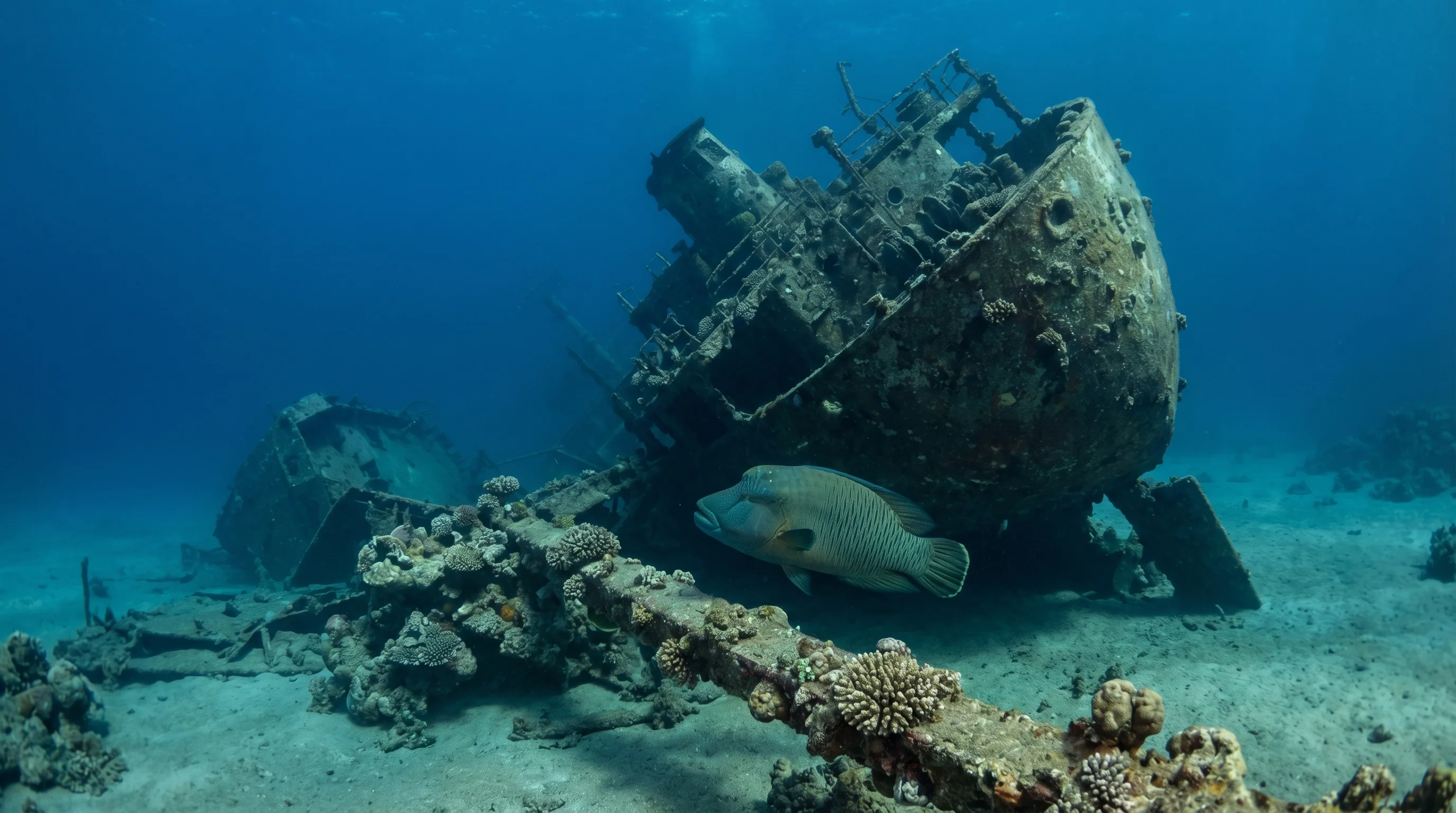
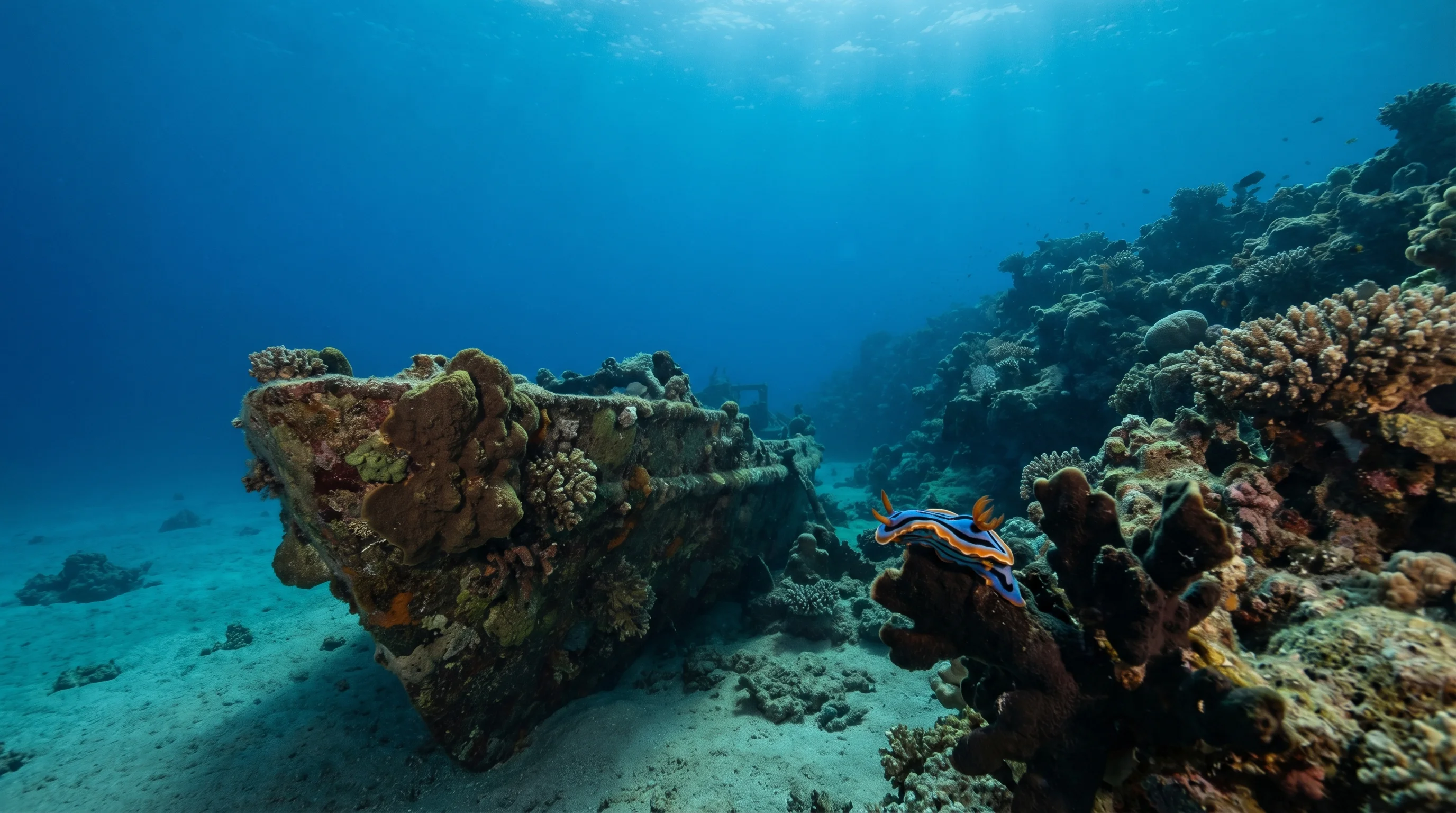
The Carnatic is a shipwreck site located in Ras Mohammed National Park, accessible only by boat. The wreck serves as an artificial reef, with depths ranging between 11 and 12 metres. Divers should be prepared for mild currents and visibility that typically fluctuates between 10 and 30 metres. Due to the nature of the wreck, the site presents hazards including overhead environments, potential entanglement, and boat traffic. Divers should also remain cautious of sharp coral and stonefish. This site is suited for intermediate divers, with typical dives lasting around 45 minutes. Facilities available in the area include air fills and boat charter services.
27.58110, 33.92742
The wreck is known for its huge bronze propeller and the beautiful corals that cover it.
Accessible by boat from Hurghada.
Recorded at this site
Depth
11-12m
Visibility
10-30m
Skill Level
Intermediate
Entry
Boat
Boat required
Water Temp
22-29°C
Current
Mild
Typical Dive
45 min
Best Time
Mar, Apr, May, Sep, Oct, Nov
No, this site is rated for intermediate divers due to the wreck environment and potential hazards.
The site has a depth range of 11 to 12 metres.
The Carnatic is a boat dive located 65 kilometres from the shore.
Hazards include boat traffic, entanglement risks, overhead environments, strong currents, and the presence of stonefish and sharp coral.
Diving at Carnatic in Red Sea Riviera requires the following certifications: Open Water, Advanced. Always dive within your training limits.
A 3mm wetsuit is recommended for diving at Carnatic in Red Sea Riviera. Water temperatures range from 22°C to 29°C.
The best months to visit Carnatic in Red Sea Riviera are March, April, May, September, October, and November. Conditions outside these months can still be good but are less predictable.
Carnatic in Red Sea Riviera typically has mild currents that most divers can handle comfortably.
Visibility at Carnatic in Red Sea Riviera typically ranges from 10 metres to 30 metres. Conditions vary with weather, tides, and seasons.