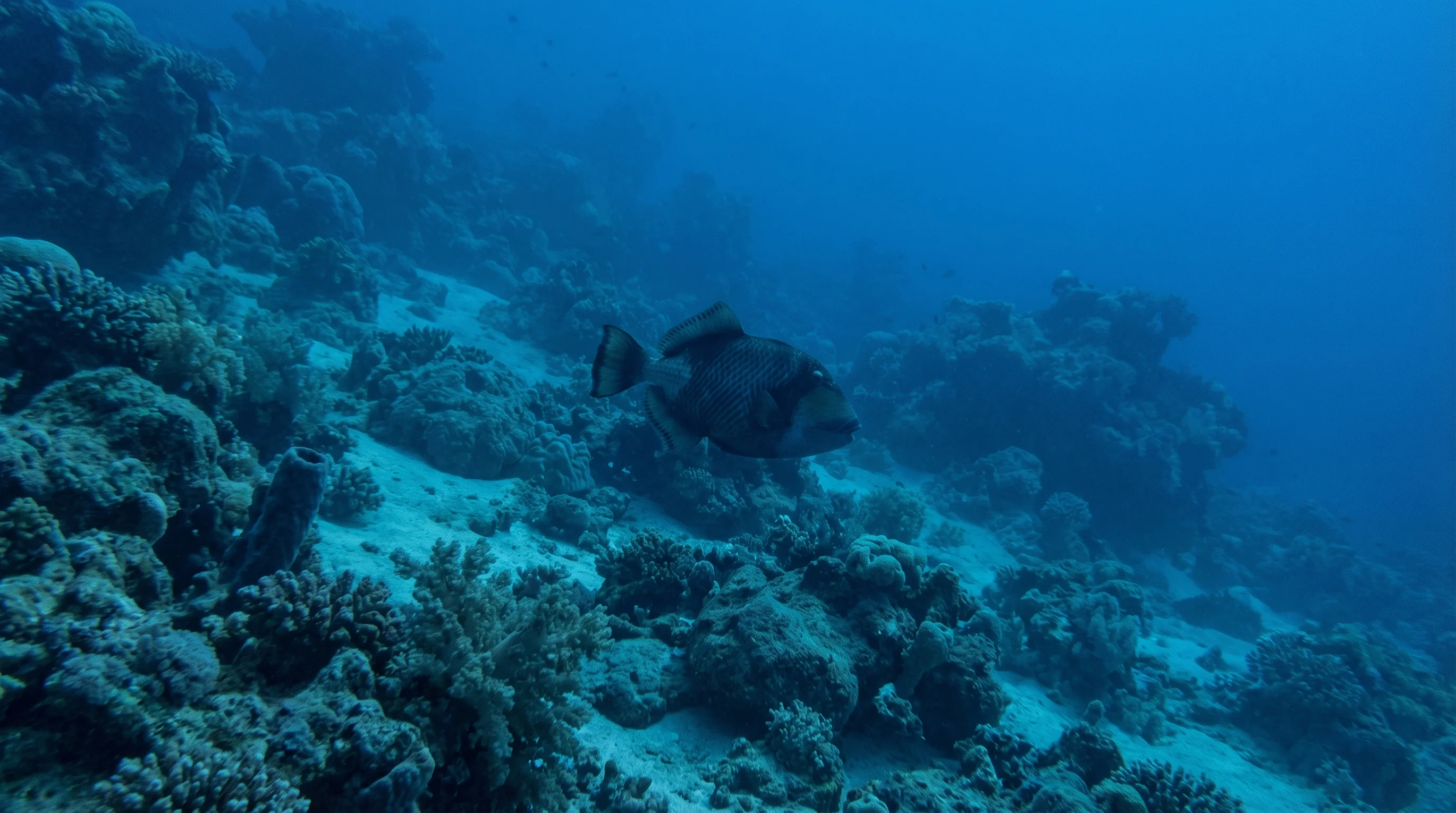
Best for intermediate divers, 15-30m, boat entry, mild current.
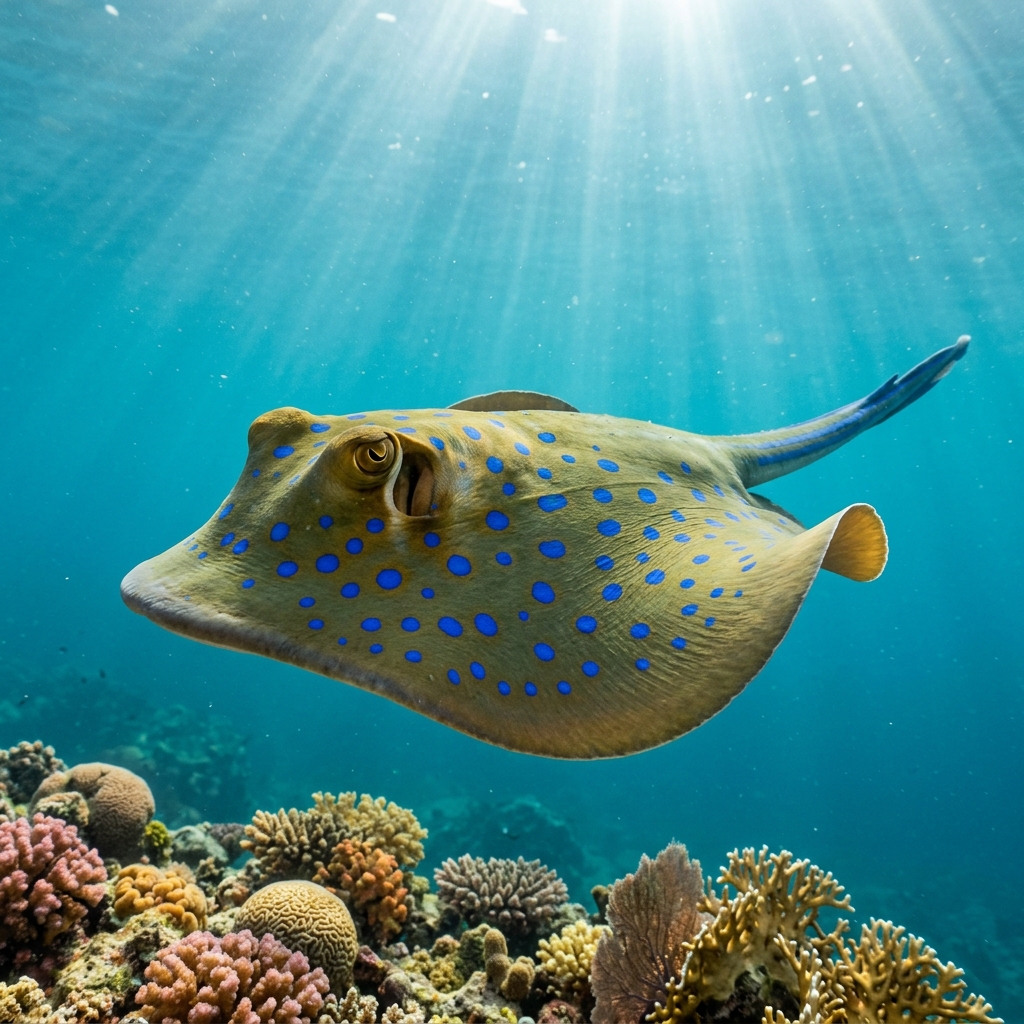
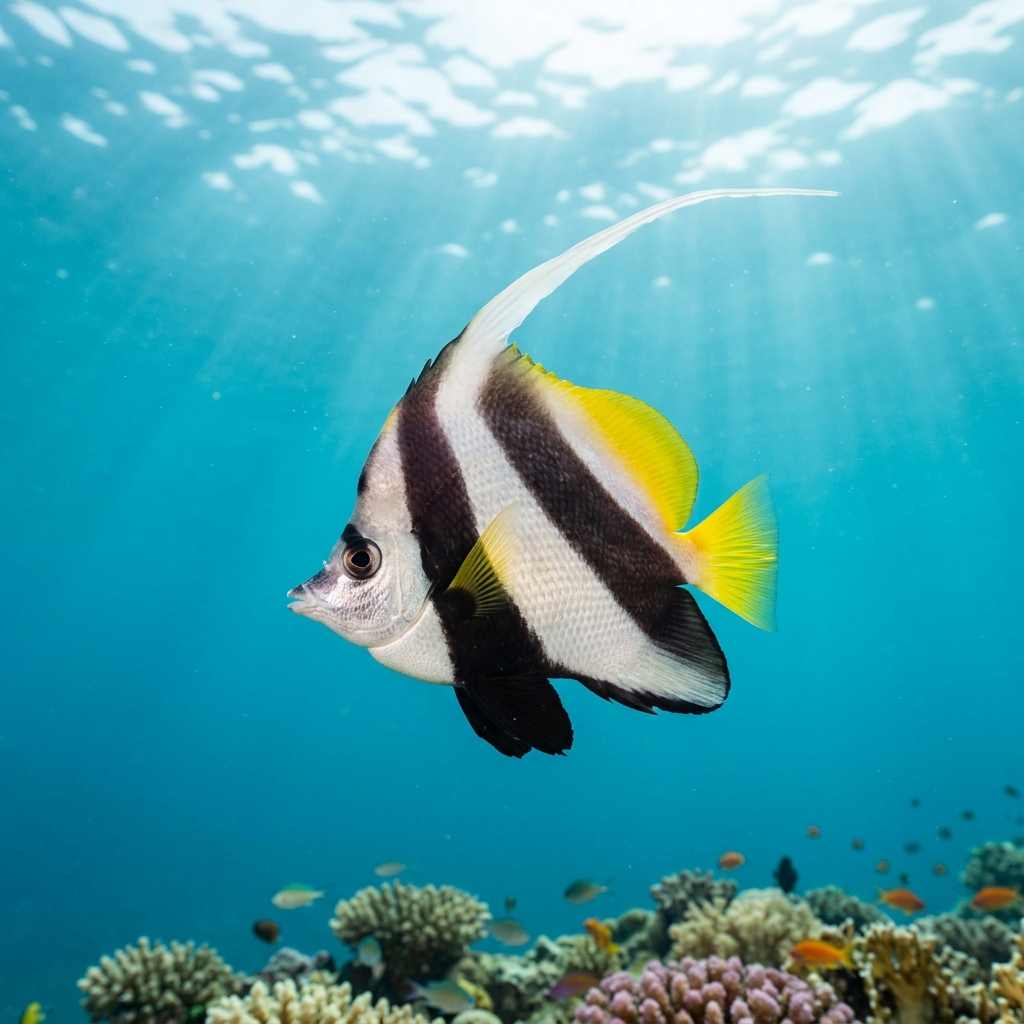
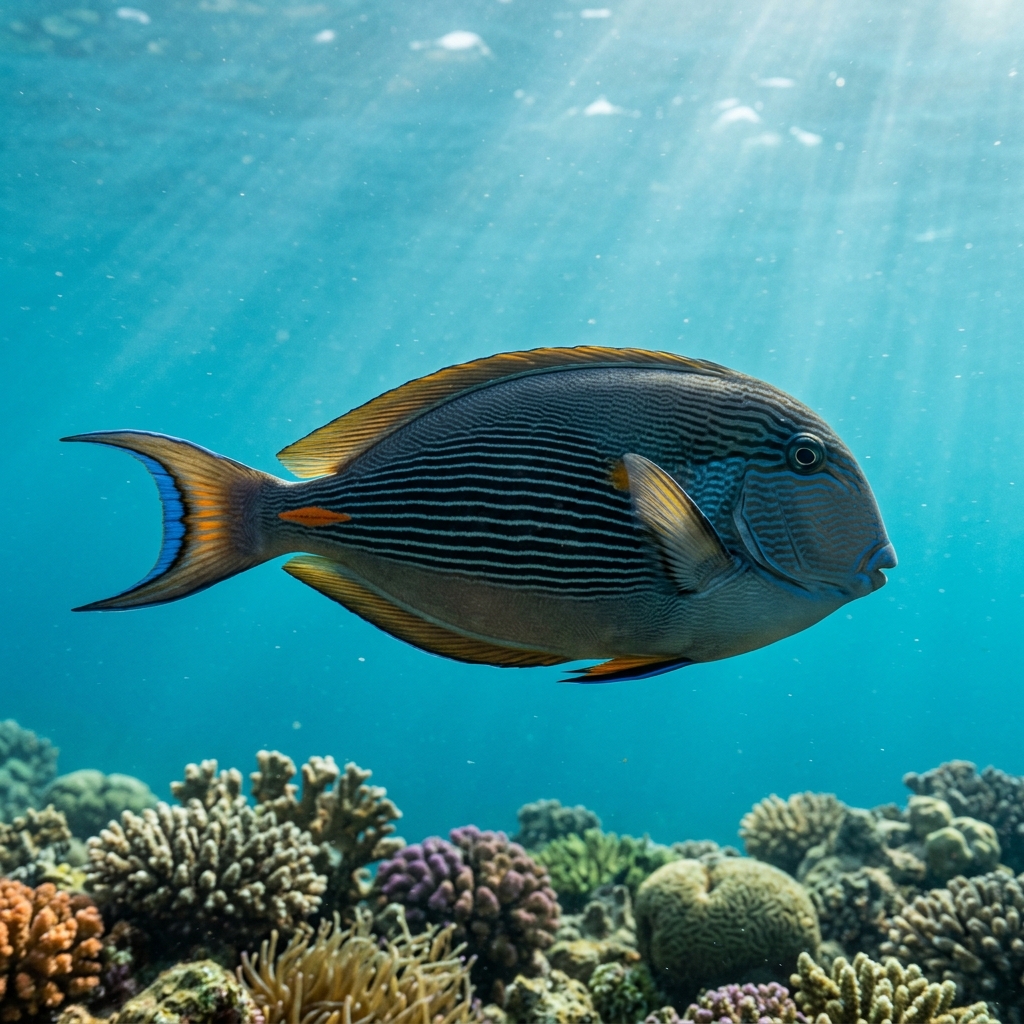
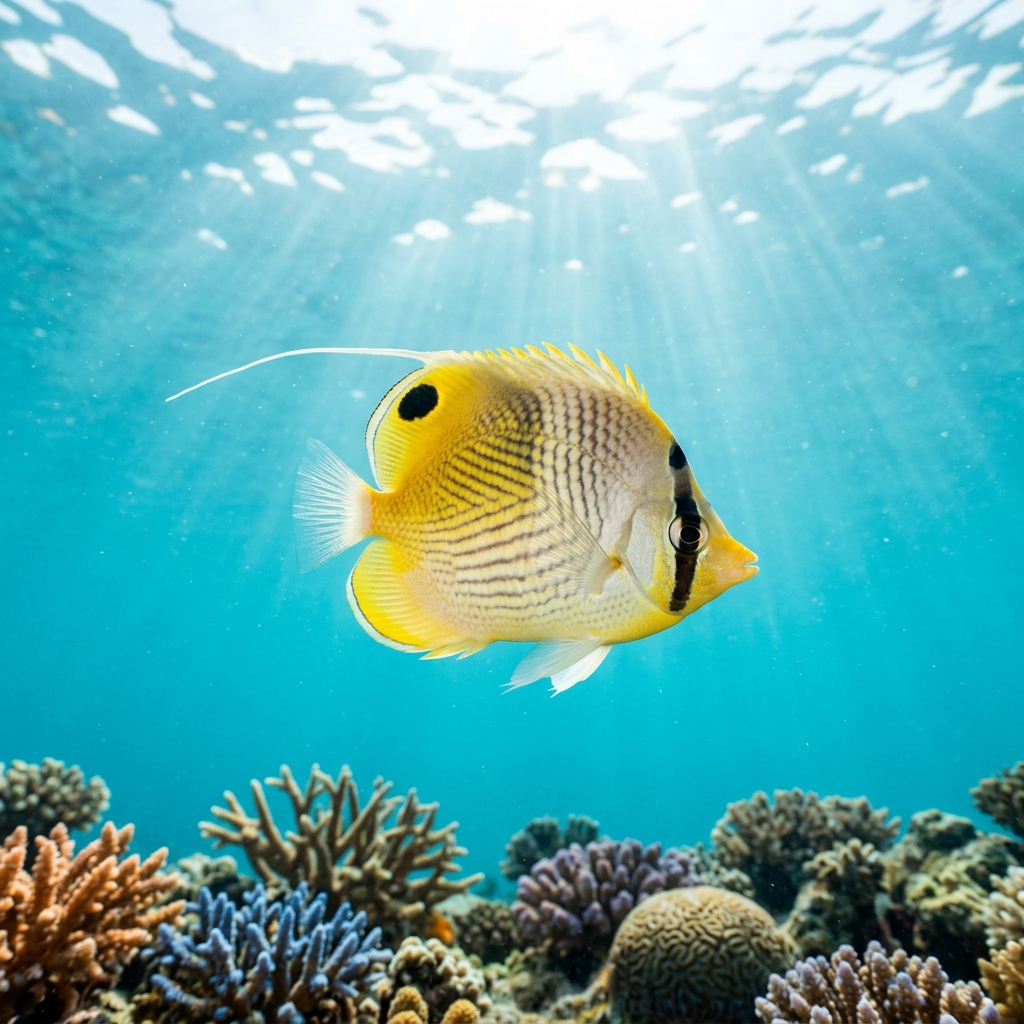
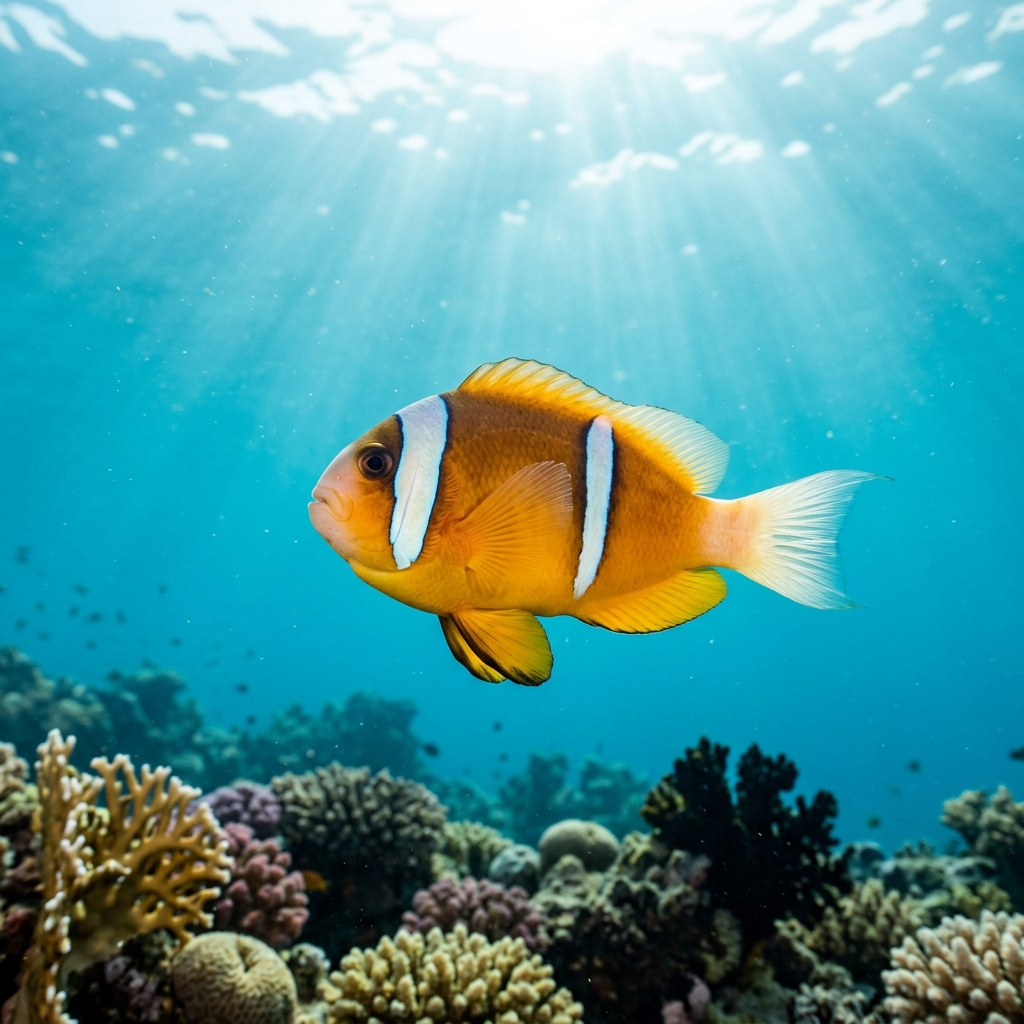
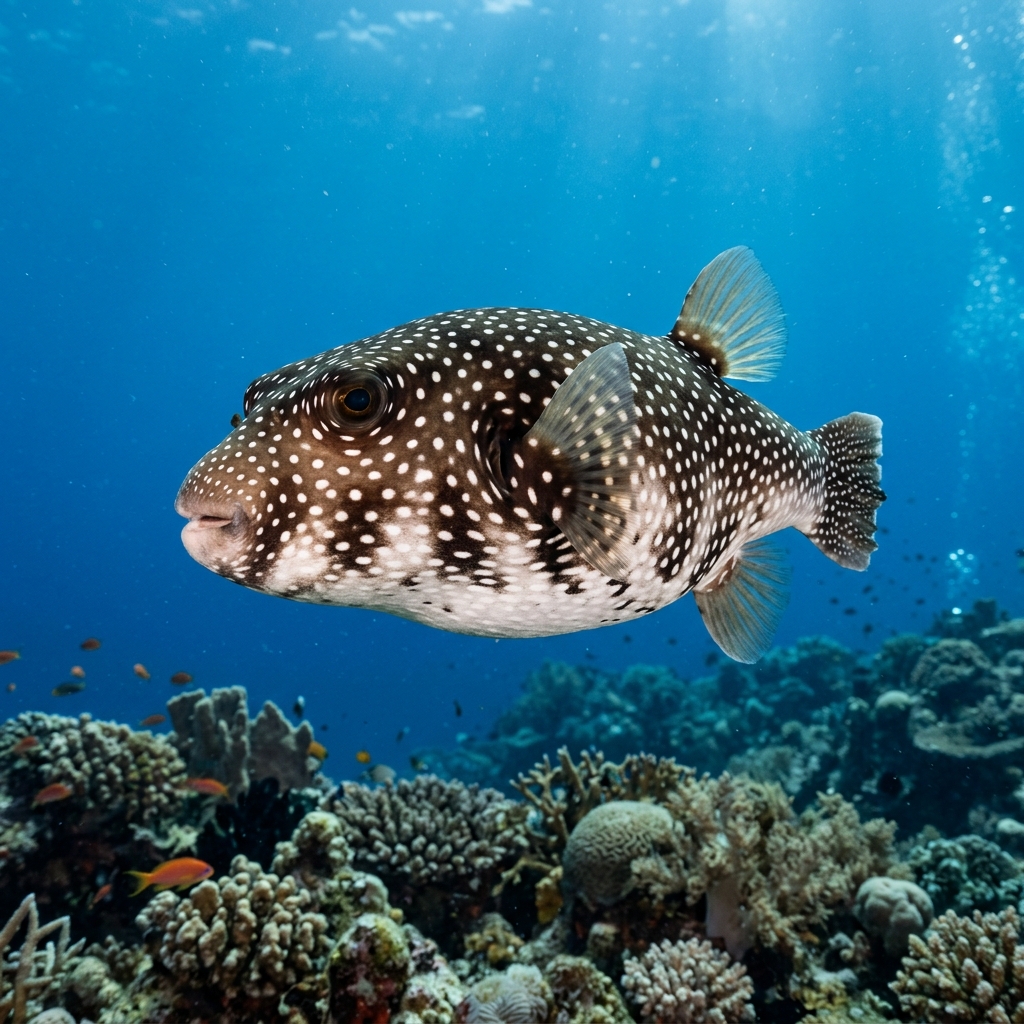
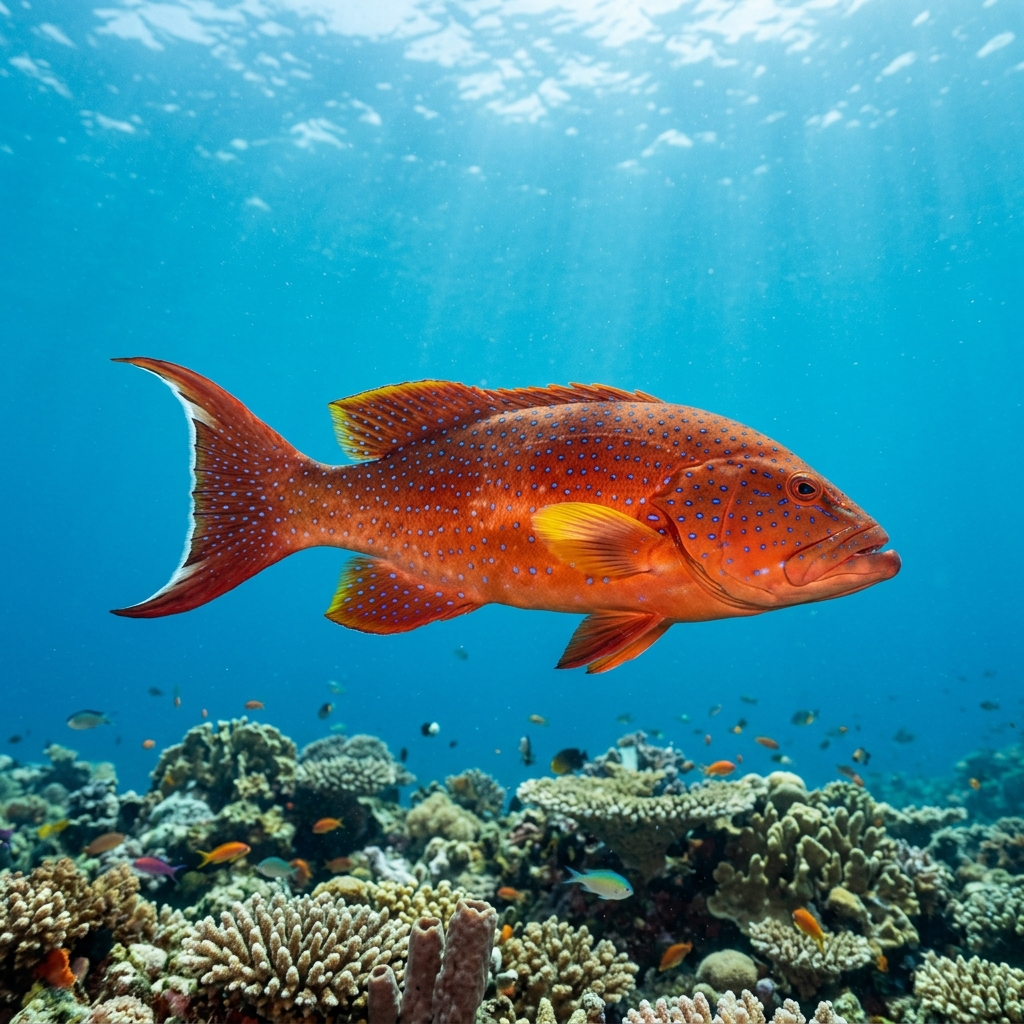
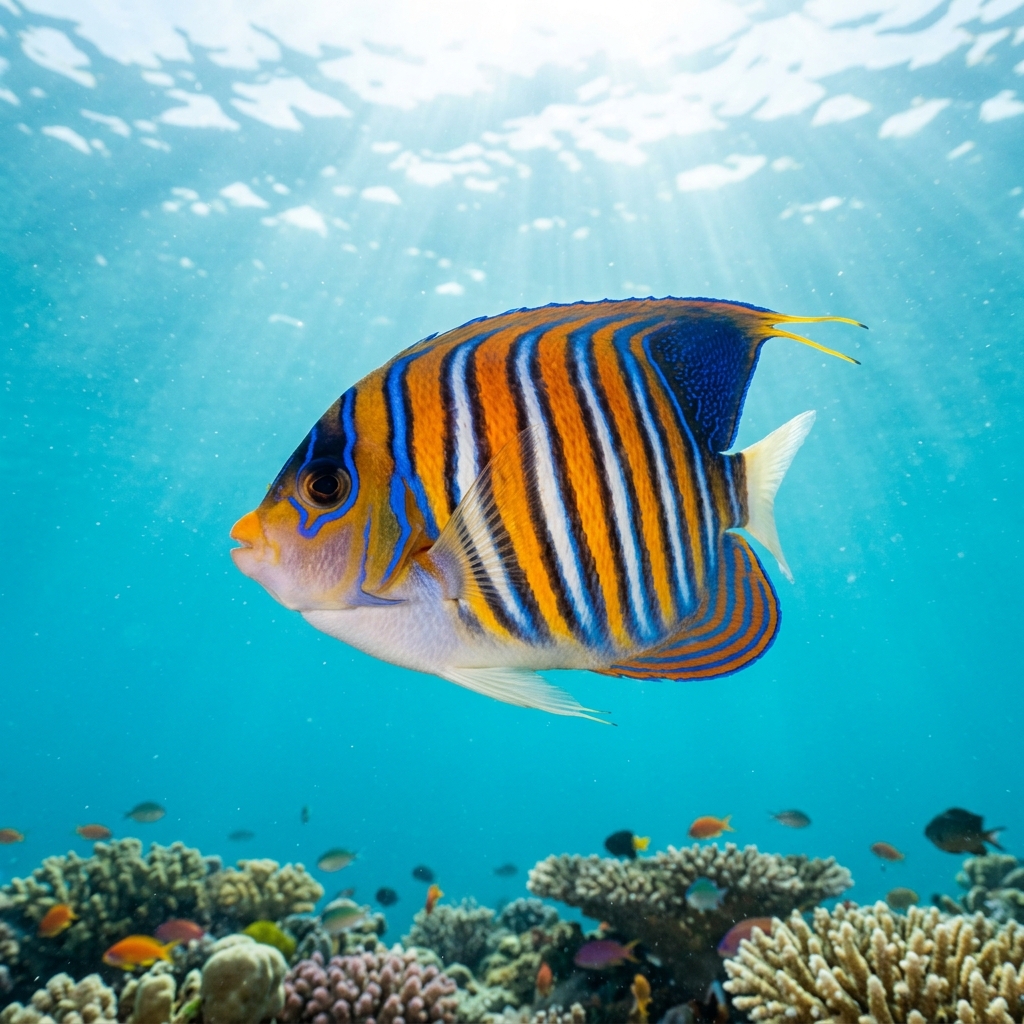
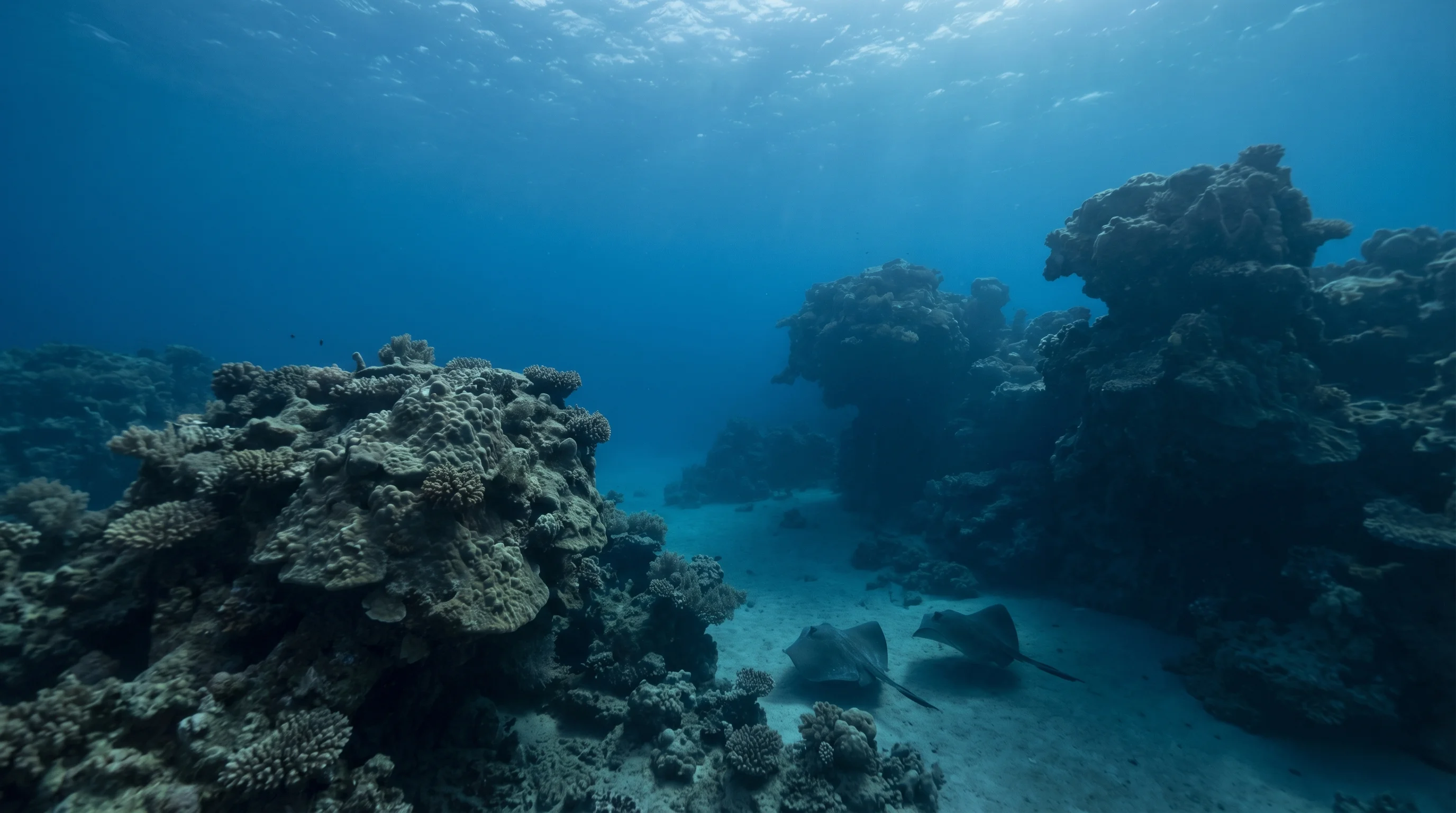
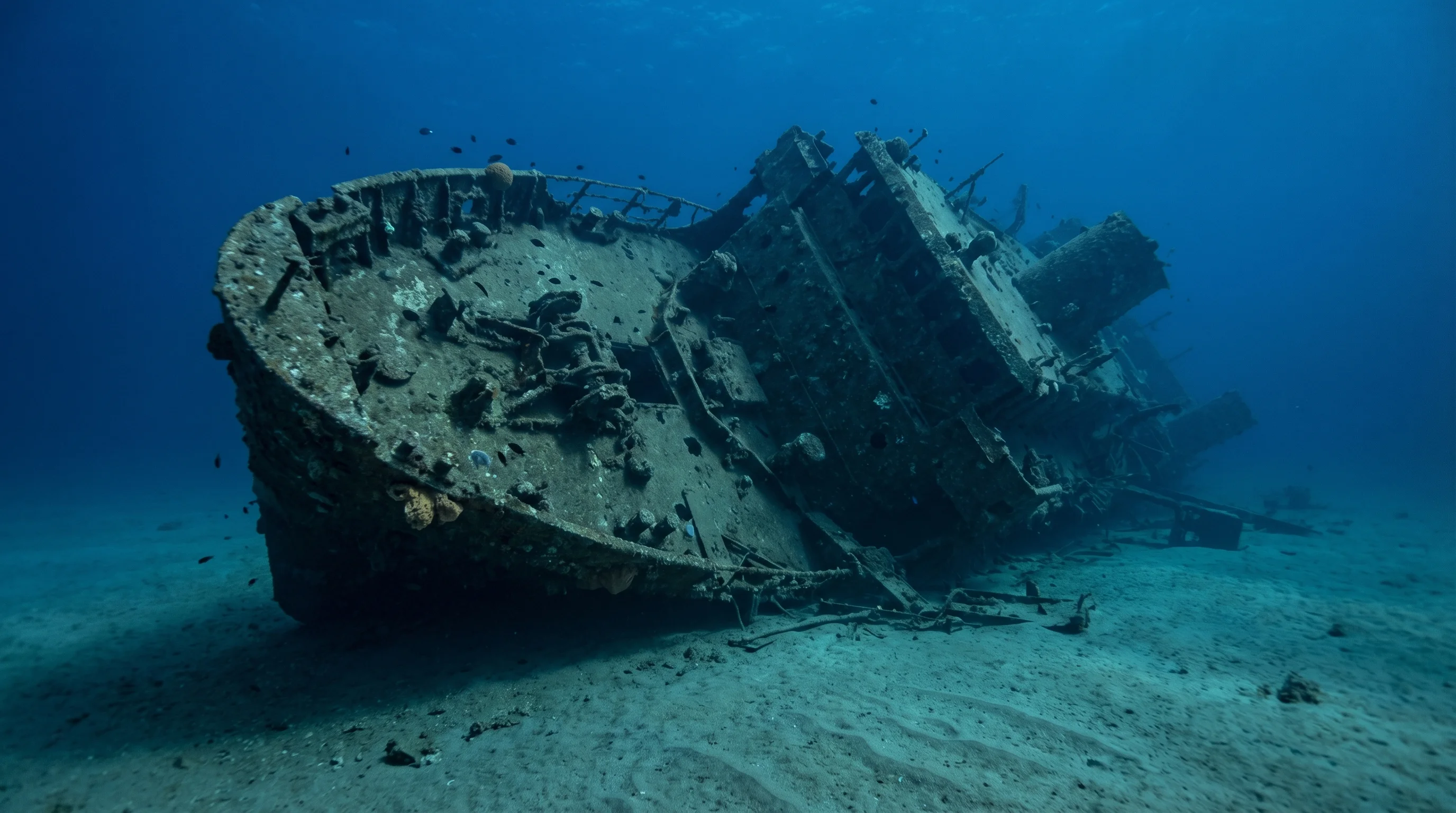
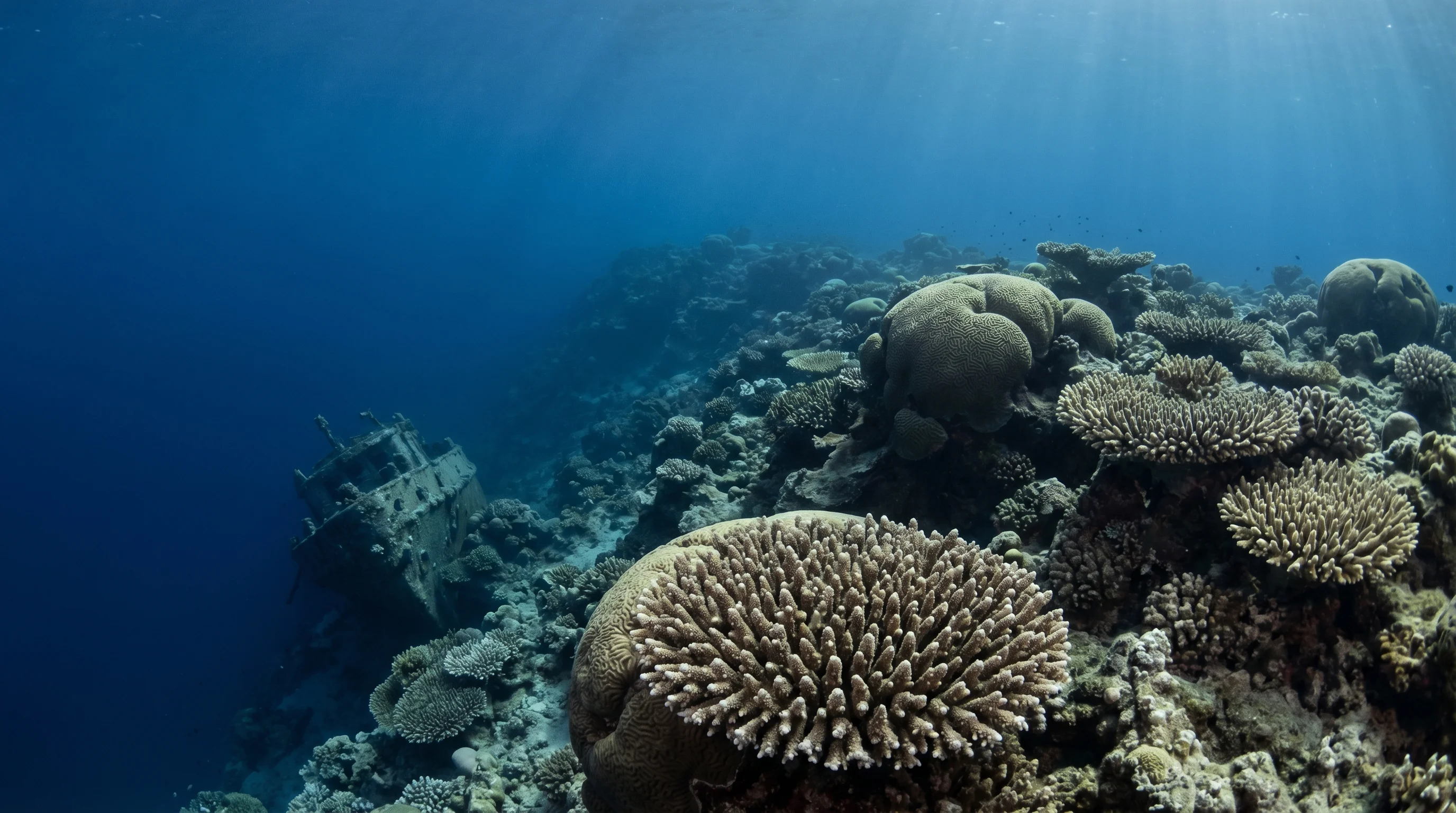
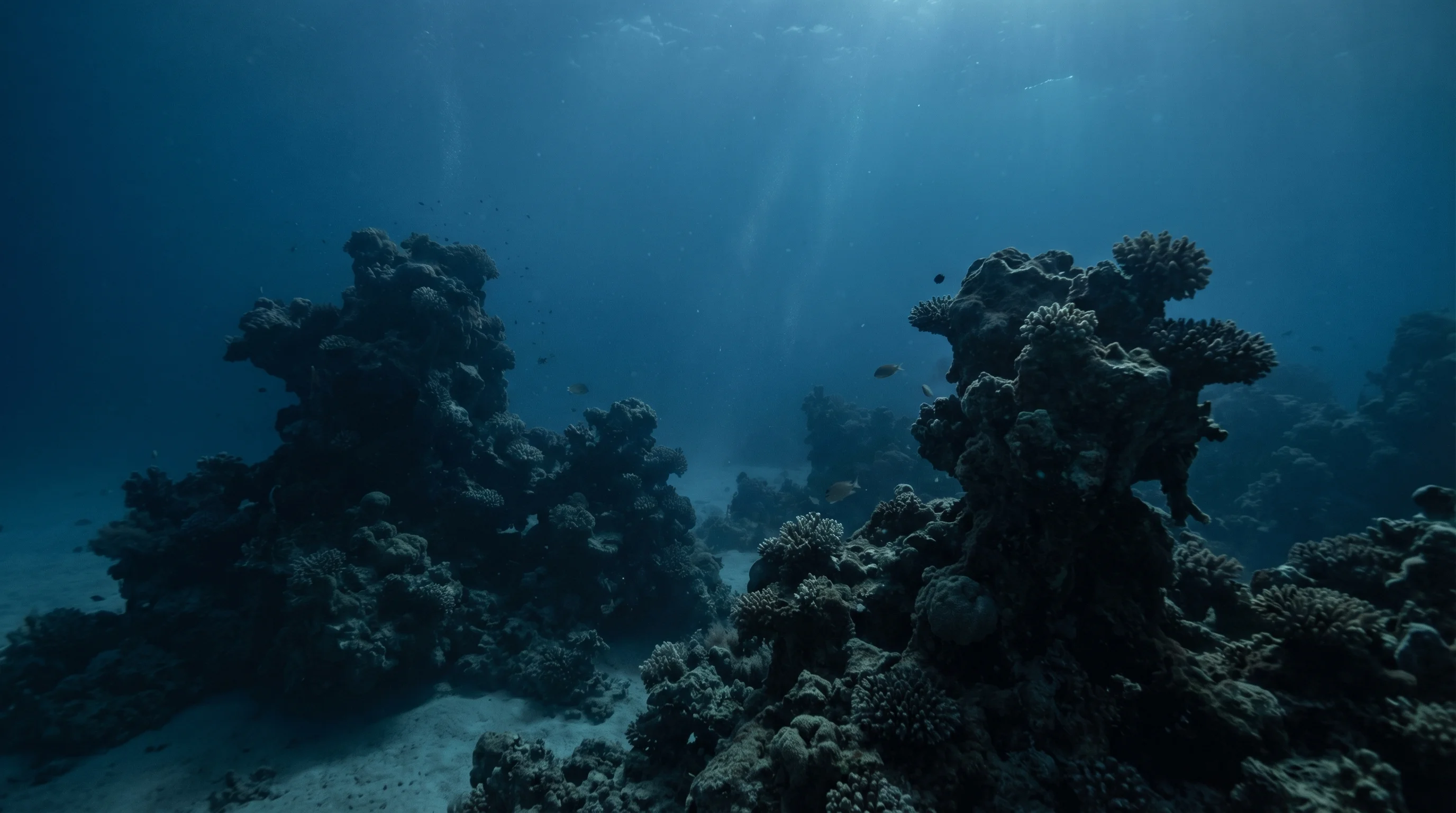
Azra is a reef and drop-off site located in Safaga, Egypt, offering a combination of shallow reef sections and a wall that descends to 30 metres. The site is accessed by boat and is suited for intermediate divers, with mild currents typically present. Visibility ranges from 15 to 30 metres, providing clear conditions for exploring the reef structure. Divers can encounter green sea turtles along the drop-off edge, while the reef itself hosts batfish, angelfish, butterflyfish, parrotfish, triggerfish, and wrasse. Attentive observers may spot pipefish and mantis shrimp within the reef, with sweetlips often found in calmer zones near the wall.
26.62748, 34.00068
Keep your eye on the reef edge where it meets open water, as green sea turtles often cruise along the drop-off rather than resting on the reef flat. Check locally for current boat operator schedules, as departure times can vary seasonally.
Access info coming soon
No known hazards
Recorded nearby, within 20km
Depth
15-30m
Visibility
15-30m
Skill Level
Intermediate
Entry
Boat
Boat required
Water Temp
22-28°C
Current
Mild
Typical Dive
50 min
Divers can encounter green sea turtles, batfish, angelfish, butterflyfish, parrotfish, triggerfish, and wrasse. Pipefish, mantis shrimp, and sweetlips are also present.
Azra is classified for intermediate divers, as it involves a drop-off and requires experience with wall diving.
The site features depths ranging from 15 to 30 metres.
Azra is a boat-only dive site; boat access is required.
The site is primarily a dive location accessed by boat, and the depth profile is designed for scuba diving.
Diving at Azra in Azra requires the following certifications: Open Water. Always dive within your training limits.
A 3mm wetsuit is recommended for diving at Azra in Azra. Water temperatures range from 22°C to 28°C.
Azra in Azra typically has mild currents that most divers can handle comfortably.
Visibility at Azra in Azra typically ranges from 15 metres to 30 metres. Conditions vary with weather, tides, and seasons.