Best for intermediate divers, 21-35m, boat entry, moderate current.
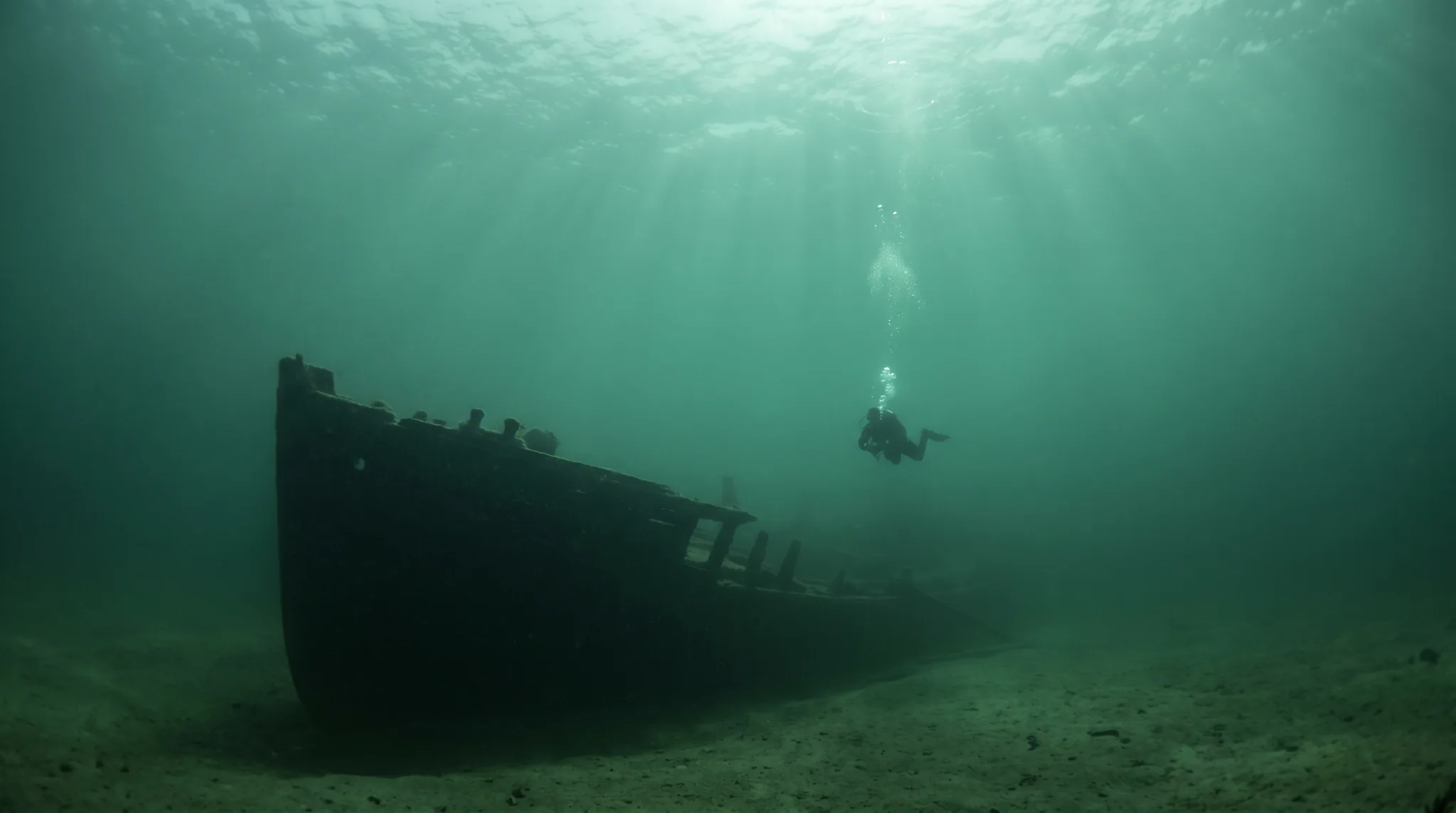
The John Mahn is a wreck site located 37 kilometres from shore, functioning as an artificial reef. Divers encounter depths ranging from 21 to 35 metres, requiring careful management of decompression limits and nitrogen narcosis. Conditions include moderate currents and visibility between 5 and 10 metres, often necessitating the use of a torch. Water temperatures fluctuate between 8 and 19 degrees Celsius, making a drysuit essential for most of the year. Due to the depth and potential for entanglement, this site is suited for intermediate divers. Access is strictly by boat, and conditions should be monitored closely before entry.
51.48222, 2.68862
The area is a popular fishing location, so divers must watch out for nets.
Access info coming soon
Expected in this region. No sightings logged here yet.
Depth
21-35m
Visibility
5-10m
Skill Level
Intermediate
Entry
Boat
Boat required
Water Temp
8-19°C
Current
Moderate
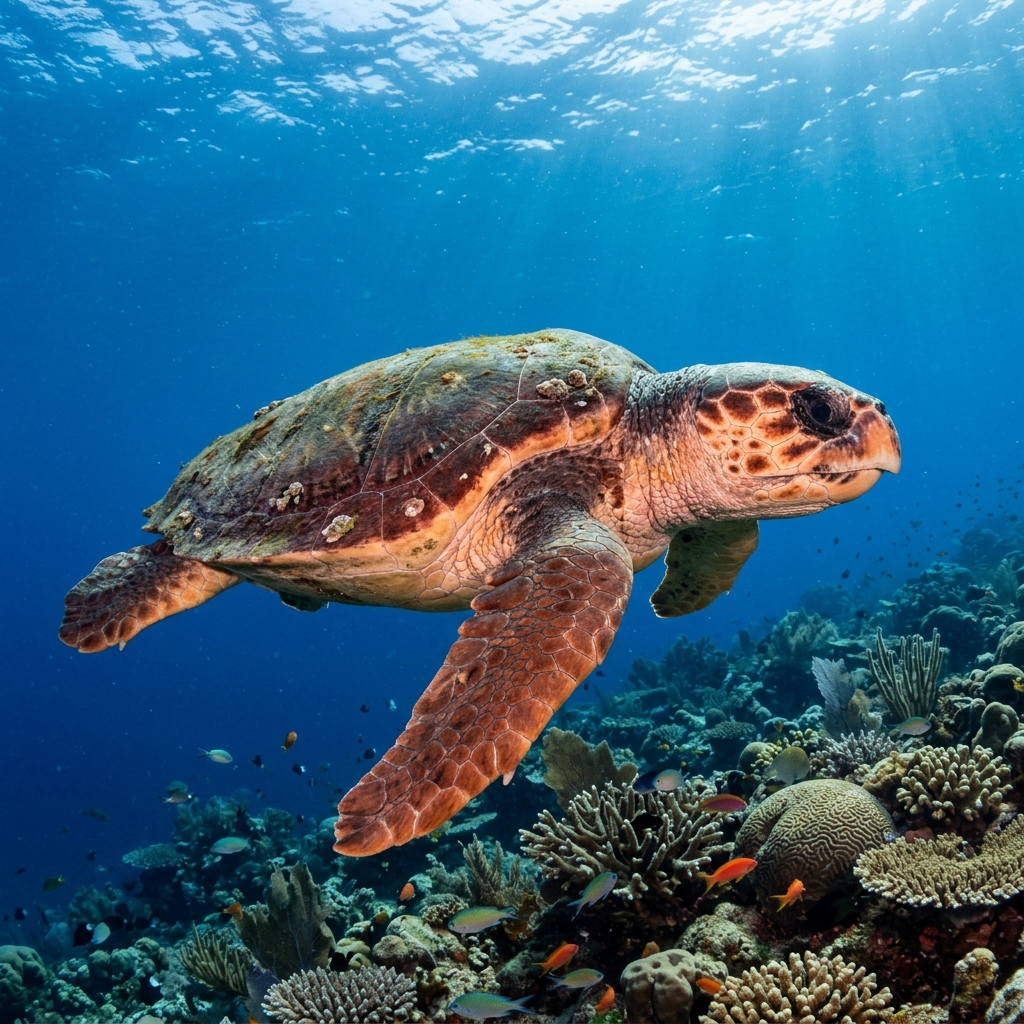
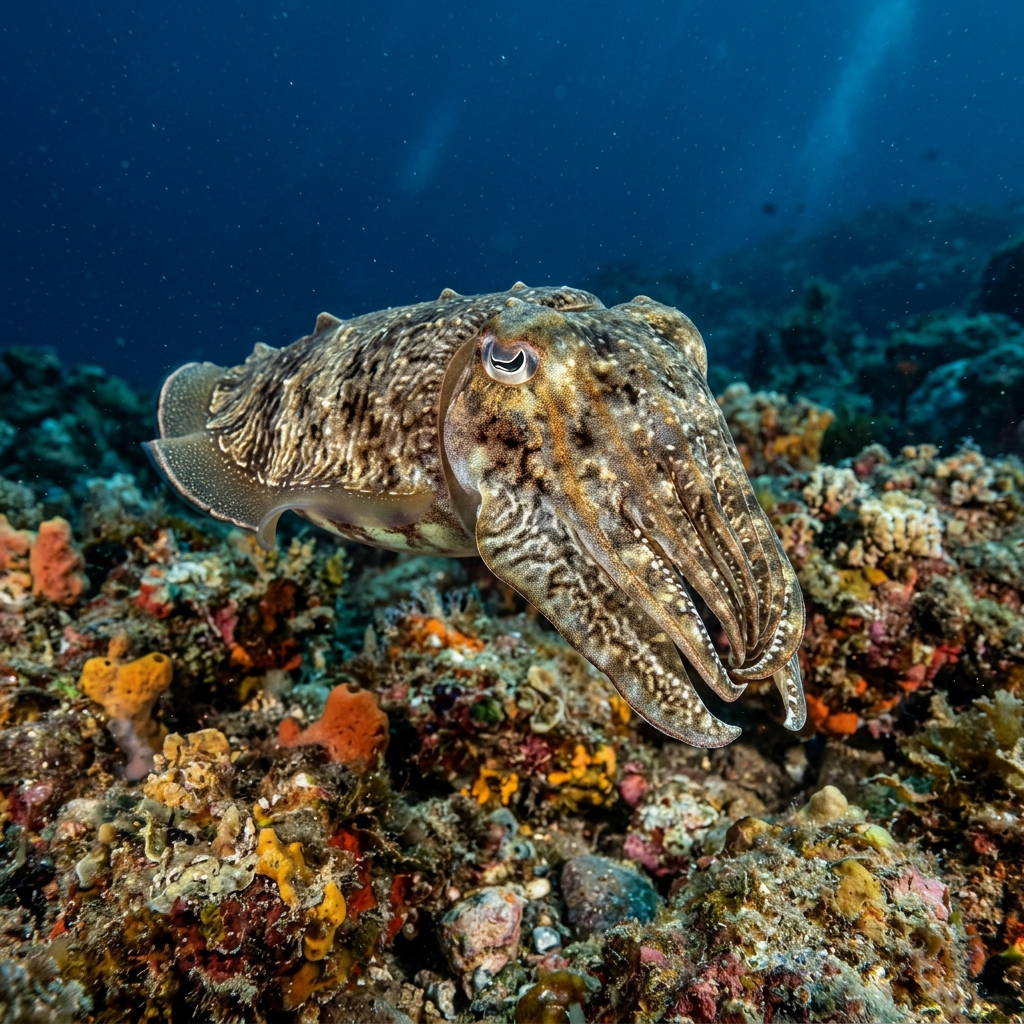
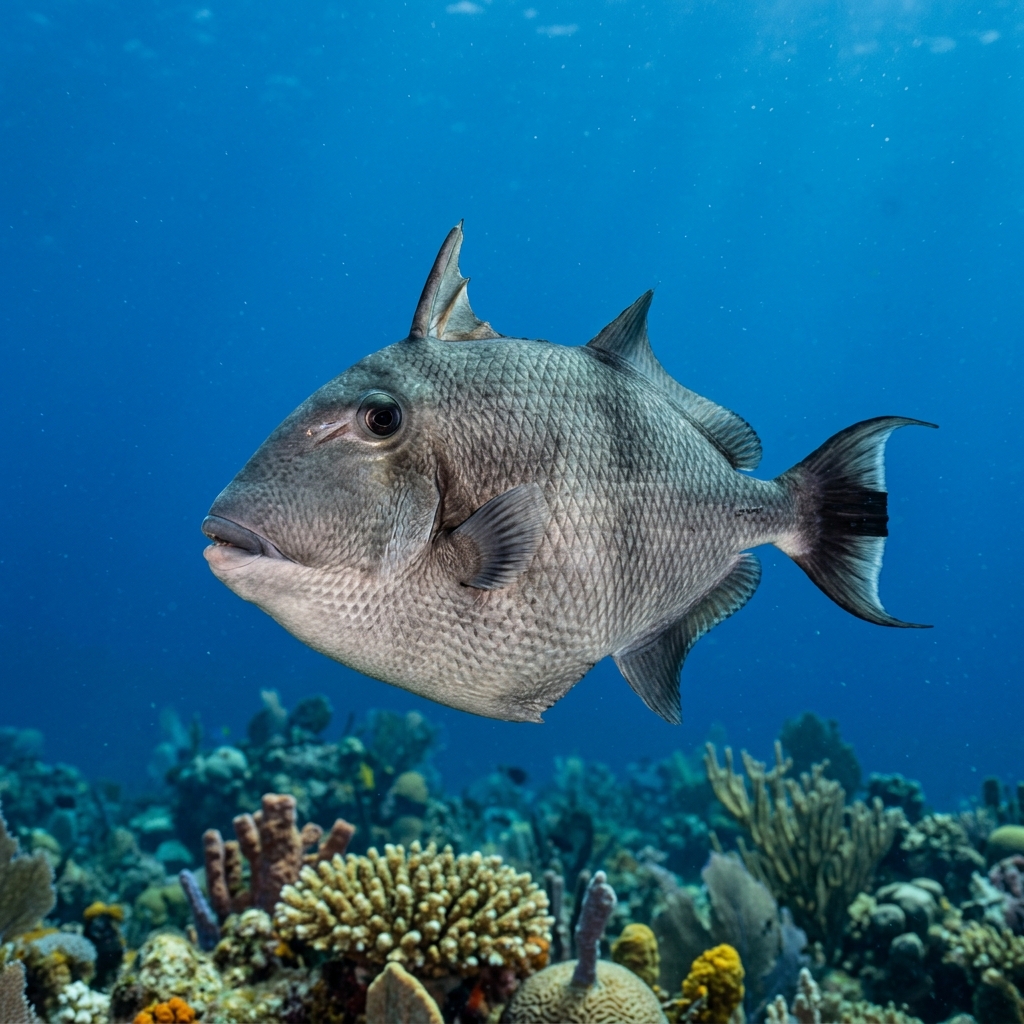
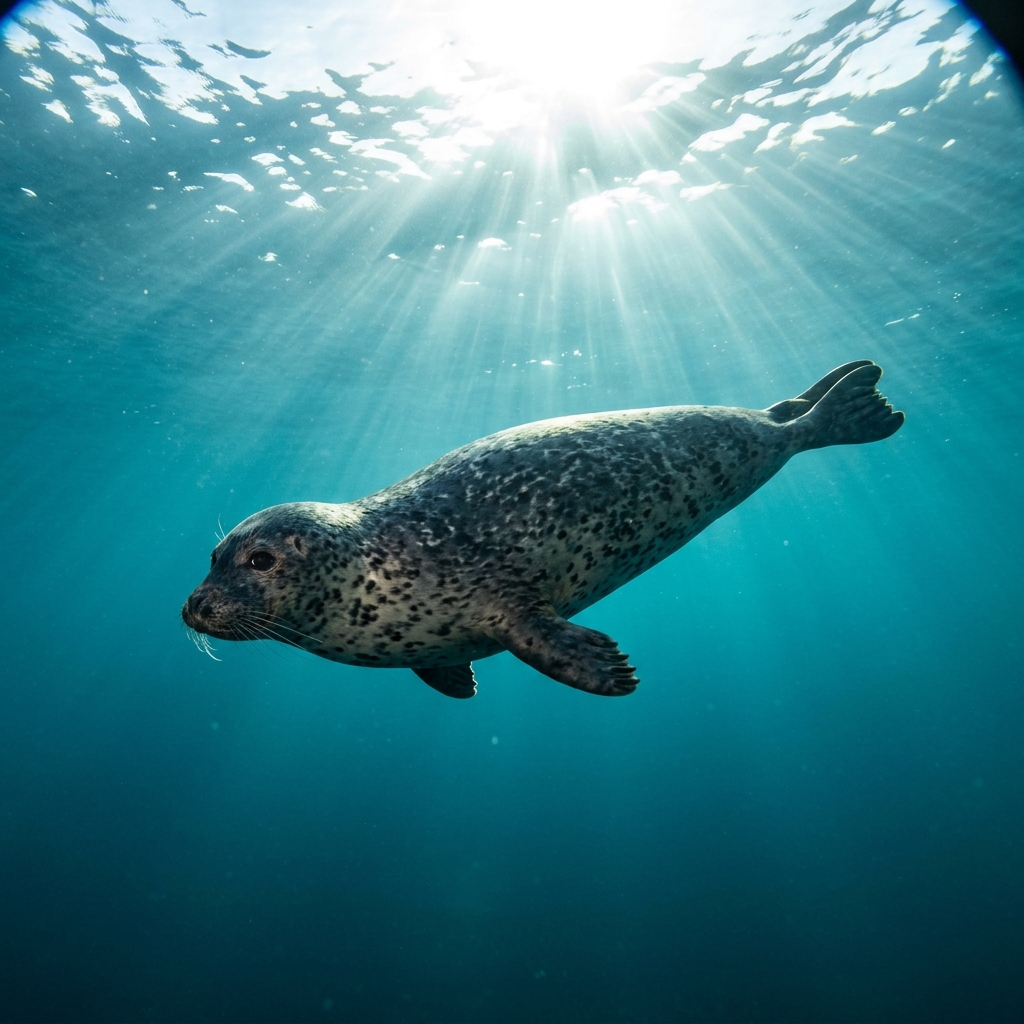
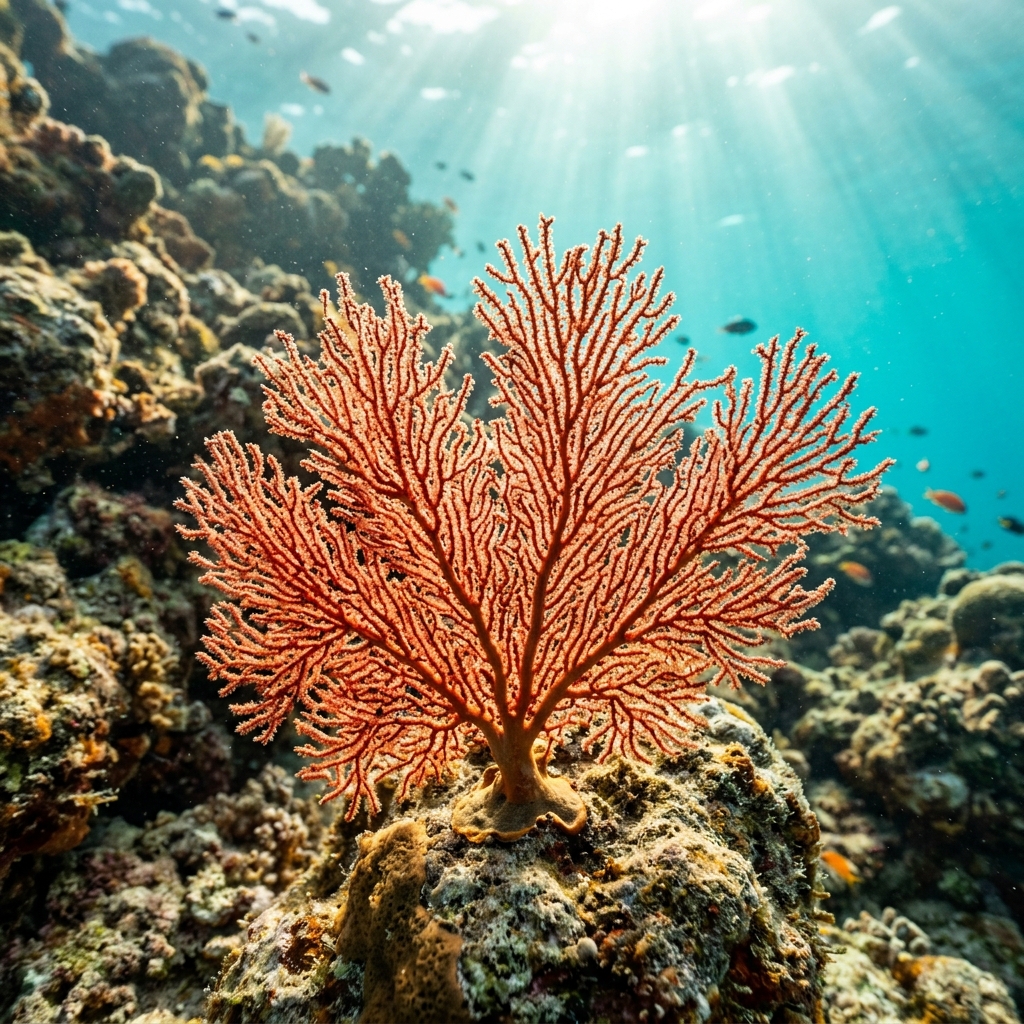
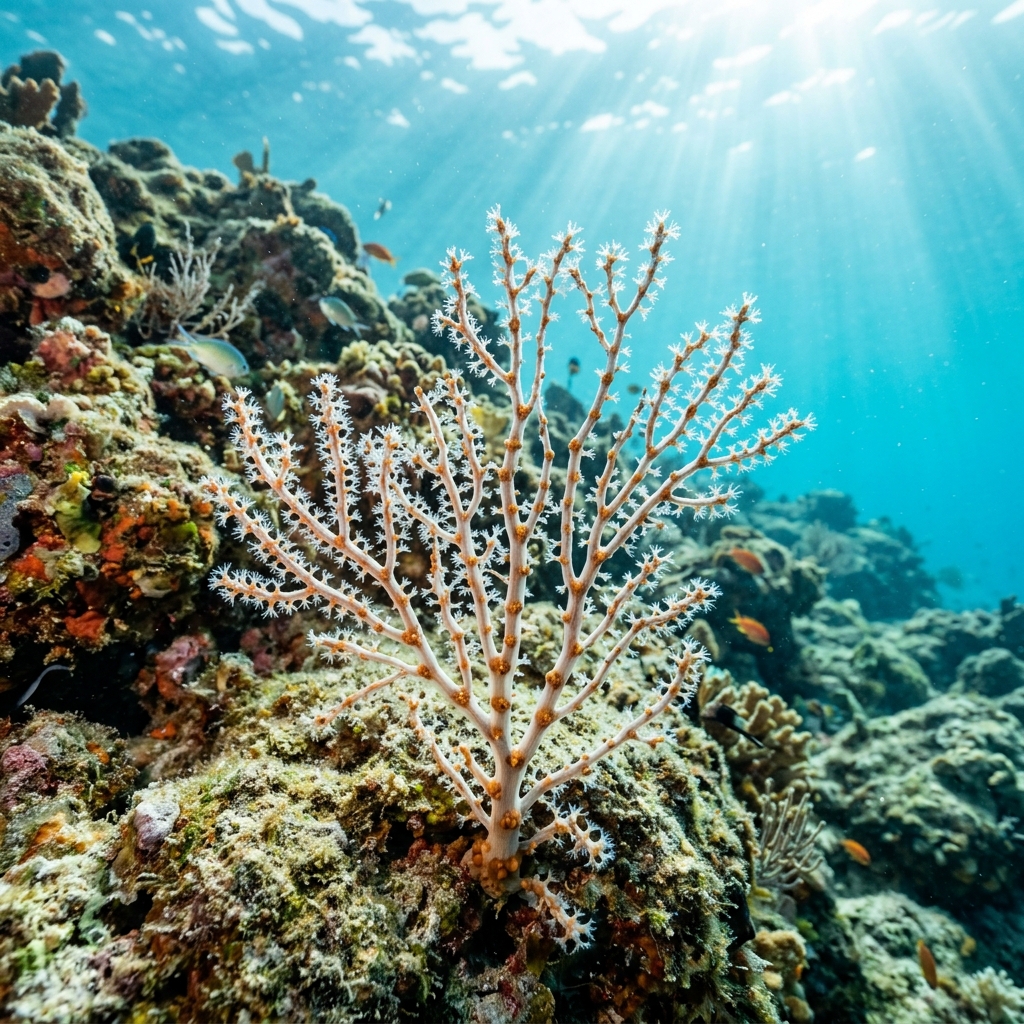
The wreck acts as an artificial reef, and the habitat supports various temperate marine life including reef fish and invertebrates.
No, the John Mahn is classified for intermediate divers due to the depth, moderate currents, and potential for decompression requirements.
The wreck sits at depths between 21 and 35 metres, with an average depth of 35 metres.
No, the site is located 37 kilometres from shore and requires boat access.
Key hazards include cold water, decompression requirements, deep depths, entanglement risks, low visibility, and nitrogen narcosis.
Diving at John Mahn in Central Belgium requires the following certifications: Open Water, Advanced. Always dive within your training limits.
A drysuit recommended is recommended for diving at John Mahn in Central Belgium. Water temperatures range from 8°C to 19°C.
Expect moderate currents at John Mahn in Central Belgium. Good buoyancy control and some drift diving experience is helpful.
Visibility at John Mahn in Central Belgium typically ranges from 5 metres to 10 metres. Conditions vary with weather, tides, and seasons.