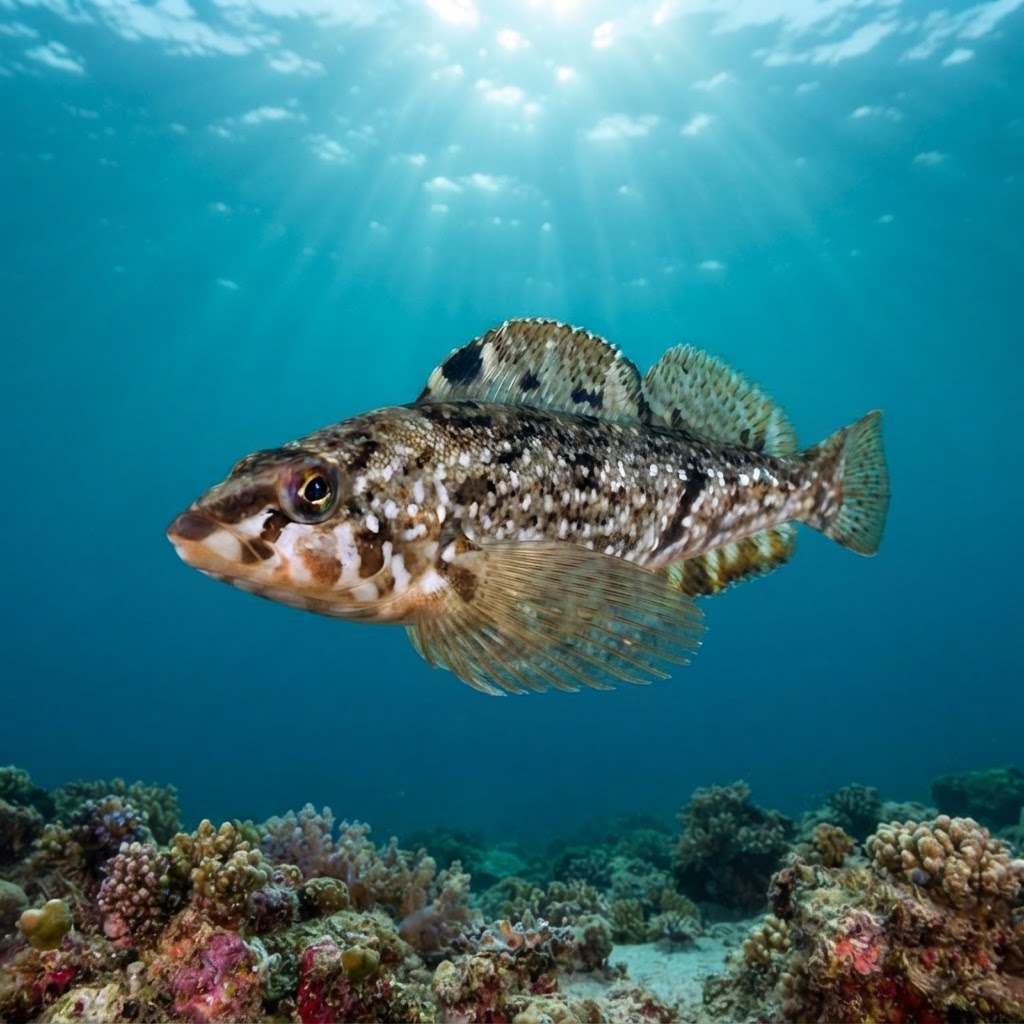
Hexagrammos stelleri
Cold-water bottom fish rarely spotted in British Columbia, Canada, in waters as low as 1C. Here's how to spot one on your next dive.
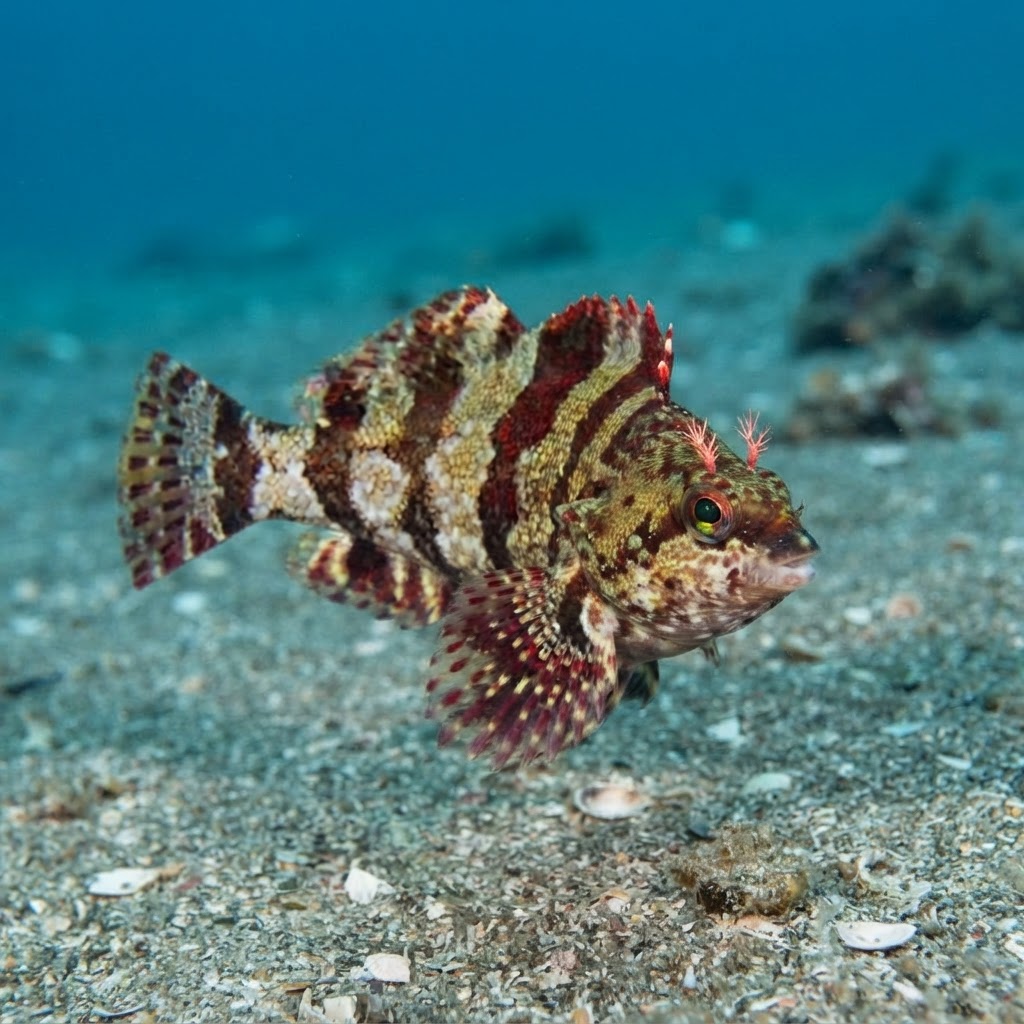
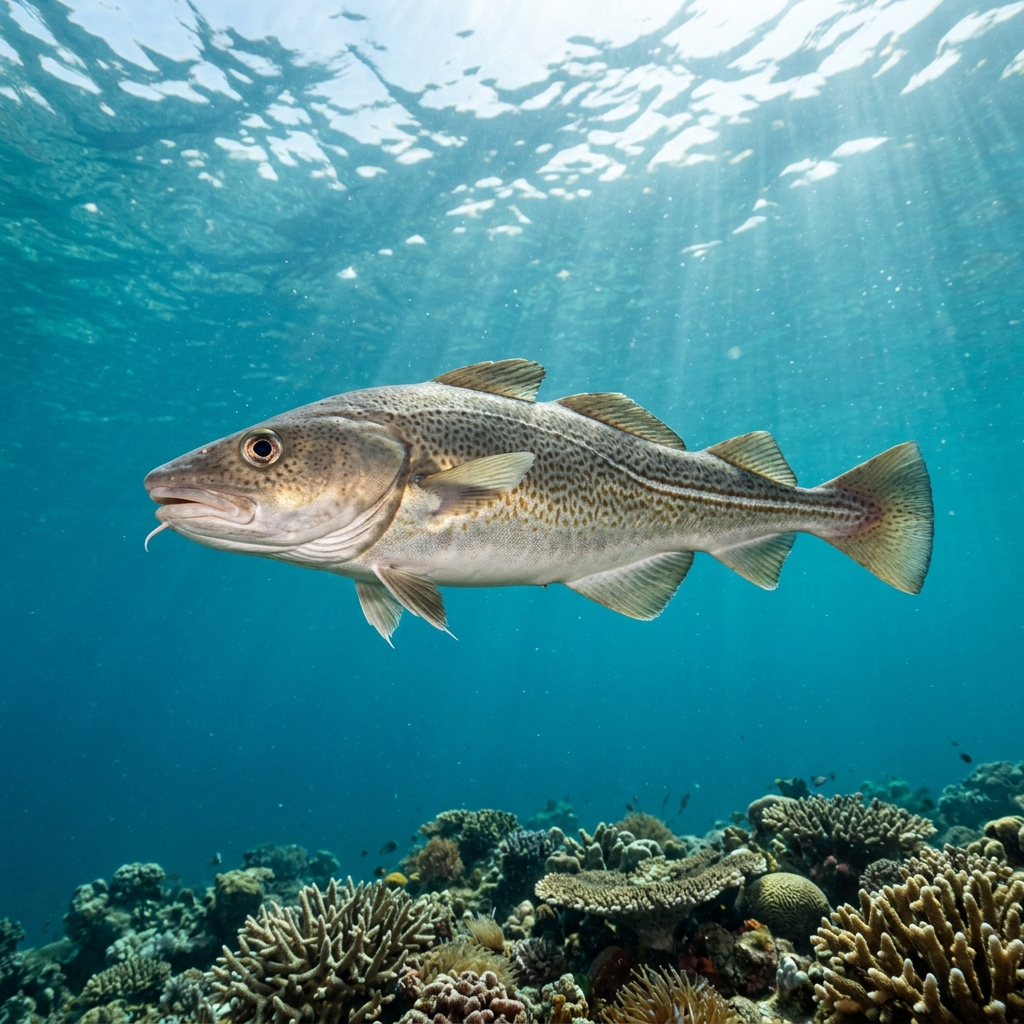
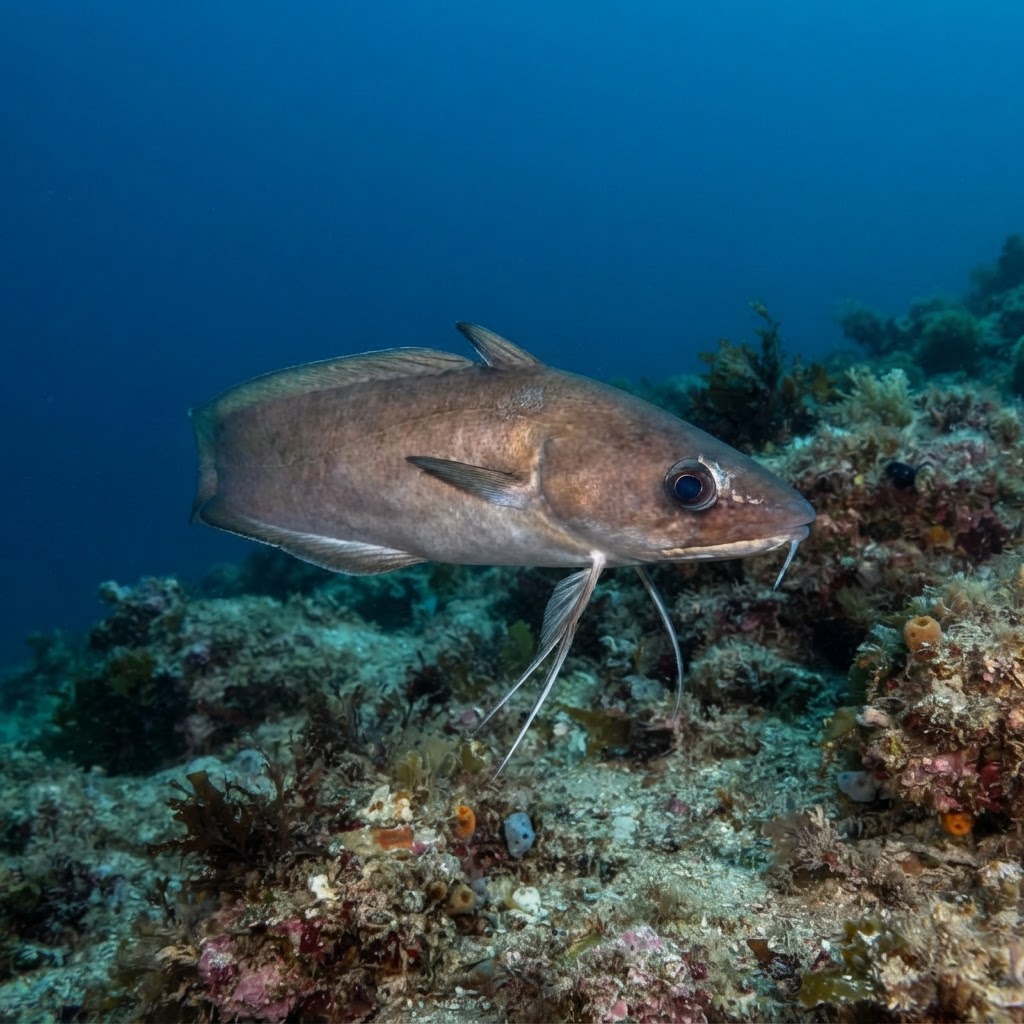
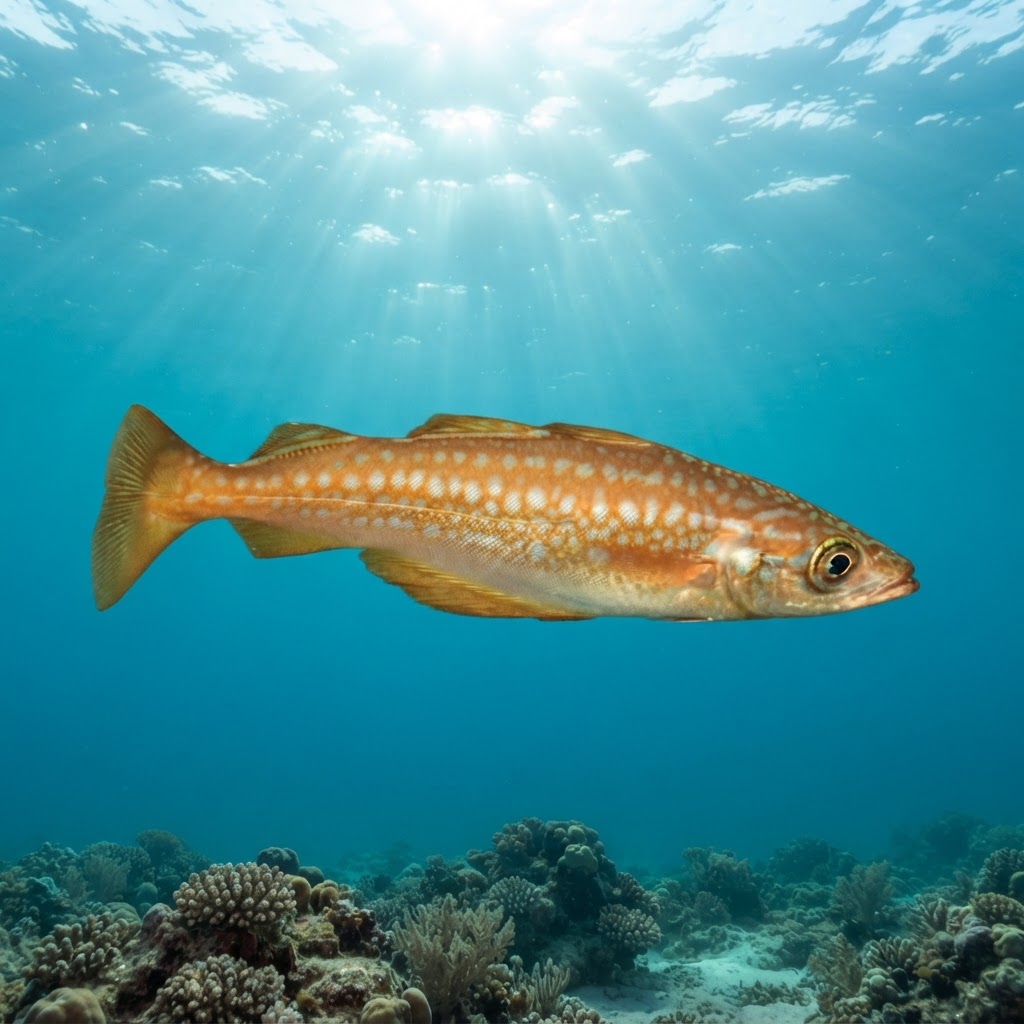
Slim, elongate body around 34 cm long, mottled brown to olive with scattered pale spots running along the flanks that give it its name. Look for it lying still on rock or gravel bottom rather than swimming in open water, often propped on its pectoral fins. Five lateral lines (a hexagrammid trait) run along each side, useful for confirming the family if you get a close look.
Typically found resting motionless on rock, gravel or cobble bottom rather than cruising mid-water, which is part of why it is logged as rare even where present. It tends to hold still as divers approach, relying on its mottled camouflage rather than fleeing, so slow, careful scanning of the bottom is how most divers spot one. Look low in the water column, close to structure, rather than up in the water.
Like other greenlings, it lays egg masses that stick to rock or algae rather than drifting as plankton, and males of some hexagrammid species guard the eggs until they hatch.
No clear seasonal pattern shows up in the data, and with a water-temperature niche running from near-freezing to about 8C, it stays in cold Pacific Northwest waters year-round rather than migrating with the seasons.
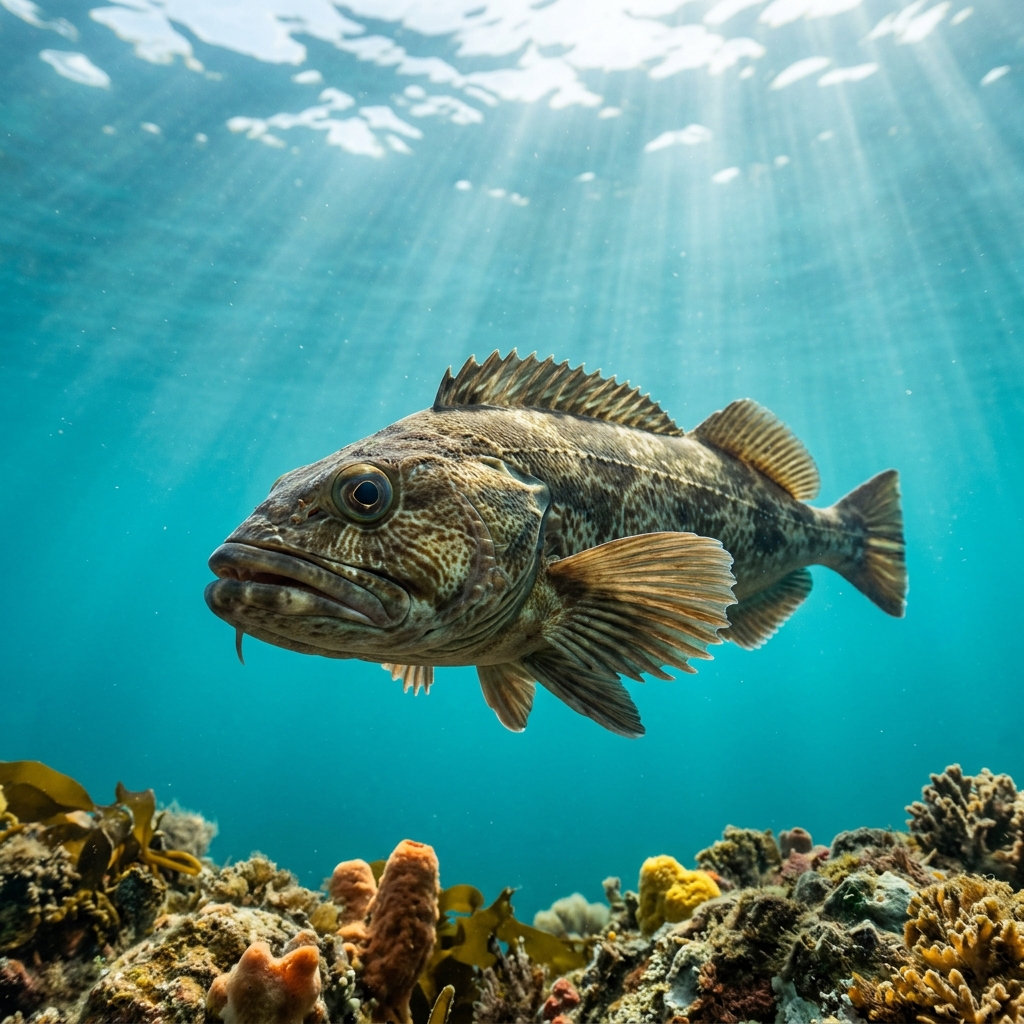
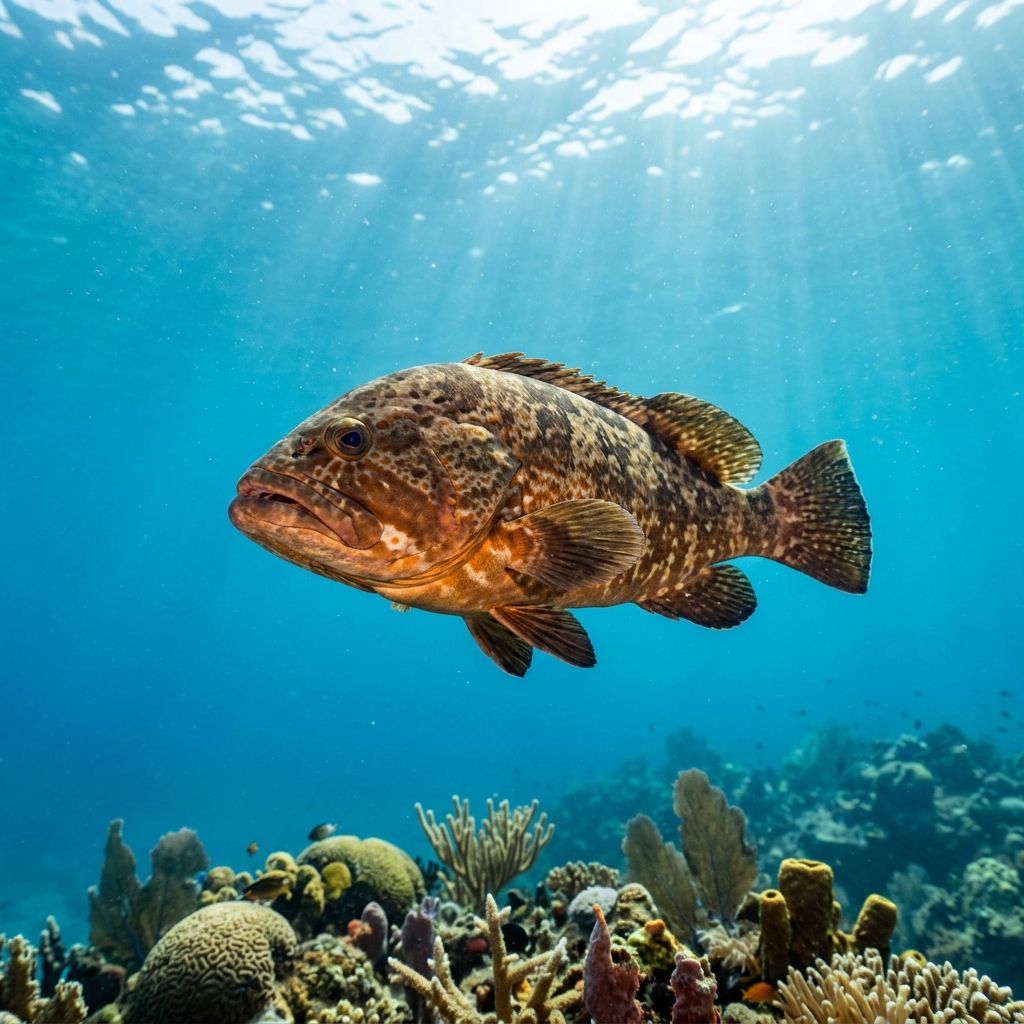
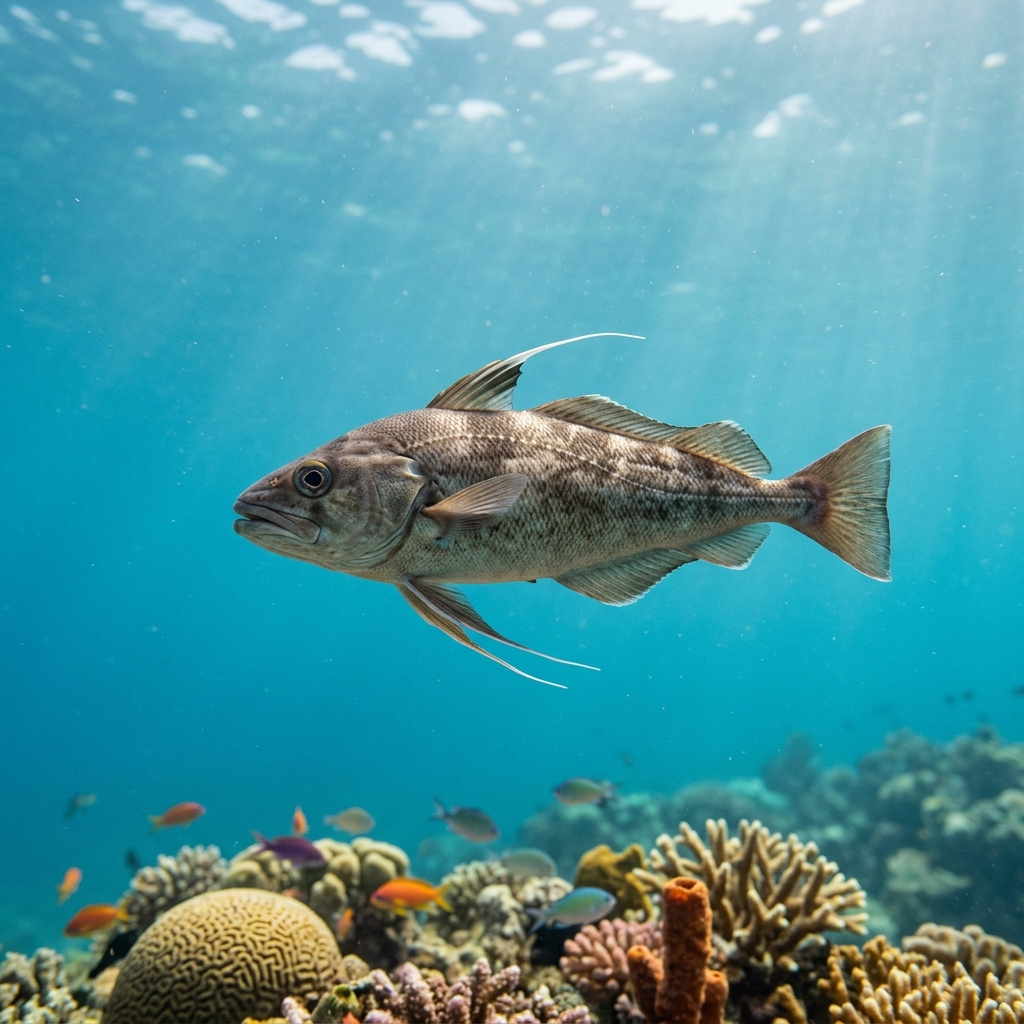
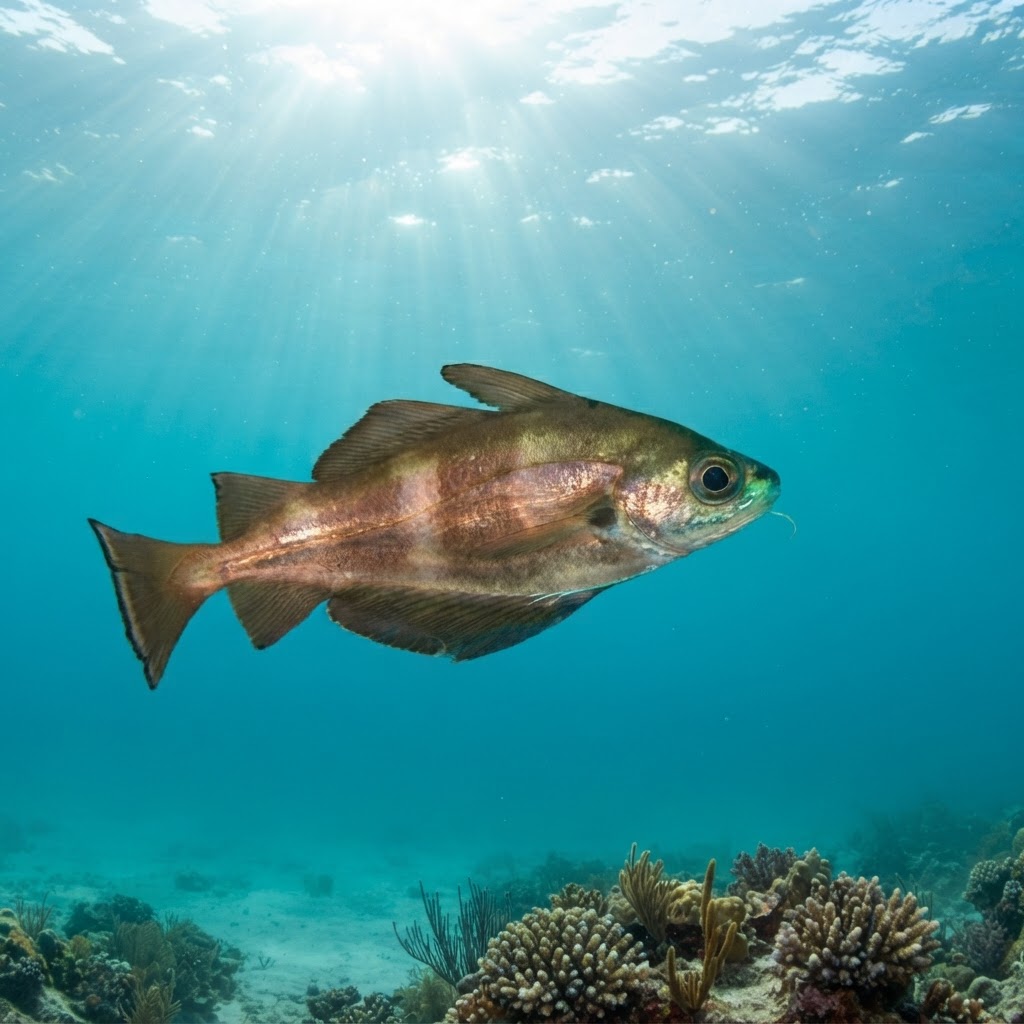
Reef neighbours a diver could mistake it for. Use the identification notes above to tell them apart.
Most reliably logged in British Columbia, Canada, which accounts for the bulk of recorded sightings, with the Pacific Northwest of the United States as the other main area. Divers in both regions find it on rocky, cold-water bottoms rather than open reef.
Mapping where Whitespotted Greenling is logged…
British Columbia, Canada is the strongest area for sightings, with additional records from the Pacific Northwest of the United States. It sits on rocky, cold-water bottoms rather than open reef.
There's no strong seasonal signal in the data, and it lives in cold water year-round (roughly 1 to 8C), so sightings are possible across the year rather than tied to a particular season.
Look for a slim, mottled brown to olive fish around 34 cm long, resting still on rock or gravel with pale spots scattered along its sides. It holds close to the bottom rather than swimming in open water.
They typically reach around 34 cm in length, making them a modest-sized bottom fish rather than a large predator.
No. They are not considered dangerous to divers and simply rest on the bottom, relying on camouflage rather than any defensive behaviour toward divers.
Site and sighting data is aggregated from diver logs, iNaturalist and GBIF. For taxonomy and conservation status:
Pollack
282 sites