Oxylebius pictus
Look for its red-and-cream stripes on rocky reefs in British Columbia and California, in water down to 8C, year-round.
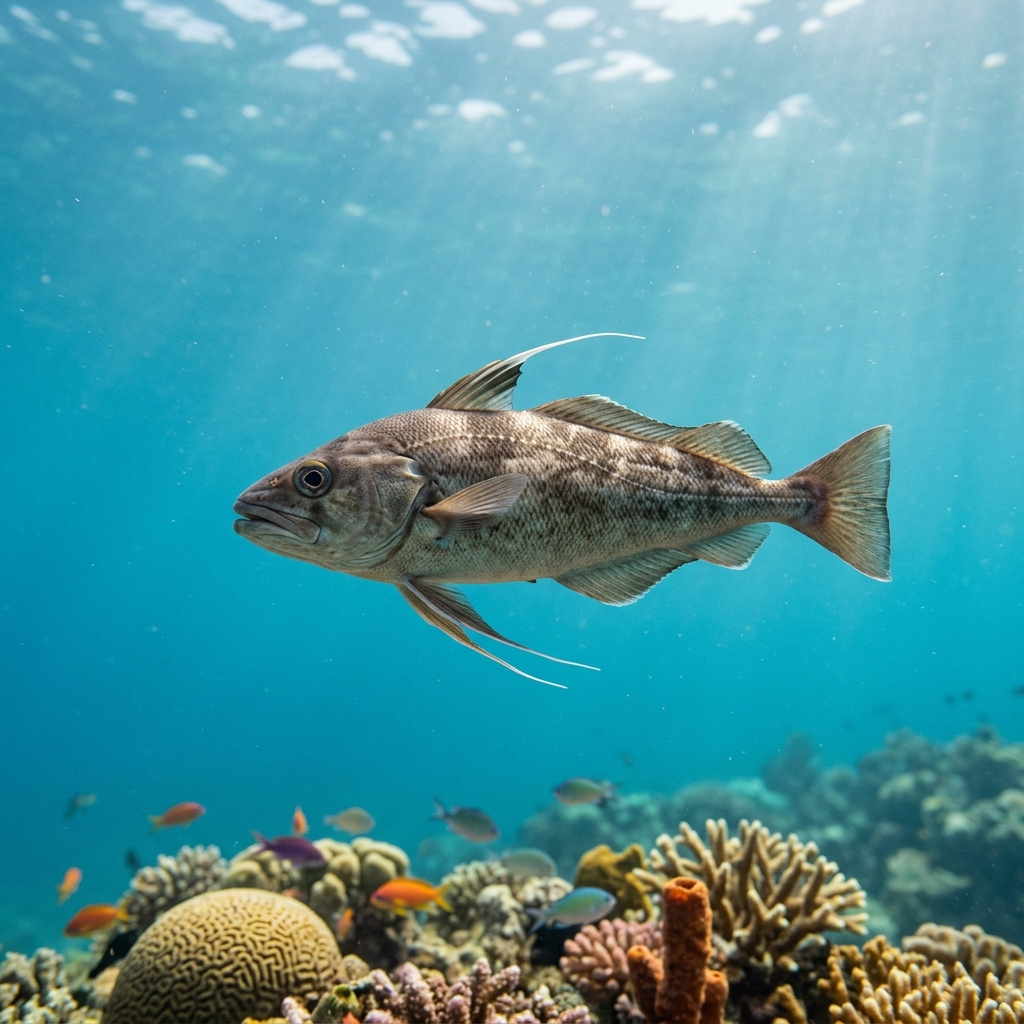
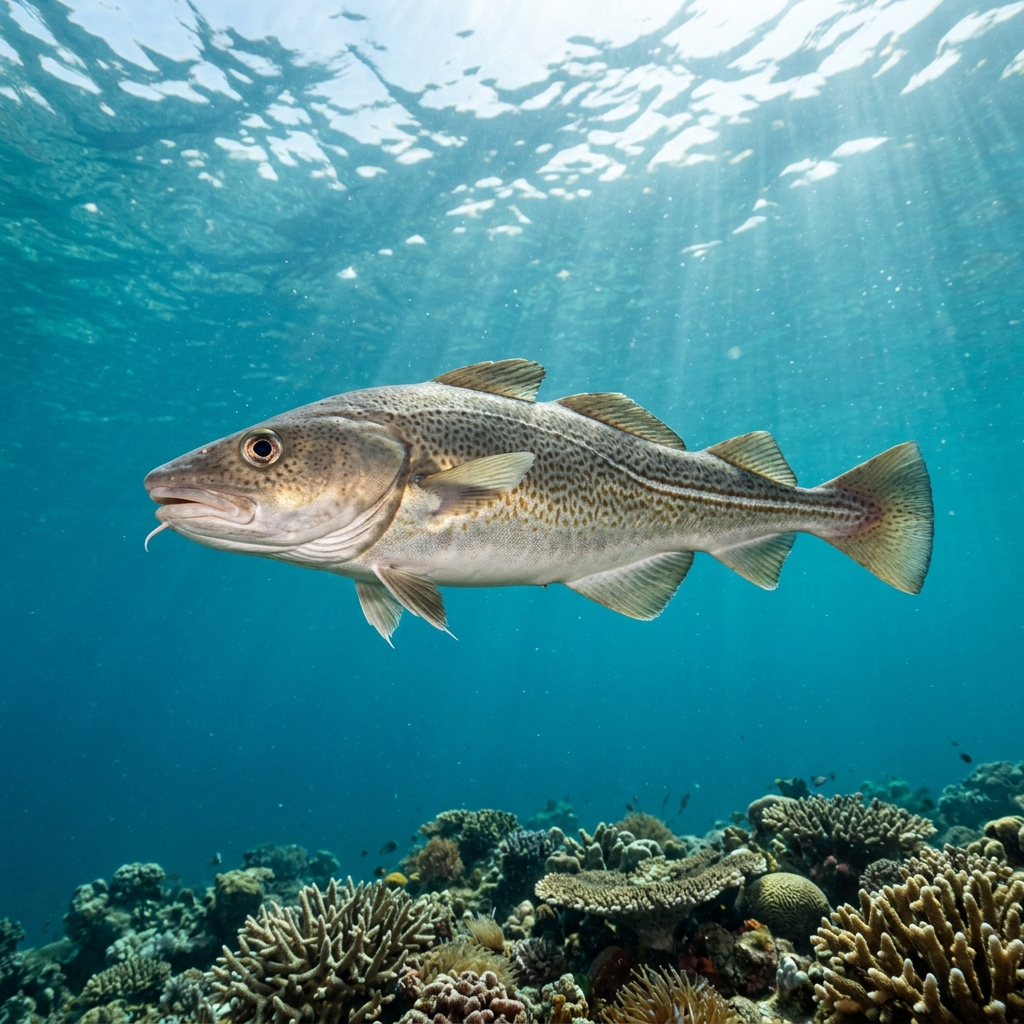
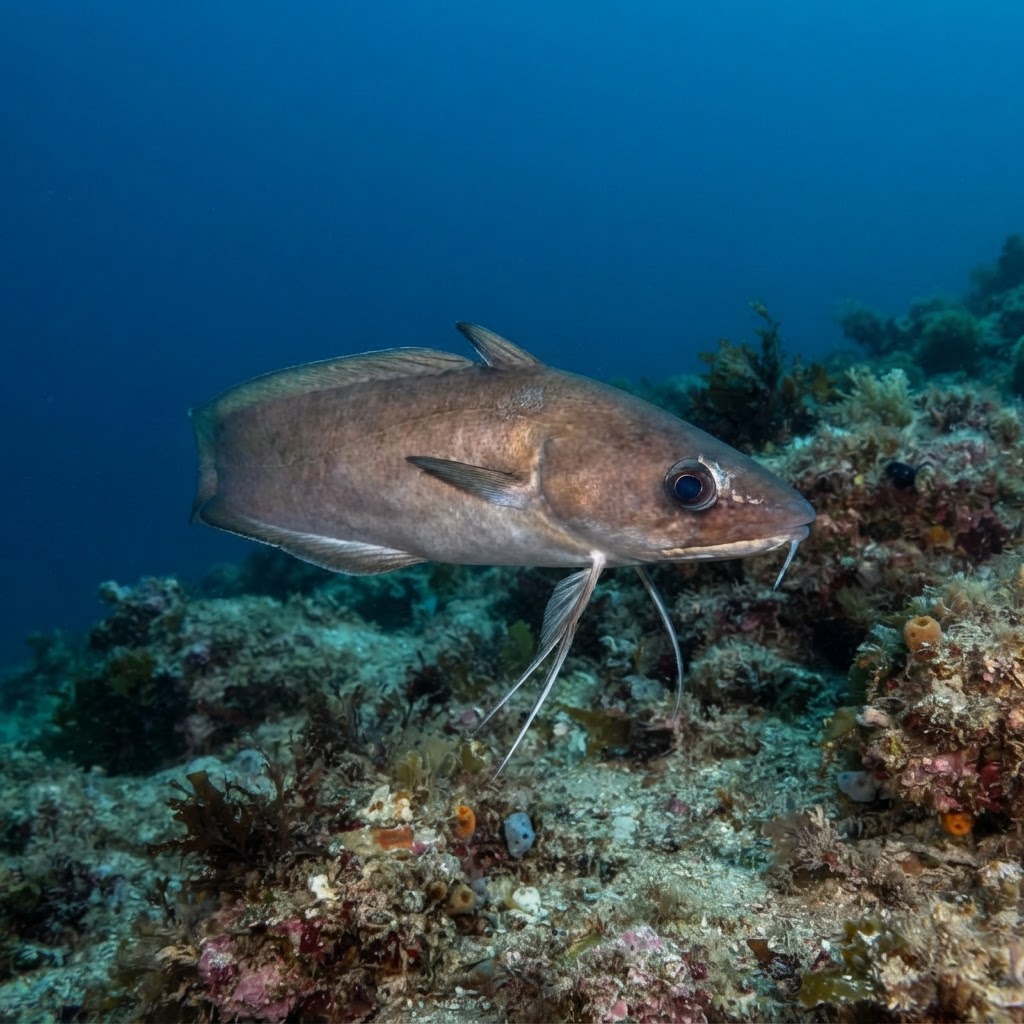
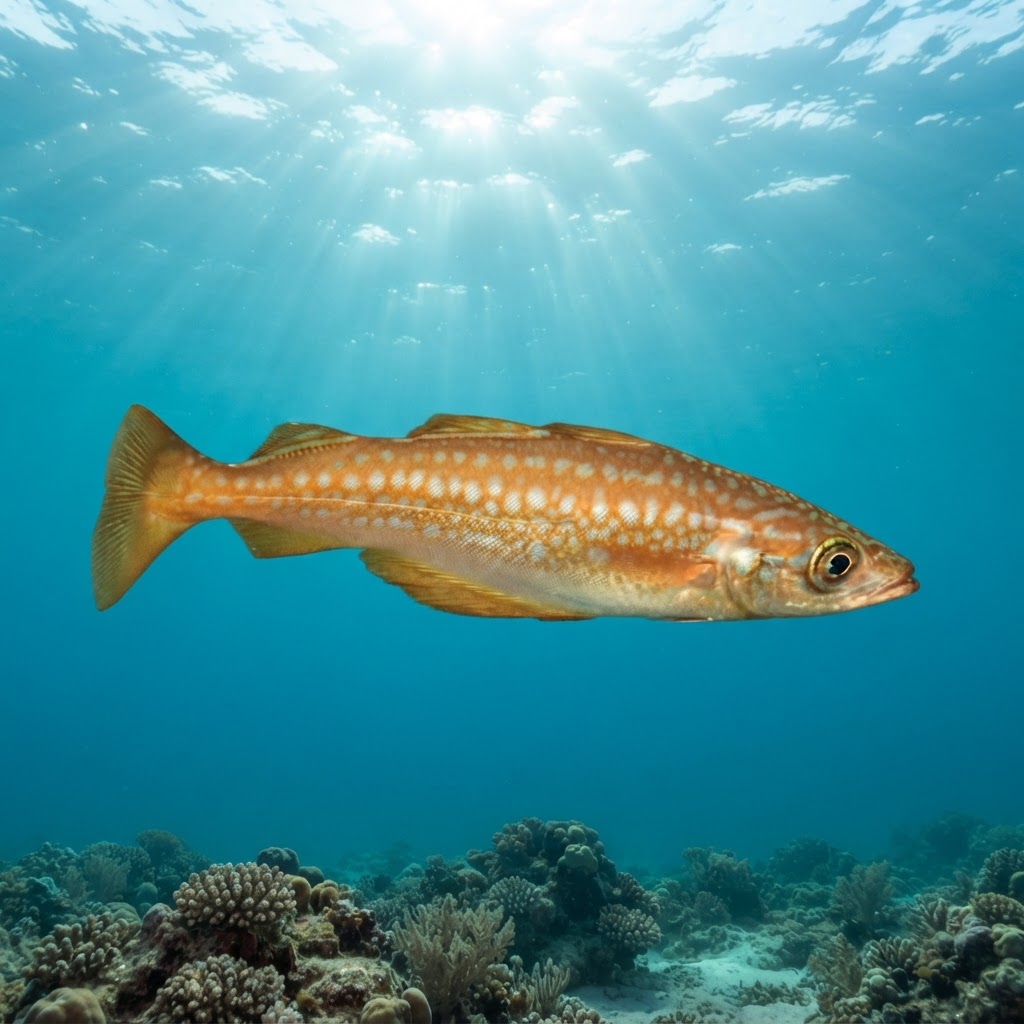
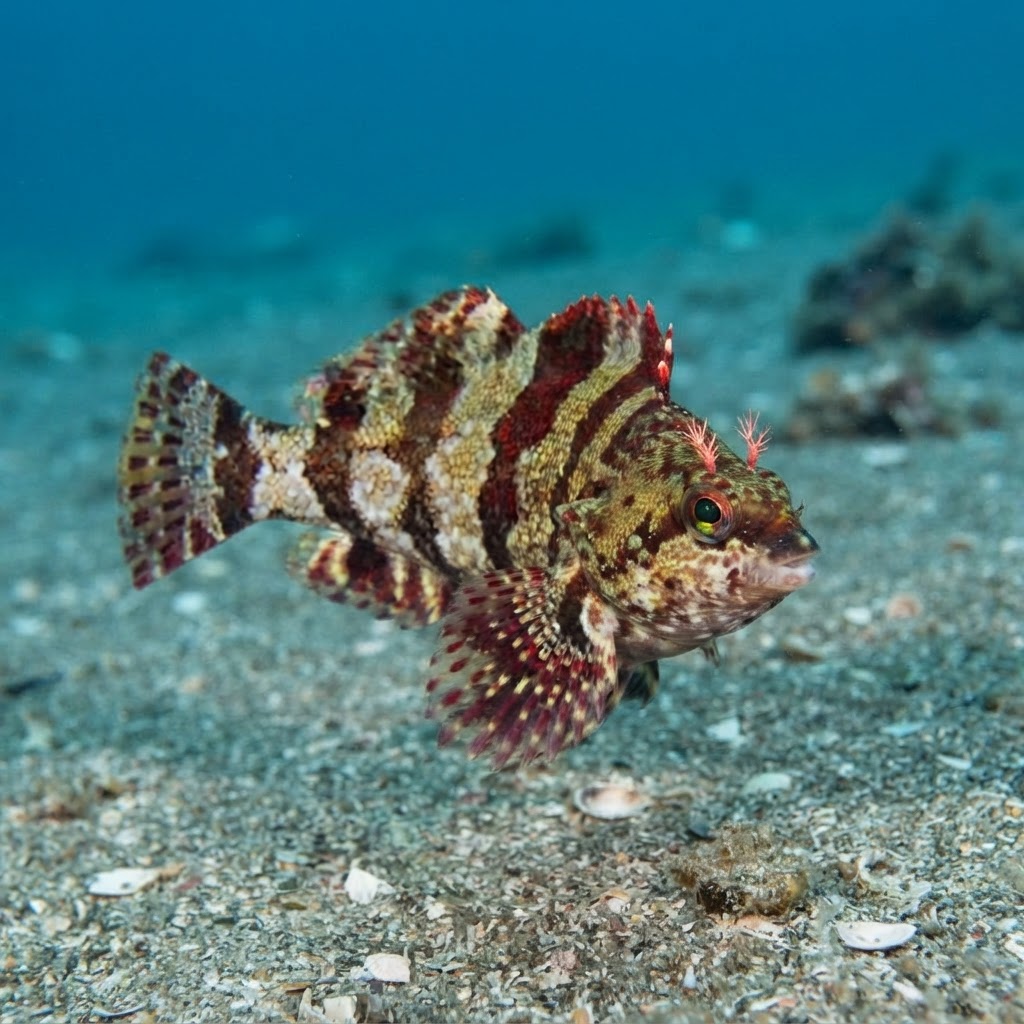
Small, slender fish around 17 cm with a distinct pattern of dark reddish-brown stripes running along a cream or tan body. Look for the fringed, feathery cirrus (small skin flap) above each eye and a pointed snout. It tends to perch motionless on rock or sponge rather than swimming in open water, which combined with the stripe pattern makes it easy to pick out once you know what to look for.
Divers typically find it sitting still on rock, cobble, or encrusting sponge rather than out swimming, using its camouflage-striped body to blend into the reef structure. It is not shy in the sense of darting off immediately, often letting a diver get a close look before moving a short distance to another perch. Most sightings are on the bottom in typical rocky reef and kelp-adjacent habitat rather than in open water.
Males guard the egg mass after spawning, fanning and defending the eggs on the reef until they hatch, a bit of parental care that is unusual among small reef fish.
No clear seasonal pattern shows up in the data, and its comfort range of roughly 8 to 14C matches cold, temperate water year-round, so any month works in its core range.
Most reliably logged in British Columbia, Canada and California, United States, with a solid presence through the Pacific Northwest and Baja California, Mexico too. Sites in these regions tend to report it as uncommon to rare rather than a guaranteed sighting, so treat it as a nice find on a rocky reef dive rather than a headline target.
Mapping where Painted Greenling is logged…
British Columbia in Canada and California in the United States are the strongest regions for sightings, with additional records from the Pacific Northwest and Baja California, Mexico. It favours rocky reef habitat in cool water rather than tropical coral reefs.
There is no strong seasonal pattern in sighting data, so it can be found year-round within its cold-water range. It is comfortable in temperatures from about 8 to 14C, which covers most of the diving season in its core regions.
Look for a small, slender fish with reddish-brown stripes on a cream body, a pointed snout, and a feathery cirrus above each eye. It usually sits still on rock or sponge rather than swimming, which helps confirm the ID.
They typically reach around 17 cm, making them a small, easy-to-overlook fish on a rocky reef dive.
No, they pose no danger to divers. They are small, non-aggressive bottom-dwellers that simply perch on the reef and are best appreciated with a calm, close approach.
Males take on egg-guarding duty after spawning, fanning and defending the egg mass on the reef until the young hatch, which is a distinctive bit of parental care for a small reef fish.
Site and sighting data is aggregated from diver logs, iNaturalist and GBIF. For taxonomy and conservation status:
Pollack
282 sites