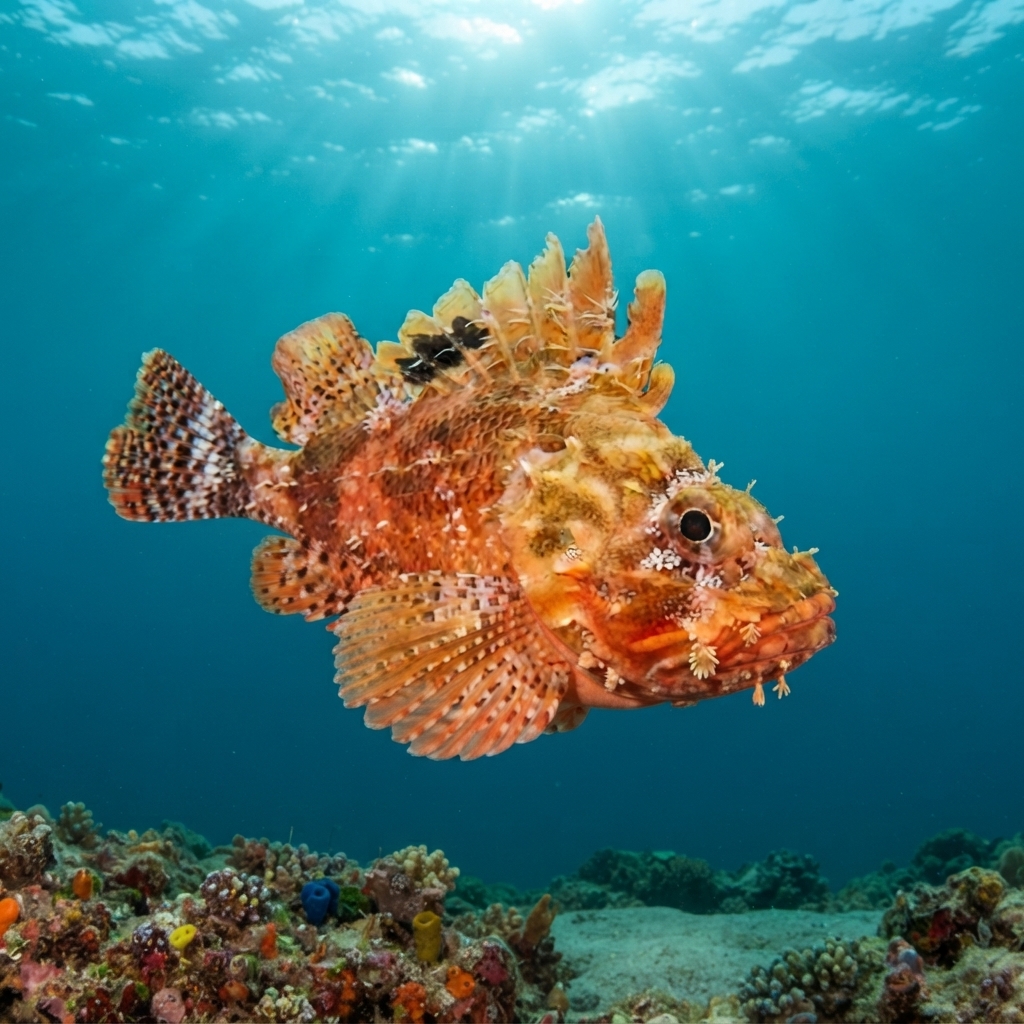
Scorpaena sumptuosa
Camouflaged on rocky reef in Western Australia, spotted at 17.6 to 23.6C - here's how to spot it and where it's most reliably logged.
Safety warning
Carries venomous spines along its dorsal fin, and a sting from mishandling or an accidental knee-down on the reef can cause serious pain and swelling. It won't come after you, so the real risk is not seeing it against the rock, keep hands and knees off the substrate and watch where you settle.
If you're stung
Venomous spinesGeneral first-aid guidance, not a substitute for professional medical care. In an emergency, call your local emergency number.
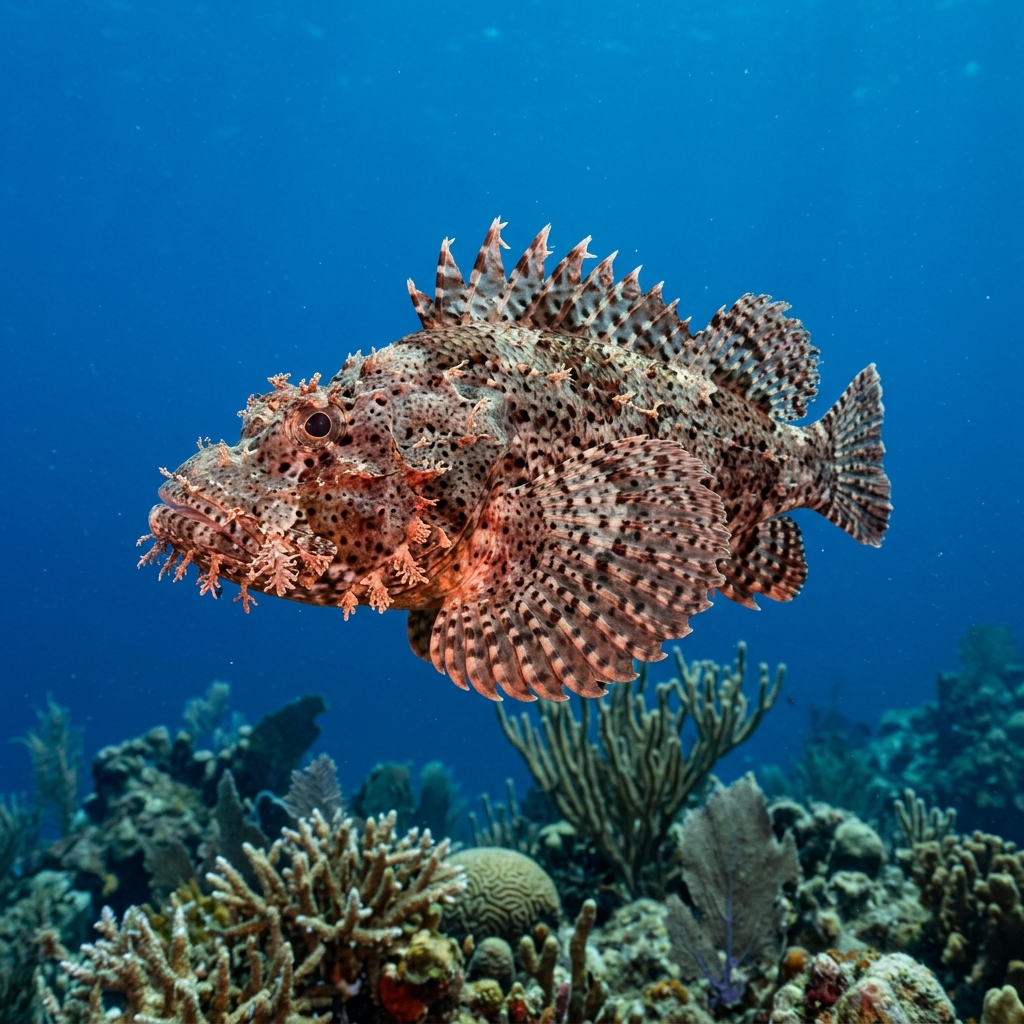
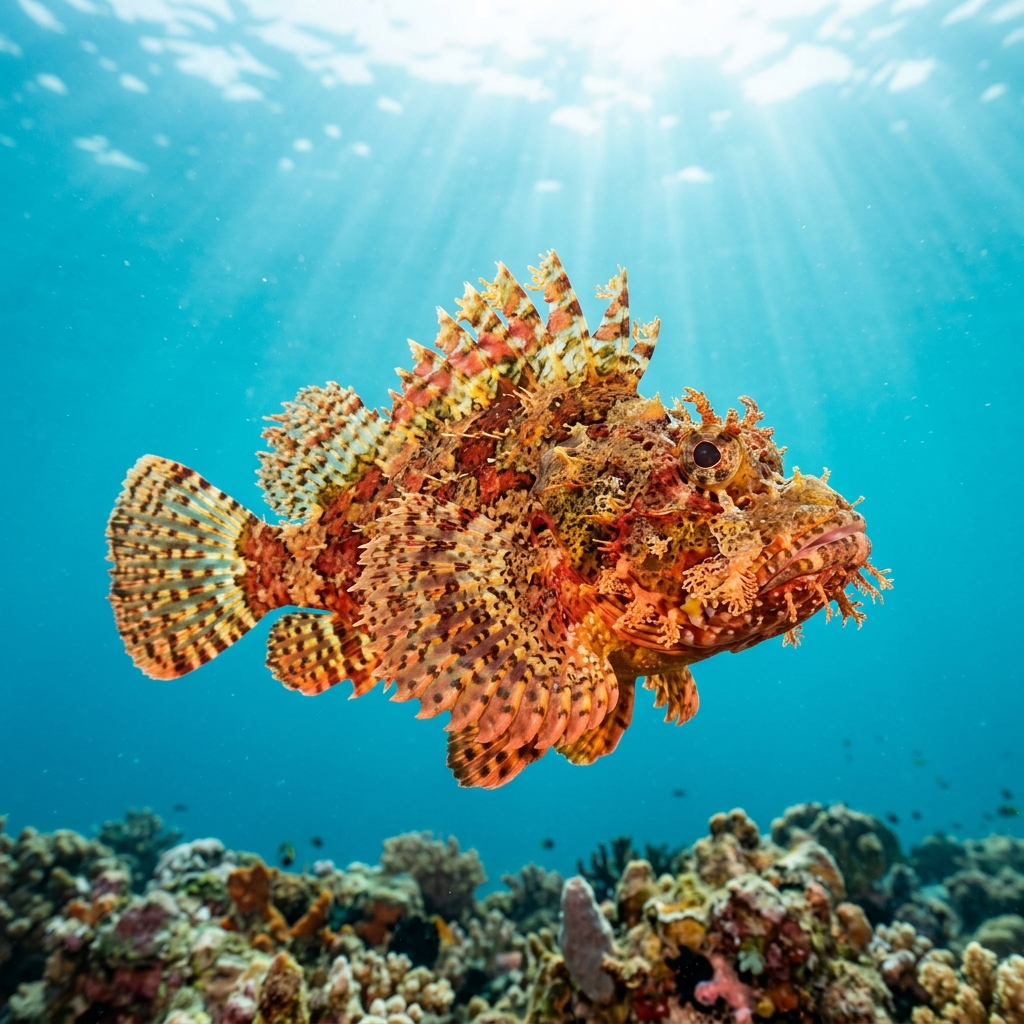
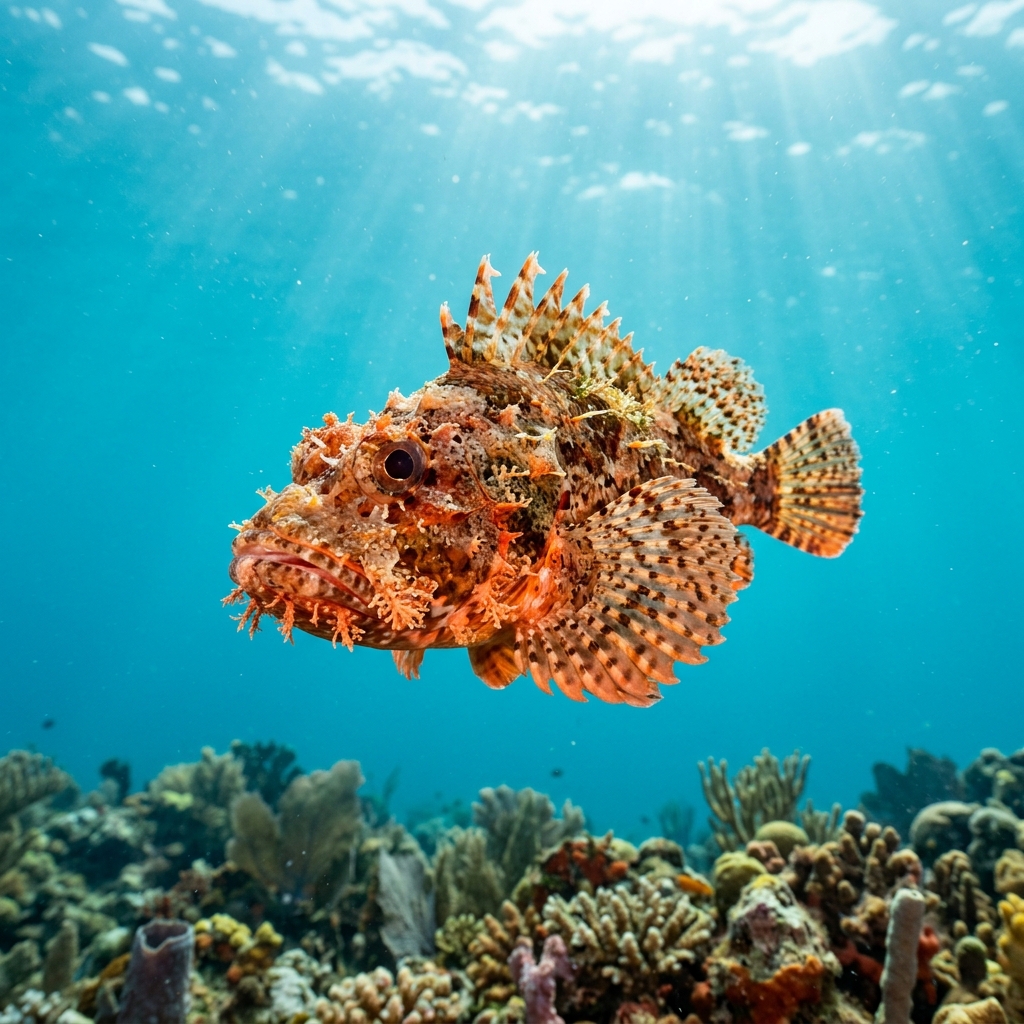
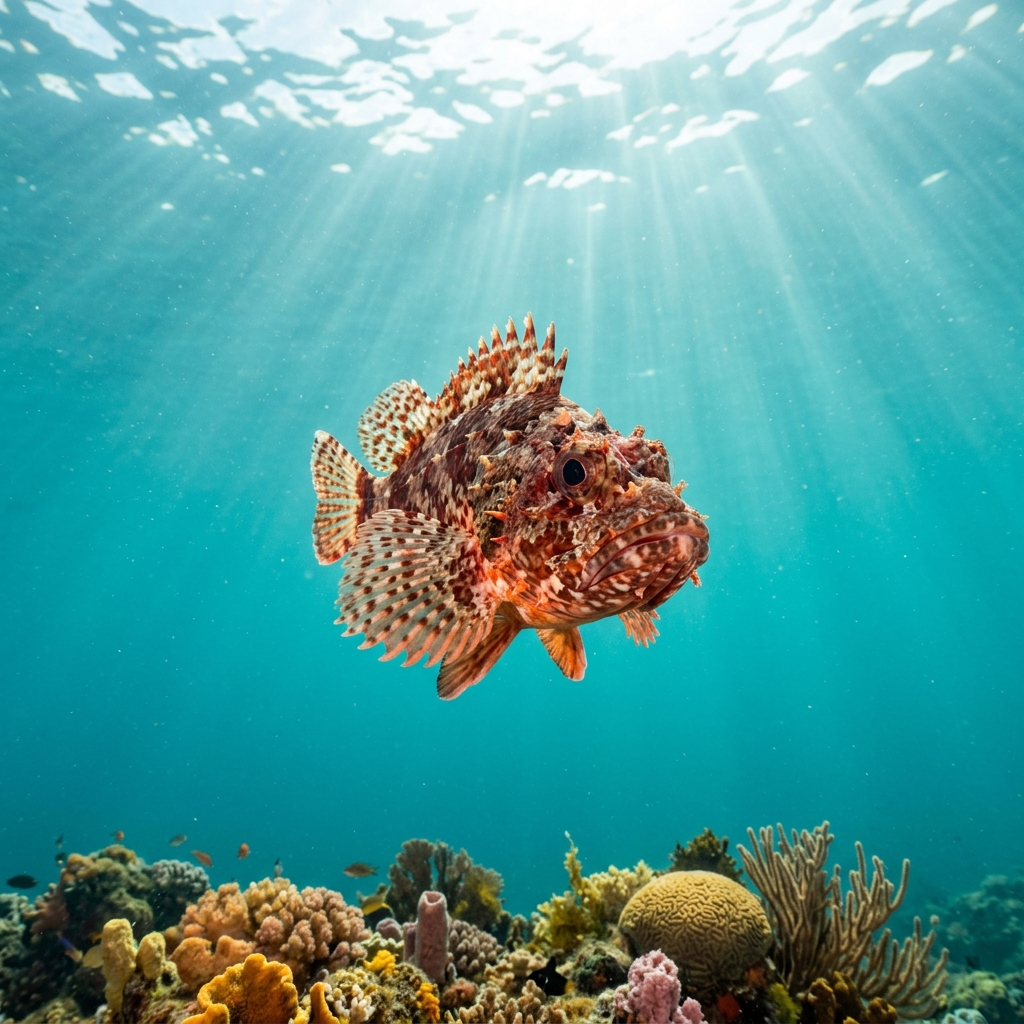
Grows to around 28 cm, with a heavy-browed, spiny head and a mottled red-brown to rust body that blends into rock and algae. The body is stocky and tapers to a broad tail, and it sits still on the bottom rather than swimming, relying on camouflage over colour to hide. Look for the fringed, weedy-looking flaps around the head and jaw, which break up its outline against reef and rubble.
Spends most of its time motionless on rock, rubble or weedy bottom, using its mottled skin to disappear rather than flee. Divers most often find it by accident, sitting still against a similarly coloured backdrop, and it will generally hold its position even at close range rather than bolt. Most records come in at low frequency, so it rewards divers who slow down and scan the substrate carefully.
Like other scorpionfish, it ambush-feeds by staying still and letting prey wander within striking range, using camouflage as both its hunting tool and its main defence.
Sightings show no clear seasonal pattern, and with a water-temperature niche of 17.6 to 23.6C it likely stays put on Western Australia's cooler reefs year-round rather than migrating with a season.
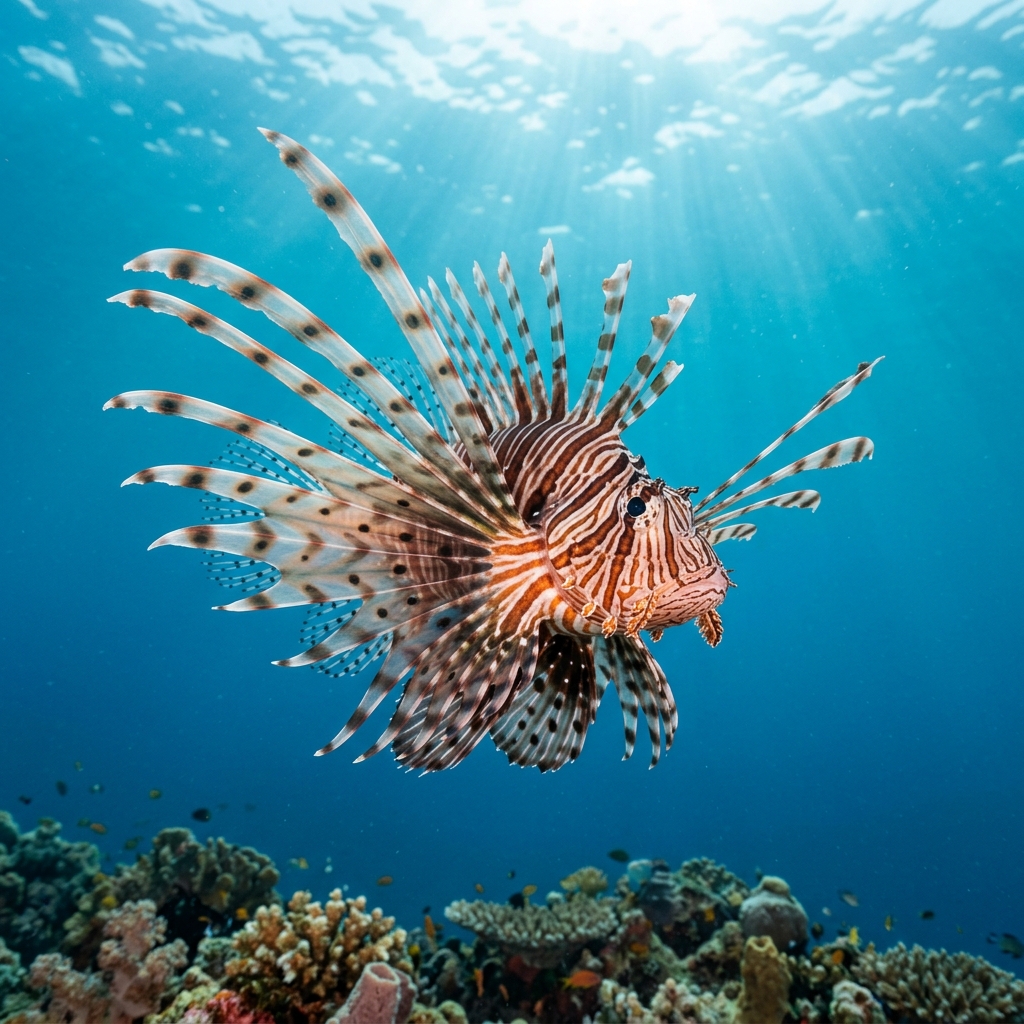
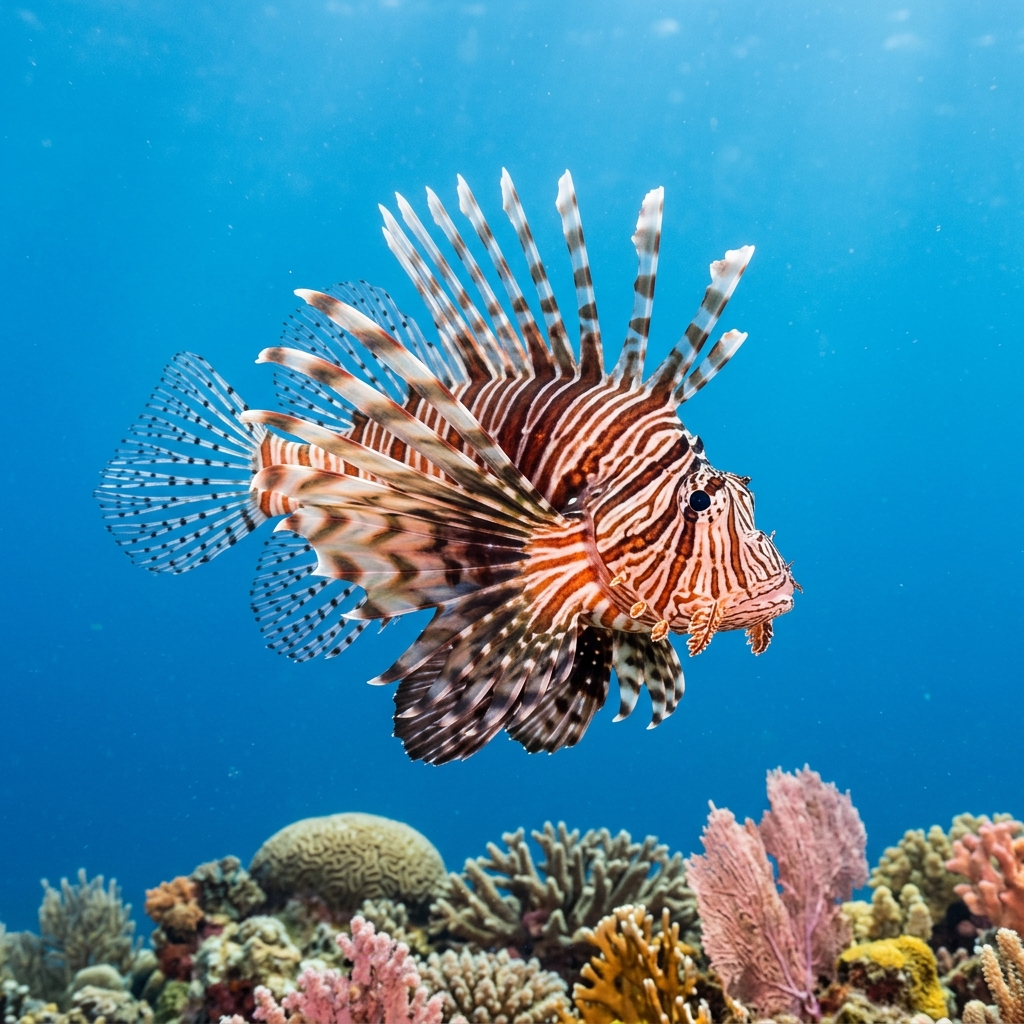
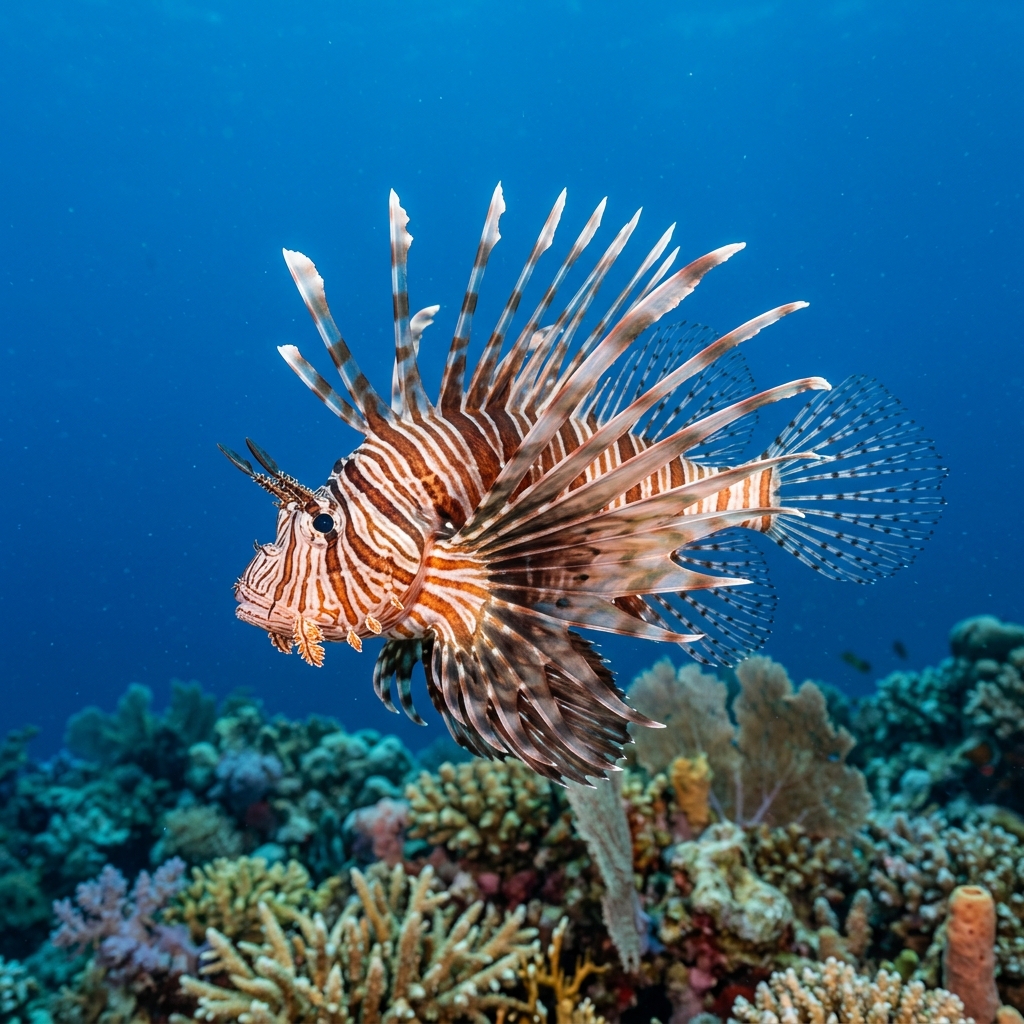
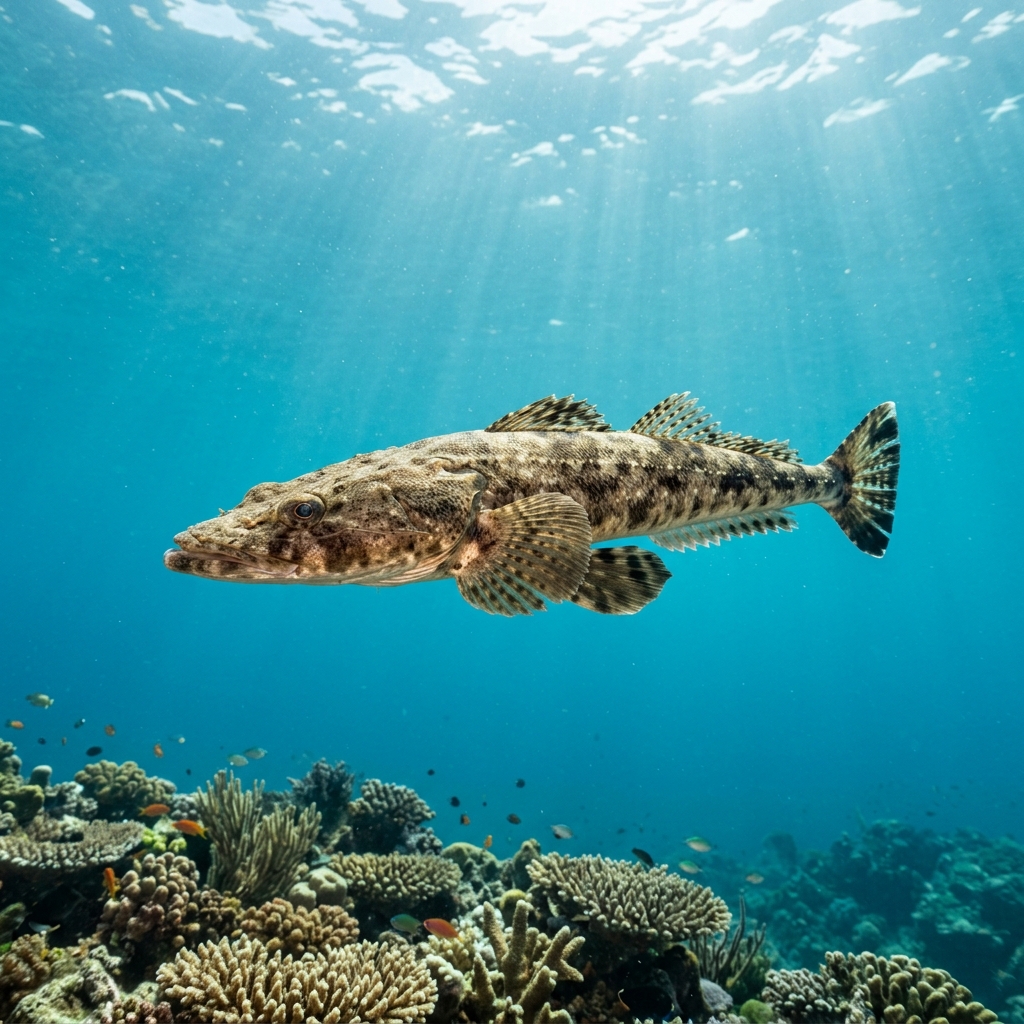
Reef neighbours a diver could mistake it for. Use the identification notes above to tell them apart.
This one is a Western Australia specialty, with sightings concentrated at rocky and reef sites across the state and no strong records logged elsewhere yet. If you're diving the temperate reefs of Western Australia, keep half an eye on rubble patches and rocky ledges rather than open coral.
Mapping where Western Red Scorpionfish is logged…
It's most reliably logged on rocky and reef sites in Western Australia, with no significant sighting records reported from other countries so far.
There's no detected seasonal pattern, so it's considered a year-round sighting on Western Australia's temperate reefs, consistent with its 17.6 to 23.6C temperature range.
Yes, they carry venomous dorsal spines that can cause a painful sting if touched or knelt on. They pose no active threat, but their camouflage makes accidental contact the main risk.
Look for a stocky, mottled red-brown body around 28 cm long, a spiny head with weedy skin flaps, and a habit of sitting motionless on rock or rubble rather than swimming in the open.
They typically reach about 28 cm in length, making them a mid-sized scorpionfish that's easy to overlook against a similarly textured reef bottom.
They're ambush predators, relying on near-perfect camouflage to stay invisible until prey swims close enough to strike, rather than actively hunting.
Site and sighting data is aggregated from diver logs, iNaturalist and GBIF. For taxonomy and conservation status:
Madeira Rockfish
2,773 sites