Parapercis haackei
A small sand-dwelling fish most often logged around Western Australia, comfortable in 15 to 23C water and seen year-round on the bottom.
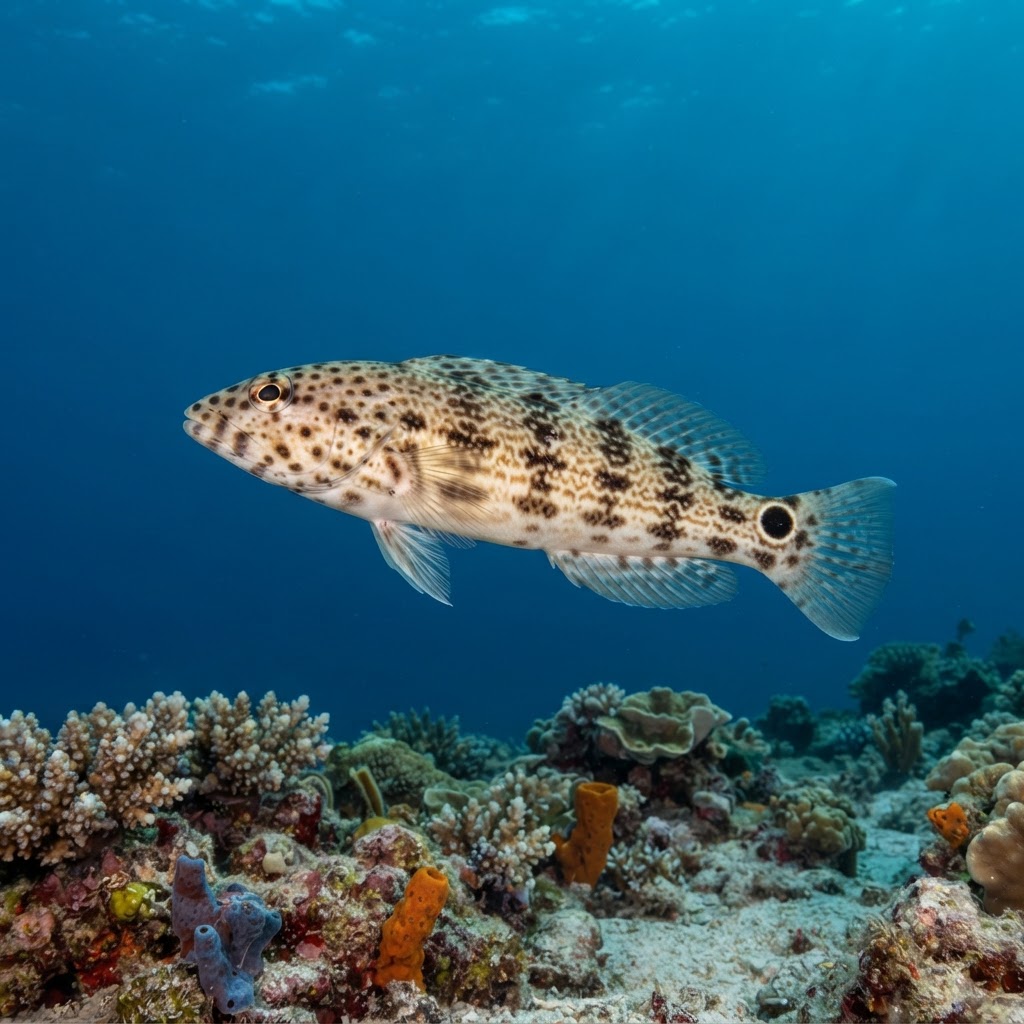
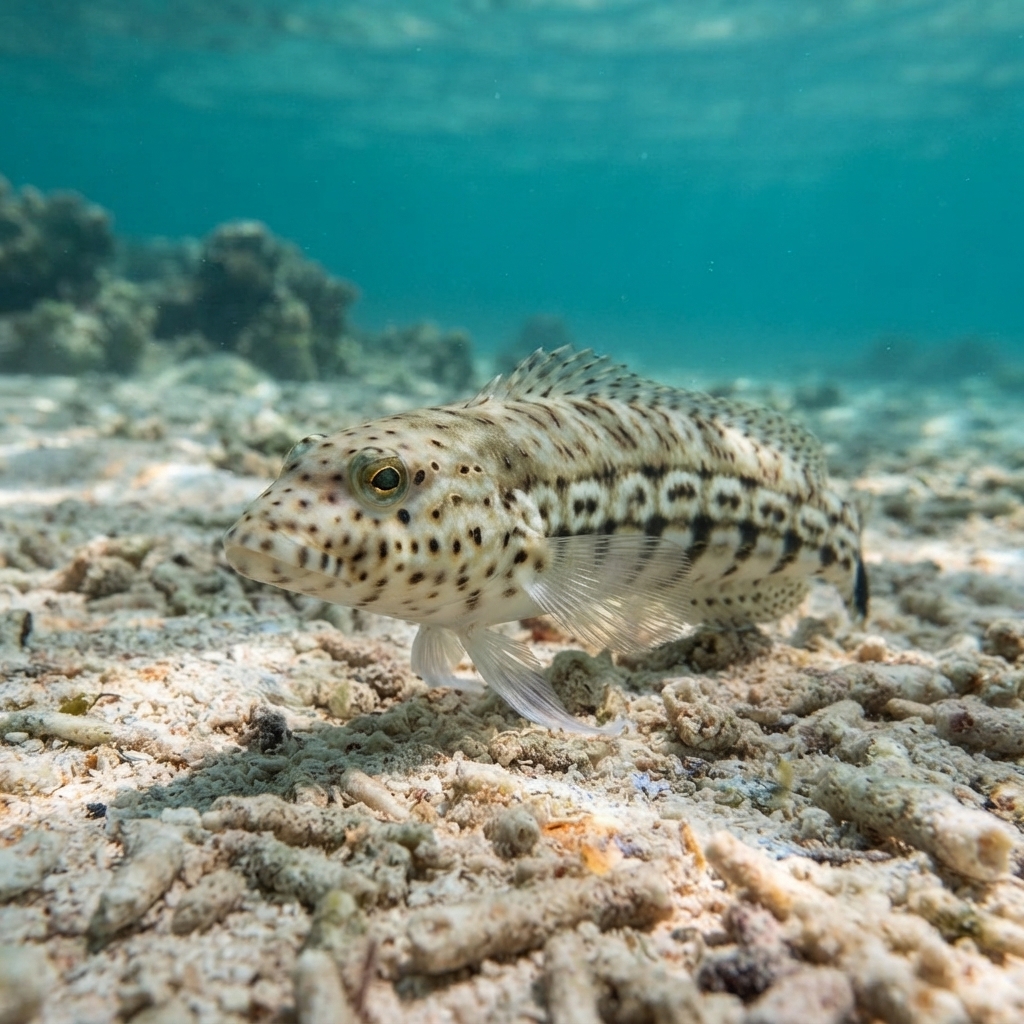
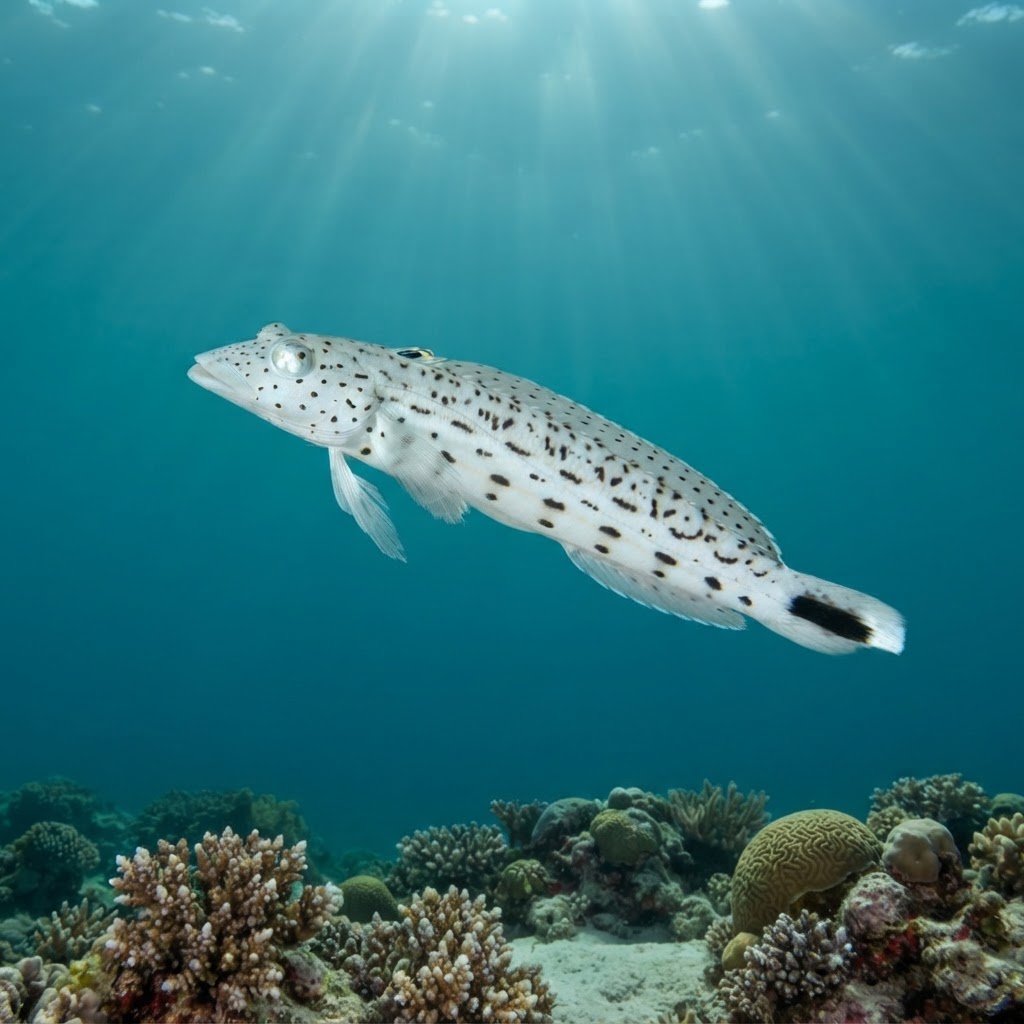
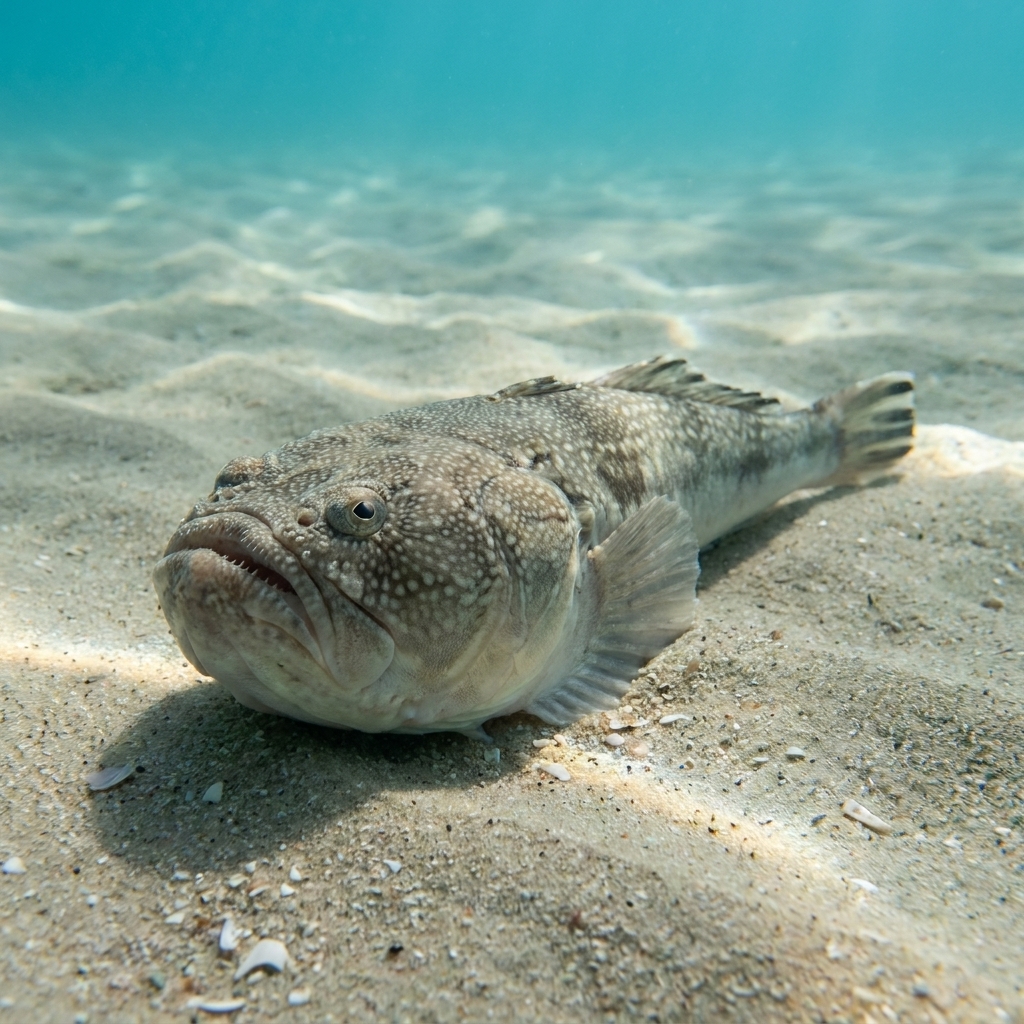
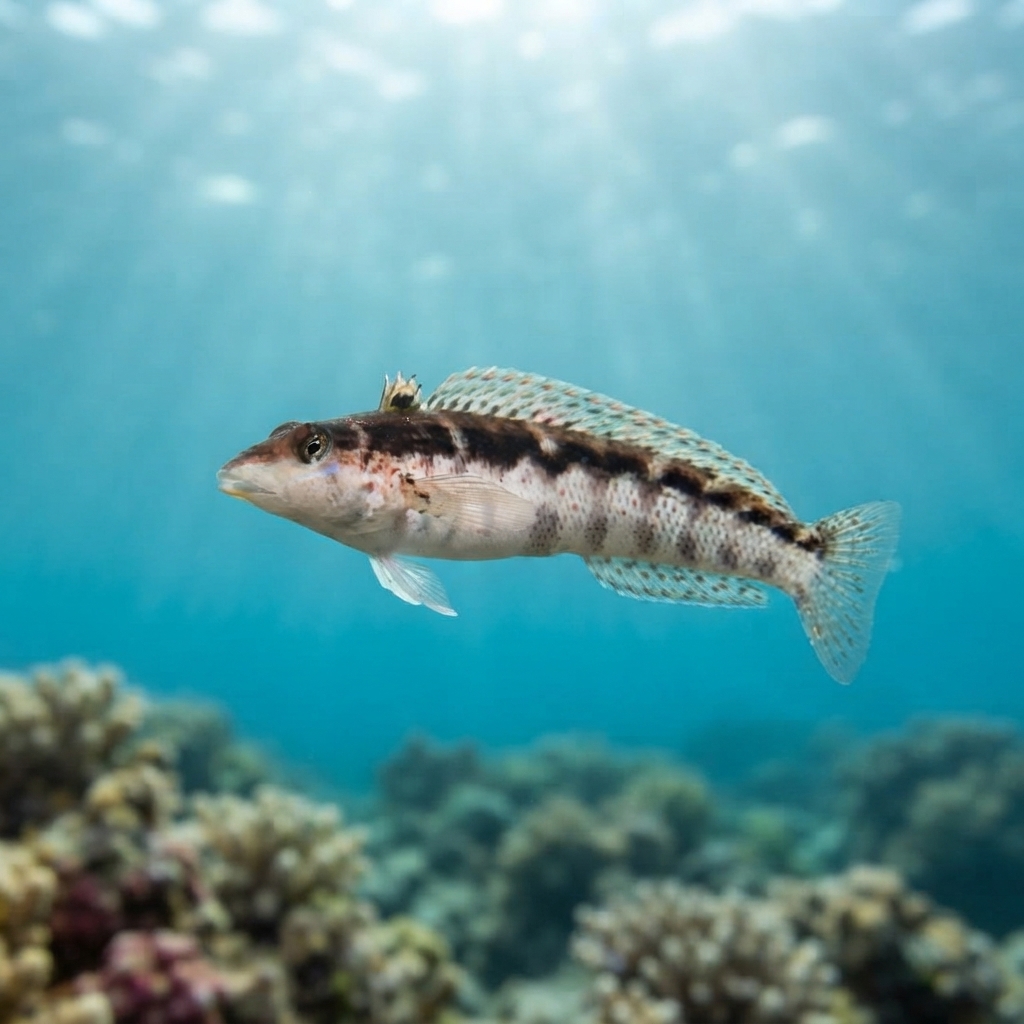
A slim, cylindrical little fish that rarely tops 7 centimetres, usually seen propped on its pelvic fins on open sand or rubble rather than swimming freely. Look for the pale to sandy-grey body broken up by faint wavy or broken dark bars and blotches running along the flank, which is where the common name comes from. The head is pointed and the first dorsal fin is small and separate-looking, a shape shared across the sandperch family, so it pays to look closely at the body pattern rather than the outline.
Divers typically find this one perched motionless on sand or rubble between patches of reef, propped up on its lower fins in the classic sandperch posture rather than cruising in open water. It tends to sit still and let divers approach fairly close before darting a short distance and resettling, more curious than skittish. Most logs describe it as an uncommon but steady find on close bottom-scanning dives rather than something spotted from a distance.
Like other sandperches, it hunts by watching the sand from its raised perch and darting out to snap up small invertebrates that stray too close, so slow bottom time gives you the best chance of seeing that ambush move.
Sightings are spread through the year with no clear seasonal peak, matching a fish that tolerates a fairly wide range from about 15 to 23C, so any month is worth a look in its Western Australian and South Australian range.
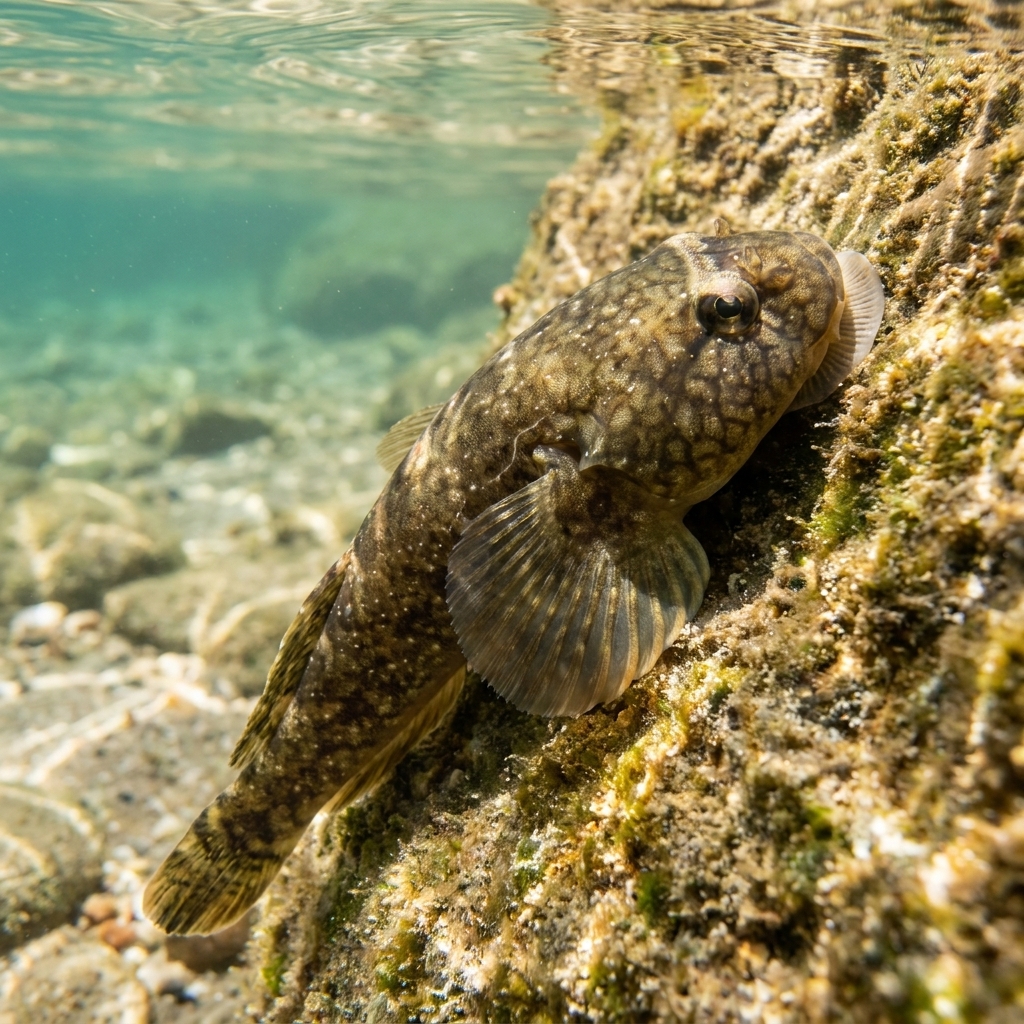
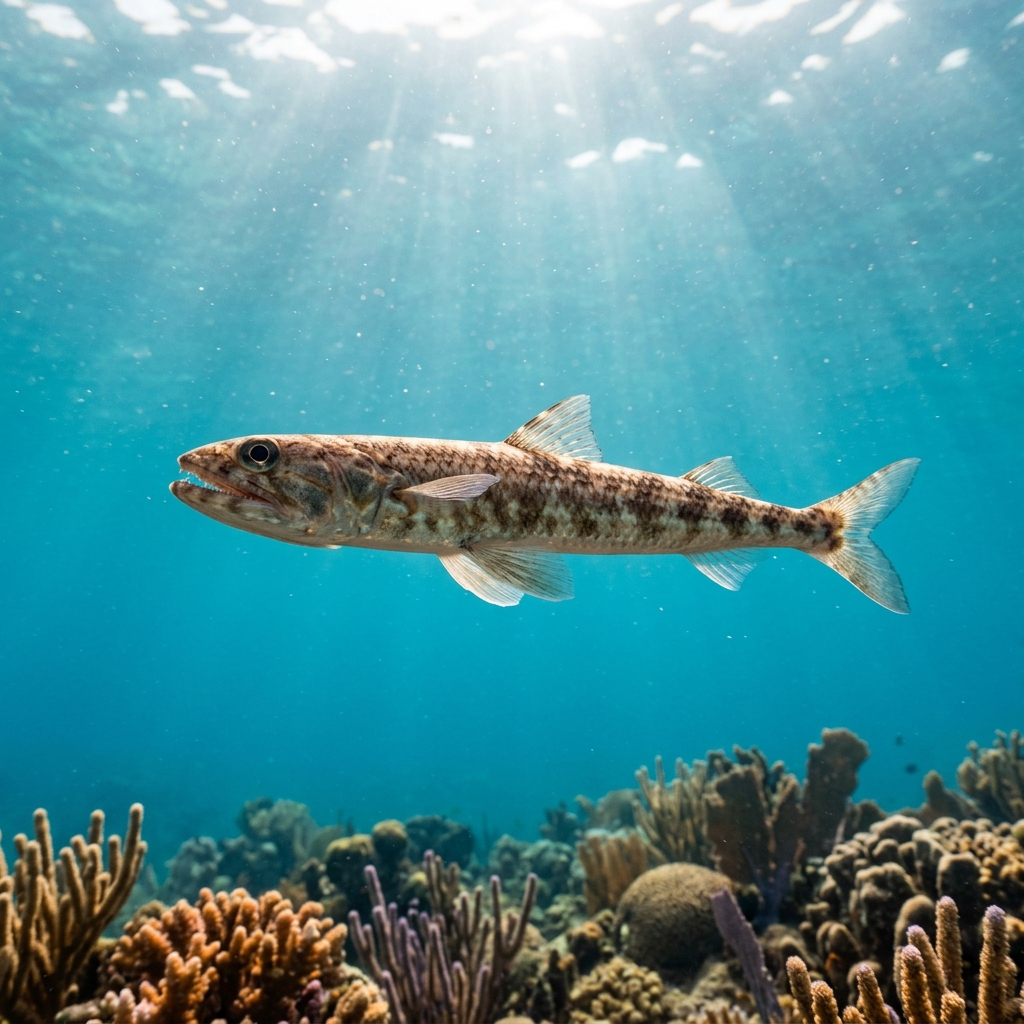
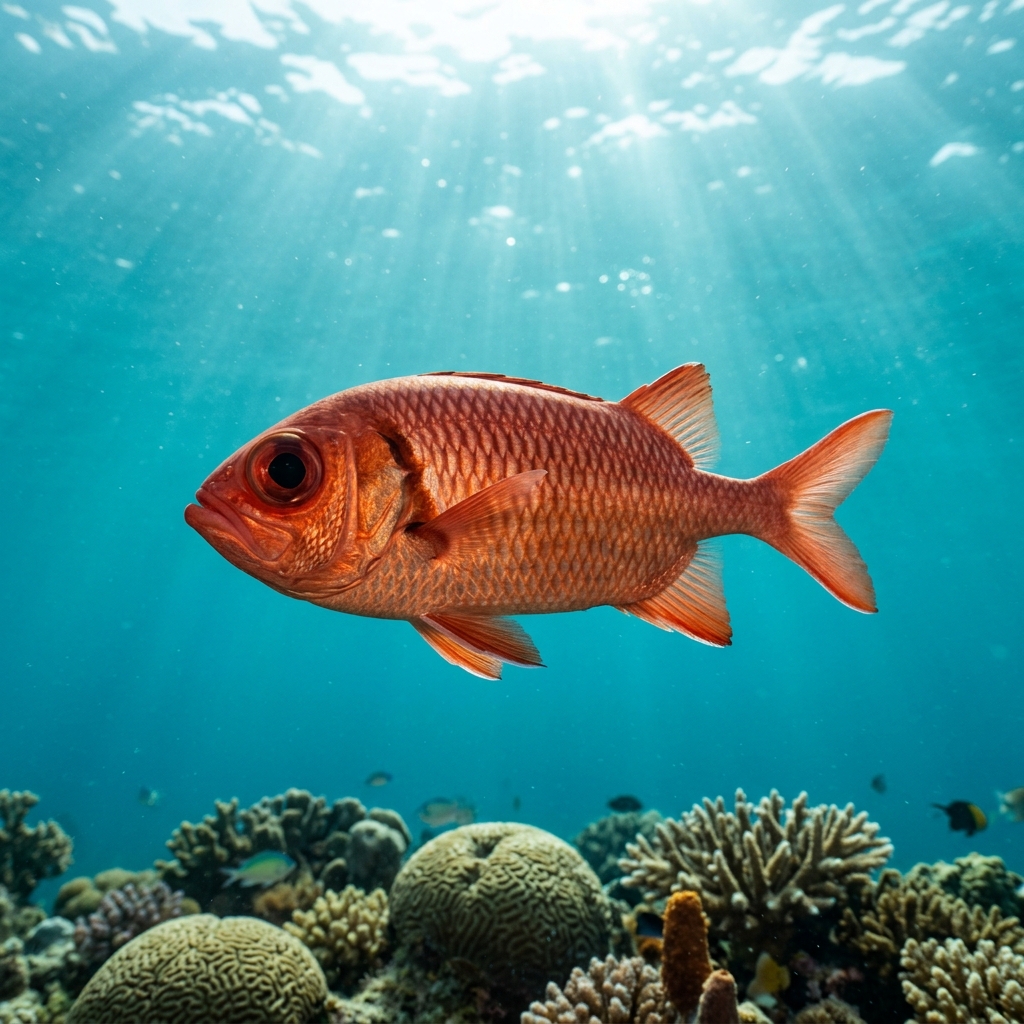
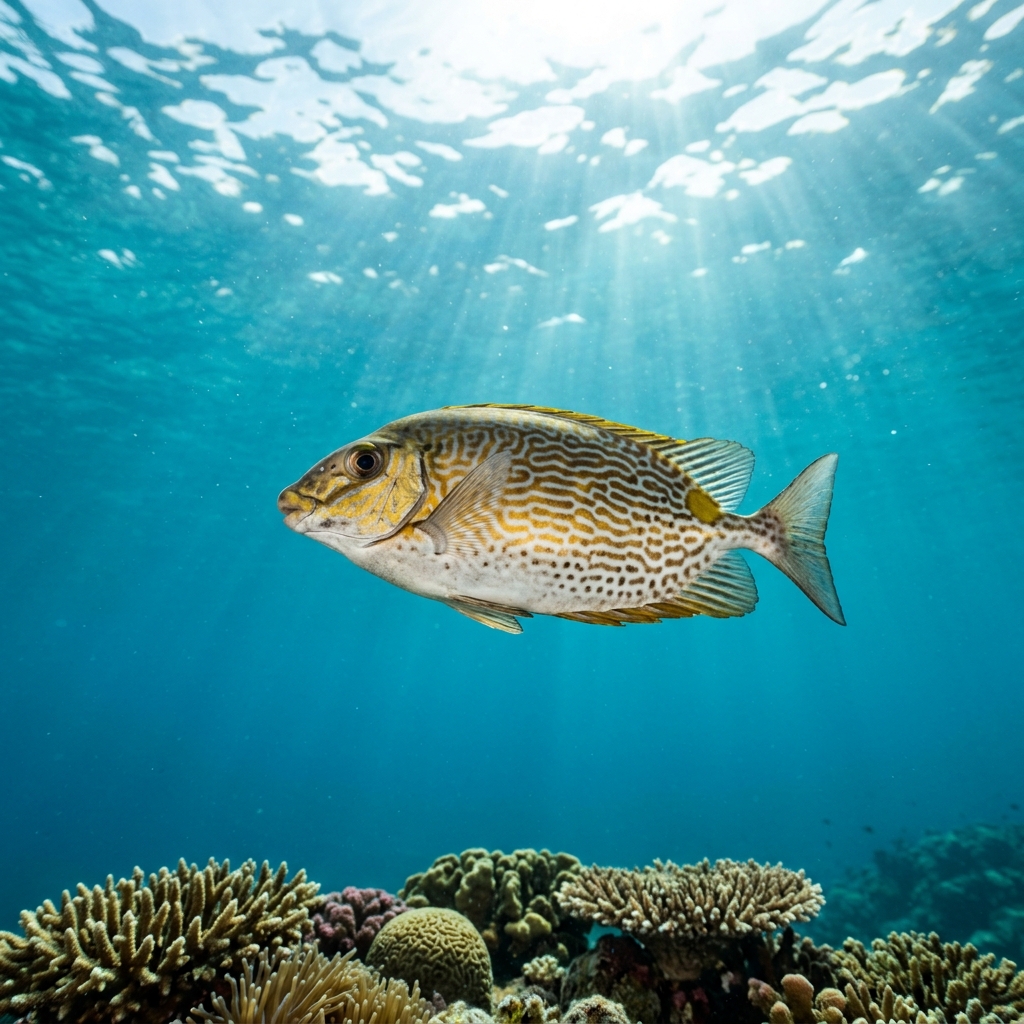
Reef neighbours a diver could mistake it for. Use the identification notes above to tell them apart.
This is very much a Western Australia fish in the logged data, turning up at sites right along the WA coast, with a smaller scatter of sightings across South Australia. If you are diving sand and rubble patches in these regions, keep an eye on the substrate rather than the reef itself.
Mapping where Wavy Grubfish is logged…
They are most reliably found in Western Australia, with additional sightings in South Australia. Look on sand and rubble patches near reef rather than on the reef structure itself.
There is no strong seasonal pattern in sightings, so they are logged year-round across their Western Australian and South Australian range.
Look for a small, slender fish around 7 centimetres long, perched still on sand with faint wavy dark bars along a pale body. It usually rests on its pelvic fins rather than swimming in open water.
They stay small, typically reaching around 7 centimetres in length, making them one of the more overlooked fish on a sand patch dive.
No, they pose no danger to divers. They are small, sand-dwelling fish that keep their distance and have no defensive threat to people.
Site and sighting data is aggregated from diver logs, iNaturalist and GBIF. For taxonomy and conservation status:
Soldierfish
3,612 sites